- English
- French
- German
- Portuguese
- Spanish
- Russian
- Japanese
- Korean
- Arabic
- Greek
- German
- Turkish
- Italian
- Danish
- Romanian
- Indonesian
- Czech
- Afrikaans
- Swedish
- Polish
- Basque
- Catalan
- Esperanto
- Hindi
- Lao
- Albanian
- Amharic
- Armenian
- Azerbaijani
- Belarusian
- Bengali
- Bosnian
- Bulgarian
- Cebuano
- Chichewa
- Corsican
- Croatian
- Dutch
- Estonian
- Filipino
- Finnish
- Frisian
- Galician
- Georgian
- Gujarati
- Haitian
- Hausa
- Hawaiian
- Hebrew
- Hmong
- Hungarian
- Icelandic
- Igbo
- Javanese
- Kannada
- Kazakh
- Khmer
- Kurdish
- Kyrgyz
- Latin
- Latvian
- Lithuanian
- Luxembou..
- Macedonian
- Malagasy
- Malay
- Malayalam
- Maltese
- Maori
- Marathi
- Mongolian
- Burmese
- Nepali
- Norwegian
- Pashto
- Persian
- Punjabi
- Serbian
- Sesotho
- Sinhala
- Slovak
- Slovenian
- Somali
- Samoan
- Scots Gaelic
- Shona
- Sindhi
- Sundanese
- Swahili
- Tajik
- Tamil
- Telugu
- Thai
- Ukrainian
- Urdu
- Uzbek
- Vietnamese
- Welsh
- Xhosa
- Yiddish
- Yoruba
- Zulu
The benefits of the spring return function of electric valves
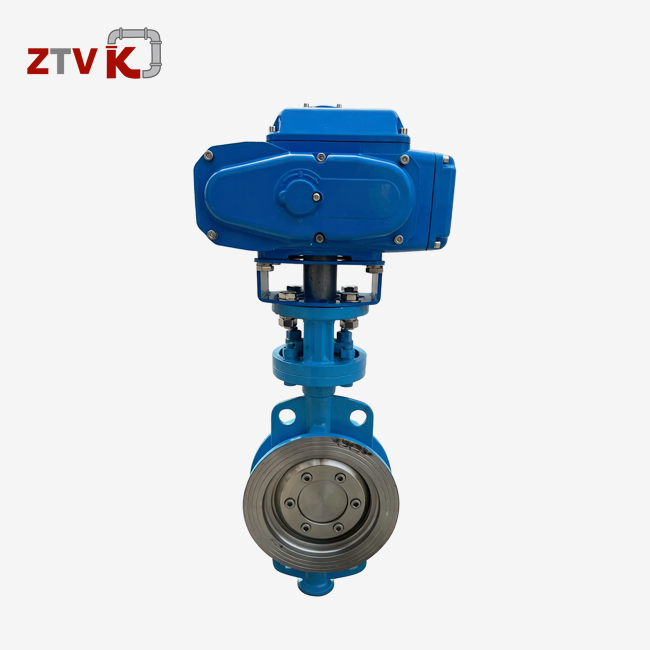
What happens to the switches that control dangerous fluids or important process flows when power goes out suddenly in important industrial systems? This question keeps people who run facilities up at night. The spring return butterfly valve is a beautiful way to solve this problem. As soon as the power goes out, this part moves automatically to a safe position that has already been set. It could be fully open or fully closed. These valves keep infrastructure, people, and processes safe from catastrophic failure by storing mechanical energy in compressed springs while they are working normally. Knowing the strategic importance of spring return technology changes how safety rules are followed and how reliable operations are, whether you're in charge of a petroleum plant or a water treatment facility.
Understanding the Spring Return Function in Electric Valves
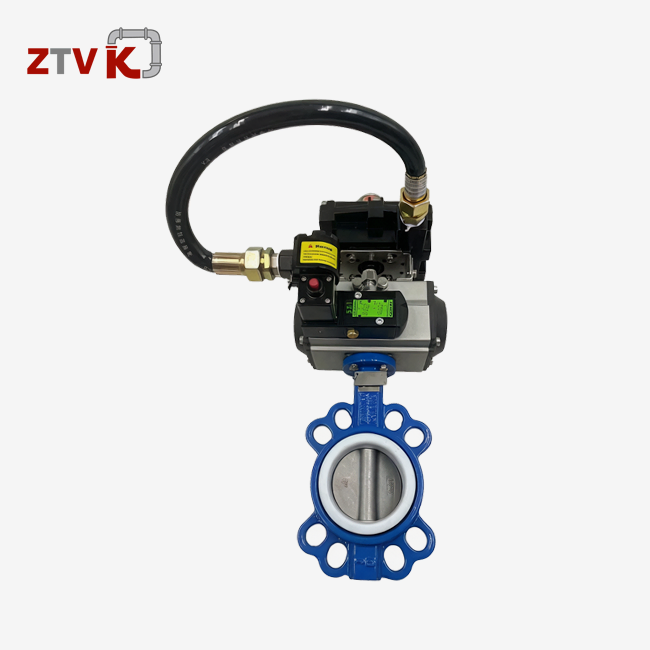
The engineering theory behind spring return butterfly valves combines operational complexity with mechanical simplicity. Inside a single-acting actuator is a pre-compressed spring cylinder that is at the heart of this device. In normal use, air or hydraulic pressure pushes the actuator piston to move against the stress of the spring. This turns the valve disc to the right position. If the power goes out or the pressure drops, the stored spring energy quickly releases, sending the valve back to its fail-safe state in a matter of seconds.
How the Fail-Safe Mechanism Works
Double-acting actuators need constant pressure to stay in both open and closed states. Spring return units, on the other hand, only need energy for one way of movement. The motorised spring takes care of the return move on its own. This design naturally uses less energy while still providing a solid emergency reaction. Modern actuators have caught spring chambers that get rid of the risks that come with handling springs by hand during repair. The whole system meets the requirements of the Safety Instrumented System (SIS), and it has been given SIL ratings under IEC 61508 for use in process businesses that need to be able to measure safety performance.
Comparing Spring Return to Alternative Designs
Traditional double-acting pneumatic valves need an air source for both strokes, which makes them vulnerable when the supply goes out. Electric-only motors need battery backup systems to work, which makes them more complicated and harder to maintain. With manual valves, automation doesn't help at all, and workers have to go into dangerous places in certain situations. Spring return butterfly valves fill in these holes and offer automation benefits with mechanical backups built in. The trade-off is that the actuator needs to be bigger to fit the spring units, but this extra space is worth it when you think about what would happen if the valve failed during an important event.
Comparing Spring Return Butterfly Valves with Other Valve Types
To choose the right flow control technology, you need to know how different valve designs work in different situations. Spring return butterfly valves are one of a kind in this situation because they can be automated and have passive safety features.
Operational Efficiency Across Technologies
In modulating uses, pneumatic valves that don't have a spring return need a steady air supply to stay in place, which means they use compressed air all the time. Even though electric multi-turn valves are very accurate, they can't work when the power goes out unless they have expensive battery systems. Gear-operated manual valves don't need electricity, but they lose the ability to be controlled from a distance and respond slowly. The best way to solve this problem is to use spring return designs, which only use energy during the driven stroke and make sure that the machine is always in a safe position in case of an emergency. This efficiency increases the amount of time that a machine can run in places where making compressed air costs a lot of energy.
Maintenance Requirements and Lifecycle Costs
For position changes, manual valves need to be accessed by an operator on a frequent basis, which raises labour costs and puts people at risk in the process. Double-acting automatic valves have a lot of control and seal parts that need to be checked and replaced often. Because they use flexible spring cartridge designs, spring return units are easier to maintain. When testing for fatigue shows that the spring isn't working as well after 100,000 cycles, techs change the whole cartridge assembly instead of taking it apart and replacing each part. This flexibility cuts down on work hours and breaks. This idea is shown by the ZTVK DN125 setup with QT450 body material and CF8M disc: strong construction combined with replaceable parts makes the device last longer than 50,000 cycles while still meeting ANSI Class VI standards for bubble-tight shutoff.
Automation Flexibility for Diverse Applications
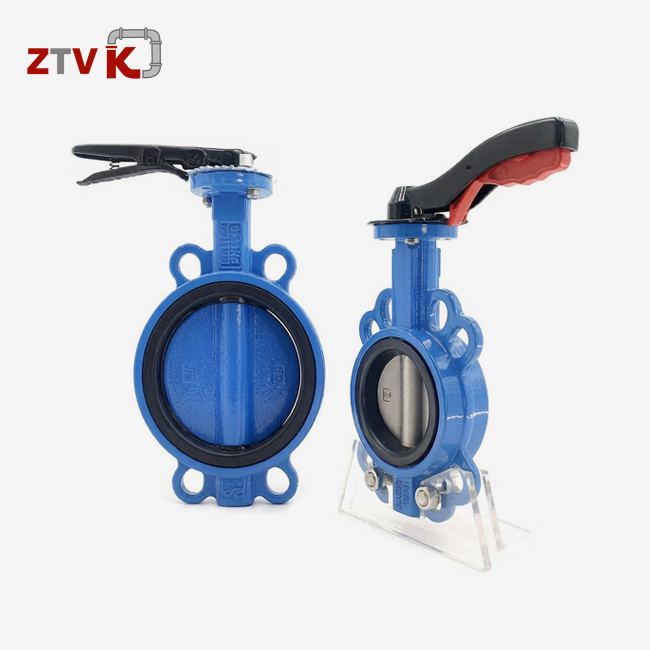
Fail-open setups in HVAC systems that control the flow of air in a building keep people from breathing in smoke during fires. A failure-closed operation is needed at water treatment pumping stations to stop backflow poisoning. Chemical processing lines need valves that quickly separate reacting materials when sensors notice something is wrong. These different needs can be met by spring return butterfly valves that have fail points and actuator sizes that can be set. For DN125 sizes, the wafer-style mounting makes it easier to place retrofits between existing flanges without having to make a lot of changes to the pipes. This speeds up project timelines for workers who are trying to meet tight deadlines.
Core Benefits of Using Spring Return Electric Valves in B2B Applications
When businesses buy things, they are increasingly looking for equipment that gives them real working benefits while also lowering their total cost of ownership. Spring return butterfly valves can be used in a wide range of industry settings, and the technology solves a lot of problems at once, which makes it very appealing to wholesalers, contractors, and end users.
Enhanced Safety Through Automatic Fail-Safe Operation
Power blackouts happen quickly and without notice, especially when there is bad weather or a problem with the grid. Even with preventative repair, equipment breaks down sometimes. In these situations, spring-return butterfly valves serve as the last line of defence. When there is a lack of pressure, the mechanical spring reacts right away, moving the disc back to a safe position within one second for emergency shutdown uses. This reaction speed stops things like tanks overflowing, dangerous materials from leaking, or equipment damage from reverse flow. It's easier for facilities that deal with flammable liquids or dangerous gases to meet legal requirements when they have proof that they installed fail-safe valves along all of their important process lines. Insurance companies know this lowers risk, which could mean lower premiums for owners who show they have a lot of safety equipment.
Cost Benefits Through Simplified Installation and Maintenance
Procurement managers who are careful with their budgets, as spring return valves get rid of a lot of the costs that come with other technologies. The starting cost of buying a single-acting actuator is 15-20% less than that of a double-acting actuator of the same size because it uses fewer gas parts. Technicians only have to connect the air supply to one port, so installation goes faster. They don't have to coordinate two supply lines with directional control valves. In normal designs, EPDM seat material can handle water, steam, and many chemical media without the need for special alloys. This keeps the cost of the material low. Because the spring mechanism works quietly, it doesn't wear out as quickly as continuously energised solenoids or motor drives, so maintenance times are longer. Over a normal 15-year service life, these savings make the return on investment much higher than with alternatives that need parts to be replaced more often.
Versatility Across Industrial Sectors
Here are the main reasons why spring return butterfly valves are adaptable to diverse environments:
Municipal Water Systems: These valves protect pumps and separate zones in treatment plants and transportation networks. When pumps go offline, the fail-closed design stops dirty water from running back into clean supply lines. EPDM chairs are very resistant to chlorine and chloramine disinfectants, which are often used to treat drinking water.
HVAC and Fire Protection: Spring return valves are built into smoke escape systems and fire control lines by building management systems. When there is an emergency, fail-open positioning lets smoke escape automatically, covering escape paths. The DN125 size fits most industrial HVAC ducts, and the CF8M stainless disc material doesn't rust in places where condensation is common.
Chemical Processing: These valves are used in emergency shutdown chains at refineries and chemical plants to separate process units during upsets. The QT450 ductile iron body can handle changes in temperature and mechanical stress better than cast iron options, which is important for applications that need to handle temperature changes. The double eccentric design lowers the running force by 30%. This lets smaller actuators react more quickly when things go wrong.
Procurement Considerations for Spring Return Butterfly Valves
To get the right spring return butterfly valve specification, you need to carefully look at the technical factors that are needed for the purpose. People who work in procurement can benefit from knowing about key selection factors and how the market is changing right now.
Critical Specifications for Application Matching
The main thing to think about when choosing a size is the torque capacity. The actuator needs to make enough force to push the return springs together and overcome the effects of fitting friction, packing drag, and differential pressure on the disc. When you determine the breakout torque, add 25 to 30 percent to make sure that the process stays reliable as the seals age and friction rises. When paired with the right-sized actuators, the DN125 version with wafer installation can handle pipeline pressures up to PN16 (230 psi) in normal water service. The type of media affects the choice of body material. For neutral fluids, QT450 ductile iron has a great strength-to-weight ratio, while upgrading to stainless steel or duplex metals can handle acidic environments. Choosing the right disc material is a mix of cost and longevity. For example, the CF8M stainless disc is more resistant to corrosion than coated carbon steel, which makes up for its higher starting cost by providing a longer service life. Seat materials need to be compatible with both the process fluid and the temperature range. For example, EPDM works well in water service from -20°C to 120°C, but it needs PTFE or metal seats for hydrocarbon service above 150°C.
Market Trends and Pricing Insights
In 2024, global supply patterns show that industrial capacity is recovering after recent problems, but lead times vary a lot from region to region. Chinese companies in industrial hubs like Tianjin can offer reasonable prices because their production chains are fully integrated. For example, valve bodies are cast locally, machining is done in-house, and actuators come from wholesalers in China. Distributors who manage just-in-time supply chains will like this vertical integration because it lets regular setups be delivered in 3–7 days from existing stock. Custom specs can push back delivery dates to 15–25 days, based on how complicated the order is, but faster production is still an option. European and North American manufacturers usually give 8–12-week lead times for things that aren't in stock and charge 40–60% more than Asian manufacturers for the same specs. It's important to think about goods: factories that are less than 50 kilometres from big ports like Tianjin Xingang have lower inland shipping costs and easier export operations. When you use ISPM 15-compliant wooden crates for professional packing, you can avoid the delays at customs that happen with packages that aren't properly prepared.
Identifying Trustworthy Suppliers
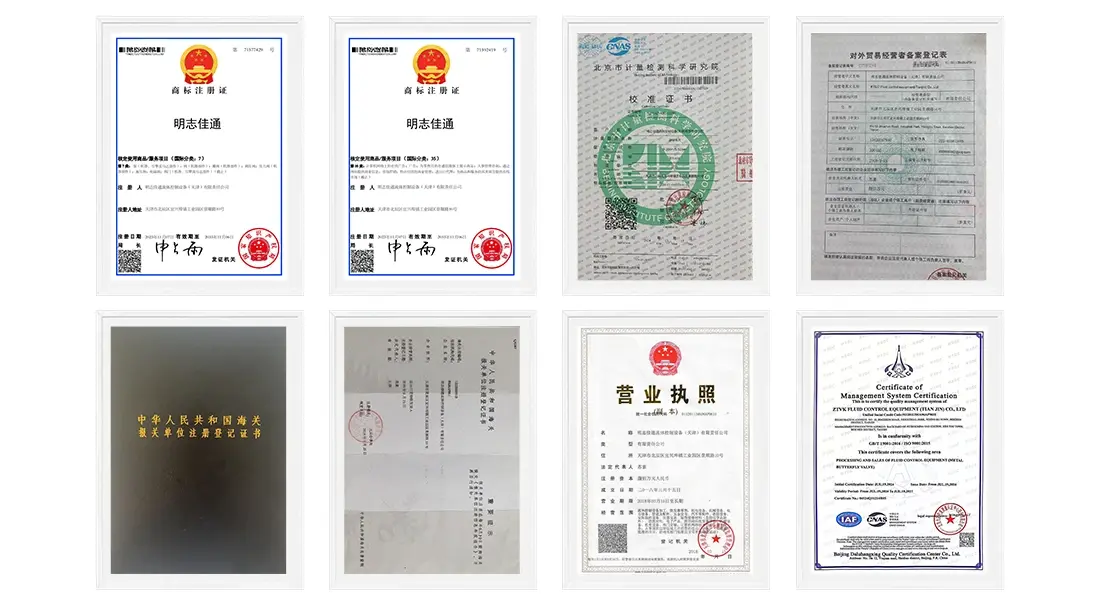
The paperwork for certification is the basis for evaluating suppliers. ISO 9001 quality management systems show that they can control the process, and API 609 compliance shows that the dimensions meet foreign standards. Ask for test results that include trying the shell's hydrostatic pressure (1.5 times the design pressure), checking for seat leakage, and confirming the positive material identification of important parts. Manufacturers with a good reputation keep their testing equipment in good shape and make sure it meets national standards. They also welcome third-party audits of their factories. Warranty terms show how confident the maker is in their products. For non-consumable parts, 18 months of coverage is normal, but some top providers offer 24 months. When you buy something from another country, the framework for after-sales support is very important. Suppliers who offer installation films, troubleshooting guides, and local expert service partnerships lower the risks of commissioning and operating disruptions. Professional manufacturers are able to tell the difference between opportunistic sellers and professional manufacturers because they can scan product nameplates to get digital access to drawings, material certificates, and maintenance records.
Conclusion
Spring return butterfly valves are an established technology that is still being chosen for use in industrial control settings. Putting energy into squeezed springs is a mechanically simple way to store energy that makes them more reliable than computer systems. Automatic fail-safe placement makes facilities safer in a measured way, and procurement departments like how cheap it is to install and how much it costs over its lifetime. The wide range of uses in the energy, chemical processing, water treatment, and HVAC industries makes it easier for wholesalers to keep track of their stock for a variety of customers. Even though industrial systems are becoming more and more automatic, they still face risks like power outages and broken equipment. This is why passive safety, like spring return technology, is still very useful. Specification matching, source selection, and installation quality all need to be done with great care to make sure that these valves protect important infrastructure for decades to come.
Frequently Asked Questions About Spring Return Butterfly Valves
1. What happens during power loss with a spring-return butterfly valve?
As soon as the power goes out or the pressure in the pneumatic system drops below the cutoff, the actuator's squeezed springs instantly release the mechanical energy they had stored. This makes the valve disc turn to its set fail-safe position, which could be fully open or fully closed based on the configuration. This happens quickly, usually in one second. No help from a person, extra power, or outside energy source is needed. The spring return butterfly valve stays in this safe place until the power is turned back on, and it is moved on purpose.
2. How do spring return valves differ from double-acting types regarding energy use?
To keep the valve in any position—open, closed, or throttled—double-acting motors use compressed air or hydraulic fluid all the time. For both the starting and finishing strokes, they need energy. Pumps with spring returns only need a pressurised source for the powered stroke, which moves the piston against the strain of the spring. The return stroke is inactive and is controlled by spring force. This saves a lot of energy in situations where the fail-safe position needs to be held for a long time.
3. Are these valves suitable for corrosive chemical environments?
Chemical compatibility is based on the choice of material. Standard models with QT450 bodies and EPDM seats work well with neutral water solutions, light acids, and alkalis. For corrosive services, better specs are helpful. For example, CF8M stainless steel discs can handle chlorides and oxidising media, and body improvements to duplex stainless steel or special alloys make them more compatible with harsh chemicals. Seat materials can also be changed. For example, PTFE can be used instead of EPDM in situations with chemical liquids and high temperatures, and metal-seated forms can handle abrasive slurries. Making sure the right materials are matched means looking at chemical protection charts and talking to makers about specific media.
Get Reliable Spring Return Butterfly Valve Solutions from ZTVK
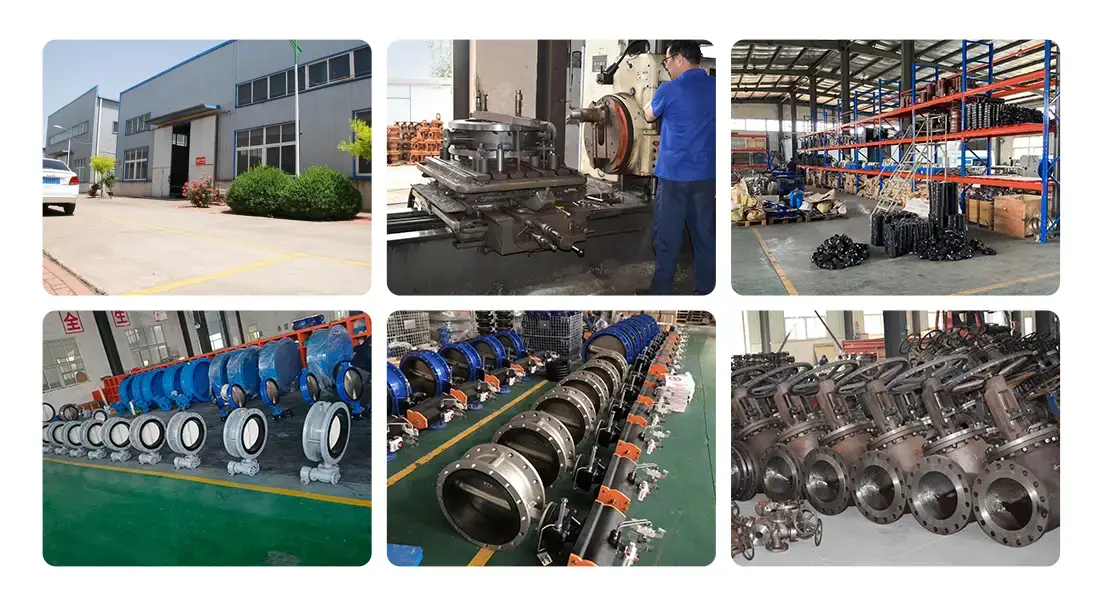
ZTVK offers tried-and-true spring return butterfly valve technology and a wide range of production options in Tianjin's Beichen industrial area. The QT450 frame, CF8M disc, EPDM seat, and wafer mounting in our DN125 configuration strike the perfect mix between performance and value that procurement professionals are looking for. Our quality systems are backed by ISO9001, ISO14001, and OHSAS18001 certifications. We also have in-house material analysis, pressure testing, and CNC machining centers that make sure every unit meets the written standards. We keep more than 2,000 standard valves in stock, so we can send them in three to seven days for urgent jobs. Custom manufacturing takes fifteen to twenty-five days. Since we are only 50 kilometres from Tianjin Port, we have great infrastructure, which lets us offer low FOB and CIF prices through partnerships with major shipping lines. OEM and ODM services help wholesalers build regional names by giving them custom logos, packaging, and specs. Whether you're a trading company adding new products, an EPC contractor with tight deadlines, or an equipment maker looking for reliable parts, our expert team can help you make the right choice by giving you advice, CAD models, and 18-month warranties that lower the risk of buying. Contact us at ktec86961886@163.com to talk about your specific application needs with experienced spring return butterfly valve suppliers who know how to meet the operational needs and price limits of today's industry buyers.
References
1. American Petroleum Institute (2018). API Standard 609: Butterfly Valves – Double Flanged, Lug- and Wafer-Type. Washington, DC: API Publishing Services.
2. International Electrotechnical Commission (2010). IEC 61508: Functional Safety of Electrical/Electronic/Programmable Electronic Safety-Related Systems. Geneva: IEC Central Office.
3. American Society of Mechanical Engineers (2020). ASME B16.34: Valves – Flanged, Threaded, and Welding End. New York: ASME Press.
4. British Standards Institution (2017). BS EN 593: Industrial Valves – Metallic Butterfly Valves for General Purposes. London: BSI Standards Publication.
5. Emerson Automation Solutions (2021). Control Valve Handbook: Fifth Edition. Austin, TX: Fisher Controls International LLC.
6. Valve Manufacturers Association (2019). Spring Return Actuators: Design Principles and Application Guidelines. Washington, DC: VMA Technical Publications.
Send us your valve requirements and our team will provide professional solutions and fast quotations.
RELATED INDUSTRY KNOWLEDGE