- English
- French
- German
- Portuguese
- Spanish
- Russian
- Japanese
- Korean
- Arabic
- Greek
- German
- Turkish
- Italian
- Danish
- Romanian
- Indonesian
- Czech
- Afrikaans
- Swedish
- Polish
- Basque
- Catalan
- Esperanto
- Hindi
- Lao
- Albanian
- Amharic
- Armenian
- Azerbaijani
- Belarusian
- Bengali
- Bosnian
- Bulgarian
- Cebuano
- Chichewa
- Corsican
- Croatian
- Dutch
- Estonian
- Filipino
- Finnish
- Frisian
- Galician
- Georgian
- Gujarati
- Haitian
- Hausa
- Hawaiian
- Hebrew
- Hmong
- Hungarian
- Icelandic
- Igbo
- Javanese
- Kannada
- Kazakh
- Khmer
- Kurdish
- Kyrgyz
- Latin
- Latvian
- Lithuanian
- Luxembou..
- Macedonian
- Malagasy
- Malay
- Malayalam
- Maltese
- Maori
- Marathi
- Mongolian
- Burmese
- Nepali
- Norwegian
- Pashto
- Persian
- Punjabi
- Serbian
- Sesotho
- Sinhala
- Slovak
- Slovenian
- Somali
- Samoan
- Scots Gaelic
- Shona
- Sindhi
- Sundanese
- Swahili
- Tajik
- Tamil
- Telugu
- Thai
- Ukrainian
- Urdu
- Uzbek
- Vietnamese
- Welsh
- Xhosa
- Yiddish
- Yoruba
- Zulu
Electric-operated butterfly valve | Working Principles & Operation Guide
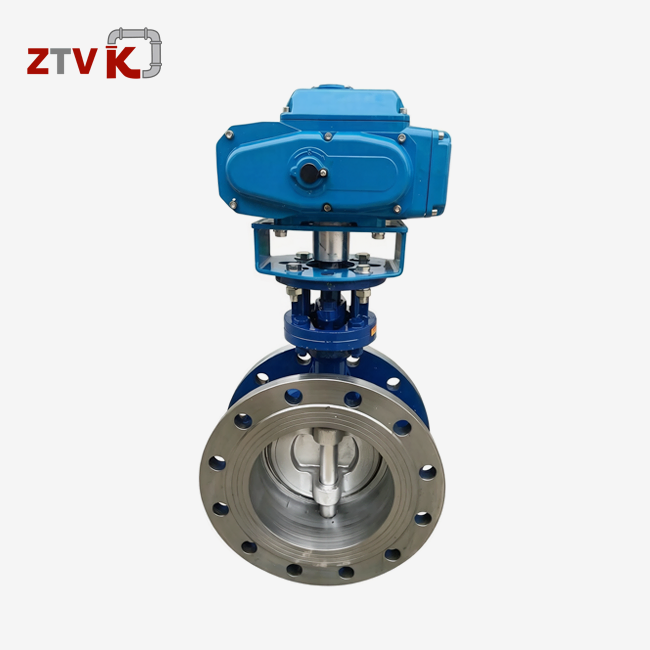
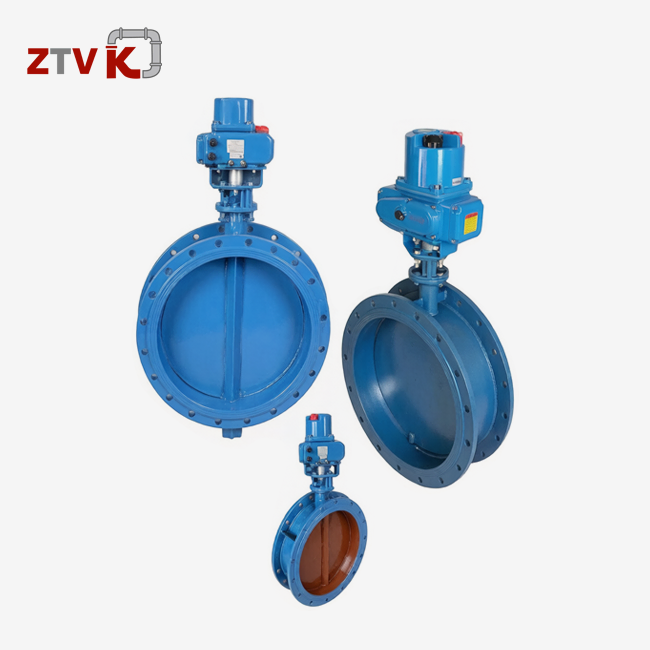
An electric operated butterfly valve is a quarter-turn rotating valve that is connected to an electric motor actuator. Its job is to control the flow of fluid with precise automation. These valves, unlike manual ones that need to be opened and closed by hand, use electricity (usually 24V DC, 110V AC, or 220V AC) to turn a center disc 90 degrees inside the pipeline. This automation fixes some of the most important problems in industrial processes. For example, it gets rid of the need for hard-to-do manual adjustments in large-diameter pipelines, provides accurate flow modulation through 4-20mA analogue signals that can't be achieved with lever-operated systems, and stops water hammer effects by controlling opening and closing speeds. They hold smart water networks and remote control systems together in processing plants around the world.
Understanding Electric-Operated Butterfly Valves
Core Components and Structure
There are four important parts that work together to make up an electric-operated butterfly valve. The valve body, which can be made of ductile iron (DI/QT450), carbon steel (WCB), or stainless steel (CF8/CF8M), holds the whole system and connects to pipes in a way that meets ISO5211 standards. Inside the body, a round disc made of aluminium bronze or stainless steel spins on a stem shaft that is not in the same direction as the flow. When the disc is lined up parallel to the flow, the valve opens all the way. To close it completely, turn the disc 90 degrees perpendicular to the flow. The seat material—EPDM for use with water, NBR for use with oil, PTFE for chemical resistance, or VITON for use at high temperatures—forms a strong seal against the edge of the disc. The electric actuator is attached to the top using an ISO5211 link. It has geared motors and limit switches that turn electrical orders into accurate rotational movement.
Electric vs. Manual and Pneumatic Variants
Electric control is clearly better than hand operation for butterfly valves. Manual workers have to be present at valves that are far away, which can put people in danger and make it hard to get to areas that are high up or limited. Even though pneumatic actuators are automatic, they need infrastructure for compressed air, which adds to the costs and complexity of upkeep. Electric actuators don't need these extra parts because they can be powered straight from the building's power sources and can place themselves to within 2 degrees, compared to 5 degrees for pneumatic systems. They work perfectly with programmable logic controllers and SCADA systems using standard 4-20mA current loops or digital protocols like Modbus RTU. This lets you watch and make changes from afar, which isn't possible with manual wheels or pneumatic positioners.
Valve Types and Actuator Designs
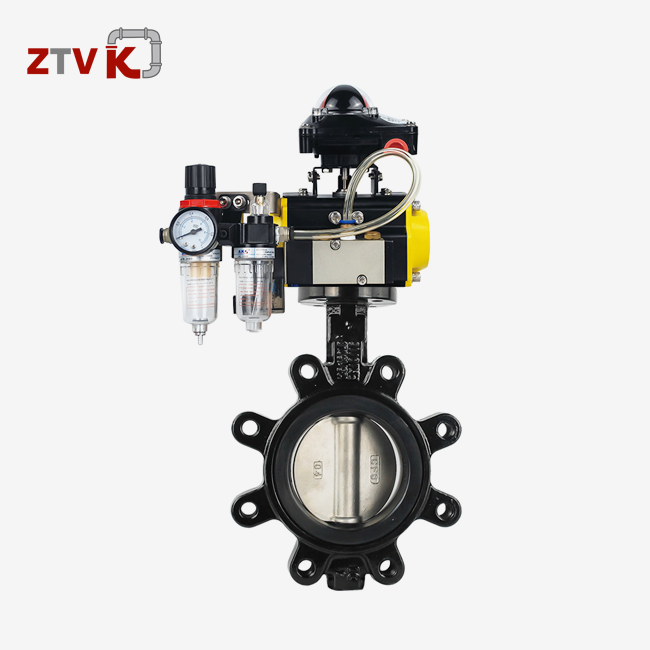
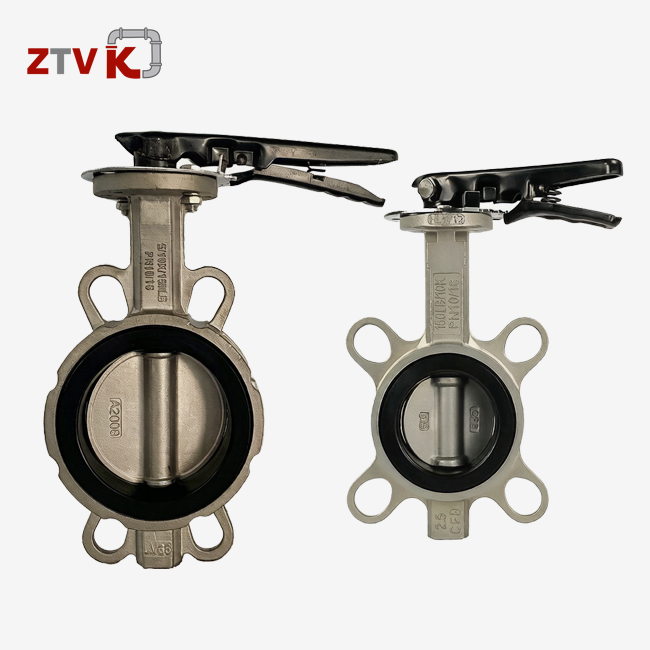
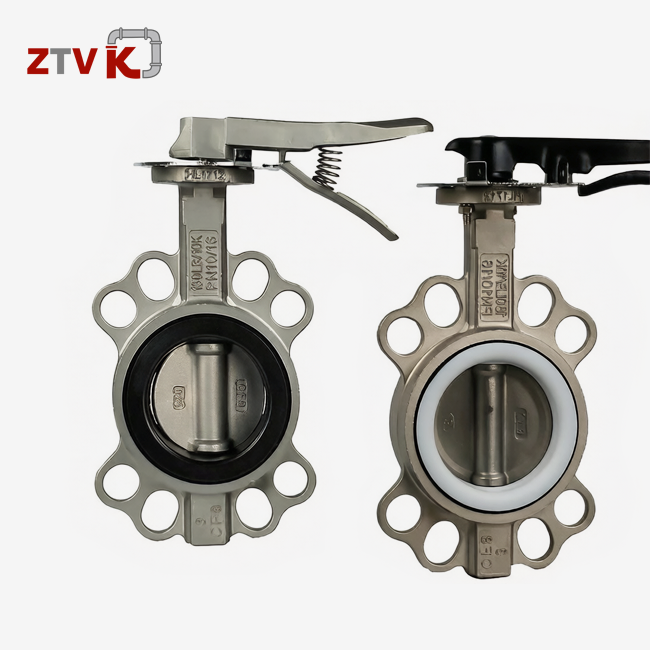
Wafer-type butterfly valves are most common in industrial settings because they fit between ANSI 150-class flanges without the need for extra seals and have small face-to-face dimensions that meet API 609 standards. They can handle working pressures up to PN16 (about 232 psi) and come in sizes from 1.5 inches to 48 inches (DN40 to DN1200 mm). When the double-eccentric design is used, there is less seat friction, which means that 30% less actuator power is needed compared to circular designs. The service life is also longer, going beyond 50,000 cycles. There are two types of actuators based on their functions: on/off actuators are used for simple separation tasks, and modulating actuators with smart positioners are used for throttling tasks that need disc positions in the middle. The level of ingress protection goes from IP67 for outdoor setups to IP68 for underwater areas in wastewater treatment plants.
Benefits and Applications of Electric Butterfly Valves
Electric actuation-based automation leads to measurable operating gains that have a direct effect on project timelines and maintenance budgets. Electrically modulated valves are very accurate, so engineers can keep flow rates within ±5% of setpoint values. This is important for keeping chemical dosing ratios in treatment plants at the right level or heat transfer rates constant in HVAC cold water loops. Eliminating the costs of making compressed air for pneumatic systems is a good way to save energy. For example, a normal 100-horsepower air compressor uses about $50,000 a year in electricity to move valves, a job that can be done for less than $8,000. Fewer moving parts mean less upkeep. On average, electric actuators last 15,000 hours before they break, while pneumatic counterparts that are subject to moisture in air supply lines only last 8,000 hours.
Industrial HVAC and Chilled Water Systems
For heat load balancing, commercial building automation systems depend on electric operated butterfly valves that are controlled by electricity. When the cooling tower bypass flow is connected to building management systems, it can be changed automatically based on real-time temperature monitors. This keeps the condenser water temperatures in the right ranges. During a recent installation at a 2-million-square-foot data center, our valves reacted to BMS orders in three seconds, while competing pneumatic systems took twelve seconds. This quick action stopped compressor surges during changes in load, which could have caused $180,000 in damage to the facility's equipment over the course of the year it was open.
Wastewater Treatment Plants
Electric butterfly valves are very durable and work well in harsh environments like municipal wastewater treatment plants. When used in sludge transfer lines and heads for aeration basins, valves with epoxy-coated discs and EPDM seats can handle solids amounts higher than 6% by weight. IP68-rated motors keep working even when they get submerged in water during flood events. A treatment plant in Southeast Asia that used our equipment said that the actuators didn't break down in 38 months of use in a high-humidity coastal climate. This is in contrast to previous sources, which had to replace 17 pneumatic actuators during the same time period.
Chemical Processing and Petrochemical Applications
When working with corrosive acids and flammable fuels, you need special valve designs with PTFE-lined bodies and explosion-proof actuators that meet Ex d IIC T4 standards for Zone 1 dangerous sites. When the power goes out, the self-locking gear trains in electric motors keep the disc in place, which stops chemical mixing that is out of control. Our valves substituted for heavier globe valves on the mixing skid of a big plant. This cut the mounting loads on the actuators by 65% while still meeting API 598 Class VI leakage standards for bubble-tight shutoff. Through better covering, the system got rid of fugitive emissions equal to 2.3 tonnes of CO2 per year.
Installation, Operation & Maintenance Guide
Pre-Installation Checks and Setup
Before putting the valve unit in place, use a straightedge to make sure that the pipeline lip is flat. Surface differences of more than 0.005 inches per inch diameter can damage the seal. Make sure that the pipe hole diameter fits the valve port size. Piping that is too small causes disc vibrations caused by turbulence, which can shorten the life of the disc by up to 40%. Thoroughly clean all flange sides, getting rid of any rust, welding slag, or old gasket material that might be blocking proper compression. Using a multimeter, compare the actuator voltage value to the facility source. If the voltages are not the same, the motor will overheat and fail early. In throttling situations, place the valve so that the disc opens against the usual flow direction. This will stop cavitation damage to the disc's leading edge.
Wiring and Commissioning Procedures
When it comes to motor circuits, electrical links must follow NEC Article 430 and any local electrical rules that are in place. To keep electromagnetic interference from changing the accuracy of positioning, run control signal lines separately from power cords. For 4-20mA analogue data, use insulated twisted-pair wire and keep it at least 12 inches away from high-voltage lines. During testing, do a full-stroke calibration cycle and make sure the limit switches work perfectly at 0 degrees (closed) and 90 degrees (open) for the discs. Check that the output torque of the actuator is equal to or greater than the valve's estimated breakaway torque, which is usually 1.5 times the running torque to overcome static friction in the seat seal. Keep track of the average amount of current drawn during operation; jumps of more than 15% mean that mechanical binding is happening and needs to be looked into.
Routine Maintenance and Troubleshooting
Inspections should be scheduled every three months for key process uses and every six months for utility services. Check the external actuator box for leaks that let water in through broken conduit plugs. Finding this problem early on keeps the internal gear trains from rusting. Every 10,000 rounds or once a year, whichever comes first, grease stem bearings with NLGI Grade 2 lithium-based grease. Too much grease attracts dirt and dust, which leads to harsh wear. If the disc doesn't fit all the way, which can be seen by a drop in pressure across the closed valve, check the seat material for wear and tear, which means it needs to be replaced. Many times, an actuator that doesn't react to control signals for an electric-operated butterfly valve is caused by loose terminal connections or broken limit switches, not a motor that has burnt out. Regular electrical testing can find problems so that parts don't have to be replaced when they aren't necessary.
How to Choose the Best Electric Butterfly Valve for Your Needs
Evaluating Key Specifications
Accurate recording of system parameters is the first step in choosing the right electric operated butterfly valves. Find the highest difference in pressure across the valve when it is closed. Body ratings of PN10 (145 psi) or PN16 (232 psi) must be higher than this number, with a safety range that is appropriate. Find out about the fluid's viscosity, temperature range, and chemical properties. Then, choose the disc and seat materials based on these properties: CF8M stainless steel with VITON seats for acidic environments, and aluminium bronze with PTFE seats for saltwater environments. Instead of just matching the pipe width, figure out the right size for the valve by using flow coefficient (Cv) calculations. Valves that are too small waste energy and cause too much pressure drop, while valves that are too big waste energy when they're not throttling properly.
Control Functionality and Communication Protocols
On/off motors are enough for simple isolation tasks in pump discharge lines or tank inlet services where positioning in the middle is not needed. In temperature control loops, blending processes, or any other situation where proportional flow change is needed, modulating motors become very important. Check to see if the signals coming from your control system are analogue (4-20mA, 0-10V DC) or digital (Modbus RTU, Profibus DP). Choose devices with suitable interfaces to avoid buying expensive signal converters. Modern smart positioners give feedback on valve position and diagnostic data like cycle counts and torque trends. This lets predictive maintenance strategies work, which cuts down on unplanned downtime by finding performance problems before they become catastrophic.
Supplier Evaluation and Quality Assurance
When making a purchase choice, the credentials of the maker should be taken into account along with the price. Check to see if the quality management system is certified according to ISO 9001, and ask for inspection records that show the system meets the requirements for API 598 pressure testing, which includes shell tests at 1.5x design pressure and seat tests at 1.1x design pressure. Carefully read the guarantee terms; 18 months of coverage against manufacturing defects shows that the seller is sure the product will last. Check the shipping options. Distributors who keep common sizes (DN50–DN600) in stock offer 3–7-day lead times, while custom configurations take 15–25 days. Being close to major shipping ports lowers freight costs and transit times. Manufacturers within 50 kilometres of container terminals have organisational benefits, especially for large orders that need to be shipped in multiples.
Troubleshooting and Common Problems
Actuator Malfunctions and Electrical Issues
If an electric actuator doesn't react to control signals, check the power source voltage at the motor terminals while the actuator is under load. If the voltage drops by more than 10% during operation, it means the wire is too small, or the circuit breaker can't handle the load. Check the thermal overload switches in the motor starter; annoying trips mean that the actuator is the wrong size or is cycling too often, which is beyond its duty rating. Smart positioners that have communication mistakes often have problems with grounding. Check the voltage potential between the instrument ground and the earth ground. Differences greater than 1 volt cause ground loops that mess up analogue signals. When something mechanical goes wrong, it makes strange noises while it's working. For example, grinding sounds mean that the gear teeth are worn out and the actuator needs to be replaced, and clicking sounds mean that the mounting bolts are loose and the actuator and valve stem are not lined up properly.
Valve Disc Binding and Sealing Failures
When a disc sticks during operation of an electric operated butterfly valve, it's usually because of foreign matter stuck between the disc edge and the seat. Particles bigger than 10% of the seat's compression thickness stop the disc from closing properly. Use temporary strainers upstream of the valve to flush the system well. If the contamination stays, you may need to place permanent Y-strainers. Chemical compatibility and temperature exposure determine how quickly seat materials break down. For example, EPDM seats break down quickly above 250°F, while PTFE seats can withstand 400°F continuously. Watch the changes in closure torque using devices that can sense torque; slow increases show that the seat is wearing out and needs to be replaced before leaking happens. If the external stem seal leaks around the packing gland, you need to fix it right away. Tighten the packing nuts little by little while keeping an eye on the stem spinning friction. Too much tightening raises the actuator load, which can cause the motor to fail early.
Preventative Maintenance Strategies
When condition-based tracking is used, equipment lasts a lot longer than when reactive repair is used. During commissioning, set standard performance measures such as the full-stroke time, operating current draw, and closing torque values. Plan to collect data every three months and compare current measurements to baselines. Deviations of more than 20% should lead to a more in-depth review before the next planned interval. Thermal imaging scans can find electrical connection problems before they get worse. Hot spots above 20°F ambient temperature difference mean resistance from rust or looseness that needs to be fixed right away. Vibration research on large-diameter valves finds disc imbalance and worn bearings. Accelerometer numbers above 0.3 inches per second are a sign that parts are getting close to the end of their useful life. By teaching operations staff to recognise strange sounds, longer stroke times, or control system alarms, small problems can be caught early and avoided from turning into unplanned shutdowns during busy production times.
Conclusion
For industrial flow control uses, electric operated butterfly valves are the best combination of mechanical ease and automation complexity. Their small wafer-shaped design keeps installation space and costs to a minimum, and electric actuation gives them precise placement and the ability to be controlled from a distance, which is important in today's automated facilities. To make the right choice, you need to carefully look at the pressure levels, the compatibility of the materials, and the actuator specs that match the needs of the system. For long-term operational success, you need to work with reputable makers who offer ISO-certified quality control, full expert support, and reliable supply logistics. If you install these valves properly and keep them in good shape, they will last for decades and work reliably in tough environments like petrochemical processing plants and city water systems.
FAQ
1. What differentiates on/off actuators from modulating types?
For isolation services, on/off actuators only move an electric-operated butterfly valve to its fully open or fully closed states. They only have simple limit switches and cannot be placed in between positions. Modulating actuators have smart positioners that receive 4-20mA analogue signals and place the disc at exact angles between 0 and 90 degrees for uses that need proportional control to slow down flow.
2. How do we calculate the required actuator torque accurately?
When you figure out torque, you need to take into account the valve's break-away torque at the highest differential pressure, plus 1.3x to 1.5x as a safety factor. These numbers are affected by viscosity, seat friction, and the shape of the disc shift. Manufacturers give torque charts that are specific to valve size and pressure class. Always check your figures with technical support from the provider to avoid undersizing the actuator and having it fail in the field.
3. Can these valves operate reliably outdoors?
Electric butterfly valves work great outside as long as the motors have at least an IP67 grade, which means they are dust-tight and can be submerged in water for a short time. UV-resistant powder coating keeps the finish from wearing down when it's exposed to sunlight. Marine-grade C5-M anti-corrosion paint standards are needed in coastal areas. Heater kits keep actuator housings from getting condensation when they are used in cold weather.
4. What happens during power failure events?
When the power goes out, most electric devices stay in the last position that was set for them. They don't open or close on their own. For safety-important tasks, fail-safe setups are needed. For example, spring-return actuators store mechanical energy and use it to move valves to safe positions. Battery backup systems provide temporary power for controlled shutdown routines that meet process safety standards.
Partner with ZTVK for Reliable Electric Butterfly Valve Solutions
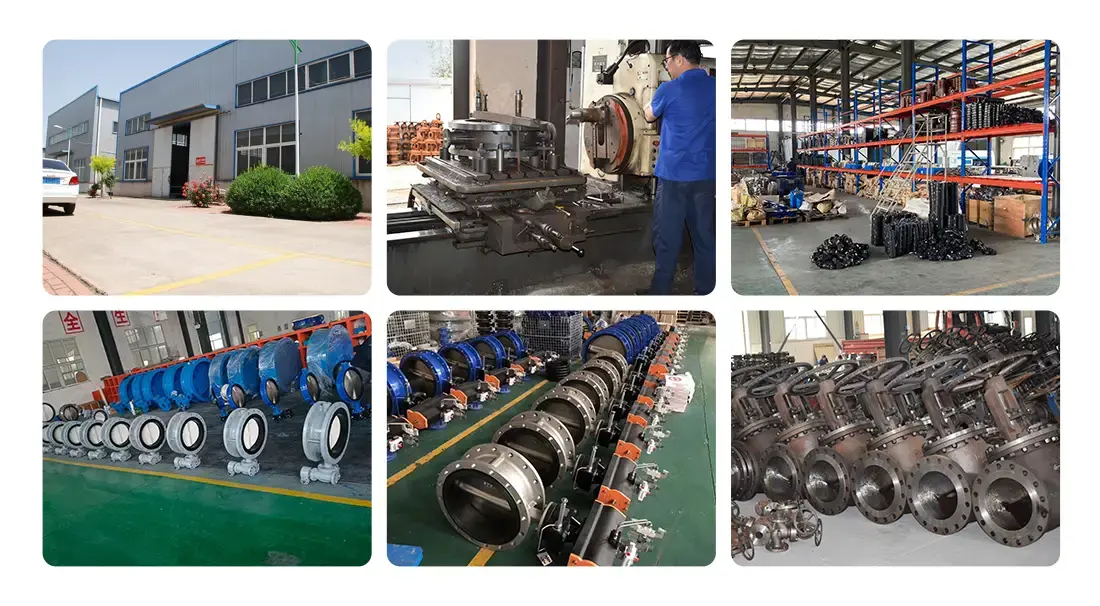
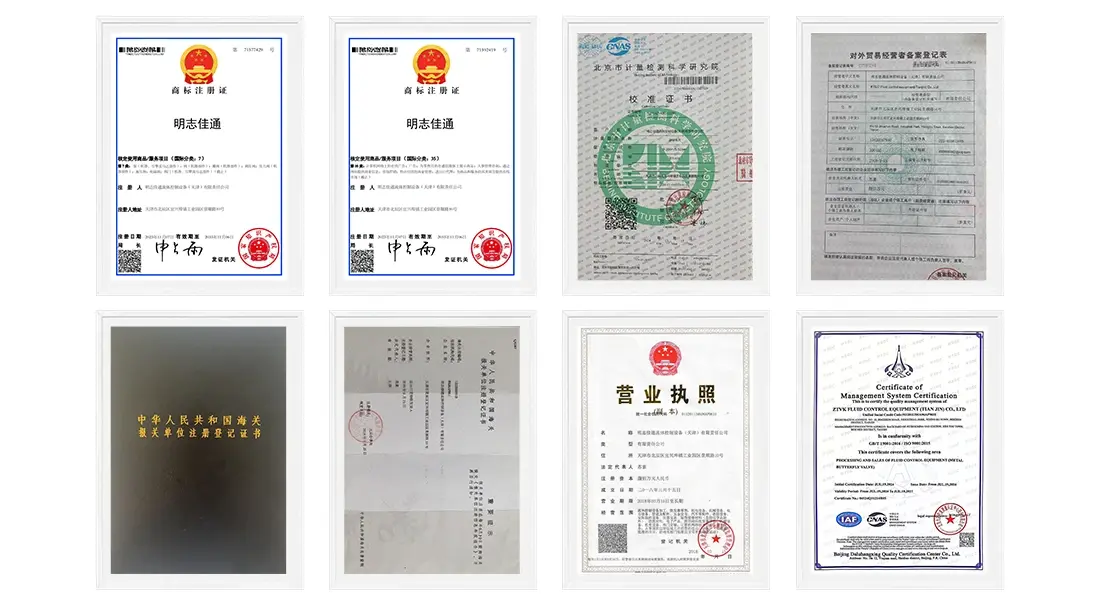
If you choose a reputable valve maker, you can be sure that your projects will be finished on time and to high standards of quality. ZTVK is based in Tianjin's Beichen Industrial Zone and has been making butterfly valves for over 15 years. They keep more than 2,000 standard units (DN50–DN600) in stock, so they can deliver within 3–7 days of receiving an order. Our building has ISO9001, ISO14001, and OHSAS18001 certifications, and we use high-tech CNC machine centers and pressure testing tools to make sure we meet foreign standards. We offer full OEM/ODM customisation, which includes private labelling, changed link setups, and special coatings for harsh locations. We are only 50 kilometres from Tianjin Port and work with big companies to make sure that all of our FOB/CIF shipments go smoothly. Our 18-month guarantee covers problems with the way the product was made, and we offer free installation videos and expert help in multiple languages. Get in touch with our engineering team at ktec86961886@163.com to talk about your needs with a trained electric operated butterfly valve provider that is dedicated to providing solutions that improve performance.
References
1. American Water Works Association, "Butterfly Valves: Torque, Head Loss, and Cavitation Analysis," AWWA Manual M49, 2012.
2. Valve Manufacturers Association, "Selection and Application of Control Valves for Liquid Service," VMA Technical Bulletin, 2018.
3. International Society of Automation, "Control Valve Seat Leakage," ANSI/ISA Standard 75.11.01, 2013.
4. Crane Technical Paper, "Flow of Fluids Through Valves, Fittings, and Pipe," TP-410, 2016.
5. British Standards Institution, "Industrial Valves: Testing of Metallic Valves," BS EN 12266-1:2012.
6. American Petroleum Institute, "Butterfly Valves: Double-Flanged, Lug- and Wafer-Type," API Standard 609, 11th Edition, 2020.
Send us your valve requirements and our team will provide professional solutions and fast quotations.
RELATED INDUSTRY KNOWLEDGE