- English
- French
- German
- Portuguese
- Spanish
- Russian
- Japanese
- Korean
- Arabic
- Greek
- German
- Turkish
- Italian
- Danish
- Romanian
- Indonesian
- Czech
- Afrikaans
- Swedish
- Polish
- Basque
- Catalan
- Esperanto
- Hindi
- Lao
- Albanian
- Amharic
- Armenian
- Azerbaijani
- Belarusian
- Bengali
- Bosnian
- Bulgarian
- Cebuano
- Chichewa
- Corsican
- Croatian
- Dutch
- Estonian
- Filipino
- Finnish
- Frisian
- Galician
- Georgian
- Gujarati
- Haitian
- Hausa
- Hawaiian
- Hebrew
- Hmong
- Hungarian
- Icelandic
- Igbo
- Javanese
- Kannada
- Kazakh
- Khmer
- Kurdish
- Kyrgyz
- Latin
- Latvian
- Lithuanian
- Luxembou..
- Macedonian
- Malagasy
- Malay
- Malayalam
- Maltese
- Maori
- Marathi
- Mongolian
- Burmese
- Nepali
- Norwegian
- Pashto
- Persian
- Punjabi
- Serbian
- Sesotho
- Sinhala
- Slovak
- Slovenian
- Somali
- Samoan
- Scots Gaelic
- Shona
- Sindhi
- Sundanese
- Swahili
- Tajik
- Tamil
- Telugu
- Thai
- Ukrainian
- Urdu
- Uzbek
- Vietnamese
- Welsh
- Xhosa
- Yiddish
- Yoruba
- Zulu
Air Operated Butterfly Valve Working Principle
A quarter-turn flow control device called an air operated butterfly valve is powered by compressed air rather than manual handles or electric motors. Pneumatic actuation moves a piston or diaphragm in the actuator chamber, which turns a rack-and-pinion or scotch-yoke mechanism. The valve disc turns from 0° to 90° in milliseconds to seconds due to linear air pressure. The disk on a central shaft travels perpendicular to the flow stream, enabling full passage or sealing against an elastomeric or metal seat. This method allows rapid, reproducible positioning in automated systems where human interaction is hazardous or unfeasible.
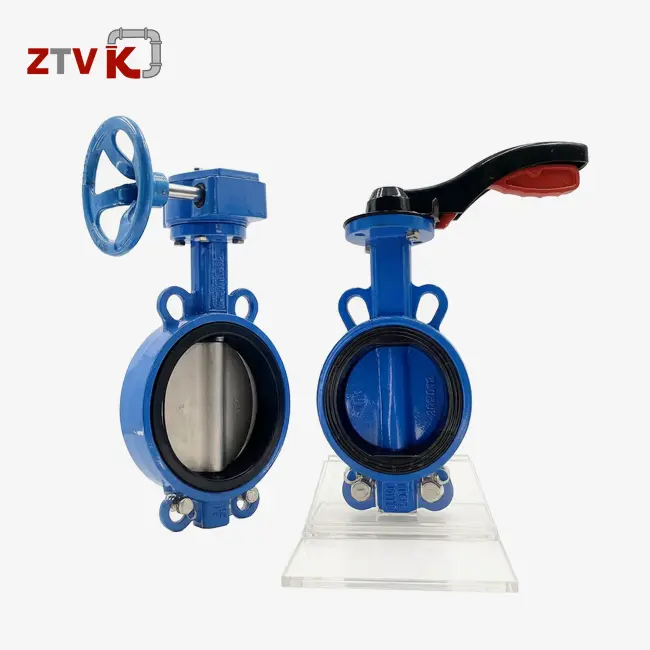
Understanding the Air Operated Butterfly Valve
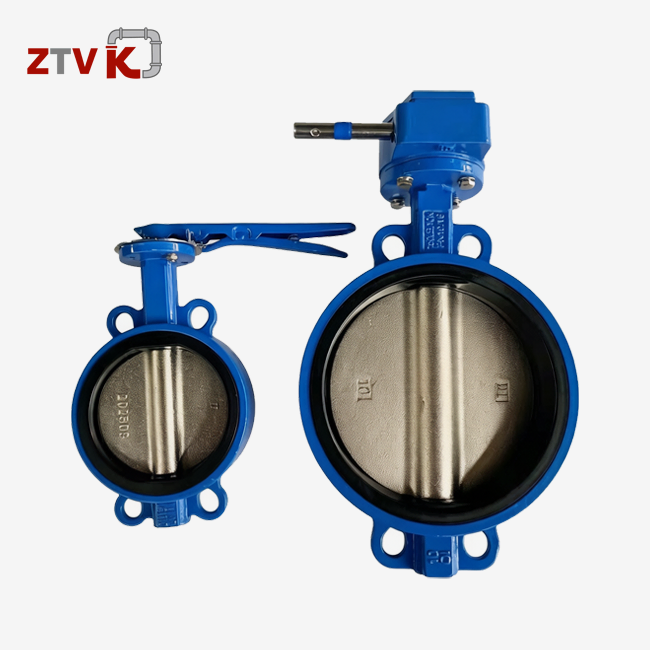
The industry has refined pneumatic butterfly valve architecture for decades. The valve body and pneumatic actuator are essential to each assembly. The valve body holds the disc, shaft, and seat, while the actuator powers rotation. These valves function without electricity, using plant air systems at 4–8 bar.
Core Components and Their Roles
Modern actuator bodies are made of extruded aluminum with strong anodizing for corrosion resistance and lightness. Aluminum pressure die-cast caps and racks reduce weight and retain structural integrity. ISO 5211 standards ensure global manufacturer mounting compatibility for the actuator. Standardization streamlines replacement and retrofitting, saving maintenance downtime.
Butterfly valve bodies are made of materials that suit applications. DI serves common water and HVAC systems, while CF8 and CF8M stainless steel handle corrosive chemicals and food-grade procedures. WCB cast steel bodies can handle petrochemicals and high-pressure steam. With shafts precision-machined from SS410, SS416, SS304, or SS316, depending on torque loads and corrosion exposure, discs reflect body materials—ductile iron, stainless steel, or aluminum bronze. EPDM seats for water, Nitrile for oils, PTFE for acids, and VITON for high chemical resistance have different temperature and compatibility profiles.
Single-Acting vs. Double-Acting Mechanisms
Two categories of actuation logic exist. Double-acting actuators open and close valves with air pressure, providing precise modulation control. Spring-return actuators employ air pressure to rotate the disc in one direction and a coiled spring to return it to the fail-safe position when the air supply is terminated. This capability is crucial in emergency shutdown scenarios in petrochemical plants, when instrument air loss requires automatic valve closure to contain hazardous fluids. The choice depends on process safety, duty cycle frequency, and air supply reliability.
Design Standards and Pressure Ratings
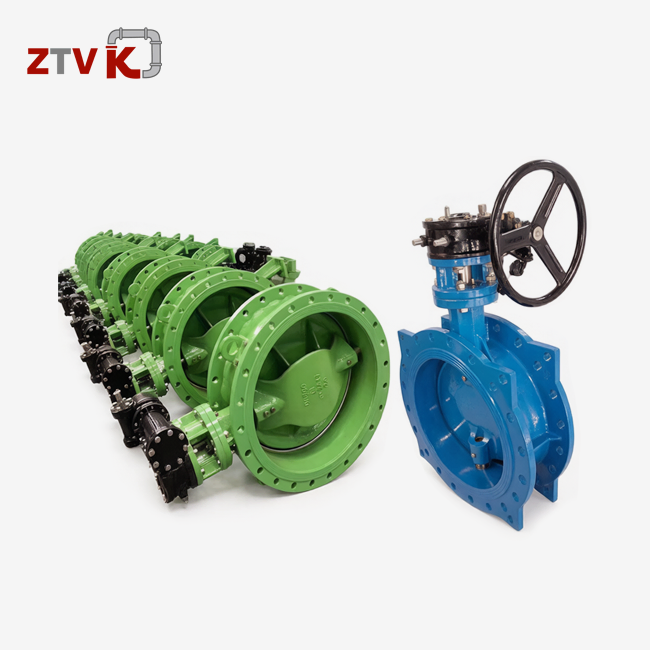
An air operated butterfly valve features wafer-type designs that use through-bolts to fit between flanges, decreasing installation footprint and expense, while flanged-end variants meet ASME B16.5 specifications in 150# and 300# ratings for independent mounting and easy maintenance. According to European standards, PN10 and PN16 pressure ratings cover most municipal water, HVAC, and mild chemical applications. Technical language B2B buyers employ to evaluate infrastructure compatibility is these specs.
Benefits and Applications of Air Operated Butterfly Valves
Pneumatic actuation solves problems that manual and electric methods cannot. Pneumatic actuators rotate a 90-degree circle in under two seconds, while electric motors take five to fifteen seconds, depending on gearing. This fast response allows emergency isolation in runaway chemical reactions or pipeline bursts, where milliseconds matter.
Remote operation boosts productivity. Solenoid valves and positioners in centralized control rooms eliminate dangerous field excursions to manually adjust valves in poisonous or explosive environments. Since pneumatic systems have fewer moving parts and no complicated electronics susceptible to moisture or vibration, maintenance costs are lower than those of electric actuators. ATEX-certified explosive zones are safe because pneumatic actuators emit no electrical sparks, meeting refinery and chemical plant standards.
Industrial Application Scenarios
Water treatment plants use these valves in filtration banks and backwash systems. Ductile iron bodies, EPDM seats, and fast-acting pneumatics coordinate several valves during backwash cycles to optimize filter cleaning without operator intervention. Corrosive acid and alkali processing lines use PTFE-lined valves with spring-return actuators. As air supply fails during power outages, spring mechanisms close valves to prevent chemical leakage.
Commercial HVAC systems balance chilled water flow across cooling coils with pneumatic butterfly valves. Building management systems provide analog inputs to electro-pneumatic positioners, which continually adjust valve position to control temperature and save energy. Petrochemical pipelines carrying flammable hydrocarbons require explosion-proof pneumatic actuators and metal-seated butterfly valves for temperatures above 400°C, when elastomeric seats would break.
Clean, polished stainless steel valves are needed in the food and beverage. Pneumatic actuation flushes residues from seat pockets quickly, ensuring hygiene standards without human disassembly. Pneumatic operation has a better torque-to-weight ratio than electric motors, which require large gearboxes and mounting space for brine desalination systems handling DN600 to DN1200 diameters.
How to Choose the Right Air Operated Butterfly Valve for Your Needs?
Selection starts with system parameters. Avoid pressure drop and turbulence by matching valve size to pipeline diameter and flow velocity. Manufacturer sizing charts correlate Cv values (flow coefficients) with disc position and pipe size to assist engineers in forecasting performance. Small valves cause excessive pressure dips and seat wear, whereas large ones cost more and limit control precision.
Material Selection and Compatibility
Fluid properties and operational circumstances determine body material. Ductile iron works in 120°C non-corrosive water systems. Stainless steel CF8M handles acidic wastewater and seawater below 1000 ppm chloride. WCB cast steel is used in ASME pressure-class steam lines and hydrocarbon applications. Seawater pumping stations use aluminum bronze discs over stainless steel due to their cavitation resistance.
The service life of an air operated butterfly valve depends on the seat materials. EPDM can handle water and mild chemicals from -20°C to 80°C. Nitrile is petroleum-resistant and can withstand 100°C. PTFE can handle harsh acids and bases from -40°C to 200°C, but requires more seating torque. In demanding pharmaceutical applications, VITON's chemical resistance rivals PTFE and maintains elasticity up to 180°C, justifying its high cost.
Comparing Actuation Methods
Manual butterfly valves are the cheapest but require access and labor. Costlier pneumatic actuation eliminates manual labor, reduces response time, and allows remote automation. Electric actuation provides modulating control without compressed air infrastructure but increases maintenance complexity and electrical risks in explosive zones. For large-diameter valves, hydraulic actuation provides maximum torque but increases oil contamination hazards inappropriate for food or pharmaceutical industries. Tradeoffs are weighed against lifecycle expenses like installation, energy use, maintenance, and downtime hazards by procurement teams.
Installation, Maintenance, and Troubleshooting Tips
Start installation by checking flange alignment and gasket placement. To avoid disc binding, wafer-type valves have even bolt torque distributed in a star pattern to manufacturer standards. Water accelerates internal corrosion and freezes in cold areas; therefore, pneumatic tube connections must be dry. Operating life can exceed one million cycles by protecting actuators from plant air with air filter-regulator-lubricator (FRL) units upstream.
Routine Maintenance Protocols
Duty cycle and environment determine inspection periods. Visually inspect the actuator housing for cracks, mounting bolts, and limit switches or positioners quarterly. Manufacturer-recommended lubrication of actuator pistons and rack-and-pinion gears is every six months or monthly in high-cycle applications. Valve removal annually for seat inspection reveals uneven wear patterns that need adjustment due to misalignment or excessive pressure drop.
Troubleshooting Common Issues
Seat degradation from chemical assault or debris between the disc and the seat commonly causes leakage during the closed position. Several flushes and valve cycles may clear debris, but persistent leakage requires seat replacement. Slow valve response indicates low air pressure, leaking pneumatic tubing, or actuator wear. Response time measures compared to baseline values show mechanical degradation, whereas actuator inlet pressure gauges indicate supply difficulties.
Failure to reach full stroke implies faulty limit switch calibration or excessive torque demand. Media buildup causes torque mismatch, necessitating cleaning or upgrading to a 25% more powerful actuator. Manufacturer support teams offer remote diagnostics and on-site technical assistance, backed by OEM service networks delivering replacement parts and field repairs to minimize production disruptions.
Procuring Air-Operated Butterfly Valves: What You Need to Know
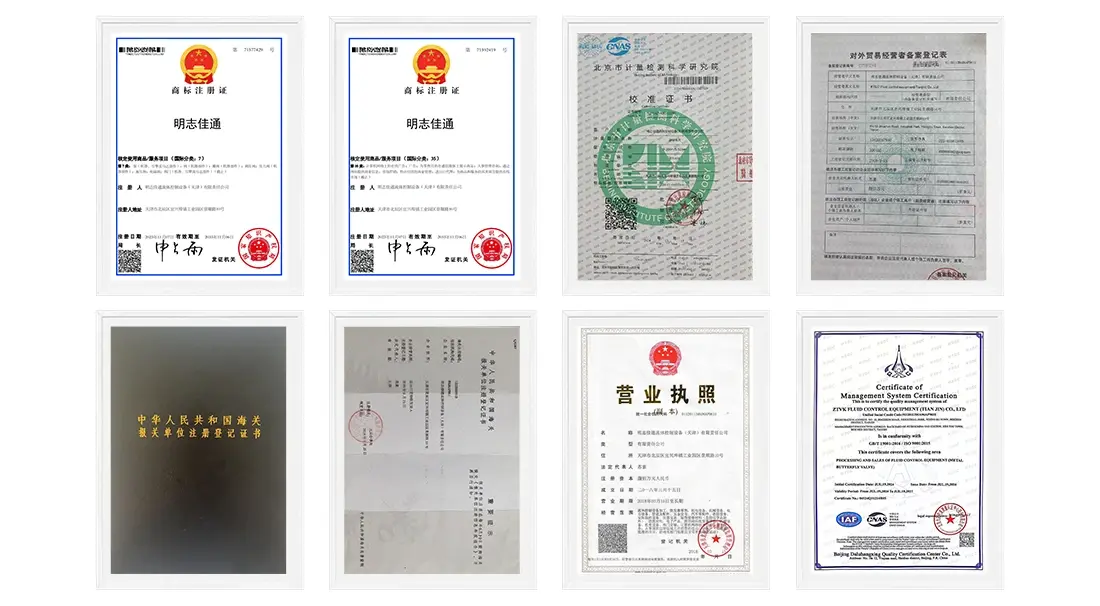
Certification is the first supplier selection factor. ISO 9001 quality, ISO 14001 environmental, and OHSAS 18001 occupational health standards indicate strong manufacturing. Products with CE, API, and ATEX certifications meet regional safety and performance standards. Third-party plant audits verify capabilities and reject fake paperwork.
Evaluating OEM vs. Distributor Channels
OEMs offer customization, technical assistance, and wholesale discounts. Direct involvement reduces distributor markups and allows engineers' participation in non-standard specs. In exchange for convenience, distributors offer local inventory, speedier small-quantity delivery, and warranty processing. Establishing OEM partnerships for large projects and using distributors for maintenance parts works well.
Pricing Factors and Lead Times
The selection of materials drives cost variation for the air operated butterfly valve. Ductile iron bodies are 30% cheaper than CF8M stainless steel. VITON adds a 40% premium to EPDM seats. Complexity raises the cost of customization, such as extended shafts, customized coatings, and non-standard flanges, by 15% to 50%. Tier pricing unlocks 10%–25% savings for orders over 50 units. Standard versions from stock ship in 3-7 days, while custom configurations take 15-25 days. Rush orders cost 20% more but deliver in seven to ten days, useful when project delays threaten fines.
The average 18-month warranty covers manufacturing problems. Complete providers offer spare parts kits, multilingual installation manuals, and maintenance video lessons. After-sales technical help from local service partners or remote diagnostics resolves issues quickly, protecting operational uptime. Warranty exclusions for incorrect installation, chemical incompatibility, or operating outside rated parameters should be clarified.
Conclusion
Simple and effective pneumatic butterfly valves convert compressed air into reliable rotary motion that regulates industrial fluid systems globally. Procurement experts may specify valves that meet performance, safety, and lifecycle value by understanding actuator kinds, material grades, and application demands. Supplier evaluation, certification criteria, and proactive maintenance planning turn capital investment into decades of reliable service. Choosing the correct pneumatically operated butterfly valve for municipal water networks, chemical processing lines, or HVAC infrastructure requires technical clarity and strategic insight.
FAQ
Q1: What Exactly Activates the Disc Rotation in Pneumatic Butterfly Valves?
Compressed air enters the actuator chamber, creating pressure that pushes a piston or diaphragm linearly. This linear motion engages a rack-and-pinion gear set or scotch-yoke mechanism, converting straight-line force into rotational torque applied to the valve shaft, which turns the disc.
Q2: When Should I Choose Single-Acting Over Double-Acting Designs?
Single-acting models suit applications requiring fail-safe positioning—spring mechanisms return the valve to a predetermined open or closed state during air supply loss, critical in hazardous chemical processes. Double-acting variants offer faster cycling and precise modulation for continuous throttling duties without fail-safe needs.
Q3: Can These Valves Handle Corrosive Fluids Safely?
Material selection determines corrosive resistance. PTFE seats and CF8M stainless steel bodies withstand most acids and alkalis. Aluminum bronze discs resist seawater corrosion. Matching materials to specific chemicals using compatibility charts prevents premature failure, with VITON seals providing the broadest chemical resistance.
Partner with ZTVK for Reliable Pneumatic Valve Solutions
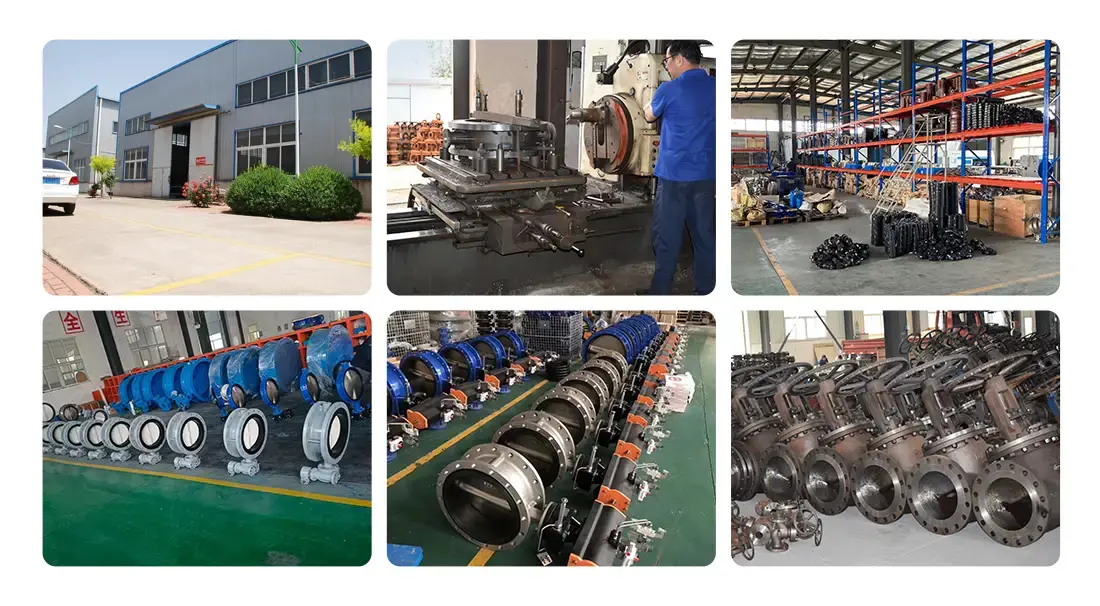
ZTVK stands as a trusted air operated butterfly valve manufacturer rooted in Tianjin's Beichen District, blending over fifteen years of valve engineering with modern manufacturing capabilities. Our ISO 9001/14001/OHSAS 18001 certifications and comprehensive quality testing systems ensure every valve meets international standards, including API, ANSI, and DIN. We maintain over 2,000 standard units (DN50-DN600) in stock, enabling three to seven-day delivery for urgent projects, while our flexible production lines handle custom OEM and ODM requirements with a fifteen to twenty-five-day turnaround. Located just 50 kilometers from Tianjin Port, we streamline global logistics through partnerships with major shipping lines, offering FOB and CIF terms with ISPM 15-compliant wooden crate packaging. Our pneumatic butterfly valves feature double-eccentric oblique sealing that reduces operating torque by 30% and extends service life beyond 50,000 cycles, with material options from WCB cast steel to duplex stainless steel. Technical support includes free CAD drawings, installation videos, and an eighteen-month warranty backed by responsive after-sales service. Reach our engineering team directly at ktec86961886@163.com to discuss your specific flow control challenges and discover how our proven supply chain efficiency serves distributors, contractors, and OEM clients worldwide.
References
1. Smith, J.R. (2021). Industrial Valve Technology: Design, Selection, and Applications. McGraw-Hill Professional Engineering.
2. Anderson, K.M. & Chen, L. (2020). "Pneumatic Actuation Systems in Process Automation," Journal of Fluid Control Engineering, Vol. 45, No. 3, pp. 112-128.
3. International Society of Automation (2019). ISA-75.01.01: Flow Equations for Sizing Control Valves. Research Triangle Park: ISA Standards.
4. Peterson, R.L. (2022). Materials Selection for Corrosive Service: A Practical Guide for Engineers. ASM International.
5. European Industrial Valve Manufacturers Association (2020). Technical Guidelines for Butterfly Valve Installation and Maintenance. Brussels: EIVMA Publications.
6. Nakamura, T. & Williams, D.G. (2018). "Life Cycle Cost Analysis of Automated Valve Systems in Chemical Processing," Chemical Engineering Progress, Vol. 114, No. 8, pp. 34-42.
Send us your valve requirements and our team will provide professional solutions and fast quotations.
RELATED INDUSTRY KNOWLEDGE