- English
- French
- German
- Portuguese
- Spanish
- Russian
- Japanese
- Korean
- Arabic
- Greek
- German
- Turkish
- Italian
- Danish
- Romanian
- Indonesian
- Czech
- Afrikaans
- Swedish
- Polish
- Basque
- Catalan
- Esperanto
- Hindi
- Lao
- Albanian
- Amharic
- Armenian
- Azerbaijani
- Belarusian
- Bengali
- Bosnian
- Bulgarian
- Cebuano
- Chichewa
- Corsican
- Croatian
- Dutch
- Estonian
- Filipino
- Finnish
- Frisian
- Galician
- Georgian
- Gujarati
- Haitian
- Hausa
- Hawaiian
- Hebrew
- Hmong
- Hungarian
- Icelandic
- Igbo
- Javanese
- Kannada
- Kazakh
- Khmer
- Kurdish
- Kyrgyz
- Latin
- Latvian
- Lithuanian
- Luxembou..
- Macedonian
- Malagasy
- Malay
- Malayalam
- Maltese
- Maori
- Marathi
- Mongolian
- Burmese
- Nepali
- Norwegian
- Pashto
- Persian
- Punjabi
- Serbian
- Sesotho
- Sinhala
- Slovak
- Slovenian
- Somali
- Samoan
- Scots Gaelic
- Shona
- Sindhi
- Sundanese
- Swahili
- Tajik
- Tamil
- Telugu
- Thai
- Ukrainian
- Urdu
- Uzbek
- Vietnamese
- Welsh
- Xhosa
- Yiddish
- Yoruba
- Zulu
Top 4 inch electric butterfly valve specifications buyers' guide?
You can't just look through catalogues to find the right 4 inch electric butterfly valve. You need to know the technical details that affect the system's dependability, cost-effectiveness, and life. When industrial valve dealers, HVAC contractors, and city engineering firms buy electric butterfly valves, this guide walks you through the most important things they need to think about. We talk about key parts, material options, actuator compatibility, and source dependability, which will help you feel confident in your purchasing decisions. This buyers' guide is useful whether you're in charge of large orders for distribution networks or looking for valves for water treatment projects. It gives you useful information based on real-life industrial uses.
Understanding 4-Inch Electric Butterfly Valves
What Defines a 4-Inch Electric Butterfly Valve?
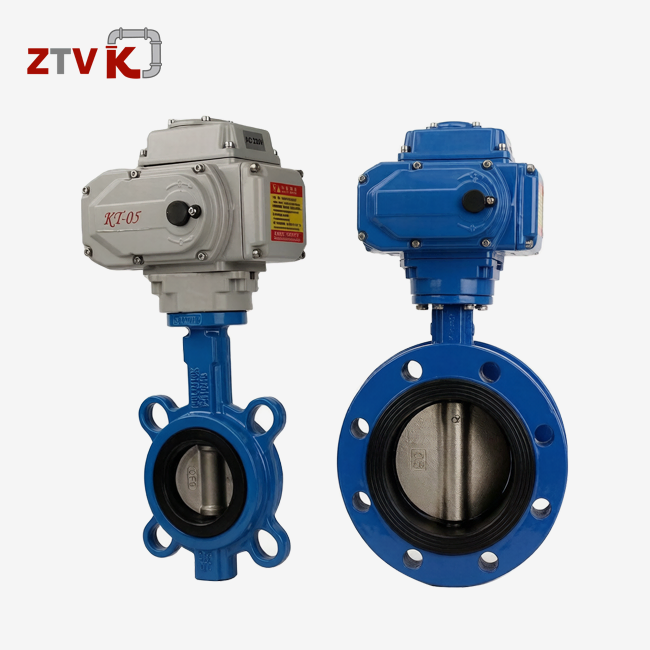
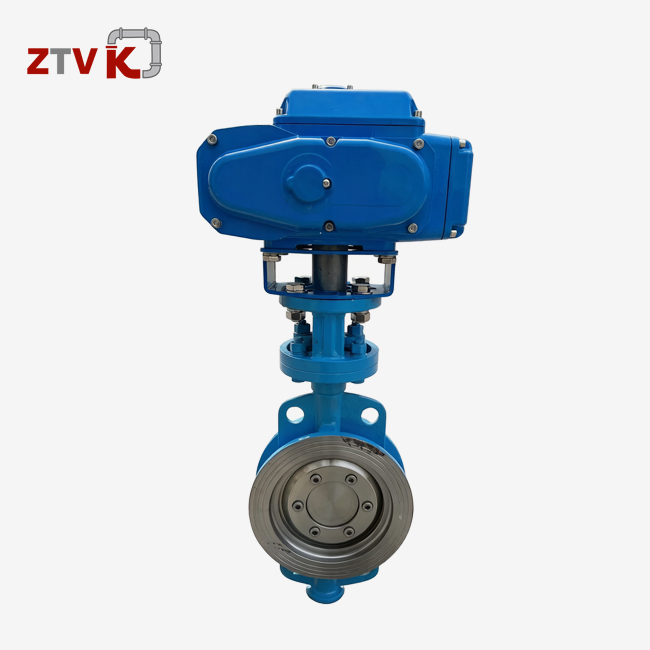
An electric butterfly valve in the 4-inch category (DN100) is an automatic flow control device with a quarter-turn that is used to control or stop the flow of fluid in medium-sized pipe systems. An electric actuator that turns electrical energy into mechanical force turns a disc inside a spherical body 90 degrees. This makes the valve work. This setup gets rid of the need for human work in high-frequency processes, which cuts costs by a large amount and allows precise flow modulation through 4-20 mA or 0-10 V control signals. The DN100 dimension is a good compromise between enough flow capacity (with Cv values usually between 380 and 550) and a small structural form. This makes it a popular choice for situations where room is limited but large flow needs to be met.
Core Components and Actuation Mechanism
The main parts of the building are the valve body that holds the disc, the disc itself that rotates on a shaft, and the electric motor that makes the disc spin. Electric valves can be broken down into two groups: on/off types are used for simple jobs like isolating, and modulating types are used to change the flow continuously. For on/off models, limit switches make sure that the actuator is fully open or closed. Modulating actuators, on the other hand, have positioners that respond to analog control signals from distributed control systems. Standard ISO 5211 flanges connect the actuator straight to the valve stem, making sure that all types can work together. PN10, PN16, 125LB, 150LB, JIS 5K, JIS 10K, and JIS 16K are some of the connection standards that can be used to meet different foreign pipe requirements.
Electric actuation has clear benefits over pneumatic or hand options. Electric valves work on their own with simple electrical wires, making installation easier than with pneumatic systems that need infrastructure for compressed air. Electric levers make it easier to access valves that are in dangerous or hard-to-reach places than when they are operated by hand. The worm gear system in electric actuators makes a self-locking effect that keeps the valve in place when the power goes out. Many pneumatic configurations don't have this safety feature.
Key Specifications to Evaluate Before Buying
Material Selection for Body and Disc
When looking for electric butterfly valves, one of the most important things to think about is whether the material will work with your process media and the surroundings. Valve bodies are usually made of ductile iron (GGG40), WCB (cast carbon steel), stainless steel 304, or stainless steel 316. Each of these materials performs differently. For general water uses, ductile iron is the most cost-effective option because it has good corrosion protection, while WCB is better for steam and mild chemical applications. In food processing or pharmaceutical settings, stainless steel 304 can handle slightly corrosive fluids. On the other hand, SS316 is better for harsh chemical and sea environments because it is more resistant to chlorine.
Disc materials of a 4 inch electric butterfly valve must be able to handle being touched by closing surfaces many times without wearing down. You can choose from ductile iron for water systems, CF8 (equivalent to SS304 casting) for mild corrosion, CF8M (equivalent to SS316 casting) for chemicals and seawater, and aluminum bronze for specific high-corrosion saltwater uses. The type of disc (centric, single eccentric, or double eccentric) affects how well it seals and how much force it can handle. When used, double eccentric setups cut down on friction, which lowers torque needs by about 30% and makes valves last longer—they can handle more than 50,000 rounds before they need to be replaced.
Seat and Seal Materials
The leak-tightness, temperature range, and servicing times are all based on the seat material. EPDM (ethylene propylene diene monomer) rubber is good for use in water at temperatures between -20°C and 120°C because it is very flexible and durable. Nitrile butadiene rubber (NBR) can handle oils and other fuel products, but it can't handle high temperatures as well as EPDM. Polytetrafluoroethylene (PTFE) can handle harsh poisons and high temperatures up to 180°C, but it costs more to make. Viton has great chemical protection and temperature stability, making it ideal for difficult petrochemical uses where EPDM can't handle the conditions.
Actuator Specifications and Control Options
Voltage compatibility, torque power, and control functions are all important for how well an electric actuator works. Standard voltage choices include 24VDC for connecting to control systems, 110VAC for installs in North America, and 220VAC for most areas outside of North America. To make sure the actuator works reliably in a range of situations, its torque values must be 20 to 30 percent higher than the valve's breakaway torque. Breakaway torque is the force needed to start disc rotation from a closed state. Environmental protection grades, like NEMA 4X or IP67, show that the product is resistant to dust and water immersion, which is very important for setups that will be outside or in humid work areas.
There are different types of controls, ranging from easy two-position switches to more complex modulating control. Actuators with two positions can be turned on and off separately, making them useful for fire safety or emergency shutdown tasks. Modulating actuators can take analog input signals, which lets you use proportional control, where the size of the signal exactly determines how the valve opens. This feature helps automated process control in HVAC systems that balance heat loads or chemical dose systems that need to control ratios. Actuators often have human override devices that let them work in emergency situations when the power goes out or the control system doesn't work right.
Comparing 4-Inch Electric Butterfly Valves With Other Valve Types
Electric vs. Pneumatic and Manual Operation
Electric butterfly valves are different from gas and manual options due to their automation benefits. While pneumatic valves can move quickly, they need a system for compressed air, which increases the cost of installation and the amount of energy used. Electric valves get rid of the need for an air generator, which lowers the facility's energy needs while maintaining the same level of performance. Manual butterfly valves require less starting capital but more work to operate, which makes them less suitable for high-frequency cycling or installations that are far away.
Electric valves are in the middle when it comes to prices. They require more equipment, so they cost more to buy at first than manual valves, but they cost less to own over time than pneumatic systems. Electric motors usually only need to be serviced every three to five years, while air seals need to be replaced every year. Electric control works especially well in situations where precise flow modulation is needed, which is something that manual valves can't do and that pneumatic systems can only do with expensive positioner add-ons.
Electric Butterfly Valves vs. Motorised Ball Valves
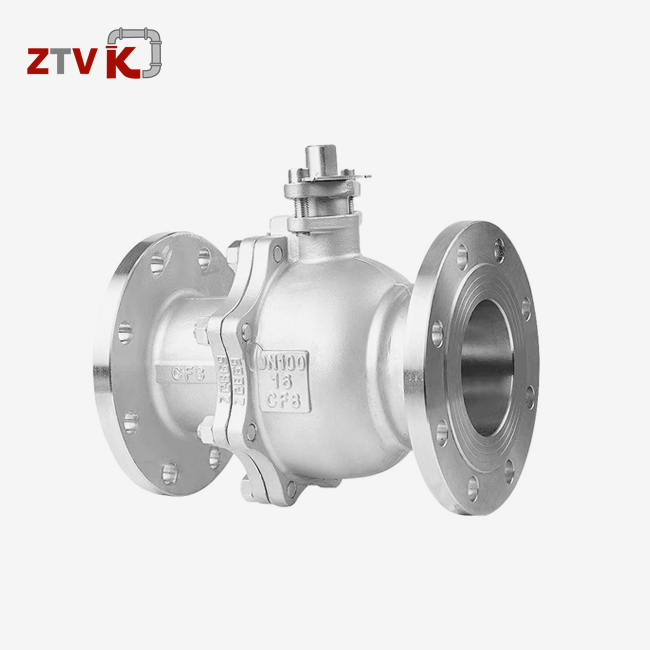
Through spherical plug seals, ball valves offer better shutoff tightness, reaching bubble-tight closing scores that butterfly valves often come close to but don't quite reach. But butterfly valves have less pressure drop across the disc shape, which means they need less pumping energy for continuous flow situations. The 4-inch electric butterfly valve has flow rates that are about 40% higher than similar ball valves. This means that over the life of the equipment, it will use less energy.
Another thing that sets them apart is the torque needs, principle and wiring of the electric butterfly valve. Because the shape of the circular plug makes more sealing surface contact, ball valves need a lot more actuator force. Butterfly valves lower the amount of force that is needed, which lets smaller, cheaper actuators work well enough for most industrial uses. Because of this, butterfly valves are great for uses like water treatment and HVAC, where consistent throttling and energy economy are more important than perfect shutoff.
Applications and Installation Considerations
Industrial Applications Requiring DN100 Flow Control
Electric butterfly valves in the 4-inch range are used in many different types of industries. They are used in filter backwash lines, chemical dosing systems, and clearwell separation at municipal water treatment plants. The materials used are resistant to rust, and they can be controlled from a distance. These valves are used in HVAC systems to control boiler feedwater, distribute cold water, and connect cooling tower lines. Modulating actuators connect with building management systems to make the most of thermal efficiency. To work with acids, alkalis, and solvents while keeping process control precise, chemical processing relies on special closing materials and metals that don't rust.
With fail-safe actuators ensuring proper placement during power blackouts, fire protection systems combine electric butterfly valves for automatic testing routines and emergency isolation. They are used in public water distribution, cooling circuits, and low-pressure transfer lines at petrochemical plants because they don't rust, can be automated, and aren't too expensive. Manufacturers of industrial machinery put these valves on equipment skids by taking advantage of their small size and the fact that they can be controlled electrically by programmable logic controllers.
Installation Best Practices
Environmental evaluation is the first step in a proper placement. For outdoor applications, actuators need to have an IP67 grade or higher to protect them from water and temperature changes. Disc alignment is affected by how the valves are mounted. For example, placing valves with stems that are horizontal keeps sediment from building up on disc surfaces, which could make closing difficult. It's important to pay attention to voltage specs and control signal compatibility when making electrical connections. Making sure that the voltage of the actuator matches the voltage of the power source keeps equipment from breaking. In places with a lot of electrical noise, shielded wires should be used for control wiring so that signal confusion doesn't affect the accuracy of modulating control.
To make sure connections don't leak, the torque on flange bolts should be set according to the manufacturer's instructions. Too much torque can damage sealing surfaces. Actuator fixing bolts need to be checked on a regular basis because vibrations can loosen them over time. Before turning the valve on, physically cycling it through several open-close cycles checks that the disc is free to move within the body and finds any situations that could cause it to stick. Setting up valve position signs, like visible indicators on the actuator or feedback from the control system, lets workers check the state of the valves while troubleshooting during startup.
Maintenance and Troubleshooting
Regular care makes valves last longer and keeps them from breaking down when they're least expected. Visual checks of the outside of the actuator are done every three months to look for signs of damage, rust, or moisture entry. As part of the yearly maintenance, the actuator is oiled according to the manufacturer's instructions, and the electrical connections are checked for rust or looseness. Cycling the valve when there is no flow during planned shutdowns checks how quick the actuator is and finds wear patterns before they become practical issues.
When valves (principle and wiring of the electric butterfly valve) don't fully open or close, it's usually because the limit switches are worn out or there are problems with the actuator gear train that need professional servicing. The presence of excessive working noise is a sign of misaligned discs or worn bearings, problems that get worse if not addressed. Control signal loss in modulating applications can be caused by wiring problems, controller problems, or actuator positioner failures. Finding the root reasons requires thorough analysis that focuses on a single component at a time. Keeping extra actuators on hand for important uses cuts down on downtime when a part fails, especially in remote sites where service reaction times make repairs longer.
Conclusion
When you want to buy 4-inch electric butterfly valves, you need to carefully consider the materials, actuator specs, and provider capabilities. Understanding how body and disc materials react with process media, picking the right seat materials that can handle high temperatures and chemicals, and making sure that the actuator force fits the valve's needs are all important parts of good specification. Comparing valve types makes it clear when butterfly designs are better than ball valves or other setups, and knowing the best ways to install and maintain equipment makes it last longer. By evaluating suppliers based on their certifications, price, and customer service after the sale, businesses can build relationships that provide long-term value beyond the initial purchase.
FAQ
1. What determines electric butterfly valve lifespan?
How long a valve lasts relies on how often it is cycled, how rough the media is, how hot or cold it gets, and how well it is maintained. When used in clean water situations with modest cycling, valves that are properly described usually last between 50,000 and 100,000 cycles before the seal needs to be replaced. Wear is sped up by abrasive media or high-temperature services, which means that repair needs to be done more often. Regular inspections and replacing seals at the right time increase the total service life. If maintenance isn't done, small problems can get worse and require a whole new valve to be installed.
2. Can manual butterfly valves be upgraded with electric actuators?
Standardized ISO 5211 mounting designs make it possible to add electric actuators to most butterfly valves that have manual gear operators. For improvements to work, they need to make sure that the actuator force is higher than what the valve needs to operate and that the electrical control signals work with automation systems. When existing valve bodies can still be used, retrofitting is a cheaper option than replacing the whole valve. However, buyers should check the general state of the valve before investing in actuators that could cost more than the new valve assembly.
3. How do electric butterfly valves perform in corrosive environments?
Performance in toxic environments depends on choosing materials that are compatible with the chemistry of the media. Most industrial chemicals can be handled by bodies made of stainless steel 316 and seats made of PTFE. However, for harsh environments, you may need special alloys or coats. Actuator environmental protection grades (at least IP67 or NEMA 4X) keep wetness out, which speeds up the breakdown of electrical parts. Corrosion resistance can be kept up by checking and touching up the external coating on a regular basis. This is especially important in sea or chemical processing settings where the weather attacks the outside surfaces.
Partner With ZTVK for Reliable Electric Butterfly Valve Solutions
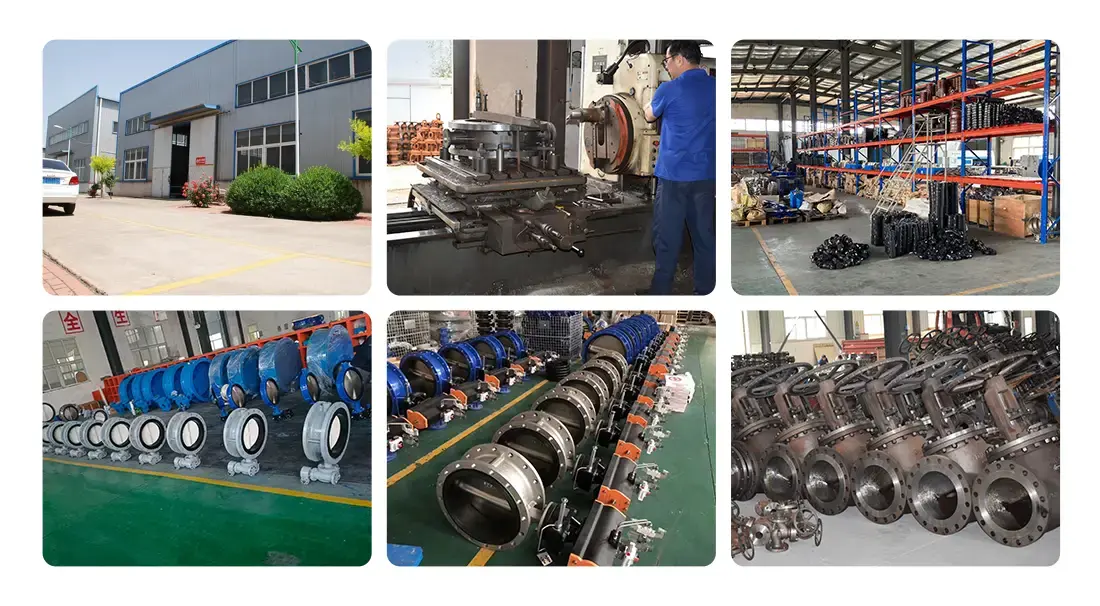
ZTVK is based in Tianjin's Beichen District and has been making electric butterfly valves that meet world standards for more than 15 years. Our 4 inch electric butterfly valve provider has a large inventory—over 2,000 standard units (DN50–DN600) are ready to ship within 3–7 days—and can be customized to support OEM branding, ODM design changes, and quick production for urgent needs. We keep our ISO 9001, ISO 14001, and OHSAS 18001 certifications up to date, which means that we can control quality in a planned way throughout the whole manufacturing process.
We are only 50 kilometers from Tianjin Port, which makes it easy to get quick FOB Tianjin Xingang or CIF destination port quotes. Our skilled ISPM 15-compliant packing also keeps customs delays to a minimum. We allow for a lot of tailoring, such as changing the structure of the valve body, choosing the right sealing material for the media, and adapting the joining method. Technical support includes free help with choosing, CAD drawings, 3D models, and 18-month guarantees that cover problems that aren't caused by people. Get in touch with our team at ktec86961886@163.com for full details, great bulk discounts, and expert advice on how to find valve options that meet your exact industrial needs.
References
1. American Petroleum Institute. API Standard 609: Butterfly Valves - Double Flanged, Lug- and Wafer-Type. Washington: API Publishing Services, 2020.
2. International Organization for Standardization. ISO 5211:2001 - Industrial Valves - Part-Turn Actuator Attachments. Geneva: ISO Central Secretariat, 2001.
3. Smith, P.L., and Zappe, R.W. Valve Selection Handbook: Engineering Fundamentals for Selecting the Right Valve Design. Oxford: Gulf Professional Publishing, 2019.
4. Lyons, J.L. The Valve Primer: A Practical Guide to Valve Selection, Installation, Maintenance and Testing. Houston: Harmony & Flow Technical Services, 2018.
5. British Standards Institution. BS EN 593:2017 - Industrial Valves - Metallic Butterfly Valves. London: BSI Standards Limited, 2017.
6. Emerson Process Management. Control Valve Handbook: Fourth Edition. Marshalltown: Fisher Controls International LLC, 2017.
Send us your valve requirements and our team will provide professional solutions and fast quotations.
RELATED INDUSTRY KNOWLEDGE