- English
- French
- German
- Portuguese
- Spanish
- Russian
- Japanese
- Korean
- Arabic
- Greek
- German
- Turkish
- Italian
- Danish
- Romanian
- Indonesian
- Czech
- Afrikaans
- Swedish
- Polish
- Basque
- Catalan
- Esperanto
- Hindi
- Lao
- Albanian
- Amharic
- Armenian
- Azerbaijani
- Belarusian
- Bengali
- Bosnian
- Bulgarian
- Cebuano
- Chichewa
- Corsican
- Croatian
- Dutch
- Estonian
- Filipino
- Finnish
- Frisian
- Galician
- Georgian
- Gujarati
- Haitian
- Hausa
- Hawaiian
- Hebrew
- Hmong
- Hungarian
- Icelandic
- Igbo
- Javanese
- Kannada
- Kazakh
- Khmer
- Kurdish
- Kyrgyz
- Latin
- Latvian
- Lithuanian
- Luxembou..
- Macedonian
- Malagasy
- Malay
- Malayalam
- Maltese
- Maori
- Marathi
- Mongolian
- Burmese
- Nepali
- Norwegian
- Pashto
- Persian
- Punjabi
- Serbian
- Sesotho
- Sinhala
- Slovak
- Slovenian
- Somali
- Samoan
- Scots Gaelic
- Shona
- Sindhi
- Sundanese
- Swahili
- Tajik
- Tamil
- Telugu
- Thai
- Ukrainian
- Urdu
- Uzbek
- Vietnamese
- Welsh
- Xhosa
- Yiddish
- Yoruba
- Zulu
Why Choose a Wafer Butterfly Valve for Your System?
Choosing the right flow control option for your business can make or break how well it works. One of the most useful, cost-effective, and space-efficient choices on the market today is a wafer body butterfly valve. This quarter-turn valve fits directly between two pipeline flanges, so you don't need any extra bolting tools or a lot of room to install it. The slim disc on top of it can be rotated 90 degrees to change or stop the flow, and it works quickly with little force. Compared to traditional gate or globe valves, wafer-style designs are easier to install, cost less, and seal well in a wide range of applications, such as water supply, HVAC, chemical processing, and city infrastructure.
Understanding Wafer Butterfly Valves: Key Features and Working Principles
Defining the Wafer Body Butterfly Valve
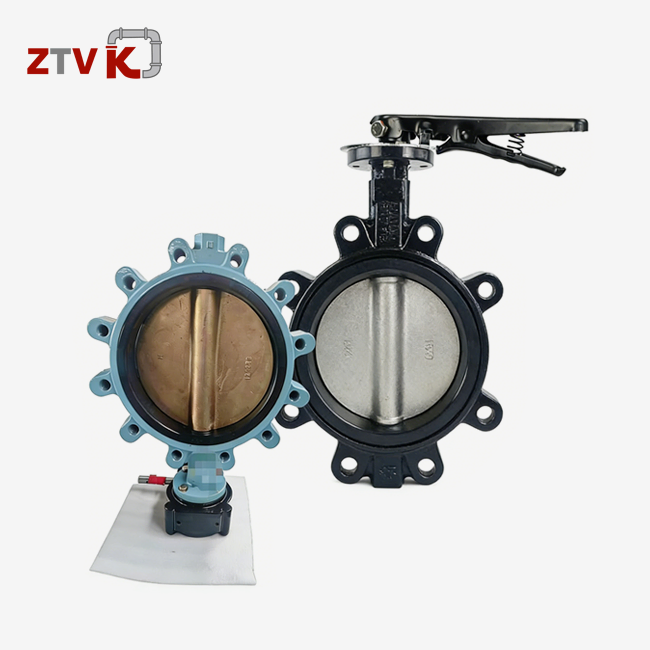
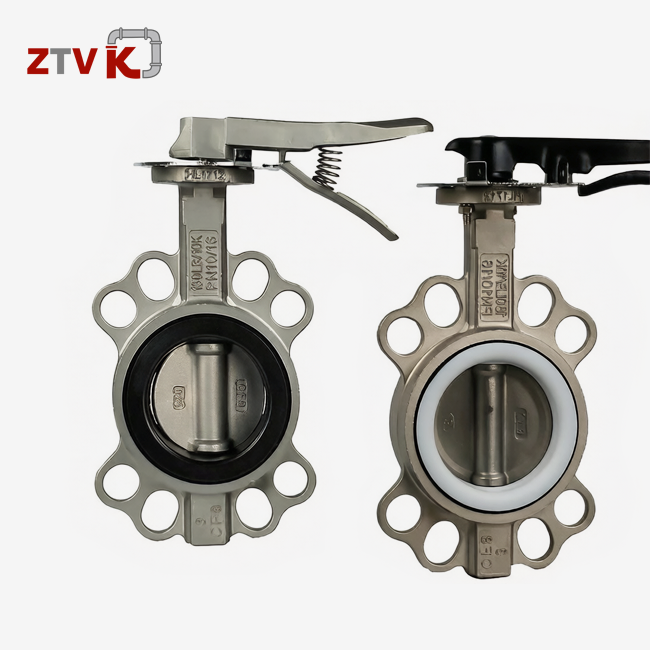
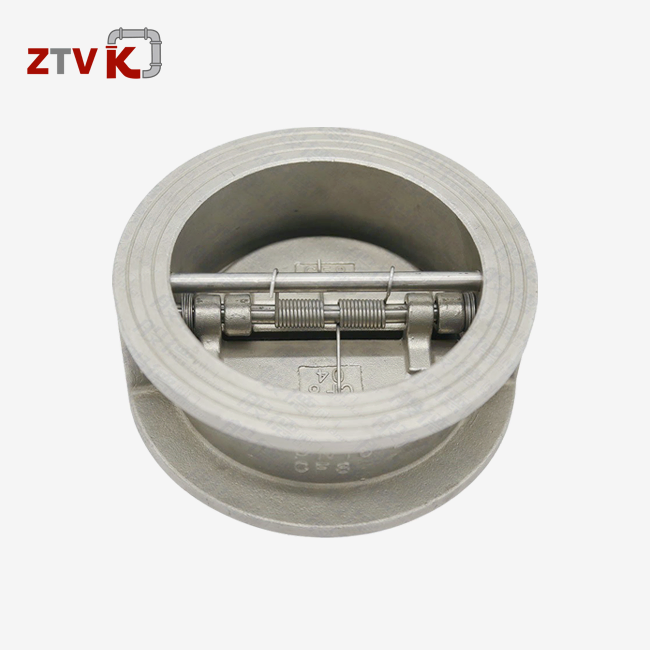
A wafer body butterfly valve is a small flow control device that is meant to be put between two plates using through-bolts. The valve body doesn't have any flanges on it, so it's much smaller face-to-face than valve bodies with lugs or flanges. This way of thinking about design focuses on saving space and weight, which makes it perfect for situations where there isn't much room for pipes or where the structure needs to hold as little weight as possible. The disc of the valve, which is usually round or slightly oval, turns on a center shaft to let flow through or stop it.
How Wafer Butterfly Valves Operate
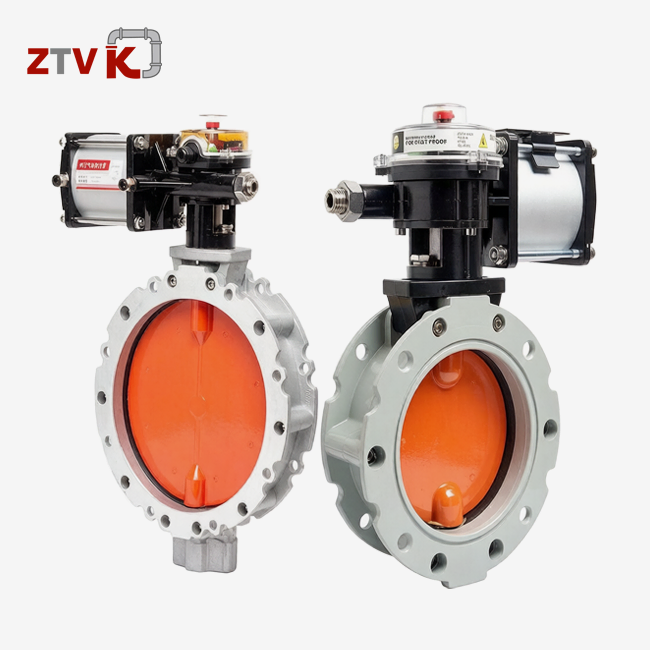
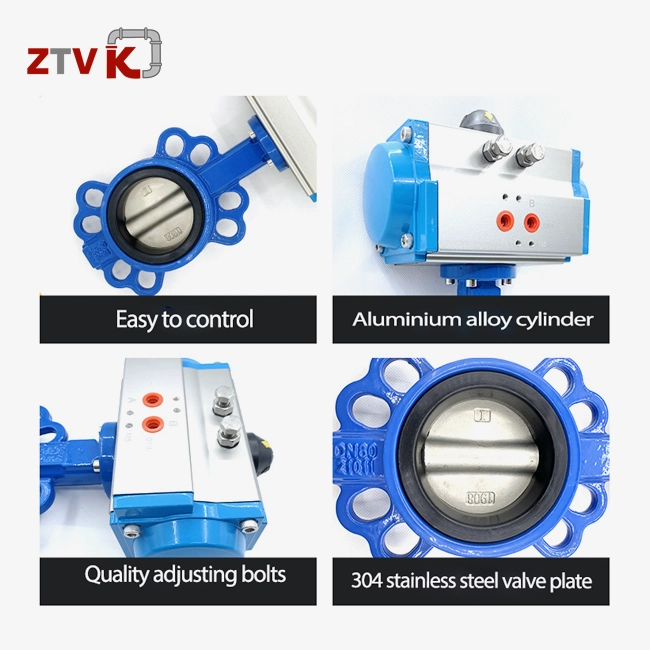
The operation is simple and works well. The valve is fully open when the disc is lined up parallel to the flow direction. This lets almost unlimited flow through with little pressure drop. If you turn the disc 90 degrees, it will be perpendicular to the flow, which will stop it. This quarter-turn device lets you move things quickly, whether you do it by hand with a handle, with a machine using a worm gear, or automatically with pneumatic or electric actuators. The smooth shape of the valve helps keep the pressure drop low, which supports system efficiency that uses less energy.
Material and Design Variants
There are different ways to set up wafer butterfly valves so they can work in a variety of situations. For resilient-seated versions, elastomer seals like EPDM, NBR, or Viton are used. These offer bubble-tight shutoff at temperatures up to 120°C in water and light chemicals. High-performance versions have PTFE seats that can withstand chemicals and temperatures up to 200°C. The materials used for discs include ductile iron (DI), cast stainless steel (CF8, CF8M), and aluminum bronze. These materials were chosen because they are resistant to rust, strong, and work with different types of media. For normal use, body materials like ductile iron (QT450) are common, while steel metals are used in harsh conditions.
Why Wafer Butterfly Valves Are Preferred in Industrial Systems?
Space-Saving Design Advantage
There isn't always a lot of room for industrial pipe plans, especially when they are retrofits or flexible skid-mounted systems. This issue is directly dealt with by wafer body butterfly valves. Their small face-to-face length, which is defined by ISO 5752 and API 609, is often up to 40% shorter than that of ball or gate valves of the same size. This smaller size means that there will be fewer supports, shorter pipe runs, and lower costs for structural steel. Distributors and trading companies of valves can save money on transportation costs by making it easy to stack their goods and sending less freight.
Cost-Effectiveness Across the Lifecycle
The economic benefits go beyond the price of the original buy. Wafer designs use less raw material when they are made, which lets wholesalers who buy in bulk get low prices. Installation work drops by a lot because bolt-up processes are made easier. This cuts down on project timelines and contractor costs. Low actuation torque saves money on operations because it keeps human workers from getting worn out and, when paired with electric actuators, lowers energy use. Maintenance times are longer because the seating materials and shaft seals are more sturdy. This cuts down on production downtime and the need to keep extra parts on hand.
Comparison with Alternative Valve Types
Compared to lug butterfly valves, wafer types don't have the ability to connect to a plate independently, but they are lighter and less expensive. When it comes to high-flow, low-head uses like HVAC chilled water loops, wafer butterfly designs are better than ball valves because they have bigger bore sizes at the same pressure levels. Gate valves offer better tight closing, but they need to be installed higher and have bigger pressure drops. When mild pressure, frequent cycling, and limited area come together in city water systems, fire protection networks, and cooling tower circuits, wafer butterfly valves are the best choice.
Selection and Sizing Guidelines for Wafer Butterfly Valves
Pressure and Temperature Considerations
To choose the right valve, you must first understand the working factors. Most wafer-type butterfly valves are rated for PN10 or PN16 (10 to 16 bar), which in North American markets is the same as ANSI Class 150. These grades are good for HVAC systems, water distribution in cities, and light industry processes. Temperature limits rely on the material of the seat. EPDM can handle temperatures up to 120°C, NBR can handle oil-based media up to 110°C, and PTFE can handle temperatures up to 200°C for chemical uses. Matching the pressure class and temperature makes sure that the seal stays intact over time and stops catastrophic breakdowns.
Sizing for Flow Coefficient and Pipe Diameter
To get the right size, you have to figure out the flow coefficient (Cv) by using the desired flow rate, the qualities of the fluid, and the allowed pressure drop. The usual sizes for pipes are 1.5 inches (DN40) to 48 inches (DN1200), and engineers have to match the valve bore width to the pipe size. When you oversize, you lose control of the throttle and there is too much noise. When you undersize, you get cavitation and wear before it's time. Using industry-standard sizing tools and looking at maker datasheets speeds up this process, lowering the chance of making mistakes and improving system performance.
Material Compatibility and Media Characteristics
Material choices are based on how active the media is. It is reliable for drinkable water and neutral fluids to go through ductile iron bodies with EPDM seats. Stainless steel discs (CF8M) and Viton seats can handle chemicals that are used to treat wastewater and move salt. In slurry uses, aluminum bronze disks stop erosion. To keep valves from failing too soon, procurement pros need to compare the media's pH, particulate content, and corrosivity to the material approvals. It's easier to make a confident specification when suppliers offer thorough chemical compatibility charts and third-party testing results.
Installation, Maintenance, and Troubleshooting of Wafer Butterfly Valves
Best Practices for Installation
Aligning and cleaning the flanges is the first step to a successful fitting. To keep the seat from distorting, the mating flanges must be straight and parallel to the pipeline. Gaskets should be chosen based on the medium and temperature (EPDM for water, PTFE for chemicals), and they should be placed so that they don't get in the way of the disc swing. To keep through-bolts from warping, they need to be torqued evenly in a star design, as directed by the maker or ASME PCC-1. The direction of the valve is important; discs should spin away from the flow direction to reduce closing torque. According to ISO 5211 standards, hand lever, worm gear, pneumatic, or electric devices should be fixed in a way that ensures the shaft engages properly and shows the correct position.
Routine Maintenance Protocols
Regular care makes wafer body butterfly valves last longer and stops them from breaking down without warning. Every six months, visual checks are done to look for external leaks, rust, and the function of the actuator. Once a year, teardowns let you check the seats, clean the discs, and grease the shaft bearings. When the seats become hard or crack on the surface, which usually happens after 5 to 10 years of water service, they should be changed. For pneumatic actuators, you need to check the air filter and the diaphragm. For electric actuators, you should calibrate the torque switch and look at the motor brushes. Keeping thorough service logs helps with both guaranteeing claims and planned repair plans.
Troubleshooting Common Issues
A leak around the seat is usually caused by an out-of-alignment disc, a worn seat, or something stuck in the binding surface. Flushing the line and rotating the valve can get rid of particles, but if the leak doesn't go away, the seat needs to be replaced. Too much working force means that the shaft is stuck, the bearings are corroded, or the disc surfaces are dirty. A smooth function can be restored by using the right oils or changing worn parts. If an actuator fails, either because of pneumatic loss or an electric motor that stops running, the air source pressure, solenoid valves, or electrical links need to be checked. Rapid analysis cuts down on system downtime and keeps operations running smoothly.
Procurement Considerations: Sourcing Quality Wafer Butterfly Valves
Evaluating Manufacturers and Certifications
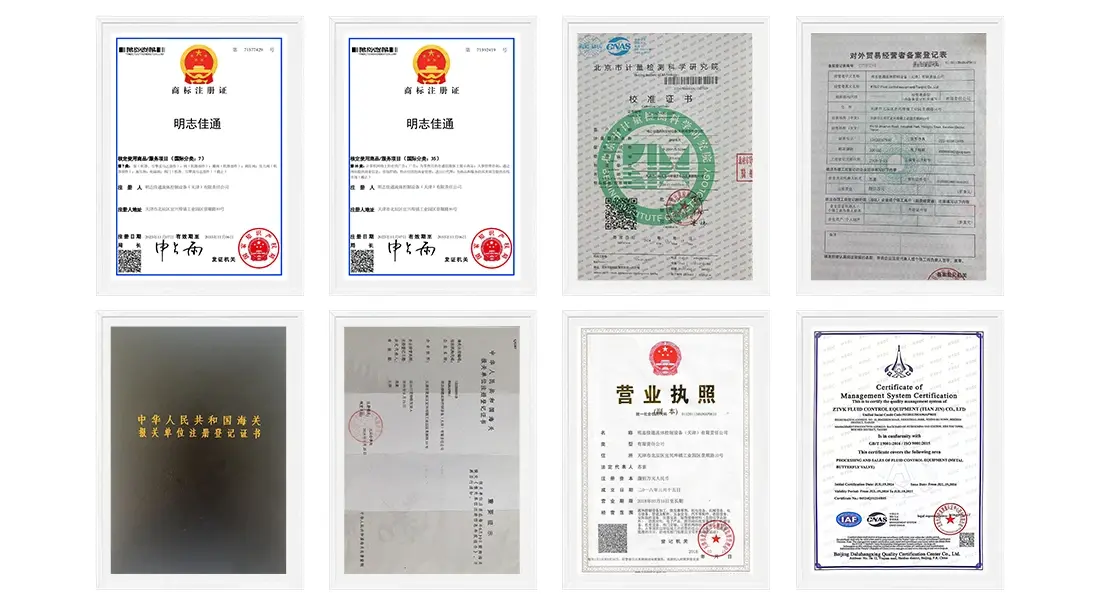
Choosing a reputable wafer body butterfly valve maker guarantees the quality of the product, compliance, and long-term support. If a seller has both ISO 9001 quality management and ISO 14001 environmental certifications, that means they have strong rules over their production. API 609 approval shows that the butterfly valve is designed and tested according to industry standards. CE marking proves agreement with European standards, which is very important for wholesalers that sell to EU markets. Manufacturers who offer third-party material approvals, pressure test results, and tracking documents build trust and meet the needs of end-user audits.
Customization and OEM Capabilities
Customized options are often needed for industrial projects. Leading providers offer OEM services, including putting dealer names on valves and making custom nameplates and packaging. ODM can also change the shape of the body, improve the materials used for the seats, or change connection standards (PN, ANSI, JIS) to fit local tastes. CAD drawings, 3D models, and performance data sheets are all examples of engineering tools that make it easy to integrate into complex systems. When a supplier has their own machine centers and mold-making facilities, it can meet the specific needs of each application by providing non-standard sizes or finishes.
Bulk Purchasing and Supply Chain Efficiency
Buying in bulk and making the supply chain work better. Economies of scale help people who buy a lot of things. When you buy normal sizes (DN50 to DN600) from companies that keep more than 2,000 units in stock, shipping is sped up to 3 to 7 days after the order. Customizations that aren't standard can make wait times 15 to 25 days longer, but fast production (for an extra 20% fee) can cut this time down to 7 to 10 days. Freight costs and travel times are cut when you are close to major trade hubs like Tianjin Port in northern China. Trustworthy FOB or CIF terms are guaranteed by long-term partnerships with global carriers, and ISPM-15-compliant wooden box packing keeps customs delays to a minimum.
Conclusion
Wafer butterfly valves are great because they are small, cost-effective, and reliable. This is true in the process engineering, city infrastructure, and industry valve distribution sectors. Because they are easy to install, don't need much upkeep, and work with a lot of different materials, procurement workers who want to improve system performance and project budgets should choose them. By knowing about important selection factors like pressure ratings, material choices, and seller records, buyers can be sure to choose valves that meet strict requirements while also getting competitive prices and the freedom to make changes as needed. Valve buying can be turned from a transactional job into a strategic advantage by working with qualified makers that offer strong technical support and clear supply chains.
FAQ
Q1: What is the main difference between wafer and lug butterfly valves?
Wafer valves don't have threaded plugs; instead, they are held in place by through-bolts that go through both sides. This makes them lighter and cheaper. Lug valves have screw holes in the body that let you remove the flange and isolate the valve without having to shut down the system. Wafer types are good for permanent installs, while lug designs are more adaptable for uses that need a lot of upkeep.
Q2: Are wafer butterfly valves suitable for high-pressure environments?
Standard wafer designs with ratings of PN10 or PN16 work well for moderate-pressure systems like city water and HVAC. Specialized high-performance or double-eccentric designs can handle high temperatures and pressures, but gate or ball valves may be better than those above Class 300. Always look at the pressure-temperature curves and safety limits provided by the maker.
Q3: How often should wafer butterfly valves undergo maintenance?
Visual checks are done on valves every six months, and they get a full service once a year that includes seat checks, greasing, and testing of the actuator. If the media is harsh or the cycle is constant, more frequent breaks may be needed. Maintenance that is done before something breaks extends its life and stops expensive fixes from having to be done in an emergency.
Partner with a Trusted Wafer Body Butterfly Valve Manufacturer
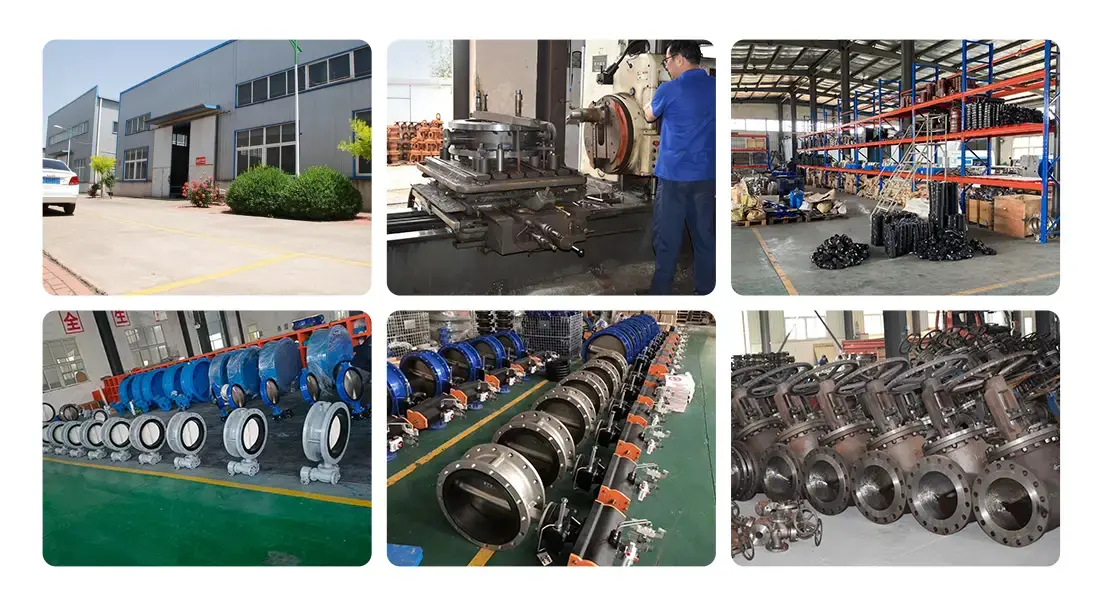
ZTVK is a company in Tianjin's Beichen District that has been making valves for more than 15 years and has ISO 9001, ISO 14001, and OHSAS 18001 certifications. They make industrial-grade wafer butterfly valves that meet API, ANSI, JIS, and CE standards. Our large stock of standard sizes (DN50 to DN600) means that we can deliver within 3 to 7 days. We also offer custom ODM and OEM services to meet special project needs, including disc materials (DI, CF8, CF8M, aluminum bronze) and seat options (EPDM, NBR, PTFE, Viton). We are only 50 kilometers from Tianjin Port, so we can offer quick shipping and cheap FOB or CIF prices thanks to our partnerships with major shipping lines. You can talk about your needs, get detailed datasheets, and get a personalized quote from a dependable wafer body butterfly valve provider that wants your project to succeed by emailing us at ktec86961886@163.com.
References
1. American Petroleum Institute (2018). API Standard 609: Butterfly Valves – Double Flanged, Lug- and Wafer-Type. Washington, DC: API Publishing Services.
2. International Organization for Standardization (2021). ISO 5752: Metal Valves for Use in Flanged Pipe Systems – Face-to-Face and Centre-to-Face Dimensions. Geneva: ISO.
3. Manufacturers Standardization Society of the Valves and Fittings Industry (2017). MSS SP-67: Butterfly Valves. Vienna, VA: MSS.
4. Hutchison, J.W. (2016). ISA Handbook of Control Valves, 2nd Edition. Research Triangle Park, NC: International Society of Automation.
5. Zappe, R.W. (2004). Valve Selection Handbook: Engineering Fundamentals for Selecting the Right Valve Design for Every Industrial Flow Application, 5th Edition. Houston: Gulf Professional Publishing.
6. Nesbitt, B. (2011). Handbook of Valves and Actuators: Valves Manual International. Oxford: Elsevier Science & Technology Books.
Send us your valve requirements and our team will provide professional solutions and fast quotations.
RELATED INDUSTRY KNOWLEDGE