- English
- French
- German
- Portuguese
- Spanish
- Russian
- Japanese
- Korean
- Arabic
- Greek
- German
- Turkish
- Italian
- Danish
- Romanian
- Indonesian
- Czech
- Afrikaans
- Swedish
- Polish
- Basque
- Catalan
- Esperanto
- Hindi
- Lao
- Albanian
- Amharic
- Armenian
- Azerbaijani
- Belarusian
- Bengali
- Bosnian
- Bulgarian
- Cebuano
- Chichewa
- Corsican
- Croatian
- Dutch
- Estonian
- Filipino
- Finnish
- Frisian
- Galician
- Georgian
- Gujarati
- Haitian
- Hausa
- Hawaiian
- Hebrew
- Hmong
- Hungarian
- Icelandic
- Igbo
- Javanese
- Kannada
- Kazakh
- Khmer
- Kurdish
- Kyrgyz
- Latin
- Latvian
- Lithuanian
- Luxembou..
- Macedonian
- Malagasy
- Malay
- Malayalam
- Maltese
- Maori
- Marathi
- Mongolian
- Burmese
- Nepali
- Norwegian
- Pashto
- Persian
- Punjabi
- Serbian
- Sesotho
- Sinhala
- Slovak
- Slovenian
- Somali
- Samoan
- Scots Gaelic
- Shona
- Sindhi
- Sundanese
- Swahili
- Tajik
- Tamil
- Telugu
- Thai
- Ukrainian
- Urdu
- Uzbek
- Vietnamese
- Welsh
- Xhosa
- Yiddish
- Yoruba
- Zulu
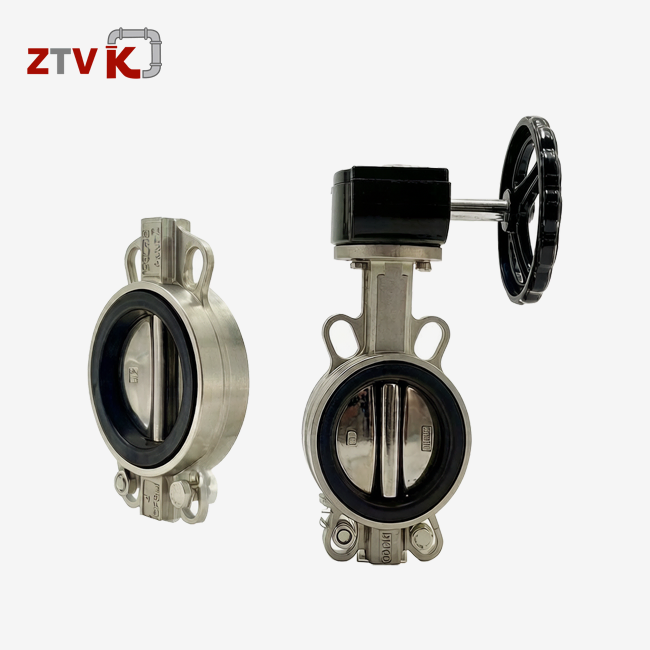
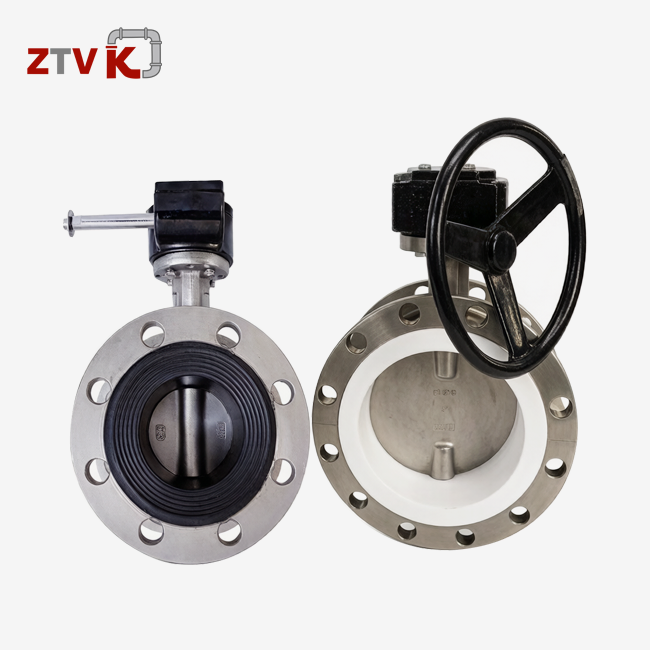
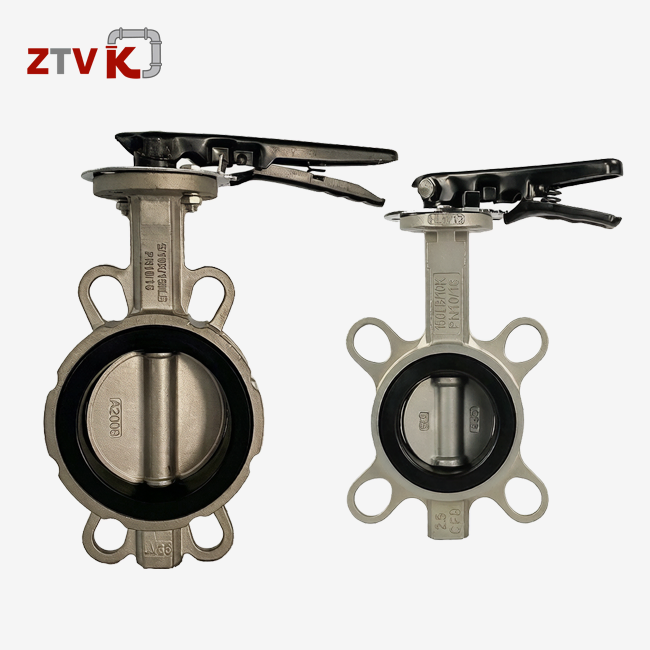
4inch stainless steel butterfly valve
Temperature: -10℃ - 120℃
Pressure: PN10-PN16
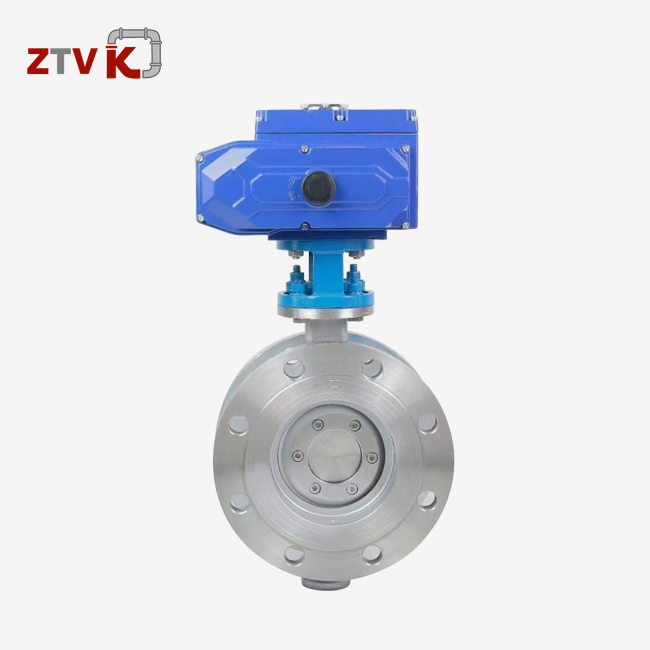
Operator: Aluminium handle Lever, stainless steel hand levver
Body: SS304, SS316, SS316L
Disc: SS304, SS316, SS316L, Duplex stainless steel 2205, 2507, 1.4469, 1.4529
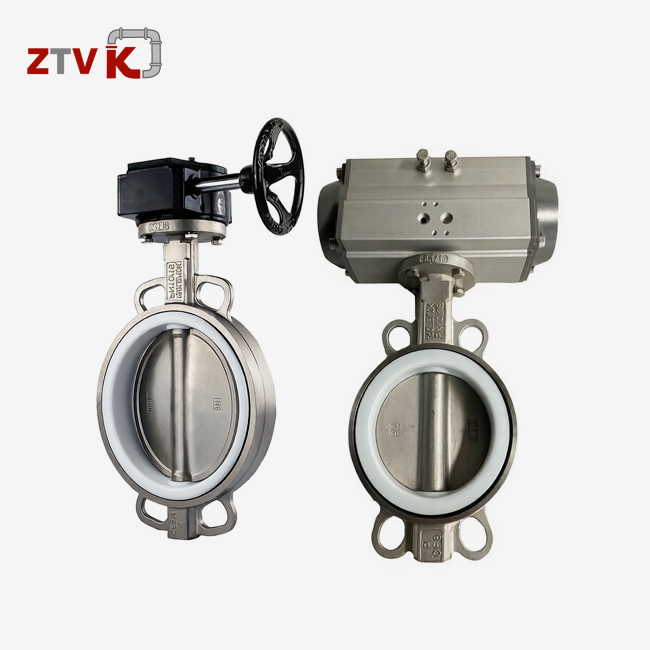
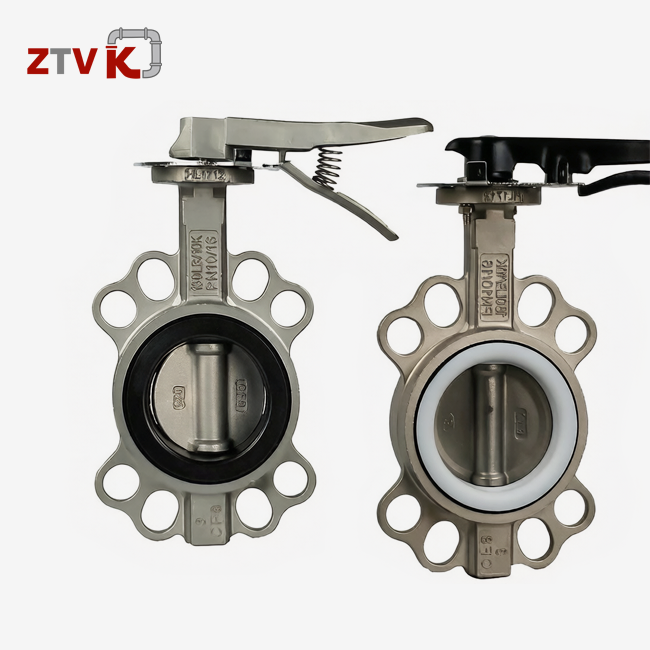
Seat: EPDM, HT-EPDM, wear resistance EPDM, NBR, PTFE, VITON, Silicone Rubber
Stem: 45#, SS416, SS304, SS316
Applicable Medium: Fresh water, Waste water, sea water, Air, Food, pharmaceutical, Varieties of Oil, Acid, Soda, Salt and so on.
4inch stainless steel butterfly valve – DN100 Flow Control for Corrosive and High-Demand Applications
The 4inch stainless steel butterfly valve (DN100) from ZTVK FLUID CONTROL EQUIPMENT (TIANJIN) CO., LTD is a quarter-turn valve built for industrial pipeline systems. Material : SS304, SS316, SS316L Size : DN40~DN200 Pressure : PN10, PN16 Temperature : -10℃~+120℃ ZTVK has over 15 years of expertise in valve production and delivers from a standing stock of 2,000+ pieces within 3-7 days. The valve body is carefully cast and CNC machined to provide uniform sealing surface quality, low fluid resistance and corrosion resistance under severe operating circumstances.
What Is a 4inch stainless steel butterfly valve?
A 4inch stainless steel butterfly valve is a quarter-turn rotational motion valve designed to start, regulate, and stop flow in pipelines with a bore diameter of 100 mm (DN100). It uses a disc mounted on a rotating stem. When the disc aligns with the flow direction, resistance drops to a minimum. When rotated 90 degrees against the seat, it provides full isolation.
This design solves three main problems in industrial piping:
Corrosion failure of cast-iron valves when handling acidic or alkaline media
• Flow efficiency — The full-bore disk shape provides lower resistance than globe valves, lowering the energy required for pumping
· Space limitation – the compact face-to-face size per API 609 is appropriate for narrow manifold systems where gate or ball valves are impracticable
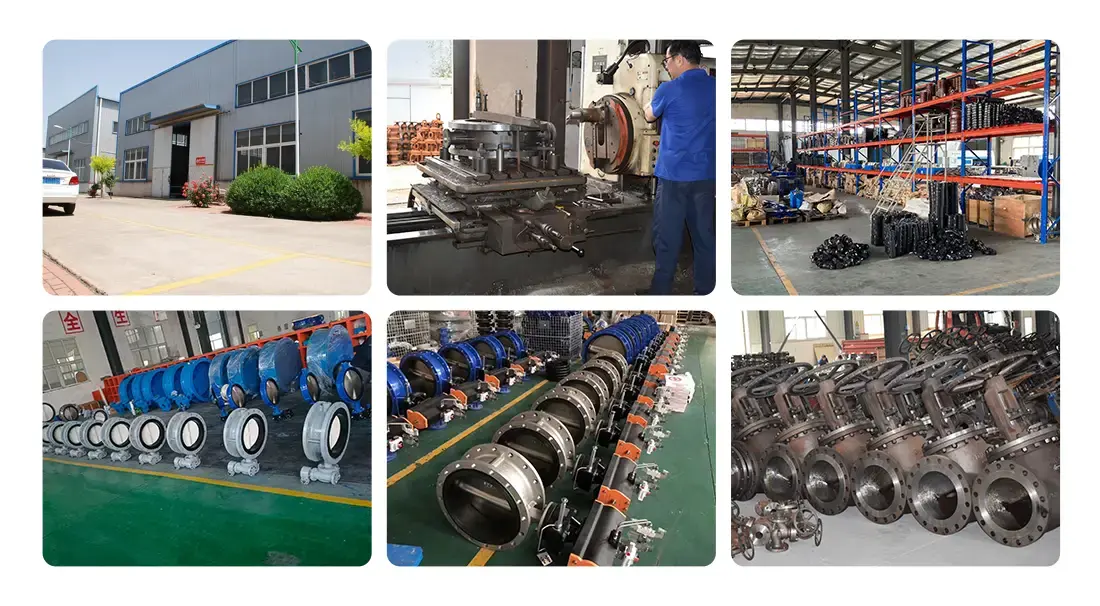
Product Specifications
|
Parameter |
Details |
|
Size |
DN40–DN200 (4-inch / DN100 standard) |
|
Pressure |
PN10–PN16 |
|
Temperature |
-10℃ to 120℃ |
|
Body Material |
SS304, SS316, SS316L |
|
Disc Material |
SS304, SS316, SS316L, Duplex 2205, 2507, 1.4469, 1.4529 |
|
Seat Material |
EPDM, HT-EPDM, Wear-resistant EPDM, NBR, PTFE, VITON, Silicone Rubber |
|
Stem Material |
45#, SS416, SS304, SS316 |
|
Operator |
Aluminium handle lever, stainless steel hand lever |
|
Connection Type |
Wafer, Lug, Flanged |
|
Standards |
API 609, ASME B16.34, ISO 5211, ISO 9001, ISO 14001, OHSAS 18001 |
|
Applicable Media |
Fresh water, wastewater, seawater, air, food, pharmaceutical, oil, acid, soda, salt |
Key Product Features
The valve body is precisely cast in stainless steel SS304. The seat and disk plate sealing surface is made of stainless steel materials with varied hardness, which has constant pressure resistance, temperature resistance and corrosion resistance under specified operating circumstances.
Takes very little effort to open and close . It is done in a quarter turn . It has low fluid resistance which is good for frequently operated systems.
The stainless steel body is polishable to a surface finish below Ra 0.8 µm – a standard criterion in the sanitary applications to avoid bacterial adhesion in food, dairy and pharmaceutical pipelines.
Grades SS316 and SS316L include 2-3% molybdenum, which increases pitting resistance in chloride-bearing environments, making these grades a popular option for marine and chemical duty.
Material Selection Guide: SS304 vs SS316
The correct grade relies on your media and service context.
· SS304 (equivalent cast grade CF8): Good for normal oxidizing atmospheres – water, air, oxidizing acids. Practical alternative for clean utility systems
· SS316 (cast equivalent grade CF8M): Recommended for environments containing chlorides, such as saltwater, brine or reducing acids. The Mo content exhibited superior pitting resistance than SS304.
· Duplex Grades (2205, 2507):Used offshore in high chloride or high pressure conditions when typical austenitic grades are not good enough.
If your media circumstances fall outside of these criteria, please contact us for a material suggestion.
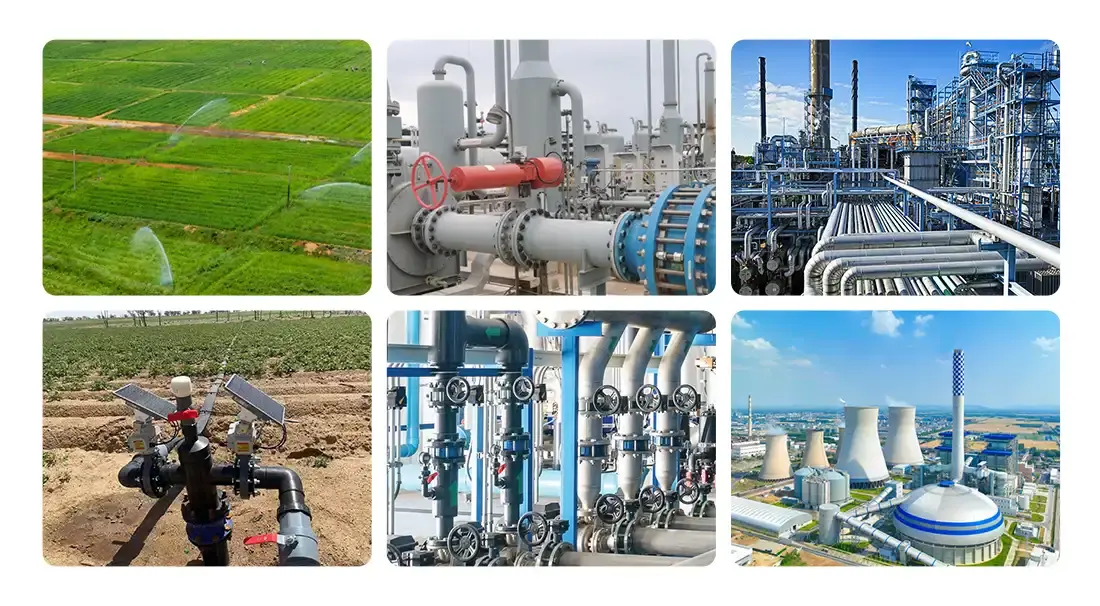
Application Industries
Chemical Processing & Petrochemical Plants
CF8M construction resists intergranular corrosion and is suitable for sulfuric acid, solvents, and corrosive slurries.
Food, Beverage & Pharmaceutical Manufacturing
The 4inch stainless steel butterfly valve is widely used in Clean-in-Place (CIP) systems. Its smooth internal surfaces and inert stainless construction reduce the risk of product contamination. PTFE-lined variants are available for applications requiring compliance with food-contact or pharmaceutical fluid handling standards — confirm applicable certifications with ZTVK before specifying.
Marine Systems & Seawater Desalination
SS316L and Super Duplex grades are both excellent for high-chloride applications such as ballast water management and cooling loops, especially when maintenance access is restricted.
Other areas include power generation, metallurgy, natural gas, pulp and paper, manufacturing of soda and salt and water treatment.
Quality Control Process
Every valve goes through a structured inspection process following API 598 and ISO 5208 methodologies.
· Positive Material Identification (PMI): XRF analysis verifies nickel and molybdenum content against ASTM A351 CF8M specifications, confirming material grade before shipment.
· Hydrostatic Shell Test: Body is pressurized to 1.5× rated pressure to confirm structural integrity and casting quality.
· Seat Leakage Test: Pressurized to 1.1× rated pressure to verify shutoff performance meets the applicable test standard.
· Dimensional Check: Face-to-face dimensions verified per API 609; flange bolt compatibility verified per ASME B16.5.
· Torque Testing: Break-to-open torque verified within the 35–65 Nm range for DN100, with actual values depending on seat material.
Customization & OEM/ODM Support
ZTVK supports both OEM and ODM orders for the 4inch stainless steel butterfly valve.
OEM options include customer branding, custom logos, nameplates, and packaging. ODM services cover valve body structure redesign, sealing material selection, connection configuration changes, and adaptation to specific pressure, temperature, and media conditions.
For high-dust environments such as those common in the Middle East, ZTVK applies additional stem protection. For humid climates in Southeast Asia, epoxy resin anti-corrosion treatment is available. Wafer, lug, and flanged connection types are all supported.
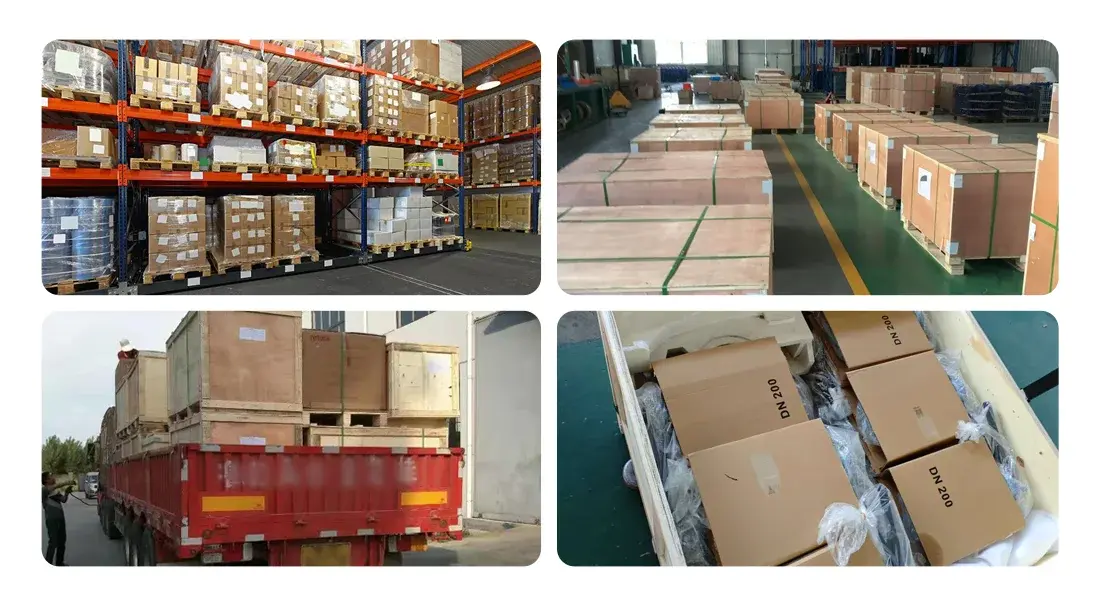
Packaging & Delivery
· Standard stock: 2,000+ units of DN50–DN600 available; ships in 3–7 days
· Custom orders: Typical production cycle 15–25 days; expedited orders in 7–10 days
· Export packaging: Wooden crates, moisture-proof film, fixing brackets; compliant with ISPM 15 standards
· Shipping: FOB Tianjin Xingang and CIF destination-port quotations available; factory is approximately 50 km from Tianjin Port
FAQ
Q1: How do wafer and lug type butterfly valves differ?
A: Wafer valves sit between two pipe flanges and have long studs – lighter and cheaper but you must depressurize the system completely if you want to remove downstream plumbing. Lug valves contain threaded inserts that enable them to be bolted individually to a flange, allowing end-of-line servicing and downstream maintenance without the need to empty the whole system.
Q2: Is this valve intended for vacuum service?
A: Standard soft seated valves may not be reliable at high vacuum. The liner may detach from the body. For vacuum service, the liner should be vulcanized (bonded) to the body and the stem packing must be rated for vacuum service to prevent air infiltration. Check precise vacuum level using ZTVK before to specification.
Q3. SS304 better than SS316?
A: SS304: Water, air or general oxidizing acid service. In chlorides conditions (e.g. saltwater or brine) the molybdenum content is increased in the SS316 to optimize the resistance to pitting. For a particular suggestion, refer to the material selection guidance above or call ZTVK.
Q4: What torque is required to operate a DN100 butterfly valve?
A: Torque required depend on the seat material and the operating pressure. The break-to-open torque for DN100 at rated pressure is normally 35-65 Nm, depending on the seat type. Size pneumatic or electric actuators with a safety factor of 25-30%. PTFE seats tend to have more friction than EPDM seats.
Q5: How long does the seat last?
A: The life of a seat is very dependent upon media type, temperature and cycle frequency. Published statistics vary across manufacturers and test settings , but a good quality EPDM seat may achieve a significant number of running cycles under clean water service at ambient temperature . Use of abrasive slurries or high temperatures can shorten seat life. Regularly check for stem leaking and variations in operating torque.
Q6. Do you have any after-sales service from ZTVK?
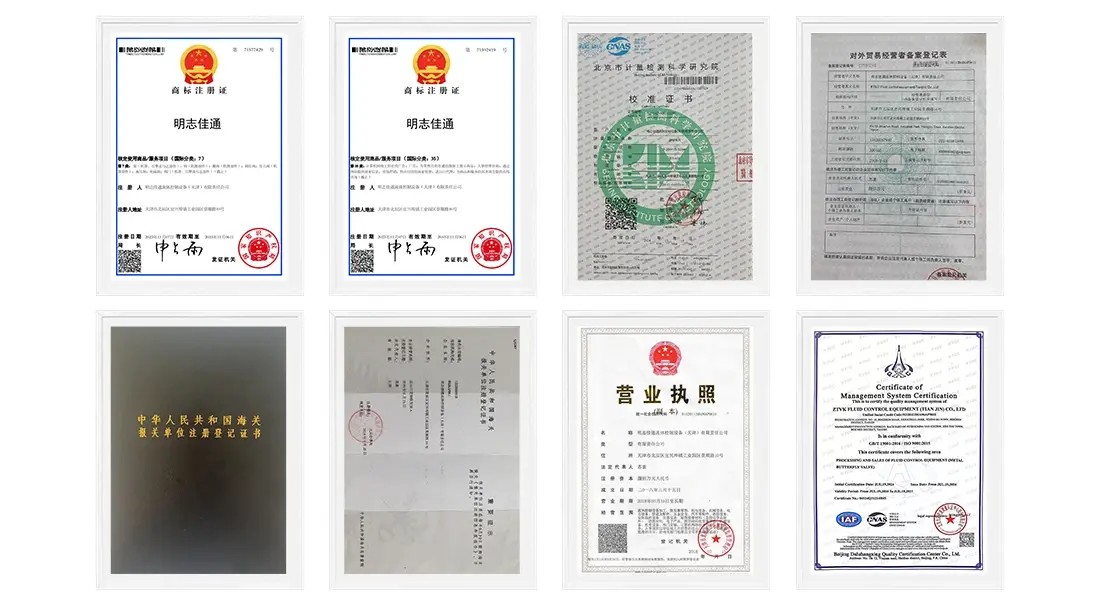
A: Yes. ZTVK offers an 18-month guarantee against non-human-caused failures, including installation instructions, troubleshooting manuals, and access to product inspection data.
Contact Us
For 4inch stainless steel butterfly valve quotes or technical questions, email ktec86961886@163.com. ZTVK's team responds to all inquiries.
Send us your valve requirements and our team will provide professional solutions and fast quotations.