- English
- French
- German
- Portuguese
- Spanish
- Russian
- Japanese
- Korean
- Arabic
- Greek
- German
- Turkish
- Italian
- Danish
- Romanian
- Indonesian
- Czech
- Afrikaans
- Swedish
- Polish
- Basque
- Catalan
- Esperanto
- Hindi
- Lao
- Albanian
- Amharic
- Armenian
- Azerbaijani
- Belarusian
- Bengali
- Bosnian
- Bulgarian
- Cebuano
- Chichewa
- Corsican
- Croatian
- Dutch
- Estonian
- Filipino
- Finnish
- Frisian
- Galician
- Georgian
- Gujarati
- Haitian
- Hausa
- Hawaiian
- Hebrew
- Hmong
- Hungarian
- Icelandic
- Igbo
- Javanese
- Kannada
- Kazakh
- Khmer
- Kurdish
- Kyrgyz
- Latin
- Latvian
- Lithuanian
- Luxembou..
- Macedonian
- Malagasy
- Malay
- Malayalam
- Maltese
- Maori
- Marathi
- Mongolian
- Burmese
- Nepali
- Norwegian
- Pashto
- Persian
- Punjabi
- Serbian
- Sesotho
- Sinhala
- Slovak
- Slovenian
- Somali
- Samoan
- Scots Gaelic
- Shona
- Sindhi
- Sundanese
- Swahili
- Tajik
- Tamil
- Telugu
- Thai
- Ukrainian
- Urdu
- Uzbek
- Vietnamese
- Welsh
- Xhosa
- Yiddish
- Yoruba
- Zulu
The installation and construction process flow of threaded valves
For leak-free performance and long-term system stability, it is important to install threaded gate valves correctly. There are several important steps in the installation and construction process flow of threaded valves. These include cleaning the threads and inspecting the surfaces of the pipeline, putting on the right thread sealant or PTFE tape in the right direction, carefully hand-threading the valve to avoid cross-threading, and then applying calibrated torque to get a good seal without damaging any parts. It is important to pay close attention to the torque requirements and alignment when installing a 2 threaded gate valve, which has a standard size of two inches and NPT or BSPT threads. Following the instructions given by the maker and industry standards like ASME B31.3 will ensure the best performance and stop common fitting problems like leaks, thread galling, or premature wear.


Understanding Threaded Gate Valves and Their Construction
In many different types of businesses, threaded gate valves are used as basic separation devices in fluid control systems. When these valves are open, they let full-bore flow through, but when they're closed, they shut off completely. This is done by a wedge-shaped gate that moves perpendicular to the flow path. Gate valves need more than one turn to fully open or close, which lowers the risk of water hammer in systems that are sensitive to it.
Core Design Elements
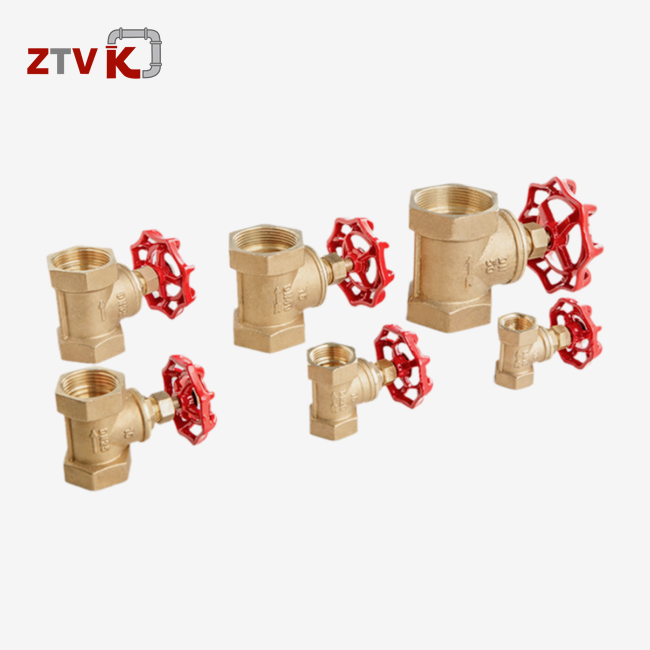
Threaded gate valves have many crucial pieces. The valve body contains ANSI B1.20.1 or ISO 7-1 threaded end links for the gate mechanism. Gates might be solid, flexible, or split wedges. Each gate has closing advantages. Valve performance depends on the material. A copper-zinc metal that is simple to work with and resistant to oil and water corrosion, HPB59-1 brass is used in the ZTVK model JT-2001. This material performs well at -10°C to 120°C and 1.6 MPa.
Thread Connection Types and Applications
Learn thread standards to prevent startup connection issues. The 60-degree thread angle and 1 in-16 taper of NPT threads provide a mechanical seal that may be enhanced using a thread sealer. BSPT threads, prevalent in Asia and Europe, are 55 degrees and of comparable thickness. Thread gauging ensures precise dimensions during quality control since the incorrect pitch width may make fitting difficult and cause leaks.
Threaded connections are ideal for routine welding-free repairs. Service line separation in municipal water supply systems generally requires brass-bodied threaded gate valves. HVAC systems benefit from threaded valves' tiny face-to-face size in compact mechanical rooms. Industrial applications that employ hydraulic oil or compressed air use threaded gate valves because they shut firmly and decrease pressure minimally.
Step-by-Step Installation Process for Threaded Gate Valves
The right way to put something together has a direct effect on how long the valve lasts and how well the system works. We suggest a methodical technique that deals with common types of failure before they happen.
Pre-Installation Preparation
Before installation, check the valve's specifications against the system's. Check the pressure number against the maximum system pressure, check that the valve can handle the temperature, and make sure the material is suitable for the medium. The JT-2001 can handle non-corroding water, oil, and gases. This makes it suitable for many industrial tasks, but not for severe chemicals or steam.
Check the valve for shipment damage. Monitor threads and gate movement. Run the valve many times to ensure it doesn't stick. In the correct lighting, clean the pipeline threads of dirt, corrosion, and broken threads to make closure easier. The pipeline is flushed to eliminate installation debris that might harm seating surfaces.
Installation Execution
The thread glue you choose determines durability. PTFE tape performs well in water and oil when applied appropriately. Wrap tape around the male thread end clockwise to see the thread whirling. Use three to five gaps and keep the tape away from the first thread to prevent debris from entering the flow stream. When systems vibrate or change temperatures, pipe dope or anaerobic sealants perform well.
Start by hand and ensure the valve fits properly and securely. Cross-threading damages valve and pipe threads irreparably. After hand-tightening, use the correct tools on the valve flats, never the handwheel or bonnet. Apply force steadily per the manufacturer's directions. Overtwisting may break threads and shatter brass valve bodies. Under-tightening causes water leaks.
Alignment and Testing Procedures
Once the 2 threaded gate valve is in place, make sure it can move easily through its whole range of motion. If you don't want weathering damage from slowed flow, gate valves should open all the way. Check the position by looking at it. The valve should sit smoothly, without any stress from pipes that aren't lined up right. When pressure cycles, stress concentrations cause things to fail too soon.
Follow the system's instructions and do a pressure test. Bring the system up to working pressure slowly while keeping an eye out for leaks at threaded connections. During the first few hours of pressurisation, small tears may happen as the sealant sets. This usually goes away within hours. If the leak doesn't go away, the system needs to be depressurised, taken apart, the threads checked, and then put back together with a new sealer.
Construction Considerations and Flow Characteristics of Threaded Gate Valves
The shape of the valve has a big effect on the hydraulics of the system and how well it works. When buying, teams understand these connections, they can choose the right valves for each job.
Sealing Mechanisms and Pressure Drop
Gate valve gate sides and body seats are bonded metal-to-metal. When the gate wedges into position, the JT-2001's glossy sitting regions compress automatically to close. Soft-seated valves shut using elastic pieces, unlike this design. Metal seats can withstand greater temperatures and petroleum chemicals, but they may not control leaks like resilient-seated versions.
Gate valves control flow differently from other valves. A gate valve doesn't block much when completely open; hence, its pressure loss is similar to that of a straight line of the same length. This efficiency is crucial when pumping expenses are high or pressure is low. Service should not be slowed because partly open gates produce abrasive flow that damages seating surfaces more quickly.
Comparative Analysis with Alternative Valve Types
When the sizes and pressures are too high for threaded joints to work, flanged gate valves are better. Flanges spread stress over a bigger area and make it easier to take parts apart for repair. Threaded valves, on the other hand, are cheaper to install, can be put in faster since they don't need gaskets or nuts, and can be used for temporary or mobile installs. The choice is based on the specifics of the project, such as the pipe size, pressure class, and upkeep mindset.
Ball valves can be turned a quarter of the way and can shut off flow in both directions tightly, which makes them useful for situations where they need to be used often. Gate valves work best when full-bore flow is important, and they don't need to be used very often. Socket weld valves get rid of the problems that come with fitting in places with a lot of shaking, but you need to know how to weld and have a permit to do hot work. Each type of valve is used for a different purpose in controlling fluids in industry.
Maintenance and Troubleshooting for Threaded Gate Valves
Valve service life is extended by proactive repair, which also stops unexpected downtime. Setting up regular inspection procedures helps find problems early on, before they become system breakdowns.
Common Post-Installation Issues
Common concerns include threaded joint leaks. Insufficient sealant, broken threads, temperature expansion, or joint opening vibrations are causes. Gently tighten the link with a torque wrench to fix tiny leaks. For significant leaks, depressurize and reassemble the system. Thread damage requires tubing replacement or a repair coupling.
In systems with poor water quality, rust accumulation causes gates to stick or bind. Dissolved minerals on the valve increase operating force and might freeze the gate. Regular usage prevents binding; replacing valves every three months maintains their operation. Drinking water systems should not employ oil-based products; however, lubrication helps.
Packing or compression loosens, causing stem leakage. Fasten the packing gland nut slowly to test the procedure before making any alterations. Too much twisting binds the stem, making it difficult to operate. If adjusting doesn't stop the leak, replace the packing. This maintenance task requires considerable disassembly, but it extends valve life compared to premature replacement.
Inspection and Replacement Criteria
During regular system checks, there should be a visual review. Check for rust on the outside, especially where water collects, like at the threaded joints. Surface rust on brass bodies shows up as green verdigris, which is mostly just for looks but shows that the metal has been exposed to water. For an internal checkup, the valve has to be taken apart, and the seat and gate surfaces have to be checked for damage. The stem threads must also be checked for wear.
Replace valves that have a lot of seat wear, gate score, or body cracks. For standard-sized threaded valves, repair rarely ends up being worth the money. Keep extra valves on hand for important uses to cut down on downtime while they are being replaced. Write down an account of how the valves have worked to find problems that keep happening. These problems could be signs of system issues like high pressure or contamination.
Procurement Best Practices and Choosing the Right Threaded Gate Valve Supplier
Choosing the right supplier affects the standard of the product, how reliably it is delivered, and the total cost of ownership. When you do strategic buying, you have to look at more than just the initial purchase price. Understanding the Schematic diagram of threaded valve switch helps procurement teams verify that the valve's internal flow path, seat geometry, and stem travel align with their system's control requirements, ensuring that the selected supplier can deliver consistent performance across all operating conditions.
Certification and Quality Assurance
Reputable makers keep quality management systems that are certified to ISO 9001 standards. This shows that they are dedicated to making sure that their production methods are always the same. Check for API, ANSI, or other certifications that are specific to your business and apply them to your project. Material certificates and test results show that valve parts are of the right grade. ZTVK is certified in ISO9001, ISO14001, and OHSAS18001, which shows that they have complete methods for managing quality and the environment.

The stability of the valve is confirmed by hydrostatic testing according to API 598 or MSS SP-80 standards. Shell tests put 1.5 times the working pressure on the valve body to find flaws in the casting or welds. Seat tests show that the door can close at 1.1 times the normal pressure. Valve packages should come with certificates that show proof of these tests. This makes them easier to track and ensures quality.
Supplier Capabilities and Support
When wholesalers are working on multiple projects with different due dates, the amount of their inventory is important. ZTVK keeps more than 2,000 common valves in stock in sizes DN50 to DN600, so they can deliver your order within 3–7 days. This flexibility keeps project delays to a minimum and lowers the cost for customers to keep supplies on hand. Custom orders have longer wait times—usually 15 to 25 days, but this depends on how complicated the specifications are—but rush production is possible if project deadlines require delivery sooner.
Superior sellers are different from commodity suppliers because they offer technical help. Having access to application experts can help with questions about specifications, worries about compatibility, and troubleshooting. Multilingual help makes it easier for people in different countries to talk to each other. ZTVK offers pre-sale selection help, such as CAD plans and 3D models that make it easier to integrate designs. After-sales help includes a warranty that lasts for 18 months, videos that show you how to use the product, and upkeep instructions.
Evaluating Total Cost of Ownership
The price of the valve is only one part of its lifetime cost. Think about how much it will cost to build, how long it should last, how much upkeep it needs, and how much it could cost to fail. Higher-quality valves usually explain their higher prices by lasting longer and needing less upkeep. Instead of just looking at the original cost, figure out the total cost of ownership over the expected service time.
Logistics skills affect how much something costs to send and how reliable the plan is. Because ZTVK is in Tianjin's Beichen District, it is only 50 kilometres from important ports, which makes foreign shipping easier. Freight rates are low, and departure times can be relied on when you have established relationships with global companies. Professional packing that meets ISPM 15 standards keeps goods safe during transport and avoids delays at customs.
Conclusion
To properly install and maintain threaded gate valves, you need to know how they are put together, follow organised steps for installation, and choose high-quality parts from reputable sources. The 2 threaded gate valve is useful in many industrial settings because it can handle full-bore flow, close tightly, and have threaded links that make installation easier. By choosing the right material, making sure the threads are properly engaged, and applying the right amount of pressure, you can avoid common failure modes like leaks and premature wear. Valve service life is greatly increased by regular maintenance that includes eye inspection, operational cycling, and prompt packing adjustment. When purchasing, teams look at suppliers, they get the best results when they look at more than just price. They look at certifications, professional skills, product depth, and the total cost of ownership. Following these steps will make sure that valve systems work properly for as long as they are used.
FAQ
1. Can I install threaded gate valves myself, or should I hire a professional?
Installation of threaded gate valves can be done by anyone with simple plumbing knowledge and the right tools. Pay close attention to thread preparation, sealant application, and pressure control during the process, but you don't need any special training to do it. But only approved professionals should do installations in pressure tanks, systems with dangerous materials, or places where strict code rules apply. If the valve size is more than two inches, the system pressure is getting close to the valve rating, or local laws require qualified installers, you might want to have a professional do the fitting.
2. What thread sealant works best for high-pressure applications?
When it comes to high-pressure threaded connections, anaerobic sealants work best because they cure without air in the thread contact. This makes a strong seal that can withstand vibration and changes in pressure. These sealants completely cover up flaws in the thread and keep the seal tight at a wide range of temperatures. PTFE tape works well in situations with mild pressure, but it may come apart in very harsh conditions. Paste-type pipe dope with PTFE and carriers is still a good option, especially for bigger thread sizes where tape application is hard. Always make sure that the sealant is compatible with the fluid being sent because some chemicals can damage certain sealant formulas.
3. How do I verify compatibility between a threaded valve and existing piping?
Find out if the threads on your pipes are NPT or BSPT to make sure they are compatible. These threads are not replaceable, even though they look the same. For standard size, measure the outside diameter of the pipe and count the number of threads per inch. Check the pressure values marked on the old parts to make sure the new valve meets or exceeds what the system needs. Check the temperature suitability, as some valve materials break down at high temperatures. How well the material works with the fluid being moved is very important. For example, metal works well with water and oil but breaks down in acidic situations. If you're not sure, ask the valve manufacturer for proof using the system specs.
Why ZTVK is Your Trusted 2 Threaded Gate Valve Manufacturer
With over 15 years of experience making things and a great position, ZTVK can serve contractors and wholesalers around the world quickly and easily. As a 2 threaded gate valve provider, we can keep a large inventory on hand so that we can deliver quickly. Standard models ship within one week, and special models take three weeks to finish production. Our dedication to quality is shown by the JT-2001 model, which is made of HPB59-1 brass and can handle pressures up to 1.6 MPa in water, oil, and gas. We can meet OEM and ODM needs by making valves with your name and specs. Our quality systems are backed up by ISO standards, and we're close to Tianjin Port, which makes foreign shipping cheap. Please email us at ktec86961886@163.com to talk about your valve needs and get technical help from our engineering team.
References
1. American Society of Mechanical Engineers. (2020). ASME B31.3: Process Piping. New York: ASME Press.
2. Manufacturers Standardization Society. (2018). MSS SP-80: Bronze Gate, Globe, Angle, and Check Valves. Vienna, VA: MSS.
3. Lyons, J. L., & Askland, C. K. (2016). Valve Selection Handbook: Engineering Fundamentals for Selecting the Right Valve Design for Every Industrial Flow Application (5th ed.). Burlington, MA: Gulf Professional Publishing.
4. Zappe, R. W. (2019). Valve Design Handbook (3rd ed.). Houston, TX: Elsevier Science & Technology.
5. American Petroleum Institute. (2017). API Standard 598: Valve Inspection and Testing (10th ed.). Washington, DC: API Publishing Services.
6. Smith, P. R., & Zappe, R. W. (2021). Piping and Pipeline Engineering: Design, Construction, Maintenance, Integrity, and Repair. Boca Raton, FL: CRC Press.
Send us your valve requirements and our team will provide professional solutions and fast quotations.
RELATED INDUSTRY KNOWLEDGE