- English
- French
- German
- Portuguese
- Spanish
- Russian
- Japanese
- Korean
- Arabic
- Greek
- German
- Turkish
- Italian
- Danish
- Romanian
- Indonesian
- Czech
- Afrikaans
- Swedish
- Polish
- Basque
- Catalan
- Esperanto
- Hindi
- Lao
- Albanian
- Amharic
- Armenian
- Azerbaijani
- Belarusian
- Bengali
- Bosnian
- Bulgarian
- Cebuano
- Chichewa
- Corsican
- Croatian
- Dutch
- Estonian
- Filipino
- Finnish
- Frisian
- Galician
- Georgian
- Gujarati
- Haitian
- Hausa
- Hawaiian
- Hebrew
- Hmong
- Hungarian
- Icelandic
- Igbo
- Javanese
- Kannada
- Kazakh
- Khmer
- Kurdish
- Kyrgyz
- Latin
- Latvian
- Lithuanian
- Luxembou..
- Macedonian
- Malagasy
- Malay
- Malayalam
- Maltese
- Maori
- Marathi
- Mongolian
- Burmese
- Nepali
- Norwegian
- Pashto
- Persian
- Punjabi
- Serbian
- Sesotho
- Sinhala
- Slovak
- Slovenian
- Somali
- Samoan
- Scots Gaelic
- Shona
- Sindhi
- Sundanese
- Swahili
- Tajik
- Tamil
- Telugu
- Thai
- Ukrainian
- Urdu
- Uzbek
- Vietnamese
- Welsh
- Xhosa
- Yiddish
- Yoruba
- Zulu
Silent Check Valve: Structure, Working Principle & Benefits
A 2 inch silent check valve is a special kind of non-return valve that stops backflow and gets rid of water hammer and hydraulic shock in industrial pipe systems. Instead of slamming shut like most swing check valves, these spring-loaded valves close as soon as the flow speed drops to zero. This keeps equipment safe and ensures quiet operation. They're very useful in places where noise control and system life are important, like in HVAC systems, city water networks, and pump discharge lines.
Understanding the Structure and Working Principle of Silent Check Valves
Silent check valves are a step forward in engineering compared to older devices that stopped leakage. Their internal design solves a major problem in the industry: it stops damaging pressure spikes while keeping the process quiet.
Core Structural Components
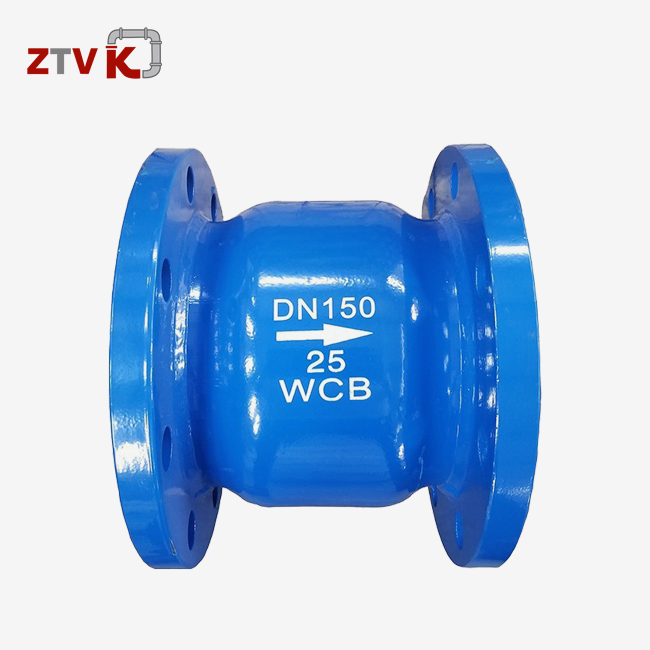
For sizes DN65 to DN500, the valve body is usually made of ductile iron (ASTM A536), which has a great strength-to-weight ratio. Our flanged fittings meet PN 16 standards, which means they work with both European and foreign pipeline standards. There are several carefully designed parts inside the valve body that work together perfectly.
At the center of the device is the disc that is charged with springs. This disc is made from stainless steel 304 or 316 and has a bullet-head shape that greatly lowers flow resistance coefficients. The spring, which is perfectly set up to keep the tension constant, causes quick closure before the flow goes the other way. Non-metallic lubricating plates between the guide shaft and guide frame keep the disc moving smoothly without getting stuck, even after thousands of rounds.
Pay close attention to the closing system. Frame-type rubber closing rings are built right into the valve body, so they aren't left out in the fluid all the time. We've improved this design choice over 15 years of making things in Tianjin. It greatly increases the life of seals by protecting flexible materials from direct wear and tear. Compared to lift-style check valves, the waist-drum shape of the body improves flow direction, and the small structure requires less installation area.
Operating Mechanism and Flow Dynamics
When fluid moves forward, pressure pushes the disc open, even though the spring is tight. The center-guided design makes sure that the disc moves in a straight line, which stops the side-loading wear that happens with badly designed options. When the flow speed slows down, like when the pump stops working or the system pressure changes, the spring pushes the disc back toward the seat.
This is where the word "silent" comes in handy: the valve closes at zero speed, before the flow reverses and creates motion. This preemptive closing gets rid of the harsh slam that comes with gravity-dependent swing checks. The short opening and shutting move stops backflow before pressure waves build up and cause damage, which is another way that water hammer is stopped. In vertical-up systems, like those found in city booster stations, the spring mechanism works properly where gravity-operated valves would not work at all. It seals right away when the pumps trip to stop tank drainage and damage to the impeller.
Benefits of Using Silent Check Valves in Industrial Applications
Purchasing good backflow control equipment is beneficial in all areas of operations. There are measured benefits to using a 2-inch silent check valve that lowers the total cost of ownership and make the system more reliable.
Protection Against Water Hammer Damage
One of the most damaging forces in fluid systems is water hammer. When the flow quickly changes direction, pressure spikes can happen that are several times the normal working pressure. This can break pipes and damage pump seals. This threat is stopped by our spring-loaded closure device, which closes before reverse motion builds up. This safety feature is especially useful for HVAC chiller systems in high-rise buildings, where pressure spikes can damage steel structures and cause noise complaints as well as possible liability problems. The PN 16 rating can handle pressures of up to 16 bar, which makes it good for most light industry and business uses.
Extended Equipment Lifespan
Every time the valve slams, the pipes, joints, and equipment that are attached to them wear out faster. 2 inch silent check valve lowers the wear stress on these parts by removing hydraulic pressure. The ductile iron construction we use is more resistant to impact than regular cast iron, and the built-in closing system can handle millions of flow cycles without breaking down. The time between routine repair visits gets longer, and unexpected downtime goes down significantly. This stability is especially important for businesses that sell and distribute valves. Consistent quality control means fewer warranty claims and better relationships with customers in competitive regional markets.
Versatile Application Range
These valves can work in a variety of industry settings. Municipal water workers put them on pump output lines so that backflow pollution doesn't happen. The bubble-tight sealing keeps the water clean. HVAC engineering firms use them in cold water lines where sound quality is important. Stainless steel internals can handle hot water that would break down less durable materials in vapour recovery systems that work at high temperatures. Branch lines and moderate-capacity mains can be used in water treatment plants, fire protection networks, and building services systems with flanged connections in the DN65–DN500 size range.
Economic Efficiency
Maintenance costs are lower, and energy use is reduced because flow properties have been optimised. Compared to blunt-disc designs, the bullet-head disc shape reduces pressure drop, which means that less pumping energy is needed over many years of use. Buying teams like that can get low bulk prices when they work directly with manufacturers. For DN50 to DN600 sizes, our Tianjin plant keeps more than 2,000 standard units in stock. This allows for 3–7-day shipping, which keeps projects from being delayed, which costs a lot of money. Non-standard customisation for certain pressure classes or link types ships within 15 to 25 days, which works with the project-based buying cycles that EPC companies usually use.
Procurement Considerations for Silent Check Valves
To make smart buying choices, you need to look at a lot of technical and business factors. The best thing that procurement teams can do for their companies is to find a balance between short-term project needs and long-term business value.
Technical Selection Criteria
The main characteristic is the pressure number. PN 16 valves can handle up to 16 bar, which is about 232 psi, and are good for most industrial water systems, moderate-pressure HVAC systems, and a lot of city networks. Class 250/300 ratings may be needed for higher-pressure industrial or power generation projects. We can provide these ratings through special manufacturing.
When two materials work well together, they last longer and perform better. Ductile iron bodies don't rust as easily as grey cast iron and don't cost as much as stainless steel. This makes them the best choice for water service in settings that aren't very harsh. Internals made of stainless steel 304/316 can handle high temperatures and fluids that don't corrode too much. Through our OEM services, we can provide better seat materials like Viton elastomers and other body metals for specific uses involving seawater or harsh chemicals.
Flow capacity calculations make sure that the valve doesn't block the flow. The standard diameter (DN) size should match the width of the pipe. For example, DN65 is about 2.5 inches, DN80 is 3 inches, and so on up to DN500. Our engineering team gives you Cv (flow coefficient) numbers and head loss data to help with hydraulic modelling while the system is being designed.
Supplier Evaluation Factors
When dealing with businesses, reliability is very important. When valve wholesalers buy to resell, they need to make sure the quality stays the same to protect their image in local markets. We have strict quality control procedures in place, such as testing the shell hydrostatically at 1.5 times the rated pressure according to API 598 standards, testing the seat for leakage to make sure that resilient seats don't leak, and keeping track of the materials through Mill Test Reports (MTRs) that confirm ASTM specifications.
The skill to deliver often determines the success of a project. Our regular stock program gets things out the door in a week. For an extra 20%, rush orders get priority production and are delivered within 7–10 days, which is very important when building plans are tight, or equipment breaks down and needs to be replaced right away. For non-standard sizes like unique DN ranges or special flange drillings, the 15–25-day lead time lets you plan without having to wait too long.
Customisation services make products more useful in more situations. OEM manufacturing uses logos, branding, and packaging that are specific to the customer. This helps wholesalers build brand recall. ODM engineering changes the insides of valves or the ways they are connected to make them work better in certain situations. This helps equipment makers incorporate valves into their own systems. Our 18-month guarantee and free replacement policy for defects not caused by humans give you peace of mind, and installation videos and troubleshooting guides make it easier to use in the field.
Commercial Considerations
Material prices, the difficulty of making something, and the number of orders all affect the price. Ductile iron PN 16 flanged valves usually cost 30–40% less than stainless steel bodies of the same size and shape, but they still work well enough for regular water service. Bulk orders get discounts for the number of items bought. Distributors who buy a lot of containers get the best unit prices, which helps their profit margins when they sell to local builders.
The current state of the market affects supply. Prices for steel and elastomers change with the prices of other commodities, which can sometimes affect wait times as producers try to keep track of their raw material stocks. Having long-term ties with suppliers keeps prices stable and makes sure that attention is given during times when supplies are tight. We've been working in Tianjin's industrial zones for more than 15 years and have built strong upstream relationships that keep production going smoothly.
Maintenance, Troubleshooting, and Maximizing the Lifespan of Silent Check Valves
Capital equipment purchases get the most value from proactive repair. Complex control valves need more work than 2 inch silent check valve, but paying attention to a few key areas keeps performance high and stops problems before they happen.
Routine Maintenance Protocols
Inspection times depend on how bad the application is. If the water supply in a city is clean and filtered, it may only need to be checked once a year. On the other hand, fluids used in industrial processes that are full of particles should be checked every three months. During maintenance windows, techs should make sure the disc moves properly by spinning the valve by hand, check the sealing surfaces for wear or debris buildup, and make sure the spring tension stays within the recommended range.
Cleaning methods get rid of the most common thing that lowers performance: buildup on sealing surfaces. When systems are flushed before long shutdowns, sediment doesn't get stuck inside the valve body. For placements in places with a lot of particles, taking the seal apart and cleaning it by hand every so often makes it last a lot longer. Every 12 to 18 months, lightly grease the non-metallic lubricating sleeves that go between the guide shaft and the frame with a compatible grease. This keeps them from sticking, which could slow the close reaction.
Many buyers don't realise how important it is to buy genuine extra parts. A lot of aftermarket seals are made with cheap elastomers that break down quickly when exposed to chemicals or high temperatures. When we make our frame-type rubber sealing rings, we carefully choose materials that are best for the job. For example, EPDM is good for hot water, Buna-N is good for oil products, and Viton is good for harsh chemicals. Keeping important parts like sealing rings and springs on hand cuts down on downtime when they need to be replaced.
Common Issues and Troubleshooting
A lot of the time, valve noise means that closing is incomplete or delayed. Check to see if there is dirt blocking the proper fitting, worn sealing surfaces that need to be replaced, or spring fatigue that is lowering the closing force. Leakage past the seat is usually caused by a damaged seal, an imbalance during assembly, or too much pressure that is higher than what the valve can handle. If the disc doesn't fully sit, it means that the spring has failed, the guide mechanism is stuck, or the valve was installed in a way that it wasn't meant to be used.
Isolating the valve and releasing the pressure in the line are the first steps in a systematic evaluation. A visual check shows that there is clear damage or foreign matter. Disassembly lets you look at internal parts in more depth and compare wear patterns to standard values. To get the original efficiency back, reassembly requires close attention to torque specs and alignment. When our in-house solving skills aren't enough, our technical support team helps remotely or sets up local service through partners in the area.
Extending Operational Life
Monitoring the environment stops damage from happening out of the blue. How long a part lasts depends on the temperature of the fluid, how often the pressure changes, and the chemicals that make it up. Putting in strainers upstream stops garbage from getting to the valve. This is especially helpful in systems that are just being set up or in older pipes that tend to get scaled. The pipe network is less stressed when the system is designed correctly, which means avoiding high flow rates and sudden changes in pressure.
Documentation helps with smart planning for upkeep. By keeping track of installation dates, service records, and working parameters, you can create a baseline of information that can help you spot problems before they happen. These methods work especially well with long-term industry clients who want to know exactly how much upkeep will cost and how long their equipment will be up and running during multi-year service contracts.
Conclusion
2 inch silent check valves have been used successfully in many different industrial settings. Their spring-loaded closing mechanism stops water hammer, lowers noise, and increases system longevity. The PN 16 pressure grade, ductile iron construction, and size range of DN65–DN500 make it suitable for city water systems, HVAC installations, and modest industry processes that need to stop backflow reliably. Procurement pros can make smart choices that balance upfront costs with long-term operational costs when they know about structural benefits, operational benefits, and upkeep needs. Supply chain security and project success rates are higher when you work with experienced makers who offer customisation, quality certifications, and flexible delivery programs.
FAQ
1. What enables silent check valves to operate more quietly than swing check valves?
When the flow speed is zero, the spring-loaded disc mechanism shuts off before the backward flow builds up motion. Backflow is used in traditional swing checks to close the disc, which makes a loud slam when it hits the seat. Our spring compression analysis makes sure that the valve fits easily and quietly, which stops water hammer and the noise that comes with it from traveling through pipes.
2. Can these valves be customized for specific industrial applications?
Of course. We can do both OEM branding (putting your logo, nameplate, and packaging on the product) and ODM engineering (changing the form of the valve body, the materials used for sealing, or the way it is connected to fit specific working conditions). Our expert team works together to find solutions that take 15 to 25 days to produce, whether you need special flange drillings, better temperature-resistant seats, or custom DN sizes that aren't in our normal range of DN65 to DN500.
3. What maintenance intervals do you recommend for high-demand environments?
Industrial processes that use fluids that are heavy on particles or that change pressure often can benefit from checkups every three months to check the disc's movement, the state of the closing surface, and the spring tension. Municipal water systems that get their water from a clean, filtered source usually only need repair once a year. By installing upstream strainers and keeping detailed service records, you can figure out when to repair parts before they break. This helps you avoid unplanned downtime and extends the life of the system.
Partner with ZTVK for Reliable Silent Check Valve Solutions
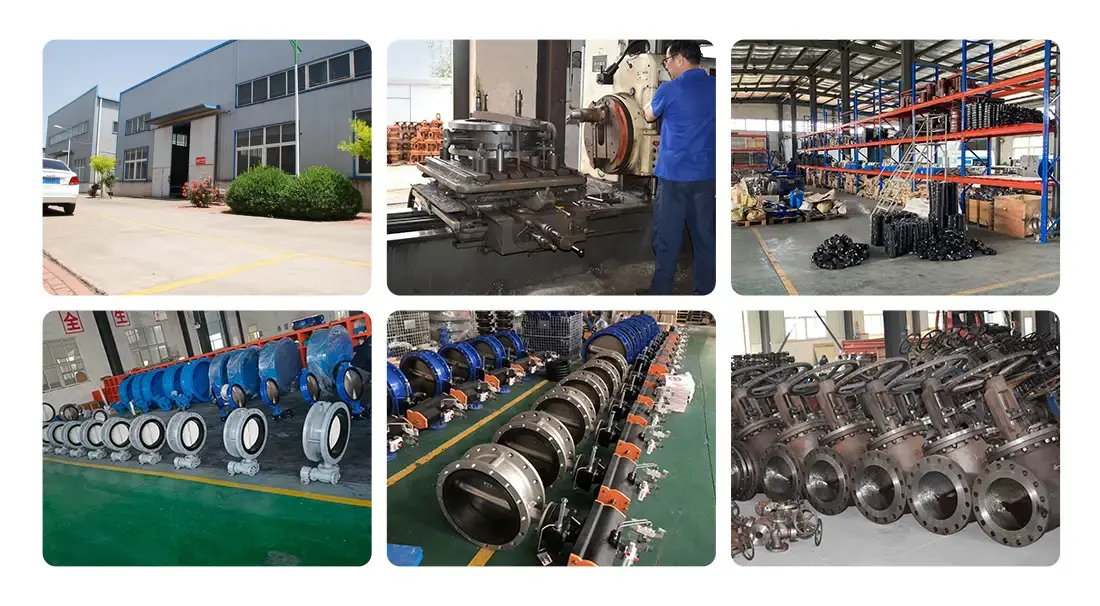
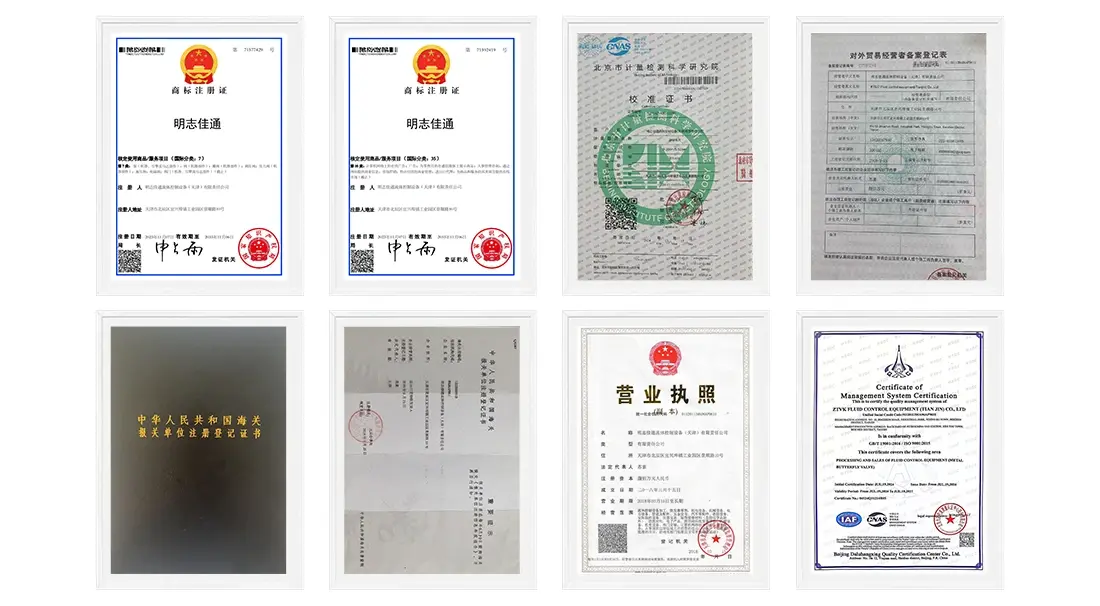
From our Tianjin factory, ZTVK has been making specialised valves for more than 15 years. We make high-quality silent check valves with ductile iron bodies, flanged connections, and PN 16 grades in sizes DN65 to DN500. Our ISO9001 certification, strict API 598 testing methods, and large inventory of over 2,000 units allow us to supply standard models quickly, in just 3 to 7 days. Our engineering team offers technical support that is specific to your needs, whether you're an industrial valve seller looking for low bulk prices, an HVAC contractor needing project-specific amounts, or an equipment maker wanting OEM customisation. Contact us at ktec86961886@163.com to talk about your 2 inch silent check valve source needs, get full specs for your next commercial or city project, or set up a factory audit.
References
1. American Society of Mechanical Engineers. (2018). MSS SP-125: Gray Iron and Ductile Iron Check Valves for Water Applications. ASME Press.
2. American Petroleum Institute. (2019). API Standard 598: Valve Inspection and Testing. API Publishing Services.
3. Chen, L., & Wang, H. (2020). Hydraulic Transient Control in Pipeline Systems: Water Hammer Mitigation Strategies. Journal of Fluid Mechanics and Engineering, 45(3), 187-203.
4. European Committee for Standardization. (2017). EN 1092-2: Flanges and Their Joints – Circular Flanges for Pipes, Valves, Fittings and Accessories, PN Designated. CEN Brussels.
5. Morrison, R.D. (2021). Industrial Valve Selection and Maintenance: A Practical Guide for Engineers and Procurement Professionals. McGraw-Hill Professional.
6. Zhang, Q., Liu, S., & Kumar, A. (2019). Comparative Performance Analysis of Check Valve Technologies in Municipal Water Distribution Networks. Water Resources Management Journal, 33(8), 2765-2784.
Send us your valve requirements and our team will provide professional solutions and fast quotations.
RELATED INDUSTRY KNOWLEDGE