- English
- French
- German
- Portuguese
- Spanish
- Russian
- Japanese
- Korean
- Arabic
- Greek
- German
- Turkish
- Italian
- Danish
- Romanian
- Indonesian
- Czech
- Afrikaans
- Swedish
- Polish
- Basque
- Catalan
- Esperanto
- Hindi
- Lao
- Albanian
- Amharic
- Armenian
- Azerbaijani
- Belarusian
- Bengali
- Bosnian
- Bulgarian
- Cebuano
- Chichewa
- Corsican
- Croatian
- Dutch
- Estonian
- Filipino
- Finnish
- Frisian
- Galician
- Georgian
- Gujarati
- Haitian
- Hausa
- Hawaiian
- Hebrew
- Hmong
- Hungarian
- Icelandic
- Igbo
- Javanese
- Kannada
- Kazakh
- Khmer
- Kurdish
- Kyrgyz
- Latin
- Latvian
- Lithuanian
- Luxembou..
- Macedonian
- Malagasy
- Malay
- Malayalam
- Maltese
- Maori
- Marathi
- Mongolian
- Burmese
- Nepali
- Norwegian
- Pashto
- Persian
- Punjabi
- Serbian
- Sesotho
- Sinhala
- Slovak
- Slovenian
- Somali
- Samoan
- Scots Gaelic
- Shona
- Sindhi
- Sundanese
- Swahili
- Tajik
- Tamil
- Telugu
- Thai
- Ukrainian
- Urdu
- Uzbek
- Vietnamese
- Welsh
- Xhosa
- Yiddish
- Yoruba
- Zulu
Stainless steel flanged butterfly valve: Uses in Modern Piping
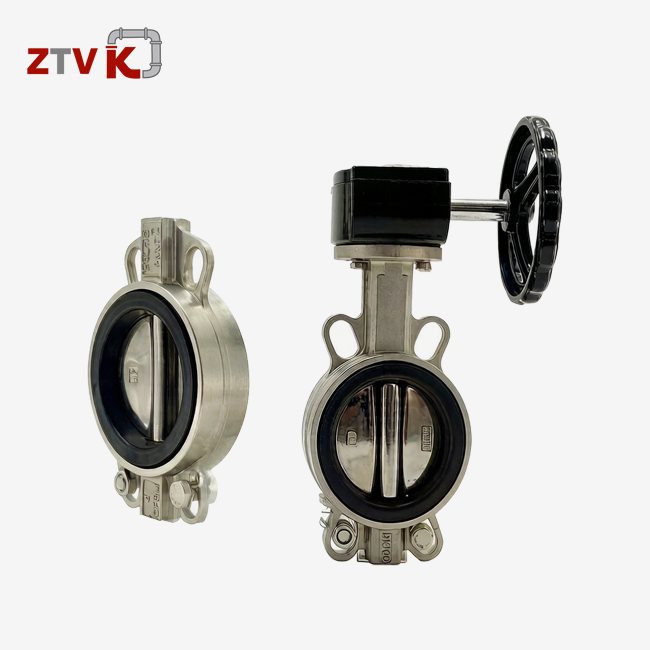
Modern industrial piping systems demand reliable flow control solutions that balance performance, durability, and cost-efficiency. The stainless steel flanged butterfly valve has become an indispensable component across diverse sectors—from water treatment facilities to petrochemical plants. This quarter-turn valve features flanged connections at both inlet and outlet ends, paired with corrosion-resistant stainless steel construction. The design allows for robust mechanical integration within pipeline systems while preventing chemical degradation in aggressive environments, making it a strategic choice for engineers and procurement managers seeking long-term reliability.
Understanding Stainless Steel Flanged Butterfly Valves
What Makes Flanged Butterfly Valves Distinct?
The way a stainless steel flanged butterfly valve is connected is what makes it truly different from wafer and ring versions. The body of the valve has raised-face flanges that connect straight to matched pipeline flanges to make a double-flanged assembly. When compared to wafer types, which depend on compression between two pipeline flanges, this arrangement offers better structural stability. When made from types of stainless steel like SS304 or SS316, these valves are much more resistant to rust and chemical attack than valves made of carbon steel or cast iron.
A disc that rotates on a central shaft makes the valve work. The valve fully opens when the disc lines up with the flow direction. When the disc is rotated 90 degrees, it is perpendicular to the flow, which stops the flow. This simple but effective device keeps precise control while making operations simpler.
Material Grades and Their Significance
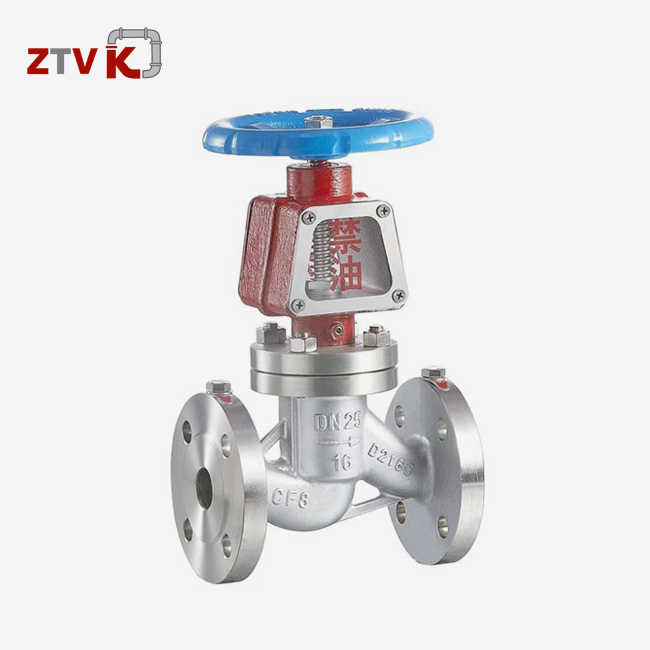
The kind of stainless steel you choose affects valve life in hazardous environments. SS304 (CF8 cast) has 18% chromium and 8% nickel. These two metals produce a corrosion-resistant passive oxide layer. This grade is suitable for water systems, food processing, and mild chemicals. SS316 (CF8M) contains chromium, nickel, and 2-3% molybdenum. It resists chloride-induced pitting and crevice rust better. Marine, desalination, and acidic chemical lines benefit from stainless steel flanged butterfly valves.
Standard soft-seated bodies manufactured from these alloys can tolerate temperatures from extremely low to 260°C. Metal-seated arrangements increase operating restrictions. Also, disc material varies. Ductile iron is cheaper for less demanding usage, although CF8M discs meet body standards for chemical compatibility. Weatherproof aluminium bronze plates are ideal for slurry services.
Eccentric Design Variations
There are three main design combinations that meet different operating needs. Concentric butterfly valves put the disc and tube in the middle of the pipe, which seals it evenly with flexible seats. This cheap design works well for isolating low-pressure areas, but it causes friction when it's used. When you turn the disc, the double eccentric design moves both the shaft axis and the disc sitting plane out of alignment. This lets the disc lift off the seat right away. This shape lowers the operating torque by about 30% and increases the cycle life to more than 50,000 operations. Triple offset valves add a third geometric offset, making a metal-to-metal conical seal that works in high-temperature and high-pressure situations where soft seats would fail.
Key Benefits and Common Applications in Modern Piping
Corrosion Resistance in Harsh Environments
Corrosion-related failures are a major problem in industrial valve buying that is solved by stainless steel flanged butterfly valve building. When acidic wastewater, salty cooling water, or chemical processing streams come in contact with traditional cast iron valves, they break down very quickly. When stainless steel is scratched, the chromium oxide layer on it heals itself, keeping the valve safe for as long as it's used. We've seen stainless steel flanged butterfly valves in marine desalination plants that last more than 15 years without breaking down much, while carbon steel valves need to be replaced every 3 to 5 years.
Cost-Efficiency Through Reduced Maintenance
The total cost of ownership goes down when you combine low-friction disc shape with materials that don't rust. Operators say that repair for properly chosen stainless steel flanged butterfly valves can happen anywhere from once a year to three to four years. When compared to multi-turn gate valves, quarter-turn gate valves have fewer moving parts, which means they wear out less quickly. When smaller sizes (DN50–DN200) are equipped with hand levers and larger widths are provided with worm gears, manual action is still easy even after long periods of use.
Automated versions with pneumatic or electric actuators fit together perfectly with ISO5211 mounting interfaces. This standardisation makes it possible for facilities to switch from manual valves to remote control ones without having to replace the whole valve body. This is especially helpful for our clients who are adding on to systems that are already in place.
Industry-Specific Applications
Chemical factories handle acidic compounds like sulphuric acid, sodium hydroxide, and organic solvents using these valves. Fire-safe designs authorised to API 607 maintain seals intact even if the elastomeric seats break down during heat events, and the flanged link provides safety-critical rigidity during pressure variations.
Municipal water treatment facilities employ stainless steel flanged butterfly valves in filter trains, chemical dosing lines, and clean water transport networks. The electropolished interior prevents bacterial growth, meeting hygiene requirements without metal contamination. For potable water contact, our products satisfy NSF/ANSI 61.
Making food and beverages requires clean, germ-free designs. Because they can withstand corrosive chemicals and high-temperature steam, stainless steel flanged butterfly valves simplify Clean-in-Place (CIP) operations. Breweries, medicinal plants, and dairies utilise these valves to segregate and modify flow.
In cooling towers and cold water loops of commercial buildings, HVAC systems employ stainless valves because water treatment chemicals can rust carbon steel. The PN16 pressure rating and temperature range of -40°C to 120°C make it ideal for most building services.
Power plants install these valves in cooling water circuits, flue gas desulfurization systems, and other process lines. Butterfly valves are an inexpensive approach to regulate huge quantities of flow with minimum pressure loss in DN600–DN2000 main condenser cooling water systems.
Comparative Analysis for Informed Procurement Decisions
Stainless Steel vs. Cast Iron Butterfly Valves
Butterfly valves made of cast iron are cheaper to buy at first, but stainless steel flanged butterfly valves are a better deal in many ways. Cast iron is easily broken when it's cold, and it breaks down quickly when the pH level is below 6.5 or above 8.5. Stainless steel can be bent at temperatures as low as -196°C and can handle pH levels from 2 to 12, based on the medium. When installed, the difference in weight isn't noticeable because both materials need the same kinds of support structures for their large diameters.
When it comes to buying things, lifetime costs always favour stainless steel for corrosive uses. Even though stainless installations cost more up front, they end up costing 40 to 60 percent less over 15 years when you consider how often they need to be replaced, how long the system is down, and the labour needed for maintenance.
Flanged vs. Wafer and Lug Configurations
Butterfly valves in the shape of a wafer can fit between pipeline flanges without specific mounting holes. This makes installation easier and lighter. But this design doesn't allow dead-end service because removing the pipes downstream requires taking off the whole valve. For operational flexibility, flanged designs stay bolted to upstream pipes even when sections downstream are disconnected for maintenance.
Lug-style valves have threaded pieces that let them be bolted to each pipeline plate separately. This allows dead-end service like flanged types, but the threaded connections add places where they could fail when the temperature and shaking change. True flanged valves have complete flanges that take away this worry by casting or making them in one piece.
When there is a lot of vibration, like in pump discharge lines or places where water hammer happens, the mechanical rigidity of flanged connections stops tiny movements that speed up seal wear. This structural benefit is very important for sizes above DN400, when the weight of the valve causes big inertial loads.

Material Selection: SS304 vs. SS316
To choose between SS304 and SS316, you need to look at both the properties of the media and the cost. SS304 works well in systems with fresh water, liquids with a neutral pH, and food-grade uses. The difference in cost between SS304 and SS316 materials is usually between 15% and 25%, which can affect budgets for large orders.
When chloride levels rise above 200 ppm, which happens in seawater, brackish water, and many industrial wastewater streams, SS316 becomes necessary. The molybdenum element fights against localised corrosion processes that get through the inactive layer. SS316L (low carbon variant) is often required for pharmaceutical and biotechnology applications because it meets strict material certifications and doesn't sensitise during welding.
Our expert team looks at water chemistry studies and process factors to help clients choose the right materials. This review stops both too much specification (which adds cost) and too little specification (which leads to failure too soon).
Procurement Guide for Stainless Steel Flanged Butterfly Valves
Supplier Evaluation Criteria
Looking for a reliable valve manufacturer requires more than simply unit pricing. ISO9001-approved quality assurance systems are trustworthy, yet a deeper study reveals that they vary. We recommend Positive Material Identification (PMI) testing using X-ray fluorescence from possible suppliers to ensure that every stainless steel flanged butterfly valve manufacturing batch is composed of the proper materials. This detects material substitution issues that might cause catastrophic field failures.
Shell tests should be done at 1.5 times the rated pressure and seat tests at 1.1 times using water or air, per API 598. Reputable manufacturers provide documented testing. Dimensional verification ensures flange cutting designs match ASME B16.5, EN 1092, or JIS specifications. Installation issues are avoided during fit-up.
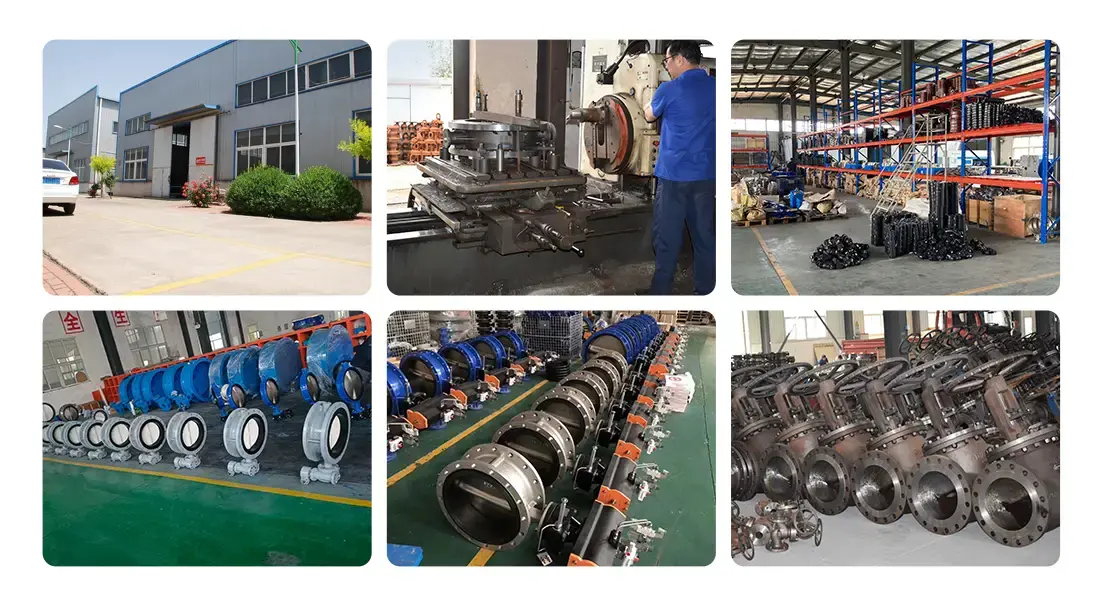
Wholesalers in several marketplaces need OEM and ODM expertise. By adding branding, modifying packaging, and changing technical parameters, resellers may differentiate their goods and maintain supply chains. Our Tianjin Beichen District factory provides OEM services including logo engraving, nameplate customisation, and customised documentation bundles.
Pricing Expectations and Bulk Advantages
A stainless steel flanged butterfly valve's pricing depends on its size, pressure, material quality, and quantity purchased. Small quantities of DN100 PN16 SS316 flanged butterfly valves with EPDM seats cost $180 to $320 per valve. DN600 counterparts cost $2,800–$4,500. Triple offset metal-seated designs cost two to three times more than circular soft-seated versions because they must be manufactured precisely.
Large savings are available when buying in quantity. Buying more than 50 pieces normally gets you a 12–18% discount, while buying 200 or more units of varied sizes gets you 20–25% off. We have over 2,000 common diameters from DN50 to DN600, so regular needs may be handled in 3 to 7 days. Priority scheduling and accelerated processing may reduce custom setups to 7–10 days from 15–25 days.
Exporting is simple from our plant 50 km from Tianjin Port. We provide FOB Tianjin Xingang or CIF terms for target ports with COSCO and Maersk. All shipments utilise ISPM 15-compliant hardwood containers. Moisture barriers and structural bracing protect sent products in these containers.
Certification and Proof of Compliance
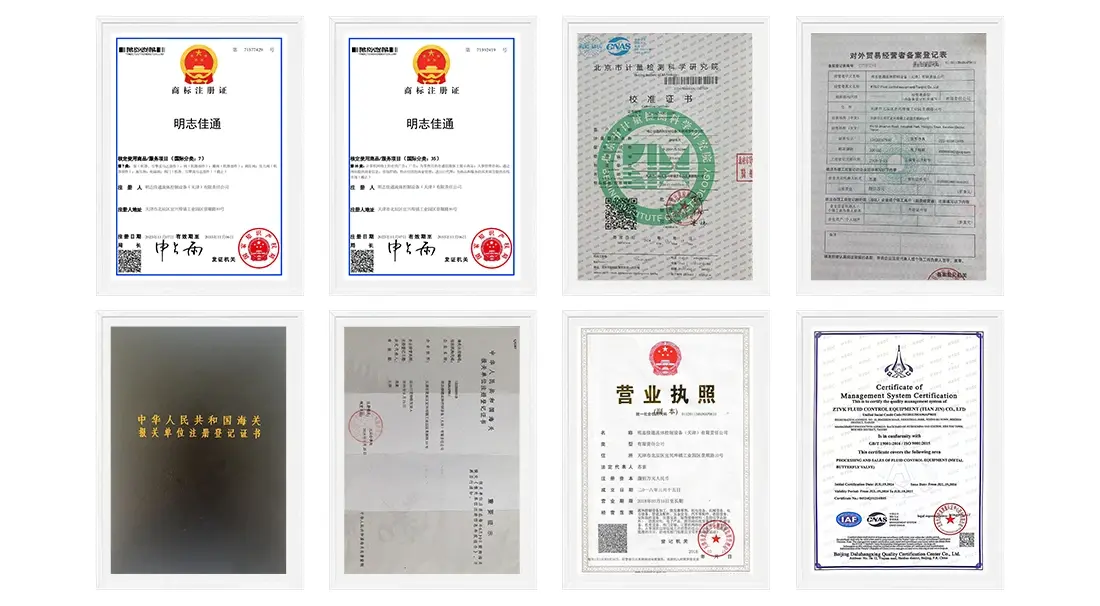
International projects need to be able to fully track and verify the performance of all materials. Our quality paperwork packages come with mill certificates that show the chemistry of the raw materials, hydrostatic test reports that show the real pressure and length of the test, records of dimensional inspections, and PMI analysis results. If you ask, you can get CE marking for European markets, PED compliance for pressure tools, and NSF clearance for use with drinkable water.
Before shipment, we can set up inspection services from Bureau Veritas, SGS, or TÜV from a third party. This gives EPC companies and city agencies that need independent quality approval even more peace of mind. Our OHSAS18001 occupational safety certification shows that we are committed to using responsible manufacturing practices, which are becoming more and more important in corporate supply chain audits.
Maintenance Best Practices and Longevity Tips
Routine Inspection Protocols
Even stainless steel flanged butterfly valves that are very strong, such as the Specifications and Models of Stainless Steel Flanged Butterfly Valves, can benefit from regular maintenance. We suggest eye checks be done every three months to see if the bolting, actuator mounting clamps, and stem packing glands are corroding on the outside. Once a year, the machine should be checked to make sure it's running smoothly, there are no noises or binding, and the seat is properly seated using zero-leakage tests.
Adjusting the stem packing stops stray emissions. Good valves have adjustable packing glands that let techs fix all the packing nuts evenly if they find a small leak while inspecting the valve. As stated in maintenance guides, torque requirements must be followed to avoid over-tightening, which leads to excessive stem friction and early packing wear.
Cleaning and Contamination Prevention
When systems deal with media that is full of particles, the valves need to be cleaned on a regular basis to keep the buildup from the disc edges and seat surfaces. Butterfly valves naturally clean themselves while they are working because the disc face is swept by turbulent flow. But applications with a lot of solids or substances that stick to surfaces may form deposits after long periods of closure.
Full functioning is restored by flushing methods that use compatible cleaning agents. For use with food and medicine, CIP processes move hot caustic solutions around, followed by acid neutralisation and cleaning rinses. Unlike rubber-lined or coated options, the stainless steel design doesn't break down after these harsh cleaning processes.
Troubleshooting Common Issues
Valve leaks are frequently caused by worn shaft seals, discs, or seats. Many soft rubber seats may be replaced without removing the valve from the pipe. Changing the seat in the field using basic hand tools via the body cavity reduces downtime. We offer replacement seat kits with valve-specific fitting instructions.
If the operating torque rises, thermal expansion is damaging the seat, or something is caught between the disc and seat. Ensuring the actuator is the proper size and considering the thermal coefficient of expansion helps repair temperature-induced binding. Problems with debris need flushing and maybe upgrading to metal-seated systems for tough usage.
Actuator difficulties in automated valves are mainly caused by pneumatic or electrical issues, not valve issues. Diagnostics should verify actuator functionality before disassembling valve parts. Our technical support staff solves issues via video chat, reducing field service costs.
Conclusion
Stainless steel flanged butterfly valves are an established technology that offers great value in a wide range of challenging industrial settings. When corrosion resistance, mechanical robustness, and operating ease are combined, they meet three important buying priorities: reliability, lifetime cost-efficiency, and supply chain stability. You can choose from types of SS304 and SS316 metal, along with the right seat materials and eccentric design options, to get a perfect fit for your process. When procurement managers and engineering teams understand these technical differences, they can come up with the best answers without over-engineering or failing too soon. When total ownership costs are properly calculated, buying high-quality steel valves from certified makers with full support always works out better than cheaper options.
FAQ
1. When should I choose flanged over wafer butterfly valves?
Three situations call for stainless steel flanged butterfly valves to be used. When used with large diameters (DN400 and up), they cause heavy weight and vibration loads that flanged joints can handle better than wafer compression. For dead-end service, where pipe downstream must be removed while upstream remains isolated, flanged or lug designs are needed because wafer types need the whole valve to be taken off. Rigid pipe codes often require flanged connections for high-pressure systems to improve mechanical integrity and provide safety margins during pressure spikes.
2. Can stainless butterfly valves handle slurry or abrasive media?
When used with abrasive slurry, standard concentric butterfly valves with soft seats wear out faster. Particles hitting the seat material wear it down, which causes it to leak within months. Double or triple offset designs with metal seats—usually stainless steel bodies with Stellite hard-faced seating surfaces—are better at resisting wear and tear. The tough metal-to-metal seal doesn't just squeeze around particles; it cuts through them. This makes the seal last from months to years in mining slurries, cement processing, and other tough situations.
3. What distinguishes CF8 from CF8M valve materials?
CF8 is the cast version of SS304 stainless steel, which is made up of 18–20% chromium and 8–11% nickel. This substance works well in general oxidising settings and mild corrosion conditions. Molybdenum is added to the chromium-nickel base in CF8M, making it the same as worked SS316. This molybdenum presence makes the metal much more resistant to pitting and crevice corrosion caused by chloride. This is very important in marine settings, chemical processing, and uses involving acidic or halogenated compounds. Most of the time, CF8M costs 15 to 25 percent more than CF8.
Partner with ZTVK for Reliable Valve Solutions
Based in Tianjin's Beichen District, ZTVK is a full-service manufacturer of stainless steel flanged butterfly valves. They combine 15 years of engineering experience with modern manufacturing skills. Our factory is ISO9001, ISO14001, and OHSAS18001 certified, and it makes valves with sizes from DN50 to DN2000 and pressure ratings up to PN16. We can send valves right away from a stock of more than 2,000 units, and we can also do special OEM/ODM work that takes 15 to 25 days. We design solutions that meet the needs of industrial distributors and city contractors who need large amounts, low prices, and reliable supply lines. Our optimised double eccentric geometry lowers the working torque by 30% and increases the lifespan to more than 50,000 cycles. Technical advice services help you match the valve's specs to the exact needs of your application, which saves you money by avoiding mistakes. You can email our engineering team at ktec86961886@163.com to talk about your buying needs, get specific quotes, or set up plant tours.
References
1. American Petroleum Institute. (2018). Butterfly Valves: Double Flanged, Lug- and Wafer-Type, API Standard 609, 6th Edition. Washington, DC: API Publishing Services.
2. Smith, P. & Zappe, R.W. (2019). Valve Selection Handbook: Engineering Fundamentals for Selecting the Right Valve Design for Every Industrial Flow Application, 6th Edition. Oxford: Gulf Professional Publishing.
3. ASTM International. (2020). ASTM A351/A351M-20: Standard Specification for Castings, Austenitic, for Pressure-Containing Parts. West Conshohocken, PA: ASTM International.
4. Nesbitt, B. (2017). Handbook of Valves and Actuators: Valves Manual International. Oxford: Elsevier Science & Technology.
5. Manufacturers Standardization Society. (2019). MSS SP-67-2019: Butterfly Valves. Vienna, VA: Manufacturers Standardization Society of the Valve and Fittings Industry.
6. Parisher, R.A. & Rhea, R.A. (2021). Pipe Drafting and Design, 4th Edition. Oxford: Gulf Professional Publishing.
Send us your valve requirements and our team will provide professional solutions and fast quotations.
RELATED INDUSTRY KNOWLEDGE