- English
- French
- German
- Portuguese
- Spanish
- Russian
- Japanese
- Korean
- Arabic
- Greek
- German
- Turkish
- Italian
- Danish
- Romanian
- Indonesian
- Czech
- Afrikaans
- Swedish
- Polish
- Basque
- Catalan
- Esperanto
- Hindi
- Lao
- Albanian
- Amharic
- Armenian
- Azerbaijani
- Belarusian
- Bengali
- Bosnian
- Bulgarian
- Cebuano
- Chichewa
- Corsican
- Croatian
- Dutch
- Estonian
- Filipino
- Finnish
- Frisian
- Galician
- Georgian
- Gujarati
- Haitian
- Hausa
- Hawaiian
- Hebrew
- Hmong
- Hungarian
- Icelandic
- Igbo
- Javanese
- Kannada
- Kazakh
- Khmer
- Kurdish
- Kyrgyz
- Latin
- Latvian
- Lithuanian
- Luxembou..
- Macedonian
- Malagasy
- Malay
- Malayalam
- Maltese
- Maori
- Marathi
- Mongolian
- Burmese
- Nepali
- Norwegian
- Pashto
- Persian
- Punjabi
- Serbian
- Sesotho
- Sinhala
- Slovak
- Slovenian
- Somali
- Samoan
- Scots Gaelic
- Shona
- Sindhi
- Sundanese
- Swahili
- Tajik
- Tamil
- Telugu
- Thai
- Ukrainian
- Urdu
- Uzbek
- Vietnamese
- Welsh
- Xhosa
- Yiddish
- Yoruba
- Zulu
Check Valves Explained: Swing vs Stainless Steel Spring Check Valves
When water systems need to stop backflow, the choice between swing check valves and spring-loaded designs often determines how reliable the system is and how much it costs to maintain. A 2-inch stainless steel check valve is an important part of keeping pipes from flowing backwards, especially in water treatment plants, HVAC installations, and city building projects. When purchasing, professionals know the main differences between swing and spring check valves, they can make decisions that are in line with pressure ratings, installation limitations, and long-term operational goals. This guide talks about these types of valves so that you can make smart buying choices.
Understanding 2-Inch Stainless Steel Check Valves
What Defines a 2-Inch Stainless Steel Check Valve?
A 2-inch stainless steel check valve is an automatic industrial valve designed for DN50 pipe systems. It lets fluid run in only one way and stops backflow from damaging pumps and equipment upstream. Most of the time, these valves are made from ASTM A351 CF8M (316) or CF8 (304) casts, which make them very resistant to rust in water environments where brass or carbon steel would fail. "2 inch" refers to the nominal pipe size, which can accept standard socket weld or flanged end connections that work with most public and private water systems.
Core Technical Properties
Material composition has a direct effect on how well it works and how long it lasts. 304 and 316 grades of stainless steel have a lot of chromium and nickel. 316 grades also have molybdenum added to them to make them more resistant to chloride, which is important for uses in treated water or near the coast. Pressure ratings usually fall between 150 and 1000 PSI WOG (Water, Oil, and Gas), and they can handle temperatures up to 120°C in water service, which means they can be used in HVAC systems and condensate return lines. Socket weld end connections make joints that don't leak in high-vibration areas, so they need less maintenance than threaded options.
Key Application Scenarios
These valves are used on the discharge lines of high-pressure pumps in reverse osmosis systems to stop brine backflow that can damage the impellers. At pump stations, they are put in by municipal water distribution networks to keep the system pressure up when the power goes out. They are used by HVAC workers in chilled water loops to stop gravity-driven backwards flow when equipment is turned off. The round body design makes sure that stress is spread out evenly when pressure is applied and removed repeatedly, which means that in well-maintained systems, the service life can go beyond 50,000 cycles.
Swing Check Valves vs Stainless Steel Spring Check Valves: Core Differences
Design and Operating Mechanism
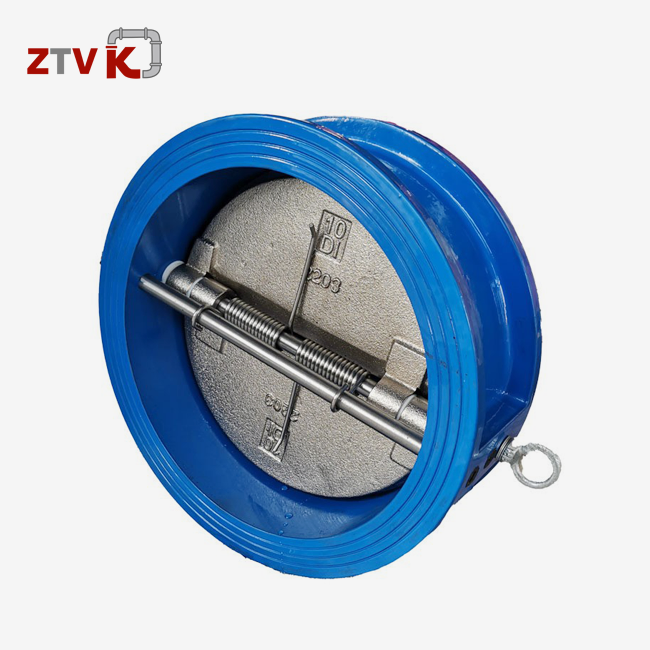
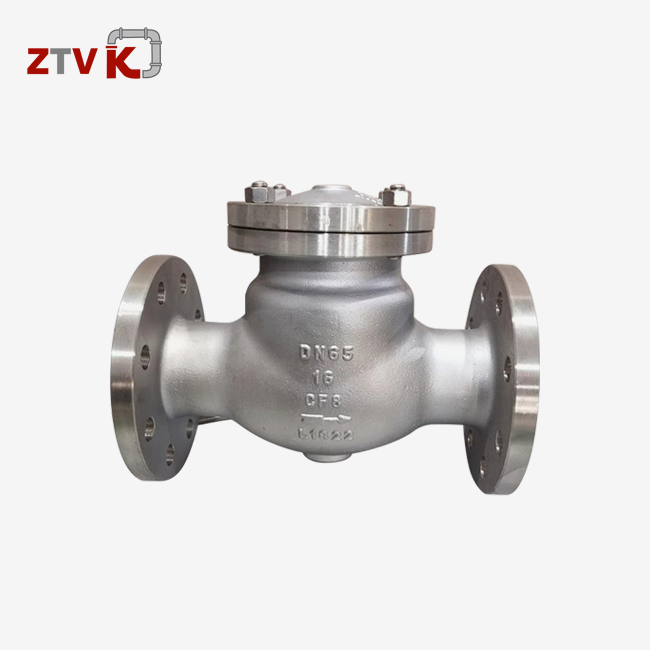
A flexible disc in a swing check valve opens all the way when flow goes forward and closes by gravity when flow stops or changes direction. This design depends on gravity and works best in horizontal pipelines. However, it may take longer to close in vertical installations. Spring-loaded check valves have a spring mechanism that pushes the disc or piston against the seat. This makes them reliable in installations that are horizontal, vertical, or at an angle. You can change the cracking pressure, which is the lowest upstream pressure needed to open the valve, by changing the tension of the spring.
Flow Characteristics and Pressure Drop
During regular operation, swing designs usually have smaller pressure drops because the disc swings out of the flow path. Studies show that at standard flow rates in 2-inch sizes, pressure losses are about 0.3 to 0.7 PSI. Spring-loaded versions keep some of the block even when they are fully open, which means they lose 0.5 to 1.5 PSI more. But spring mechanisms react faster to reverse flow, which lessens the impact of water hammer—a very important benefit in systems where the pump starts and stops often.
Maintenance and Durability Considerations
Since 2-inch stainless steel check valves don't have many moving parts, they don't need much upkeep in clean water services. But hinge pins can rust or wear down in rough materials, which can throw off the position of the discs. Designs that use springs need to have their spring tension checked on a regular basis. This is especially important in high-temperature settings where the spring temper may loosen over time. Choosing the right material is important here; in chlorinated water systems, 316 stainless steel springs prevent rust better than 304 versions. Depending on how clean the fluid is and how often it is used, maintenance intervals for inspection, cleaning, and seal replacement last between 12 and 18 months.
Installation Flexibility
For best performance, swing valves must be installed horizontally, with the hinge pin above the flow centreline. If you don't align it right, the disc will drop early and not sit completely, which lets backflow happen. Vertical upflow systems work well with spring check valves, which makes them the best choice for riser pipes in buildings with more than one floor. In both designs, socket-weld end joints need to be lined up correctly during welding to avoid internal stress that could bend the valve body or damage the sealing surfaces.
How to Choose the Best 2-Inch Stainless Steel Check Valve for Your Needs?
Evaluating Pressure and Temperature Requirements
The working pressure of the system must stay within the valve's stated capacity, giving it enough room for error. Class 150 valves are good for low-pressure municipal water distribution (up to 285 PSI at room temperature), and Class 300 valves can handle pressures up to 740 PSI. Temperature changes both the strength of the material and the stability of the seal. PTFE seats work consistently up to 120°C, while metal-to-metal seats can handle higher temperatures but may leak slightly according to API 598 standards. Figure out the highest transient pressures that can happen when the pump starts up and stops running to make sure that the valve can handle surge conditions without breaking.
Material Grade Selection
Grade 304 stainless steel is strong enough to resist corrosion in freshwater environments with less than 100 parts per million of chloride. To keep materials from cracking and rusting, water treatment plants that deal with saltwater or salty water need 316-grade materials. The extra 15-20% cost of 316 alloys is worth it because the molybdenum content makes them last much longer in salty environments. To keep carbide from forming in heat-affected areas, which can weaken corrosion protection, socket-weld end joints need to be carefully welded.
Supplier Certification and Quality Assurance
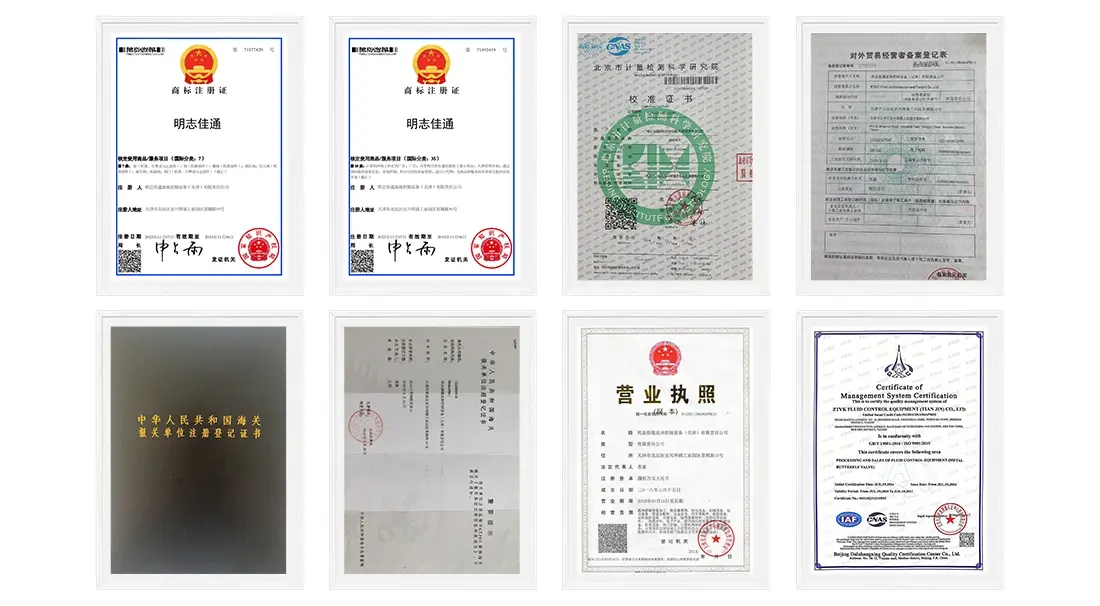
Checking the credentials of suppliers saves on buying investments. ISO 9001 approval means that the quality management system is standardised, and API 6D compliance means that the design and tests follow the rules set by the petroleum industry. Positive Material Identification (PMI) testing with XRF spectroscopy ensures that the stainless steel grades are real, which stops the use of fake materials. Hydrostatic shell testing at 1.5 times the rated pressure makes sure the structure is sound, and API 598 seat closure tests make sure there are no leaks. Reliable manufacturers can be told apart from less reliable suppliers by the level of documentation they provide, such as material test reports and third-party inspection certificates.
Customisation and Lead Time Factors
Standard DN50 valves usually ship within 3–7 days, as long as the maker keeps enough in stock. Custom requirements, like longer bonnets for shielded lines or unusual seal materials for harsh chemicals, make production times 15 to 25 days longer. When you sign a bulk purchasing agreement with a well-known supplier, you can often get priority production slots and better prices. This is especially helpful for infrastructure projects that are built in stages and have different procurement schedules.
Installation and Maintenance Guide for 2-Inch Stainless Steel Check Valves
Pre-Installation Preparation
How clean the pipeline is has a direct effect on how well and how long the valves last. Flush the lines all the way through to get rid of welding slag, pipe scale, and other things that could get stuck under the disc and stop it from seating properly. Before welding or bolting, make sure that the flow direction arrows that are cast into the valve body line up with the flow in the system. For socket weld setups, the gap between the pipe and the valve socket shoulder needs to be carefully controlled (1/16 inch is usually the minimum) to make sure that the weld goes all the way through without an internal bead sticking out and blocking flow.
Orientation and Support Requirements
For gravity-assisted disc closure to work, horizontal 2-inch stainless steel check valves must be installed level and within 5 degrees of level. When spring-loaded valves are installed vertically, the flow must go up, and the upper straight pipe length must be at least 5 pipe diameters to make sure that the velocity profiles are constant. Make sure the structure can support the weight of the valve plus the fluid load. Installations that aren't supported cause bending loads at the weld joints, which can cause the joints to crack early. Do not put check valves at low points in the pipeline, where sediment can build up and make it hard for the disc to move.
Routine Maintenance Procedures
The frequency of inspections depends on the type of service. Systems that use clean water usually need to be checked once a year, while systems that use fluids that are rough or full of particles need to be checked every three months. Take the valve apart to check the disc bearing surfaces for damage like wear, pitting, or debris stuck inside them. Check hinge pins or spring assemblies for corrosion and wear, and replace any parts that have lost more than 10% of their original size. Use the right solvents to clean all the inside surfaces, and stay away from rough methods that could damage the sealing faces. Before putting the parts back together, grease the hinge points with high-temperature grease that is compatible with the system fluids.
Troubleshooting Common Issues
Valve chatter, which is rapid disc oscillation accompanied by noise, means that the flow speed is not fast enough to keep the disc fully open. This problem is usually fixed by increasing the flow rate or making the valve width smaller. If the leak keeps happening, it means that the seats or discs are broken. Either lap the seating surfaces with a fine abrasive compound or replace the broken parts. Valve sticking happens when rust products build up or there isn't enough lubrication. Full removal, chemical cleaning, and applying a protective coating fix the problem. If water hammer events cause loud banging sounds, surge reduction devices or switching to soft-closing, spring-assisted designs that slow down disc closure is needed.
Procurement Insights: Buying 2 Inch Stainless Steel Check Valves with Confidence
Identifying Reliable Sourcing Channels
When compared to multi-tier distribution networks, direct connections with manufacturers usually offer the best price and customisation options. Online B2B platforms provide access to global suppliers, though due diligence remains important to check manufacturing skills and quality systems. Asking for factory inspection reports and third-party audit certifications can help prove that a factory can actually make what it says it can. Logistics are easier when they are close to major shipping ports. For example, manufacturers in the Bechen District industrial zones near Tianjin Port in northern China can efficiently combine containers and book ocean freight more quickly.
Price Analysis and Value Considerations
Prices per unit vary a lot depending on the type of material, the pressure class, and the type of end connection. In bulk, cheap 304 stainless steel swing check valves cost between $45 and $75 each, while high-end 316 spring-loaded valves with PTFE seats cost between $85 and $120 each. Certification fees, which include PMI testing, hydraulic testing, and third-party review, raise the base price by 8–12% but are necessary to make sure of the quality of the product. Volume discounts usually start at orders of 100 units, and prices drop by 15 to 25 per cent for orders of 500 units or more. Instead of just looking at the initial purchase price, the total cost of ownership figures need to take into account how often the equipment needs to be maintained, replaced, and shut down.
Evaluating Lead Times and Customisation Options
Items that are in stock usually ship quickly, usually within a week of proof of the order. For example, socket weld joints needing specific gap sizes or custom spring pressures for low-pressure uses need to be reviewed by engineers and put on a production schedule. Well-known companies keep separate production lines for international orders, which lets them send faster for a small extra fee. Rush orders with delivery in 7–10 days usually come with 20% expediting fees, but they give you important project-critical flexibility when you need to shorten your timeline.
Supplier Vetting and After-Sales Support
Warranty terms show that the company that made the 2-inch stainless steel check valve product is confident in its quality. A standard 18-month warranty covers problems with the way the product was made, and longer programmes show that the quality control process is better. Having technical support available, such as installation guide videos, troubleshooting manuals, and customer service in multiple languages, is very helpful during the commissioning and operational phases. Long-term partnership success depends on how well suppliers address quality issues and how readily available new parts are. Companies that have ISO 9001, ISO 14001, or OHSAS 18001 certifications have thorough management systems that cover quality, caring for the environment, and worker safety.
Conclusion
When deciding between swing and spring-loaded stainless steel check valves, installation limitations, working conditions, and the ease of upkeep must all be taken into account. When installed horizontally, swing designs have the least amount of pressure drop. When installed vertically or at an angle, spring mechanisms work better and have a lower risk of water hammer. Whether to use 304 or 316 stainless steel depends on how much chloride is present and how resistant the material needs to be to rusting. For buying to go well, suppliers must be checked by looking at their certifications, reviewing their materials, and keeping records of quality assurance. By understanding these technical and business factors, you can make decisions with confidence that improve system reliability while keeping costs low over its lifetime.
FAQ
1. What is the primary difference between swing and spring check valves?
Swing check valves have hinged plates that move by gravity and work best in horizontal setups. On the other hand, spring-loaded designs have mechanisms that allow them to work reliably in any direction, even in vertical upflow uses. Spring variants close more quickly, which lessens the impact of water hammer.
2. Can stainless steel check valves handle food-grade water applications?
Food-grade requirements can be met by valves made from ASTM A351 CF8 or CF8M castings with PTFE or approved elastomer seats that are made according to sanitary standards. Check the FDA compliance certification and surface finish requirements (usually 32 Ra or better) for uses that will come into direct contact with food.
3. How do I determine the correct pressure rating?
Find the highest pressure in the system, taking into account the short-term surges that happen when the pump starts up and stops running. Choose a valve pressure class that is at least 25% higher than the peak pressure. At room temperature, Class 150 can handle forces up to 285 psi, and Class 300 can handle 740 psi.
4. Why choose 316 over 304 stainless steel?
For uses with saltwater, brackish water, or chloride levels higher than 100 ppm, you need 316-grade material. The molybdenum in 316 metals makes them more resistant to pitting and crevice corrosion. This means they last longer in harsh water settings, even though they cost more at first.
Partner with ZTVK for Reliable Check Valve Solutions
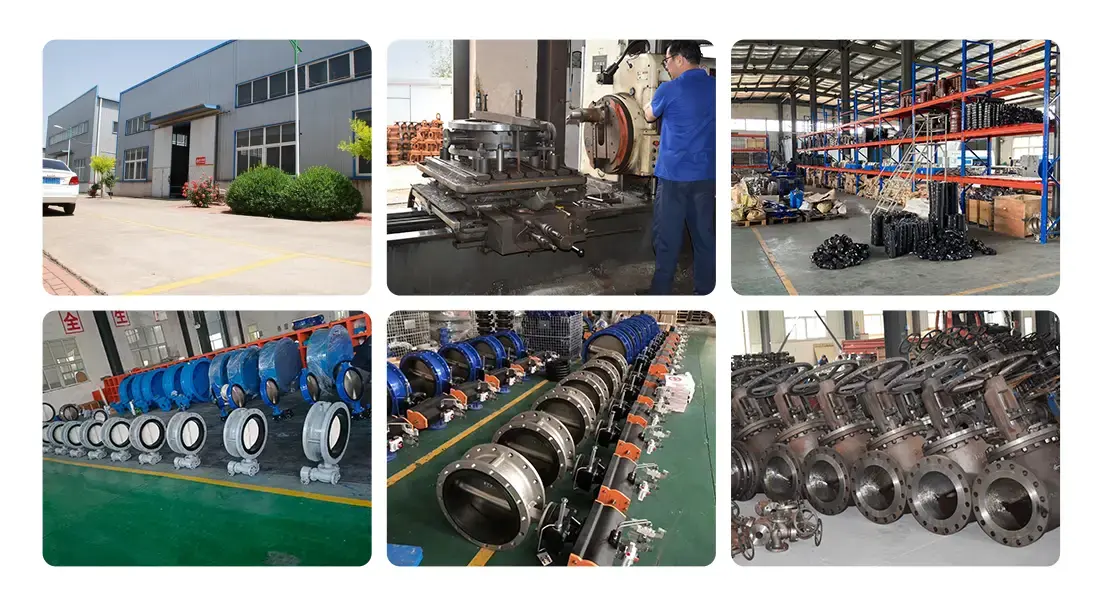
ZTVK manufactures certified stainless steel check valves at our ISO 9001-certified facility in Tianjin's Beichen District, offering industrial valve distributors and engineering contractors dependable backflow prevention solutions. Our 2 inch stainless steel check valve inventory includes both swing and spring-loaded models in grades 304 and 316, with socket weld connections. These are kept in stock and can be delivered in 3 to 7 days. We offer full OEM branding, custom material specs, and faster production plans to make sure projects are finished on time. We are only 50 kilometres from Tianjin Port, so we can load containers quickly and offer competitive FOB prices. For fitting help, our expert team is here, and we offer an 18-month guarantee with replacement parts. For thorough quotes, material certifications, and bulk discounts, email our experts at ktec86961886@163.com. As an established 2 inch stainless steel check valve manufacturer, we deliver the quality assurance and supply chain reliability your projects demand.
References
1. American Petroleum Institute. (2019). API Standard 598: Valve Inspection and Testing. Washington, DC: API Publishing Services.
2. ASTM International. (2021). ASTM A351/A351M-18: Standard Specification for Castings, Austenitic, for Pressure-Containing Parts. West Conshohocken, PA: ASTM International.
3. Crane Co. (2018). Flow of Fluids Through Valves, Fittings, and Pipe: Technical Paper No. 410. Stamford, CT: Crane Engineering.
4. Lyons, J. L., & Askland, C. K. (2020). Industrial Valve Selection and Maintenance Handbook. Houston, TX: Gulf Professional Publishing.
5. Smith, P. R., & Zappe, R. W. (2017). Valve Selection Handbook: Engineering Fundamentals for Selecting the Right Valve Design. Burlington, MA: Elsevier Science.
6. Water Environment Federation. (2022). Design of Municipal Wastewater Treatment Plants: Manual of Practice No. 8. Alexandria, VA: WEF Press.
Send us your valve requirements and our team will provide professional solutions and fast quotations.
RELATED INDUSTRY KNOWLEDGE