- English
- French
- German
- Portuguese
- Spanish
- Russian
- Japanese
- Korean
- Arabic
- Greek
- German
- Turkish
- Italian
- Danish
- Romanian
- Indonesian
- Czech
- Afrikaans
- Swedish
- Polish
- Basque
- Catalan
- Esperanto
- Hindi
- Lao
- Albanian
- Amharic
- Armenian
- Azerbaijani
- Belarusian
- Bengali
- Bosnian
- Bulgarian
- Cebuano
- Chichewa
- Corsican
- Croatian
- Dutch
- Estonian
- Filipino
- Finnish
- Frisian
- Galician
- Georgian
- Gujarati
- Haitian
- Hausa
- Hawaiian
- Hebrew
- Hmong
- Hungarian
- Icelandic
- Igbo
- Javanese
- Kannada
- Kazakh
- Khmer
- Kurdish
- Kyrgyz
- Latin
- Latvian
- Lithuanian
- Luxembou..
- Macedonian
- Malagasy
- Malay
- Malayalam
- Maltese
- Maori
- Marathi
- Mongolian
- Burmese
- Nepali
- Norwegian
- Pashto
- Persian
- Punjabi
- Serbian
- Sesotho
- Sinhala
- Slovak
- Slovenian
- Somali
- Samoan
- Scots Gaelic
- Shona
- Sindhi
- Sundanese
- Swahili
- Tajik
- Tamil
- Telugu
- Thai
- Ukrainian
- Urdu
- Uzbek
- Vietnamese
- Welsh
- Xhosa
- Yiddish
- Yoruba
- Zulu
Advantages of Using a motor operated butterfly valve
Motor-operated butterfly valves deliver significant operational benefits for industrial applications by combining quarter-turn valve simplicity with automated electric actuation. These devices eliminate manual labor, enhance flow control precision through programmable 4-20mA signals, and integrate seamlessly with SCADA and BMS systems. Facilities utilizing electrically actuated butterfly valves report fewer safety incidents in hazardous zones, lower maintenance downtime, and measurable energy savings through optimized flow modulation. The advantages span automation efficiency, cost reduction, versatility across water treatment to petrochemical sectors, and compliance with international safety standards.

Understanding Motor Operated Butterfly Valves
Core Components and Working Principle
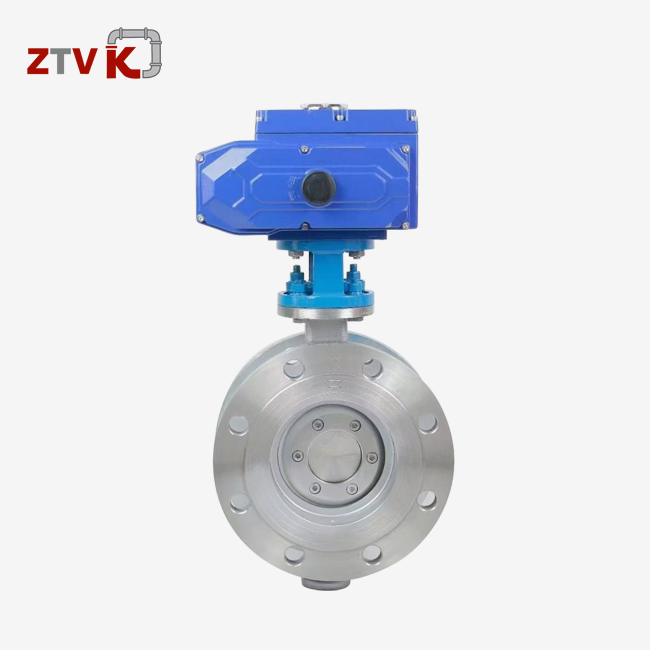
Motor-operated butterfly valves have three pieces. Flow is controlled by a disc in the valve body that turns 90 degrees. Butterfly valves open and close in one quarter turn, but gate or globe valves take more. The disc spins the stem through the valve body to the actuator case. The disc is sealed when its edge pushes against an elastomeric seat, commonly EPDM or NBR for water or PTFE for chemical protection.
A geared motor in the electric actuator converts electricity into mechanical force. They usually work with 24VDC, 110VAC, 220VAC, or 380VAC. They can output torques from 50Nm for tiny valves to over 4000Nm for big diameter systems. Internal limit switches halt the motor when the disc is fully open or closed. These switches inform the control system of disc position. Modern types contain torque-limiting circuitry to protect the actuator if media accumulation or unusual things cause disc resistance.
Automating valve turning replaces manual labour. Control systems send On/Off signals for isolation. They modulate using 4-20mA analogue signals. The actuator may place the disc at any angle between 0 and 90 degrees to accurately slow flow. This feature helps water treatment facilities maintain filtration rates even when source pressures change and lets HVAC systems regulate chilled water flow based on real-time building occupancy data.
Types and Configuration Options
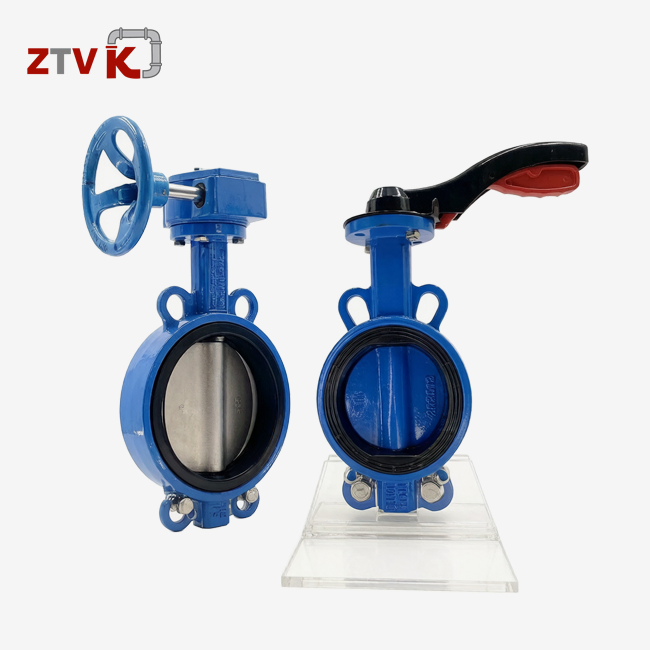
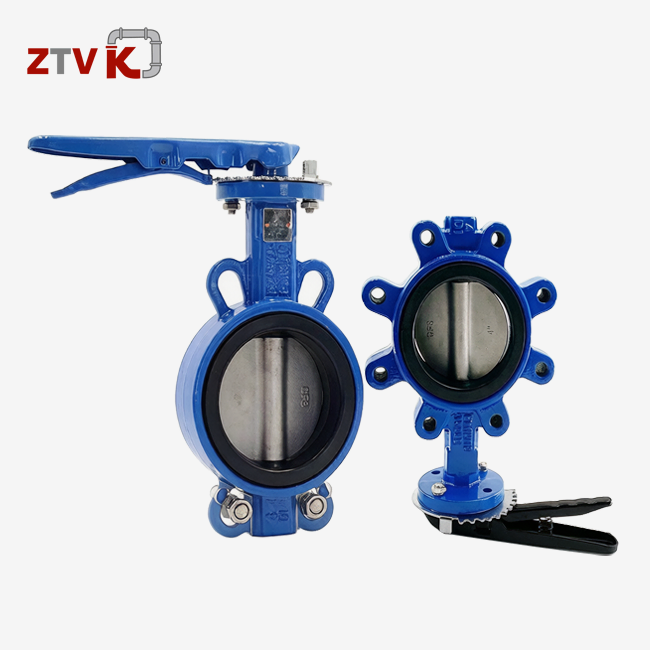
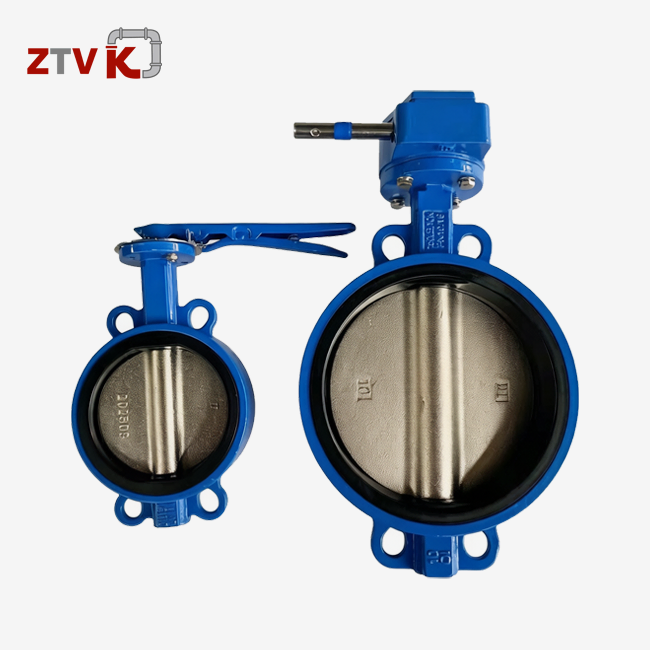
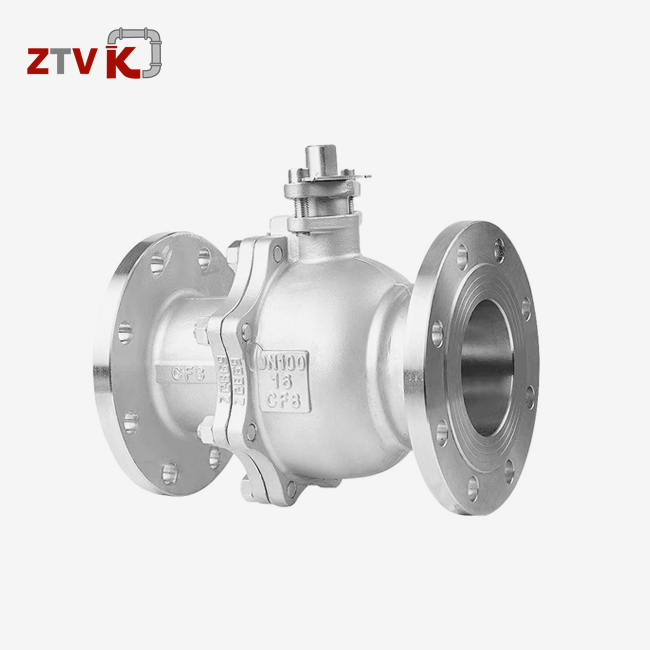
Most business and light industry uses can be met by standard setups. Through-bolts are used to place wafer-style valve bodies between pipeline flanges. This reduces the weight and cost of installation. Lug-style designs have threaded inserts in the body that make it possible to take out a piece of the pipeline without disturbing the whole unit. This is a huge benefit for repairs that need to be done in tight areas. For high-pressure services, flange-end valves make the best link, but they are heavier and cost more to make.
Specialised versions are used in tough situations. Offset disc shape is used in high-performance designs to cut down on friction during spinning and increase cycle life beyond 50,000 operations. Fire-safe types have metal backup seats that move into action if the elastomeric seals break during thermal events. This keeps the shutdown working properly even after flames have been exposed. Cryogenic versions use extended-stem designs that keep actuator parts from getting too cold, which keeps the lubricant from freezing and the seal from becoming weak.
Customisation is important for OEM integrations and special process needs. Drawing-based manufacturing is supported by ZTVK, which lets you make valve bodies with non-standard port configurations, different mounting interfaces, or custom coatings. Because of this, pump makers can choose valves that attach directly to their own equipment frames, and system designers can make sure that retrofit setups fit exactly where they need to go.
Key Advantages of Motor Operated Butterfly Valves
Enhanced Automation and Operational Efficiency
When you automate valve operation, you don't have to pay people to do it or worry about their safety. In the past, operators in a normal city water distribution network spent hours every day going from site to site to change valves based on changes in demand. Electric control lets these changes be made from a single SCADA interface, which cuts down on the need for staff and speeds up response times. According to data from North American utilities, automation reduces the need for operating labour by 40 to 60 percent in sites with a lot of motor-operated butterfly valves.
Being able to operate something from a distance is especially useful in dangerous places. Petrochemical plants that work with dangerous or flammable fluids can't put workers near every valve in a safe way. Electric devices that are explosion-proof (Ex d IIB T4 rated) let people in the control room shut down process lines in an emergency without having to go into secret areas. This divide cuts down on exposure events and makes sure that operations can continue during shelter-in-place procedures.
Integrating HVAC systems with building control systems makes the best use of energy. BMS-controlled valves change the flow of chilled water based on temperature sensor inputs and occupancy schedules, so the flow rates don't stay the same no matter what the thermal load is. Commercial buildings that use this approach report 15–30% lower cooling energy costs, and payback times of less than three years, even when valve update costs are taken into account.
Precise Flow Control and Process Stability
When you send an analogue command to a modulating electric actuator, it will move the valve disc to any angle in the middle. This feature makes proportional flow control possible, which is not possible when operating by hand. For chemical processing tasks that need precise doses of reagents, actuators keep setpoint flows within ±2% accuracy, which stops batch quality differences that happen because of mistakes in manually reducing.
Water hammer damage can be avoided by setting the opening and closing speeds. When valves close quickly, they cause pressure surges that damage equipment and put stress on pipeline joints. Electric actuators can control closing processes that slowly lower flow over 30 to 60 seconds to safely release momentum. Facilities that use smart closure techniques say that repair problems caused by water hammer have gone down by 70%.
Position feedback makes it easier to find problems with a system and do preventative maintenance. Actuators send data about the disc angle in real time to control systems, which lets workers check how the valve is responding. Trends showing longer time-to-position suggest that mechanical problems are starting to show up, like seat wear or stem packing friction. This lets repair be planned before a full failure stops operations. With this ability to predict the future, reactive maintenance cultures can be turned into proactive reliability plans.

Cost Savings Through Reduced Maintenance
Butterfly valves are simpler, which means they cost less over their whole time. The design has fewer moving parts than multi-turn valves, which means there are fewer wear parts. Maintenance times are usually 18 to 24 months for water service and 12 to 18 months for chemical service. This is longer than gate valves, which need to have their packing adjusted and backseat seals replaced more often.
Elastomeric seats allow for bubble-tight shutdown without the need for precise cutting that is needed for metal-seated designs. Changing a seat only takes 30 to 60 minutes and only needs simple hand tools, so it doesn't require a lot of skilled labour. Spare seat kits are much cheaper than gate valve internals, which lowers the cost of keeping parts on hand over time. Standardisation is good for distributors who work with many clients because it makes managing stock easier. Often, a single seat design can fit valve sizes from DN50 to DN300.
When used correctly, electric motors have longer service lives. Quality units have IP67 or IP68 enclosures that keep moisture and dust out of the electronics inside, which are the main ways they break down in industrial settings. Anti-condensation heaters keep circuit boards from getting wet when the temperature changes. Facilities that use heater activation as normal say that the average time between failures for actuators is over eight years, which is a lot longer than pneumatic versions that need compressor upkeep and air treatment.
Versatility Across Industrial Sectors
Motor-operated butterfly valves are used all along the process trains in water and wastewater treatment plants. Large-diameter types (DN600–DN1200) are used in raw water intake systems to switch sources and balance flow. In backwash processes, DN200–DN400 valves are used in filtration systems. Automatic rotation makes sure that the bed regenerates consistently. For accurate chemical dosing, disinfection stages use smaller DN50–DN150 units. This range lets you buy from a single seller, which makes managing vendors and training for servicing easier.
The valve's low-pressure-drop features are useful for HVAC installations. Butterfly designs don't block much when they're fully open; usually, 90% of the pipe cross-section is clear. Compared to globe valves, which restrict flow even when they are open, this shape makes the pump use less energy. When chilled water is sent over long lengths (kilometres or even miles), district cooling systems use less energy because they don't have to pump as hard.
Chemical processing needs materials that don't rust and flow paths that are free of contamination. The bodies and plates of UPVC valves can handle harsh chemicals like acids, bases, and organic solvents. Because there are no gaps or holes, products don't build up, which would lead to cross-contamination during product changes. Pharmaceutical companies that use shared equipment to make more than one recipe like this clean-in-place compatibility because it cuts down on downtime between batch runs.
Selecting the Right Motor Operated Butterfly Valve for Your Business
Technical Parameters and Material Selection
Flow rate and pressure drop depend on valve size. Pressure loss from undersized valves makes pumps work harder and wastes energy. At low flow rates, larger valves may perform poorly and cost more. The right sizing numbers consider the maximum flow, pressure drop, and fluid qualities like temperature and viscosity. With engineering aid from qualified manufacturers, motor-operated butterfly valve selections balance cost and efficacy.
Material fit prevents contamination and failure. UPVC bodies can handle acidic media up to 60°C and PN16 pressures. Carbon steel (WCB) can withstand higher temperatures and pressures, but water corrosion must be prevented. The clean surface and chemical resistance of stainless steel 316 make it ideal for food, drinks, and pharmaceuticals. Matching disc and seat materials will expand and shrink at the same rate. If not, temperature variations could cause leaks.
Actuator force varies on valve size, pressure difference, and service circumstances. Manufacturers provide torque charts for breaking and running torque at different pressures. Old seats and media accumulation add resistance; therefore, safety factors should be 1.5 to 2.0. Safety is compromised when actuators are too tiny to close against process pressure. More expensive units may harm valves by applying too much force. A detailed working conditions investigation is needed for correct specification.
Industry-Specific Requirements
Wet material NSF/ANSI 61 certification is a primary priority for water treatment plants. This prevents dangerous substances from entering drinking water. Valves with cast iron bodies need resin coatings to prevent dezincification and iron release. Chlorine and chloramine disinfectants must not damage seals. EPDM and NBR seat choices from ZTVK meet these standards and give proof of conformity for project submissions and regulatory checks.
Petrochemical pressure vessel code compliance requires API and ASME compliance. API 607 requires fire-safe testing to ensure valve performance during thermal events. EPA Method 21 fugitive emission testing demonstrates stem sealing works, which helps satisfy VOC reduction criteria. ATEX or IECEx-certified explosion-proof controllers for Zones 1 and 2. These credentials must be third-party verified and renewed regularly. Certified manufacturers stand out.
HVAC systems benefit from ANSI/ISA certification for control signal compatibility and cybersecurity. Support for BACnet or Modbus allows you to connect to major building automation platforms. Due to limited leakage, escape flow wastes energy when valves close (ANSI/FCI 70-2). In congested regions, silent operation is essential. People won't complain because good actuators make less than 60 dBA at one metre.
Procurement and After-Sales Considerations
Lead Times, Logistics, and Pricing Strategies
Stocking consistent materials speeds up project planning. Stocking common sizes (DN50–DN300) allows manufacturers to ship within 3–7 business days. This fast fulfilment helps builders meet deadlines, and distributors fill orders without long backorders. ZTVK stocks about 2000 standard motor-operated butterfly valves in its warehouse to address urgent needs.
Complex specs can add 15 to 25 days to production time for custom setups. Different finishes, actuator voltages, and flange drillings require separate manufacturing runs. Procurement managers should inform producers of expected wait times early on. This will aid production scheduling. Rush order services reduce timelines by 30–50%, although there are 15–25% surcharges, which is fair to minimise project delay fines.
Wholesalers and EPCs can negotiate bulk purchasing. Orders above 50 pieces generally qualify for tiered discounting, which offers 5–15% off based on order quantity and shipping options. Framework deals with annual volume objectives, and call-offs stabilise prices while allowing demand variations. Negotiating payment conditions balances cash flow and seller risk. Regular terms give 2% reductions for paying within 10 days or net 30 days.
Supplier Evaluation and Long-Term Partnership
Quality control strategies distinguish trusted from untrusted vendors of a motor-operated butterfly valve. ISO 9001 certification shows established procedures for design control, production monitoring, and corrective action. Independent seat leak, pressure, and actuator cycle life tests support performance claims. Buyers can check for compliance before shipment with third-party inspection approval, reducing the risk of port rejection.

Support after sale determines ownership experience. Complete paperwork packages include detailed drawings, torque curves, maintenance instructions, and spare component listings. Installers and troubleshooters need these tools. Field issues are resolved swiftly by fast phone and email technical assistance. ZTVK offers an 18-month guarantee on manufacturing defects, a free replacement policy for non-customer failures, and technical service partnerships in key markets for in-person support when remote support isn't enough.
Delivery reliability and cost depend on international infrastructure proximity. Factory proximity to major ports reduces inland shipping hazards and speeds container filling. One of northern China's largest container ports, Tianjin Port, is 50 km from the Beichen ZTVK factory. This location ships containers daily to North America and Europe. To reach US West Coast ports takes 18–25 days and European ports 28–35 days. Building relationships with COSCO, Maersk, and other major carriers ensures space during peak shipment times.
Conclusion
Motor-operated butterfly valves improve industrial flow control by making it easier to automate, lowering running costs, and providing stable performance in a wide range of settings. When you combine simple mechanical design with complex electric actuation, you get solutions that meet the needs of modern facilities, like being able to operate from a distance, changing flow rates precisely, integrating systems, and lasting longer. With materials like UPVC for chemical service that breaks things down and stainless steel for clean uses, a single product family can be used in many different types of industries. To make a good purchase, you need to carefully define the technical requirements, evaluate suppliers based on their quality systems and customer service, and do a total cost analysis that takes into account how much energy will be saved and how much upkeep will be needed over the life of the equipment.
Frequently Asked Questions
1. Which industries benefit most from electrically actuated butterfly valves?
Automating filtration backwash sequences and managing distribution network pressure is a quick way for water and wastewater treatment plants to make money. By integrating a BMS that changes flow based on real-time thermal loads, HVAC and district cooling systems can save energy. Explosion-proof versions are needed for petrochemical companies to work safely in restricted areas where flammable or poisonous fluids are handled. The versatility of motor-operated butterfly valves makes them suitable for any application requiring automated flow control while keeping costs low.
2. How does automation improve valve performance compared to manual operation?
Automated valves get rid of the need for human error in operation by applying calibrated torque every cycle for reliable seating and bubble-tight shutoff. Remote control lets you respond right away to changes in the process without sending out staff, which is very important for facilities with valves in different places. When you connect it to control systems, you can collect data for predictive maintenance. This changes reactive repair methods into proactive reliability programs that cut down on unplanned downtime.
3. What basic troubleshooting steps address common electric actuator issues?
If the voltage on the power source doesn't match the specs on the actuator's nameplate, the motor could stop working or operate in a way that isn't consistent. If the valves say they are closed but are leaking, check the calibration of the limit switch. If the calibration is off, the disc stops turning before it reaches full compression. Make sure the anti-condensation heater is turned on in sites that are outside or in places with a lot of humidity. Moisture on the circuit boards is the main reason why actuators fail. Check the duty cycle compliance if the actuators get too hot. Motors get too hot when the cycle frequency is exceeded.
Partner With ZTVK for Reliable Electric Butterfly Valve Solutions
ZTVK offers complete motor-operated butterfly valve options for OEM makers, distributors, and contractors who need reliable flow control equipment. Our factory in Tianjin has quality systems that are ISO9001, ISO14001, and OHSAS18001 certified, and the schedules are flexible. Standard DN50–DN300 wafer-type valves ship within a week, and custom configurations are finished in three weeks. As an OEM partner, we can help you build your brand's reputation through drawing-based manufacturing, alternative voltage controllers, and private labelling. Our competitive bulk price comes from the fact that our supply chain is fully integrated, from casting to final assembly. You can email our technical team at ktec86961886@163.com to talk about your specific application needs and get detailed product specifications for your next procurement review.
References
1. American Water Works Association. (2019). Butterfly Valves: Torque, Head Loss, and Cavitation Analysis. AWWA Manual M49, Sixth Edition.
2. International Society of Automation. (2020). Control Valve Seat Leakage Standards and Testing Methods. ANSI/FCI 70-2 Standard.
3. Valve Manufacturers Association. (2021). Electric Actuators for Industrial Valve Applications: Selection and Sizing Guidelines. VMA Technical Report TR-8801.
4. Industrial Automation Society. (2018). Energy Efficiency in Fluid Control Systems: Comparative Analysis of Valve Technologies. Journal of Process Control Engineering, Volume 34, pp. 112-128.
5. Petrochemical Safety Board. (2022). Fugitive Emissions Reduction Through Improved Valve Stem Sealing. PSB Investigation Report 2022-03-I-TX.
6. Building Services Research and Information Association. (2020). HVAC System Optimization Through Variable Flow Control. BSRIA Technical Note TN 4/2020.
Send us your valve requirements and our team will provide professional solutions and fast quotations.
RELATED INDUSTRY KNOWLEDGE