- English
- French
- German
- Portuguese
- Spanish
- Russian
- Japanese
- Korean
- Arabic
- Greek
- German
- Turkish
- Italian
- Danish
- Romanian
- Indonesian
- Czech
- Afrikaans
- Swedish
- Polish
- Basque
- Catalan
- Esperanto
- Hindi
- Lao
- Albanian
- Amharic
- Armenian
- Azerbaijani
- Belarusian
- Bengali
- Bosnian
- Bulgarian
- Cebuano
- Chichewa
- Corsican
- Croatian
- Dutch
- Estonian
- Filipino
- Finnish
- Frisian
- Galician
- Georgian
- Gujarati
- Haitian
- Hausa
- Hawaiian
- Hebrew
- Hmong
- Hungarian
- Icelandic
- Igbo
- Javanese
- Kannada
- Kazakh
- Khmer
- Kurdish
- Kyrgyz
- Latin
- Latvian
- Lithuanian
- Luxembou..
- Macedonian
- Malagasy
- Malay
- Malayalam
- Maltese
- Maori
- Marathi
- Mongolian
- Burmese
- Nepali
- Norwegian
- Pashto
- Persian
- Punjabi
- Serbian
- Sesotho
- Sinhala
- Slovak
- Slovenian
- Somali
- Samoan
- Scots Gaelic
- Shona
- Sindhi
- Sundanese
- Swahili
- Tajik
- Tamil
- Telugu
- Thai
- Ukrainian
- Urdu
- Uzbek
- Vietnamese
- Welsh
- Xhosa
- Yiddish
- Yoruba
- Zulu
What is the temperature resistance of 304 stainless steel ball valves?
Understanding valve component temperature limits is crucial to industrial flow control solutions because it influences system dependability, maintenance costs, and operational safety. The 304 stainless steel ball valve is popular in water treatment, HVAC, petrochemical, and food processing because it balances corrosion resistance and mechanical robustness. Most procurement experts and engineering contractors ask: What temperatures can these valves tolerate reliably? Depending on seating material and system circumstances, a typical 304 stainless steel ball valve works from -60°F to 450°F (-51°C to 232°C). This series suits many industrial applications with modest thermal stress. Austenitic valves with 18% chromium and 8% nickel provide outstanding oxidation resistance and tensile strength at these temperatures. The seat material, usually PTFE (polytetrafluoroethylene), can withstand temperatures up to 450°F before degrading. Understanding these criteria helps purchasers prevent costly system breakdowns and choose valves that match operating circumstances without overpaying for thermal capacity.
Understanding Temperature Resistance of 304 Stainless Steel Ball Valves
Temperature resistance describes a valve's structural integrity, sealing ability, and flow control function under different temperatures. Temperature tolerance, unlike pressure ratings, affects valve durability and can determine whether a valve fails prematurely or lasts for years.
What Defines Temperature Resistance in Ball Valves?
Multiple factors affect ball valve thermal performance. The valve body material, cast 304 stainless steel ASTM A351 CF8, melts at 2550°F (1400°C), much above service temperatures. The seat and seal materials, not the metal, determine operational limits. PTFE seats in most industrial ball valves soften over 450°F, limiting continued operation. Carbon steel becomes brittle at cryogenic temperatures, but 304 stainless steel remains durable below freezing. This makes valves rated down to -60°F suitable for outdoor installations, refrigeration systems, and cold storage facilities without stress cracking.
How Temperature Affects Valve Performance and Longevity
High temperatures promote sealing surface deterioration and change valve pressure-handling capacity. Thermal expansion changes ball and body dimensions, which may impair the ball valve's tight shutoff. A 304 stainless steel ball valve near its upper temperature limit of 450°F must be designed to account for differential expansion between metal components and the PTFE seat. Manufacturers like ZTVK use precision machining tolerances and seat spring designs to sustain contact pressure across temperature variations. Lubricants and seals stiffen at low temperatures, increasing actuation torque. Understanding these dynamics helps clients specify valves that fit their process circumstances rather than using generic catalog ratings.
Key Factors Influencing Effective Temperature Limits
The actual temperature tolerance exceeds the nominal value. High system pressure compresses seals and increases friction-generated heat, limiting effective temperature capacity by 50°F or more. Cleaning water reduces thermal stress compared to viscous oils or abrasive slurries that heat up. Corrosive chemicals can attack seal materials at lower temperatures than advertised. Design details like stem sealing and bonnet designs affect valve thermal performance. Extended bonnet valves protect temperature-sensitive packing from process heat, improving service life in hot applications. Buyers of temperature-critical valves should obtain performance curves illustrating how pressure ratings decrease with temperature rather than single-point specifications.
Core Benefits of Using 304 Stainless Steel Ball Valves in Temperature-Critical Applications
For temperature-variable situations, valve material selection must balance initial cost and lifecycle performance. Cast 304 stainless steel is preferred by distributors, contractors, and end users with modest thermal difficulties due to its many benefits.
Superior Corrosion Resistance Across Temperature Ranges
304 stainless steel's chromium concentration provides a passive oxide layer that regenerates when damaged, giving corrosion resistance across the operating temperature range. 304 stainless steel stays protected from subzero to 450°F, unlike carbon steel and brass, which break under thermal cycling or dezincify in specific water chemistries. This is useful in municipal water systems with daily valve temperature changes and food processing lines with hot and cold sanitization cycles. The material's resilience to oxidizing acids and alkaline solutions allows a single valve specification to handle varied process fluids without material compatibility issues that complicate distributor inventory management.
Maintaining Mechanical Strength Under Thermal Stress
Industrial materials are distinguished by high-temperature tensile strength. Cast 304 stainless steel has a minimum tensile strength of 515 MPa (74,700 psi) at room temperature, decreasing with temperature. The material retains 75% of its room-temperature strength at 450°F, supporting industrial ball valves' 1000 PSI pressure rating. This strength margin prevents the valve body from deforming under pressure and heat stress, maintaining ball-seat alignment for bubble-tight cutoff. Residential brass valves degrade more over 300°F, making them unsuitable for steam service or hot oil transfer, where 304 stainless steel thrives.
Longevity Benefits Through Proper Maintenance
Although temperature fluctuations enhance component wear, predictable degradation patterns enable preventive maintenance. PTFE seats in valves near 450°F degrade with time, requiring replacement every 18-24 months depending on cycling frequency. The 304 stainless steel body and ball are dimensionally stable forever. Seal condition, stem packing adjustment, and service-rated high-temperature grease lubrication should be checked regularly. Replaceable seat cartridges on ZTVK valves allow technicians to replace worn seats in minutes without removing the valve from the line, reducing downtime during regular maintenance windows. In temperature-variable applications, this design concept increases valve service life beyond 50,000 cycles, lowering the total cost of ownership.
Comparative Analysis: 304 Stainless Steel Ball Valves vs Alternatives
Performance, cost, and application specificity inform material selection. Understanding how 304 stainless steel compares to alternatives helps procurement teams meet project budgets and performance goals.
304 vs 316 Stainless Steel: When to Upgrade
Both types have equal temperature capacities, although 316 stainless steel is stronger at high temperatures. Corrosive conditions, especially chloride exposure, make the difference. For marine applications, coastal facilities, and systems handling brackish water or certain chemical processes, 316 stainless steel's molybdenum content, which greatly enhances pitting resistance, is worth the 20-30%. 304 stainless steel is cheaper and performs similarly in inland water systems, HVAC, and general industrial service up to 450°F. Distributors in varied markets stock both grades, with 304 as the standard and 316 as a premium improvement for specialized uses. This tiered approach optimizes inventory investment and meets consumer needs.
Why 304 Outperforms Brass Thermally
Brass valves dominate low-cost plumbing but are limited to temperatures above 300°F. At high temperatures, brass alloy zinc volatilizes, weakening the substance. As components change temperature, brass has higher thermal expansion coefficients than stainless steel, making seal maintenance difficult. Even low-pressure steam at 15 PSI is 250°F, approaching brass's performance ceiling but inside 304 stainless steel's comfort zone. Stainless steel is lead-free, eliminating regulatory problems in potable water systems where brass leaching has led to stricter limitations. Specifying 304 stainless steel for municipal contractors bidding 30-year projects reduces premature replacement costs that offset brass savings.
Full Bore vs Standard Port: Impact on Thermal Performance
The flow efficiency and thermal stress of a 304 stainless steel ball valve depend on the bore configuration. The ball opening matches the pipe diameter in full-bore ball valves, decreasing turbulence, pressure drop, and frictional heating in high-flow circumstances. In high-flow applications, standard port valves with one-size ports increase velocity and fluid temperature by 5-10°F. In systems approaching the valve's rated limit, this thermal input reduces the safety margin. Localized pressure spots that accelerate seat wear are reduced by full-bore designs' even thermal expansion stress distribution across the ball surface. Full-bore valves are recommended for process lines where fluid temperature is crucial, whereas regular port valves are ideal for on-off service with minor pressure loss. ZTVK manufactures both.
How to Verify and Identify High-Quality 304 Stainless Steel Ball Valves for High-Temperature Use?
Global valve markets are plagued by material substitution and inferior manufacture, making verification processes critical for procurement teams, preserving project integrity and budgets
Essential Certifications and Material Testing Standards
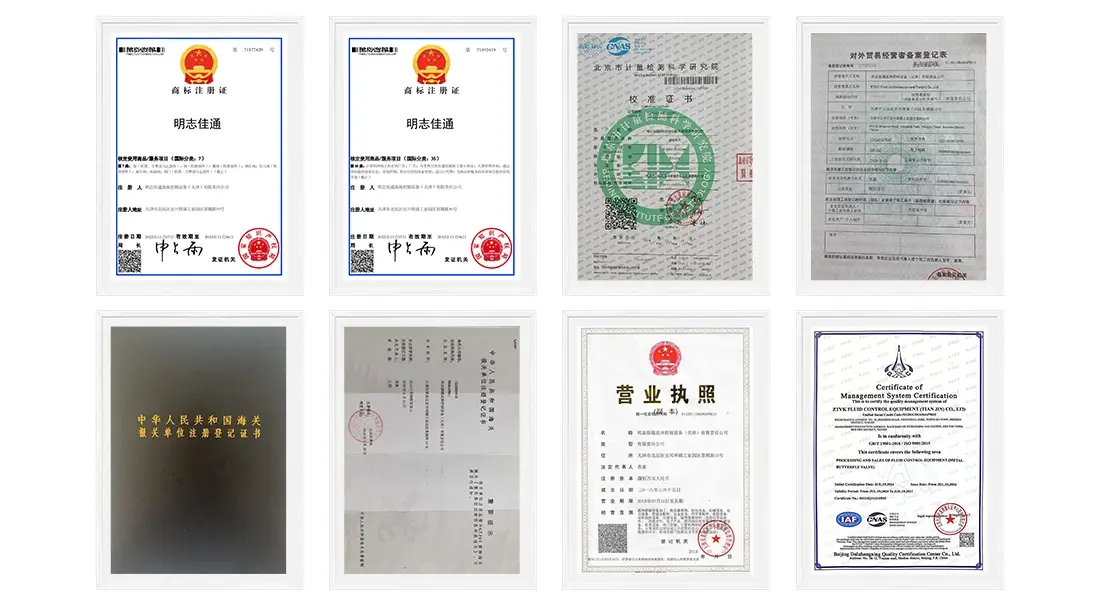
Reliable providers provide spectrographic material test reports (MTRs) on chemical composition. Chromium is 18-20%, nickel 8-10.5%, and carbon below 0.08% in genuine 304 stainless steel. PMI testing certificates are recommended for large orders with substantial material substitution risk. Some producers use 201 stainless steel, a lower-nickel type with poor corrosion resistance, to cut costs and retain the look. ISO 9001 certification verifies process controls that limit manufacturing variability, whereas ASTM A351 conformance verifies valve casting dimensions and metallurgical standards. Temperature ratings should follow ASME B16.34 pressure-temperature tables, not manufacturer claims. ZTVK is ISO 9001, ISO 14001, and OHSAS 18001 certified, with third-party audits verifying foundry-to-valve material traceability.
Evaluating Supplier Reliability and Technical Support
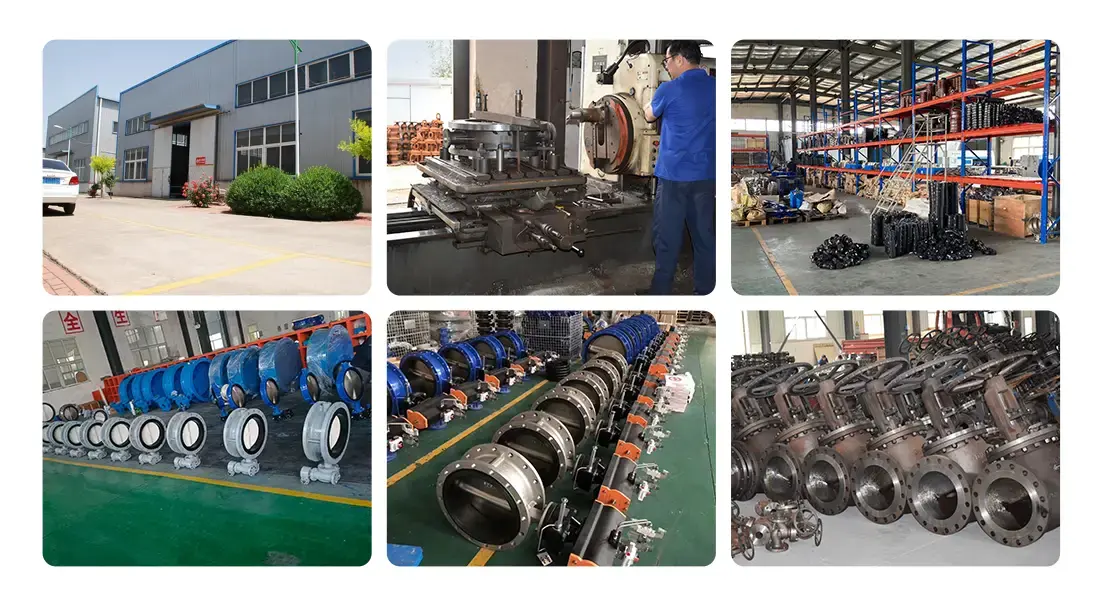
Competent producers differ from brokers relabeling imported components in lead times, quality, and technical responsiveness. Companies with in-house foundries and machining centers can better control quality and respond faster to unique requests. SGS or Bureau Veritas inspections or factory films can verify production capability. Comprehensive 18-month warranties for material and workmanship problems imply quality control, while short 90-day warranties reflect concern about product durability. Technical help is crucial for installation issues and valve selection for specific temperature profiles. Every order includes CAD drawings, installation guide videos, and troubleshooting manuals from ZTVK, backed by technical staff at ktec86961886@163.com who understand product specifications and industrial application needs.
Customization Options for Specialized Temperature Requirements
Standard catalog valves cover 80% of applications; however, unique situations may necessitate adjustment. Valve operation at 50-100°F over normal ratings is possible because extended bonnets separate stem packing from process heat. Petrochemical applications require fire-safe designs with supplementary metal-to-metal seals that engage if PTFE seats fail during thermal events. RPTFE enhances temperature capability to 500°F, while graphite seals increase steam service temperature to 800°F. OEM customisation lets you match project parameters with connection types, actuation readiness, and material combinations. ZTVK's ODM services redesign valve internals based on customer operating conditions, pressure/temperature profiles, and media characteristics, providing designed solutions rather than adapting projects to standard products.
Practical Application Tips for Maximizing the Temperature Resistance of 304 Stainless Steel Ball Valves
Installation and maintenance determine whether valves last their design life or fail early.
Installation Best Practices for Temperature-Variable Systems
Thermal shock—temperature swings over 100°F in minutes—can break seats and weaken threaded connections. Gradual system warm-up protects valves at start-up. When possible, install valves with horizontal stems to prevent silt formation in the body cavity, which increases seat wear at high temperatures. Choose thread sealants carefully: PTFE tape works up to 450°F, but liquid sealants should be high-temperature to avoid system contamination. Protect the actuator mounting pad and stuffing box from insulation when installing high-temperature valves in insulated pipes. Trapped heat damages packing and lubricants even at process temperatures within limits. To minimize leakage under thermal expansion stress, female NPT connections on industrial ball valves like ZTVK's 304 versions must be threaded 4-5 turns for 1/2" through 2".
Automation Considerations and Remote Monitoring
Human error creates thermal excursions in temperature-sensitive operations, but automated valves allow perfect control. Integrating temperature sensors with electric actuators allows real-time valve body temperature monitoring and alarms before unsafe conditions. In hot conditions where extra heat sources could push components beyond rated, pneumatic actuators reduce valve area and electrical heat generation. Retrofitting automation to manual valves requires matching stem dimensions and torque requirements. Undersized actuators fail to fully rotate the ball at elevated temperatures when friction develops. ISO 5211 mounting pads on ZTVK valves accept major manufacturer actuators without brackets or adjustments. Interoperability simplifies automation projects and allows gradual updates as operational needs change.
Long-Term Maintenance Schedules and Performance Optimization
Temperature-cycling applications for a 304 stainless steel ball valve require more frequent inspections than ambient operation. Establish maintenance intervals based on working hours and cycle counts, not calendar schedules—a valve operating 24/7 near 400°F needs quarterly inspection, whereas occasional use around 200°F may only need annual servicing. Stem packing tightness, actuator torque profiles, and seat leakage rates should be tracked and trended to identify gradual degradation before catastrophic failure. Leakage of 10% of initial shutdown performance makes PTFE seat replacement cost-effective, rather than waiting for complete failure, which may harm the ball surface. Service-specific high-temperature grease prevents abrasive residues from lithium greases from breaking down at 300°F. ZTVK's maintenance kits include PTFE seats, packing sets, and valve-size and service-rated lubricants, simplifying spare parts procurement and ensuring compatibility with original components.
Conclusion
Thermal performance standards affect system reliability, maintenance costs, and operational safety in water treatment, HVAC, petrochemical, and food processing applications. When properly selected, installed, and maintained, cast 304 stainless steel ball valves in the -60°F to 450°F range perform reliably. Corrosion resistance, mechanical strength retention, and proven performance make it the practical choice for temperature-variable settings where more expensive alloys aren't warranted. Verifying material authenticity, understanding how application characteristics affect temperature restrictions, and engaging with suppliers giving technical support beyond product supply are key to procurement success. Distributors, contractors, and end users gain from suppliers who customize, stock, and support lifecycle maintenance rather than treating valves as commodities.
FAQ
Q1: Can 304 stainless steel ball valves handle steam service?
Low-pressure steam up to 50 PSI remains within temperature limits, but specify RPTFE seats for extended life, as standard PTFE degrades faster in saturated steam conditions.
Q2: How does fluid type affect temperature rating?
Corrosive media may reduce practical temperature limits by attacking seal materials at lower temperatures than their nominal rating, requiring chemical compatibility verification beyond thermal specifications.
Q3: What causes premature failure in high-temperature applications?
Inadequate lubrication, thermal shock from rapid temperature changes, and operating beyond the seat material's rated capacity represent the most common failure modes in temperature-stressed valves.
Q4: How often should valves operating at 400°F be inspected?
Quarterly inspection intervals catch degradation early, though specific timing depends on cycle frequency—valves cycling hundreds of times daily need more frequent assessment than static applications.
Partner with ZTVK for Reliable Industrial Valve Solutions
Distributors and engineering contractors requiring dependable flow control in temperature-variable environments benefit from working with manufacturers who combine production capacity, technical expertise, and responsive customer support. ZTVK manufactures cast 304 stainless steel ball valves with female NPT connections, PTFE seats, and 1000 PSI pressure ratings suitable for water, oil, and gas service from -60°F to 450°F. Our Tianjin facility, located 50 kilometers from Xingang Port, maintains inventory exceeding 2,000 units in standard sizes with 3-7 day delivery, while custom OEM and ODM services address specialized temperature requirements through engineering modifications. ISO 9001, ISO 14001, and OHSAS 18001 certifications validate our quality control processes, with material traceability and hydrostatic testing documented for every production lot. Whether you're a 304 stainless steel ball valve supplier seeking a reliable manufacturing partner or an end user specifying components for a temperature-critical project, our technical team provides selection assistance, CAD models, and application-specific recommendations supporting successful project outcomes. Contact us at ktec86961886@163.com to discuss your requirements and receive a detailed quotation aligned with your delivery timeline and performance specifications.
References
1. ASTM International. "Standard Specification for Castings, Austenitic, Austenitic-Ferritic (Duplex), for Pressure-Containing Parts" (ASTM A351/A351M).
2. American Society of Mechanical Engineers. "Valves—Flanged, Threaded, and Welding End" (ASME B16.34).
3. API Specification 598. "Valve Inspection and Testing," American Petroleum Institute.
4. Davis, J.R. "Stainless Steels: ASM Specialty Handbook," ASM International Materials Park, Ohio.
5. Skousen, Philip L. "Valve Handbook," Third Edition, McGraw-Hill Professional Engineering.
6. Zappe, R.W. "Valve Selection Handbook: Engineering Fundamentals for Selecting the Right Valve Design," Fifth Edition, Gulf Professional Publishing.
Send us your valve requirements and our team will provide professional solutions and fast quotations.
RELATED INDUSTRY KNOWLEDGE