- English
- French
- German
- Portuguese
- Spanish
- Russian
- Japanese
- Korean
- Arabic
- Greek
- German
- Turkish
- Italian
- Danish
- Romanian
- Indonesian
- Czech
- Afrikaans
- Swedish
- Polish
- Basque
- Catalan
- Esperanto
- Hindi
- Lao
- Albanian
- Amharic
- Armenian
- Azerbaijani
- Belarusian
- Bengali
- Bosnian
- Bulgarian
- Cebuano
- Chichewa
- Corsican
- Croatian
- Dutch
- Estonian
- Filipino
- Finnish
- Frisian
- Galician
- Georgian
- Gujarati
- Haitian
- Hausa
- Hawaiian
- Hebrew
- Hmong
- Hungarian
- Icelandic
- Igbo
- Javanese
- Kannada
- Kazakh
- Khmer
- Kurdish
- Kyrgyz
- Latin
- Latvian
- Lithuanian
- Luxembou..
- Macedonian
- Malagasy
- Malay
- Malayalam
- Maltese
- Maori
- Marathi
- Mongolian
- Burmese
- Nepali
- Norwegian
- Pashto
- Persian
- Punjabi
- Serbian
- Sesotho
- Sinhala
- Slovak
- Slovenian
- Somali
- Samoan
- Scots Gaelic
- Shona
- Sindhi
- Sundanese
- Swahili
- Tajik
- Tamil
- Telugu
- Thai
- Ukrainian
- Urdu
- Uzbek
- Vietnamese
- Welsh
- Xhosa
- Yiddish
- Yoruba
- Zulu
5 Reasons the Best Iron Butterfly Valve Elevates Your Industrial Applications
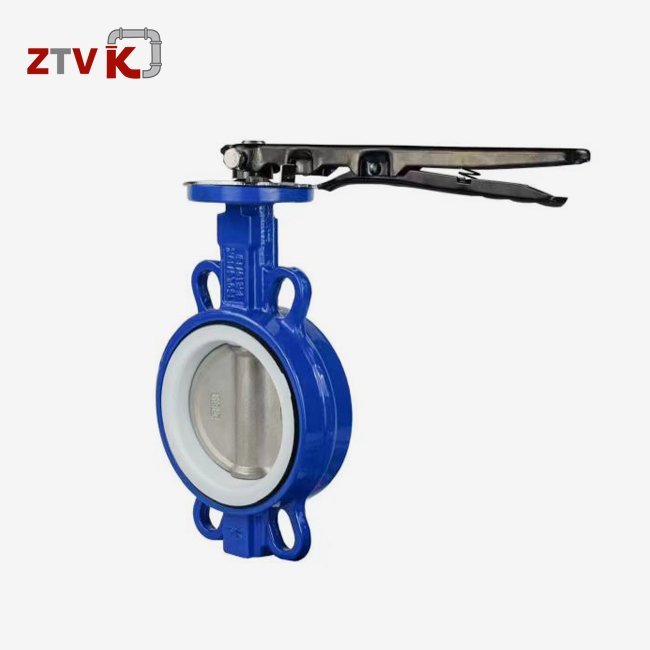
If you need to control flow strongly in an industry setting, picking the right valve can make or break how well your business runs. For distributors, builders, and engineers who need solid performance in water systems, HVAC installs, and energy infrastructure, an iron butterfly valve is a must-have. Because they are made of ductile iron materials like GGG40, these quarter-turn devices are very strong and don't rust, and they're also cheap enough to buy in bulk. The best ductile iron butterfly valves offer pressure values from PN6 to PN16 and temperature tolerances from -29°C to +120°C. They also have strong structures and precise flow control. When purchasing managers know what makes better valves better than standard ones, they can cut down on downtime and maintenance costs and ensure long-term supply chain stability in tough industrial settings.
Reason 1: Exceptional Durability and Pressure Handling
How long your valves work under stress depends on how strong the material is. Ductile iron is used to make industrial butterfly valves that can survive hard conditions without breaking down too soon.
Superior Material Properties of Ductile Iron
Ductile iron (GGG40) has nodular graphite structures that give it tensile strength of more than 60,000 psi, which is a lot higher than brittle cast iron alternatives. This metallurgical advantage means that the valves are more resistant to impact and can adapt to changes in pressure. This is important when valves are used in fire protection systems or city water lines where there are sudden pressure jumps or "water hammer." Because the material is naturally flexible, it doesn't break in huge chunks like other valve bodies do when they go through cycles of thermal expansion or mechanical stress.
Pressure Rating Capabilities for Demanding Systems
Pressure ratings set the safest limits for how a valve can be used. Butterfly valves made to PN10 and PN16 standards (equivalent to Class 150) can handle moderate to high pressures that are common in cooling systems for factories, HVAC chilled water loops, and water treatment plants. These ratings make sure that the shell stays together during hydrostatic testing at 1.5 times the rated pressure. Seat seal tests at 1.1 times the pressure confirm that there is no leakage. When engineers know these limits, they can choose the right valves for situations where the system pressure changes between 145 psi and 232 psi. This way, they can avoid buying parts that are too small and risk breaking, or units that are too big and waste money.
Corrosion Resistance Through Advanced Coatings
In corrosive environments, external and internal protection systems make valves last longer. Fusion-bonded epoxy (FBE) coatings that are at least 250 microns thick protect ductile iron bodies from chemical attack, galvanic corrosion, and rough materials. This layer of protection is very important in places like desalination plants, wastewater treatment plants, and industrial sites near the coast where salt exposure speeds up the breakdown of metals. When you combine epoxy-coated bodies with durable seat materials like NBR for oil protection, EPDM for water service, or Viton for chemical compatibility, you get a complete shield against corrosion from both the outside and the process media. This two-layer protection strategy cuts down on the number of repairs and replacements that need to be done. This saves money on municipal infrastructure projects over 15 to 20 years of service.
Reason 2: Precise Flow Control to Optimize Process Efficiency
Flow precision has a direct effect on the quality of the output and the amount of energy used in manufacturing processes. Well-designed butterfly valves allow for precise throttling and full shutoff, which helps keep operations consistent.
Reliable Throttling and Shutoff Capabilities
Butterfly valves have a spinning disc that lets the flow change slowly by turning them 90 degrees every quarter of a turn. This simple mechanical design makes positioning accurate within ±2 degrees every time, so operators can fine-tune flow rates to meet the needs of the process. Getting a bubble-tight shutoff that meets EN 12266-1 leakage class A standard depends on the material of the seat and the shape of the contact between the disc and the seat. When the disc is closed, soft-seated designs with EPDM or NBR plates press against the disc edge, making a reliable seal even when working with slurries that are slightly rough, like those found in water treatment and HVAC applications.
Impact on Energy Efficiency and System Responsiveness
By matching system output to real demand, precise flow control cuts down on wasted energy. In HVAC chilled water systems, iron butterfly valves with well-defined disc shapes keep flow relationships linear when partially opened. This stops too much water from coming in, which makes chillers work harder. Well-designed iron butterfly valve disc profiles have low hydrodynamic torque, which means that smaller motors can handle bigger valves. This lowers the cost of automation while speeding up response times when the load changes. In power plants and chemical processing plants, where flow changes can affect heat transfer rates, reaction yields, and the stability of the whole process, this efficiency gain is very important.
Sealing Technology for Various Media Types
Different industrial fluids need different ways to be sealed. EPDM seats work well with water and neutral liquids and can handle temperatures from -20°C to +120°C. However, NBR (Buna-N) liners are needed for hydrocarbon applications because they don't swell or break down in petroleum products. Even though they cost more, Viton seats are better at resisting chemicals that are harsh or high temperatures of up to 120°C for steam uses. When you match seat elastomers to process media, the seal doesn't fail too soon, the shutoff stays tight even after thousands of cycles, and there aren't any contamination problems that hurt the quality of the products in the food and medicine businesses.
Reason 3: Versatile Installation Options Supporting Diverse Systems
Installation flexibility makes projects easier to manage and reduces the amount of inventory that distributors need to keep on hand. Different types of pipes can be connected in a variety of ways without having to be custom-made.
Wafer, Lug, and Flanged Connection Styles
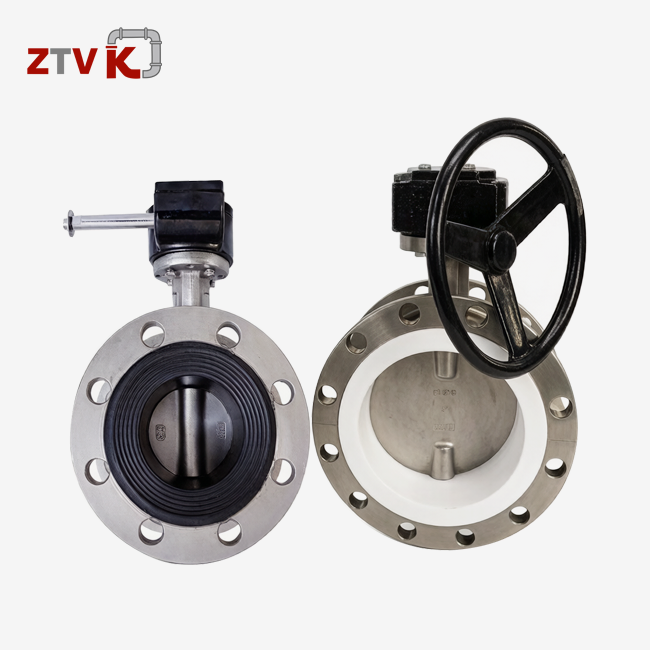
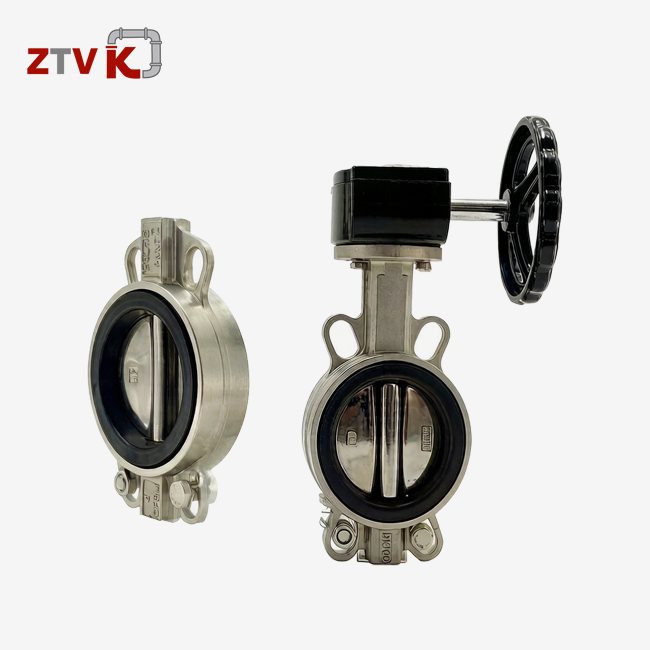
Wafer-style valves use through-bolts to connect to normal ANSI or DIN flanges. They have small face-to-face measurements according to the API 609 short pattern, which means they don't take up much room in crowded mechanical rooms. This design is good for situations where it won't need to be removed often. Lug-style valves have threaded inserts in the body that let them be installed as a dead-end service component without the need for support from pipes further downstream. This is an important feature for maintenance isolation in municipal water distribution networks. Flanged butterfly valves have raised-face or flat-face flange connections built right into the body casting. This is the most reliable way to put them in high-pressure situations or places that get loads and vibrations from the outside.
Actuator Compatibility for Automation Integration
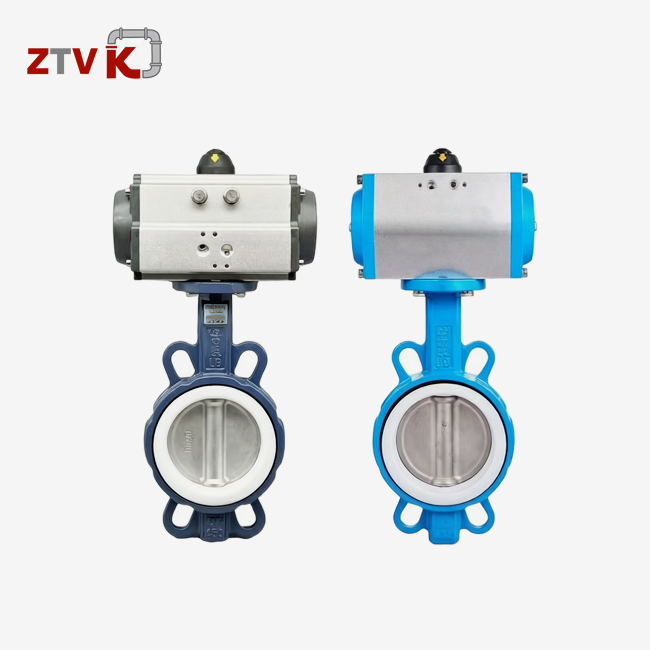
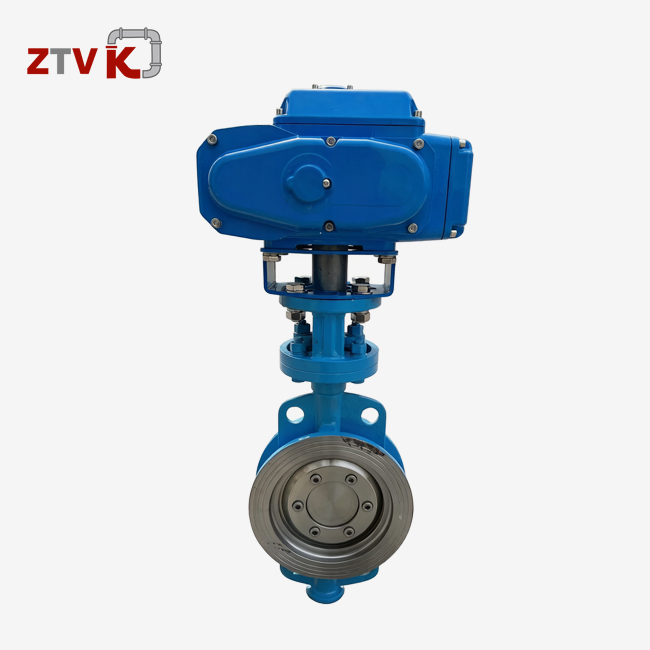
Automation control systems are being used more and more in modern factories to make operations run more smoothly. Electric and pneumatic actuators from companies like Rotork, Auma, and Bray can all be used with butterfly valves that have ISO 5211 mounting pads. Electric actuators let you control them from a distance and get feedback on their exact location through 4-20 mA. Analog signals or digital fieldbus protocols. This makes it easier to connect them to building management systems or distributed control systems (DCS) in process plants. For fire safety systems and emergency shutdowns, pneumatic actuators with fail-safe spring-return operation are necessary. They close themselves when the power goes out or the air source goes away.
Standards Compliance and Interoperability
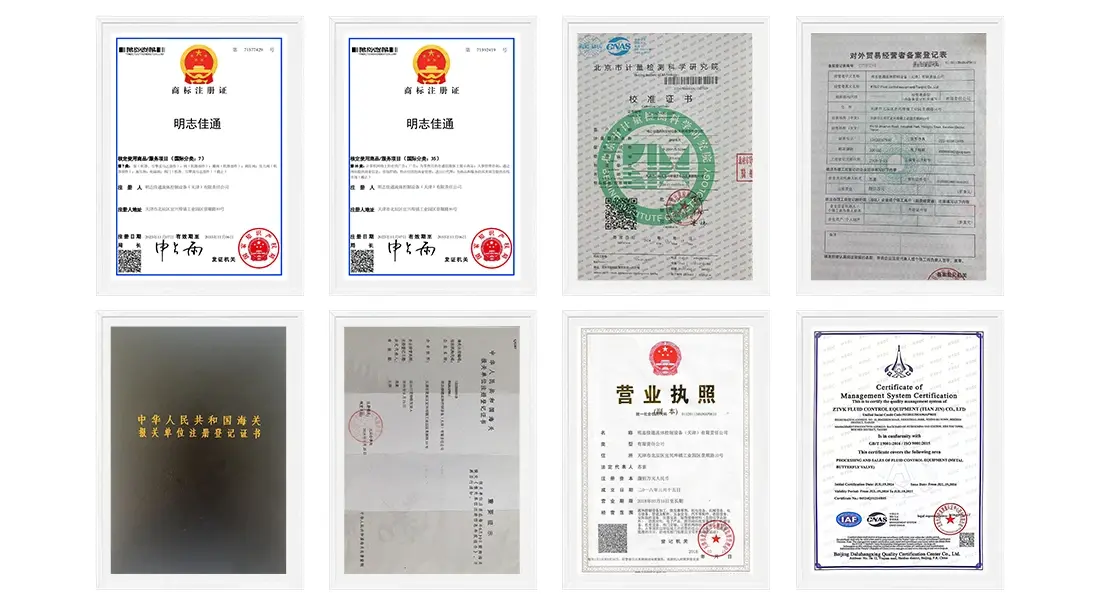
Following international design standards makes buying things easier and makes sure that parts can work together in global supply chains. Making valves that meet API 609, ISO 5752, DIN 3202, and AWWA C504 standards makes sure that they will fit with pipe parts from different sources without any problems during installation. Certification to EN 593 material standards and EN 12266-1 testing procedures shows that the product meets the quality requirements for the project. NSF-61 approval shows that it is safe for use in local applications with potable water. This compliance framework helps engineering firms streamline the approval process and lowers technical risk for contractors in charge of big infrastructure projects.
Reason 4: Simplified Maintenance for Reduced Downtime
Total ownership costs, which are higher than the initial purchase price, depend on how easy it is to do maintenance. Valve design that is easy to use speeds up maintenance and increases the time between major overhauls.
Routine Inspection and Lubrication Requirements
Unexpected breakdowns that stop production can be avoided with proactive maintenance. Butterfly valves need to have their stem seals visually checked for leaks every three months, their actuator mounting bolts checked for proper force once a year, and their stem bearings oiled every so often with greases that are safe for the process temperatures. Top-entry butterfly valves have a visible stem design that lets maintenance staff check the state of the packing without taking the valves apart. This lets them spot early signs of wear before they cause an external leak. This makes inspections faster than with concealed-stem designs, so plant workers can keep an eye on important valves during regular facility tours without having to use special tools or wait for long periods of time.
Seat Replacement and Service Life Extension
Resilient seats in an iron butterfly valve wear down slowly over thousands of opening and closing cycles. Their service life is between 30,000 and 50,000 cycles, depending on how rough the media is and how often they are used. With well-designed butterfly valves, the seat can be changed without taking the valve out of the pipeline. In less than two hours, technicians can remove the retaining pins, pull out the disc and stem assembly, and install new seat liners. This in-line serviceability keeps pipeline drainage and flange disconnection from having to be done, which saves money. It also means that seats can be replaced during planned maintenance windows instead of having to be shut down in an emergency. When you use epoxy-coated ductile iron discs with stainless steel stems (SS316 or SS304), the mechanical parts last longer between seat replacements, so the body can be reseated more than once before it is retired.
Comparing Maintenance Intensity with Alternative Materials
The choice of material affects how often and how much maintenance needs to be done. Ductile iron butterfly valves don't need to be serviced as often as carbon steel gate valves, which can rust and get stuck on the wedge, and they're also a lot cheaper than stainless steel constructions. Using corrosion-resistant coatings, steel stems, and replacement soft seats together makes the system last longer while also being easier to keep. This results in a lower total cost of ownership over 20-year infrastructure lifecycles. Industrial facility managers who keep track of maintenance metrics say that properly specified butterfly valves require 35–40% fewer service interventions than gate valve alternatives in similar water and HVAC applications. This means that less work needs to be done, which saves money on labor, and assets are more available.
Reason 5: Cost-Effective Procurement and Supplier Reliability
Smart strategies for buying things make sure that unit prices, supplier skills, and long-term support are all taken into account. When you look at providers beyond their prices, you can avoid quality problems and supply interruptions.
Bulk Purchasing Advantages and Pricing Transparency
Distributors who manage inventory across multiple regional markets can get better prices when they make volume commitments. Cost estimates for big infrastructure projects can be accurate when manufacturers have clear price structures and recorded volume discounts. Getting DN50 to DN600 sizes in standard configurations at good prices supports just-in-time delivery models that keep distributors' working capital from getting stuck in inventory. Clear pricing for non-standard options like custom seat materials, extended stems for buried service, or special coatings for use in salt water keeps costs from going up after the order has been filled. This openness makes people more likely to trust long-term supply deals that keep costs stable over the course of multiple years of projects.
OEM Customization Capabilities for Competitive Differentiation
Suppliers that offer OEM branding and technical customization are good for distributors that work with niche markets. Custom nameplate engraving, logo application, and branded packaging help trading companies set their products apart in regional markets that are very competitive while still upholding quality standards. Technical ODM services add real value beyond just branding. For example, they can redesign disc profiles for specific flow characteristics, change stem lengths to meet specific installation needs, or engineer special flange drillings for non-standard piping systems. Because of these features, distributors can meet the needs of niche applications without having to keep engineering staff on hand, and equipment manufacturers can get integrated valve solutions that are perfect for their systems.
Warranty and After-Sales Support Infrastructure
Reliable guarantee coverage lowers the chance of buying a lot of iron butterfly valve products. If there are quality problems after installation, you can get help through 18-month warranties that cover both material defects and manufacturing flaws. Long-term satisfaction isn't just based on warranty periods; a responsive supplier who gives you access to technical support for application troubleshooting, replacement parts with reasonable lead times, and the willingness to look into field failures builds partnership relationships that go beyond just buying things. When compared to direct-from-factory models, which need replacement parts to be shipped internationally, suppliers with regional distribution networks or service partnerships offer local support that cuts down on freight costs and response times.
Conclusion
Choosing high-quality butterfly valves made of ductile iron can completely change how an industry works by making them last longer, giving precise control, being easy to install, requiring less upkeep, and offering smart purchasing benefits. Together, these five things lower the total cost of ownership and make systems more reliable in the process, HVAC, and water infrastructure businesses. Distributors and contractors who put quality materials, following standards, and supplier skills at the top of their list of priorities will be able to offer competitive value in markets that are very picky. Professional-grade valves are different from regular goods because they are made with advanced metals, smart engineering, and a full support system. These factors determine the success of a project and the long-term happiness of customers in important flow control applications.
FAQ
1. What pressure ratings do ductile iron butterfly valves typically handle?
Most ductile iron butterfly valves have pressure ratings of PN6, PN10, and PN16, which are equal to 87 psi, 145 psi, and 232 psi, respectively. Class 150 flanged models can handle the same amounts of pressure and are good for city water systems, HVAC uses, and light industrial processes. The choice is based on the highest operating pressure plus safety margins. During quality control during manufacturing, the shell is tested hydrostatically at 1.5 times the rated pressure.
2. How do iron butterfly valves compare to steel alternatives?
When it comes to water and low pressure, iron butterfly valves are very cost-effective, especially when harsh chemicals or temperatures aren't present. The price of carbon steel and stainless steel valves is 40 to 60 percent higher than that of other materials. When coated properly, ductile iron is just as resistant to corrosion as carbon steel, but it weighs less and needs smaller actuators because it has better hydrodynamic properties.
3. Can these valves integrate with electric actuators?
Yes, modern butterfly valves have ISO 5211 mounting pads that let electric actuators be directly attached for automatic control. Electric actuation allows for exact placement, action from a distance, and connection to SCADA or building management systems. In the future, when facilities switch from manual to automated control strategies, this automation preparation will keep systems working without having to replace valve bodies.
Partner with ZTVK for Reliable Iron Butterfly Valve Supply
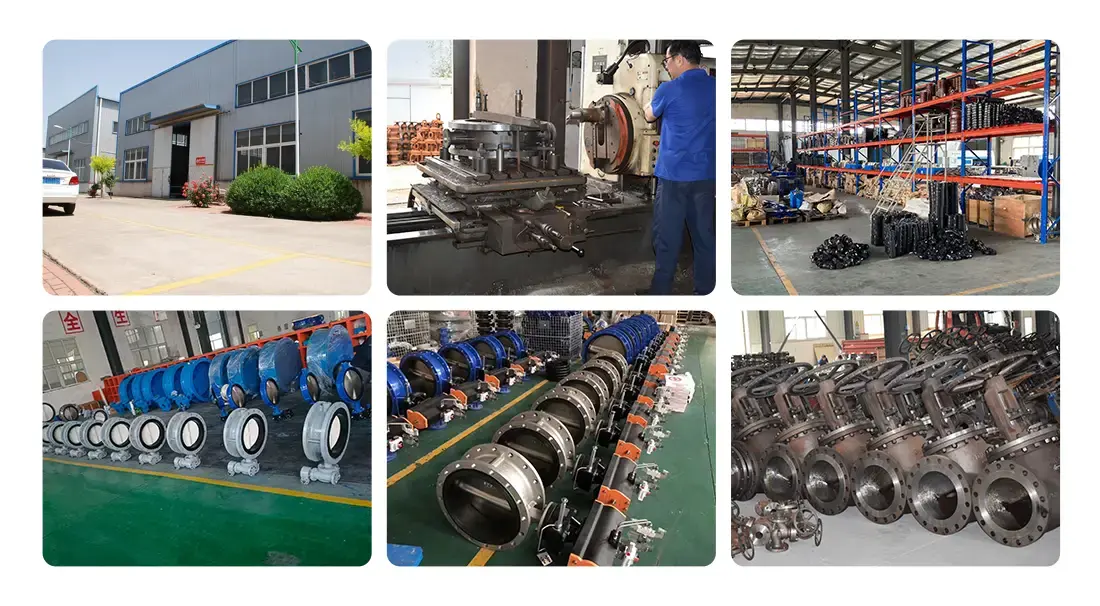
ZTVK sells ductile iron butterfly valves that are made to work in tough industrial settings, like water treatment, HVAC, power generation, and city building projects. Our factory in Tianjin keeps more than 2,000 standard units (DN50–DN600) in stock and can deliver them in 3–7 days. For custom ODM solutions, the time it takes to finish the project is 15–25 days. ISO9001 certification and following API, ANSI, DIN, and AWWA standards make sure that the quality is always the same. 18-month warranties and full technical support back this up. As an experienced butterfly valve maker located 50 km from Tianjin Port, we offer cheap FOB/CIF prices and export packaging that meets ISPM-15 standards to make global shipping easy. Email our team at ktec86961886@163.com to talk about volume pricing, OEM branding choices, and technical specs that are specific to the needs of your market.
References
1. American Water Works Association. (2020). AWWA Manual M49: Butterfly Valves: Torque, Head Loss, and Cavitation Analysis. Denver: AWWA Publications.
2. Nesbitt, B. (2017). Handbook of Valves and Actuators: Valves Manual International. Oxford: Butterworth-Heinemann Technical Publishing.
3. Smith, P. R., & Zappe, R. W. (2018). Valve Selection Handbook: Engineering Fundamentals for Selecting the Right Valve Design for Every Industrial Flow Application (6th ed.). Houston: Gulf Professional Publishing.
4. British Standards Institution. (2019). BS EN 593:2018 - Industrial Valves: Metallic Butterfly Valves for General Purposes. London: BSI Standards Publication.
5. Skousen, P. L. (2015). Valve Handbook (3rd ed.). New York: McGraw-Hill Professional Engineering.
6. American Petroleum Institute. (2018). API Standard 609: Butterfly Valves - Double Flanged, Lug- and Wafer-Type (9th ed.). Washington, DC: API Publishing Services.
Send us your valve requirements and our team will provide professional solutions and fast quotations.
RELATED INDUSTRY KNOWLEDGE