- English
- French
- German
- Portuguese
- Spanish
- Russian
- Japanese
- Korean
- Arabic
- Greek
- German
- Turkish
- Italian
- Danish
- Romanian
- Indonesian
- Czech
- Afrikaans
- Swedish
- Polish
- Basque
- Catalan
- Esperanto
- Hindi
- Lao
- Albanian
- Amharic
- Armenian
- Azerbaijani
- Belarusian
- Bengali
- Bosnian
- Bulgarian
- Cebuano
- Chichewa
- Corsican
- Croatian
- Dutch
- Estonian
- Filipino
- Finnish
- Frisian
- Galician
- Georgian
- Gujarati
- Haitian
- Hausa
- Hawaiian
- Hebrew
- Hmong
- Hungarian
- Icelandic
- Igbo
- Javanese
- Kannada
- Kazakh
- Khmer
- Kurdish
- Kyrgyz
- Latin
- Latvian
- Lithuanian
- Luxembou..
- Macedonian
- Malagasy
- Malay
- Malayalam
- Maltese
- Maori
- Marathi
- Mongolian
- Burmese
- Nepali
- Norwegian
- Pashto
- Persian
- Punjabi
- Serbian
- Sesotho
- Sinhala
- Slovak
- Slovenian
- Somali
- Samoan
- Scots Gaelic
- Shona
- Sindhi
- Sundanese
- Swahili
- Tajik
- Tamil
- Telugu
- Thai
- Ukrainian
- Urdu
- Uzbek
- Vietnamese
- Welsh
- Xhosa
- Yiddish
- Yoruba
- Zulu
Everything You Need to Know About 3-inch Sewage Check Valves
A 3 inch sewer check valve is your first line of defense against contamination and property damage when local sewage systems experience surcharge events or unexpected overflow conditions. This one-way flow control device stops wastewater from flowing backwards in drainage networks. This keeps business and private buildings safe from costly flooding events. B2B decision-makers can choose solutions that balance performance reliability with long-term cost efficiency by learning about the technical specs, material choices, and buying strategies for these parts. This guide looks at the important things that industrial valve distributors, city contractors, and building care teams need to think about when they want to buy something.
Understanding 3-Inch Sewer Check Valves
What Defines a Sewage Backflow Preventer
As an inactive safety measure, a sewage backflow preventer made for 3-inch standard pipe sizes works in drainage systems. Check valves in supply lines handle potable water under steady pressure. These devices, on the other hand, handle the irregular flow patterns that are common in trash discharge systems. The valve stays open when it's not being used, which lets flow happen naturally with little pushback. When reverse pressure happens because of a blockage further downstream or an overloaded city system, the internal mechanism responds within milliseconds to make a watertight seal that saves plumbing fixtures and living areas further upstream.
Core Operational Mechanisms
Differential pressure reading across the valve body is what makes the basic process work. In swing check setups, a hinged disc sits in the open position at an exact angle, letting solids pass while still being able to respond to changes in flow direction. Spring-loaded versions have tensioned parts that help with closing, which is helpful in horizontal setups where gravity doesn't help much. Which of these methods you choose will rely on how your system is oriented, how many solids you expect, and how quickly you need to react to backpressure events.
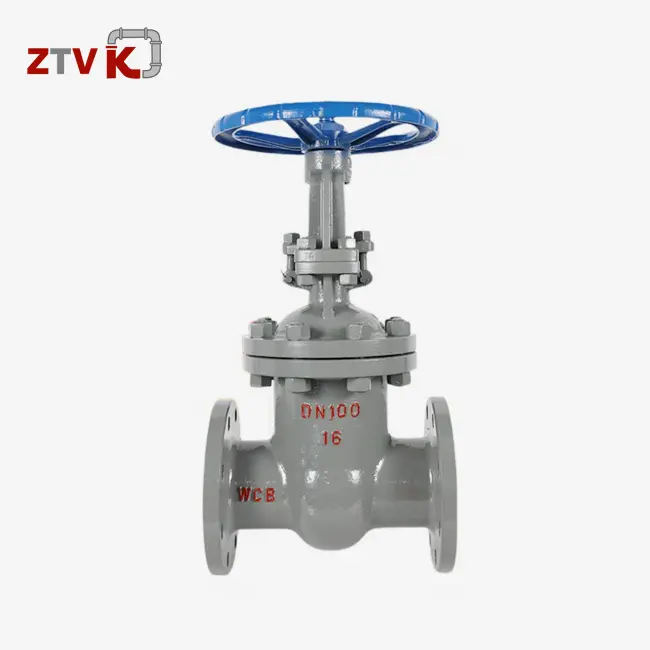
Materials science is also very important to how well things work. Because it can stand up to common home drain cleaners and hydrogen sulfide, Schedule 40 PVC is still widely used in residential settings. Cast iron choices are better at withstanding impacts in business settings where mechanical stress from grease trap effluent or industrial process release often happens. Types of stainless steel, like our H74 Single-leaf Swing Check Valve made from grade 304 or 316 materials, are very resistant to rust in places with temperatures up to 200°C. This type can handle pressures between 0.6 and 1.6 MPa, so it can be used for water, air, oil products, and slightly acidic or basic liquids in both public and private settings. The option made of WCB carbon steel is cheaper and still meets the standard requirements for structural stability for sewage handling.
Why Three-Inch Sizing Dominates Commercial Applications
The 3 inch sewer check valve meets the standards of the building code for branch drainage lines that serve multiple fixture units in business restaurants, laundry facilities, and apartment buildings with more than one floor. This size gives enough flow capacity for combined discharge rates while still being easy to place in small mechanical areas. The size also fits normal grease interceptor outlet connections and lift station discharge pipes, making the system compatible. This makes it easier to buy and eliminates the need for transitional fittings that can fail.
Installation, Maintenance, and Common Issues
Pre-Installation Assessment Protocols
Before you start installing the valve, make sure that it is compatible with the material of your pipes so that you can use solvent welding. ASTM D2564-compliant cement is needed for PVC systems, while ASTM D2235 adhesives are needed for ABS installs. When you try to link different types of plastics together without using allowed transition methods, the joints are often weak and break under backpressure. Check how much space there is so that you can remove the entry cap during future maintenance. If there isn't enough space, the valve will have to be replaced early instead of being fixed for less money.
Horizontal installations demand precise attention to flow direction signs that are built into the body of the valve. If the gadget is oriented incorrectly, it stops working altogether, turning a safety feature into an inactive conduit. When mounting a pump vertically for a discharge application, make sure to choose spring-assisted types that are specifically rated for upward flow. This is because gravity-dependent swing checks stay closed when the pump is mounted vertically. Make sure the valve seats are further away from any cleanup entry points so that mechanical snaking can happen without hurting the flapper mechanism inside.
Routine Maintenance Schedules
Every year, through the access hole, the flapper seal surface should be looked at visually for wear or debris that is buried in it. Biofilm builds up from sewage contact over time and makes sealing less effective, especially in low-flow systems where the valve doesn't work very often. If the design lets you take apart the flapper assembly without tools, do so. Then, clean all the sitting surfaces with cleaners that aren't rough and won't damage the elastomer seals. Places with a lot of grease need to be inspected every three months because hardened fats stop the area from closing all the way and cause repeated leaks that show inspection is needed.
Testing the closure reaction, the flow downstream is briefly stopped while backflow indicators are watched. A unit that is working right should be able to seal fully with little reverse pressure, making no flow sounds and no moisture being felt at the seat contact. If a valve closes slowly or not completely, the flapper needs to be replaced right away to keep contamination from happening during the next city's extra episode.
Troubleshooting Performance Problems
There are three main reasons why leaks keep happening: the flapper warping because of temperature cycling, chemical attack on gasket materials, or particulate pollution that stops the valve from closing all the way. Extreme temperatures in parts of drainage systems that aren't protected make plastic parts lose their shape over time. By switching to metal-bodied options with EPDM seals, temperature sensitivity can be fixed while chemical compatibility with harsh industrial effluents is maintained.
Mechanical jamming occurs when fibrous or hard items get stuck between the flapper and the seat. Usually, this happens after someone tries to snake wires the wrong way and forces them through the valve assembly. To stop this from happening, mechanical cleaning equipment needs to be routed through cleanouts instead of being inserted without looking through parts further upstream. When facilities keep getting clogged, they should check to see if the full-port design gives them enough room for their trash stream, which might mean they need to change to a bigger nominal size.
How to Choose the Right 3-Inch Sewer Check Valve for Your Application?
Matching Valve Specifications to System Demands
In residential basement safety uses, low-pressure situations happen a lot, like when city backups cause the head pressure to drop below 10 PSI over time. In these conditions, inexpensive PVC swing checks with neoprene seals work well, giving enough safety without being too specific. Conditions for commercial grease trap setups are very different. For example, they have to deal with thermal shock from hot water release and chemical contact from enzyme cleaners. If you choose cast iron bodies with Viton seals, they will last a long time even in these harsh conditions.
Industrial pump discharge scenarios introduce water hammer problems that regular swing checks can't handle. When pumps start up, there is an instant change in motion that causes pressure jumps of more than 100 PSI in confined pipes. These shock loads are absorbed by spring-loaded designs with strengthened seat construction. This keeps the catastrophic flapper failure that would require emergency fixes during production hours. To choose the right pressure rating, you need to figure out your system's highest expected backpressure. For critical uses, safety margins of 1.5x are suggested.
Certification Standards and Compliance Verification
When you buy something professionally, you have to make sure that the sellers you choose test their valves, such as the 3 inch sewer check valve, to make sure they meet the ASME A112.14.1 standards for backwater safety devices. This approval proves that the shell can withstand hydrostatic testing at pressures higher than the stated values, that the seat won't leak at low pressures, and that the solid-passing ability can be checked using standard sphere tests. Documentation should include test papers that can be linked to specific production batches. This will allow quality checks that meet the needs of local inspectors during building permit reviews.
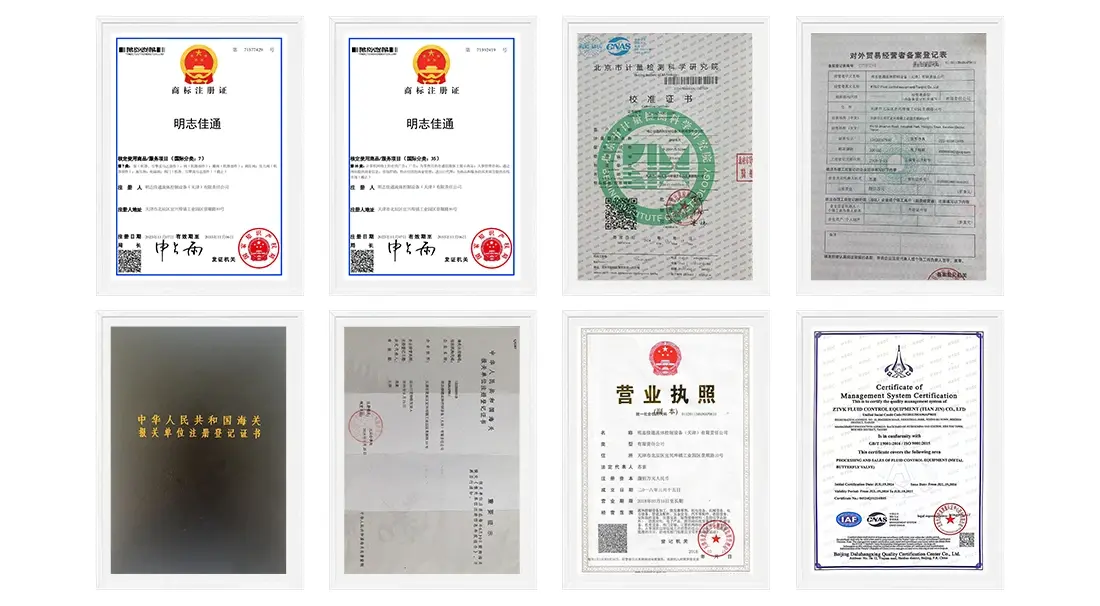
At ZTVK, our production plant is certified in ISO9001, ISO14001, and OHSAS18001, which means that before being shipped, every H74 model goes through strict quality control. Our testing procedures make sure that the shell is still solid at 1.5 times the working pressure. This shows that our stainless steel and WCB versions can handle the tough conditions of sewage networks and industrial process uses.
Comparative Analysis of 3-Inch Sewer Check Valves
Material Performance Characteristics
PVC designs are very chemically resistant to sulfuric acid that forms in sewage environments, and they are also cheaper for big city projects. Because the material is lightweight, it requires less work to install, which speeds up remodeling projects. Impact sensitivity, on the other hand, makes them less useful in machinery rooms with a lot of foot traffic, where accidental touch could happen while the building is running.
Cast iron options are strong mechanically and can handle small physical hits without damaging the structure. The thermal mass of the material reduces temperature changes that would otherwise damage plastic parts. This makes them last longer in places where temperatures change a lot. When applied to materials that are naturally prone to rusting when protective finishes wear off, epoxy coats make them more resistant to corrosion in damp environments.
Stainless steel represents the premium material choice, delivering unmatched corrosion immunity in highly active industrial effluents with acids, alkalis, or high chloride amounts. The 304 and 316 grade choices on the H74 model can handle a wide range of waste types, from regular city sewage to specific industrial process waste. The cost of materials is about three to four times higher than that of cast iron equivalents, but lifetime analysis shows that the costs are the same when you look at how often they need to be replaced and how much work goes into upkeep over twenty years.
Spring Versus Swing Check Design Trade-offs
Swing check devices work best in horizontal setups where gravity helps close the door. They are reliable and don't need much upkeep. The simple hinge design has fewer parts that can break, so it doesn't need to keep as many spare parts on hand over time. But vertical uses don't work with swing checks unless they are positioned so that the flow travels up through the body.
Spring-loaded versions have mechanical closing helpers that make sure the seal works properly, no matter how the product is installed. This flexibility is useful in complicated pipe layouts where limited room forces valves to be placed in less-than-ideal places. The extra spring part needs to be checked every so often to make sure the tension hasn't loosened, which adds care jobs that swing designs don't need. In standard duty use, spring fatigue usually shows up after 30,000 to 40,000 rounds, which means that the element needs to be replaced to keep the closure working properly.
Procurement and Supplier Guidance for 3-Inch Sewer Check Valves
Strategic Sourcing Considerations
When distributors work together to make sure there is enough product, projects don't get held up by long lead times during busy building seasons. When suppliers keep popular setups in stock in their regions, they can quickly meet emergency replacement requests when a facility's operations can't handle long periods of downtime. By comparing a supplier's warehouse locations to the areas they serve, you can get the best logistics prices and delivery performance.
Bulk purchasing arrangements unlock volume discounts that help contractors who are handling multiple jobs at the same time make more money. By negotiating framework deals with chosen suppliers, you can set stable prices that help you stick to your budget and make sure that your needs are met first when supplies are low. These connections are especially helpful when projects need custom changes, like special flange designs or material certifications that aren't available in a catalog.
Warranty Terms and After-Sales Support
Standard insurance coverage usually lasts between 12 and 18 months from the date of installation and covers problems with products such as a 3 inch sewer check valve or the way they were put together. Premium providers expand these times and offer a wide range of technical support materials, such as movies that show you how to install something, debugging guides, and dimensional CAD files that can be used in your design. Making it clear how to file a warranty claim before the buyer stops arguing when problems happen in the field, allowing for quick settlement that has the least possible effect on the project.
Access to replacement parts inventories becomes critical as installed valve populations age past their guarantee periods. Long-term part supply suppliers protect your investment by making sure that seals, flappers, and springs can still be bought years after they were first bought. This is especially important to think about for custom setups where general aftermarket options might not be available, which could mean having to replace the whole valve because wear parts aren't available.
Conclusion
To choose the right sewage backflow prevention options, you need to carefully look at the working conditions, material compatibility needs, and projected total cost of ownership. The 3 inch sewer check valve is an important part of infrastructure that keeps property and people's health safe from the contamination risks that come with modern drainage systems. Procurement pros set their companies up for practical success by learning about the differences between swing and spring-loaded designs, comparing the performance features of different materials, and building relationships with suppliers who are committed to quality and support. The details in this guide give people who make decisions the technical know-how they need to properly choose, install, and take care of these important system parts.
FAQ
Q1: How often should I inspect my drainage backflow preventer?
For normal household and light business uses with normal sewage loads, once-a-year checks are enough. Facilities that deal with grease-filled wastewater from food service businesses need to be checked every three months because seals get contaminated more quickly. Pumps in high-cycle industrial setups that are used a lot should be checked every six months to find wear before they break completely.
Q2: Can I route mechanical snakes through installed check valves?
Blind snaking through valve systems is not allowed because auger wires damage flapper mechanisms and tear sealing gaskets. Cleanouts located downstream of the valve make it possible to get to clogged lines. If your system doesn't have the right service access, you can quickly remove the flapper assembly through the access port and then put it back on after you're done cleaning.
Q3: What distinguishes spring-loaded models from swing check configurations?
Because swing designs depend on gravity and flow reversal to close, they can only be used in horizontal placements. Different types that are spring-loaded have mechanical help that makes them work reliably in high positions and situations where they need to close quickly to stop a lot of backflow during surge events.
Partner with ZTVK for Reliable Sewage Check Valve Solutions
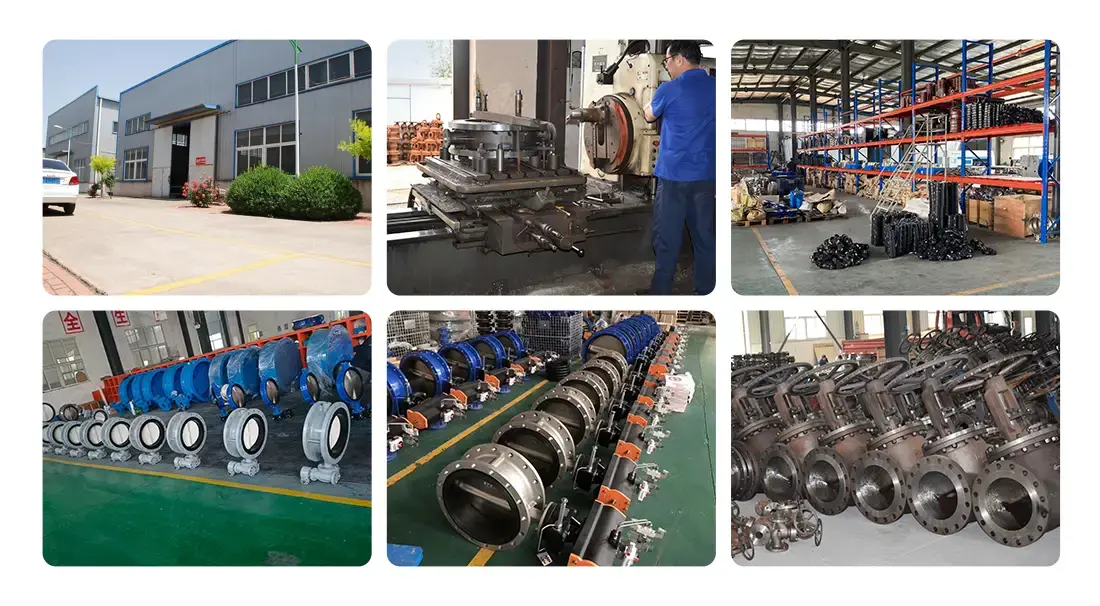
ZTVK's production skills allow them to make industrial-grade 3 inch sewer check valves that meet the strict needs of global distributors, city contractors, and industrial facility owners. Modern CNC machine centers and full quality control systems are used in our Tianjin factory to make sure that every H74 Single-leaf Swing Check Valve meets strict performance standards. We keep a large stock of normal DN80 (3-inch) configurations in both stainless steel and WCB materials. Stock models can be delivered in 3–7 days, and custom specs can be made in 15–25 days.
As a well-known company that makes 3 inch sewer check valves, we know how important it is for sewage systems to have reliable backflow prevention. Our closeness to Tianjin Port speeds up international shipping, and our relationships with major companies allow us to offer competitive FOB and CIF prices. OEM branding services meet the needs of distributors for private marking, and our technical team offers full support, including CAD drawings, installation instructions, and an 18-month guarantee. Contact our buying specialists at ktec86961886@163.com to talk about your unique application needs and get product suggestions backed by certifications and testing records that can be checked.
References
1. American Society of Mechanical Engineers. (2016). ASME A112.14.1: Backwater Valves - Performance Requirements and Testing Standards. ASME International.
2. Johnson, M. R., & Peterson, K. L. (2019). Industrial Valve Selection and Maintenance: A Comprehensive Guide for Engineers and Facility Managers. McGraw-Hill Professional.
3. Water Environment Federation. (2020). Design of Municipal Wastewater Treatment Plants: Manual of Practice No. 8, Sixth Edition. WEF Press.
4. Chen, H., & Rodriguez, A. (2018). Corrosion resistance evaluation of stainless steel check valves in sewage applications. Journal of Materials in Civil Engineering, 30(4), 04018052.
5. National Association of Plumbing-Heating-Cooling Contractors. (2021). Backflow Prevention and Cross-Connection Control: Installation and Inspection Best Practices. NAPHCC Publishing.
6. Thompson, D. W. (2017). Pump System Hydraulic Design and Troubleshooting: Theory and Practice for Engineers. Industrial Press Inc.
Send us your valve requirements and our team will provide professional solutions and fast quotations.
RELATED INDUSTRY KNOWLEDGE