- English
- French
- German
- Portuguese
- Spanish
- Russian
- Japanese
- Korean
- Arabic
- Greek
- German
- Turkish
- Italian
- Danish
- Romanian
- Indonesian
- Czech
- Afrikaans
- Swedish
- Polish
- Basque
- Catalan
- Esperanto
- Hindi
- Lao
- Albanian
- Amharic
- Armenian
- Azerbaijani
- Belarusian
- Bengali
- Bosnian
- Bulgarian
- Cebuano
- Chichewa
- Corsican
- Croatian
- Dutch
- Estonian
- Filipino
- Finnish
- Frisian
- Galician
- Georgian
- Gujarati
- Haitian
- Hausa
- Hawaiian
- Hebrew
- Hmong
- Hungarian
- Icelandic
- Igbo
- Javanese
- Kannada
- Kazakh
- Khmer
- Kurdish
- Kyrgyz
- Latin
- Latvian
- Lithuanian
- Luxembou..
- Macedonian
- Malagasy
- Malay
- Malayalam
- Maltese
- Maori
- Marathi
- Mongolian
- Burmese
- Nepali
- Norwegian
- Pashto
- Persian
- Punjabi
- Serbian
- Sesotho
- Sinhala
- Slovak
- Slovenian
- Somali
- Samoan
- Scots Gaelic
- Shona
- Sindhi
- Sundanese
- Swahili
- Tajik
- Tamil
- Telugu
- Thai
- Ukrainian
- Urdu
- Uzbek
- Vietnamese
- Welsh
- Xhosa
- Yiddish
- Yoruba
- Zulu
What is the opening and closing torque of the Triple-offset metal-seated butterfly valve?
The opening torque of a triple offset metal seated butterfly valve typically ranges from 50 to 300 Nm per inch of valve diameter, depending on pressure rating, size, and operating conditions. Closing torque is usually 20-30% higher due to sealing compression forces against the metal seat. These valves incorporate a unique three-dimensional eccentric design that significantly reduces friction during rotation, resulting in lower actuator requirements compared to traditional concentric or double-offset designs. Understanding these torque values is critical for proper actuator selection, ensuring reliable operation across diverse industrial applications from cryogenic LNG terminals to high-temperature power generation facilities.


Introduction
Triple offset metal-seated butterfly valves are a big step forward in flow control technology for harsh industrial settings. In situations where regular soft-seated valves don't work, these precision-engineered parts provide excellent sealing performance and longer service life. Knowing how these valves' opening and closing torques work has a direct effect on how well they are bought, how well they work with actuators, and how much they cost to run in the long run.
Buying managers and engineers are always under pressure to choose equipment that matches the cost of the original investment with the value over its lifetime. The torque curve of a valve affects not only the size and cost of the actuator, but also how much energy it uses, how often it needs to be serviced, and how reliable the system is. Distributors and OEM clients need accurate torque data to make sure that new systems can be easily added to existing ones and to avoid having to make expensive changes in the field.
We've worked with a huge number of clients in the industrial, water treatment, and power generation industries who didn't realise how important torque specs were at first. When actuators aren't the right size, they break down early, cause safety problems, and cause unplanned downtime. This guide gives you the technical information you need to make smart choices that improve performance and stick to your budget. It also tells you how to lower repair costs and make tools last longer.
Understanding Opening and Closing Torque in Triple-Offset Metal-Seated Butterfly Valves
The rotational force needed to move the valve disc through its 90-degree travel path is called opening and closing torque. Mechanical friction, fluid pressure difference, and stem packing resistance can't stop the opening force. These things are added to the closing torque, along with the extra force needed to press the metal seal ring against the seat and make a bubble-tight seal.
In industrial valve uses, the torque needed depends on a number of things. The main factor is design geometry. The triple offset arrangement makes a cam action that eliminates friction from 85 to 88 degrees of rotation, with metal contact only happening in the last two to three degrees. Choosing the right material affects both weight and friction. For example, because they are denser, stainless steel discs need 15-20% more force than malleable iron discs.
Conditions of operation have a big effect on power needs. The sealing force needed is directly related to the pressure grade. For example, a PN16 valve working at full differential pressure needs about 40% more closing power than a PN6 valve working in the same conditions. Extreme temps can make materials expand or contract, which can raise the force by 25 to 35 percent at temperatures below absolute zero or above 400°C. The viscosity and particle content of the fluid add to its resistance. Slurries or fuels with a high viscosity can double the base torque values.
Baseline Torque Calculations
Engineers use valve diameter, pressure class, and application factors to figure out the expected torque. In clean water at room temperature, a DN300 valve rated for PN10 service needs 180–220 Nm of opening torque and 240–280 Nm of closing torque. These numbers go up in a straight line with size—DN600 valves need about twice as much power as DN1200 units, which need four times as much force.
Dynamic vs. Static Torque
Dynamic torque is what happens when the valve moves, and momentum makes it less strong. When something is fully closed, the static breakout torque (the force needed to start moving) can be 30–50% higher than the operating torque. This is especially true after long periods of inactivity or in corrosive environments where minor surface oxidation adds to the resistance.
Design Features of Triple-Offset Metal-Seated Butterfly Valves Affecting Torque
The triple offset metal seated butterfly valve shape is a big step forward in valve engineering because it directly lowers the power needs. The three offsets form a cone-shaped seating geometry that totally removes rubbing friction during operation. This is different from concentric designs, where the seat and disc stay in touch with each other throughout spinning.
The centerline of the shaft is not in the same place as the centerline of the disc or the seat. Also, the cone axis of the seat is not parallel to the centerline of the pipe. This design makes sure that the disc moves away from the seat as soon as the valve opens, so there is no moving friction like there is with double-offset and circular valves. Contact only happens at the very last second of closing. Compared to standard butterfly valve designs, this design cuts wear and operational torque by up to 40%.

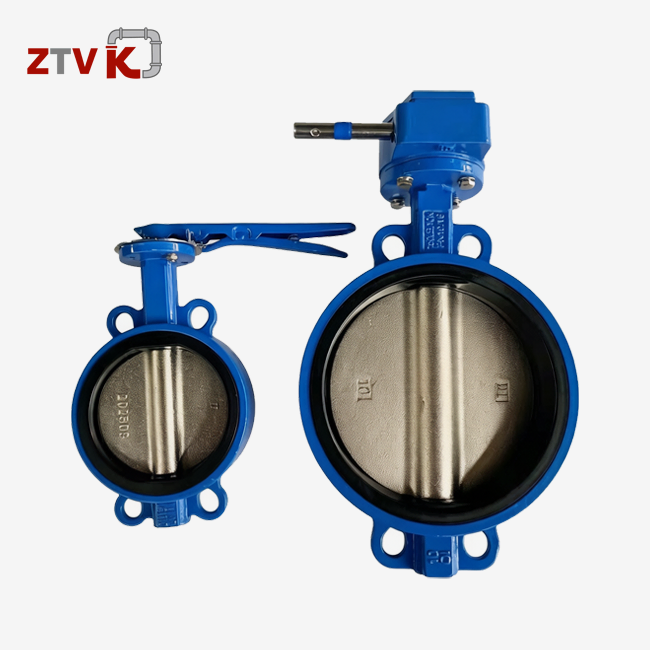
Metal-seated technology makes things last longer, but it requires a little more shutting force. The laminated seal ring has layers of stainless steel and flexible graphite. It needs to be compressed to ensure a bubble-tight seal. ZTVK makes valves with seat shapes that are optimised to balance sealing integrity with torque demands. Depending on the working conditions, they use materials ranging from carbon steel WCB A216 to duplex stainless steel 2507.
Advanced Sealing Mechanisms
Controlled deformation, not elastomeric compression, is what makes the metal-to-metal sealing interface work. The taper on the seat was carefully machined to match the angle of the disc cone. As the disc turns into the closed position, the cam action's growing mechanical advantage pushes down on the graphite layers inside the seal ring. This creates interference pressure that stops fluid flow without using too much force.
Torque Curve Analysis
In a normal torque curve, there isn't much resistance in the first 85 degrees of motion. Only in the last 5 degrees, when sealing contact starts, does torque rise rapidly. Since peak force only lasts for a short time, this shape lets smaller, more cost-effective actuators work. When procurement teams understand this curve, they don't have to define too many actuators, which cuts down on both initial prices and ongoing energy use.
Comparing Triple-Offset Metal-Seated Butterfly Valves to Other Valve Types
In high-pressure situations, triple-offset metal-seated butterfly valves work better than double-offset butterfly valves. When two offset designs keep some seat contact during rotation, they create constant friction that raises the torque needs by 35 to 50 percent. This friction also speeds up seat wear, which means that under the same conditions, cycle life drops from more than 50,000 cycles for triple offset valves to 15,000 to 25,000 cycles for double-offset valves of the same type.
Soft-seated butterfly valves have less initial torque—usually 30 to 40 percent less than metal-seated units—but they can't handle media that is very rough or temperatures above 260°C. In chemical processing and hydrocarbon service, the elastomeric seats break down quickly and need to be replaced often. Metal-seated triple offset valves have a slightly higher power penalty, but they can work in temperatures from -196°C to +815°C and don't get damaged by fluids that eat away at soft seats in months.
Ball valves close well with modest torque, but they take up a lot more space and cost two to three times as much as butterfly valves of the same size. The torque of a ball valve stays pretty much the same as it turns because it doesn't have the helpful torque curve of a triple offset design. A quarter-turn ball valve needs the same amount of actuator room as a triple offset butterfly valve, but it doesn't save any space or money. For large-diameter uses above DN400, butterfly valves are better.
Material Impact on Performance
The choice of material by ZTVK has a direct effect on power properties. Ductile iron bodies with nickel-lined discs work well for general water service that needs a modest amount of force. The design of stainless steel SS316L makes it more resistant to corrosion in chemical environments. The material's density also increases closing force by 18–22%. Duplex steel 2507 is stronger in offshore and sour gas service, and its torque profiles are similar to those of standard stainless grades, even though it has better mechanical properties.
Actuator Compatibility
Electric actuators are good at handling the torque curve and giving exact control throughout the spin. Pneumatic valves need to be carefully sized to make sure they have enough force for the last few degrees of closing. Worm gear manual operators work best in situations where multiplying torque makes up for the higher forces needed at shutoff. ZTVK has all three ways to operate valves that range in size from DN50 to DN3000 and in pressure classes from PN6 to PN16 and 150LB.
Practical Considerations: Torque in Procurement, Installation, and Maintenance
Teams in charge of buying things have to compare power data from manufacturers with real service conditions. Ask for approved torque curves that show forces throughout the full 90-degree turn at certain temperatures and pressure differences. Make sure that the test conditions are written down. For example, torque values measured in clean water at 20°C are very different from values recorded in viscous oils at 200°C. We always include thorough technical data sheets with our valves, including calculations for the triple offset metal seated butterfly valve that are specific to the working conditions of the customer.
Set the safety margins for the actuator to be 25–35% higher than the estimated peak torque. This is to account for changes in friction, the effects of ageing, and sudden pressure spikes. Actuators that are too small fail too soon, and actuators that are too big waste money and energy. The engineering team at ZTVK helps customers choose the right actuators by using our 15 years of experience in a wide range of applications to suggest the best configurations.
The way something is installed has a big effect on how stable the torque is in the long term. If you align the shaft correctly, it won't get stuck, which increases the operating forces. Limit switches and power cutoffs should be calibrated according to the manufacturer's instructions. If they are not, they can damage seats by not closing all the way or compressing too much. Keep the flange bolt torque at the suggested level to keep the body from warping. Uneven loads can raise the valve torque by 15–30%, which can weaken the seal.
Maintenance Strategies
Inspections done on a regular basis can find early signs of increased torque that problems are about to happen. Keep an eye on the actuator's current draw or pneumatic pressure. If these values go up, it means that the mechanical resistance is going up due to corrosion, deposit buildup, or bearing wear. Plan preventive maintenance based on cycle counts instead of time intervals. Valves that are used all the time wear out differently than valves that are used several times a day.
Lubrication keeps torque constant and extends the life of a machine. Apply the right oils to the stem bearings and packing based on the standards for temperature and chemical compatibility. ZTVK provides thorough care manuals that include specific product suggestions and service schedules that are based on how bad the application is.
Troubleshooting Torque Issues
A foreign object stuck between the disc and the seat is often the cause of sudden torque increases. The gradual increase in force is a sign of seal wear or rust. Changes with the seasons show that weather has an effect on things. Correct evaluation keeps you from replacing valves that don't need to be replaced. For example, many torque issues can be fixed by cleaning, adjusting, or replacing parts instead of replacing the whole valve.
Case Studies and Real-World Applications Related to Valve Torque
In Texas, a petrochemical plant switched out gate valves for ZTVK triple offset metal seated butterfly valves in a crude oil pipeline that was working at 150°C and PN10 pressure. The motors for the gate valves had to be 800 Nm, and the stems often broke. Our DN400 triple offset valves achieved equal isolation with 320 Nm actuators. This cut energy use by 58% and increased the time between repair visits from 14 months to over 36 months. The plant saved $47,000 a year per valve by cutting down on repair work and getting rid of unplanned shutdowns.
A city water treatment plant asked us to make valves for a new filter system that needs to be quickly shut down during backwash cycles. The DN600 valves cycle 12 times every day, which adds up to more than 4,300 cycles every year. When used in similar places, traditional double-offset valves need to have their seats replaced every 4 to 5 years. Our triple offset design has been used for seven years without any seat maintenance, and torque readings have stayed within 8% of their original average values. This result shows how removing friction during rotation can improve longevity.
For use in places that are very cold (-162°C), an LNG terminal chose ZTVK metal-seated butterfly valves. Soft-seated options can't work at these temperatures, and ball valves were too expensive. Even when they are under a lot of heat stress, our DN800 valves with longer bonnets and duplex steel construction keep torque values within the design limits. After three years of operation, the plant reports no fugitive emissions and perfect sealing integrity. Actuators working at 70% of their maximum capacity provide adequate safety gaps.
Quantifiable Benefits
Through optimising torque, these installations show measurable returns. Capital equipment costs drop by 25 to 40 percent when actuator sizes are lowered. Less working force means that electric motors use less energy and pneumatic systems use less compressed air. Longer seal life means less need for extra parts and less work for repair staff. Isolation that works reliably stops process upsets that cost thousands of dollars an hour in lost production.
Conclusion
When purchasing managers know about the opening and closing torque features of triple offset metal seated butterfly valves, they can make choices that save money in the short and long run. The special cam-action geometry lowers friction and torque while providing a bubble-tight shutdown in high and low pressure and temperature situations. By using accurate torque data to determine the right actuator size, early breakdowns can be avoided, and the valve will work reliably for its entire lifecycle. The choice of material, how it is installed, and how it is maintained all affect how stable the torque is and how long the equipment lasts. With the information in this guide, engineers and buying managers can choose valves that meet strict performance standards and keep the total cost of ownership low in tough industrial settings.
FAQ
1. What is the typical torque range for triple-offset metal-seated butterfly valves?
Most of the time, the opening torque is between 50 and 300 Nm per inch of diameter, and the closing torque is 20 to 30 percent higher. Under normal circumstances, a DN300 triple offset metal seated butterfly valve needs 180 to 220 Nm to open and 240 to 280 Nm to close. The real numbers depend on the temperature, pressure grade, and fluid properties.
2. How does temperature affect valve torque?
Extreme temperatures change the properties of materials and the range of sizes that they can be. Temperatures below -50°C can raise torque by 25–35% because of changes in oil viscosity and temperature contraction. When the temperature goes above 400°C, the material expands, which can raise the closing torque by 15 to 25 percent and increase the binding compression forces.
3. When should I choose electric versus pneumatic actuation?
With the torque curve profile of triple offset valves, electric actuators give you precise control and work well. Pneumatic actuators are good for tasks that need to be done quickly or in dangerous places. Worm gear manual operators are cheap for occasional use where torque multiplication can make up for higher forces. The research team at ZTVK helps users choose the best actuation based on the number of cycles, the control needs, and the conditions at the site.
Partner with a Trusted Triple Offset Metal Seated Butterfly Valve Supplier
ZTVK makes engineered valve solutions that balance performance with the realities of buying things. Our triple offset metal seated butterfly valve ranges in size from DN50 to DN3000 and can handle pressures from PN6 to PN16 and 150LB. They are made from ductile iron, carbon steel WCB, stainless steel grades, and duplex alloys. We are only 50 km from Tianjin Port and keep more than 2,000 standard units in stock for delivery in 3–7 days. We also offer full OEM and ODM customisation with production cycles of 15–25 days. Quality is always the same because the company is ISO9001 certified and follows API, ANSI, and other international standards. Get in touch with our team at ktec86961886@163.com to talk about your unique torque needs and get full technical documentation that will help you make confident purchasing decisions.

References
1. American Petroleum Institute. (2018). API 609: Butterfly Valves - Double Flanged, Lug- and Wafer-Type. Washington, DC: API Publishing Services.
2. Lyons, Jerry L. and Askland, Christopher L. (2015). Valve Selection Handbook: Engineering Fundamentals for Selecting the Right Valve Design for Every Industrial Flow Application. Burlington, MA: Gulf Professional Publishing.
3. Nesbitt, Brian. (2011). Handbook of Valves and Actuators: Valves Manual International. Oxford, UK: Elsevier Science.
4. Skousen, Philip L. (2011). Valve Handbook (Third Edition). New York, NY: McGraw-Hill Professional.
5. Smith, Peter and Zappe, R.W. (2004). Valve Selection Handbook: The Definitive Guide for Professionals in the Process Industries. Oxford, UK: Butterworth-Heinemann.
6. Zappe, R.W. (1999). Valve Selection and Specification Guide. Research Triangle Park, NC: Instrumentation, Systems, and Automation Society.
Send us your valve requirements and our team will provide professional solutions and fast quotations.
RELATED INDUSTRY KNOWLEDGE