- English
- French
- German
- Portuguese
- Spanish
- Russian
- Japanese
- Korean
- Arabic
- Greek
- German
- Turkish
- Italian
- Danish
- Romanian
- Indonesian
- Czech
- Afrikaans
- Swedish
- Polish
- Basque
- Catalan
- Esperanto
- Hindi
- Lao
- Albanian
- Amharic
- Armenian
- Azerbaijani
- Belarusian
- Bengali
- Bosnian
- Bulgarian
- Cebuano
- Chichewa
- Corsican
- Croatian
- Dutch
- Estonian
- Filipino
- Finnish
- Frisian
- Galician
- Georgian
- Gujarati
- Haitian
- Hausa
- Hawaiian
- Hebrew
- Hmong
- Hungarian
- Icelandic
- Igbo
- Javanese
- Kannada
- Kazakh
- Khmer
- Kurdish
- Kyrgyz
- Latin
- Latvian
- Lithuanian
- Luxembou..
- Macedonian
- Malagasy
- Malay
- Malayalam
- Maltese
- Maori
- Marathi
- Mongolian
- Burmese
- Nepali
- Norwegian
- Pashto
- Persian
- Punjabi
- Serbian
- Sesotho
- Sinhala
- Slovak
- Slovenian
- Somali
- Samoan
- Scots Gaelic
- Shona
- Sindhi
- Sundanese
- Swahili
- Tajik
- Tamil
- Telugu
- Thai
- Ukrainian
- Urdu
- Uzbek
- Vietnamese
- Welsh
- Xhosa
- Yiddish
- Yoruba
- Zulu
Installation steps for motor-actuated butterfly valve
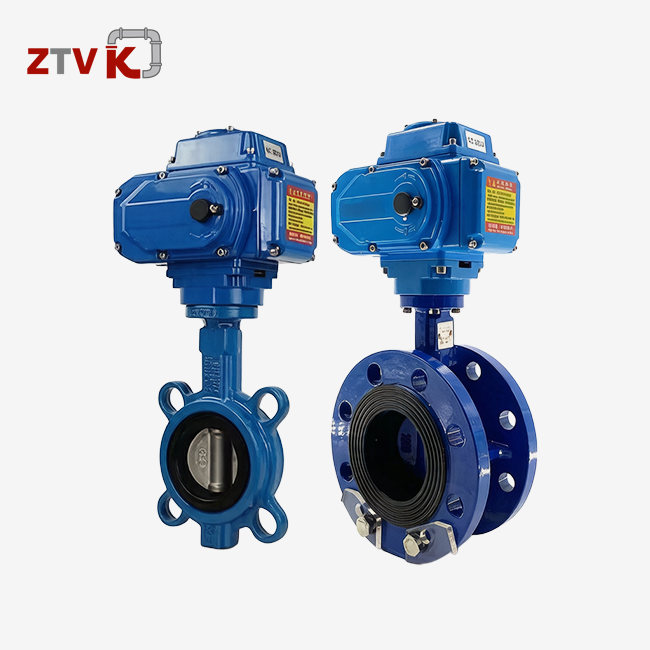
Installing a motor-actuated butterfly valve properly is the difference between a system that runs smoothly for decades and one that encounters frequent shutdowns and maintenance headaches. The electric actuator paired with a wafer-type valve body delivers automated flow control that integrates seamlessly with modern PLC systems, making it indispensable in water treatment plants, HVAC networks, and chemical processing facilities. At ZTVK, we've guided hundreds of contractors and distributors through successful installations across diverse industrial environments, and we've seen how the right approach from day one eliminates costly delays and extends equipment lifespan beyond 50,000 operational cycles.


Understanding Motor-Actuated Butterfly Valves
Electrical signals are converted into exact rotary motion by a motor-actuated butterfly valve, which rotates the disc 90 degrees to control or isolate fluid flow. Electric devices get their power directly from the control panel, while pneumatic systems need infrastructure for compressed air. This means that energy costs are lower and there is no chance of air leaks stopping operations.
Core Components and Operating Principles
The system is made up of several important parts that work together. At ZTVK, you can get the valve body in stainless steel CF8 or CF8M. It has a disc on a shaft that rotates in a direction perpendicular to the flow. Our double-eccentric design cuts the power needed to open and close by 30%. This means that your electric actuator will work less and last longer. The actuator has a motor, a gear train, limit switches, and control circuits that can interpret either discrete on/off commands from your SCADA system or 4-20 mA analog signals.
Material Selection for Demanding Applications
Using the right materials keeps components from breaking down too soon in environments that are corrosive or very hot. ZTVK sells discs made of ductile iron, CF8, CF8M, and aluminum bronze. Each type of disc is best for a certain type of media. The fluid chemistry and temperature range of the seat material (EPDM, NBR, PTFE, or VITON) must match. EPDM works well in municipal water systems up to 120°C, while VITON is needed in chemical plants that use strong solvents. During the quotation step, our technical team looks at your process conditions and recommends the best combination.
Industry Applications Driving Adoption
Wafer-type electrically actuated butterfly valves are used by water utilities to automate the control of aeration basins and pump stations, which saves money on labor costs and time in emergency situations. Large-diameter units (DN600 to DN1200) are installed in district cooling loops by HVAC companies. Modulating control keeps the differential pressures exact and saves the most energy. Operators in the petrochemical industry choose triple-offset designs with PTFE seats for use in desalination plants that use high-pressure water. This is because pneumatic controllers would pose a risk of contamination through instrument air exhaust.
Preparing for Installation: Pre-Installation Checklist and Site Assessment
Before you even open the package, make sure everything is ready. This will keep you from having problems with spacing, compatibility, and warranty claims in the future. When our customers follow this process, commissioning goes faster and there are fewer callbacks.
Verifying System Requirements and Valve Specifications
Check the design papers for your pipes to make sure they list the correct working pressure, temperature ranges, and flow rates. For the majority of industrial and municipal uses, ZTVK motor-actuated butterfly valves are rated for PN10 or PN16 working pressures. The valve comes in sizes ranging from DN40 (1.5") to DN1200 (48"). Make sure the wafer-type connection style fits between the flanges you already have. To avoid having to buy expensive adapters or do extra work, make sure that the connection standard (ISO5211, PN10/PN16, 125LB/150LB, JIS5K/10K/16K) matches up with the way your flange is drilled.

Inspecting the Valve and Actuator Upon Delivery
Carefully take the unit out of the box and look at the valve body for damage from shipping. Pay special attention to the disc edges and seat areas. Use the actuator's handwheel override to turn the disc by hand to make sure it moves smoothly and without binding. If there is any resistance, it means there is internal debris or misalignment that needs to be fixed before installation. Check the nameplate on the actuator to make sure that the voltage, torque rating, and type of control signal match the ones on your electrical drawings. Every shipment from ZTVK comes with factory test records and ISO9001 certifications. This makes it easy to track and gives customers peace of mind during third-party checks.
Gathering Tools and Implementing Safety Protocols
Put together torque wrenches that are calibrated to the specs of the flange bolts, multimeters for checking the electricity, and the right safety gear. There must be lockout/tagout processes in place to turn off the pipeline and electricity lines before work can begin. Check the line's pressure to make sure there is no leftover pressure, and if the process fluid is dangerous, make sure there is enough ventilation. Working together with the operations teams stops valve cycling by accident during installation, which keeps people and equipment safe.
Step-by-Step Installation Process for Motor-Actuated Butterfly Valves
This order ensures that everything is lined up correctly, that the mounting is secure, and that the electrical connections are safe and reliable, as required by safety standards and manufacturer specifications.
Positioning the Valve Body and Confirming Flow Direction
Find the flow direction arrow stamped on the wafer-style motor-actuated butterfly valve body before you put it between the flanges. Putting the valve in backwards increases pressure drop and can damage the seat, which can cause a leak. To keep from pinching during flange tightening, make sure the disc is fully open and perpendicular to the flow. Carefully line up the bolt holes so that there are even gaps on all sides. Gaps that aren't even cause problems with seal tightness and could lead to leaks under pressure.
Securing the Valve with Proper Torque Application
To make the clamping force even across the gasket, put in bolts and hand-tighten them in a star pattern. Using a calibrated torque tool, tighten each bolt a little at a time, making sure you follow the torque numbers for your pressure class in ASME B16.5 or EN 1092. When you over-torque, the seal gets crushed and the valve body deforms. When you under-torque, leaks happen. With each valve, ZTVK gives you a detailed torque chart that is made just for the flange material and seal type you choose.
Connecting the Electric Actuator and Wiring Control Signals
Connect the electrical cable to the actuator terminal box, and make sure the seals are waterproof if the placement will be outside. Connect the power supply wiring according to the actuator wiring diagram. For three-phase motors, double-check the phase sequence to make sure the motor doesn't turn backwards. Add control signals to your PLC or control panel. These signals should be 4-20 mA for modulating duty or discrete 24 VDC for on/off operation. Check the links for grounding to avoid electrical problems and make sure you're following the rules in your area. ZTVK actuators come with terminal labels and color-coded wires to make installation easier and less likely to go wrong.
Testing Actuator Operation and Calibrating Limit Switches
Turn on the motor-actuated butterfly valve actuator and tell your control system to do a full open-close cycle. You can watch the movement of the disc through any available sight glass or by keeping an eye on the force feedback on the actuator display. You can set the internal limit switches to exactly stop the motor-actuated butterfly valve actuator at 0° (fully closed) and 90° (fully open). This keeps the actuator from going too far, which could damage the seat or gear train. Check the motor-actuated butterfly valve actuator's cycle time against the datasheet; any differences could mean that the mechanical parts are stuck or that the power source isn't right.
Conducting Leak Tests and System Integration
Gradually raise the pressure in the pipeline while keeping an eye out for leaks at the flange joints and the valve stem seal. When the valve is fully closed, there is no leakage, as shown by a bubble-tight closure test that follows API 598 or EN 12266 standards. Add the valve to your SCADA system and make sure that the position return signals show the disc angle correctly. Run several automatic cycles to make sure the system works reliably under normal conditions. Write down the number of cycles and the time it takes to respond so that you can plan future maintenance.
Troubleshooting Common Installation Issues and Maintenance Tips
Issues can happen even after careful placement because of environmental factors, changes in the process, or normal wear and tear. By spotting early warning signs and taking corrective action, you can keep small problems with your motor-actuated butterfly valve from turning into expensive failures.
Diagnosing Misalignment and Torque-Related Problems
If the actuator has trouble closing the valve or takes too much power, it's likely because the valve shaft and actuator coupling are not lined up correctly. Loosen the bolts that hold the actuator in place and move the unit around until it is in a straight line. Tighten the bolts back up and test again. If the torque settings on the flange bolts are wrong, the valve body can become warped, which makes it harder for the actuator to move. To fix this, make sure the torque numbers are correct and remove and tighten the bolts in the right order.
Addressing Actuator Wiring and Control Signal Faults
Loss of position signal or failure to respond to control orders is often caused by wiring that is too loose or broken. Check all the connections for corrosion, especially in places with a lot of moisture, because saltwater exposure speeds up the breakdown process. ZTVK suggests IP67-rated actuators for outdoor setups and IP68-rated actuators for places that are likely to flood. This keeps water out of the electronics inside. Check that the voltage and current levels of the control output match the input requirements of the actuator. Voltage drops in long wire runs can make the actuator not work reliably.
Implementing Routine Maintenance to Extend Service Life
Plan inspections once a year to check the condition of the seat, the stem seals, and the lubrication of the actuator gear. Gear trains in ZTVK designs are permanently lubricated, but in harsh settings, extra lubrication or seal replacement every 12 months may be needed. OEM parts should be used to replace worn seats to keep the original fit and sealing performance. Aftermarket parts often don't meet specs, which can cause leaks and premature wear. Keep detailed repair logs to keep track of cycle counts and find trends that can help you figure out when to replace parts.
Procurement Considerations for Buying Motor-Actuated Butterfly Valves
Not just the unit price is important when choosing the right provider; you should also look at their technical skills, shipping efficiency, and customer service after the sale. Distributors and contractors who buy motor-actuated butterfly valves from manufacturers with well-established quality systems don't have to deal with the problems of inconsistent quality and long lead times.
Evaluating Suppliers Based on Certifications and Warranty Coverage
Check for ISO9001, ISO14001, and OHSAS18001 certifications. These show that a seller cares about quality control and environmental responsibility. ZTVK has all three certifications and keeps full records for each valve body and actuator, which helps you meet the standards for paperwork during project audits. The warranty should last at least 18 months and cover free replacements for problems caused by manufacturing. This protects your investment and shows that the company behind the product is confident in its durability.
Customization Options to Match Project-Specific Needs
Standard catalog items might not be able to solve all application problems, especially in harsh or specialized settings. ZTVK provides OEM and ODM services, which let you choose the exact materials, actuator power rates, and control interfaces that work best for your process. For clients in the Middle East, where dust in the air speeds up corrosion, we've made epoxy-coated actuator housings and thickened stem protective covers for offshore platforms that are hit with saltwater spray. These changes make maintenance less frequent and increase service life beyond what is expected by standard designs.
Balancing Pricing, Delivery Schedules, and Technical Support
Competitive pricing is important, but the total cost of ownership for a motor-actuated butterfly valve also includes shipping time, expert support, and service after the sale. ZTVK keeps more than 2,000 standard-size motor-actuated butterfly valve units (DN50 to DN600) in stock, so orders can be delivered 3–7 days after they are confirmed. Non-standard configurations take 15 to 25 days, but there are faster choices for jobs that need to be done quickly. Because we are only 50 km from Tianjin Port, export operations are easier, and shipping times to your target are shorter. We offer FOB Tianjin Xingang and CIF prices, and our long-term partnerships with COSCO and Maersk make sure that you can book goods reliably. We also use ISPM-15-compliant wooden crates for packing.
Conclusion
The installation of motor-actuated butterfly valves requires careful planning, precise execution, and ongoing maintenance. By making sure the system meets the requirements, following the torque specs, and properly connecting the electrical controls, you lay the groundwork for decades of reliable automatic flow control. Distributors and builders can meet strict project deadlines and performance standards with ZTVK's double-eccentric design, wide range of material choices, and full technical support. These construction tips will help you get the most out of your investment and minimize downtime, whether you're setting up a local water plant or a petrochemical facility.
FAQ
1. How long does it take to install a motor-actuated butterfly valve?
Installation time depends on the size of the valve and how complicated the system is. Positioning, bolting, and connecting smaller units (DN50 to DN150) usually takes two to four hours. Larger-diameter motor-actuated butterfly valves (DN600 to DN1200) may take a whole afternoon because they have heavier parts and more complex flange bolt patterns. Setting up materials ahead of time and making sure the electricity is ready before the shutdown window cuts down on actual installation time by a large amount.
2. Can we retrofit a manual butterfly valve with an electric actuator?
It is possible to retrofit a manual valve if its stem and fastening contact meet ISO5211 standards. Make sure that the actuator's torque value is at least 20% higher than the valve's breakaway torque and that the valve body can handle the extra torque that comes from automatic cycling. ZTVK offers connection charts for actuators and repair kits to make the process of upgrading easier.
3. What maintenance tasks are most critical for electric actuators?
Check the calibration of the limit switch every three months to make sure it doesn't over-travel. Every six months, look at the wiring terminals for corrosion, and once a year, make sure the gears are properly oiled. In abrasive media, replacing stem seals every two years stops leaks and keeps the system's integrity.
Contact ZTVK for Reliable Motor-Actuated Butterfly Valve Solutions.
Motor-actuated butterfly valve solutions from ZTVK are precisely engineered to meet the high standards of industrial valve distributors and municipal contractors around the world. Our 15 years of experience making products in Tianjin's Bechen District includes ISO-certified quality control and flexible OEM/ODM customization, which ensures that your procurement needs are met on time and on budget. The bodies are available in stainless steel CF8/CF8M, with seats made of diverse materials, and actuators rated for PN10/PN16 service across sizes from DN40 to DN1200. Our technical team offers free CAD drawings, installation videos, and an 18-month warranty, whether you need stock units sent within a week or custom configurations made to fit harsh conditions.
Reach out to ktec86961886@163.com today to discuss your next project and request a detailed quote from a trusted motor-actuated butterfly valve manufacturer.
References
1. American Water Works Association (AWWA). Manual M49: Butterfly Valves: Torque, Head Loss, and Cavitation Analysis. Denver: AWWA, 2012.
2. British Standards Institution. BS EN 593:2017 Industrial Valves – Metallic Butterfly Valves. London: BSI Standards, 2017.
3. Smith, R.L., and Henson, K.T. Electric Actuators and Their Application in Process Control Systems. Houston: Gulf Publishing, 2015.
4. International Organization for Standardization. ISO 5211:2001 Industrial Valves – Part-Turn Actuator Attachments. Geneva: ISO, 2001.
5. ANSI/FCI 70-2-2013. Control Valve Seat Leakage. Cleveland: Fluid Controls Institute, 2013.
6. Zappe, R.W. Valve Selection Handbook: Engineering Fundamentals for Selecting the Right Valve Design for Every Industrial Flow Application. 5th ed. Houston: Gulf Professional Publishing, 2004.
Send us your valve requirements and our team will provide professional solutions and fast quotations.
RELATED INDUSTRY KNOWLEDGE