- English
- French
- German
- Portuguese
- Spanish
- Russian
- Japanese
- Korean
- Arabic
- Greek
- German
- Turkish
- Italian
- Danish
- Romanian
- Indonesian
- Czech
- Afrikaans
- Swedish
- Polish
- Basque
- Catalan
- Esperanto
- Hindi
- Lao
- Albanian
- Amharic
- Armenian
- Azerbaijani
- Belarusian
- Bengali
- Bosnian
- Bulgarian
- Cebuano
- Chichewa
- Corsican
- Croatian
- Dutch
- Estonian
- Filipino
- Finnish
- Frisian
- Galician
- Georgian
- Gujarati
- Haitian
- Hausa
- Hawaiian
- Hebrew
- Hmong
- Hungarian
- Icelandic
- Igbo
- Javanese
- Kannada
- Kazakh
- Khmer
- Kurdish
- Kyrgyz
- Latin
- Latvian
- Lithuanian
- Luxembou..
- Macedonian
- Malagasy
- Malay
- Malayalam
- Maltese
- Maori
- Marathi
- Mongolian
- Burmese
- Nepali
- Norwegian
- Pashto
- Persian
- Punjabi
- Serbian
- Sesotho
- Sinhala
- Slovak
- Slovenian
- Somali
- Samoan
- Scots Gaelic
- Shona
- Sindhi
- Sundanese
- Swahili
- Tajik
- Tamil
- Telugu
- Thai
- Ukrainian
- Urdu
- Uzbek
- Vietnamese
- Welsh
- Xhosa
- Yiddish
- Yoruba
- Zulu
What material is required for Sea Water Butterfly Valves?
When choosing sea water butterfly valves for naval use, the material you choose is the most important choice you'll have to make. Materials used in sea water need to be very resistant to rust caused by salt, biofouling, and mechanical stress. Steels made of duplex (CF8M/Super Duplex 2507), nickel aluminum bronze alloys, and ductile iron bodies with EPDM or PTFE seats are the most durable. As standard for coastal power plants, desalination facilities, and offshore platforms, these materials must have zero-leakage performance, avoid pitting corrosion, and keep their structural integrity at pressures up to PN16.
Understanding the Material Requirements for Seawater Butterfly Valves
Normal valve materials just can't handle the unique problems that come up in marine settings. About 35,000 parts per million of liquid salts are found in sea water. Chloride ions speed up rusting the most. This harsh medium damages metal surfaces in several ways, including general corrosion, pitting, pocket corrosion, and galvanic corrosion, which happens when metals that are not the same type touch each other.
Changes in temperature add another level of difficulty. The water temperature at valves in coastal power plant cooling systems can be anywhere from 5°C to 35°C. At intake valves in desalination plants, the temperature range is even wider. These thermal cycles speed up the wear and tear on materials and can damage seals if the materials aren't compatible with thermal expansion.
Corrosion protection is important, but mechanical strength is even more important. Seawater butterfly valves have to be able to handle closing torques, flow-induced vibrations, and water hammer events without breaking. To keep discs from bending under differential pressure, materials need to have enough yield strength, especially for bigger sizes between DN400 and DN1200.
Chemical compatibility is more than just protection from rust. Acidic chemicals are released by marine growth animals that break down some metals. Sulfate-reducing bacteria love still water in the ocean, which makes some areas very acidic. When choosing materials, these biological factors need to be taken into account, especially in ballast systems where water stays still for long periods of time.
Common Materials Used in Seawater Butterfly Valves and Their Characteristics
Duplex and Super Duplex Stainless Steels
When it comes to seawater valve parts, duplex stainless steel is the best. CF8M (316 stainless steel casting grade) has 16–18% chromium, 10–14% nickel, and 2–3% molybdenum, which makes it very resistant to rust in general. It can be used in mild sea water because its Pitting Resistance Equivalent Number (PREN) is between 24 and 26.
With PREN numbers above 40, Super Duplex grades like 2507 offer better performance. Because it has 25% chromium, 7% nickel, and 4% molybdenum, this material is very resistant to limited rust. Super Duplex disc materials are very helpful for desalination plants that deal with streams of concentrated brine.
Duplex steels have twice the yield strength of standard austenitic stainless steels because their composition is balanced, with about equal amounts of austenite and ferrite. Because of this mechanical benefit, disc-profile sea water butterfly valves can be thinner without losing structural integrity. This means that running torque can be cut by up to 30% compared to carbon steel versions.
Nickel Aluminum Bronze Alloys
Aluminum bronze (C95800/NAB) has been used in the shipping business for many years. This copper-based metal has 9–11% aluminum, 4–5% nickel, and 4–5% iron. The aluminum oxide layer on top naturally stops seawater erosion. Unlike many copper alloys, NAB doesn't lose its zinc content and keeps its mechanical qualities even after being in sea water for a long time.
The material naturally doesn't attract dirt. Marine life has a hard time sticking to metal and bronze surfaces, which shortens the time between repair visits in biologically rich waters. Offshore platform owners really like this feature because maintaining valves underwater is hard to do and costs a lot of money.
When designed correctly, aluminum bronze plates and ductile iron bodies work well together because they are galvanically suitable. The material is very easy to work with and makes it possible to make complicated disc shapes with great accuracy, which is needed for high-performance offset designs.
Ductile Iron with Protective Coatings
When properly covered, ductile iron (DI/QT450) bodies offer cost-effective options. The base material is very strong mechanically and can be cast in a lot of different ways. It can handle complicated geometries for wafer-type designs that meet ISO5211 requirements.
Protection tactics determine how long someone lives. Putting down epoxy resin coats that are at least 250 microns thick makes walls that chloride can't get through. These coats go through holiday detection tests to make sure there are no pinholes that could let in contaminants and weaken the protection. Another way to protect something is to line it with EPDM or NBR rubber. This works especially well in slurry-filled sea water that has sand and other solids suspended in it.
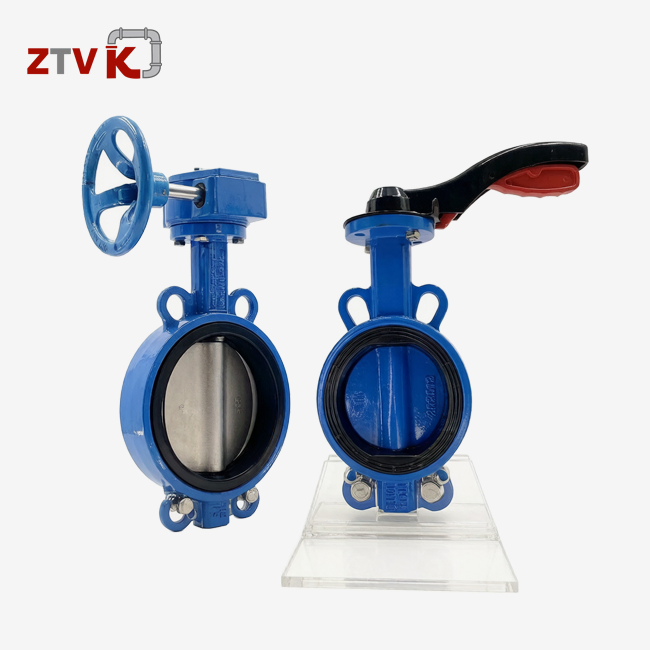
The way materials are put together is very important. A common setup has a covered ductile iron body, a CF8M disc, and an EPDM seat. This gives good performance at pressures up to PN16. This mix works well for local seawater intake systems and water treatment plants.
Elastomeric Seat Materials
EPDM rubber is widely used in sea water because it is very resistant to ozone, rust, and changes in temperature. It stays flexible from -40°C to 120°C, so it can expand with temperature changes without losing its ability to shut. EPDM is better than NBR options at keeping sea growth from sticking to it.
In important situations, PTFE chairs work perfectly with no leaks. This fluoropolymer doesn't react with many solvents and keeps its binding strength even when temperatures are very high or very low. In high-pressure areas of desalination plants, where even small leaks can cause trouble, PTFE-seated valves are important.
The seats made of Viton can handle high temperatures and harsh chemicals. Viton is thermally stable, which is good for power plants that use ocean cooling at temperatures close to 80°C. The material is more expensive than EPDM, but it lasts longer in harsh thermal conditions.
Design Features Influenced by Material Selection
Valve Body Construction and Component Integration
The width of the body wall and the amount of support needed depend on the material chosen. For DN150 valves, ductile iron bodies usually have walls that are 8–12 mm thick. However, similar CF8M bodies may have walls that are only 6–8 mm thick because they are stronger and lighter. This weight reduction makes fitting easier and lowers the size of the actuator that needs to be used.
Material uniformity is good for wafer-type designs. When the body and disc are made of the same material, their thermal expansion rates are exactly the same. This keeps them from sticking together when the temperature changes. ZTVK makes wafers in sizes ranging from DN40 to DN1200, making sure that the flanges work with ISO5211, JIS, and ANSI standards.
Matching the right materials is important for stem-to-body connections in sea water butterfly valves. To stop galvanic rusting, stems made of duplex stainless steel that work in bodies made of ductile iron need isolation bearings. ZTVK's double eccentric design keeps the stem from coming into touch with seawater, which means it can last longer than 50,000 cycles, even in harsh circumstances.
Actuator Compatibility and Drive Selection
The choice of material has a big effect on how much force an actuator needs. When compared to CF8M discs with PTFE seats, aluminum bronze discs have higher friction coefficients against EPDM seats. This difference in friction affects whether a hand handle, worm gear, gas, or electric actuator works best.
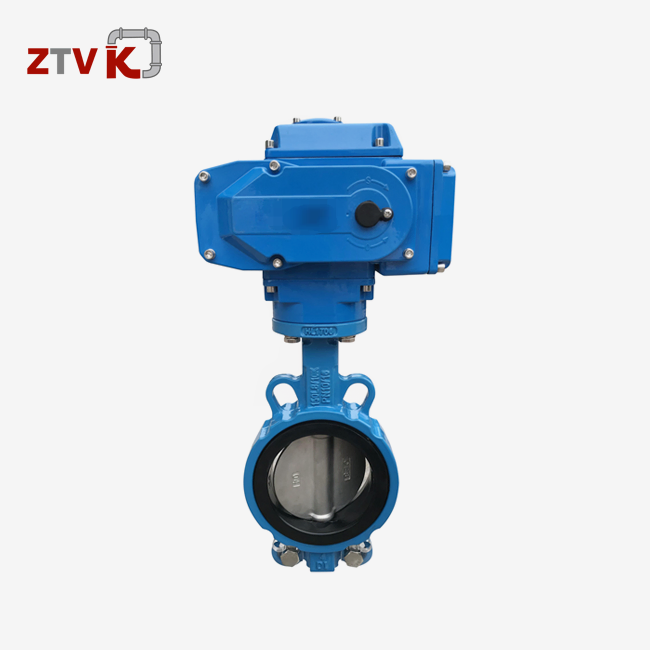
Hand levers work well for smaller sizes (up to DN100) where control by hand is still possible. Worm gear operators let you handle DN300 by hand and give you a technical edge by reducing the number of gears. For automated control systems, pneumatic actuators respond quickly, and for process control, electric actuators can precisely slow down motion.
ZTVK designs allow for changes to the actuator without having to update the valve body. ISO5211 mounting pads are cut into the tops of valves so that they can accept standardized actuator interfaces. This lets the system change from human to automatic operation in the field as needs change.
Coating Technologies and Surface Protection
When electrostatically applied, epoxy powder coats make walls that are 250 to 300 microns thick. When these coats dry at 180°C to 200°C, cross-linked polymer networks are formed that are strong against chemical and physical damage. For quality control, ASTM D3359 binding tests and 67.5V spark testers for holiday detection are used to make sure that everything is covered.
In important situations, cathodic protection methods work well with coating systems. If the coating gets damaged, the valve bodies have metal anodes that can be used as backup defense. It turns out that this two-layer method is standard practice for installing offshore drilling platforms.
Surface preparation affects how long a layer will last. ZTVK uses SA2.5 abrasive blasting to clean the metal to almost whiteness before applying the coating. This makes the coating stick better. Many rivals only use SA2.0 as a preparation standard, but this one is much higher, which means the finish will last much longer.
Choosing the Right Material for Your Application: Decision Support for Procurement Managers and Engineers
Operating Parameter Analysis
Pressure and temperature set the limits for what materials can be used. Most local and commercial seawater uses can be met by standard PN10/PN16 ratings. High-pressure areas in desalination plants may need PN25 or higher, which means they need Super Duplex or titanium parts that aren't normally available.
The rate of flow affects how easily weathering and rusting can happen. When sea water moves faster than 3 m/s, it creates rough conditions that speed up the loss of material, especially in copper alloys. Aluminum bronze works well up to 4 m/s, while duplex steel can handle speeds up to 6 m/s without breaking down.
The suspended solids' quantity changes the choice of material for the seat. Clean, cleaned seawater can have EPDM or NBR seats, but rough seawater with sand particles needs PTFE or metal seats that are more resistant to wear. Coastal power plants that get their power straight from the ocean usually ask for reinforced EPDM or dual-seat setups.
Material Performance Comparison Framework
Stainless steel choices are more resistant to rust, but they cost more. CF8M disks are about 40% more expensive than ductile iron discs of the same size, and Super Duplex components are twice as expensive. But lifetime cost analysis often picks stainless steel when it's hard or expensive to do upkeep on other materials.
Sea water butterfly valves Bronze metals are a good compromise between function and cost. Aluminum bronze disks and coated ductile iron bodies work well and cost about 60% less than all-stainless buildings. This mix is most common in offshore platform ballast systems that need to keep costs low but still be reliable.
Composite and lined options require less money up front. Rubber-lined ductile iron valves are 30–40% less expensive than bronze valves of the same type, and they protect against rust very well in low- to moderate-pressure situations. When valves are properly sealed, municipal water treatment plants that deal with amounts below PN10 get great results.
Certification and Material Verification
Positive Material Identification (PMI) with X-ray fluorescence spectroscopy checks the make-up of a material without damaging it. This test shows that stainless steels contain nickel and molybdenum, making sure that delivery matches specs. ZTVK does PMI on all of its important parts, and test results can be linked to specific heat numbers.
All pressure-retaining materials have mill test papers that list their chemical make-up and mechanical qualities. Depending on where the material comes from, these certificates use ASTM, EN, or JIS standards. Managers in charge of buying things should demand 3.1 certificates that are in line with EN 10204 and provide independent proof of material compliance.
Third-party inspection services give big projects extra peace of mind. Bureau Veritas, Lloyd's Register, and other similar groups watch over the processes of making, testing, and verifying materials. ZTVK is open to checks by outside parties and keeps documentation tools that allow for full factory acceptance testing.
Conclusion
When choosing a material for seawater butterfly valves, it's important to think about how it will corrode, how it will work, and how much it will cost over its lifetime. Duplex stainless steels, aluminum bronze, and malleable iron that has been properly secured are all good for certain types of jobs. Long-term performance that is reliable is ensured by knowing the working conditions, checking the approvals of the materials, and using the right upkeep strategies. The best results are achieved when procurement teams work with makers who show they know a lot about the materials they're making, keep quality control strict, and support thorough testing methods. When the right material is chosen, properly defined, and checked, it can last for decades without any problems in even the roughest marine settings.
FAQ
1. How do I determine corrosion resistance requirements for my specific seawater application?
Find the Pitting Resistance Equivalent Number (PREN) that your water chemistry needs. Normal sea water needs PREN above 30, but warm or dirty water needs 40+. When choosing materials, you should think about the temperature, the amount of salt, and the biological activity. When conditions are not within the normal range, ASTM G48 rust testing in a lab gives clear replies.
2. Can I request custom material combinations from OEM suppliers like ZTVK?
Of course. ZTVK has a lot of ODM options, and they can create custom material pairs based on how you use them. People often ask for Super Duplex discs with ductile iron bodies or special seat compositions that mix EPDM and PTFE for uses that need both chemical protection and flexibility. The 15–25-day custom production schedule meets the needs of each job while keeping quality standards high.
3. What documentation should I require to verify material authenticity?
Ask for EN 10204 3.1 million test records that show the chemical make-up and mechanical features. Need PMI test results for important parts, especially those made of metal and stainless steel. Third-party inspection papers from well-known organizations add to the proof. ZTVK keeps full track of all materials because all licenses can be checked against actual heat stamps on parts.
Partner with ZTVK for Reliable Seawater Butterfly Valve Solutions
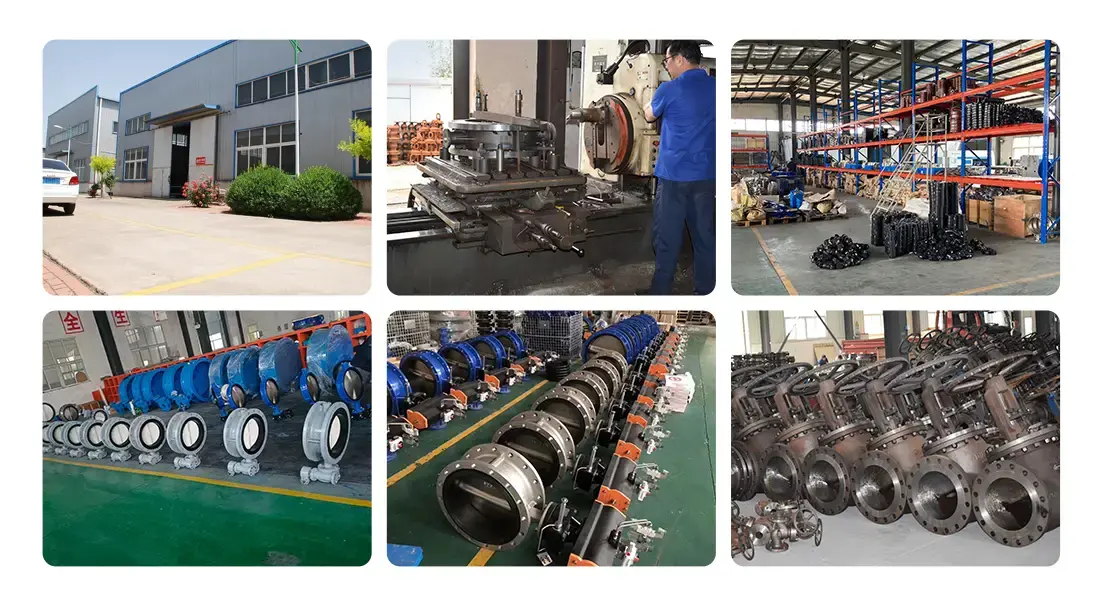
For more than 15 years, ZTVK has been making marine-grade butterfly valves at our plant in Tianjin, which is conveniently placed 50 km from Tianjin Port to make shipping around the world easy. Our knowledge of material engineering makes sure that every sea water butterfly valve can handle the tough conditions of industrial, offshore, and coastal marine uses. We keep more than 2,000 standard valves (DN50–DN600) in stock, so we can send them within three to seven days. In addition, our custom engineering team creates unique material configurations for specific operating situations.
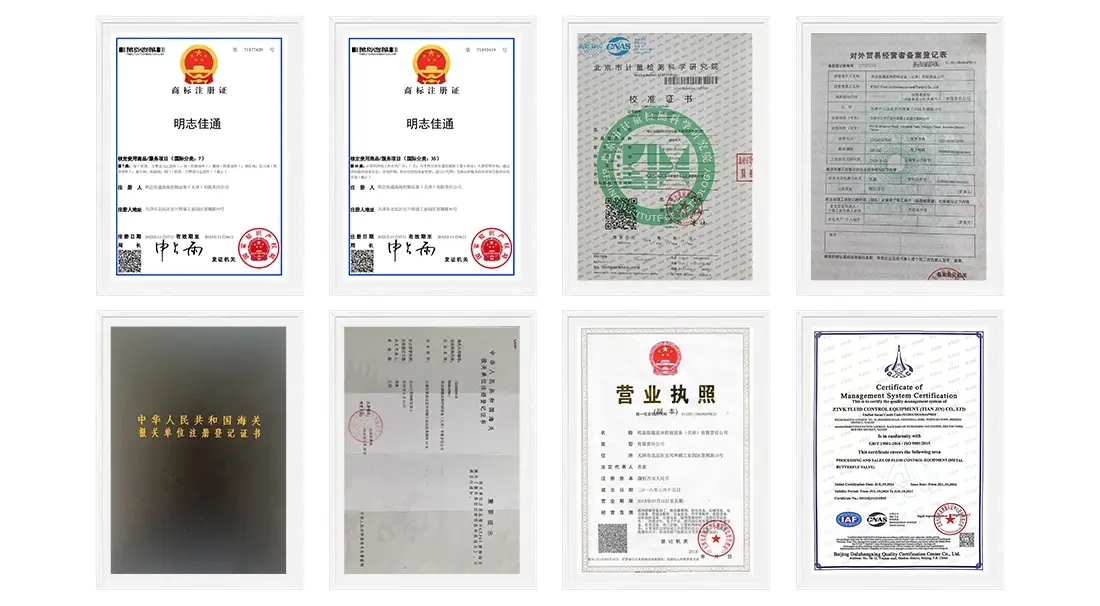
As a reliable company that makes sea water butterfly valves, we offer full OEM/ODM services and use a variety of materials, such as CF8/CF8M steel discs, aluminum bronze parts, and ductile iron bodies with high-tech finishing systems. As part of our quality control that is ISO9001-certified, we test all lining valves for PMI, hydraulic pressure (API 598), and holiday detection. Get in touch with our technical team at ktec86961886@163.com to talk about the materials you need and get thorough specs that are made to fit your needs.
References
1. American Society for Testing and Materials. "Standard Specification for Castings, Iron-Chromium-Nickel, Corrosion Resistant, for General Application." ASTM A743/A743M-19, 2019.
2. American Petroleum Institute. "Butterfly Valves: Double-Flanged, Lug- and Wafer-Type." API Standard 609, 11th Edition, 2018.
3. International Organization for Standardization. "Industrial Valves - Face-to-Face and Centre-to-Face Dimensions of Metal Valves for Use in Flanged Pipe Systems." ISO 5752:2021.
4. British Standards Institution. "Valves for Use in Flanged Pipe Systems - Metallic Valves for Seawater Applications." BS EN 12516-2:2014.
5. Manufacturers Standardization Society of the Valve and Fittings Industry. "Quality Standard for Steel Castings and Forgings for Valves, Flanges, Fittings and Other Piping Components - Visual Method for Evaluation of Surface Irregularities." MSS SP-55-2017.
6. NACE International. "Corrosion of Metals and Alloys in Marine Atmospheres." NACE TM0404-2019 Standard Test Method.
Send us your valve requirements and our team will provide professional solutions and fast quotations.
RELATED INDUSTRY KNOWLEDGE