- English
- French
- German
- Portuguese
- Spanish
- Russian
- Japanese
- Korean
- Arabic
- Greek
- German
- Turkish
- Italian
- Danish
- Romanian
- Indonesian
- Czech
- Afrikaans
- Swedish
- Polish
- Basque
- Catalan
- Esperanto
- Hindi
- Lao
- Albanian
- Amharic
- Armenian
- Azerbaijani
- Belarusian
- Bengali
- Bosnian
- Bulgarian
- Cebuano
- Chichewa
- Corsican
- Croatian
- Dutch
- Estonian
- Filipino
- Finnish
- Frisian
- Galician
- Georgian
- Gujarati
- Haitian
- Hausa
- Hawaiian
- Hebrew
- Hmong
- Hungarian
- Icelandic
- Igbo
- Javanese
- Kannada
- Kazakh
- Khmer
- Kurdish
- Kyrgyz
- Latin
- Latvian
- Lithuanian
- Luxembou..
- Macedonian
- Malagasy
- Malay
- Malayalam
- Maltese
- Maori
- Marathi
- Mongolian
- Burmese
- Nepali
- Norwegian
- Pashto
- Persian
- Punjabi
- Serbian
- Sesotho
- Sinhala
- Slovak
- Slovenian
- Somali
- Samoan
- Scots Gaelic
- Shona
- Sindhi
- Sundanese
- Swahili
- Tajik
- Tamil
- Telugu
- Thai
- Ukrainian
- Urdu
- Uzbek
- Vietnamese
- Welsh
- Xhosa
- Yiddish
- Yoruba
- Zulu
Spring Return Butterfly Valve Applications in Industrial Automation
When control signals or air pressure are lost, spring return butterfly valves, which are crucial fail-safe parts of automated industrial systems, are built to move to a preset safe position. Because these valves are both mechanically simple and safety-critical, they are essential in places like water treatment plants, chemical plants, HVAC installations, and emergency shutdown systems that need to protect people all the time.


Understanding Spring Return Butterfly Valves in Industrial Automation
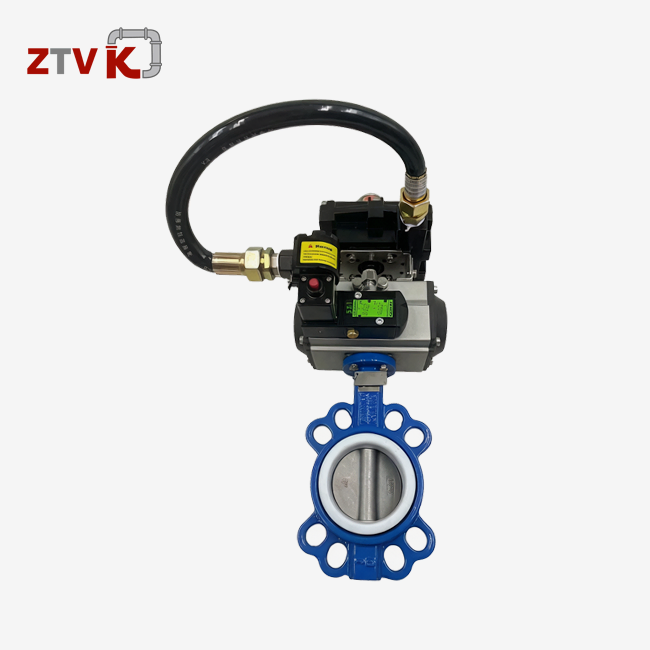
Spring return butterfly valves are at the heart of automated process control. They work with a beautifully simple system. These devices use compressed spring cylinders inside single-acting motors instead of double-acting valves, which need constant power to stay in place. When there are electrical or hydraulic signals, the actuator tightens the spring and turns the disc to control the flow. When the signal is lost, like when the power goes out, the air supply stops, or the emergency shutdown button is pressed, the spring releases its stored energy right away, moving the valve to its fail-safe position in seconds.
Core Components and Working Principle
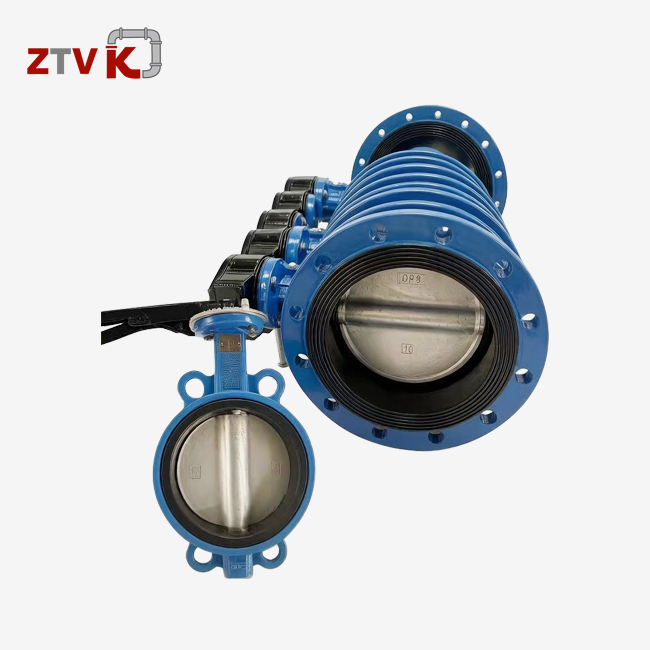
The valve system is made up of several carefully designed parts. The disc, which in our DN 125 type is usually made of corrosion-resistant CF8M stainless steel, spins on a strengthened shaft to control the flow of media. The QT450's ductile iron body gives it great structural strength while still being affordable for big purchases. EPDM seats meet ANSI Class VI leakage standards for bubble-tight shutdown even when uneven pressures are present. The wafer mounting design makes installation easier between flanges without needing extra tools. This cuts down on both weight and installation time, which is very helpful for project workers who are running out of time.
Fail-Safe Reliability in Emergency Scenarios
The safety bias that comes with spring-return butterfly valve designs is what makes them unique. People who are buying things can choose Fail-Closed (FC) designs for uses that need to stop flow right away, like in fuel lines or chemical feed systems, where leaks could be dangerous. Fail-Open (FO) versions, on the other hand, are used in cooling circuits and pressure release situations where the valve closing when power goes out could cause equipment to overheat or dangerous pressure to build up. This passive safety device doesn't depend on any outside control systems. It adds one more layer of protection that meets the requirements of an IEC 61508-rated SIL Safety Instrumented System.
Key Applications of Spring Return Butterfly Valves in Industrial Automation
Valves that work the same way in all kinds of working situations are needed for industrial automation. The sections that follow show how spring-return butterfly valve designs solve certain practical problems.
HVAC and Building Management Systems
These valves control the flow of chilled water, hot water, and ventilation dampers in business and industrial temperature control systems. In case of a fire, the building's management systems close valves to stop the spread of smoke or keep the airflow going through escape paths. Meeting fire safety codes across North America, the spring return butterfly valve device makes sure that the machine works reliably even when the electricity goes out. Our DN 125 wafer-style valve fits easily into existing pipes and doesn't need many changes, so HVAC workers can upgrade older systems without having to shut them down for a long time.
Municipal Water Treatment and Distribution
Backflow and water hammer events can damage pumping stations, so water companies depend on fail-safe valves to keep them safe. If a pump fails, there can be quick changes in flow that can cause pressure jumps of more than 150 psi in just milliseconds. To gradually release kinetic energy while preventing pipe rupture, spring return butterfly valves close at controlled rates—adjustable via exhaust speed controls. The EPDM seat material stays in line with NSF 61 potable water standards, meeting the strict safety and legal needs of city builders without any problems.
Chemical Processing and Petrochemical Operations
Chemical companies that work with harmful materials need valves that can handle harsh conditions and still work with Emergency Shutdown (ESD). The CF8M disc material is better at withstanding chlorides, acids, and alkaline solutions that are common in both batch reactors and continuous processes. When unusual pressure or temperature levels are found, automatic shutdown routines turn off all process units by opening spring-return butterfly valves across the building. This teamwork between multiple valves stops chain reactions that could turn into disasters, keeping people and property safe.
Food and Beverage Manufacturing
Equipment that keeps the process clean and under tight control is needed for sanitary processing lines. The movement of ingredients, CIP (Clean-In-Place) circuits, and clean filter systems are all controlled by spring-return butterfly valves with electropolished surfaces and FDA-compliant elastomers. The quarter-turn action cuts down on dead areas where bacteria could grow, and the fail-safe design keeps products separate when the power goes out. This keeps batches from getting contaminated with each other, which could ruin whole production runs.
Types and Materials of Spring Return Butterfly Valves
Spring return butterfly valves come in a variety of designs and materials. To choose the right valve configurations, you need to know about both the differences in mechanical design and how well materials work in different working situations.
Spring Return Versus Double-Acting Actuators
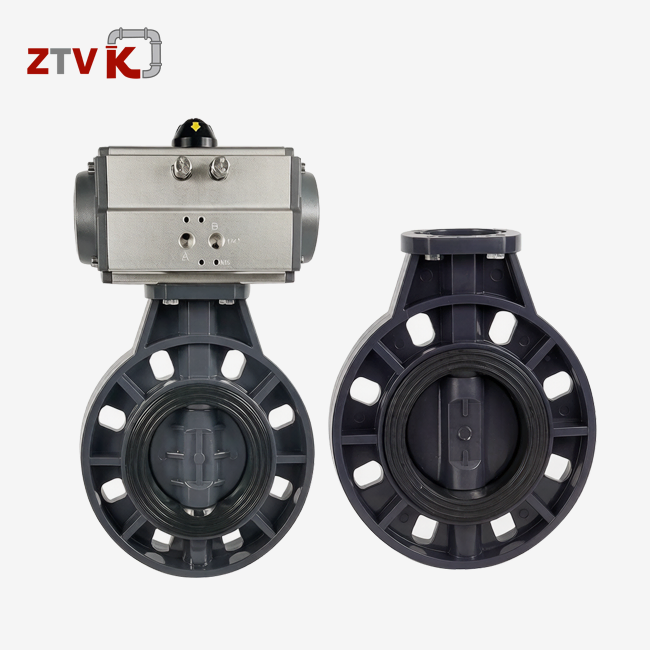
Double-acting actuators need air pressure for both the opening and closing strokes. They provide accurate changing control, but don't have a fail-safe way to position themselves. For assured emergency reaction, spring-return butterfly valve designs give up some modulation ability. The sizes of the actuators are very different. Spring return butterfly valves need cylinders that are 40–60% bigger than double-acting versions in order to generate enough force to squeeze the springs and overcome valve torque. This size factor affects the space needed for installation and the cost of buying it, but for important service uses, the safety benefits make the investment worth it.
Body Mounting Configurations
Our DN 125 type has a wafer form that fits directly between pipe flanges. It is held in place by through-bolts that press the valve body against gaskets. This configuration is small and light, which lowers the cost of installation. It works for low to middling pressure uses up to 232 psi. Lug-style bodies have threaded inserts that let you take off a single flange for repair work further down the line without having to mess up the whole unit. Double-flanged versions are the most rigid and can handle the most pressure. They are best for places with a lot of vibration and for large-diameter pipes where structural stability is very important.
Material Selection for Durability
The QT450 ductile iron bodies are strong mechanically and inexpensive, and they can be used in water, air, and neutral gases that don't corrode. The texture of graphite makes the material more flexible and better able to handle temperature changes and pressure changes than grey cast iron options. CF8M discs, which are made of 316 stainless steel equivalent, are chemically compatible with a wide range of materials, from desalinating seawater to processing pharmaceuticals. EPDM seats can handle temperatures from -40°F to 250°F and keep their flexibility over thousands of cycles. PTFE or metal-seated models are also available for uses that need to be serviced less often or at high temperatures.
How to Select the Right Spring Return Butterfly Valve for Industrial Automation
To make sure the project is a success, procurement choices should always compare technical needs with what suppliers can do. Taking a look at operational parameters involves documenting the chemical makeup, solid content, viscosity, and acidic qualities of the fluid. Ranges of temperature and pressure determine the type of material and size of the actuator.
Evaluating Operational Parameters
First, write down the chemical makeup, solid content, viscosity, and acidic qualities of the fluid. Ranges of temperature and pressure determine the type of material and size of the actuator. Our DN 125 valve can handle media up to 250°F and 232 psi, which is enough for 80% of HVAC and water distribution jobs. The pressure drop across the valve at different opening points is determined by the flow coefficient (Cv) numbers. This is important for keeping the hydraulic system working well. Setting the fail-safe action speed makes sure that the spring force and emergency reaction times are in sync. Depending on the actuator spring packs, common closure speeds range from 1 to 5 seconds.
Comparing Actuation Technologies
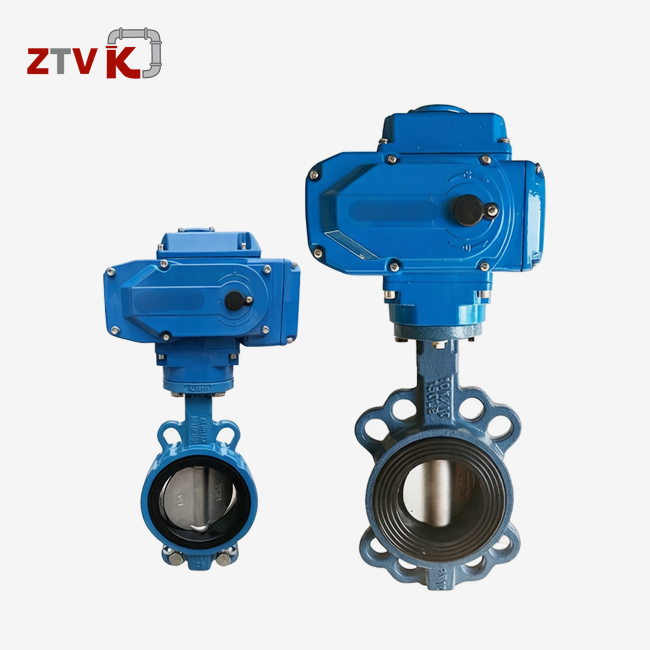
Pneumatic spring return butterfly valves are the most common type of industrial automation because they respond quickly, are safe in dangerous environments, and are easy to connect to existing plant air systems. Electric spring return butterfly valve actuators work well in remote areas that don't have access to compressed air, but battery backup systems make them more complicated and require more upkeep. For large-diameter valves in power plants and offshore platforms, hydraulic models offer a lot of force. The choice depends on the services that are available, the type of environment, and the total cost of ownership, which includes how much energy is used and how often it needs to be maintained.
Supplier Evaluation Criteria
In addition to product specs, choosing a supplier has a huge effect on how the job turns out. ZTVK keeps more than 2,000 standard valve units in warehouses in Tianjin. This means that pressing orders can be delivered in 3–7 days, which solves the problem of long wait times that wholesalers and contractors often have. Our ISO9001, ISO14001, and OHSAS18001 certifications show that we have strict quality control throughout all of our manufacturing processes. Additionally, our API 609 and ISO 5752 measurement compliance makes sure that our valves can be used with other valves that meet world standards. The plant is only 50 kilometres from Tianjin Xingang Port, which makes exporting easier. Established partnerships between COSCO and Maersk provide reliable FOB and CIF pricing systems that make foreign buying easier.

Maintenance, Troubleshooting, and Enhancing Performance
To get the most out of a spring return butterfly valve's life, it needs to be maintained regularly and be able to quickly diagnose problems when they happen. Visual reviews should be done every three months to check the actuator case for corrosion, while annual protocols require inspection of internal components.
Routine Inspection Protocols
Visual reviews should be done every three months to check the actuator case for corrosion, make sure the mounting bolt torque specs are met, and make sure the indicator is lined up with the actual disc position. Every year, take off the actuator and look at the spring cylinders for signs of wear, corrosion, or deformation. However, current designs with trapped springs rarely need to be replaced before 100,000 cycles. To stop galling and lower breakout torque, lubricate shaft bearings with greases that are allowed by the manufacturer and work with process media. To check the seat, you have to close the valve and watch the pressure drop downstream. If the leaking goes beyond what the maker recommends, it means the seat is worn out and needs to be replaced.
Common Operational Issues
When exhaust ports or mufflers get clogged, they make it hard for air to flow, which causes spring return speeds to be slow. For ESD use, installing quick exhaust valves speeds up the closing process. In liquid services, variable speed controls stop water hammer. Most of the time, valves stick because the packing on the shaft is corroded and stuck to it, or the media on the disc surfaces has solidified. Fixing the problems at their source, like using corrosion-resistant shaft coatings or setting up automatic cleaning processes, works better than repeatedly freeing stuck parts. If a rubber seat fails too soon in abrasive services, metal seats may need to be upgraded, or valves may need to be moved farther downstream of the filter equipment.
Predictive Maintenance Integration
Modern tools for industrial automation include position sensors, torque measurements, and records of actuator air pressure to check the state of valves. If you look at these factors over time, you can see that performance is slowly getting worse before a major failure happens. Too much force can mean that the seat is wearing out or the shaft is getting stuck, while long stroke times can mean that the springs are wearing out or there are airflow problems. Adding these diagnostic features during the original installation sets a standard against which future performance can be judged. This allows for data-driven repair planning that cuts down on unnecessary downtime and increases the service life of components.
Conclusion
Spring return butterfly valves have been used for a long time in industrial control systems that need to work reliably and safely. It meets important safety and process control needs in water systems, chemical plants, HVAC installations, and industrial operations by being mechanically simple, responding quickly to emergencies, and being compatible with a wide range of materials. To choose the right configurations, you have to balance technical requirements with what the seller can do, such as quality certifications, delivery processes, and long-term support. The DN 125 wafer-style valve from ZTVK has a QT450 body, a CF8M disc, and an EPDM seat. It is an example of how engineering can be optimised for mass buying to save money without sacrificing performance or regulatory compliance.
Frequently Asked Questions
1. What determines whether I should specify a Fail-Closed or a Fail-Open configuration?
Failure-safe placement is based on process safety research. When the power goes out, Fail-Closed designs stop flow right away, keeping dangerous materials from leaking or equipment from getting dirty. This works well for fuel lines, chemical feeds, and separation. Fail-Open designs let pressure out or keep the flow of cool air going, which keeps equipment from breaking down from too much heat or pressure. This arrangement works well for cooling water lines, pressure release devices, and ventilation needs. Look at the paperwork from the process hazard analysis to find the best default setting for each valve.
2. Why are spring return actuators physically larger than double-acting models?
The actuator needs to make enough force to squeeze the internal springs and overcome the valve's breakout torque and mounting forces at the same time. In double-acting systems, air pressure helps with both the opening and closing strokes, so this needs bigger piston areas. Inside the actuator body, the spring cylinders take up a lot of space. Usually, valves are sized with 25–30% safety factors added on top of the estimated torque needs to make sure they work reliably over the valve's service life, even as the springs lose tension.
3. Can spring return valves perform throttling control effectively?
Electro-pneumatic positioners allow for varying control, but moving them around a lot speeds up the wear on the springs and actuator seals. Instead of the simple open-close job they're designed for, the springs are continuously compressed, which greatly reduces the time between services. On-off separation and safety interlock work really well with spring-return butterfly valves. If your process needs exact flow control with a fail-safe backup, you might want to look into double-acting valves with different spring return override modules or redundant control systems that keep the valve in place when something goes wrong.
Partner with ZTVK for Reliable Spring Return Butterfly Valve Solutions
ZTVK offers complete automation valve solutions and has been making things for 15 years in Tianjin's industry center. We have DN 125 types of spring return butterfly valves in stock. These valves have QT450 bodies, CF8M discs, and EPDM seats and are designed to meet strict requirements in HVAC, process control, and water distribution. We are a well-known company that supplies industrial valves, and our ISO9001, API 609, and ANSI safety certifications have been checked by third-party auditors.
Bulk purchasers benefit from competitive factory-direct pricing, 3-7 day delivery on standard models from our 2,000+ unit warehouse inventory, and customized OEM branding services. Our location in Tianjin makes it easy to get to Xingang Port, which makes it possible for us to make efficient FOB and CIF shipping plans through our partnerships with COSCO and Maersk. Let ZTVK be the spring-return butterfly valve maker you trust for projects that need quality, dependability, and an efficient supply chain. Please email us at ktec86961886@163.com.
References
1. American Petroleum Institute. (2018). Butterfly Valves: Double Flanged, Lug- and Wafer-Type (API Standard 609, 6th ed.). Washington, DC: API Publishing Services.
2. International Electrotechnical Commission. (2010). Functional Safety of Electrical/Electronic/Programmable Electronic Safety-Related Systems (IEC 61508). Geneva: IEC Central Office.
3. American Water Works Association. (2016). Butterfly Valves: Sizes 2 In. Through 72 In. (50 mm through 1,800 mm) (AWWA C504-17). Denver, CO: AWWA Publications.
4. Lyons, Jerry L. (2015). Valve Selection Handbook: Engineering Fundamentals for Selecting the Right Valve Design for Every Industrial Flow Application (5th ed.). Burlington, MA: Gulf Professional Publishing.
5. Zappe, R.W. (2004). Valve Selection Handbook (5th ed.). Houston, TX: Gulf Publishing Company.
6. Parisher, Roy A., & Rhea, Robert A. (2012). Pipe Drafting and Design (3rd ed.). Waltham, MA: Butterworth-Heinemann.
Send us your valve requirements and our team will provide professional solutions and fast quotations.
RELATED INDUSTRY KNOWLEDGE