- English
- French
- German
- Portuguese
- Spanish
- Russian
- Japanese
- Korean
- Arabic
- Greek
- German
- Turkish
- Italian
- Danish
- Romanian
- Indonesian
- Czech
- Afrikaans
- Swedish
- Polish
- Basque
- Catalan
- Esperanto
- Hindi
- Lao
- Albanian
- Amharic
- Armenian
- Azerbaijani
- Belarusian
- Bengali
- Bosnian
- Bulgarian
- Cebuano
- Chichewa
- Corsican
- Croatian
- Dutch
- Estonian
- Filipino
- Finnish
- Frisian
- Galician
- Georgian
- Gujarati
- Haitian
- Hausa
- Hawaiian
- Hebrew
- Hmong
- Hungarian
- Icelandic
- Igbo
- Javanese
- Kannada
- Kazakh
- Khmer
- Kurdish
- Kyrgyz
- Latin
- Latvian
- Lithuanian
- Luxembou..
- Macedonian
- Malagasy
- Malay
- Malayalam
- Maltese
- Maori
- Marathi
- Mongolian
- Burmese
- Nepali
- Norwegian
- Pashto
- Persian
- Punjabi
- Serbian
- Sesotho
- Sinhala
- Slovak
- Slovenian
- Somali
- Samoan
- Scots Gaelic
- Shona
- Sindhi
- Sundanese
- Swahili
- Tajik
- Tamil
- Telugu
- Thai
- Ukrainian
- Urdu
- Uzbek
- Vietnamese
- Welsh
- Xhosa
- Yiddish
- Yoruba
- Zulu
Flanged Check Valve: Swing, Lift, and Dual Plate Types
Stopping backflow isn't just a technical choice when you're in charge of fluid systems in harsh industrial settings; it's a must. This is exactly what a 4 inch flanged check valve is for; it automatically protects itself by letting fluid run in one way but stopping it from flowing backwards. These non-return valves come in swing, lift, and dual plate styles and are made with flanged ends that bolt directly to pipeline systems. This makes sure that connections are safe and upkeep is easy. If you're looking for parts for HVAC setups, petrochemical plants, or local water systems, knowing the differences between these kinds of valves can help you avoid costly downtime and damage to equipment.
Understanding Flanged Check Valves: Types and Working Principles
Flanged check valves have end links that meet ASME B16.5 or DIN norms. This means that they can be used with most industrial pipe systems. Unlike threaded or wafer-style valves, flanged models offer strong closing and can be removed without damaging the pipes next to them, which is very helpful for maintenance or system updates.
What Makes Flanged Connections Preferable?
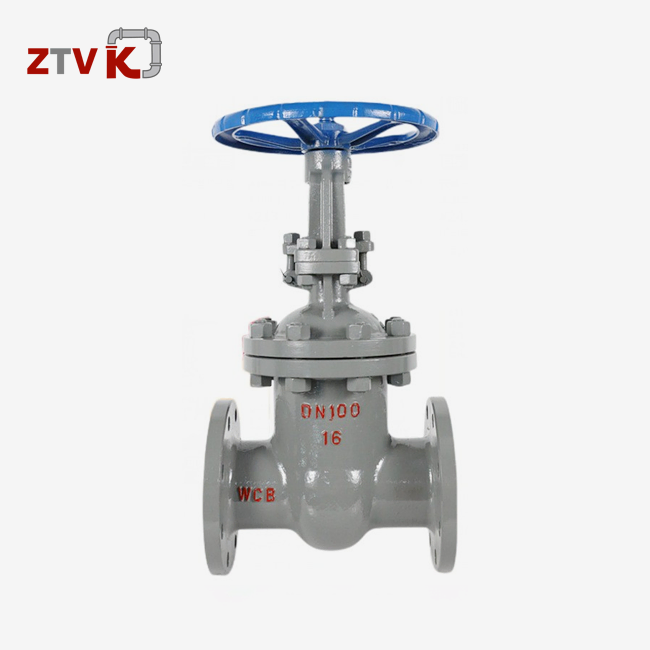
When the pressure changes, flanged links spread stress evenly across the valve body, which lowers the chance of leaks. To install something, you have to line up the bolt holes with the flanges on the pipes that match, put in gaskets, and tighten the bolts to the stated torque values. This method guarantees a bubble-tight seal even in temperatures ranging from -20℃ to 200℃, as seen in ZTVK's HC41X model range, which includes sizes from DN40 to DN300. The nominal pressure number of 1.6 MPa makes these valves ideal for general industrial use. Better materials, such as WCB carbon steel, make them last longer in environments that are corrosive.
How do swing check valves operate?
A flexible disc on a swing check valve opens when flow moves forward and closes when flow stops or changes direction. Because of its shape and weight, the disc can close softly, which reduces water hammer, a sudden rise in pressure that can break pipes. This design works best in horizontal pipes with steady flow rates, but some types can be used in vertical installs with the help of a spring. Because they have a simple structure inside, swing types are great for large-diameter uses that need to save energy.
Lift Check Valve Mechanics
A directed disc or piston rises off its place in a lift check valve when the flow is going forward and falls back under the force of gravity or a spring when the flow is going backward. As the disc moves along a center stem, it stays in place and seals tightly. This design has a slightly higher pressure drop than swing types, but it works great in systems that need to close quickly to keep pumps and compressors from getting damaged by reverse spin. Lift valves are often used for services that involve steam, gas, and high-speed liquids.
Dual Plate Check Valve Design
Dual plate valves have two half-circle plates that are attached to a central hinge pin and open outward like butterfly wings when flow pressure is applied. This small, light design makes it possible to place in small spaces and between flanges with very little face-to-face room. As the flow slows down, the plates close fast, which lowers the risk of slam and noise. Dual-plate designs are preferred in places where weight reduction is important, like remote platforms, and where rotation happens a lot.
Material Selection and Pressure Ratings
The choice of material has a direct effect on how long the valve lasts and how well it works with process media. WCB carbon steel can handle moderate temperatures and pressures in oil, gas, and chemical processes, while cast iron is good for regular water and low-pressure uses. Grades of stainless steel like CF8M don't rust in acidic, alkaline, or salt environments, so they don't need to be serviced as often. Pressure levels usually fall between Class 125/150 for city water systems and Class 300/600 for refinery process lines. The dimensions of the faces of the pipes must meet ASME B16.10 standards so that they can be used with other pipes.
Performance and Application Analysis of Flanged Check Valve Types
To choose the right valve type, you have to think about the flow properties, the pressure, and the operating conditions. Each arrangement has its own benefits that meet the needs of a certain industry.
Comparing Flow Dynamics and Pressure Drop
Because the disc is fully open and almost aligned to the flow of fluid, swing check valves (4 inch flanged check valves) have the least amount of resistance to movement. Because of this, they work well in gravity drainage systems and other situations where wasting as little energy as possible is important. Even though lift valves cause a small drop in pressure, they seal better in high-pressure steam lines where leaks could be dangerous. Dual plate valves are a good compromise because they allow for small installations with enough pressure drop for medium flow rates.
Noise and Vibration Control
When systems move at high speeds or have pumps that start and stop a lot, hydraulic shock and noise become big problems. Swing valves with padded seats or dashpots lessen the effect of closing, keeping noise levels below 80 dB, which is needed in buildings that are being used by people. The HC41X sound-damping check valve from ZTVK has special closing parts that take in energy when the valve is closed. This stops the noise that is common in urban water distribution networks. The split-disc design of dual-plate designs naturally lowers slam because it spreads the closing force out evenly.
Corrosion Resistance and Material Durability
Material specifications are set by the operating surroundings. Valve bodies in municipal wastewater lift stations have to be made of malleable iron with epoxy coats or bronze because they are exposed to sewage that is corrosive and solids that are rough. Stellite-faced seats protect petrochemical transfer lines from wear caused by particles suspended in hydrocarbons. These seats are useful for lines that move crude oil or finished products. For HVAC chiller loops that use glycol mixes, the building must be made of stainless steel or bronze to avoid dezincification and pitting, which weaken the seal over time.
Industry-Specific Applications
When municipal builders put 100mm bore check valves in fire safety systems, they make sure they meet UL/FM standards and that the valves shut off bubble-tight according to API 598 seat closure tests. When HVAC engineers choose valves for cooling tower bypass lines, they want them to be quiet and close with a spring to keep the columns from separating. When EPC companies buy valves for oil refinery pump discharge lines, they need to be certified according to API 6D, go through PMI testing to make sure the metal is what it says it is, and undergo hydrostatic shell tests at 1.5 times the standard pressure to make sure the structure stays strong when temperatures change.
Technical Guidance on Installation and Maintenance
Proper installation and regular repair keep valves working longer and keep them from shutting down without warning. Paying attention to direction, torque requirements, and check-up times will improve the stability of the system.
Pre-Installation Checks and Orientation
Before installing, make sure the flanges are clean and flat, and get rid of any burrs or weld spatter that could hurt the seals. Check to see if the valve's pressure number and material grade meet the needs of the system. To allow gravity to close, swing valves must be placed with the hinge pin horizontal. Models that are installed vertically must be spring-loaded. Lift valves can work in any direction, but they work best when they are laid out horizontally so that the disc fits equally. Dual plate valves can be mounted either horizontally or vertically, but the flow direction signs on the body must line up with the flow in the pipeline.
Gasket Selection and Bolt Torque
For water service, the gasket material should be compressed non-asbestos fiber. For steam service, it should be spiral-wound graphite, and for acids, it should be PTFE. To keep the gasket from coming out and the seats from being uneven, use even pressure in a star design. When you over-torque, you bend flanges and put stress on nuts. When you under-torque, you risk leaks when the pressure goes up. For torque numbers that are right for your bolt size and material grade, look at the ASME PCC-1 standards.
Maintenance Intervals and Inspection Procedures
Visual checks should be done every three months to look for external leaks, rust, and strange noises. Take the valve apart once a year to check the seat areas for damage, wear, or growth of deposits. Use allowed solvents to clean the parts and lap the seating areas if they have small flaws. As a safety step, replace seals, gaskets, and springs that are worn out. According to API 598, you should test for seat leakage and accept closing rates below 40 drops per minute for metal-seated valves or zero leakage for soft-seated designs. Keep track of wear and tear trends and plan proactive repairs by writing down what you find in maintenance logs.
Troubleshooting Common Issues
In a 4 inch flanged check valve, foreign objects getting stuck between the disc and the seat are a common cause of persistent leaking. This can be fixed by cleaning the system and adding upstream strainers. If the disc is chattering or vibrating, it means that the flow speed is not fast enough to keep it open. You might want to downsize the valve or switch to a spring-loaded type. In abrasive services, early wear means that the trim needs to be upgraded with hard faces or the valve needs to be moved farther downstream of the filter equipment. To fix water hammer damage, you need to add surge tanks, speed up the valves' closing, or put in pump control valves that slowly lower the flow.
Choosing the Right Flanged Check Valve: A B2B Procurement Perspective
When making a procurement choice, you have to look at technical specs, the reliability of the provider, and the total cost of ownership. Knowing the pros and cons of different valve types and materials helps make choices that are in line with practical goals.
Swing Versus Lift Valve Selection Criteria
If you want to keep the pressure drop as low as possible in big, low-pressure pipes, you should use swing check valves, which take up a little more installation room. Because they are simple, they are easy to maintain and don't cost much for city water distribution and gravity drainage. Lift valves are best for situations with high-pressure steam, gas, or pulsing flow where equipment needs to be protected quickly and product needs to be kept from escaping. Their vertical disc motion works well in places where there isn't enough room for a horizontal swing.
Flanged Versus Wafer Connection Trade-Offs
Flanged valves make it easier to take them off for inspection without taking apart the pipes next to them, which cuts down on maintenance downtime. They work better when the flanges aren't lined up perfectly than chip designs, which clamp between the flanges and need exact spacing. Wafer valves are good for remote projects that need to save weight or retrofits that don't have a lot of room because they cut down on installation length and weight. People on a tight budget may choose wafer types because they are cheaper at first, but flanged models usually end up being cheaper in the long run because they are easier to service.
Material Cost and Performance Balance
While cast iron has the lowest initial cost and works well in moderate-temperature, non-corrosive water, it becomes weak below -20℃ and breaks when exposed to sudden changes in temperature. But WCB carbon steel can handle higher pressures, wider temperature ranges, and mildly acidic substances like crude oil. It costs 30 to 50 percent more. Investing in stainless steel costs 100–150% more than investing in cast iron at first, but it is worth it in uses that are exposed to salt water, chemicals, or food, where high standards for hygiene and corrosion protection are required.
Evaluating Supplier Certifications and Warranties
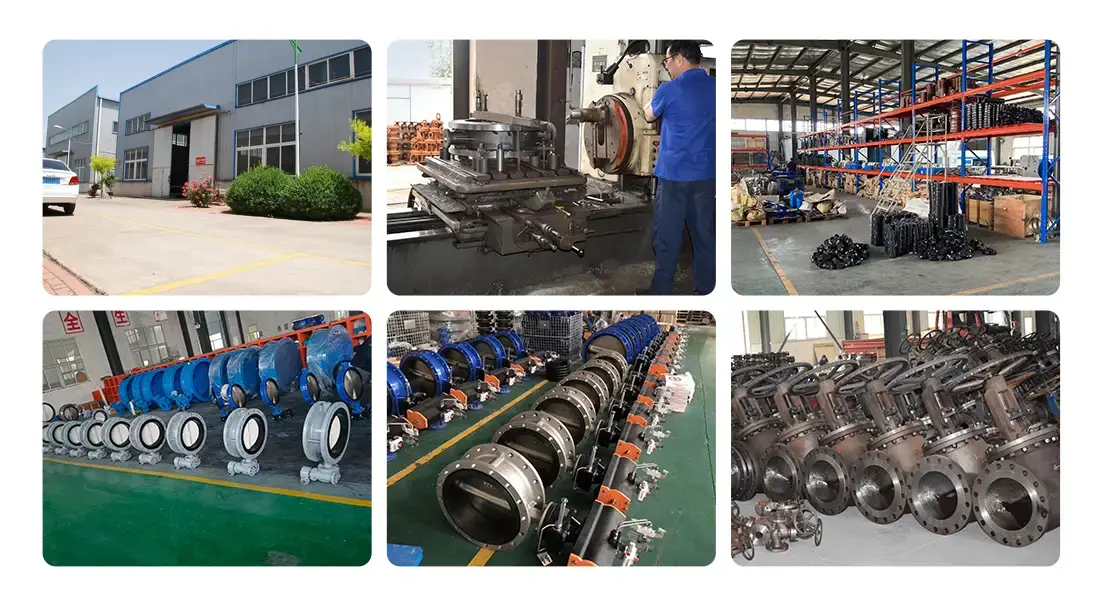
Make sure that any potential sellers of 4 inch flanged check valves have ISO 9001 quality management certification, which shows that they have written process controls. API, ANSI, and CE approval shows that a product meets safety and performance standards around the world. Ask for copies of material test records (MTR) and PMI data that show what the alloy is made of. The warranty should cover problems with the way the product was made for at least 18 months, and there should be quick expert help and replacement parts available. Established companies like ZTVK, which has been making specialized goods in Tianjin's industrial zones for over 15 years, show operating security and supply chain reliability that procurement pros value.

Conclusion
Choosing the right flanged check valve—swing, lift, or dual plate—depends on how much flow needs to be balanced, the pressure, the fitting room, and the budget. Lift valves are better at sealing in high-pressure systems, while swing valves work best in low-resistance, large-bore situations. Dual plate designs are small and light for setups with limited room. The decision of whether to use cast iron, WCB carbon steel, or stainless steel depends on the temperature at which it will be used, its exposure to corrosion, and a study of its lifetime costs. Tough seller evaluations that look at things like licenses, stock availability, customization options, and support after the sale make sure that choices about what to buy improve the reliability and efficiency of the system.
FAQ
1. How Long Do Flanged Check Valves Typically Last?
Service life ranges from 10 to 25 years, depending on the type of material used, the climate in which it is used, and how often it is maintained. Cast iron valves in clean water systems usually last longer than 15 years. WCB steel parts in oil and gas use can last 20 years or more with regular checks. Stainless steel valves can last longer than 25 years in acidic media. Regular care, like taking it apart once a year, lapping the seats, and replacing the seals, greatly increases its usefulness.
2. Should I Choose Swing or Lift Type for My Application?
When low pressure drop is important, swing check valves work best in horizontal pipes with steady, moderate flow rates. Lift valves work best for vertical lines, high-pressure steam, or pulsing flows that need to close quickly and tightly. Dual plate designs are good for situations where small placement and weight reduction are important. Talking to sellers like ZTVK, who can give advice based on the purpose, can help you make the best choice.
3. Can These Valves Handle High Temperatures and Corrosive Fluids?
Yes, as long as the materials are the right grade. The HC41X type from ZTVK can handle temperatures from -20°C to 200°C and is good for steam, hot water, and some chemical processes. The CF8M trim is made of stainless steel, which makes it more resistant to acids, saltwater, and chlorine conditions. Stellite hard-facing doesn't wear away in waste services. Valve materials should always be matched to the requirements of the process media. For help, look at material compatibility lists or talk to experts at the provider.
Partner with ZTVK for Reliable Flanged Check Valve Solutions
ZTVK is a valve company in Tianjin that has been around for more than 15 years. They make industrial-grade check valves that meet ISO, API, and CE standards. Our HC41X sound-dampening flanged check valve works well to stop overflow in water, HVAC, and industrial systems. It comes in sizes DN40 to DN300 and is made of cast iron or WCB. We keep more than 2,000 standard valve units in stock so that we can ship them quickly (within 3–7 days), and we can also customize them to fit your brand and technical needs through OEM/ODM. We are only 50 km from Tianjin Port and offer both FOB and CIF terms, as well as easy export operations. You can email our expert team at ktec86961886@163.com for more information, competitive bulk prices, or an engineering advice. Whether you're a distributor looking for a reliable 4 inch flanged check valve provider or a contractor needing large amounts for a project, ZTVK can help. They combine the efficiency of Chinese production with the quality guarantee of the international market.
References
1. American Society of Mechanical Engineers (ASME). "ASME B16.10: Face-to-Face and End-to-End Dimensions of Valves." New York: ASME Standards, 2017.
2. American Petroleum Institute (API). "API 598: Valve Inspection and Testing." Washington, D.C.: API Publishing Services, 2016.
3. Skousen, Philip L. "Valve Handbook." 3rd ed. New York: McGraw-Hill Professional, 2011.
4. British Standards Institution (BSI). "BS EN 12266-1: Industrial Valves – Testing of Metallic Valves." London: BSI Standards, 2012.
5. Nesbitt, Brian. "Handbook of Valves and Actuators: Valves Manual International." Oxford: Elsevier Science, 2007.
6. Zappe, R. W. "Valve Selection Handbook: Engineering Fundamentals for Selecting the Right Valve Design for Every Industrial Flow Application." 5th ed. Houston: Gulf Professional Publishing, 2004.
Send us your valve requirements and our team will provide professional solutions and fast quotations.
RELATED INDUSTRY KNOWLEDGE