- English
- French
- German
- Portuguese
- Spanish
- Russian
- Japanese
- Korean
- Arabic
- Greek
- German
- Turkish
- Italian
- Danish
- Romanian
- Indonesian
- Czech
- Afrikaans
- Swedish
- Polish
- Basque
- Catalan
- Esperanto
- Hindi
- Lao
- Albanian
- Amharic
- Armenian
- Azerbaijani
- Belarusian
- Bengali
- Bosnian
- Bulgarian
- Cebuano
- Chichewa
- Corsican
- Croatian
- Dutch
- Estonian
- Filipino
- Finnish
- Frisian
- Galician
- Georgian
- Gujarati
- Haitian
- Hausa
- Hawaiian
- Hebrew
- Hmong
- Hungarian
- Icelandic
- Igbo
- Javanese
- Kannada
- Kazakh
- Khmer
- Kurdish
- Kyrgyz
- Latin
- Latvian
- Lithuanian
- Luxembou..
- Macedonian
- Malagasy
- Malay
- Malayalam
- Maltese
- Maori
- Marathi
- Mongolian
- Burmese
- Nepali
- Norwegian
- Pashto
- Persian
- Punjabi
- Serbian
- Sesotho
- Sinhala
- Slovak
- Slovenian
- Somali
- Samoan
- Scots Gaelic
- Shona
- Sindhi
- Sundanese
- Swahili
- Tajik
- Tamil
- Telugu
- Thai
- Ukrainian
- Urdu
- Uzbek
- Vietnamese
- Welsh
- Xhosa
- Yiddish
- Yoruba
- Zulu
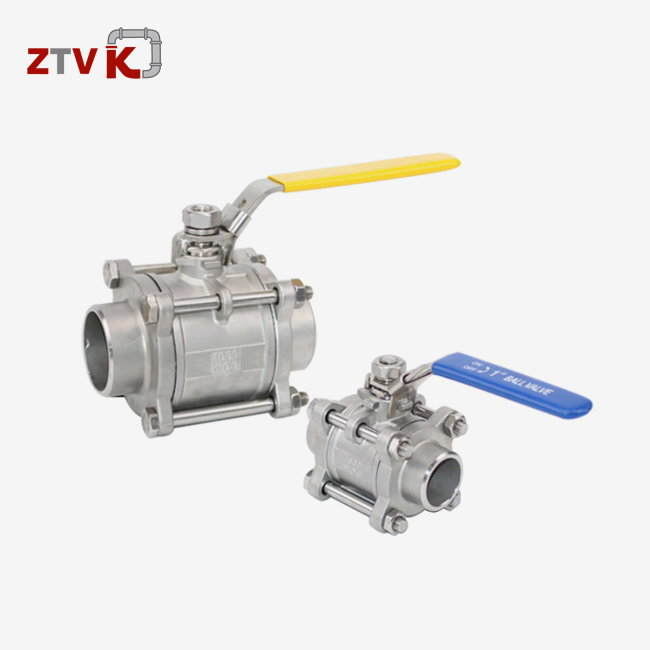
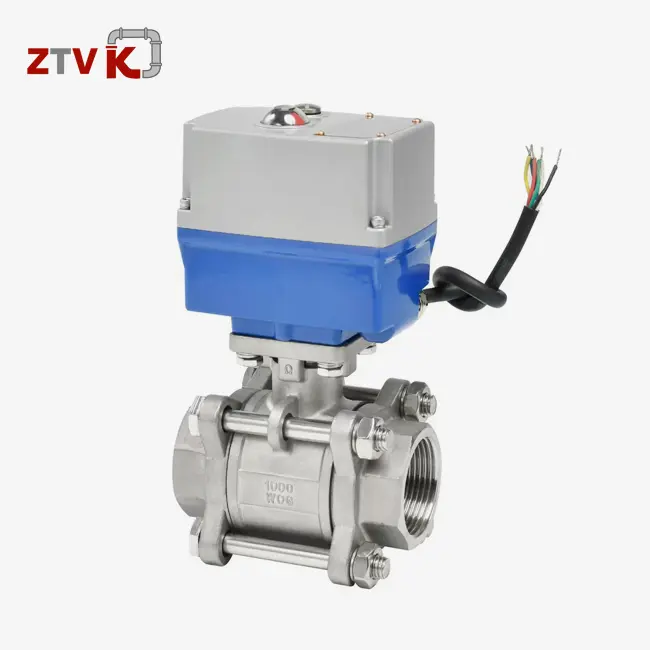
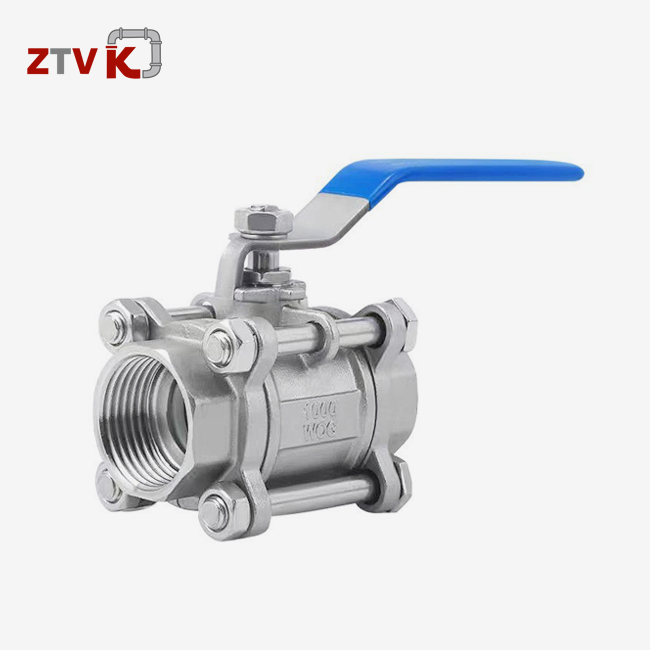
3 Piece 316 Stainless Steel Welded Ball Valve
1/4” through 4”
Pressure Rating:
1000 WOG
Ends:
NPT, Socket Weld
Body Materials:
316 Stainless Steel
Ball & Stem Materials:
316 Stainless Steel
Seat Materials:
15% Glass Filled Teflon
Standards:
ISO 5211
3 Piece 316 Stainless Steel Welded Ball Valve — Permanent Connection, In-Line Serviceability for Demanding Process Systems
The 3 Piece 316 Stainless Steel Welded Ball Valve is a quarter-turn isolation valve designed for industrial pipelines where joint leakage is not acceptable. It has a three-part body that incorporates end connectors — Socket Weld (SW) or Butt Weld (BW) — and an in-line replaceable central piece. Available from 1/4” through 4” Rated 1000 WOG Constructed of ASTM A351 CF8M (316-grade) stainless steel Designed for corrosive, high vibration and thermally cycled process systems where threaded connections cannot be relied upon.
What Is a 3 Piece 316 Stainless Steel Welded Ball Valve?
This 3 Piece 316 Stainless Steel Welded Ball Valve consists of three separate body sections: one center body housing the ball and stem packing, plus two end caps welded directly to the pipeline. The benefit of this design over a two-piece welded valve is two-fold, first, it provides a permanent weldable pipe junction, and second, the ability to change seats and seals, without cutting the line, via an accessible central part.
The body material is 316 SS, which under ASTM A351 CF8M has 2-3% Molybdenum, which provides substantially superior pitting and crevice corrosion protection than 304 SS. This distinction pertains to chloride rich, acidic or marine service environments where 304 SS corrodes prematurely.
The welded ends avoid the leak routes inherent to NPT threaded connections. This is important for high-vibration systems and lines experiencing frequent heat cycling, where threaded connections might loosen with time.
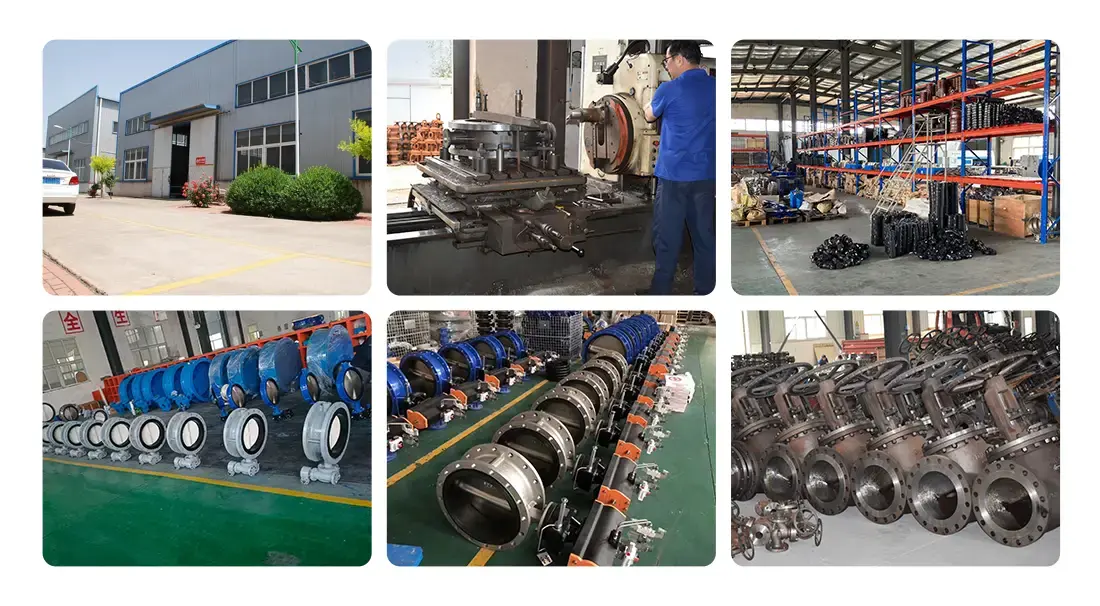
Product Specifications
|
Parameter |
Details |
|
Size Range |
1/4" through 4" |
|
Pressure Rating |
1000 WOG |
|
End Connections |
Socket Weld (SW), Butt Weld (BW) |
|
Body Material |
316 Stainless Steel (ASTM A351 CF8M) |
|
Ball & Stem Material |
316 Stainless Steel |
|
Seat Material |
15% Glass Filled PTFE (RTFE) |
|
Temperature Range |
-20°F to 450°F (-29°C to 232°C) |
|
Actuation Standard |
ISO 5211 Mounting Pad |
|
Socket Weld Standard |
ASME B16.11 |
|
Butt Weld Standard |
ASME B16.25 |
|
Flow Type |
Full Port |
Key Design Features
Three-Piece Swing Out Body
The center body is unbolted from the end caps and may be removed for seat and seal replacement without disturbing the pipeline. If you have a two piece welded valve and the seat fails you have to take the whole valve out of the line, the three-piece design eliminates that problem.
Full Port Flow Design
Full bore internal diameters result in little pressure drop and high Cv values. This decreases the pressure difference that might cause cavitation in high-velocity flow situations.
Blow-Out-Proof Stem
The stem is held at full line pressure, as per normal safety criteria for isolation valves in pressurized systems.
Anti Static Devices
An anti-static grounding channel is included into the design for use with combustible or explosive material where electrostatic discharge may be hazardous.
ISO 5211 Flange Mounting Pad
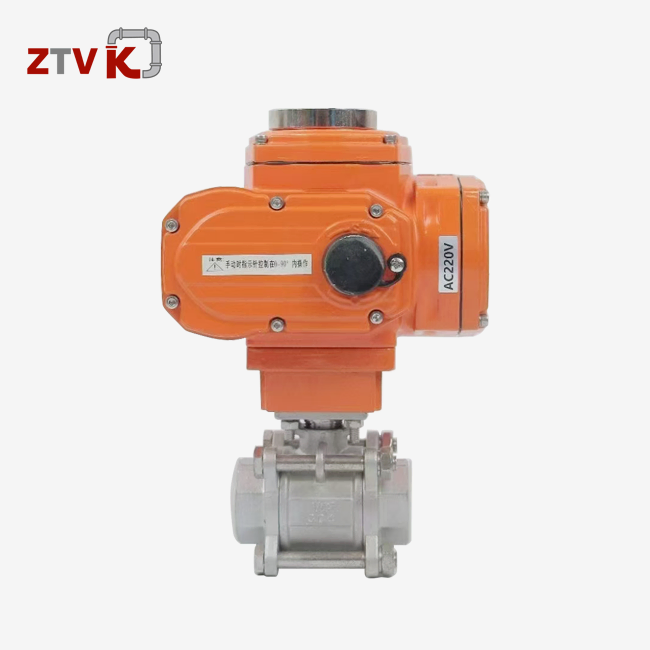
The standardized mounting pad enables pneumatic or electric actuators to be mounted directly onto the valve body, eliminating the need for extra adapter brackets and therefore decreasing mechanical play in automated setups.
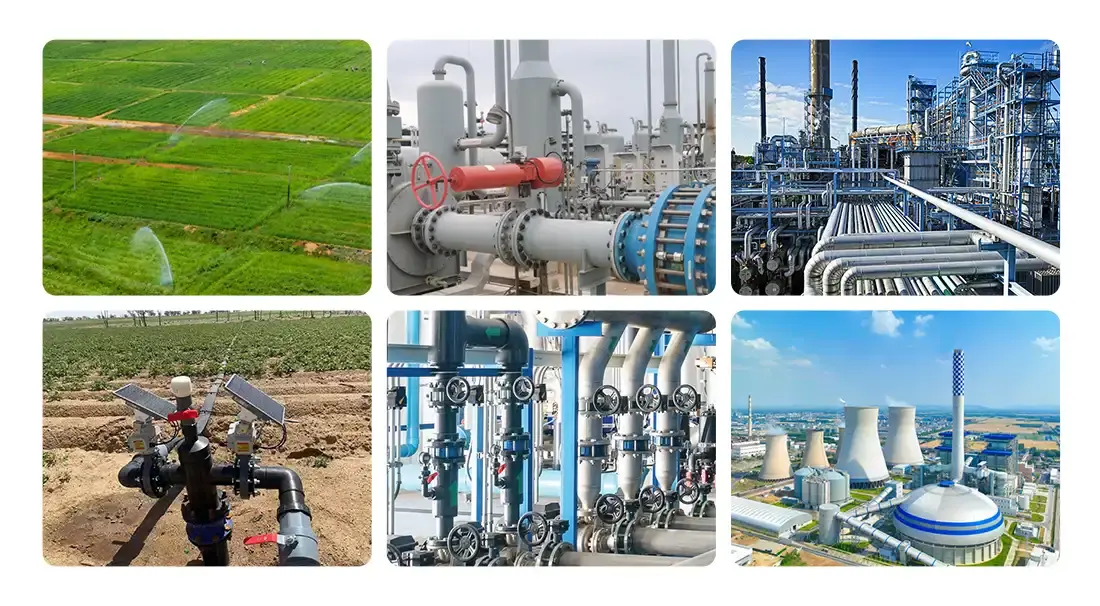
Application Scenarios
High Pressure Steam and Thermal Cycling Systems
Repeated thermal expansion and contraction may cause threaded joints to loosen over time, especially in industrial HVAC and district heating lines. Welded connections retain the integrity of the joint over those cycles. The end caps are permanently welded, however seat replacement may still be accomplished by removing the middle body.
Corrosive Chemical Process Lines
In petrochemical service, pitting and crevice corrosion resistance is important in lines transporting acids, solvents and chloride solutions. The 316 SS body handles this, and the welded ends lessen possible leak spots compared to threaded or flanged connections where fugitive emissions are a problem.
High Vibrational Hydraulic Systems
Pump-induced vibration causes threaded fittings to loosen gradually. The 3 Piece 316 Stainless Steel Welded Ball Valve provides a fused connection between valve and pipe that vibration cannot work loose, which is important on hydraulic skids where unplanned leaks carry both safety and operational consequences.
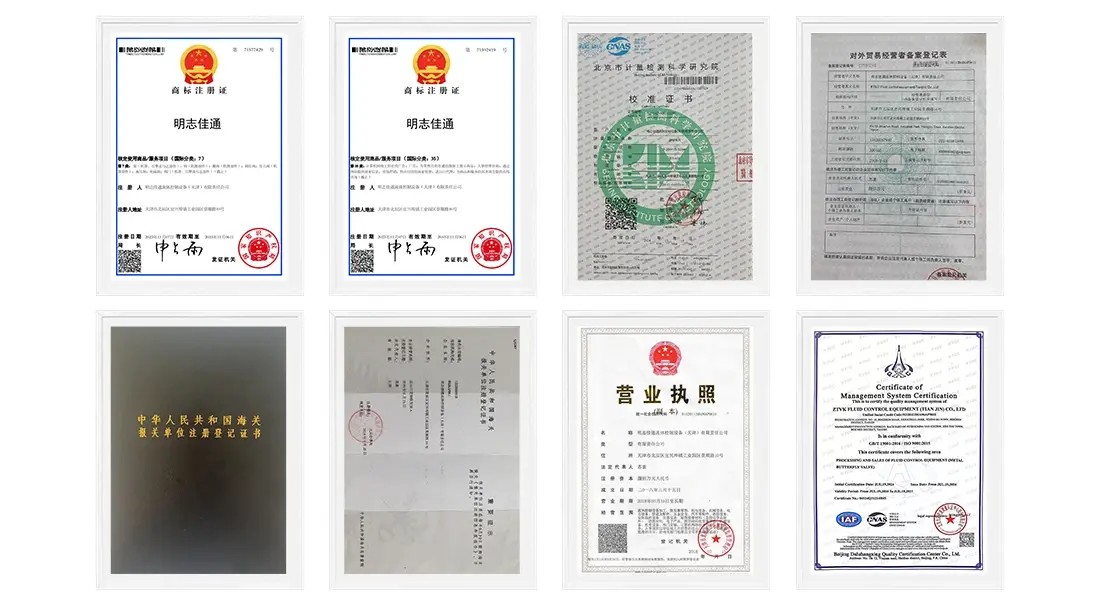
Quality Control Standards
The following inspection and testing processes are valid for this valve series. Some are standard, others are available on request according to order specification.
Positive Material Identification (PMI)
XRF analysis indicates Molybdenum concentration at 2.0-3.0% validating 316 SS rather than lower quality 304 SS material.
API 598 Pressure Testing
· Shell Test: Hydrostatic test at 1.5× rated pressure to check body and weld integrity
· Seat Test: low pressure air and high pressure hydraulic test to check the leakage performance at the closure member
Weld End Dimensional Inspection
Socket weld bore depth and butt weld bevel angles are verified as suitable with Schedule 40/80 pipe per ASME B16.11 and B16.25.
Non-Destructive Testing (NDT)
Dye Penetrant ( PT ) may be provided for critical-service applications to identify surface porosity or casting discontinuities prior to shipping.
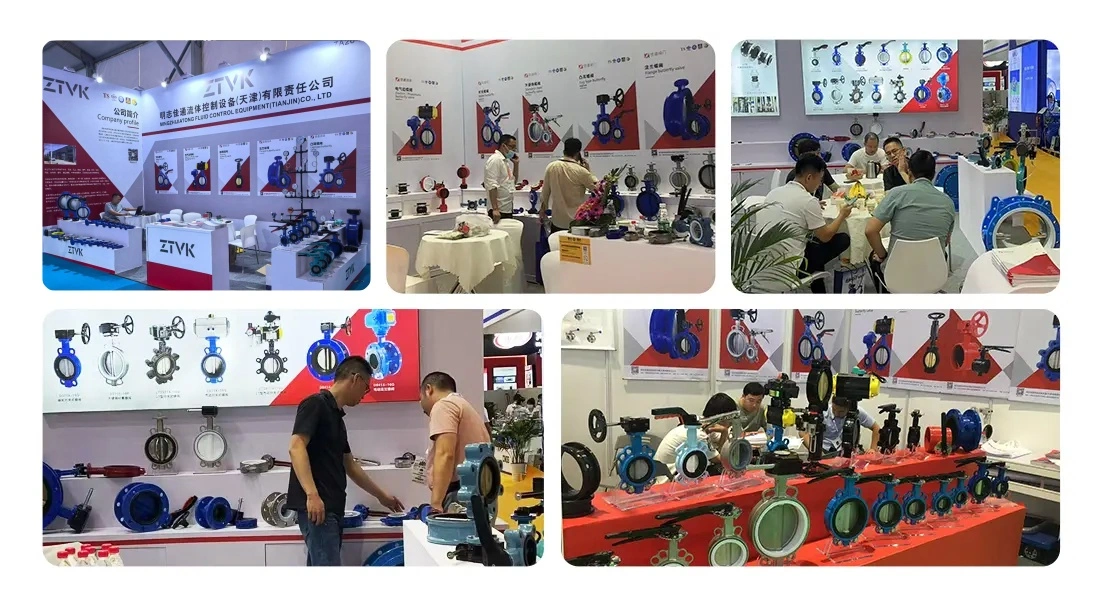
Customization and Supply Options
This series of valve is suitable for OEM and ODM setups. OEM solutions include bespoke packaging, nameplates and branding. The selection of sealing materials (PTFE, RTFE, PEEK), the arrangement of the connection and the adaption to the requirements for a certain pressure, temperature or medium are the choices for the ODM.
Special cleaning and defatting is required for oxygen service. Standard units are built with process lubricants incompatible with oxygen lines. When ordering, specify oxygen-clean service.
Standard sizes usually arrive in 3-7 business days. Standard configurations typically take 15-25 business days to complete. Rush service is available in 7-10 business days based on requirements and availability at the time of order.
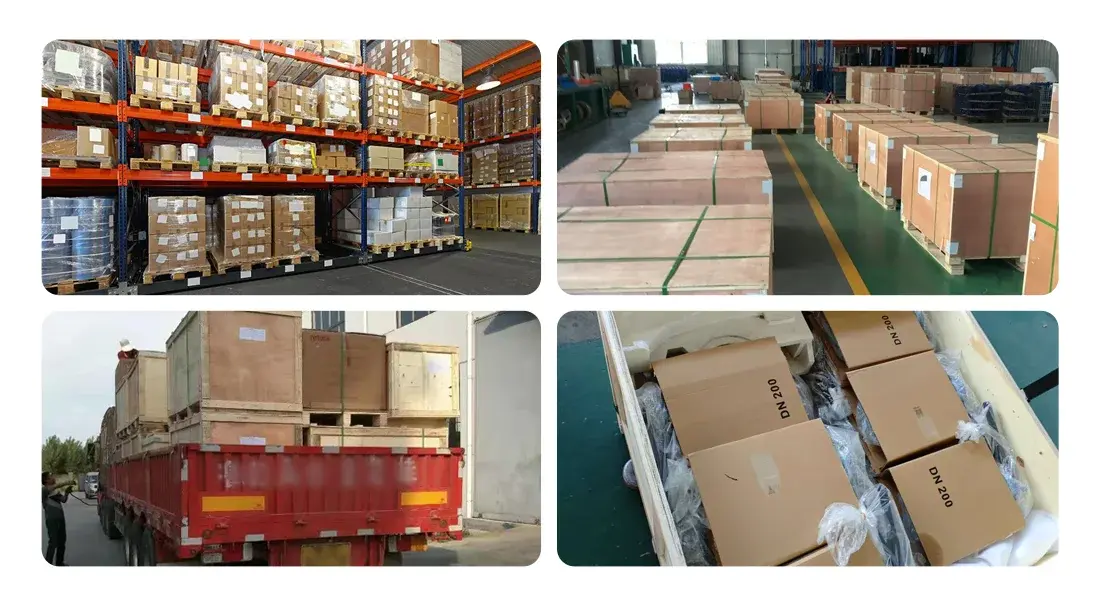
Packaging and Logistics
Each valve is packed in export standard packaging, hardwood boxes, moisture resistant film and internal fastening brackets. Wood packing conforms to ISPM 15 phytosanitary standards for international export.
The plant is situated around one hour by car from Tianjin Port, about 50 miles. FOB Tianjin Xingang and CIF destination-port terms are offered.
FAQ
Q1: How to solder this valve onto the line without destroying the seats?
A: Remove the valve before welding. Remove the middle body and weld just the end caps to the pipe line. Welding with seats in will melt the PTFE/RTFE seal. Once the end caps have cooled, replace the central body.
Q2: What's the difference between Socket Weld and Butt Weld ends?
A: Socket Weld (SW) puts pipe into valve recess and filet welds the outside. It is easy to align and is usually used up to 2". Butt weld (BW) bevels both the pipe and valve ends for full-penetration welding. This is stronger, radiographable, and favored for bigger diameters or higher-criticality pressure lines.
Q3. Can this valve be automated using a pneumatic actuator or electronic actuator?
A: Yes. The ISO 5211 mounting pad allows direct actuator installation without extra mounting brackets, and simplifies automation integration and decreases mechanical play in the drive train.
Q4: Why would you choose a 3 piece design over a 2 piece welded valve?
A: A 2-piece welded valve cannot be repaired on site. If a seat fails, the whole valve has to be removed out of the line. The three-piece construction enables the middle part to be removed for maintenance, while the welded end caps are permanently connected to the pipe.
Q5. Is this valve suited for oxygen service?
A: They are not standard units. They include lubricants used in the manufacturing process which are incompatible with oxygen lines. Specify a cleaned and degreased unit with oxygen suitable packaging material when ordering for oxygen service.
Q6: How can I be sure that I am getting real 316 SS and not 304 SS?
A: Ask for PMI (Positive Material Identification) testing. XRF analysis will show Molybdenum content of 2.0-3.0%, which is a distinguishing characteristic of 316 SS vs 304 SS. We can organize factory inspections by other parties and we can provide material documentation on request.
If you have issues regarding specs, material documentation or purchasing a bespoke configuration, please contact us before making your purchase.
Contact Us
For 3 Piece 316 Stainless Steel Welded Ball Valve quotes or technical drawings, email us at ktec86961886@163.com. We aim to respond within one business day.
Send us your valve requirements and our team will provide professional solutions and fast quotations.