- English
- French
- German
- Portuguese
- Spanish
- Russian
- Japanese
- Korean
- Arabic
- Greek
- German
- Turkish
- Italian
- Danish
- Romanian
- Indonesian
- Czech
- Afrikaans
- Swedish
- Polish
- Basque
- Catalan
- Esperanto
- Hindi
- Lao
- Albanian
- Amharic
- Armenian
- Azerbaijani
- Belarusian
- Bengali
- Bosnian
- Bulgarian
- Cebuano
- Chichewa
- Corsican
- Croatian
- Dutch
- Estonian
- Filipino
- Finnish
- Frisian
- Galician
- Georgian
- Gujarati
- Haitian
- Hausa
- Hawaiian
- Hebrew
- Hmong
- Hungarian
- Icelandic
- Igbo
- Javanese
- Kannada
- Kazakh
- Khmer
- Kurdish
- Kyrgyz
- Latin
- Latvian
- Lithuanian
- Luxembou..
- Macedonian
- Malagasy
- Malay
- Malayalam
- Maltese
- Maori
- Marathi
- Mongolian
- Burmese
- Nepali
- Norwegian
- Pashto
- Persian
- Punjabi
- Serbian
- Sesotho
- Sinhala
- Slovak
- Slovenian
- Somali
- Samoan
- Scots Gaelic
- Shona
- Sindhi
- Sundanese
- Swahili
- Tajik
- Tamil
- Telugu
- Thai
- Ukrainian
- Urdu
- Uzbek
- Vietnamese
- Welsh
- Xhosa
- Yiddish
- Yoruba
- Zulu
What are the nominal pressures of stainless steel stop valves?
When looking for valves for important industry uses, knowing the nominal pressure rates can mean the difference between a system that works well and one that doesn't, which can be very expensive. A stainless shut off valve works at certain pressure levels that make sure it works safely and reliably in a variety of fluid control systems. These valves are usually rated between PN1.6 and PN6.4MPa in metric units or ANSI Class 150LB and 600LB in American units. They are made to handle a wide range of systems, from low-pressure water lines to high-pressure industrial lines. When buying, teams know exactly what these scores mean, and they can choose parts that meet safety standards and provide long-term value. At our factory in Tianjin's Beichen District, we've been making valves for more than 15 years. During that time, we've seen how choosing the right pressure number can change the results of a project. This guide tells you everything you need to know about minimum pressure in stainless steel stop valves so you can buy them in a way that protects your systems and your budget.
Understanding Nominal Pressure Ratings in Stainless Steel Stop Valves
Nominal pressure (PN) is the standard design pressure that a valve can handle at a certain reference temperature, which, for water-based media, is usually 20°C. This method of categorizing makes it easy for engineers and buyers to quickly figure out if a valve will work for their needs without having to do a lot of complicated math each time.
Distinguishing Between Pressure Types
Working pressure is the pressure your system actually feels when it's working normally. Maximum allowed pressure, on the other hand, is the highest pressure that can be applied before the risk of structural failure goes up by a lot. As a planning point, nominal pressure is in the middle of these. Knowing this difference keeps you from over-specifying, which costs money, or under-specifying, which puts safety at risk.
International Standards Framework
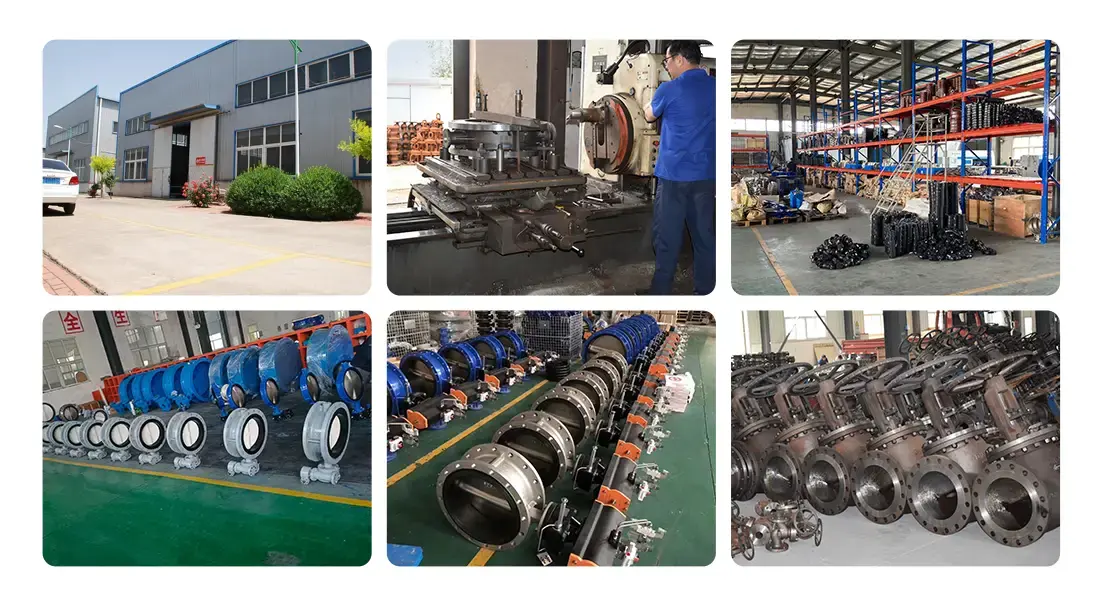
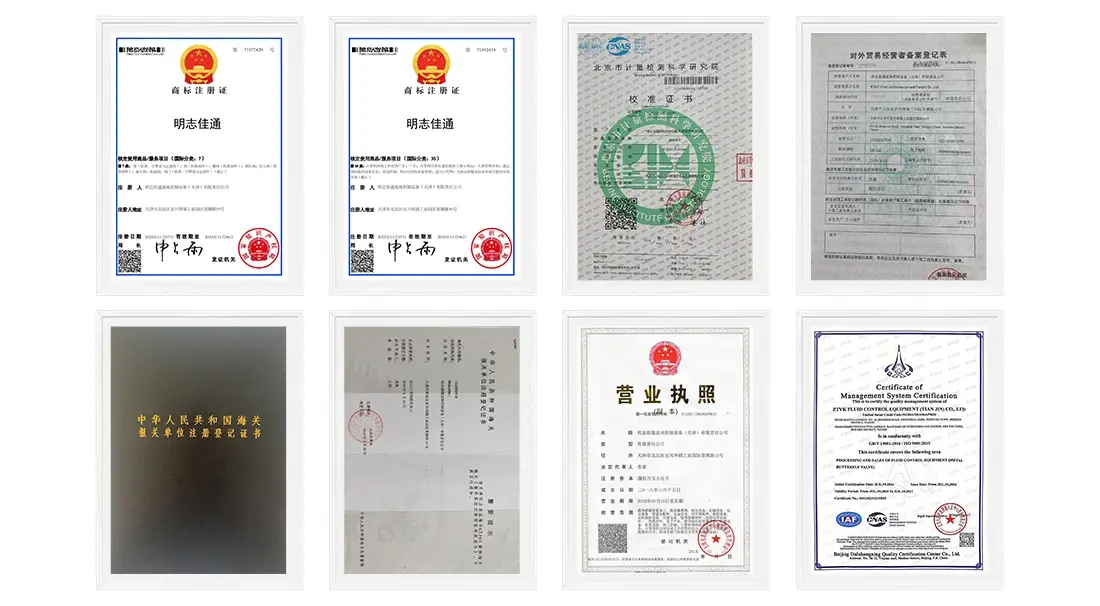
Pressure levels are based on a number of international norms. ASME B16.34, which describes how pressure and weather affect valves, is the most popular standard in North America. In Europe, DIN standards are still used most of the time, while API standards guide purchases in the oil and gas business. Our factory has ISO9001, ISO14001, and OHSAS18001 certifications and makes valves that meet GB/T 12237 and ASME B16.34 standards. This makes sure that your purchase meets all legal requirements, no matter where it is going.
Common Pressure Classes Explained
PN16 (about 232 psi) is used in HVAC systems and public water systems where mild pressures are common. PN25 (about 363 psi) is better for industrial processes that need more power. PN40 (580 psi) and PN64 (928 psi) are grades for high-pressure steam, chemical processing, and petroleum work. The ANSI Class system works the same way. Class 150 is about the same as PN20, Class 300 is about the same as PN50, and Class 600 is about the same as PN100, though the exact numbers change depending on the temperature.
Temperature Derating Considerations
As the working temperature rises, the pressure capacity drops because the material's strength decreases at high temperatures. Based on the material of the body, a valve that is rated PN40 at 20°C might only be able to handle PN32 at 200°C safely. This derating slope is very important when choosing valves for use with steam or hot chemicals. Our valves have soft seats that can handle temperatures from -20°C to +250°C and metal seats that can handle temperatures from -60°C to +450°C. The pressure levels are changed to match these temperature ranges.
Types of Stainless Steel Stop Valves and Their Pressure Ratings
Different types of valves can handle different amounts of pressure because of how they are built and how they control flow. Choosing the right type will ensure the best performance within the pressure range of your system.
Ball Valves for High-Pressure Service
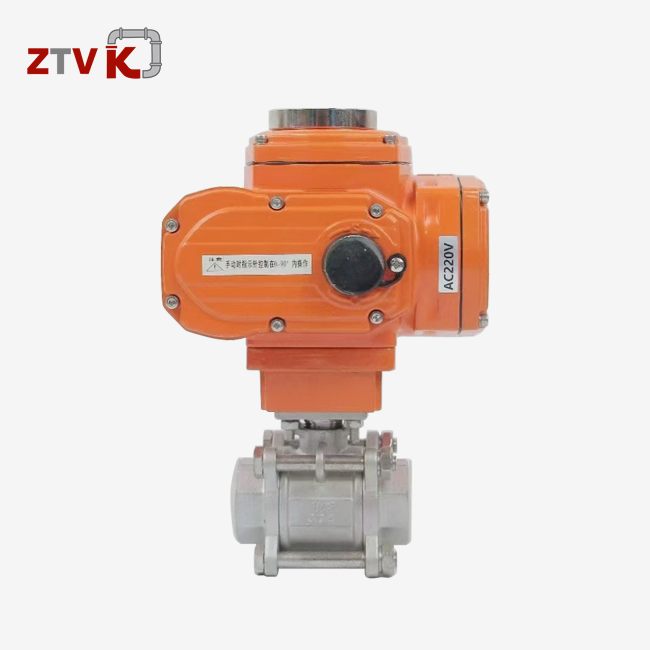
Ball-type stainless shut off valves work great when full-bore flow and tight shut-off are needed. The spherical closing element spreads pressure evenly across the sitting area, which lets it handle higher pressures than some other gate designs. We make CF8 (304 stainless steel) and CF8M (316 stainless steel) ball valves in sizes DN15 to DN400. Depending on the size and width of the body, the pressure values range from ANSI 150LB to 600LB.
Globe Valves for Precise Control
Globe valves have a plug that moves perpendicular to the seat, which makes them great for slowing flow when needed. This design works well with pressure differences, so it can be used in situations with a high pressure drop. In our designs, the valve core moves clockwise to close, which makes fitting consistent across a wide range of projects.
Seat Material Impact on Pressure Rating
Soft chairs made of PTFE or strengthened elastomers offer bubble-tight shut-off (ANSI Class VI leakage levels), but they can only work in certain temperature and pressure ranges. The metal chairs have hardened sealing areas that can handle higher temperatures and pressures, meeting ANSI Class IV leakage performance. We make both types: soft seats for temperatures up to 250°C and metal seats for temperatures up to 450°C. This way, procurement teams can be sure that valve specs are exactly right for the situations they will be used in.
Stainless Steel Grade Selection
The choice of material has a big effect on the pressure capacity. CF8 is similar to cast 304 stainless steel in that it doesn't rust and is strong enough for mild pressure classes. CF8M (cast 316 stainless steel) contains molybdenum, which makes it more resistant to pitting in salt conditions while keeping its high strength at high temperatures. The lower carbon level in the CF3 and CF3M versions lowers the risk of sensitization during welding. Our choice of materials includes LCB and WCB carbon steel for less corrosive environments where cost-effectiveness is important, as well as all types of austenitic stainless steel for tough chemical and marine uses.
Factors Affecting Nominal Pressures in Stainless Steel Stop Valves
Nominal pressure levels aren't fixed numbers; they change based on how things work in the real world. Knowing about these factors helps keep valves from breaking down too soon and increases the life of the equipment.
Temperature Influence Through Derating Curves
As was already said, the weather has a direct effect on the tensile strength and failure point of a material. Austenitic stainless steels are stronger at high temperatures than carbon steels, but they still lose some of their capacity. At room temperature, a PN64 valve might only be able to safely work at the PN50 level when it comes to 300°C steam. Always look at the pressure-temperature charts that the maker provides. These show the maximum pressure that can be used at all temperatures.
Chemical Compatibility and Corrosion Effects
Over time, aggressive media can weaken the body of a valve, lowering its pressure capacity as the wall width decreases due to corrosion. Under certain temperature and concentration conditions, sulphuric acid, hydrochloric acid, and chloride-rich water can all damage stainless steel. The type of chemical exposure must be taken into account when choosing a material. For example, CF8M is better at resisting chloride than CF8, and duplex steel grades work better in sour gas service. Based on your process media, our engineering team can help you choose the right materials.
Installation Quality and Maintenance Impact
If you position the flanges correctly and tighten the bolts properly during installation, you can avoid stress buildup that could lead to early body cracking during pressure cycles. We sell valves with PN16 convex surfaces and PN40/64 concave-convex surfaces that meet international standards. The flange types we offer are RF (raised face), RJ (ring joint), FF (flat face), and LG (lap joint). The valve-to-pipe part shouldn't be the weak link in your pressure control system. Make sure you use the right gasket material and force sequence.
As long as the valve is properly maintained, its pressure number will stay the same. If the stem packing is too loose, it lets leaks happen. If it's too tight, it causes too much working force and wear before its time. Checking for erosion in the seats, cracks in the body casts, and the stability of the actuator mounting should be done on plans that are in line with how important and difficult your system is to operate.
How to Choose the Right Stainless Steel Stop Valve Based on Nominal Pressure
Finding the best stainless shut off valve means combining scientific needs with practical considerations. This choice framework makes it easier for procurement workers to follow the steps in the specification process.
Assessing System Pressure Requirements
First, find the highest working pressure, which should include any possible surges that could happen when the pump starts up or the valve closes. To find the minimum necessary nominal pressure number, add a safety margin, which is usually 20 to 30 percent more than the estimated maximum. When the valve is fully open, the pressure drops across it. However, stop valves are designed to work best for on-off service with little restriction rather than choking.
Matching Valve Type to Application Needs
Ball valves work well in situations where they need to be able to turn quickly and with little pressure drop. When automated controls ask for quick action, the 90-degree opening feature we built into our designs makes sure it happens. Globe valves work better in situations where they need to be able to change the flow of fluids as well as shut them off. When full-bore flow is important in big-diameter lines that are only used sometimes, gate valves work well.
Material Selection Criteria
Most basic water, steam, and non-chloride chemical tasks can be done cheaply with CF8 material. When chloride exposure goes over 100 ppm or when working temperatures are getting close to the material limits, you should specify CF8M because the molybdenum content makes it much stronger at high temperatures and less likely to rust. When stainless steel qualities aren't needed, LCB and WCB carbon steel bodies save money on purchase costs in non-corrosive situations.
Sourcing from Certified Manufacturers
Working with makers who are ISO-certified ensures that quality control and tracking are always the same. Our center can do a wide range of tests, such as analyzing materials, testing shells and seats hydrostatically according to API 598 guidelines, and checking dimensions against ASME B16.10 standards. We keep more than 2,000 common units in stock, ranging from DN50 to DN600. This means that we can deliver within 3–7 days of receiving your order. Custom setups usually take 15 to 25 days to make, but when a job needs to be delivered quickly, rush service cuts this time down to 7 to 10 days.
OEM and Custom Solutions
A lot of wholesalers and equipment integrators need brand-name valves or special designs that aren't in the catalogue. Custom nameplate etching, packing design, and material certifications with your company's name on them are all things that we can do as an OEM. As part of ODM services, valve bodies can be redesigned, different ways of closing can be used, and connections can be changed to fit the needs of each installation. This adaptability helps trade and wholesale businesses that deal with valves that serve a wide range of regional markets with specific product needs.
Troubleshooting Common Problems Related to Nominal Pressure in Stainless Steel Stop Valves
Early detection of pressure-related failure signs stops catastrophic system incidents and lowers the cost of upkeep. These repair tips help operations teams keep valves in good health.
Identifying Pressure Rating Mismatches
Leaks on the outside around the joint between the body and the bonnet usually mean that the pressure is too high, which can damage the seal or bend the body. If you can see the body bulging or breaking, that means there is serious overpressure, and the valve needs to be replaced right away. If you have trouble opening and closing the valve, it could mean that an internal part has deformed from cycling under too much pressure. By checking the pressure on a regular basis, you can find growing pressure rises before they do serious damage.
Preventive Measures for Pressure Exceedance
Putting upstream pressure-release devices in place saves valves from short-term pressure spikes. Controlling the rate at which valves close and carefully placing surge tanks can get rid of water hammer. When you need to replace valves, don't drop the pressure class to save money. This will cause the valves to fail sooner and cost more to own overall. Our expert team can look at your system plans and tell you which pressure class to choose based on how the system is actually used.
Maintenance Best Practices for Pressure Integrity
As part of routine checks for a stainless shut off valve, corrosion should be looked at visually, cracks should be found using dye penetrant or magnetic particle tests on important valves, and the proper packing adjustment should be checked. Using portable test tools to check for seat leaks finds damage before it affects safety or process control. We offer an 18-month warranty on damage that wasn't caused by people, and we provide installation tutorial videos and debugging guides to help support teams get the most out of the valves' service lives.
Data-driven lifetime management is possible by keeping thorough maintenance records that include the date of installation, the conditions of use, inspection results, and repairs. This paperwork is very helpful for making budgets for replacing expensive items and checking on the performance of suppliers over time.
Conclusion
In all industrial fluid control situations, choosing the right valve is based on its nominal pressure rating. Knowing the differences between PN and ANSI Class systems, how weather and media affect pressure capacity, and how to match valve types to the needs of a particular application will help your purchase last. From PN1.6 to PN6.4MPa ranges, CF8/CF8M material choices, and soft vs. metal seat options, the technical standards we've talked about give you the information you need to make confident specification decisions. When you install, maintain, and work with certified makers, you can turn nominal pressure values from meaningless numbers into real-world guarantees that your systems will work safely within their design limits.
FAQ: Common Questions About Nominal Pressures in Stainless Steel Stop Valves
1. What is the maximum nominal pressure for stainless steel stop valves?
In standard setups, industrial stainless shut-off valves can reach ANSI Class 600LB, which is about PN100 or 10MPa/1450 psi. However, higher values can be reached with custom designs. The realistic top limit is based on the type of material, the size of the valve, and the thickness of the body. Because stress is spread out better in compact shapes, smaller-diameter valves can handle higher pressures than large-bore units.
2. Can stainless steel stop valves handle high-temperature, high-pressure steam?
Yes, as long as you choose the right material and seat combinations. Metal-seated valves made of CF8M material can easily handle 450°C saturated steam, with pressure rates that drop as the temperature rises. Soft seats can only handle temperatures up to 250°C at most. When defining steam service, you should always look at pressure-temperature derating models that are made for the material grade of your valve.
3. How does pressure rating affect valve service life?
Operating near the highest rated pressure all the time speeds up wear through higher stress cycles, which could cut service life by 30–40% compared to operating at 50–60% of the rating. Including a pressure margin in the design process makes components last longer, lowers the number of times they need to be serviced, and raises the stability of the system. Even though the original costs of purchase were a little higher, this is a good example of value engineering.
Partner with ZTVK for Reliable Stainless Shut-Off Valve Solutions
ZTVK has been making specialised valves for more than 15 years and can help you with your most difficult projects. Our factory in Tianjin makes pressure-rated stainless shut off valves in sizes ranging from DN15 to DN400 and ANSI 150LB to 600LB. The materials used are CF8, CF8M, CF3, and CF3M, so you can choose the one that best meets your needs for rust and temperature. We keep over 2,000 standard units in stock, which means that we can deliver within three to seven days. Our OEM and ODM services also allow for custom branding, special pressure rates, and different connection setups. Before it is shipped, every valve goes through strict ISO9001 quality checks and hydraulic tests. Our plant is only 50 km from Tianjin Port, which makes transportation easy, whether you need FOB or CIF terms. Contact us at ktec86961886@163.com to talk about the details of your project, get detailed drawings, or get quotes from a reliable stainless shut-off valve maker that cares about your business's success.
References
1. American Society of Mechanical Engineers. (2020). "ASME B16.34: Valves—Flanged, Threaded, and Welding End." ASME Standards Committee.
2. International Organization for Standardization. (2019). "ISO 7121: Steel Ball Valves for General-Purpose Industrial Applications." ISO Technical Committee.
3. Zappe, R.W. (2021). "Valve Selection Handbook: Engineering Fundamentals for Selecting the Right Valve Design for Every Industrial Flow Application." Gulf Professional Publishing, 6th Edition.
4. American Petroleum Institute. (2018). "API 598: Valve Inspection and Testing." API Standards Department.
5. Deutsches Institut für Normung. (2017). "DIN EN 1092-1: Flanges and Their Joints—Circular Flanges for Pipes, Valves, Fittings and Accessories, PN Designated." DIN Standards Committee.
6. Smith, P. and Zappe, R.W. (2019). "Valve Selection and Specification Guide for the Process Industries." Chemical Engineering Progress Technical Manual Series, Vol. 12.
Send us your valve requirements and our team will provide professional solutions and fast quotations.
RELATED INDUSTRY KNOWLEDGE