- English
- French
- German
- Portuguese
- Spanish
- Russian
- Japanese
- Korean
- Arabic
- Greek
- German
- Turkish
- Italian
- Danish
- Romanian
- Indonesian
- Czech
- Afrikaans
- Swedish
- Polish
- Basque
- Catalan
- Esperanto
- Hindi
- Lao
- Albanian
- Amharic
- Armenian
- Azerbaijani
- Belarusian
- Bengali
- Bosnian
- Bulgarian
- Cebuano
- Chichewa
- Corsican
- Croatian
- Dutch
- Estonian
- Filipino
- Finnish
- Frisian
- Galician
- Georgian
- Gujarati
- Haitian
- Hausa
- Hawaiian
- Hebrew
- Hmong
- Hungarian
- Icelandic
- Igbo
- Javanese
- Kannada
- Kazakh
- Khmer
- Kurdish
- Kyrgyz
- Latin
- Latvian
- Lithuanian
- Luxembou..
- Macedonian
- Malagasy
- Malay
- Malayalam
- Maltese
- Maori
- Marathi
- Mongolian
- Burmese
- Nepali
- Norwegian
- Pashto
- Persian
- Punjabi
- Serbian
- Sesotho
- Sinhala
- Slovak
- Slovenian
- Somali
- Samoan
- Scots Gaelic
- Shona
- Sindhi
- Sundanese
- Swahili
- Tajik
- Tamil
- Telugu
- Thai
- Ukrainian
- Urdu
- Uzbek
- Vietnamese
- Welsh
- Xhosa
- Yiddish
- Yoruba
- Zulu
How Does a Full Flow Ball Valve Improve Pipeline Efficiency?
A full flow ball valve makes a pipeline more efficient by letting more fluid flow through because the internal ball diameter is the same as the diameter of the pipeline. This open path lessens pressure drop, lowers turbulence, and keeps the fluid's speed constant throughout the system. These valves greatly improve operational performance in a wide range of industrial settings, from oil and gas transmission to chemical processing and municipal water systems. They do this by stopping energy losses and letting pipeline repair tools pass through without getting in the way.
Understanding the Full Flow Ball Valve and Its Role in Pipeline Efficiency
What Defines a Full Flow Ball Valve
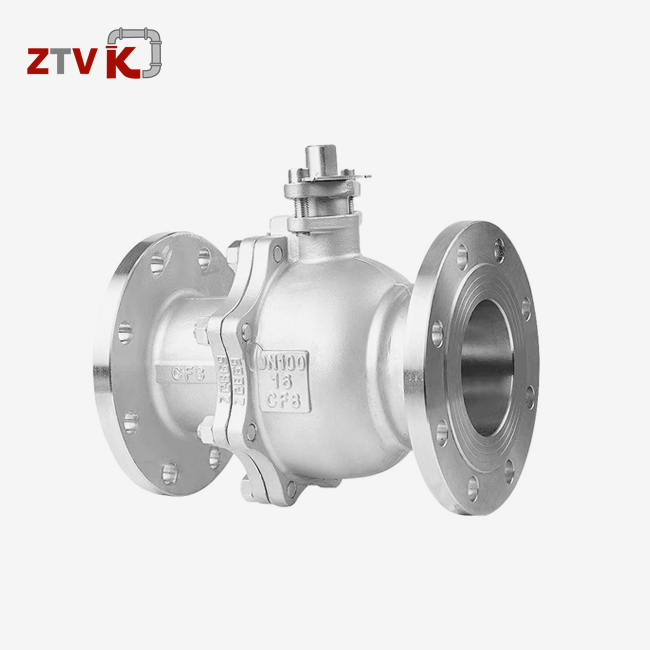
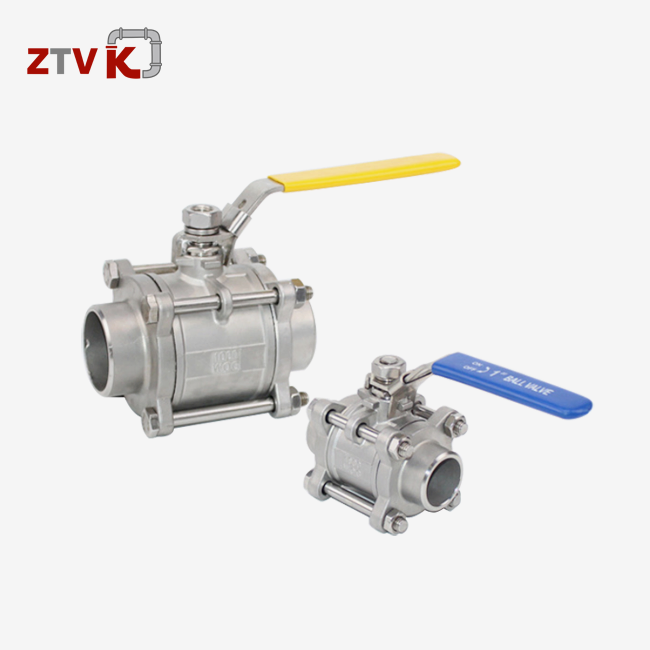
A full flow ball valve, which is also called a full bore or full port valve, has a ball opening inside that fits exactly with the inner diameter of the pipeline it is connected to. When compared to smaller-bore valves, which block flow, this design is very different. When fluid flows through a fully designed valve, it has the same cross-sectional area as the pipe next to it. This means that there are no changes in speed that cause pressure loss.
The quality of construction has a direct effect on efficiency. The bodies of industrial-grade valves are usually made of ASTM A351 CF8M stainless steel, which is very resistant to corrosion in harsh settings. The ball is made from 316 stainless steel, which is precisely cut and strong enough to withstand high pressure. Important parts for sealing are made of PTFE materials that stay strong even when the temperature changes, and the 316 stainless steel stem makes sure that the bearings keep turning even after thousands of rounds.
How Unrestricted Flow Enhances System Performance
Minimizing pushback is a big part of how well a pipeline works. Every restriction in a system for moving fluids makes pumps work harder, which uses more energy and generates heat. Full-bore valves solve this problem in a basic way. According to research from the American Society of Mechanical Engineers, getting rid of a single flow restriction point can cut the overall system pressure drop by 15–25%. This can be translated into real energy savings.
The flow coefficient of the valve is close to that of a straight pipe of the same length. This quality is especially useful in high-throughput situations where thick fluids or slurries need to be moved. When chemical companies that work with polymer solutions switch from reduced bore to full bore designs, they say their processes run more smoothly, and there are fewer clogs. The consistent internal geometry stops particles from building up, which usually happens when the width changes.
Material Quality and Pressure Integrity
Long-term dependability depends on the choice of materials. The cap is made from ASTM A351 CF8M, which is resistant to corrosive media and keeps its shape when pressure is applied and removed. When fasteners meet the requirements of ASTM A193 B8, bolt links stay tight even when they are heated or cooled. The gland assembly is made of 304 stainless steel, which is strong enough for big projects without being too expensive.
The technique used for sealing in a full flow ball valve is just as important. The PTFE seats flatten out evenly around the ball's surface, making a shield that doesn't leak and doesn't create too much friction. Because of this, operators can get a tight shutoff while keeping the working torque low. NBR or VITON O-rings provide extra sealing at the stem contact, and they can be changed to meet different chemical compatibility needs depending on the fluid being moved.
Overcoming Pipeline Challenges with Full Flow Ball Valve Technology
Eliminating Flow Bottlenecks That Reduce Capacity
Traditional valve designs create diameter reductions that act as artificial restrictions within pipeline networks. When fluid encounters these narrowed passages, velocity increases momentarily, then drops again as the flow expands back into the full pipe diameter. This constant acceleration and deceleration wastes energy while generating turbulence that accelerates erosion on pipe walls and valve internals.
Municipal water contractors face particular challenges during peak demand periods when flow rates reach maximum design capacity. Installing valves with restricted bores effectively reduces the pipeline's practical diameter, limiting total throughput. Full-bore alternatives maintain the engineered flow capacity throughout the entire valve length. Water treatment facilities in the United States have documented flow rate improvements ranging from 12% to 18% simply by replacing gate valves with full-bore ball valves at strategic control points.
Advanced Sealing That Prevents Leakage
Leakage represents both an economic loss and a safety concern across industries. The dual-seal design common in quality full-bore valves provides exceptional leak prevention. The primary seat seal uses PTFE material that conforms to microscopic surface irregularities on the ball, while stem packing creates a secondary barrier against atmospheric leakage.
Testing protocols verify this sealing effectiveness. Hydrostatic shell tests conducted at 1.5 times the rated pressure confirm body integrity, while high-pressure gas seat tests detect even microscopic leakage paths. Manufacturers adhering to ISO 5208 standards guarantee seat leakage rates below measurable thresholds. Petrochemical operators value this reliability in applications handling hazardous fluids where environmental regulations impose strict emission limits.
Simplified Maintenance That Reduces Downtime
Maintenance accessibility affects total lifecycle costs significantly. The straightforward construction of ball valves offers distinct advantages over more complex valve types. The quarter-turn operation creates minimal wear on moving parts compared to multi-turn stem designs. When maintenance becomes necessary, the modular construction allows technicians to access seals and packing without removing the valve body from the pipeline.
Component replacement follows logical procedures. Removing the handle and gland assembly exposes the stem and packing materials. PTFE packing typically maintains sealing effectiveness for years, but replacing it takes less than thirty minutes when proper tools are available. The spring washers manufactured from ASTM A140 material provide consistent loading on the gland, eliminating the need for frequent retightening that plagues inferior designs.
Comparative Analysis – Full Flow Ball Valve Versus Other Valve Types
Performance Against Gate Valves
Gate valves have historically dominated isolation applications, yet they present operational limitations. Their multi-turn operation requires significantly more time to achieve full opening or closing compared to the 90-degree rotation of ball valves. During partial opening, the gate creates turbulent flow patterns that cause vibration and noise. The wedge-shaped gate also traps debris particles, leading to sealing surface damage and eventual leakage.
Full-bore ball valves eliminate these concerns through their spherical closure element. The ball rotates cleanly away from the flow path, creating zero obstruction in the open position. Flow remains laminar throughout the valve length, reducing cavitation risk in high-velocity applications. Industrial equipment manufacturers have increasingly specified ball valves over gate valves in new system designs, recognizing the operational advantages that translate into lower maintenance budgets and improved uptime.
Advantages Over Butterfly Valve Designs
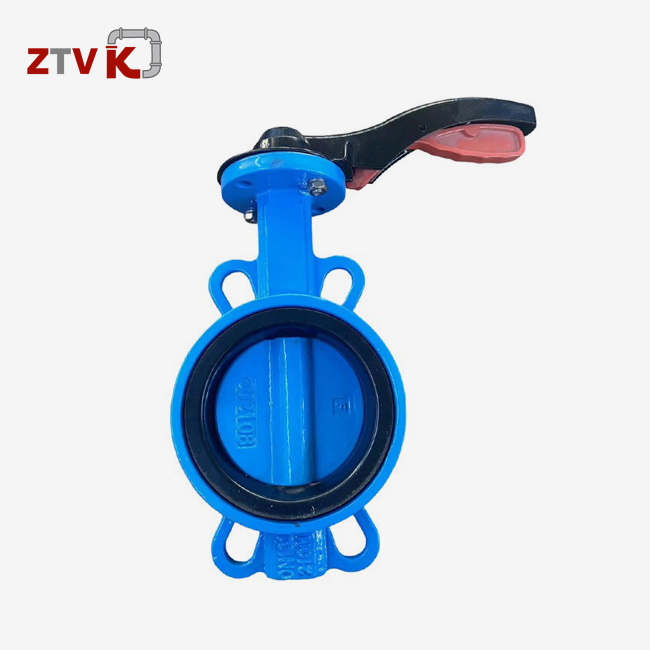
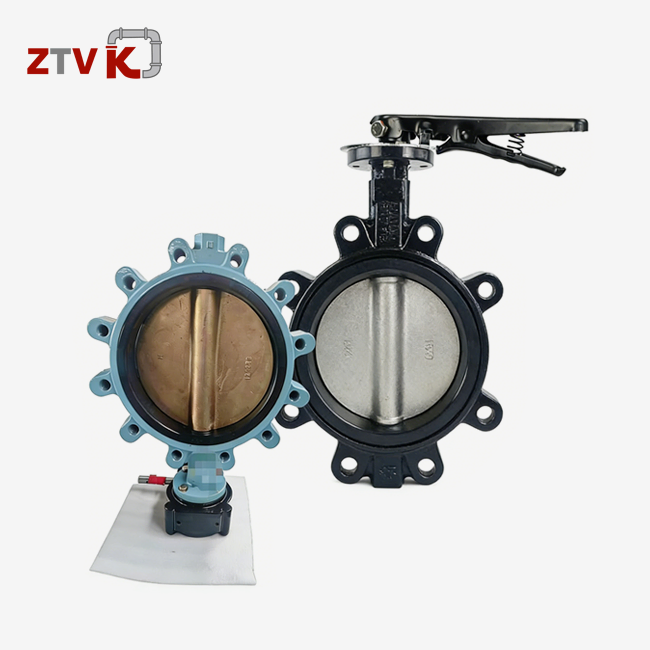
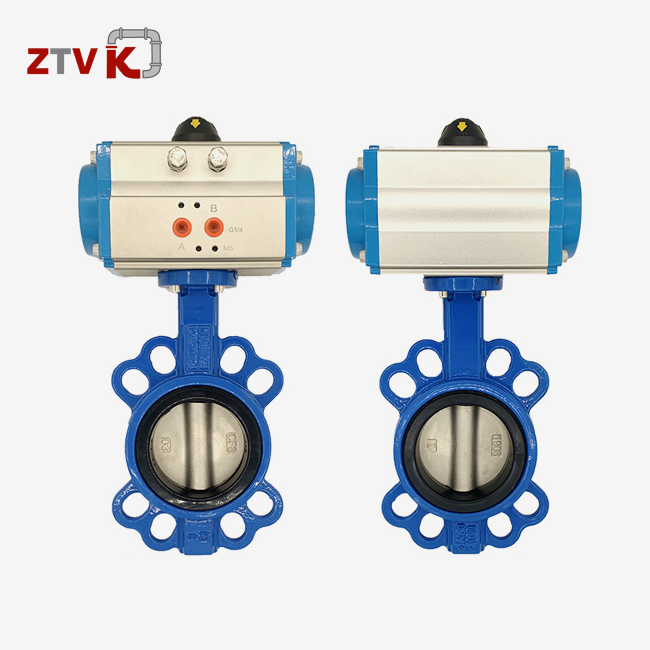
Unlike butterfly valves, ball valves provide a straight flow path when fully open. Refer to the Ball valve flow coefficient table to understand how different valve configurations impact flow characteristics. Butterfly valves offer compact installation dimensions and low initial costs, making them attractive for budget-conscious projects. However, the disc remains within the flow path even when fully open, creating permanent pressure loss. The offset disc design also generates asymmetric flow patterns that can cause uneven wear in downstream piping.
Full-bore ball valves provide superior flow characteristics without the disc obstruction. The completely clear flow path delivers Cv values approaching the theoretical maximum for the pipe diameter. This distinction becomes critical in applications where pump energy costs accumulate significantly over operational life. Lifecycle cost analysis consistently demonstrates that the higher initial investment in ball valves generates returns through reduced energy consumption within three to five years for continuous-duty installations.
Comparison With Check and Reduced Bore Ball Valves
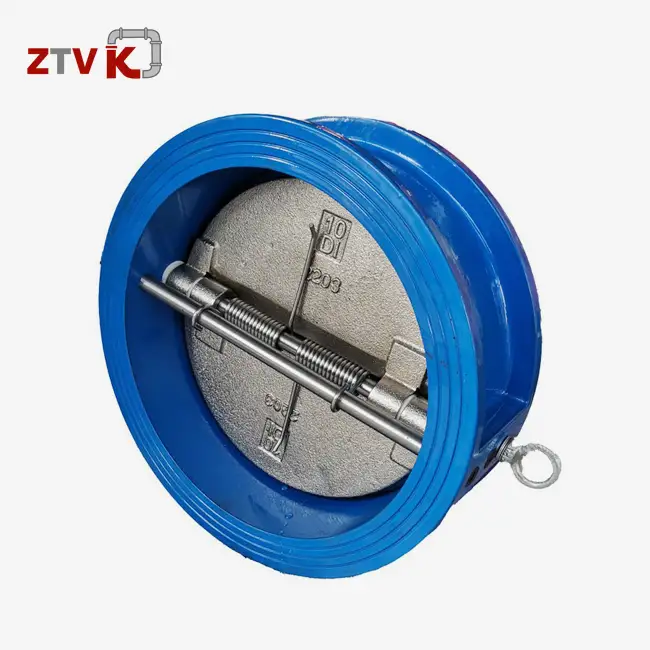
Check valves serve specific backflow prevention purposes but create notable pressure drops regardless of design quality. Their internal mechanisms—whether swing discs, spring-loaded poppets, or ball types—inherently obstruct flow to some degree. When isolation capability is also required, installing both a check valve and a separate isolation valve doubles the pressure loss.
Reduced bore ball valves attempt to balance cost and performance by using smaller ball assemblies than the pipeline diameter. This compromise reduces material costs and operating torque but reintroduces the flow restriction problems that full-bore designs eliminate. Distributors serving markets where price sensitivity dominates may stock reduced bore options, yet technical buyers increasingly recognize that the modest cost savings fail to justify the efficiency penalties in professional installations.
Best Practices for Procurement and Installation of Full Flow Ball Valves
Selecting Qualified Manufacturers and Suppliers
Procurement decisions should prioritize manufacturers demonstrating verifiable quality systems. ISO 9001 certification indicates structured processes for design control, material verification, and testing procedures. API 6D compliance becomes essential for pipeline transportation applications where safety regulations mandate specific testing protocols. ASME B16.34 adherence ensures pressure-temperature ratings match published standards, eliminating guesswork during system design.
Material verification deserves particular attention. Positive Material Identification using XRF analysis confirms that body castings genuinely contain the specified alloy composition rather than cheaper substitutes. Counterfeit materials remain a persistent problem in international valve markets, making supplier audits and third-party inspection increasingly necessary for high-stakes applications. Distributors should request mill test reports documenting the chemical composition and mechanical properties of primary pressure-containing components.
Installation Guidelines That Maximize Performance
Proper installation directly affects long-term reliability. Installers should verify that flange faces are clean, flat, and free from damage before positioning the valve. Gasket selection must match both the valve and piping flange standards—mixing incompatible gasket materials leads to compression problems and potential leaks. Bolt tightening follows specific torque sequences to ensure even gasket loading around the circumference.
Mounting orientation impacts operation and maintenance accessibility. Installing the valve with the stem vertical allows any packing leakage to drain away rather than pooling on top of the actuator mounting surface. Providing adequate clearance for the handle operation prevents interference with adjacent equipment. When specifying electric or pneumatic actuation, ensuring the mounting interface matches ISO 5211 standards allows future actuator upgrades without modifying the valve body.
Maintenance Schedules That Extend Service Life
Routine inspection identifies developing issues before they cause failures. Visual examination of stem packing detects early signs of leakage that require gland adjustment. Cycling the valve through its full range of motion during scheduled shutdowns prevents seat adhesion in infrequently operated installations. Recording operating torque provides baseline data that reveals bearing wear or seal degradation over time.
Component replacement intervals depend on operating severity. PTFE seats typically withstand thousands of cycles in clean service but may require replacement annually in abrasive slurry applications. Maintaining an adequate inventory of critical wear parts minimizes emergency procurement delays. Standardizing valve brands across facilities simplifies spare parts management and improves technician familiarity, reducing maintenance time and errors.
Future Outlook and Industry Trends for Full Flow Ball Valves
Material Innovations Improving Durability
Metallurgical advances continue to expand application possibilities. Duplex stainless steels offer superior strength and corrosion resistance compared to conventional 316 materials, enabling higher pressure ratings without increasing valve size. Super duplex alloys extend service life in chloride-rich environments such as offshore oil platforms and desalination plants. These material upgrades respond to increasingly demanding operating conditions as industries push process intensification strategies.
Coating technologies provide additional protection for carbon steel valves serving less corrosive applications. Epoxy resin coatings prevent rust formation in high-humidity climates, extending service life in Southeast Asian installations where traditional carbon steel components deteriorate rapidly. These surface treatments must withstand handling and installation without damage, requiring careful application processes and quality inspection.
Smart Monitoring and Automation Integration
Digital transformation reaches Valve Technology through sensor integration and data connectivity. Position sensors provide real-time feedback confirming valve status, eliminating uncertainty in remote installations. Torque monitoring detects abnormal operating conditions that indicate seal wear or stem damage. Integrating this data into plant control systems enables predictive maintenance strategies that schedule repairs during planned shutdowns rather than responding to unexpected failures.
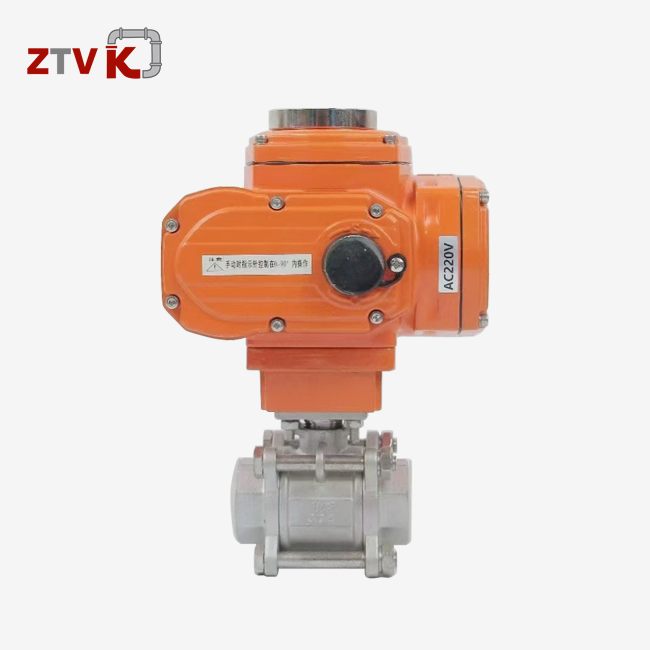
Automated actuation becomes increasingly standard in large facilities where manual operation proves impractical. Electric actuators controlled through industrial networks allow centralized operation and sequencing of the ball valve opening degree and flow rate. Pneumatic actuators provide rapid response in emergency shutdown systems. The interfaces supporting these actuators must accommodate various manufacturer designs, making standardization efforts valuable for maintaining procurement flexibility.
Regulatory Drivers and Sustainability Requirements
Environmental regulations increasingly influence valve selection decisions. Fugitive emission standards limit allowable leakage rates from valve stems and body seals. Low-emission packing materials and advanced seal designs help facilities meet these requirements without frequent maintenance interventions. Documentation proving compliance becomes essential during permitting and inspection processes.
Energy efficiency regulations encourage system designs that minimize pressure losses. Full-bore ball valves align perfectly with these objectives by eliminating unnecessary flow restrictions. Facility operators conducting energy audits identify valve upgrades as cost-effective improvement opportunities. The energy savings generated by reduced pumping requirements often justify valve replacement even when existing equipment remains functional.
Conclusion
Full-bore ball valves represent a proven solution for maximizing pipeline efficiency through unrestricted flow paths, reliable sealing, and simplified maintenance. Their advantages over alternative valve types—including reduced pressure drop, lower operating costs, and extended service life—make them the preferred choice for distributors, contractors, and industrial operators focused on long-term value. Material quality, proper installation, and routine maintenance determine whether these potential benefits translate into actual operational improvements. As industries continue pursuing energy efficiency and system optimization, demand for properly engineered full-bore ball valves will strengthen across global markets.
FAQ
Q1: What Pressure Ratings Are Available for Full Flow Ball Valves?
Industrial full-bore ball valves are manufactured in pressure classes ranging from PN16 to Class 2500, accommodating working pressures from 150 PSI to over 6,000 PSI. Selection depends on system design pressure, temperature, and safety factor requirements. ANSI Class 150 and Class 300 ratings cover most commercial applications, while Class 600 and higher serve petrochemical and power generation installations with extreme operating conditions.
Q2: Can Materials Be Customized for Specific Fluid Types?
Material selection adapts to chemical compatibility requirements. Standard 316 stainless steel suits most aqueous and mildly corrosive fluids. Duplex steels handle chloride-containing media in offshore applications. Carbon steel with epoxy coating serves non-corrosive hydrocarbon service economically. PTFE seats provide universal chemical resistance, while alternative seal materials address temperature extremes or specific chemical exposures. Consulting material compatibility charts during specification prevents premature failure.
Q3: How Does Maintenance Frequency Affect Valve Lifespan?
Properly maintained ball valves routinely exceed 50,000 operating cycles. Regular inspection and timely replacement of wear components extend service life significantly compared to neglected installations. Clean service applications may require attention only during scheduled plant turnarounds, while abrasive slurry service demands quarterly inspection. Documenting maintenance activities establishes baseline data for predicting component replacement timing and optimizing spare parts inventory.
Partner with ZTVK for Reliable Full Flow Ball Valve Solutions
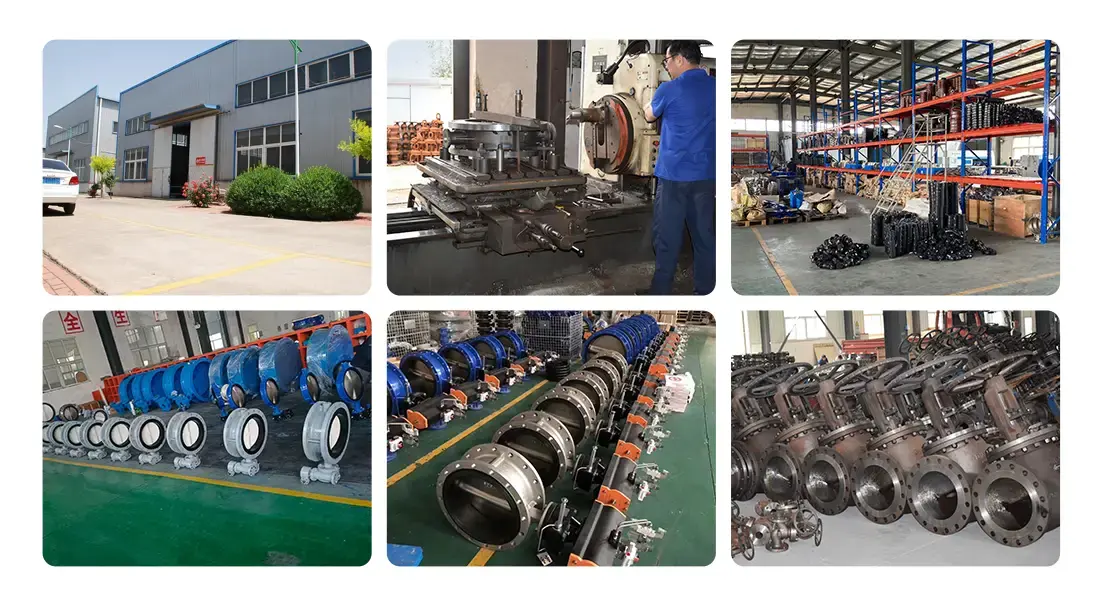
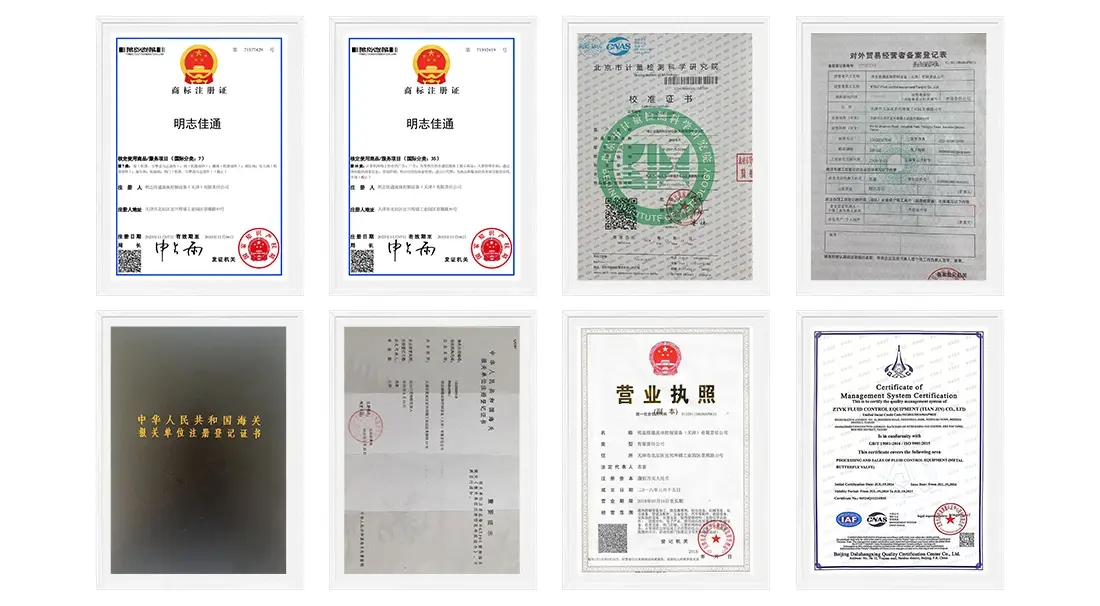
ZTVK manufactures industrial-grade ball valves from our Tianjin facility, serving distributors and contractors worldwide with ISO 9001-certified quality systems. Our full-bore ball valves feature precision-machined 316 stainless steel balls, ASTM A351 CF8M bodies, and PTFE sealing components engineered for demanding applications. Standard models from DN50 to DN600 ship within 3-7 days from our 2,000+ unit inventory, while custom OEM configurations support your specific branding and technical requirements. Located just 50 km from Tianjin Port, we efficiently coordinate FOB and CIF shipments through established partnerships with major shipping lines. As an experienced full flow ball valve manufacturer, we provide comprehensive technical support, CAD drawings, and an 18-month warranty covering non-human-caused defects. Contact our team at ktec86961886@163.com to discuss bulk pricing, customization options, and how our production capabilities support your project timelines and quality standards.
References
1. American Society of Mechanical Engineers. (2021). "Pressure Loss Characteristics in Industrial Valve Systems." ASME Technical Journal of Fluid Dynamics, Vol. 143, pp. 234-251.
2. Johnson, Robert L. and Martinez, Elena. (2020). "Comparative Performance Analysis of Industrial Isolation Valves in High-Flow Applications." Journal of Pipeline Engineering, Vol. 19, No. 4, pp. 112-128.
3. International Organization for Standardization. (2019). "ISO 5208: Industrial Valves - Pressure Testing of Metallic Valves." Geneva: ISO Standards Publications.
4. National Association of Corrosion Engineers. (2022). "Material Selection Guide for Valve Components in Corrosive Service." NACE International Report MR0175-2022, Houston, Texas.
5. Peterson, David K. (2020). "Lifecycle Cost Analysis of Valve Technologies in Municipal Water Systems." Water Infrastructure Journal, Vol. 28, No. 2, pp. 67-84.
6. Thompson, Sarah M. and Chen, Wei. (2021). "Energy Efficiency Optimization Through Strategic Valve Selection in Industrial Fluid Transport Systems." Industrial Engineering Quarterly, Vol. 45, No. 3, pp. 189-206.
Send us your valve requirements and our team will provide professional solutions and fast quotations.
RELATED INDUSTRY KNOWLEDGE