- English
- French
- German
- Portuguese
- Spanish
- Russian
- Japanese
- Korean
- Arabic
- Greek
- German
- Turkish
- Italian
- Danish
- Romanian
- Indonesian
- Czech
- Afrikaans
- Swedish
- Polish
- Basque
- Catalan
- Esperanto
- Hindi
- Lao
- Albanian
- Amharic
- Armenian
- Azerbaijani
- Belarusian
- Bengali
- Bosnian
- Bulgarian
- Cebuano
- Chichewa
- Corsican
- Croatian
- Dutch
- Estonian
- Filipino
- Finnish
- Frisian
- Galician
- Georgian
- Gujarati
- Haitian
- Hausa
- Hawaiian
- Hebrew
- Hmong
- Hungarian
- Icelandic
- Igbo
- Javanese
- Kannada
- Kazakh
- Khmer
- Kurdish
- Kyrgyz
- Latin
- Latvian
- Lithuanian
- Luxembou..
- Macedonian
- Malagasy
- Malay
- Malayalam
- Maltese
- Maori
- Marathi
- Mongolian
- Burmese
- Nepali
- Norwegian
- Pashto
- Persian
- Punjabi
- Serbian
- Sesotho
- Sinhala
- Slovak
- Slovenian
- Somali
- Samoan
- Scots Gaelic
- Shona
- Sindhi
- Sundanese
- Swahili
- Tajik
- Tamil
- Telugu
- Thai
- Ukrainian
- Urdu
- Uzbek
- Vietnamese
- Welsh
- Xhosa
- Yiddish
- Yoruba
- Zulu
What is the function of a silencing check valve?
One problem that keeps facility managers up at night when they work with industrial plumbing systems is the quick, jarring sound of water hammer, which is followed by damage to equipment. I've seen a lot of projects where standard valves broke, which cost a lot of money and put people in danger. That's where silent check valves come in. They are a unique way to protect your equipment while keeping things running quietly. As a non-return flow control device, a silent check valve, especially the 2-inch silent check valve, stops reverse flow and gets rid of sound and vibration problems in pipe systems. Unlike most swing check valves, which close quickly when the flow changes direction, this valve has a spring-loaded disc system that closes instantly when the flow speed drops to zero, before any backward surge happens. This stops the harmful pressure waves that break pipes, wear out pumps, and cause noise problems in water supply networks, HVAC systems, and industrial condensate systems.
Understanding the Function and Operation of Silent Check Valves
How Silent Check Valves Eliminate Water Hammer
The most important difference between regular and silent check valves is how they close. With traditional swing check valves, the flow is slowed down by gravity and the force of the flow going the opposite way. During this time, the fluid starts to move backwards and picks up speed before the disc slams shut. A rapid stop causes a rise in pressure, which is known as the "water hammer."
Silent check valves can handle this because they close with the help of a spring. The disc is always being pushed toward the closed position by the spring, so forward flow is needed to release this tension. As soon as the pump stops releasing fluid or the flow speed stops, the spring presses the disc against the valve body right away. There is no delay, backward flow, or slam. This design is especially important in vertical turbine pump setups, where gravity can speed up the flow of water backwards, and in high-rise building water systems, where pressure differences cause backflow to happen quickly.
Key Operational Components
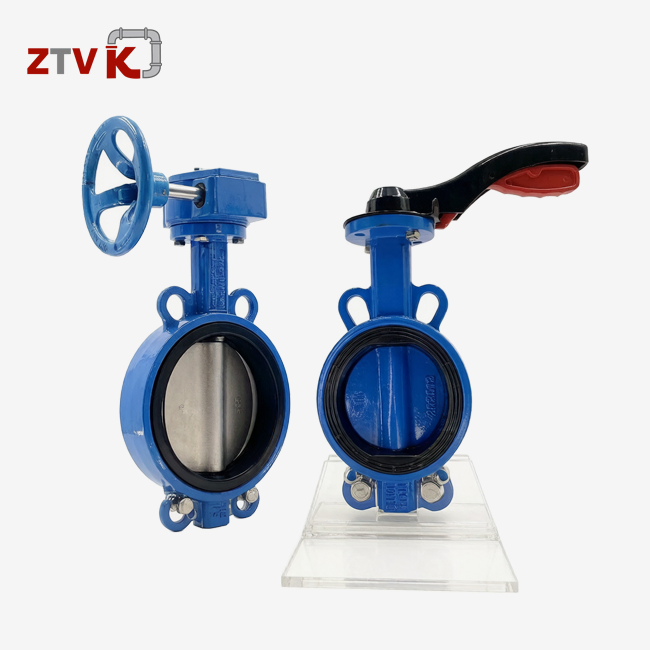
The bullet-shaped valve disc moves along a center guide shaft that has non-metallic greasing covers on it to keep it moving smoothly and without getting stuck. The "waist drum" shape of the valve body makes it smoother and easier for fluids to flow through it. A frame-type rubber closing ring that is built right into the valve body makes the closure strong and leak-proof, and it doesn't wear down from constant medium flow. These improvements in engineering mean that the valves can be used more than 50,000 times, which is a lot longer than regular check valves in the same situations.
Technical Specifications and Industry Standards
Material Construction and Pressure Ratings
To be durable in a wide range of working situations, high-quality silent check valves need to be made from carefully chosen materials. Our ductile iron valves (ASTM A536) are stronger and lighter than standard cast iron, so they can withstand impacts very well in water distribution networks for cities. With PN16 pressure values, the flanged connection design can work with nominal sizes from DN65 to DN500. At room temperature, systems can handle up to 232 psi.
The spring and guide rod are made of stainless steel (SS304/316) on the inside, which makes them very resistant to rust in chemical processes and condensate return lines. The flexible seat materials—usually EPDM for general water service or Viton for high-temperature uses—keep the seals from leaking at temperatures ranging from -4°F to 250°F. This combination of materials makes sure that the system works well whether you're in charge of cold water loops, hot water recirculation, or the movement of process fluids.
Compliance with International Standards
Making valves follows a number of worldwide standards to make sure they work everywhere. With ISO 9001 approval, you can be sure that quality control will stay the same throughout production. MSS SP-125 compliance sets the size requirements for center-guided check valves, and API 598 sets the strict testing rules. For a 2-inch silent check valve, structural stability is checked by testing its shell under 1.5 times its rated working pressure. Then, the zero-leakage performance of its seat is confirmed by testing it under 1.1 times its rated pressure. These certificates are more than just pieces of paper; they provide a measurable quality guarantee that protects your investment and meets engineering standards for projects in North America and around the world.
Comparing Silent Check Valves with Other Valve Types
Performance Differences Across Valve Designs
Knowing the differences between valve types helps improve the design of a system. Swing check valves have low head loss, but they make a lot of noise when they close, especially when they are installed horizontally and the disc travels the farthest. Spring check valves close more quickly than swing valves, but they still let some backflow happen before they close all the way. Ball check valves work great in small areas, but they have rough flow patterns that make the pressure drop more noticeable.
Silent check valves are the best mix. The short disc travel—usually 15 to 25 percent of the pipe diameter—allows for quick closing, which stops water hammer while keeping good head loss characteristics. Even though the pressure drop might be 10-15% higher than with swing check valves, this small trade-off has big benefits: noise doesn't travel through building structures; upstream equipment is protected from pressure surges; and service life is extended by lowering mechanical shock loading.
Material Selection Impact on Total Cost of Ownership
Lifecycle economics are often overlooked by buying teams that are trying to stick to a budget. When bought, ductile iron valves are 20–30% less expensive than stainless steel valves of the same size, but they are just as resistant to rust in water systems with a neutral pH. The epoxy resin coating we put on ductile iron bodies protects them even more in wet places, making them last longer than cast iron that hasn't been covered.
When used in harsh conditions like high-chloride water, acidic condensate, or naval settings, where malleable iron would need to be replaced often, stainless steel construction becomes more cost-effective. It is important to match the choice of material to the real working situations instead of giving too many details. This method lowers the initial cost of capital while keeping long-term dependability and lowering the cost of upkeep.
Installation, Troubleshooting, and Maintenance Practices
Proper Installation Procedures
Whether your silent check valve works as it should or becomes a servicing nightmare depends on how well it was installed. It seems clear that the valve must be installed so that the flow direction matches the arrow that is cast into the valve body, but installing it backwards is still a common mistake that makes the valve useless. Tightening flanged connections in a star design to the stated pressure values will keep the gasket from crushing and make sure the load is spread out evenly.
The best position is vertical placement with upward flow, which lets the spring work with gravity during closure. Installations that are horizontal are fine, but the doors may take a little longer to close. Leave enough space for future removal—at least 12 inches of straight pipe run upstream and downstream helps the flow grow properly and make upkeep easier. Check that the disc can move easily before starting up the system by looking at the guide shaft through the hole in the bonnet.
Common Issues and Solutions
Noises that don't make sense when a 2-inch silent check valve is running usually mean that the springs aren't tight enough or that something is stuck in the disc guide. Take the hood apart, look at the guide shaft for damage or wear, and clean the inside of everything. If the spring shows signs of corrosion or lasting compression, it needs to be replaced. Water hammer safety will be compromised if you use springs that don't meet the right tension requirements.
If you can see leaking past the seat, it means that either the elastomer is breaking down or the covering surface is getting damaged. Temperatures above the material's recommended range speed up its breakdown, and particle contamination damages sitting surfaces mechanically. Leaks are usually fixed by replacing the robust seat, but if they keep happening, it could mean that the upstream filter isn't working right or that the wrong material was chosen for the job.
Maintenance Schedule Recommendations
In most situations, regular inspections every 12 to 18 months keep things running at their best. This time should be cut down to 6 to 9 months for systems that work with gritty slurries or at temperatures above 180°F. As part of the inspection, the disc's freedom of movement is checked, along with the state of the springs and the seat for damage or wear. The bonnet bolt strength is also checked. Keeping a stock of important extra parts like seats, springs, and lubricant sleeves for guide shafts lets you fix things quickly and keep system downtime to a minimum.
Keeping records of upkeep tasks creates useful trend data. Keeping track of measures of spring compression, notes of seat condition, and installations of new parts helps predict future service needs and find repeated issues that may need system changes. With this method, maintenance stops being reactive and starts being smart about managing assets.
Procuring Silent Check Valves: A Buying Guide
Supplier Selection Criteria
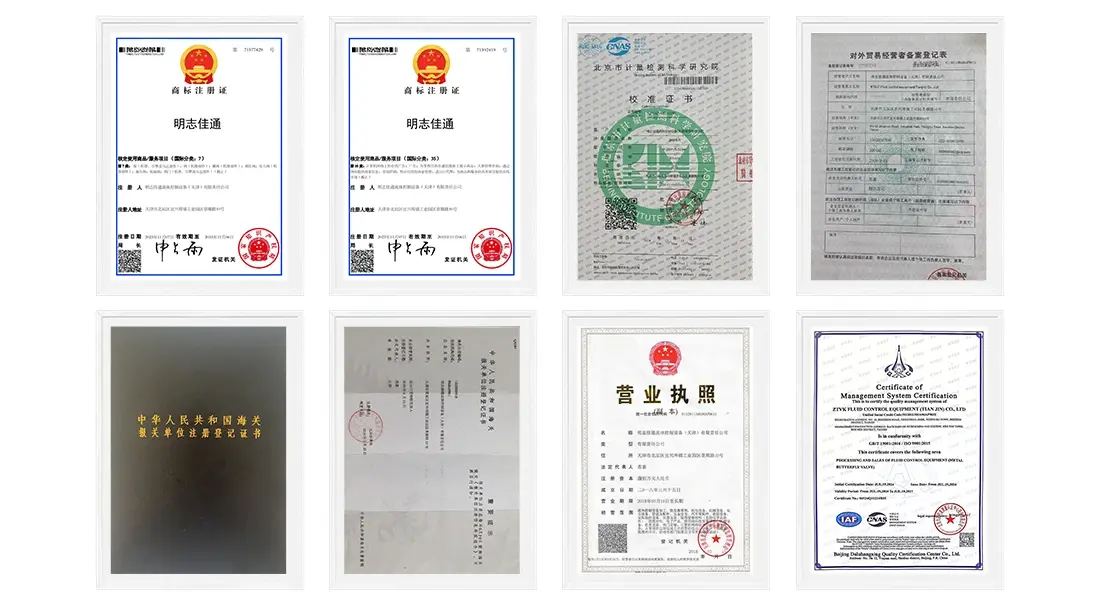
As much as technical details affect the success of a project, picking the right valve provider is just as important. It is important to make sure that the ISO, API, and material approvals are real and can be tracked back to approved testing labs. Suppliers who offer factory checks show that they are confident in their quality systems and give you information that helps you make an informed buying choice.
OEM customisation options show that the factory is flexible enough to meet the specific needs of each project. Can the provider change the way the flanges are drilled to fit non-standard uses? Are they able to speed up production for urgent needs? It saves engineers time and lowers the risk of buying mistakes by being able to offer CAD drawings, 3D models, and expert advice during the design phase. Professional makers are different from commodity traders because they offer these value-added services.
Lead Time and Logistics Considerations
Standard models in popular sizes (DN50–DN200) should be in stock and ready to ship in 3–7 days, so they can be used for quick project timelines and replacements in case of an emergency. Custom setups need longer production windows—usually 15 to 25 days, but this depends on how complicated the changes are. Suppliers who are close to major shipping ports have organisational benefits because it's cheaper and faster to book containers when they're close to the ports.
The quality of the packaging saves your investment while it's being shipped across borders. Wooden crates that meet ISPM 15 standards and have a moisture-proof film and interior support keep things from getting damaged by handling and the environment. Maintaining partnerships with well-known goods forwarders like Maersk and COSCO can help suppliers offer competitive FOB or CIF prices and reliable sailing schedules, which makes international purchasing easier.
ZTVK: Your Trusted Partner for Industrial Valve Solutions
We at ZTVK have spent more than 15 years getting better at making silent check valves in the Beichen Industrial Zone in Tianjin. The double eccentric and oblique seal design on our ductile iron 2-inch silent check valve units cuts down on working power by 30% and increases cycle life to more than 50,000 operations. With grades from PN16 to DN65, the flanged connection design can be used in a wide range of industry settings, from treating city water to HVAC systems.
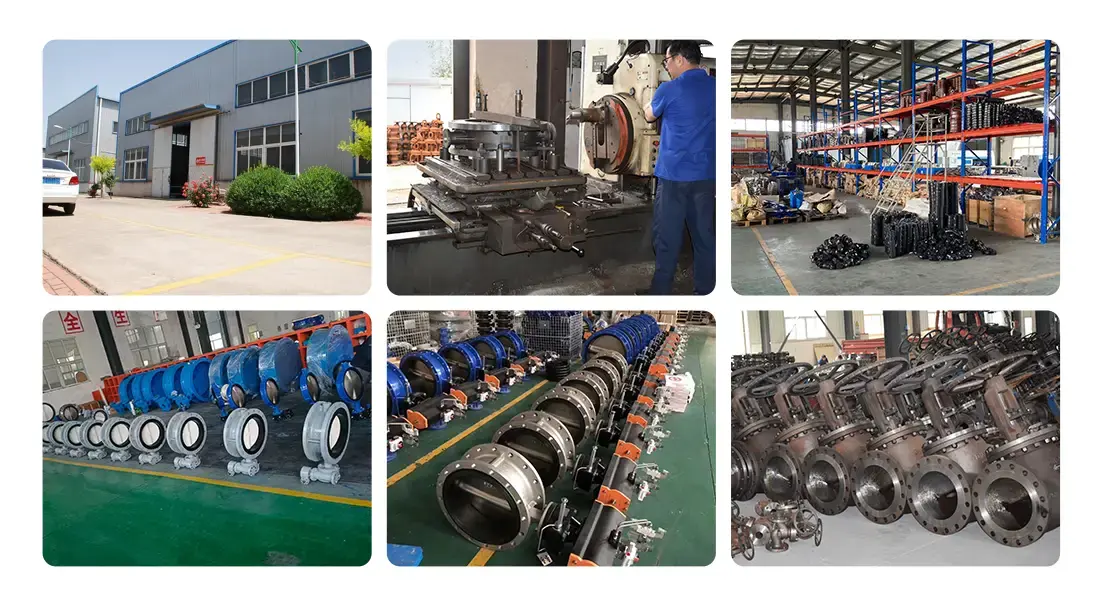
Integrated production is what makes us different. Just 50 kilometres from Tianjin Port, our building has CNC machine centers, specialised equipment for handling large-diameter valves, and a wide range of testing tools. This makes it possible for us to respond quickly and easily to your needs, whether you need standard stock items shipped within a week or custom ODM solutions designed to fit your exact working conditions. Before being shipped, every valve goes through hydrostatic shell testing and seat leak verification. These tests are recorded in test records that come with your order.
We allow deep customisation that goes beyond what's in our catalogue. When you use OEM branding, your company's name is put on valves that are made to our tried-and-true designs. ODM engineering changes the shape of the valve body, the materials used for closing, and the ways that it is connected to make it work with your unique medium, pressure, and temperature. Technical support goes beyond delivery; we offer installation tutorial videos, repair guides, and an 18-month guarantee that covers breakdowns of non-wear parts.
Conclusion
Silent check valves are a tried-and-true way to control backward flow and get rid of damaging water hammer, two problems that industrial pipes often have. The spring-loaded disc mechanism, high-quality materials, and streamlined flow path design make this valve reliable for use in city water systems, HVAC setups, and industrial process settings. Total cost of ownership optimisation is achieved by choosing the right materials for the job, installing them correctly according to the manufacturer's instructions, and keeping up with regular upkeep that extends the life of the parts. By knowing the technical specs, performance trade-offs between different valve types, and seller selection criteria, you can make smart purchasing choices that protect your infrastructure investments and keep operations running smoothly.
FAQ: Your Silent Check Valve Questions Answered
1. What makes silent check valves superior to traditional swing check valves?
Silent check valves stop water hammer by closing with a spring before the reverse flow starts. Swing check valves, on the other hand, depend on the force of the backflow to close, which can cause damaging pressure spikes. This mechanism cuts down on noise transfer, keeps upper equipment safe, and makes the pipe system last longer.
2. Can silent check valves handle high-pressure applications?
Of course. When made to PN16 standards, valves can safely work at pressures up to 232 psi and normal room temperatures. Pressure capability is based on the choice of materials and the quality of the building. For example, ductile iron with the right seat materials works very well in most urban and commercial settings within this pressure range.
3. How often should silent check valves be inspected?
Clean water service usually needs to be inspected every 12 to 18 months. More regular 6–9-month gaps are better for systems that use abrasive media or work above 180°F. As part of the inspection, the disc's movement is checked, as well as the state of the springs and the seat's structure, to find wear before it happens.
Partner with ZTVK for Quality Silent Check Valve Solutions
Looking for a reliable 2-inch silent check valve supplier you can trust that makes high-quality products and provides quick service? ZTVK gives you both. Our flanged ductile iron silent check valves (DN65–DN500, PN16) are made to international standards and can be customised to fit your needs. Whether you need stock units sent within days or custom-engineered solutions for tough uses, our integrated manufacturing site and proximity to Tianjin Port make delivery around the world quick and easy. You can email our expert team at ktec86961886@163.com for more information, cheap quotes, or to talk about how our OEM/ODM services can meet your needs.
References
1. American Water Works Association. Manual M11: Steel Pipe – A Guide for Design and Installation. 6th Edition. Denver: AWWA, 2017.
2. Tullis, J. Paul. Hydraulics of Pipelines: Pumps, Valves, Cavitation, Transients. New York: John Wiley & Sons, 1989.
3. Skousen, Philip L. Valve Handbook. 3rd Edition. New York: McGraw-Hill Education, 2011.
4. Manufacturers Standardization Society. MSS SP-125: Specification for Class 125 and 150 Corrosion-Resistant Cast Flanged Valves. Vienna: MSS, 2012.
5. American Petroleum Institute. API Standard 598: Valve Inspection and Testing. 10th Edition. Washington: API, 2016.
6. Wylie, E. Benjamin and Streeter, Victor L. Fluid Transients in Systems. Englewood Cliffs: Prentice Hall, 1993.
Send us your valve requirements and our team will provide professional solutions and fast quotations.
RELATED INDUSTRY KNOWLEDGE