- English
- French
- German
- Portuguese
- Spanish
- Russian
- Japanese
- Korean
- Arabic
- Greek
- German
- Turkish
- Italian
- Danish
- Romanian
- Indonesian
- Czech
- Afrikaans
- Swedish
- Polish
- Basque
- Catalan
- Esperanto
- Hindi
- Lao
- Albanian
- Amharic
- Armenian
- Azerbaijani
- Belarusian
- Bengali
- Bosnian
- Bulgarian
- Cebuano
- Chichewa
- Corsican
- Croatian
- Dutch
- Estonian
- Filipino
- Finnish
- Frisian
- Galician
- Georgian
- Gujarati
- Haitian
- Hausa
- Hawaiian
- Hebrew
- Hmong
- Hungarian
- Icelandic
- Igbo
- Javanese
- Kannada
- Kazakh
- Khmer
- Kurdish
- Kyrgyz
- Latin
- Latvian
- Lithuanian
- Luxembou..
- Macedonian
- Malagasy
- Malay
- Malayalam
- Maltese
- Maori
- Marathi
- Mongolian
- Burmese
- Nepali
- Norwegian
- Pashto
- Persian
- Punjabi
- Serbian
- Sesotho
- Sinhala
- Slovak
- Slovenian
- Somali
- Samoan
- Scots Gaelic
- Shona
- Sindhi
- Sundanese
- Swahili
- Tajik
- Tamil
- Telugu
- Thai
- Ukrainian
- Urdu
- Uzbek
- Vietnamese
- Welsh
- Xhosa
- Yiddish
- Yoruba
- Zulu
How to Select the Right 2 Inch Brass Curb Stop Valve
Choosing the right brass curb stop valve for your water supply infrastructure isn't just about matching pipe sizes—it's about ensuring decades of reliable service under demanding conditions. When evaluating options for a 2 inch brass curb stop valve, you need to balance material quality against operational requirements, verify compliance with drinking water standards, and confirm the valve can handle the specific pressure and temperature ranges your system demands. A properly selected curb stop valve prevents costly emergency repairs, minimizes downtime for municipal projects, and delivers the flow control precision commercial contractors depend on. Understanding the technical specifications, structural design, and quality benchmarks separates a valve that performs reliably from one that fails prematurely.
Understanding the Basics of 2 Inch Brass Curb Stop Valves
A 2-inch brass curb stop valve, which is usually put in place underground at the property line or curb box, is the most important way to keep homes from connecting to the city's water mains. These valves are essential for maintenance and disaster response because they let utility workers cut off the water supply without going into buildings or digging up streets.
Core Components and Working Principles
The valve works with a simple but strong mechanism. When you use a T-key or curb key to turn the valve stem, the disc or ball inside moves perpendicular to the flow path, which either lets water pass or blocks it. With our two-piece structural design, the body and bonnet are assembled in a way that makes them very durable and makes maintenance easier. This way of building lets workers fix internal parts without having to replace the whole valve body, which lowers the cost of ownership over time.
The physical control method gives workers direct tactile feedback while they're working, so they don't have to rely on electrical systems in underground spaces where moisture and soil can damage electronic parts. Our valves can be installed in sizes ranging from 4 inches to 2 inches, so they can be used with a variety of service line setups while still performing the same way.
Material Advantages and Performance Characteristics
Lead-free brass alloys that meet NSF/ANSI 61 and 372 standards are more resistant to corrosion than bronze or plastic alternatives. The brass doesn't dezincify, which is a common way for materials to fail in underground sites where the soil chemistry is harsh and breaks down weaker materials. In temperatures ranging from -29°C to 120°C, our valves can handle gases and liquids that don't corrode. This covers most potable water applications in a wide range of climates.
Curb stop valves have shorter travel lengths between open and closed states than gate valves, which require multiple rotations and long opening strokes. This design lowers the torque needed for operation and keeps sealing surfaces from wearing down too quickly. When installed correctly, it can last more than 50 years.
Typical Applications Across Market Segments
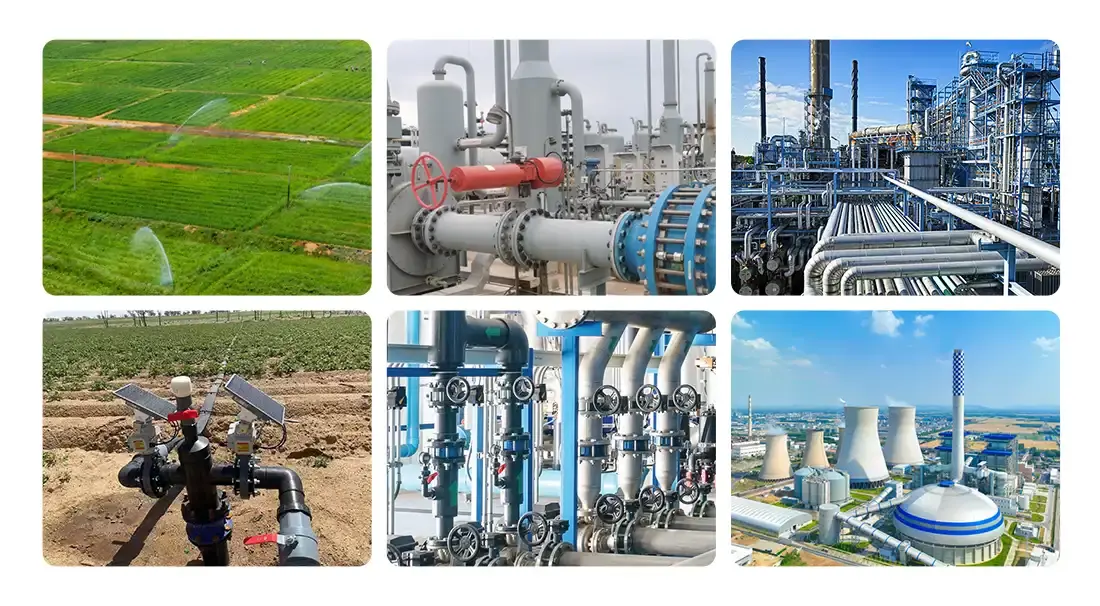
The main places where it is used are commercial buildings, apartment houses with multiple units, and public water systems. The valve can handle flow rates of 100 to 160 gallons per minute and keep its seal integrity during hydraulic surges, which is helpful for water supply contractors who are putting in service laterals for shopping centers. Integrators of fire safety systems depend on these valves as separation points because they can still be used even after being buried for years.
Brass building works especially well for underground sites near the coast where the soil is very salty. Standard bronze valves break down in 15 to 20 years, but properly defined brass curb stops keep their structural integrity and sealing performance for decades, which means they don't need to be replaced as often and you don't have to pay as much for drilling.
Essential Criteria for Selecting the Right Valve
To choose the right 2 inch brass curb stop valve, you need to carefully look at it from a number of scientific and practical points of view. When you make purchasing decisions based on clear criteria, you avoid problems with compatibility, early failures, and project delays.
Material Quality and Certification Requirements
Check that the materials used for the valves are safe for drinking water and have real NSF/ANSI 61 approval for contact with potable water. As required by federal law, insist on Mill Test Reports that show the composition of the brass alloy and confirm that the lead content stays below 0.25% weighted average. Distributors who serve more than one area market should give priority to providers whose manufacturing processes are ISO 9001 certified. This will ensure that the quality of each production batch is the same.
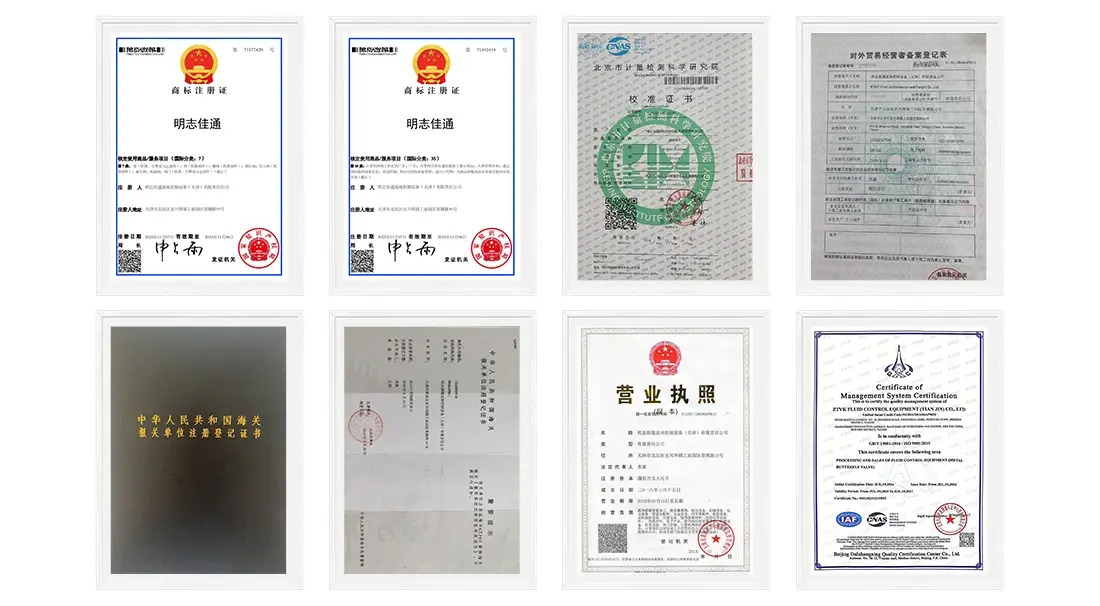
Our Tianjin facility has ISO 9001, ISO 14001, and OHSAS 18001 certifications, which give EPC contractors the proof they need to make sure projects are completed correctly. These aren't just certificates on the wall; they're part of a system for quality control that includes hydrostatic testing at 300 PSI and pneumatic testing to find tiny holes in castings.
Pressure Ratings and Environmental Considerations
Make sure that the valve pressure values are right for the way your system works and that there are enough safety gaps. Most of the time, the pressure in municipal water lines is between 40 and 80 PSI. However, surge pressures can reach 150 PSI or higher when pumps cycle or valves close quickly. Choosing valves with a working pressure of 300 PSI gives the cushion needed to keep the seat from getting damaged during sudden events.
Environmental factors also need to be taken into account. Vehicle weight puts vertical loads on installations in high-traffic pavement areas, so valve bodies need to have reinforced wall sections. In our manufacturing process, structural optimisation is done with CNC machining centers that keep wall thicknesses exact. This gets rid of weak spots that would compromise long-term durability.
Supplier Credibility and Long-Term Support
Consider more than money while researching services. Trading businesses that acquire valves from many foundries struggle to maintain quality. Regional distributors creating brands are at risk. Direct manufacturer connections provide technical support, bespoke OEM branding, and speedier product delivery during supply chain outages.
At our Beichen District location, we carry over 2,000 standard models to provide swiftly for projects. Nonstandard customizations have their own manufacturing line with 15–25-day wait periods. This balances delivery dependability and freedom. Being 50 km from Tianjin Port simplifies international shipping. Our COSCO and Maersk agreements allow us to provide accurate FOB Tianjin Xingang or CIF destination port quotations.
Product warranties demonstrate the manufacturer's confidence in its durability. First installation and setup aren't covered by 12-month warranties. We provide an 18-month warranty with free replacements for non-human failures. Installation, debugging, and other guidance save service call expenses.
Maintenance, Installation, and Common Issues
The service life of 2-inch brass curb stop valves and the reliability of the system are directly affected by how they are installed and maintained. Knowing the most common ways that valves fail helps buying teams choose valves that won't have these problems.
Installation Best Practices
Start by ensuring the installation location is deep enough to minimise frost damage in cold regions and has adequate drains to protect the valve body from water pressure. To reduce silt building up on sealing surfaces, which causes premature seal wear, place the valve stem upright.
Make sure upstream and downstream pipes are supported independently when linking pipes to avoid valve body stress from ground settling. Use compression fittings for copper, threaded connectors for steel, or flanged couplings for large diameters to link pipes. Apply Teflon tape or thread sealer per manufacturer's directions. Avoid overcompounding, which might damage the valve.
Test the pressure at 1.5 times the operating pressure for 30 minutes after installation but before backfilling. Leak-check all connections and valve stem seal. This pre-burial assessment prevents costly drilling if issues arise after site restoration.
Routine Inspection and Preventive Maintenance
Set up annual operation cycles for valves in key service areas. To keep sealing surfaces from sticking together, rotate the stem several times from open to closed. Write down the operating torque during these cycles; large increases suggest that sediment is building up or the seal is wearing down, which needs to be fixed before the whole thing fails.
Check the covers and entry points for curb boxes every six months to make sure they stay clear of garbage and can be used for emergencies. If the curb boxes are corroded or damaged and get stuck during emergency shutoffs, the valve is no longer useful. Regular replacement keeps the system responsive.
Troubleshooting Common Operational Problems
Scale accumulation within the valve or corrosion where the stem passes through the bonnet makes the valve stem hard to spin. If you exert too much power, the stem might shatter, rendering the valve useless and requiring excavation. Regular exercise and lubrication may avoid this issue, but if it occurs, special extraction tools and repair are needed.
Leakage around the stem packing indicates seal breakage or compression loss. Modern valves include twin O-ring designs that allow packing changes without shutting down the valve. Wholesalers who operate with freelancers punished for extended service outages might use this option.
If pressure or flow tests show internal leaks, the seat is damaged by debris, erosion, or manufacturing errors. Good valves with hardened sealing surfaces don't wear out even in high-speed circumstances; therefore, material parameters affect total cost of ownership.
Comparative Analysis of 2 Inch Brass Curb Stop Valves
Procurement managers can make better decisions that fit the needs of the project and the budget if they know how 2 inch brass curb stop valves compare to other materials and valve types.
Material Performance Comparison
Brass is the best metal for machinability, corrosion resistance, and mechanical strength. Bronze metals are a little better at resisting corrosion in harsh marine settings, but for most city uses, the extra cost isn't worth the small performance gain. People are interested in plastic valves because they are cheaper to make, but their limited pressure ratings, susceptibility to UV decay, and lack of resistance to impact make them less reliable than the original savings.
Our lead-free brass solution is specially made to stop dezincification, which is the main way brass parts break down in harsh water environments. This metallurgical improvement makes the service life decades longer than with regular brass alloys, giving value that builds up over the valve's working life.
Valve Type Functionality Assessment
Ball valves seal well and don't need much working force, which makes them perfect for situations where they need to be used often. But because they are more expensive to make and can't be fixed easily, they aren't as good for underground installs where they won't be used very often. When fully open, gate valves let a lot of fluid through, but they need to be rotated several times and can get stuck when debris gets inside.
When it comes to underground service, curb stop valves are durable, but they are also easy for utility workers to use in an emergency. The stem's perpendicular orientation makes it easy to see where the valve is, and the small operating mechanism doesn't freeze in cold weather, which can stop gate valve stems from moving.
Application-Specific Recommendations
Standardising on brass curb stops for service lateral installations is good for municipal companies in charge of big building projects. The fact that they are reliable, follow the rules, and are well known by utility workers reduces the need for training and the complexity of keeping extra parts on hand.
When installing building isolation valves, HVAC contractors should think about the temperature range that the valve can work with. Our -29°C to 120°C rating works for both chilled water systems and hot water recirculation loops. This means that different mechanical systems in the same building don't need different valve specifications.
Procurement Strategies: How and Where to Buy the Best 2 Inch Brass Curb Stop Valve
Strategic approaches to buying 2-inch brass curb stop valves weigh the needs of the current project against the interests of long-term relationships with suppliers and the overall cost. Based on how they run their businesses, industrial valve distributors and workers use different tactics.
Bulk Purchasing and Inventory Management
When distributors resell to area builders, they can get the best margins by buying in bulk. Setting up yearly buy deals with manufacturers keeps prices stable and guarantees that supplies will be available when the market is short. We help sellers with OEM branding services, which let you make your own lines of products that set your business apart while keeping prices low thanks to how efficiently we produce everything in-house.
Trading companies that work in more than one market should check to see if their providers can handle contract stock or keep special stock for big accounts. Our standard inventory of more than 2,000 units allows us to fill orders right away, and our flexible production schedule lets us handle changes in seasonal demand without having to wait longer for parts.
Supplier Evaluation and Due Diligence
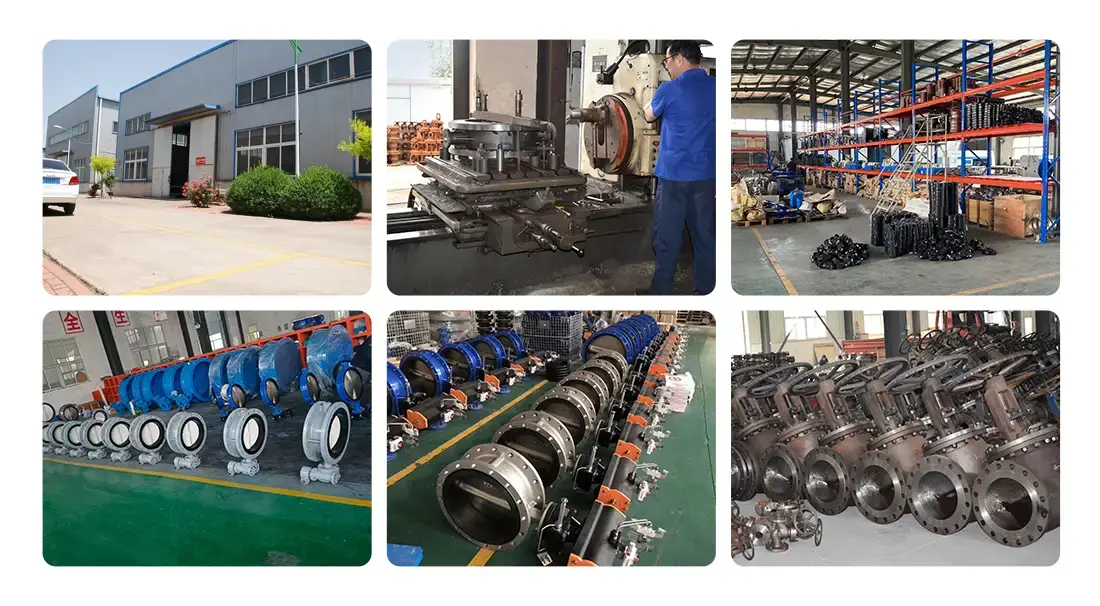
Ask possible providers for permission to inspect their factories. Companies that are sure of their quality systems are happy for customers to check them. Companies that don't want customers to look around often hide problems with their tools, processes, or certifications. Our Beichen facility has up-to-date CNC machining centers, large-diameter valve processing lathes, and a wide range of testing tools, such as material spectrometry and pressure test stations, which we are happy to show to customers who come to see us.
Check the authenticity of the certification through separate channels. Certificate fraud is still common in industrial supply chains, with some suppliers showing fake ISO or NSF paperwork. Third-party checks don't affect our certifications, and for customers who want even more confidence, we offer direct verification contacts.
Logistics and Delivery Considerations
Location near major shipping ports affects lead times and freight prices. Our Tianjin location is advantageous. The facility is within an hour by vehicle from Tianjin Port, making container loading fast and inexpensive and lowering domestic transportation expenses that boost FOB pricing. Professional ISPM 15 export packaging is available. Cargo is protected by wooden crates with waterproof film and set brackets and customs at the destination port.
Shipping relationships are as vital as product quality in international procurement. During peak periods, when spot market freight is scarce or costly, our long-term ties with significant carriers allow us to book. We handle company invoices, packing lists, and certificates of origin, making importer paperwork simpler.
Conclusion
You must consider technical requirements, operating demands, and supplier capabilities to pick the correct 2 inch brass curb stop valve. Material quality, pressure ratings, certifications, and structural design impact service life and system reliability. Municipal contractors and corporate builders benefit from the two-piece design, manual operation, and lead-free brass.
Successful procurement requires more than product knowledge. It also involves assessing the supplier, ensuring dependable delivery, and providing long-term support. Manufacturers with high quality standards, fast professional assistance, and adjustable options provide value beyond the purchase price.
By following the systematic selection criteria in this book, procurement managers can be confident the valves they specify will fulfil project goals and develop supplier relationships that will help the organization thrive over many project cycles.
Frequently Asked Questions
1. What is the expected service life of a brass curb stop valve?
When installed correctly, lead-free 2-inch brass curb stop valves usually work well for more than 50 years in standard municipal water applications. Lifespan depends on the type of water, the state of the land, and how well it is maintained. In harsh soil conditions or systems that aren't taken care of, valves may need to be replaced every 25 to 30 years. On the other hand, valves that are kept in good shape and exercised regularly can last longer than 60 years.
2. How do I know when a curb stop valve needs replacement?
Observable indicators include problems with turning the valve stem, leaks around the bonnet, leaks inside the valve that can be seen through flow tracking, and damage or rust that can be seen during inspection. Valves that show big increases in working torque during regular exercise rounds should be looked at by a professional. If the stem completely seizes or breaks, it needs to be replaced right away to get the system separation capability back.
3. Can these valves handle high-pressure irrigation systems?
Yes, most irrigation uses can be met by brass curb stop valves designed for 300 PSI working pressure. When commercial watering systems use 100 to 150 PSI, they stay well within the valve's design limits. Always check the exact system pressure needs, including surge conditions, to make sure there are enough safety margins.
Partner with ZTVK for Reliable Brass Curb Stop Valve Solutions
Industrial 2-inch brass curb stop valve distributors and contractors need ZTVK to provide the quality, certification, and supply chain reliability they need. Our factory in Tianjin is ISO 9001 certified and makes brass service valves that meet AWWA standards and NSF/ANSI drinking water requirements. These valves are tested thoroughly and come with an 18-month warranty. Whether you need regular two-inch brass curb stop valves from our large inventory or OEM options with your logo, our engineering team is available to help you every step of the way during the procurement process.
We know that on-time delivery and regular quality are key to making projects successful. Because we are close to Tianjin Port and work with major shipping lines, our operations are reliable, and our standing inventory of over 2,000 units lets us meet immediate needs quickly. Email our sales team at ktec86961886@163.com to talk about your unique application needs and get full technical specs. As a well-known 2 inch brass curb stop valve manufacturer with more than 15 years of experience, we can help you meet your procurement goals with competitive pricing, flexible order quantities, and the engineering know-how your projects need.
References
1. American Water Works Association. (2020). AWWA C800: Underground Service Line Valves and Fittings. Denver, CO: AWWA Publications.
2. NSF International. (2019). NSF/ANSI 61: Drinking Water System Components - Health Effects. Ann Arbor, MI: NSF International Standards.
3. Mueller Co. (2021). Service Brass Technical Manual: Installation and Maintenance Guidelines. Chattanooga, TN: Mueller Co. Technical Publications.
4. Hydraulic Institute. (2018). Valve Selection and Application Guide for Municipal Water Systems. Parsippany, NJ: Hydraulic Institute Standards.
5. Copper Development Association. (2020). Brass Alloy Properties and Applications in Water Distribution. New York, NY: CDA Technical Services.
6. International Organization for Standardization. (2015). ISO 9001: Quality Management Systems - Requirements. Geneva, Switzerland: ISO Publications.
Send us your valve requirements and our team will provide professional solutions and fast quotations.
RELATED INDUSTRY KNOWLEDGE