- English
- French
- German
- Portuguese
- Spanish
- Russian
- Japanese
- Korean
- Arabic
- Greek
- German
- Turkish
- Italian
- Danish
- Romanian
- Indonesian
- Czech
- Afrikaans
- Swedish
- Polish
- Basque
- Catalan
- Esperanto
- Hindi
- Lao
- Albanian
- Amharic
- Armenian
- Azerbaijani
- Belarusian
- Bengali
- Bosnian
- Bulgarian
- Cebuano
- Chichewa
- Corsican
- Croatian
- Dutch
- Estonian
- Filipino
- Finnish
- Frisian
- Galician
- Georgian
- Gujarati
- Haitian
- Hausa
- Hawaiian
- Hebrew
- Hmong
- Hungarian
- Icelandic
- Igbo
- Javanese
- Kannada
- Kazakh
- Khmer
- Kurdish
- Kyrgyz
- Latin
- Latvian
- Lithuanian
- Luxembou..
- Macedonian
- Malagasy
- Malay
- Malayalam
- Maltese
- Maori
- Marathi
- Mongolian
- Burmese
- Nepali
- Norwegian
- Pashto
- Persian
- Punjabi
- Serbian
- Sesotho
- Sinhala
- Slovak
- Slovenian
- Somali
- Samoan
- Scots Gaelic
- Shona
- Sindhi
- Sundanese
- Swahili
- Tajik
- Tamil
- Telugu
- Thai
- Ukrainian
- Urdu
- Uzbek
- Vietnamese
- Welsh
- Xhosa
- Yiddish
- Yoruba
- Zulu
Applications and Working Principles of the Double-Acting Pneumatic Actuator Butterfly Valve
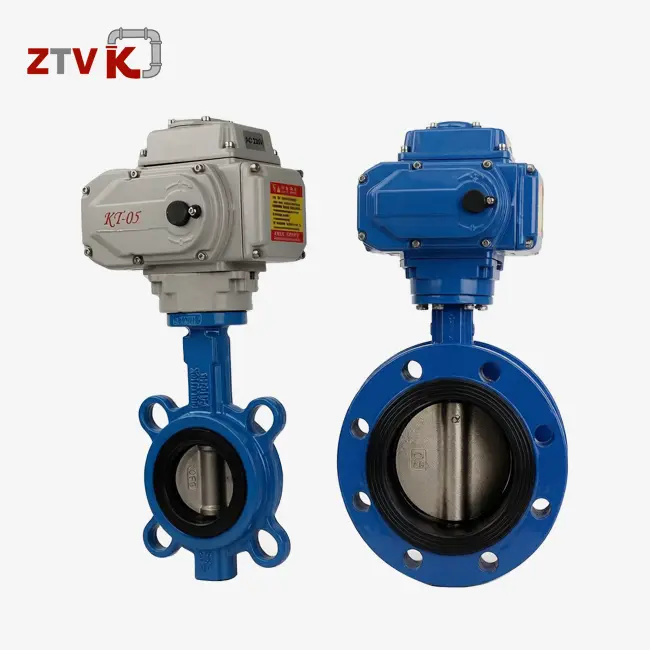
A double-acting pneumatic actuator butterfly valve represents an automated flow control assembly where compressed air drives the valve's opening and closing operations in both directions. Unlike spring-return models, this device uses air pressure on both piston sides to provide consistent torque throughout the entire 90-degree rotation, ensuring precise positioning and rapid cycle capability. This mechanism proves essential for industrial applications demanding reliable flow regulation, particularly in batch processing, wastewater management, and chemical handling, where maintaining the valve's last position during temporary air supply interruptions prevents costly production disruptions and material waste.
Understanding Double-Acting Pneumatic Actuator Butterfly Valves
Double-acting pneumatic actuators use air pressure on both sides of an internal piston or diaphragm system to move things in a controlled way. A rack-and-pinion or scotch yoke device turns linear pneumatic force into quarter-turn valve action, which makes the system move in a circle. This design gets rid of the need for springs that come with single-acting versions.
Core Components and Design Architecture
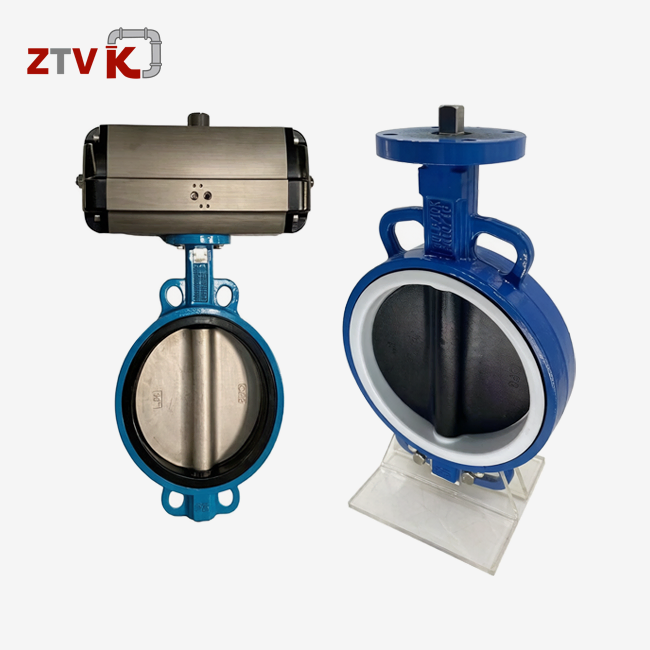
The body of the actuator is usually made of hard anodized aluminum (ASTM 6063), which is very resistant to corrosion in a wide range of industrial settings. Inside, the sides of the cylinders are finely ground so that they can be used millions of times with little contact. The pneumatic assembly is linked to a double-acting pneumatic actuator butterfly valve body made of stainless steel, with discs available in SS304, SS316, or SS316L. PTFE seats make sure that the seal works well at all temperatures, and stainless steel 410/416 stems send the actuator's force to the disc. These systems come with wafer-style bodies that range from 2 inches to 60 inches (50 mm to 1500 mm) in length and can handle PN10, PN16, 5K, 10K, 16K, and 150 lb pressure values. The standard ISO 5211 mounting interface makes it easy to add control devices like limit switch boxes, filters, electro-pneumatic positioners, solenoid valves, and manual handwheels for emergency use.
Operating Principles and Torque Characteristics
The air source usually has a pressure of 3 to 8 bar, and it goes to rooms A and B through a 5/2-way solenoid valve that controls flow. When the door opens, compressed air goes into chamber A and out of chamber B into the air. The difference in pressure moves the piston, which turns the stem from 0 degrees to 90 degrees. When the door closes, the solenoid changes the flow of air to chamber B while emptying chamber A. This turns the motion around. In single-acting designs, the spring tension drops as it extends, but in double-acting designs, the torque output stays the same throughout the stroke. Because of this, engineers can choose smaller actuator sizes than with spring-return options while still getting the same performance. The lack of spring mechanisms creates a "fail-safe" condition in which the valve stays in place if air pressure is lost. This is different from fail-safe designs, which automatically return to a set state. This feature works well for batch operations where the valve could close by accident and hurt the quality of the product or the safety of the process.
Advantages Over Alternative Actuation Methods
Pneumatic actuation is naturally safe in dangerous environments because it doesn't have any electrical parts at the valve position. It meets the safety standards for ATEX Zones 1 and 2 without any extra protection. When it comes to smaller sizes, double-acting valves usually finish their full stroke rounds in less than three seconds, which is faster than motorized valves. The design of the double-acting pneumatic actuator butterfly valve has a service life of more than one million processes because it has few moving parts and surfaces with low friction. Compared to hydraulic systems, which need to handle fluids and take steps to stop leaks, mechanical systems don't need as much maintenance. When paired with electro-pneumatic positioners that accept 4-20 mA signals, these assemblies offer precise flow modulation capabilities suitable for automated process control. However, when tuning control loops, operators must take into account the non-linear flow characteristics of the butterfly valve.
Applications of Double-Acting Pneumatic Actuator Butterfly Valves in Industry
Double-acting pneumatic actuator butterfly valves are used all over the world in situations where automated control, quick response, and operational reliability are important for process efficiency. When you combine quarter-turn action with double-acting force delivery, you can solve certain problems in a variety of industrial settings.
Water and Wastewater Treatment Systems
These valves are used a lot in clarification basins, filter backwash systems, and chlorination dose lines at municipal water treatment plants. The air actuator can make enough force to keep the valve discs from collecting debris, so the valve stays shut off even when there are solids in the fluid. When dewatering mud, the double-acting design gives it the force it needs to cut through thick materials that would stop spring-return motors in their tracks. The ability to quickly cycle helps with controlling the aeration basin because it lets liquid oxygen levels change quickly in response to changes in biological demand. The fail-last placement feature is helpful when power goes out for a short time, which can happen in remote pumping stations. It keeps the system from being accidentally cut off, which could lead to pressure spikes or overflow situations.
Chemical Processing and Petrochemical Operations
When working with corrosive media, batch reactors rely on valve assemblies whose material choice is based on the process chemistry. The PTFE sealing on the stainless steel design protects against acids, alkalis, and organic solvents at all temperatures. Because pneumatic operation is inherently safe, it gets rid of sources of ignition in environments with explosive gases. This means that these valves can be used for hydrocarbon service without having to buy expensive explosion-proof motor enclosures. For precise isolation between steps of production, the seating force needs to be constant. The double-acting device provides this, even when line pressure or temperature changes. When connected to distributed control systems using positioners, these structures allow the slow addition of reagents, which helps control exothermic reactions where there is a risk of thermal runaway. The 30% torque safety margin that was checked during commissioning makes sure that the system will still work reliably even if scale or polymer deposits raise the breakout torque over time.
HVAC and Industrial Cooling Applications
In the cooling tower basins, chilled water distribution, and condenser water systems of large business and industrial buildings, pneumatically actuated valves are used. The fast reaction speed lets building automation systems react quickly to changes in usage and weather outside, which saves energy. The valve's quick response stops temperature drops that could cause server protection to shut down in data center cooling loops where equipment heat loads change quickly. The fact that electrical power isn't needed at valve sites makes installation easier in outdoor cooling towers, where humidity and temperature changes can make electrical equipment less reliable. The manual override handwheel lets repair workers move valves when air systems are not under pressure, so they don't need movable actuators or wrenches during yearly changes.
Food and Beverage Manufacturing
In the dairy, brewery, and beverage industries, sanitary process lines use pneumatically actuated valves that meet standards for clean design. Clean-in-place (CIP) systems use controlled valve scheduling to move cleaning solutions through production equipment. The fail-last feature keeps valves in place during solution dwell times without using air all the time. The quick cycle feature helps with quick product changes by cutting down on downtime between runs. The PTFE seat material meets FDA standards and keeps the sealing integrity even after being exposed to cleaning chemicals. Motorized gears can contaminate the oil, but pneumatic operation doesn't do that. This supports food safety standards.
Because of these benefits that are specific to certain uses, procurement professionals in all fields choose double-acting pneumatic actuator butterfly valves and double-acting pneumatic actuator butterfly valves over other options when automation, safety, and dependability are important factors. Because the technology has been shown to work well in tough situations, it is widely used in important flow control applications.
Technical Specifications and Installation Guidelines
Long-term dependability and working effectiveness are directly affected by how well specifications and installations are done. Teams in charge of buying things have to compare technical specs to the needs of the application and make sure that installation follows the best practices in the industry.
Material Selection and Pressure Ratings
The process media and the surroundings affect the choice of double-acting pneumatic actuator butterfly valve body material. Stainless steel bodies are good for most uses because they are resistant to rust and work well with a wide range of chemicals. Disc materials usually match body specifications. For general service, SS304 is a cost-effective choice, SS316 is better at resisting chloride for marine or coastal installations, and SS316L is better at welding and resisting crevice corrosion for pharmaceutical uses. PTFE seats can handle temperatures from -40°F to 400°F and still stay flexible and chemically harmless. Stem materials made of stainless steel 410/416 are strong enough and don't wear down easily under normal working loads. Pressure levels from PN10 to 150 lb cover most industrial uses, and the right choice will make sure there are enough safety margins above the highest working conditions. End connection styles can be used for flanged setups that meet ANSI, DIN, and JIS standards. Wafer-body designs reduce the weight and installation space needed between existing flanges.
Actuator Sizing and Torque Calculations
Correctly fitting an actuator keeps it from breaking down or wearing out too quickly. Engineers have to figure out how much torque the valve can handle at its highest level. This includes the breakout torque needed to beat the initial sitting friction, the running torque needed for rotation, and the seating torque needed to close the valve. A safety factor 30% higher than the calculated maximum makes sure that the system will work reliably at the lowest available plant air pressure, which is usually 4 to 5 Bar when line losses and filter pressure drops are taken into account. Manufacturers of actuators provide torque tables that show output at different supply pressures. This lets you make the right choice based on the worst-case scenario. Undersized actuators cause incomplete strokes or longer actuation times, while oversized units need more space and cost more than they need to. Rack-and-pinion mechanisms are common in smaller sizes because they are small and accurate at controlling position. On the other hand, scotch yoke designs are better for larger valves because they produce more torque.
Pneumatic System Integration
For installation to go well, you need to pay attention to the quality and distribution of the air supply. Compressed air needs to be filtered to 40 microns and dried to a -40°F pressure dew point to keep moving parts from rusting and getting dirty inside. Modern designs with self-lubricating seals usually don't need to be oiled, but oil-fog systems may extend service life in high-cycle situations. The position of the 5/2-way solenoid valve should cut down on the length of the tubing to lower reaction lag. Most double-acting pneumatic actuator butterfly valve actuator sizes can be fitted with 1/4-inch or 3/8-inch pneumatic tubing, which provides enough flow. Vibration-induced fatigue failures at connection places can be avoided by properly supporting the tube. When installing limit switches and positioners, it is important to carefully follow the wiring diagrams provided by the manufacturers to make sure that the position feedback and control signal interpretation are correct. Local electrical rules require grounding so that static electricity doesn't build up in dangerous places. Before putting pressure on new installs, techs should use inspection ports or position indicators to make sure that the manual override works and that the valve disc is positioned correctly.
Conclusion
Automatic flow control is provided by double-acting pneumatic actuator butterfly valves, which offer quick response, consistent torque output, and fail-safe positioning in a wide range of industrial settings. Different types of stainless steel with PTFE sealing are available to meet chemical compatibility needs. Pressure ratings and sizes are also available to fit most piping systems. Proper design that takes torque needs into account, installation that follows best practices for pneumatic systems, and regular maintenance all lead to effective long-term performance. Compared to other ways of moving things, pneumatic double-acting designs are safer in explosive environments, require less maintenance, and can be automated for less money. When making a purchase choice, it's helpful to look at the quality certifications, production capacity, expert support, and partnership flexibility of the provider. These structures are still very important in areas like food production, chemical processing, water treatment, and HVAC systems, where they have a direct effect on how well and safely the food is made.
FAQ
1. What distinguishes double-acting from single-acting pneumatic actuators?
Double-acting pneumatic actuator butterfly valves use compressed air for both the opening and closing strokes. This keeps the last position even when air is lost and delivers uniform torque throughout the turn. Single-acting designs use springs that only work in one way. They automatically return to fail-safe states, but the torque at the ends of the stroke is lower because the springs compress.
2. Can these valves integrate with automated control systems?
By adding electro-pneumatic positioners, on-off valves can be changed into modulating control elements that can handle 4-20 mA signals. The positioner takes electrical signals and turns them into precise changes in air pressure, which places the valve correctly. Programmable logic controllers get discrete position input from limit switch boxes, which confirm open and closed states during automated processes.
3. What maintenance intervals prove appropriate?
Visual checks of the mounting hardware and connections every three months catch problems early as they start to happen. The best performance is maintained by careful service once a year, which includes inspecting the seals and recalibrating the actuators. Schedules may need to be changed depending on the harshness of the operating climate and the number of cycles. For example, high-cycle or corrosive uses need to be checked on more often to keep them reliable.
Partner with ZTVK for Reliable Double-Acting Pneumatic Actuator Butterfly Valve Solutions.
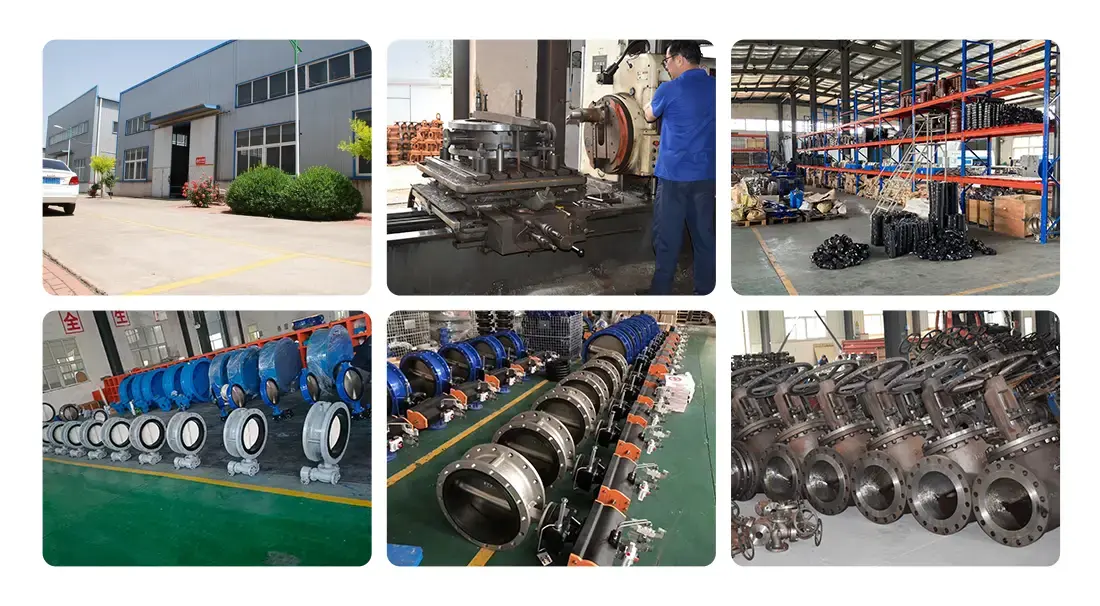
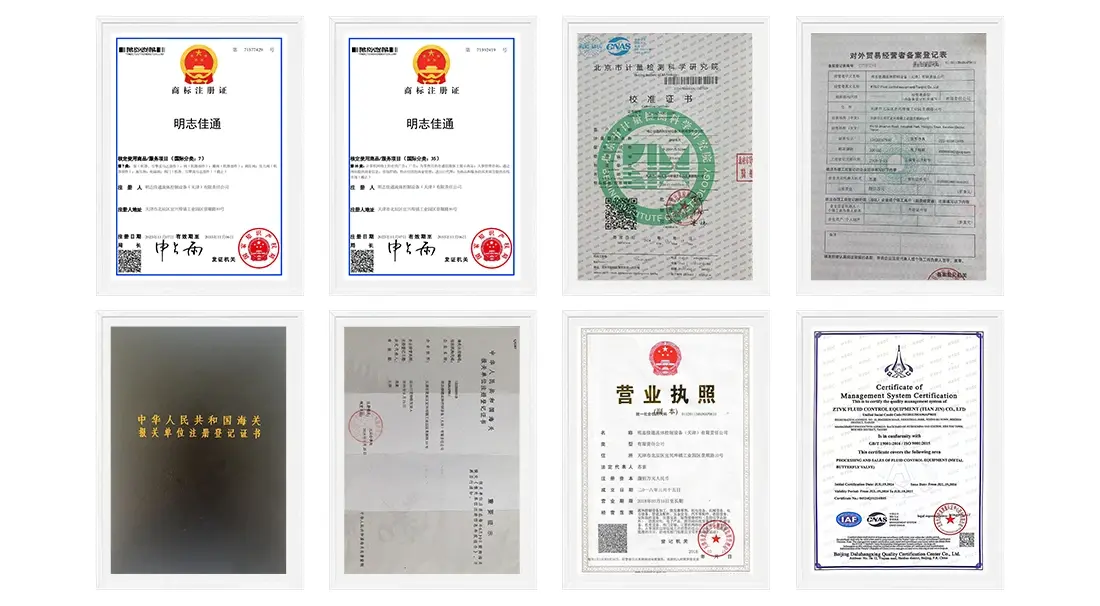
Our factory in Tianjin makes industrial-grade double-acting pneumatic actuator butterfly valves that are backed by ISO9001, ISO14001, and OHSAS18001 standards. We keep more than 2,000 standard units (DN50–DN600) in stock as an expert double-acting pneumatic actuator butterfly valve maker, with special orders taking 15–25 days to complete. Our double eccentric oblique seal design cuts down on operating torque by 30% and doubles the double-acting cycle life to more than 50,000 operations. We offer OEM branding with your name and packaging, as well as ODM engineering for changes that are specific to an application. We are conveniently located only 50 km from Tianjin Port and offer quick FOB and CIF shipping through our partnerships with COSCO and Maersk. Our 18-month warranty and double-acting cycle are caused by things other than people and include free replacements, installation guides, and detailed information. Talk to our team at ktec86961886@163.com about your project needs and get reasonable prices from a reliable provider of double-acting pneumatic actuator butterfly valves.
References
1. Smith, J.R. (2021). Pneumatic Actuation Systems for Industrial Valves: Design and Application. Industrial Press Inc.
2. Anderson, M.K. & Thompson, P.L. (2020). "Performance Comparison of Pneumatic Actuator Configurations in Process Control Applications." Journal of Flow Control Engineering, 45(3), 127-145.
3. International Society of Automation (2022). ISA Standards for Pneumatic Control Valve Assemblies. ISA Publications.
4. Williams, R.D. (2019). Valve Selection and Specification Guide for Chemical Processing. McGraw-Hill Professional.
5. European Committee for Standardization (2021). EN 12266: Industrial Valves - Testing of Metallic Valves. CEN Publications.
6. Peterson, H.F. & Zhang, L. (2023). "Torque Optimization in Quarter-Turn Valve Actuators." International Journal of Fluid Machinery and Systems, 16(2), 89-103.
Send us your valve requirements and our team will provide professional solutions and fast quotations.
RELATED INDUSTRY KNOWLEDGE