- English
- French
- German
- Portuguese
- Spanish
- Russian
- Japanese
- Korean
- Arabic
- Greek
- German
- Turkish
- Italian
- Danish
- Romanian
- Indonesian
- Czech
- Afrikaans
- Swedish
- Polish
- Basque
- Catalan
- Esperanto
- Hindi
- Lao
- Albanian
- Amharic
- Armenian
- Azerbaijani
- Belarusian
- Bengali
- Bosnian
- Bulgarian
- Cebuano
- Chichewa
- Corsican
- Croatian
- Dutch
- Estonian
- Filipino
- Finnish
- Frisian
- Galician
- Georgian
- Gujarati
- Haitian
- Hausa
- Hawaiian
- Hebrew
- Hmong
- Hungarian
- Icelandic
- Igbo
- Javanese
- Kannada
- Kazakh
- Khmer
- Kurdish
- Kyrgyz
- Latin
- Latvian
- Lithuanian
- Luxembou..
- Macedonian
- Malagasy
- Malay
- Malayalam
- Maltese
- Maori
- Marathi
- Mongolian
- Burmese
- Nepali
- Norwegian
- Pashto
- Persian
- Punjabi
- Serbian
- Sesotho
- Sinhala
- Slovak
- Slovenian
- Somali
- Samoan
- Scots Gaelic
- Shona
- Sindhi
- Sundanese
- Swahili
- Tajik
- Tamil
- Telugu
- Thai
- Ukrainian
- Urdu
- Uzbek
- Vietnamese
- Welsh
- Xhosa
- Yiddish
- Yoruba
- Zulu
pneumatic operated butterfly valve: Working Principle, Types, Selection Guide & Industrial Applications
A pneumatic operated butterfly valve represents an intelligent quarter-turn flow control solution that combines a rotary disc closure mechanism with compressed air actuation. This system transforms pneumatic energy into rapid, precise valve movement, enabling automated fluid control across industrial pipelines ranging from 2 inches to 80 inches in diameter. The technology addresses critical challenges distributors and contractors face daily: eliminating manual operation risks in hazardous environments, achieving millisecond response times during emergency shutdowns, and providing reliable remote control for hard-to-reach installations. The integration eliminates the safety concerns of electrical spark ignition in volatile atmospheres while delivering the high-cycle durability that municipal water systems and chemical plants demand for decades of continuous service.
Understanding Pneumatic Operated Butterfly Valves
What Makes Pneumatic Actuation Different
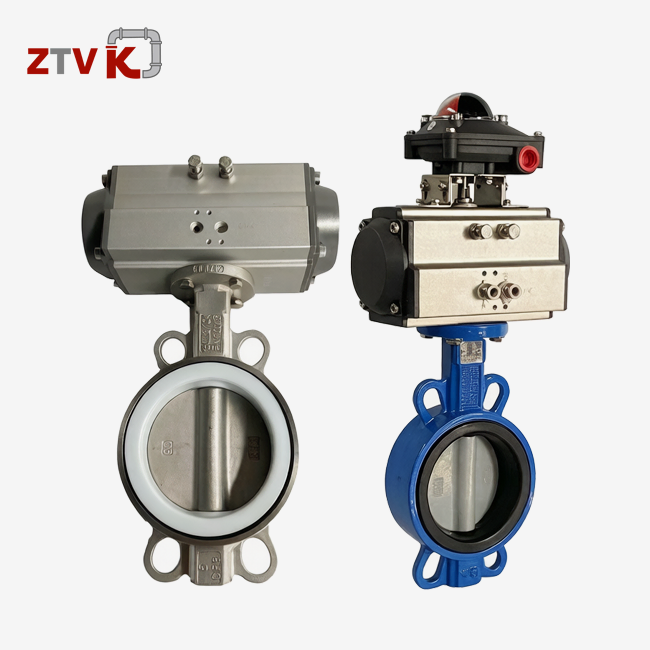
The main difference is in the safety rating and power source. Pneumatic systems use clean compressed air to turn the valve disc through a mechanical connection. This is different from manual valves, which need to be opened by hand, and electric motors, which can cause sparks. This method works especially well for distributors who work in areas with strict ATEX rules or for contractors who manage pump stations that are far away and don't have access to electricity.
The actuator is attached directly to the valve stem in line with ISO 5211 standards. This makes sure that there is no play in the torque gearbox. When air pressure goes into the actuator chamber, it moves a rack-and-pinion gear set that is joined to a piston or diaphragm. This changes the straight force of the pneumatics into rotating motion, which usually takes less than two seconds to do. The speed advantage is very important during process upsets, when quick separation stops expensive product loss or leaks into the environment.
How Compressed Air Drives Valve Movement
When paired with electro-pneumatic positioners that accept 4-20mA signals, double-acting actuators allow accurate placement control by using air pressure on both sides of the piston to open and close. This set-up works well for HVAC workers who need to keep exact flow rates in chilled water systems by adjusting control. Single-acting valves have a return spring that sets the valve to a safe state (either normally open or normally closed) when the air flow stops. Chemical processing plants set this fail-safe behaviour so that dangerous materials are immediately separated when the power goes out, or an air engine breaks down.
Working pressure is usually between 5 and 7 bar, and the size of the actuator is determined by how much torque is needed to overcome fluid pressure, seal friction, and disc hydrodynamic forces. Our engineering team helps distributors choose the right-sized actuators for the markets they want to reach. They do this by looking at things like the difference between PN10 and PN16 pressure ratings and whether the application is with clean water or rough slurries that increase operating torque.
Core Benefits for Industrial Operations
There are measurable benefits to pneumatic actuators that lead directly to lower total cost of ownership for end users. The high cycle life—often more than 50,000 operations—means that city workers don't have to replace them as often as they do with motorised alternatives. Another thing that stands out is how easy it is to maintain. Technicians can fix actuators on-site with simple tools, but electric actuators usually need specialised electronics knowledge or a whole new unit.
Buyers of petrochemicals really like the idea of underlying safety. Because there are no electrical parts in dangerous places, there are no ignition sources. This makes it easier to meet explosion-proof standards. Response time benefits become clear in fire safety situations where quick valve closing includes sprinkler zone activation. The cost-effectiveness is most clear when ordering in bulk, since pneumatic units usually cost 30–40% less than similar electric-actuated valves while providing the same on-off performance.
Types of Pneumatic Butterfly Valves and Their Applications
Valve Body Configurations and Material Selection
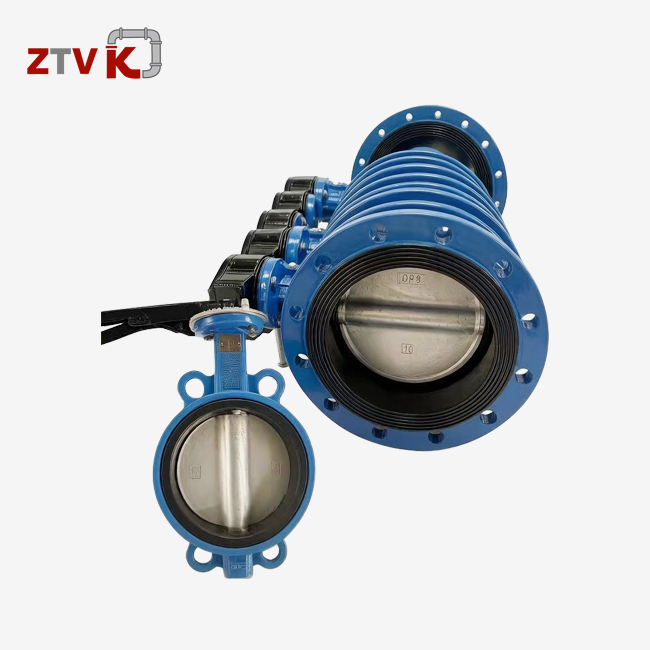
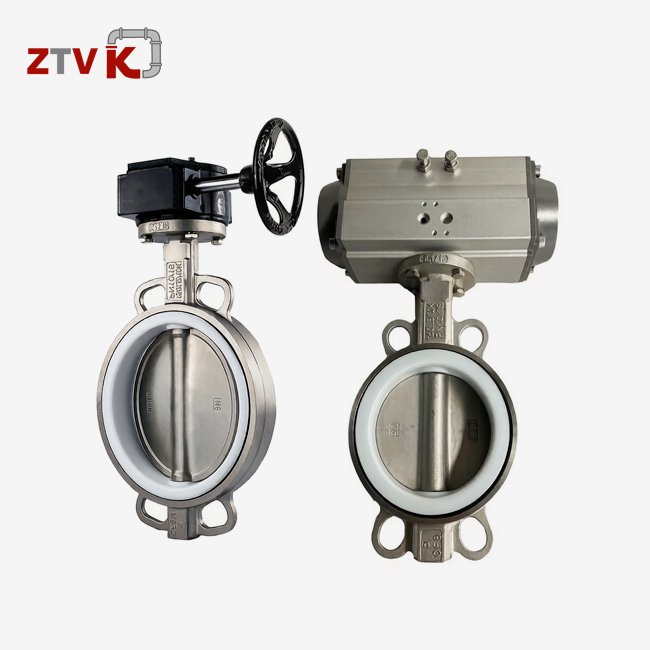
The wafer-style body design of a pneumatic operated butterfly valve is the smallest and least expensive way to mount something. It uses through-bolts to fit between pipeline flanges. This set-up works well for distributors who want to win low-cost city contracts where room for installation is limited. Because our wafer valves work with DIN PN10/PN16, JIS 5K/10K, and ANSI Class 150 flange standards, dealers can serve many areas from a single stock.
Body parts adjust to the task. The ASTM A536 65-45-12 ductile iron works well in normal water flow from -10°C to +120°C. WCB carbon steel bodies can withstand +200°C, making them suitable for industrial steam systems. Chemical processing and seaside desalination plants with salty air that accelerates rusting benefit from CF8M stainless steel. Material selection affects service life. Early failures that damage distributor and contractor reputations and delay project timelines can be avoided with proper specifications.
Another performance boost comes from disc coating. Seals last three times longer with nylon-coated ductile iron discs in sewers with particles because they don't wear down readily. EPDM seats resist chlorine, making them ideal for drinkable water systems. However, PTFE seats can withstand strong chemicals and high heat. Distributors can safely choose valves for a wide range of end-user settings without having to keep up with too many SKUs because this material is flexible.
Actuator Types and Drive Mechanisms
Single-acting actuators with spring return mechanisms are used in situations where fail-safe behaviour needs to be clearly defined. When the pressure inside the system is average, the spring stores energy. When the pressure drops below a certain point, the spring uses its energy to move the valve. This design keeps processes safe when power goes out by closing isolation valves automatically in chemical storage tank farms or opening emergency vent valves when pressure needs to be relieved. Contractors like how safe it is without having to use backup power systems or battery banks.
Because air pressure moves both the opening and closing strokes, double-acting versions offer better modulating control and faster stroking speeds. Our usual option is the rack-and-pinion drive system, which uses precisely made gear teeth to turn the movement of a pneumatic piston into a rotary output. This mechanism reliably transfers torque and doesn't need much maintenance—it usually just needs to be oiled once a year. The small footprint makes it easy to place in tight areas, which is common in retrofit projects where existing pipe plans limit the size of the actuator.
Real-World Application Scenarios
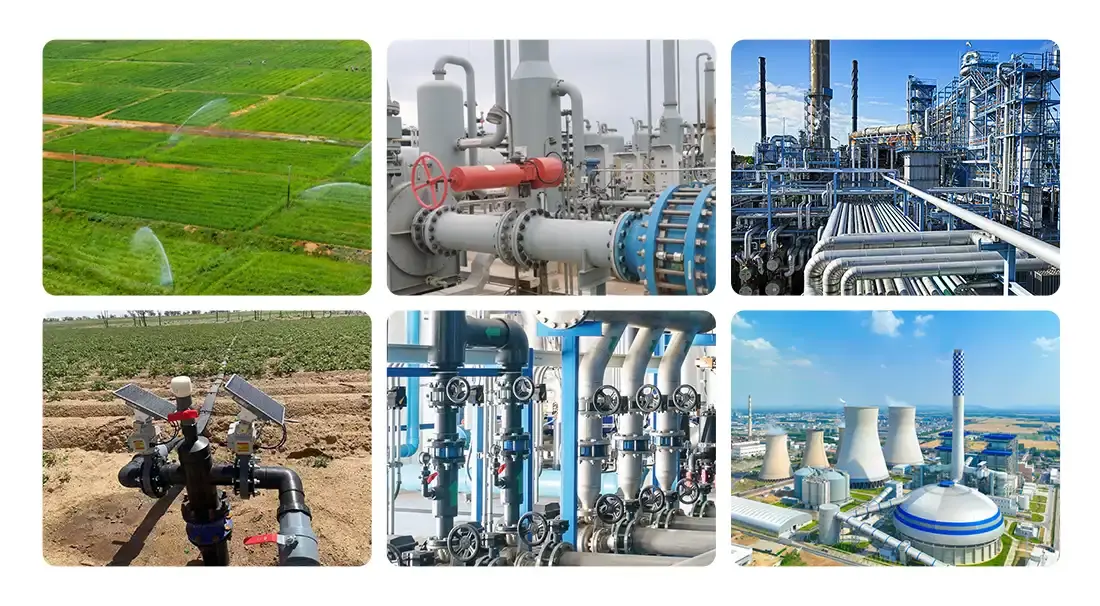
Commercial building HVAC systems depend on pneumatically operated valves to distribute chilled water and separate air handling unit coils. The changing feature lets you fine-tune the temperature, and the fast reaction feature stops water hammer when cooling loads change quickly. These valves are used in filter backwash systems at municipal water treatment plants. The DN200 to DN600 types can handle high flow rates with little pressure drop, and the design is resistant to corrosion, which is bad for electric actuators that are exposed to water all the time.
Chemical processing plants require that it can't explode, which makes it easier to handle solvents and control reactor feed. For CIP (clean-in-place) compatibility, food and beverage operations ask for sanitary designs with EPDM seats and electropolished stems. This automates product changeover routines that used to need human valve operation. These different uses show why our product line includes sizes from DN50 to DN2000, with a range of seat materials and actuators. This way, wholesalers can meet almost any customer need from a single source.
How to Select the Best Pneumatic Operated Butterfly Valve for Your Industrial Needs
Evaluating Critical Operating Parameters
Before selecting a valve, write down the process's flow rate (in cubic meters per hour), maximum operating pressure (noting surge pressures), range of fluid temperatures, and media characteristics like viscosity, solids content, and chemical compatibility. Our technical staff checks these characteristics against valve pressure ratings and material suitability tables to ensure there are no errors that might cause the seal to fail or the body to corrode.
Valve diameter is estimated by balancing flow demands with the permissible pressure drop, generally 0.5 to 2 bar. Small valves allow too much flow, damaging seats and increasing operating torque. Large valves cost more and are difficult to regulate at low flow rates. Whether the downstream pipe has to be disassembled for repair determines mounting type—wafer or lug. Pump station contractors appreciate lug designs because they can separate pieces downstream without disrupting upstream pipelines.
Comparing Actuation Options
In situations where exact positioning input and slow modulating speeds are needed, like in analytical sample conditioning systems, electric motors are better for a pneumatic operated butterfly valve application. The trade-off is a higher starting cost, more difficult upkeep with motors and circuit boards, and the need for power infrastructure. Manual workers can still be used for isolation valves that aren't used very often or where the costs of automation are too high to justify. However, they make remote operation harder and raise safety issues in dangerous places.
For high-cycle service, fail-safe needs, and installations in dangerous areas, pneumatic actuation stands out as the best option. When distributors buy in bulk, they can offer competitive prices while keeping healthy profit margins, which makes the cost advantage very big. Connecting to DCS and PLC systems is easy with standard solenoid pilot valves and electro-pneumatic positioners. This gives contractors the automation benefits they need without the hassle of wiring up electric actuators.
Material Compatibility and Certification Requirements
The chemical protection and temperature limits of a seat are set by the material it is made of. EPDM is good at withstanding ozone and can be used in water from -20°C to +120°C. NBR can be used with hydraulic oils and fuel products, but it breaks down quickly in strong oxidisers. PTFE is very expensive, but it can handle temperatures up to +200°C and all chemicals. As we help wholesalers make these choices, we make sure that their product meets the needs of the markets in their area.
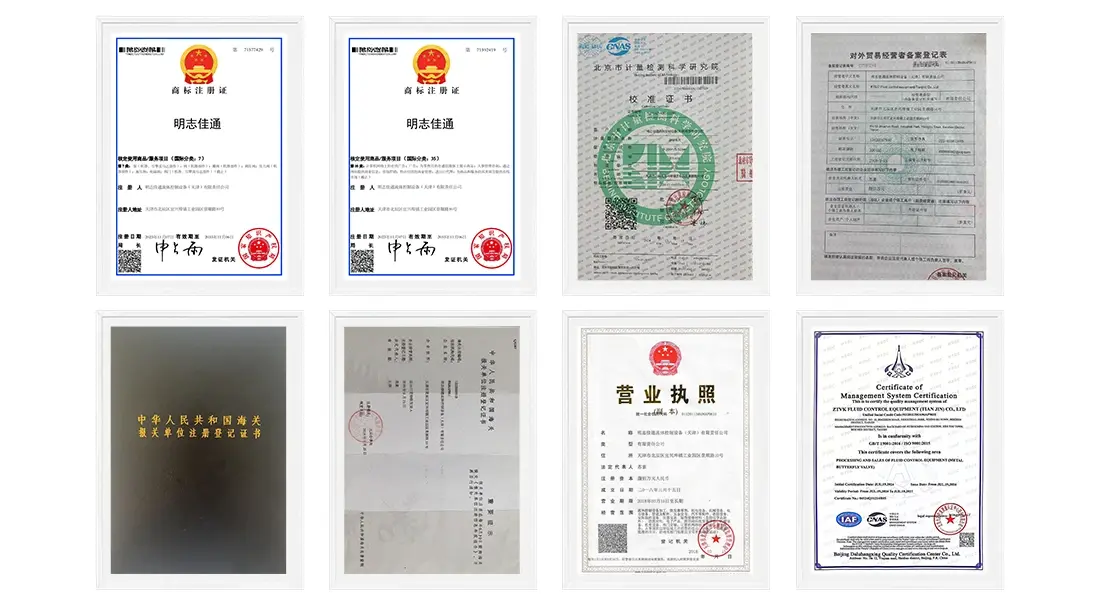
The kinds of certifications needed depend on the business and the location. For potable water exposure, municipal workers need to get NSF/ANSI 61 permission. For petrochemical projects, API 609 design and API 598 pressure testing are required. Pressure tools sold in Europe must have a CE mark and meet PED standards. Our manufacturing facility is still ISO 9001-certified, which gives distributors the confidence to bid on projects that have strict requirements for quality documentation.
Maintenance and Troubleshooting of Pneumatic Butterfly Valves
Routine Inspection and Preventive Care
Checking for air leaks at tubing connections with soap solution and making sure the disc rotates smoothly by partially stroking should be done every three months. If there is obvious leakage, the stem packing gland needs to be adjusted. To keep the packing from cocking against the stem, it needs to be tightened evenly in quarter-turn steps. As part of the actuator's annual upkeep, the seals must be inspected, and the manufacturer's suggested lubricant must be applied to the rack gear teeth and pinion bearings.
The condition of the seat has a direct effect on how well it shuts off. Leaks happen when debris builds up on the seating surface. To fix this, cycle the valve several times to loosen the debris or flush it with process fluid if you can. If the seat swells, hardens, or cracks because of a chemical attack, it means that the material used was not suitable and the seat needs to be replaced with one made of a more durable rubber. We keep replacement seat kits in stock for all standard configurations. This lets distributors provide quick support after the sale, which builds stronger relationships with customers.
Diagnosing Common Operating Issues
Most of the time, valves stick because the stem is corroded, the process media on the bearings has crystallised, or the actuator force is too low. By looking closely, we can tell if the problem needs to be fixed by cleaning and re-coating the stem, replacing the bearings, or making the actuator bigger. Damaged pneumatic seals or loose tubing fittings can cause air leaks that show up as slow actuation speeds or disc travel that isn't complete.
There are two types of reasons for failure in an actuator: mechanical and gas. Some mechanical problems that can happen are broken springs in single-acting units, gear teeth that are worn down from shock loading, or bearings that stick because of water getting into them. Problems with pneumatics include not enough air pressure, air screens that are clogged, or solenoid valves that don't work. Field experience shows that 70% of recorded failures are caused by problems with the air flow, not valve flaws. This shows how important it is to properly prepare the air by filtering it and controlling the pressure.
Procurement Guide: Where and How to Buy Pneumatic Operated Butterfly Valves
Strategic Sourcing for Distributors and Contractors
By taking advantage of volume discounts and better logistics, buying pneumatic operated butterfly valve units in bulk can save you a lot of money. When distributors work with producers like ZTVK, they can offer private label options that help them build their brands in local areas. For standard setups, the minimum order quantity usually starts at 10 units. Prices get a lot better at 50 and 100 unit levels. Importers who serve a wide range of customers can get the most out of freight efficiency by loading up to 200 units of different sizes into a container.
The price formula takes into account more than just the base cost of the valve. 35–45% of the total cost of a valve is determined by the size and type of the actuator. Double-acting units cost more than single-acting units. Exotic materials like duplex stainless or Hastelloy bodies are three to five times more expensive than carbon steel. They are only worth it when the need for rust protection is greater than what stainless steel can provide. The image of a brand affects its price. Well-known brands can use premium positioning to their advantage, while makers who offer the same technical quality at lower prices let distributors make more money.
Evaluating Supplier Capabilities
Trustworthy suppliers have certified testing records, such as API 598 pressure tests, material certificates that can be traced to mill test results, and dimensional inspections that confirm the product fulfils standards. Supplier manufacturing delays may disrupt contractors' timetables; therefore, stable lead times are crucial. Our 2,000-unit supply of standard DN50–DN600 valves delivers 3–7 days following purchase confirmation. Custom designs take 15–25 days to deliver, depending on complexity.
Technical support distinguishes excellent suppliers from exceptional partners. Application engineering assistance, CAD models for project design integration, and fast quotation turnaround speed up wholesaler sales cycles. Customer satisfaction during maintenance is maintained via unambiguous guarantees (18 months against manufacturing faults) and simple availability of replacement parts. Location near major ports matters to importers. Our Tianjin site is 50 km from Tianjin Xingang port, making container loading straightforward and offering cheap FOB costs.
Conclusion
Pneumatically operated butterfly valves provide automatic flow control that is quick to respond, safe, and reliable over time in a wide range of industrial settings. To make the right choice, you need to make sure that the valve materials, actuator design, and certifications are all compatible with the intended use and government standards. When distributors and contractors work with makers that offer a wide range of products, good expert support, and a stable supply chain, everyone wins. Smart positioners and troubleshooting tools are being added to the technology all the time, but the main benefits of pneumatic actuation—simplicity, safety, and low cost—mean that it will always be useful in industrial fluid control systems.
Frequently Asked Questions
1. What distinguishes pneumatic from electric butterfly valves?
Pneumatic-operated butterfly valves are cheaper, respond faster, and are safer in dangerous places because they use compressed air to open and close. Electric motors allow for exact positioning and do not require air supply infrastructure. However, they are more expensive and pose a risk of electrical fire. The choice is based on the safety needs of the application, the frequency of cycles, and the utilities that are available.
2. How often do pneumatic butterfly valves require maintenance?
Visual checks every three months are enough for most situations, and the actuator should be serviced once a year to include checking the seals and lubricating them. If you use aggressive media or a lot of cycles, you may need to do upkeep every six months. Filtering and removing moisture from the air before it is used can greatly extend the life of parts by keeping contaminants from damaging actuator seals.
3. Which industries benefit most from pneumatic valve automation?
Pneumatic-operated butterfly valves are used a lot in food and beverage operations, HVAC systems, chemical processing plants, and water and wastewater treatment plants. This technology can be used in any situation that needs controlled control, fail-safe operation, or safety in areas where electrical equipment could be dangerous.
Partner with ZTVK for Reliable Pneumatic Butterfly Valve Solutions
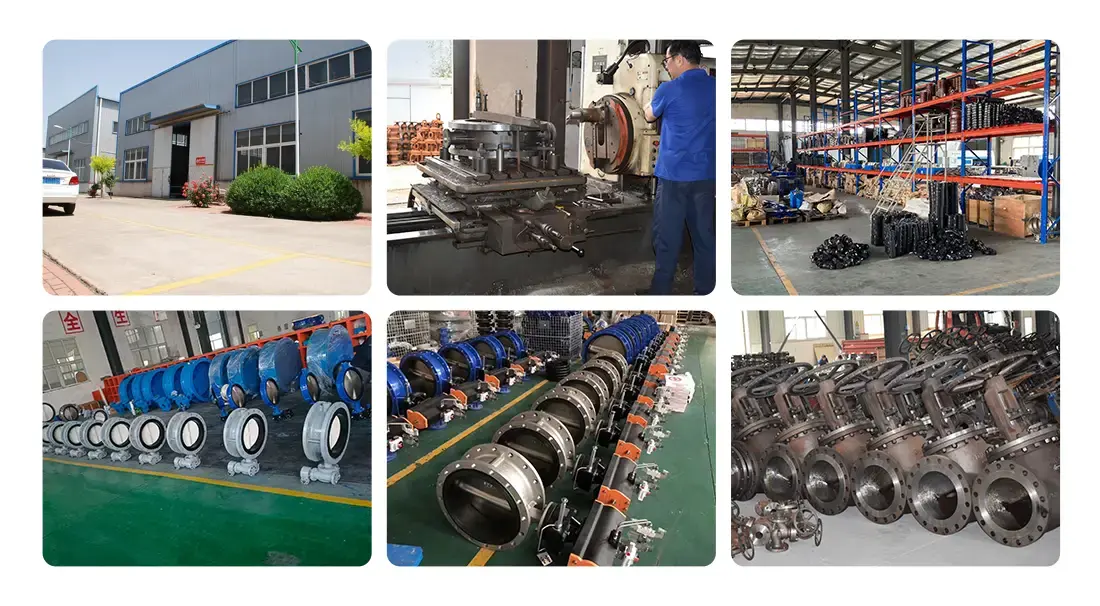
ZTVK makes industrial-grade pneumatic operated butterfly valves for wholesalers, builders, and end users all over the world. Our Tianjin factory has modern CNC machine centers that make valves from DN50 to DN2000 out of WCB carbon steel, CF8/CF8M stainless steel, and ASTM A536 ductile iron. It is certified by ISO 9001, 14001, and OHSAS 18001, among others. The range of products meets DIN, JIS, and ANSI flange standards and comes with EPDM, NBR, and PTFE seat choices. They can be paired with single-acting or double-acting motors that are sized to meet the torque needs of the application. Our standard inventory of 2,000 units allows for delivery in 3–7 days, and our OEM/ODM capabilities allow for custom branding and specifications within 15–25 days. Get in touch with our team at ktec86961886@163.com to talk about your needs for a pneumatic-operated butterfly valve and get technical decision help from people who have been making things for over 15 years.
References
1. American Petroleum Institute (2018). API Standard 609: Butterfly Valves—Double Flanged, Lug- and Wafer-Type, 6th Edition. Washington, DC: API Publishing Services.
2. Emerson Automation Solutions (2020). Control Valve Handbook, 5th Edition. Marshalltown, IA: Fisher Controls International LLC.
3. International Organization for Standardization (2017). ISO 5211: Industrial Valves—Part-Turn Actuator Attachments, 4th Edition. Geneva: ISO Central Secretariat.
4. Lyons, Jerry L. (2019). Piping Handbook, 8th Edition. New York: McGraw-Hill Education. Chapter 14: Valves and Actuators.
5. Smith, Peter & Zappe, R.W. (2021). Valve Selection Handbook: Engineering Fundamentals for Selecting the Right Valve Design for Every Industrial Flow Application, 6th Edition. Houston: Gulf Professional Publishing.
6. Water Environment Federation (2019). Design of Municipal Wastewater Treatment Plants: Volume 3—Solids Processing and Management, 6th Edition. Alexandria, VA: WEF Press. Section 28: Valve Selection and Specification.
Send us your valve requirements and our team will provide professional solutions and fast quotations.
RELATED INDUSTRY KNOWLEDGE