- English
- French
- German
- Portuguese
- Spanish
- Russian
- Japanese
- Korean
- Arabic
- Greek
- German
- Turkish
- Italian
- Danish
- Romanian
- Indonesian
- Czech
- Afrikaans
- Swedish
- Polish
- Basque
- Catalan
- Esperanto
- Hindi
- Lao
- Albanian
- Amharic
- Armenian
- Azerbaijani
- Belarusian
- Bengali
- Bosnian
- Bulgarian
- Cebuano
- Chichewa
- Corsican
- Croatian
- Dutch
- Estonian
- Filipino
- Finnish
- Frisian
- Galician
- Georgian
- Gujarati
- Haitian
- Hausa
- Hawaiian
- Hebrew
- Hmong
- Hungarian
- Icelandic
- Igbo
- Javanese
- Kannada
- Kazakh
- Khmer
- Kurdish
- Kyrgyz
- Latin
- Latvian
- Lithuanian
- Luxembou..
- Macedonian
- Malagasy
- Malay
- Malayalam
- Maltese
- Maori
- Marathi
- Mongolian
- Burmese
- Nepali
- Norwegian
- Pashto
- Persian
- Punjabi
- Serbian
- Sesotho
- Sinhala
- Slovak
- Slovenian
- Somali
- Samoan
- Scots Gaelic
- Shona
- Sindhi
- Sundanese
- Swahili
- Tajik
- Tamil
- Telugu
- Thai
- Ukrainian
- Urdu
- Uzbek
- Vietnamese
- Welsh
- Xhosa
- Yiddish
- Yoruba
- Zulu
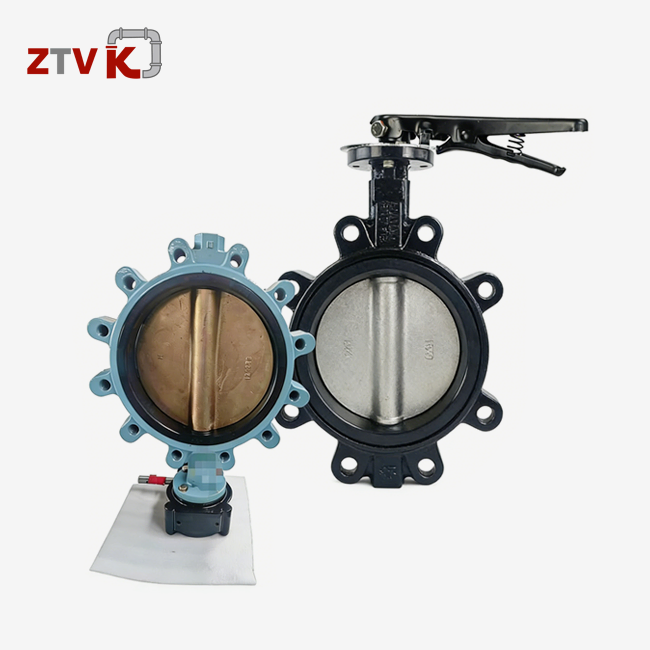
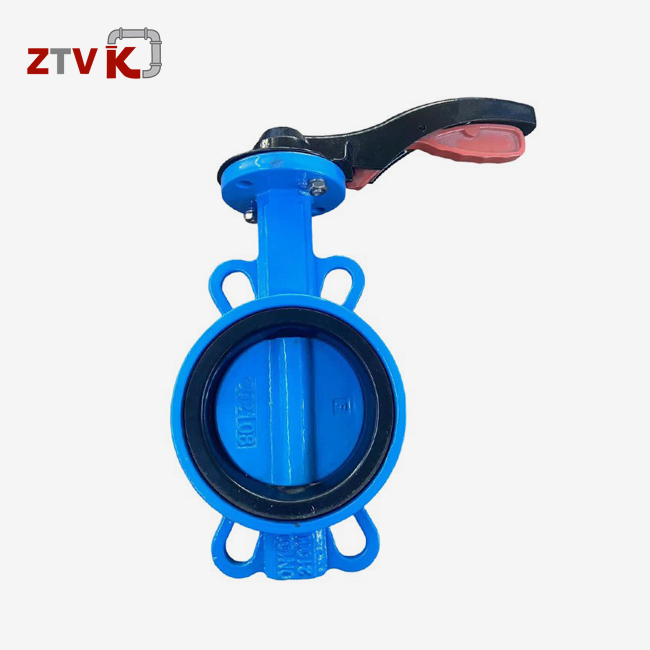
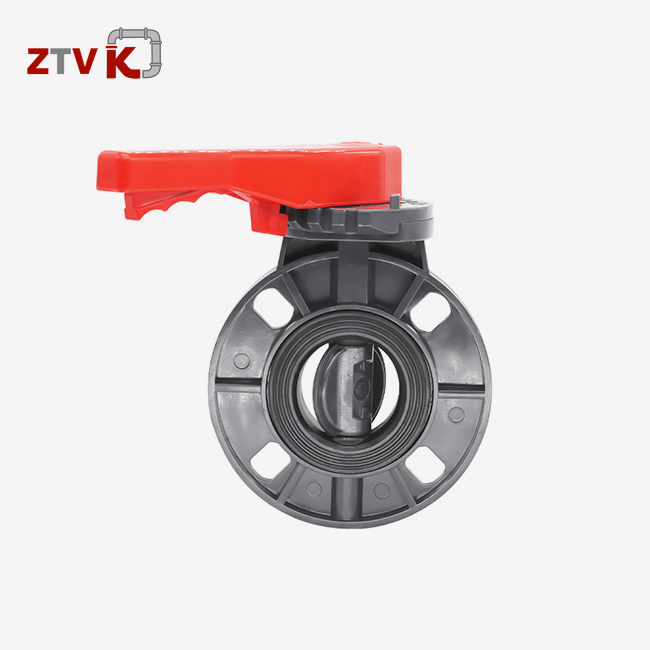
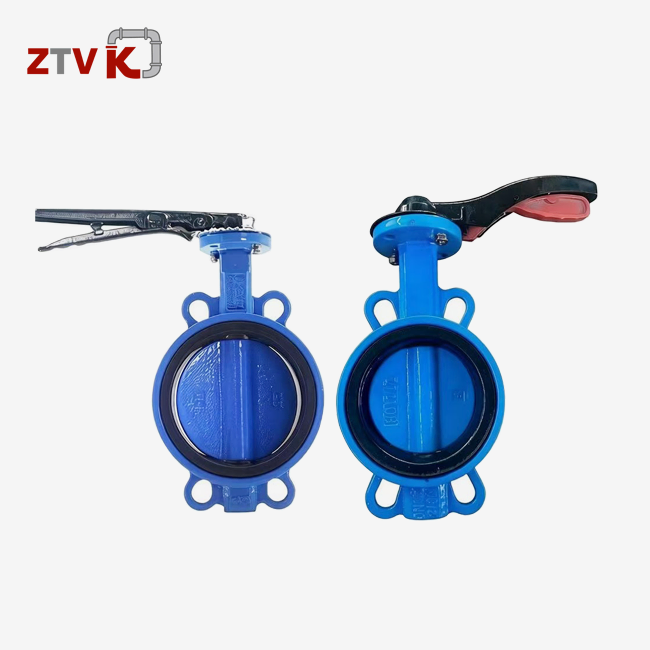
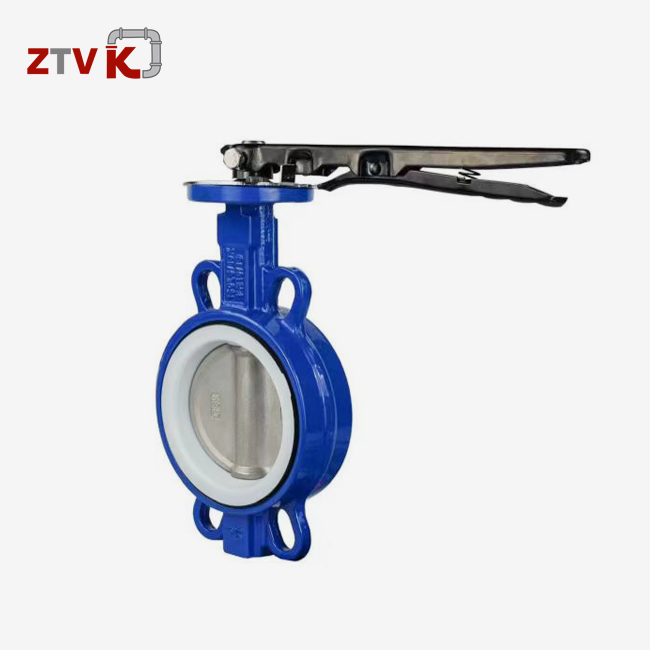
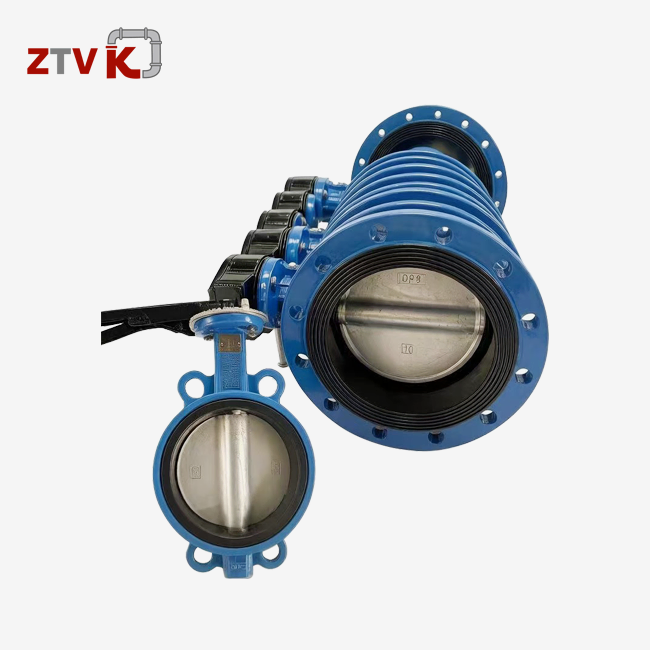
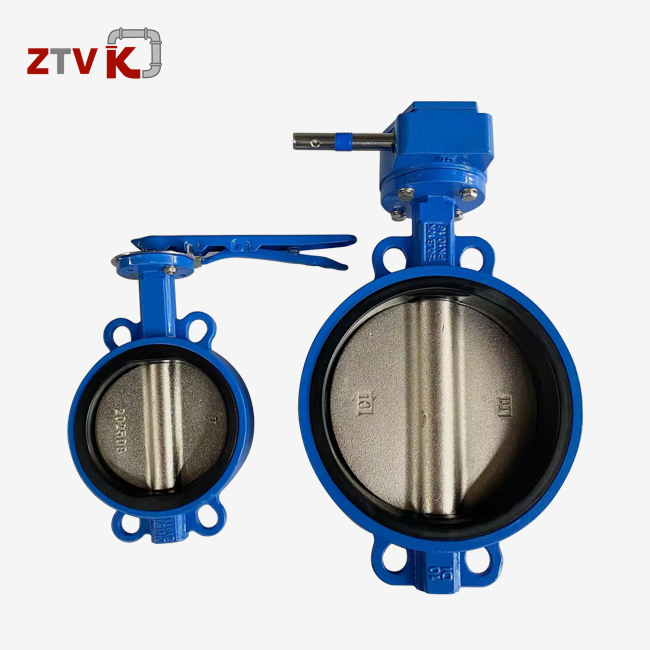
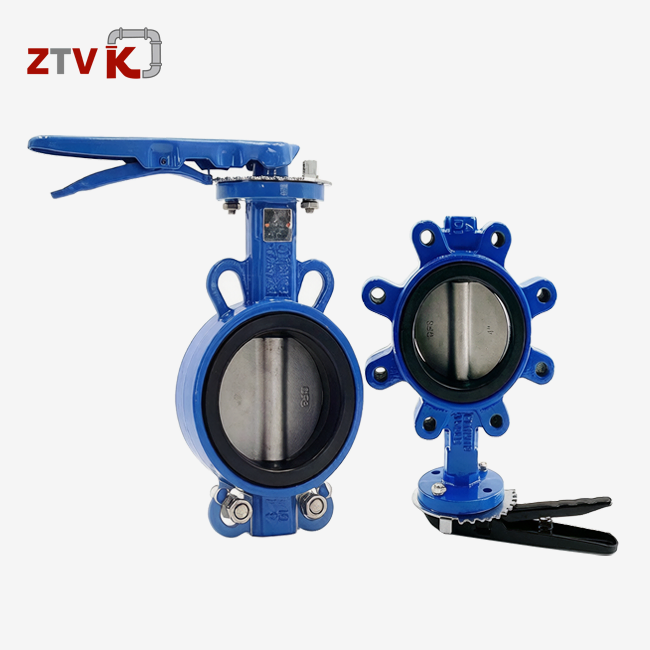
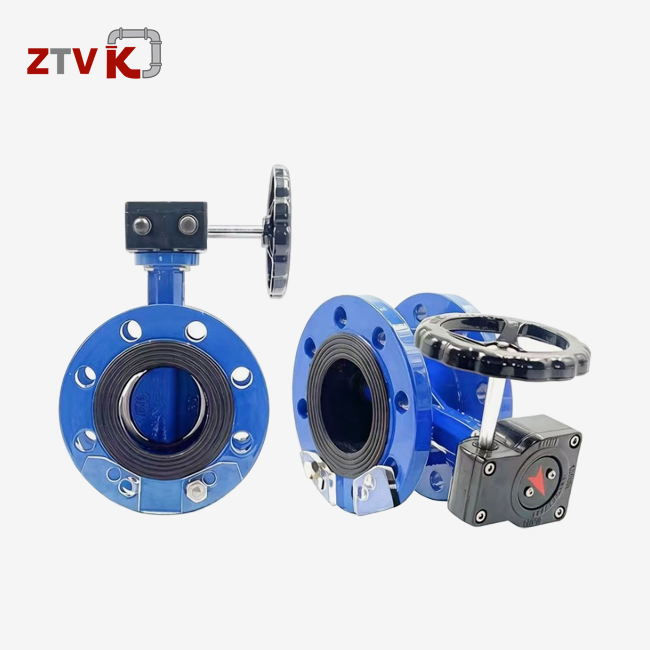
hammer butterfly valves
Connection method:Wafer type
Connection standard:ISO5211--PN10/PN16/125LB/150LB/JIS5K/JIS10K/JIS16K
Size:1.5"-48"(DN40-DN1200 mm)
Working pressure:PN10/PN16
Body material:DI/QT450
Disc material:DI/CF8/CF8M/Aluminum bronze
Seat material:EPDM/NBR/PTFE/VITON/
Hammer Butterfly Valves for Pump Protection — Two-Stage Closing, Fail-Safe Gravity Mechanism
Hammer butterfly valves — Heavy-Hammer Hydraulic Control Butterfly Valves—also known as safety valves—are put in place at the output of big pumps and engines to stop water hammer and backward flow. These valves are made by ZTVK FLUID CONTROL EQUIPMENT (TIANJIN) CO., LTD. They come in sizes DN200 to DN4000 and can handle pressures from PN6 to PN40. You can get valve bodies made of ductile iron (QT450) or WCB carbon steel. The disks come in CF8, CF8M, and aluminum bronze.
What Are Hammer Butterfly Valves?
These hammer butterfly valves use the potential energy of a raised counterweight combined with a hydraulic control system to open and close the disc. The hydraulic unit lifts the counterweight to open the valve when the pump starts up. When the machine is turned off or the power goes out, gravity drops the balance and closes the disk in two stages: quickly and slowly.
The system doesn't need extra power to close in an emergency because the closing force comes from gravity. This makes it an effective fail-safe device.
Two-Stage Closing Logic — How It Protects Your Pipeline
The two-stage closing sequence is the core function of hammer butterfly valves.
Stage 1: Fast Close: The valve quickly moves through about 70–80% of its arc (adjustable range: 2–20 seconds). This stops most of the overflow right away and keeps the pump from turning around.
Stage 2: Slow Close: The remaining angular travel closes slowly over a range of 6 to 90 seconds that can be changed. This gets rid of the fluid column's remaining kinetic energy, which gets rid of the pressure spike that causes water hammer.
The hydraulic power unit has speed buttons that can be used to change the closing times. A transient spike study of your process should be used to fine-tune the settings.
Technical Specifications
|
Parameter |
Details |
|
Size Range |
DN200 – DN4000 (8" – 160") |
|
Pressure Rating |
PN6 / PN10 / PN16 / PN25 / PN40 |
|
Fast Close Time |
Adjustable: 2 – 20 seconds |
|
Slow Close Time |
Adjustable: 6 – 90 seconds |
|
Body Material |
Ductile Iron (QT450) / WCB Carbon Steel |
|
Disc Material |
DI / CF8 / CF8M / Aluminum Bronze |
|
Seat Material |
EPDM / NBR / PTFE / VITON |
|
Connection Type |
Wafer / Flanged / Lug |
|
Connection Standard |
ISO5211, PN10/PN16, 125LB/150LB, JIS5K/10K/16K |
|
Actuation |
Hydraulic counterweight mechanism |
|
Applicable Media |
Water, sewage, seawater, cooling fluids |
|
Temperature Range |
0°C – 80°C |
|
Compliance Standards |
ISO 5752, AWWA C504, GB/T 12238, API 598, ISO 5208 |

Key Design Features
Sealing Around an Edge
The disk has a double-eccentric or triple-eccentric shape and metal-to-metal or composite sealing rings that keep the seal tight even when the pressure goes backward.
There is no standby power use.
It is mechanically locked or held in place by hydraulic pressure when the valve is fully open. To keep the door open, there is no need for constant power.
Disk Edge Shapes
The one-piece disk is meant to keep the operating torque low and the seat's service life long. The shape also keeps trash from building up, making it good for use in water and process uses.
Choices of Materials
Depending on how acidic the media is, how much salt it contains, or the working temperature, the disk material can be stainless steel 304/316, duplex steel, or aluminum bronze.
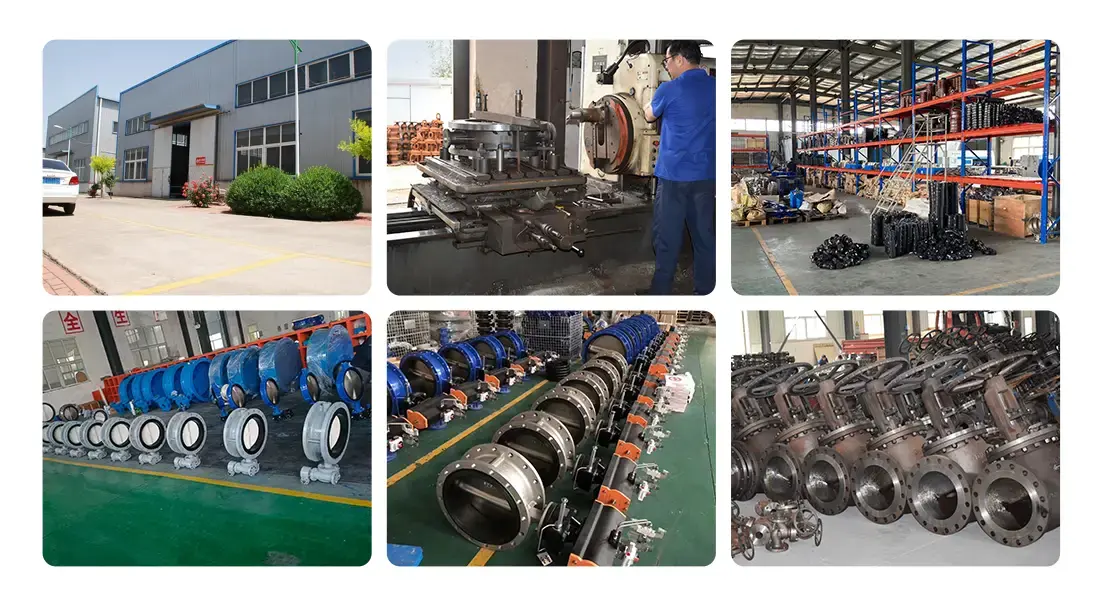
Where Hammer Butterfly Valves Are Used
Hydropower Plants
Placed at the penstock entrance of water mills. The valve closes itself automatically if the turbine goes too fast or the load is rejected. It is the main safety feature that stops the turbine from running away in an emergency.
Pumping stations for cities
Added to the ends of centrifugal or axial-flow pumps for long-distance water transfer projects. The slow-closing phase lowers the fluid resistance, which keeps pipe networks safe from sudden changes in pressure.
Thermal Power and Cooling for Businesses
Put at the outlets of the condenser's circulating water pump. For constant base-load operation, the valve body is made to handle shaking and cavitation when the flow rate is high.
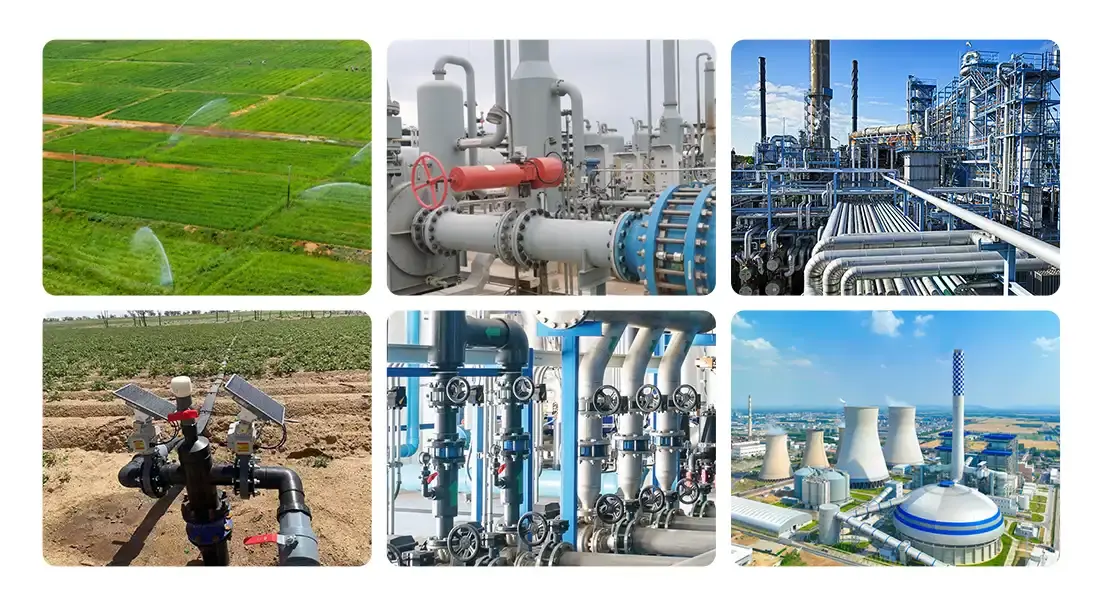
Quality Control and Testing
Before being sent out, every unit goes through a structured inspection process.
Test of the Dynamic Closing Curve
Factory Acceptance Tests act out both stages of closing. Technicians check that the hydraulic station's fast and slow throttle valves close at times that meet the water hammer requirements of the pipeline.
Testing for Hydrostatic and Seat Leakage
Shell test at 1.5 rated pressure checks the soundness of the casting. As per API 598 and ISO 5208, a seat leakage test at 1.1 times the rated pressure shows that the eccentric sealing mechanism works properly and doesn't let any leaks happen.
Testing Without Damage (NDT)
Ultrasound (UT) or Magnetic Particle (MT) testing is done on the valve shaft and the pins that connect the actuator to the disk. These parts are subject to the most torque loads when the counterweight drops.
Check for Hydraulic Station Integrity
It is checked that the oil tank is clean (NAS 1638), the accumulator pressure stays the same, and the logic valve works. A drift test makes sure that the balance won't fall out of place while it's working normally.
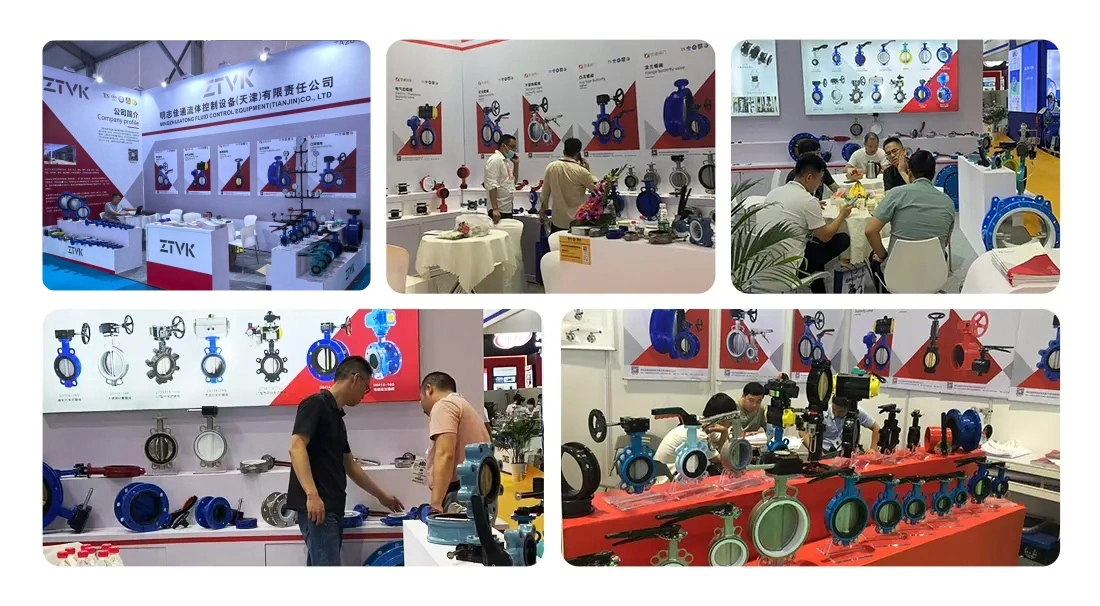
Customization and Delivery
ZTVK supports both OEM and ODM orders for hammer butterfly valves.
Customization options include:
· Valve body structure and disc geometry
· Sealing material selection for specific media
· Connection configuration (wafer, flanged, lug)
· Thicker stem protection for high-dust environments
· Epoxy resin anti-corrosion coating for humid climates
Lead times:
|
Order Type |
Lead Time |
|
Standard products |
3–7 days |
|
Custom orders (standard) |
15–25 days |
|
Custom orders (expedited) |
7–10 days |
The factory is located approximately 50 km from Tianjin Port, supporting FOB Tianjin Xingang or CIF destination-port shipments. Export packaging uses wooden crates, moisture-proof film, and fixing brackets per ISPM 15 standards.
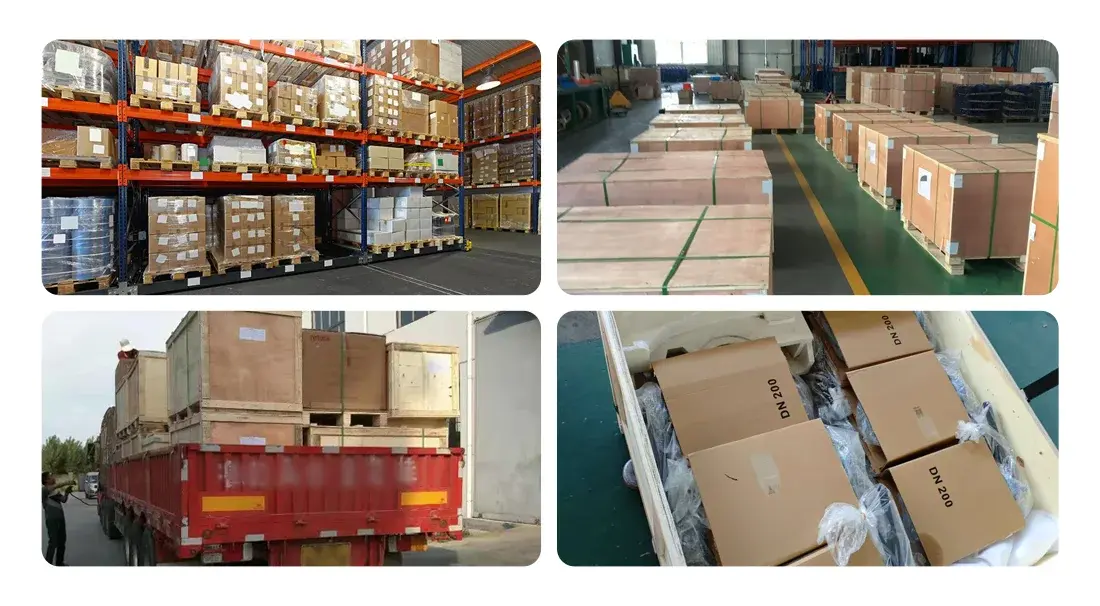
After-Sales Support
ZTVK provides an 18-month warranty on all valve products. Non-human-caused failures are covered with free replacement parts.
Support resources available to buyers include:
· CAD drawings and 3D models for installation planning
· Installation guidance videos and troubleshooting manuals
· QR-code-linked product records, inspection reports, and maintenance history
· On-site technical support coordination
FAQ
Q1: How do I change the fast and slow close steps so that water doesn't hammer?
A: The speed valves on the hydraulic power unit are used to make changes. Most of the time, the fast-close angle covers 70–80° of motion. This stops the mass flow. Then, use a different throttle to make the slow-close time longer so that the valve seats more slowly. Before they are put into use, these settings should be based on a transient surge analysis of your specific pipeline.
Q2: What happens to the valve when the power goes out?
A: When the solenoid valve loses its power, hydraulic pressure is released. The balance is then pushed down by gravity, which closes the valve disk. There is no need for a backup battery or UPS to provide the closing force.
Q3: Why does the motor for the hydraulic pump run too often?
A: A lot of cycling is usually a sign of an internal hydraulic leak, like worn seals in the oil cylinder or a check valve inside the hydraulic station that lets fluid out. Check the seals and take a sample of the oil to be sure. This is a maintenance item, not a broken valve body.
Q4:Can valves be put on vertical pipes?
A: Yes, but the actuator has to be set up so that the counterweight falls straight down. For vertical pipe installations, you need special mounting brackets or a hydraulic arm arrangement with a detached arm to make sure the gravity mechanism works right.
Q5: How often should you change the hydraulic oil?
A: Oil samples should be taken once a year. It is recommended to change the oil and filter completely every two to three years, or sooner if water poisoning is found. Due to the fact that this is not a continuous-cycle hydraulic system, the main risk of contamination is condensation.
Q6:What foreign standards do your valves meet?
A: ISO 5752, AWWA C504, GB/T 12238, API 598, and ISO 5208 are used to build and test the valves. Documentation is available for a third-party factory to look at if they want to.
Contact Us
Have a hammer butterfly valves requirement or need a custom quote? Email us at ktec86961886@163.com — our engineering team will follow up with you directly.
Send us your valve requirements and our team will provide professional solutions and fast quotations.