- English
- French
- German
- Portuguese
- Spanish
- Russian
- Japanese
- Korean
- Arabic
- Greek
- German
- Turkish
- Italian
- Danish
- Romanian
- Indonesian
- Czech
- Afrikaans
- Swedish
- Polish
- Basque
- Catalan
- Esperanto
- Hindi
- Lao
- Albanian
- Amharic
- Armenian
- Azerbaijani
- Belarusian
- Bengali
- Bosnian
- Bulgarian
- Cebuano
- Chichewa
- Corsican
- Croatian
- Dutch
- Estonian
- Filipino
- Finnish
- Frisian
- Galician
- Georgian
- Gujarati
- Haitian
- Hausa
- Hawaiian
- Hebrew
- Hmong
- Hungarian
- Icelandic
- Igbo
- Javanese
- Kannada
- Kazakh
- Khmer
- Kurdish
- Kyrgyz
- Latin
- Latvian
- Lithuanian
- Luxembou..
- Macedonian
- Malagasy
- Malay
- Malayalam
- Maltese
- Maori
- Marathi
- Mongolian
- Burmese
- Nepali
- Norwegian
- Pashto
- Persian
- Punjabi
- Serbian
- Sesotho
- Sinhala
- Slovak
- Slovenian
- Somali
- Samoan
- Scots Gaelic
- Shona
- Sindhi
- Sundanese
- Swahili
- Tajik
- Tamil
- Telugu
- Thai
- Ukrainian
- Urdu
- Uzbek
- Vietnamese
- Welsh
- Xhosa
- Yiddish
- Yoruba
- Zulu
How does a motor operated butterfly valve Work?
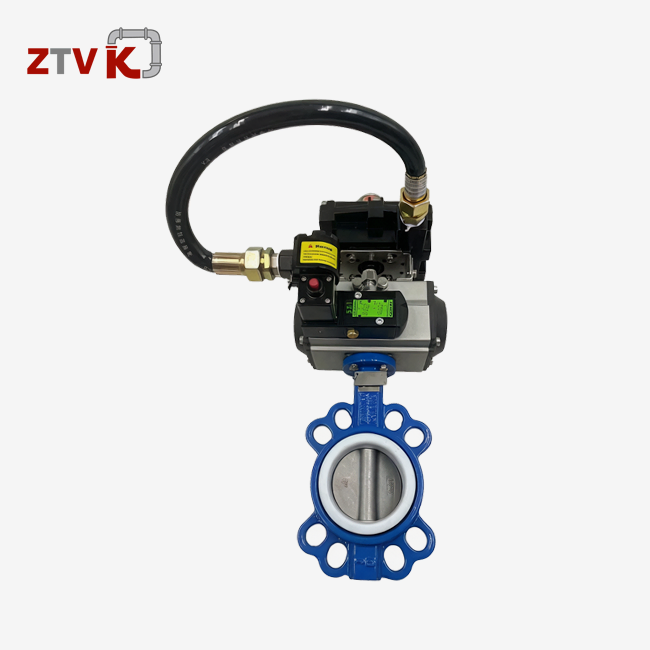
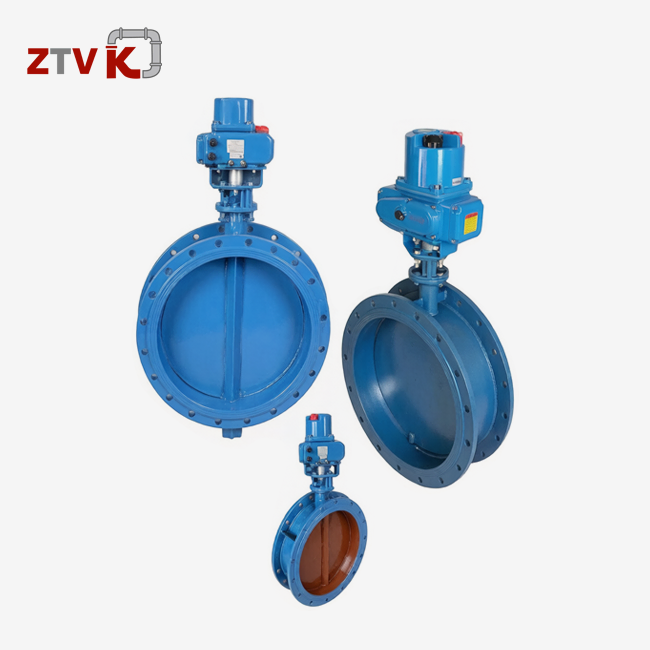
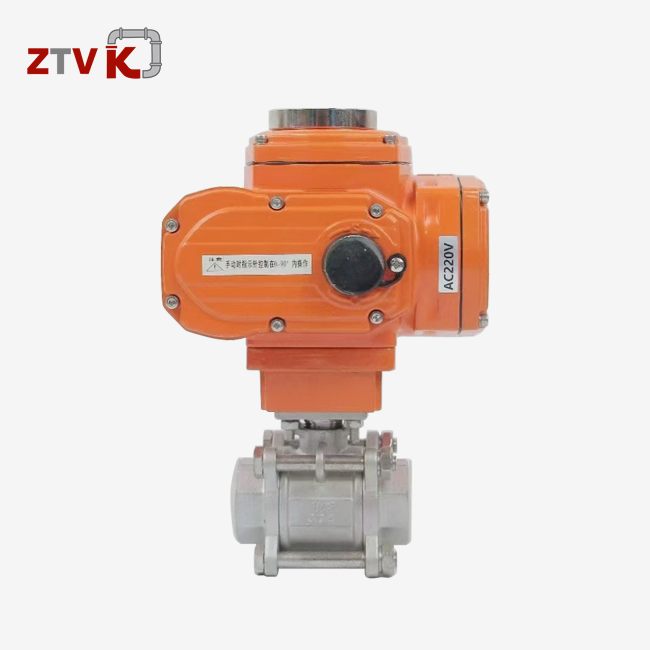
When managing fluid flow in industrial systems, understanding how automation transforms traditional valve operations becomes essential. A motor operated butterfly valve functions by integrating an electric actuator with a quarter-turn butterfly disc mechanism. The electric actuator receives power signals—typically from control systems using 4-20mA analog or digital commands—and converts electrical energy into rotational torque through an internal gear train. This torque rotates the valve disc precisely 90 degrees, transitioning from fully closed to fully open positions, or any intermediate angle for flow modulation. Unlike manual valves requiring physical intervention, these automated devices enable remote operation, eliminate human error in hazardous zones, and provide consistent, repeatable performance across thousands of cycles.

Understanding Motor Operated Butterfly Valves: Basic Principles and Operation
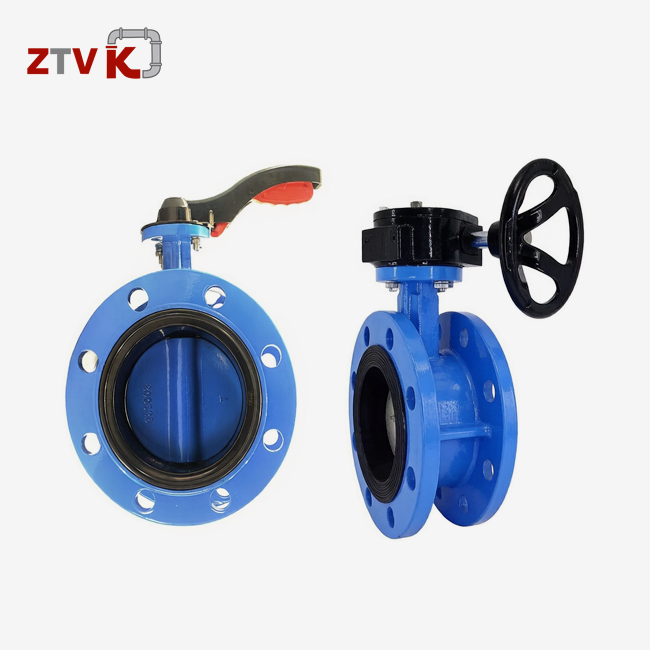
Three interconnected parts work together to support the structure of these valves. The body of the valve has a disc mounted in the middle that is connected to a shaft and rotates in a direction opposite to the flow. When the disc is closed, the edge presses against an elastomeric seat, which is usually made of EPDM or NBR rubber. This makes a bubble-tight seal that can withstand pressures up to PN16 in normal setups.
Core Components and Their Functions
Standardised ISO5211 connections let the electric actuator connect directly to the valve body, making sure that products from different makers can work together. The motor torque is increased inside the actuator housing by a multi-stage gear reduction system. This helps the motor overcome the disc's inertia and the fluid pressure pushing against it. Modern actuators have thermal overload safety circuits that turn off the power automatically when internal temperatures rise above safe levels. This keeps the motor from burning out during long job cycles.
Limit switches or potentiometers are used in position feedback mechanisms to let control systems know about the status of valves. These sensors let SCADA systems check that flow conditions meet operational needs by letting them know when the disc hits its goal angle. Installing between flanges with through-bolts is possible with the wafer-type connection method, which is lighter and takes less time than flanged options.
Operational Mechanics
During opening sequences, the motor turns the stem anticlockwise, which makes the disc spin in a straight line with the flow. This movement happens slowly, usually over 10 to 30 seconds based on how fast the actuator is set. This keeps pipe systems from being damaged by hydraulic shock. When the disc is fully open, its slim shape makes the pressure drop very little. In fact, the coefficient values (Cv) are usually higher than those of manual butterfly valves because the flow paths are better.
Electrical requirements change depending on where they are installed. Three-phase 380VAC motors are most common in industrial settings that need a lot of torque. 24VDC versions are better for settings that need to be intrinsically safe in explosive environments. Protection grades of IP67 or IP68 make sure that the electronics in an actuator can still work even if they are submerged in water or exposed to chemical vapours.
Material Selection Impact
UPVC construction is common in chemical processing and water treatment because it is very resistant to corrosion from chlorinated water, weak acids, and alkaline solutions. The UPVC disc design stays structurally sound at temperatures ranging from -10°C to 70°C, making it ideal for most fluid uses in municipal and industrial settings. Seat materials like EPDM close well against water-based media, while NBR options work better with oils and petroleum products.
Types and Applications of Motor Operated Butterfly Valves
To tell the difference between valve types for a motor operated butterfly valve, you need to know the duty cycle needs and the control precision needs. On/Off configurations are most common in isolation applications where there is no need for intermediate positioning. These valves quickly go from open to closed; a full stroke usually takes less than 15 seconds. This makes them perfect for controlling pump output and shutting off in an emergency.

Application-Specific Deployment
These automated valves are crucial for water and wastewater treatment plant filtering system backwash. The control system opens several valves to alter flow direction during automated cleaning cycles, removing sediment without user assistance. Programming procedures using PLC integration reduces personnel expenses and ensures consistent treatment.
Oscillating HVAC systems in commercial buildings accept analogue control inputs. These devices maintain disc angles precise to match cold water flow to thermal loads. Building management systems optimise energy usage by adjusting flow rates. This reduces chiller runtime when half-loaded. Precision temperature management in data centers is possible due to the quick response time—often less than 5 seconds for location precision.
Chemical processing companies require ATEX or IECEx-certified explosion-proof actuators for flammable or toxic media. In risky situations, remote operation helps operators manage workflow from control rooms outside the danger zone. Regular rubber chairs wear out fast, but PTFE-lined variants can endure intense sulphuric acid or sodium hypochlorite solutions.
Comparative Analysis with Alternatives
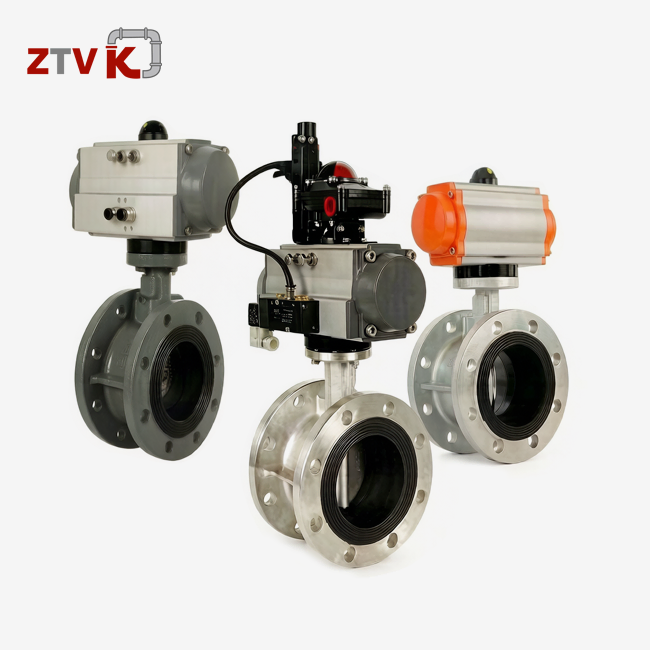
Manual butterfly valves need to be accessed physically and torqued for a long time. This can be dangerous in tight or high spaces. Pneumatic actuators have shorter stroke times, but they need a system for compressed air, which makes maintenance more difficult and increases the cost of energy. With electric actuation, these dependencies are gone, and the position feedback accuracy is much better. The trade-off is a higher starting capital cost, which procurement teams have to weigh against the operational savings they will see in the long run from less upkeep and better process control.
OEM equipment makers put these valves in skid-mounted systems that need reliable flow control in a small space. The standard connections and reliable performance traits are good for pump packages, filtration units, and mixing systems. By choosing their own disc or seat materials, equipment builders can make sure that valves work perfectly in the uses of end users without having to change how they are mounted.
Installation, Operation, and Maintenance Best Practices
Making sure that the electrical source factors match the actuator nameplate ratings is the first step in a proper installation. Voltage mismatches are the main reason why actuators fail before they should, and over-voltage situations are especially bad for motor windings. Local electrical rules should be followed when wiring, and conduit of the right size should be used to protect wires from damage and the elements.
Mechanical Integration Steps
When mounting the valve between pipeline flanges, it's important to make sure it's straight. When the valve shaft is out of alignment, it puts lateral stress on it, which speeds up bearing wear and could bind the disc during rotation. Before tightening the bolts in a cross-pattern to spread the compression forces evenly, use a straightedge across the flange faces to make sure they are parallel. For DN50 to DN300 sizes, torque specs are usually between 40 and 60 N m, but installer manuals should always be followed first.
Maintenance Protocols
Every six months, regular checks should be done to make sure that the actuator heater works if it is equipped. These anti-condensation heaters stop electronic parts from getting wet, which is the main way they break down in places with a lot of humidity. To check the heater's function, you need to use a voltmeter to measure the voltage at the heater's connections when the power is off.
Limit switch accuracy needs to be checked on a regular basis, especially after long periods of use. When gears wear out, the relationship between the motor position and the real disc angle can change. As part of the calibration process, the disc's position is checked by hand when it is fully open and closed, and then the limit switch cams are adjusted until the electrical feedback matches the real world. This change doesn't take long—usually less than 15 minutes—but it stops fake numbers that mess up control systems.
Seal inspection for a motor operated butterfly valve focuses on detecting early signs of elastomer breakdown. Chemicals, changing temperatures, and gritty particles wear away at the seat material over time, allowing flow to go around even when the controls say the valve is closed all the way. To do a visual inspection, the system must be depressurised, and one flange must be taken off so that the seat surface can be checked for cracks, permanent compression set, or surface scoring. It only takes minutes to install a replacement seat, which makes it more cost-effective to do it ahead of time rather than waiting for a leak to happen.
Troubleshooting Common Issues
Torque imbalance is often the cause of an actuator getting too hot while it's working. When media builds up on the disc's surface or crystallised material forms in the seat groove, it raises the friction level above what the actuator can handle. Cleaning methods depend on the type of media, but usually involve rotating the valve several times while flushing it with the right chemicals. Putting in strainers upstream stops fluids that are full of particles from building up over time.
When there is signal loss between control systems and motors, valves don't work as they should. To figure out why communication isn't working, you have to make sure that the control cables are connected and that the signal levels at the actuator terminals are correct. 4-20mA analogue signals are sometimes messed up by electromagnetic interference from nearby VFDs or welding equipment. Electrical noise can be kept to a minimum by routing control lines away from power cords and using shielded twisted-pair wiring.
Making Informed Procurement Decisions: Selection Criteria and Market Overview
To choose the right specs, you need to use systematic research to match the valve's powers to the needs of the application. To find the right size, you must first figure out the needed flow coefficient (Cv), which is based on the highest flow rates and the smallest pressure drops that are allowed. When valves are too small, they create too high of speeds that speed up erosion. When valves are too big, they work at low disc angles, which makes control less accurate.
Technical Selection Parameters
Ratings for pressure must take into account both steady-state situations and short-term spikes. PN10 ratings are good for low-pressure local water distribution, while PN16 ratings give systems with quick pump shutdowns room for water hammer events. Chemical compatibility includes more than just body parts. It also includes fasteners, shaft seals, and O-rings. By looking at resistance charts for different media at normal working temperatures, you can avoid premature failures caused by chemical reactions you didn't expect.
What force an actuator needs depends on the size of the valve, the difference in pressure, and the shape of the disc. Safety factors of 1.25 to 1.5 times the estimated force take into account the fact that old seals can cause more friction and particles could get stuck. Ratings for duty cycle tell you how often valves can work without getting too hot. Applications that need continuous modulation need actuators with better ratings than those that only need occasional separation.
Market Landscape Considerations
Process automation is dominated by global businesses like Honeywell and Siemens, who provide expensive products with several protocols and comprehensive monitoring. Their products are suitable for enterprise-wide automation schemes but may be too much for standalone installations. Regional manufacturers provide cheaper choices without proprietary communication protocols or specialist features.
Wholesalers want dependable suppliers with solid histories when planning purchases. ISO9001 accreditation ensures production process control, and third-party testing certifications verify pressure and material composition. Lead times vary greatly based on product customisation. Stockpile-rich suppliers can deliver standard DN50–DN300 UPVC units with EPDM seats in a week. Unusual materials or port designs may delay delivery by three weeks.
Total Cost Analysis
Beyond unit pricing, bids must include installation complexity, energy usage, and maintenance intervals. Cheaper valves with their own actuator mounts may need to be replaced instead of maintained, increasing their lifespan cost. In high-cycle usage, energy-efficient motors save money. Premium actuators save electricity and pay for themselves in 18–24 months.
Distributors that commit to standard configurations may bulk-buy. Manufacturers charge differently based on unit quantity. Most prices decline at 50, 100, and 500 units. Talking about extended payment terms or consignment inventory might aid your cash flow and ensure end clients with tight project timelines receive the things they need.
Future Trends and Technology Developments
Embedded intelligence and connection features are changing valve technology for the motor operated butterfly valve as part of digital change projects. Smart actuators with built-in microprocessors keep an eye on things like cycle numbers, power patterns, and temperature trends. This information is sent to platforms for predictive maintenance, which find problems before they break down. This allows condition-based servicing, which cuts unplanned downtime by up to 40% compared to time-based schedules.
Emerging Capabilities
Getting rid of parasitic losses in gear trains and holding currents that build up when valves are not moving are the main ways to make machines more energy efficient. Brushless DC motors are more efficient than regular induction motors by 15 to 20 percent and don't need to have their carbon brushes replaced as often. When the power goes out, battery backup systems make sure that the system can still work safely by automatically moving valves to safe places that have already been set.
IoT Integration
When IoT is added, industrial Ethernet methods like PROFINET and EtherNet/IP can be used by valve networks to talk about their state. This connection lets cloud-based screens keep an eye on whole groups of valves, giving operations teams real-time information about how the infrastructure is spread out. Diagnostic tools look for strange things, like stroke times that aren't normal or temperatures that are rising too quickly, and send out maintenance work orders automatically.
Regulatory Evolution
Changing environmental rules need stricter shutdown criteria to stop fugitive emissions. Chemical facilities must do leak checks every three months or a year; thus, valve seats must remain firm between maintenance. As a consequence, manufacturers have developed innovative seat forms and materials that resist chemicals and temperature changes. This extends seal life beyond three years to five years or more. Networked valves are more vulnerable to assaults, thus industry rules include security measures. Future standards will need secure authentication, firmware verification, and encrypted communications. Procurement teams must monitor suppliers' security commitment and patch release speed throughout a product's lifespan.
Conclusion
Procurement workers and engineers can make better decisions when they know how these automatic flow control devices work, what applications they are best for, and how to keep them in good shape. Combining reliable butterfly valve designs with electric actuators allows for remote operation, accurate flow control, and less work to be done by people in many different industries. Matching technical specs to real-world operating conditions is important for making sure that equipment for municipal water systems, chemical processing plants, or OEM machinery works at its best and lasts as long as possible. As smart, connected valve technologies continue to develop, they will offer better operating visibility and predictive repair tools that will make systems even more reliable while lowering the total cost of ownership.
Frequently Asked Questions
1. How do On/Off and modulating electric butterfly valves differ?
On/Off versions give you two levels of control, which is good for solo tasks where you don't need different flow rates. Positioners that accept 4-20mA analogue inputs are built into modulating models. This lets you precisely place the disc at any angle between fully open and closed. This feature helps systems that need to control flow proportionally, like HVAC systems that match the flow of chilled water to the temperature loads.
2. What causes electric actuators to fail prematurely?
Most of the time, failures happen when the duty cycle rating is exceeded by operating at too high a frequency, when the voltage supply doesn't match the motor windings, or when the torque overloads because media buildup makes the friction too high for the actuator to handle. When you use actuators more often than their thermal design allows, they don't get enough time to cool down between cycles, which causes the insulation to break down. These risks can be successfully reduced with proper voltage matching and regular cleaning and upkeep.
3. Can these valves function during power failures?
When the power goes out, most electric motors stop in the last position they were in, which could be dangerous in serious situations. This problem can be fixed with fail-safe motors that have a battery backup or a spring-return mechanism. These mechanisms drive valves to safe places automatically when the power goes out. For emergency shutdown systems and uses where valve position directly affects worker safety, it is important to specify fail-safe capability during procurement.
Partner with ZTVK for Reliable Electric Actuated Butterfly Valve Solutions
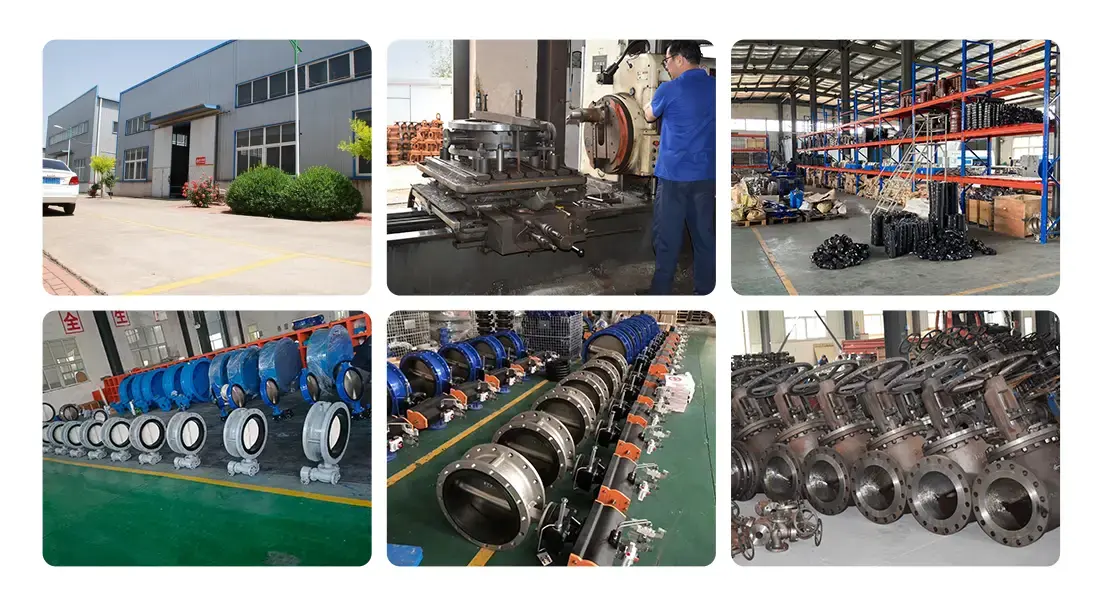
ZTVK is based in Tianjin's Beichen District and makes wafer-type electrically operated butterfly valves that meet ISO5211 standards and come in sizes DN50 to DN300. Our UPVC construction with EPDM or NBR seats works well in water treatment, HVAC, and chemical processing because it doesn't rust. With more than 15 years of experience and ISO9001 certification, we keep a large collection of standard configurations that can be delivered in 3–7 days. We also offer OEM customisation for individual needs.
Because we are close to Tianjin Port, we can easily set up FOB or CIF shipping, and our partnerships with major goods carriers ensure reliable global logistics. Before it is shipped, every valve is put through pressure tests and material checks. There is full approval paperwork to support third-party audits. Our engineering team is here to help you with any part of the procurement process, whether you need large amounts for distribution inventory or unique solutions for special projects.
Contact our team at ktec86961886@163.com to discuss your requirements with a motor-operated butterfly valve provider that is dedicated to quality, on-time delivery, and low prices that help you stand out in the market.
References
1. American Water Works Association (AWWA). "Manual M49: Butterfly Valves: Torque, Head Loss, and Cavitation Analysis." AWWA Standards, 2012.
2. British Standards Institution. "BS EN 593: Industrial Valves - Metallic Butterfly Valves for General Purposes." BSI Standards Publication, 2019.
3. Flow Control Network. "Electric Actuator Selection and Sizing for Quarter-Turn Valves." Technical Article Series, Industrial Valve Technology, 2021.
4. International Society of Automation. "ISA-75.01.01: Flow Equations for Sizing Control Valves." ISA Standards and Practices, 2012.
5. Valve Manufacturers Association of America. "VMATM110: Electric Actuator Application Guidelines for Industrial Valves." VMA Technical Publication, 2020.
6. Water Environment Federation. "Automation of Wastewater Treatment Facilities: Manual of Practice No. 21." WEF Press, 2018.
Send us your valve requirements and our team will provide professional solutions and fast quotations.
RELATED INDUSTRY KNOWLEDGE