- English
- French
- German
- Portuguese
- Spanish
- Russian
- Japanese
- Korean
- Arabic
- Greek
- German
- Turkish
- Italian
- Danish
- Romanian
- Indonesian
- Czech
- Afrikaans
- Swedish
- Polish
- Basque
- Catalan
- Esperanto
- Hindi
- Lao
- Albanian
- Amharic
- Armenian
- Azerbaijani
- Belarusian
- Bengali
- Bosnian
- Bulgarian
- Cebuano
- Chichewa
- Corsican
- Croatian
- Dutch
- Estonian
- Filipino
- Finnish
- Frisian
- Galician
- Georgian
- Gujarati
- Haitian
- Hausa
- Hawaiian
- Hebrew
- Hmong
- Hungarian
- Icelandic
- Igbo
- Javanese
- Kannada
- Kazakh
- Khmer
- Kurdish
- Kyrgyz
- Latin
- Latvian
- Lithuanian
- Luxembou..
- Macedonian
- Malagasy
- Malay
- Malayalam
- Maltese
- Maori
- Marathi
- Mongolian
- Burmese
- Nepali
- Norwegian
- Pashto
- Persian
- Punjabi
- Serbian
- Sesotho
- Sinhala
- Slovak
- Slovenian
- Somali
- Samoan
- Scots Gaelic
- Shona
- Sindhi
- Sundanese
- Swahili
- Tajik
- Tamil
- Telugu
- Thai
- Ukrainian
- Urdu
- Uzbek
- Vietnamese
- Welsh
- Xhosa
- Yiddish
- Yoruba
- Zulu
Gate Valve Flanged Installation Guide: Bolt Torque Sequence, Gasket Selection, and Leakage Prevention
Proper gate valve flanged installation is fundamental to ensuring leak-free operation in industrial piping systems. When bolts are torqued inconsistently, or gaskets are improperly selected, even the highest-quality valves can fail prematurely. This guide walks through the essential installation steps that prevent leakage and extend valve service life. The principles outlined here apply equally to gate valves and related flow control devices like triple-offset metal-to-metal seated butterfly valves, which share similar flanged connection requirements and sealing challenges. Understanding these fundamentals helps procurement managers, contractors, and maintenance teams make informed decisions that reduce downtime and operational costs.
Understanding Gate Valve Flanged Installation: Key Concepts and Challenges
When installing a gate valve with flanges, you need to pay close attention to four main parts: the valve body, the flanges, the bolts, and the seals. Each part has to work with the others to make a seal that will hold up under different temperatures and pressures.
Core Components and Their Functions
Bolted joints link the valve body to the flanges on the tubing. Flanges give you a place to put things and spread the force of tension evenly around the gasket. Bolts provide the binding force that the gasket needs to be compressed and a seal to be made. Gaskets seal off tiny holes and bumps between flange faces, keeping fluid from escaping. Leaks are bound to happen when any part is damaged or not installed correctly.
Common Installation Challenges
One of the most typical installation problems is uneven pin force. Gaskets compress unevenly when bolts are tightened randomly or with varying forces, creating leak routes. Misaligned flanges may also pose issues, particularly when pipes are not adequately supported or sections shift due to thermal expansion. Material selection that doesn't work with the process fluid or temperature causes most gasket failures. The same issues arise when installing butterfly valves, particularly metal-seated ones that must be exactly aligned to shut.
Impact on Valve Reliability
Long-term valve performance is directly affected by how well the valve is installed. Installation mistakes can cause safety risks, damage to the environment, and expensive repairs in places like petrochemical plants, water treatment plants, and high-pressure steam systems. When installing valves in harsh conditions (temperatures over 250°C or pressures of Class 600 or higher), it's important to be very careful. When metal-to-metal seated butterfly valves are used in slurry service or high-temperature situations, where elastomeric covers would break down quickly, the risks are especially high.
Step-by-Step Bolt Torque Sequence for Flanged Gate Valves
To get even flange tension, you need to follow a set order for tightening the bolts. Randomly tightening things causes stress to build up, which bends flanges and damages seals.
Determining Torque Requirements
Specifications for torque on metal-to-metal seated butterfly valves depend on three things: the size of the valve, the material of the flange, and the type of gasket. For gaskets to fit across bigger sealing surfaces, larger valves (DN300 and up) need higher force values. Because different materials are harder or less hard, carbon steel flanges usually need a different force than stainless steel or ductile iron ones. Solid metal ring joint gaskets and spiral wound gaskets with flexible graphite fillers compress in different ways. Manufacturers give torque tables based on ASME B16.5 standards, but changes need to be made sometimes because of how things are at the job site.
Recommended Tightening Patterns
For flanged connections, the cross-sequence or star pattern is still the standard. Start by putting the bolt at 12 o'clock, then move it to 6 o'clock, 3 o'clock, and 9 o'clock. Follow this pattern with the rest of the bolts, making sure to tighten them in opposite positions each time. Apply torque in several passes, usually three to four, gradually increasing it until it meets the final requirements. The first pass might reach 30% of the target torque, the second 60%, and the third 100%. There would then be a final verification pass to make sure that all the bolts stay tight.
Avoiding Critical Errors
When you tighten something too much, you can damage seals, crush soft materials, crack flanges, or strip bolt threads. Under-tightening, on the other hand, lets gaskets blow out under pressure. When you use calibrated torque wrenches, you don't have to guess. To make sure the torque-to-tension conversion is accurate, use the right anti-seize compound on the bolt threads and bearing surfaces. Temperature changes the tightness of bolts, so when putting valves in high-temperature service, re-torque connections after the system has warmed up for the first time.
Practical Case Study
A company that treats city water had problems with DN400 gate valves leaking over and over again, even after changing the gaskets several times. An investigation showed that workers were tightening nuts in a circle, starting from one side. This moved the gasket out of place bit by bit. Leaks dropped by 95% over the next year after a proper cross-sequence pattern and calibrated wrenches were put in place. This example shows how following the right steps can have a direct effect on how reliable a system is.
Gasket Selection for Flanged Gate Valves and Relevance to Metal-to-Metal Seated Butterfly Valves
The choice of gasket material has a big impact on how well it seals and how often it needs to be maintained. It is important to match the qualities of the gasket to the working conditions because one type of gasket does not work in all situations.
Types of Gaskets and Their Applications
The spiral wrapped seal has a metal spiral and PTFE or flexible graphite filler. Steam and petrochemicals work well with them since they can handle 600°C and Class 2500 temperatures and pressures. Solid metal rings insert into flange slots to form round-joint (RTJ) gaskets. They withstand high heat and pressures, but edges must be polished. Soft rubber, PTFE, or compressed fibre gaskets perform well for chemical and water usage below 150°C. Flexible materials would fail in fire safety and cryogenics, hence metal gaskets without soft fillers are employed.
Operating Conditions Dictate Choice
Temperature flexibility is the main decision factor. Gaskets made of regular NBR rubber break down quickly above 100°C, but spiral wound gaskets filled with graphite stay stable up to 600°C. Also, the pressure grade is important. When the difference in pressure is too high, soft gaskets blow out, but metal gaskets can handle it. You can't forget about chemical harmony. Some materials are damaged by acids, hydrocarbons make elastomers swell, and oxidisers break down organic fillers. Check chemical protection data before choosing a material for a gasket.
Comparing Metal and Soft Gasket Performance
Metal seals can handle higher temperatures better and last longer in tough conditions. Metal-to-metal seated butterfly valves are a good example of this idea. The metal provides structural stability, and the flexible graphite can smooth out small surface imperfections. Soft gaskets seal better on rough or damaged flange faces and need less force on the bolts, but they need to be replaced more often. In power plants that use very hot steam, metal-reinforced valves keep the blowouts that happen with all-elastomeric designs at bay.
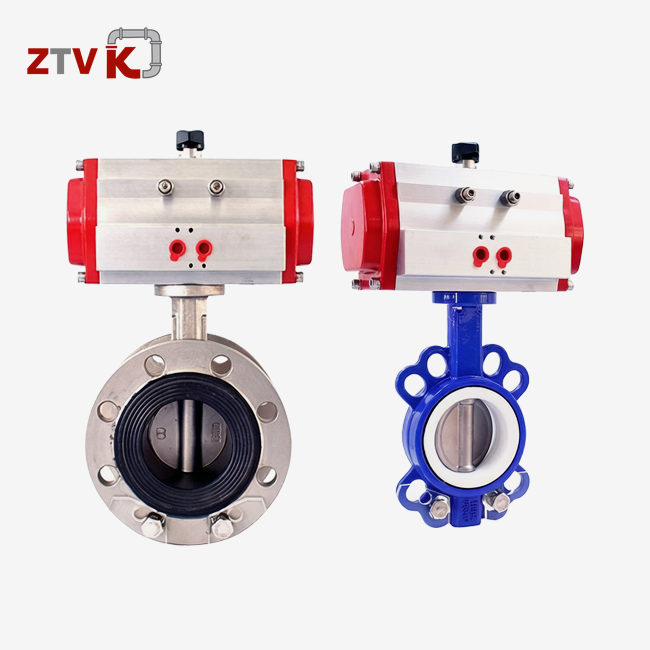
ZTVK makes valves with seat configurations that include metal surfaces and flexible graphite inserts. Our valve sizes range from DN50 to DN3000. This mixed method has the temperature resistance of metal (up to 400°C) and the conformability of graphite. It makes sure that the seal stays strong even when the system goes through cycles of thermal expansion and contraction.
Leakage Prevention Strategies During and After Installation
Leaks can be avoided by being careful during the whole installation process, from the check before installation to the ongoing maintenance.
Pre-Installation Best Practices
Check all of the parts before installing them. Check the flange faces for damage like scratches, pits, or twisting that could make it harder for the gasket to seal. Check valve bodies for damage from shipping or problems with the way they were made. Check that the gasket's measurements match the flange's requirements and that the material is safe for use with process fluids. Thoroughly clean the sides of the flanges, getting rid of rust, old sealing material, and other junk. Leak paths can be made by even very small particles. Keep seals clean and dry until it's time to place them to keep them from getting dirty or absorbing water.
During Installation Checks
Carefully line up the flanges before putting the bolts in. Misalignment can put uneven stress on gaskets and bend valve stems. Before using pressure, make sure that all of the nuts are in place and finger-tight. To get the numbers you need, follow the cross-sequence torque pattern we talked about earlier and use tools that have been properly adjusted. Check the compression of the gasket visibly. The gasket should show uniform compression around the whole circumference, with no protrusion past the edges of the flange. Before putting the full pressure on metal-to-metal seated butterfly valves, make sure the disc clearance is checked during stroke testing.
Post-Installation and Ongoing Maintenance
Once the system is up to working temperature, do a quick re-torque. When used in high-temperature situations, thermal expansion can loosen bolt tightness. Before putting the valve to use, it should be pressure tested according to API 598 or a similar standard. Visual checks for weeping, sound emission tests for pinhole leaks, and regular checks of the bolt tightness should all be part of routine checkups. When it comes to maintenance, metal-to-metal seated butterfly valves are different from soft-seated designs. Metal seats can handle small particles without damage, but the hardfacing needs to be checked to make sure it stays in place.
Material Selection for Sealing Integrity
The materials used for the valve body and disc must be able to withstand rust and wear in service. The valve bodies that ZTVK makes are made of ductile iron (GGG40/50), carbon steel (WCB A216), stainless steel (SS304/316/316L), and duplex stainless steel (2507/1.4529). Different types of discs are made from nickel-lined ductile iron, carbon steel, and stainless steel. By choosing the right materials, you can stop galvanic rusting at flanged joints and make sure that the dimensions stay the same over time. For chemical processing, stainless steel or duplex steel is often needed because they can handle strong media. On the other hand, ductile iron is often used in local water systems because it is cheaper and doesn't rust.
Integrating Metal-to-Metal Seated Butterfly Valves: Considerations for B2B Procurement
When purchasing professionals look at butterfly valves, they have to choose between designs with a soft seat or a metal seat. The best choice is made by understanding the trade-offs in efficiency.
Metal-Seated vs. Soft-Seated Performance Comparison
Soft-seated butterfly valves have elastomeric or PTFE liners that seal well at low torque but can only handle temperatures up to about 200°C. Metal-to-metal seated butterfly valves, especially triple-offset ones, don't need any elastomeric parts, so they can work at temperatures up to 815°C. Slurries and particles that quickly wear down soft seats don't damage metal seats. They are also naturally fire-safe, which is very important in petroleum plants, since they don't have any flammable parts. The trade-off is that they are more expensive to buy and have a slightly higher working power than soft-seated options.
Supplier Evaluation Criteria
You need to look beyond budget for reliable valve producers. ISO 9001 certification indicates strong quality control. Butterfly valves with API 609 certification fulfil size and function specifications. Positive Material Identification (PMI) testing ensures valve bodies and discs are produced of the proper alloys. Seals need accurate triple-offset geometry, which CMM inspection data reveal. Request evidence of API 598 or FCI 70-2 Class VI high-pressure gas leakage testing. Gas testing in metal chairs finds microscopic leak routes that hydrostatic tests can't.
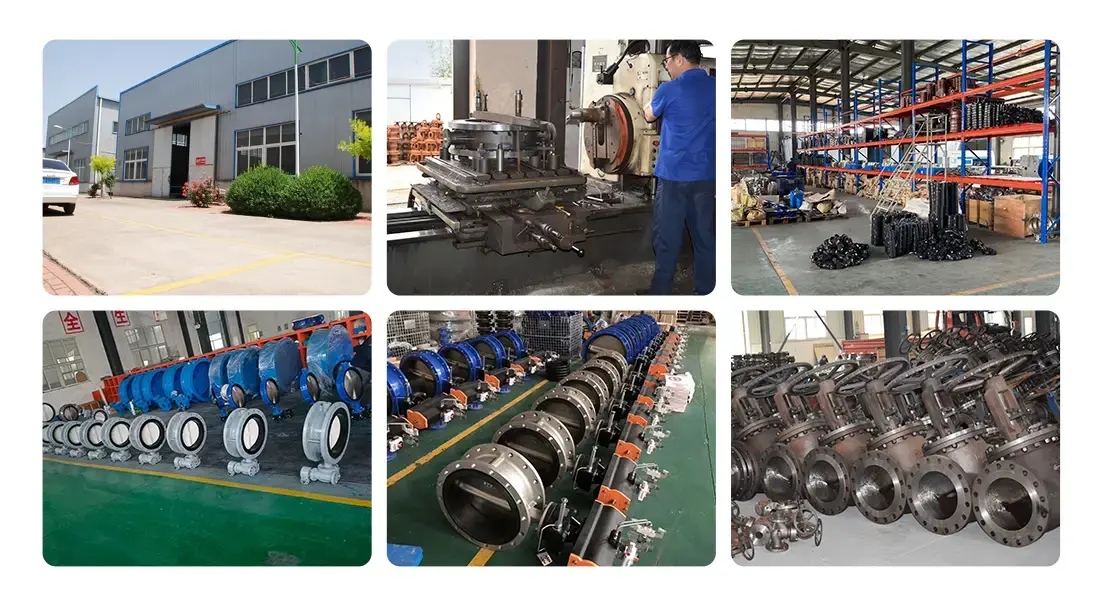
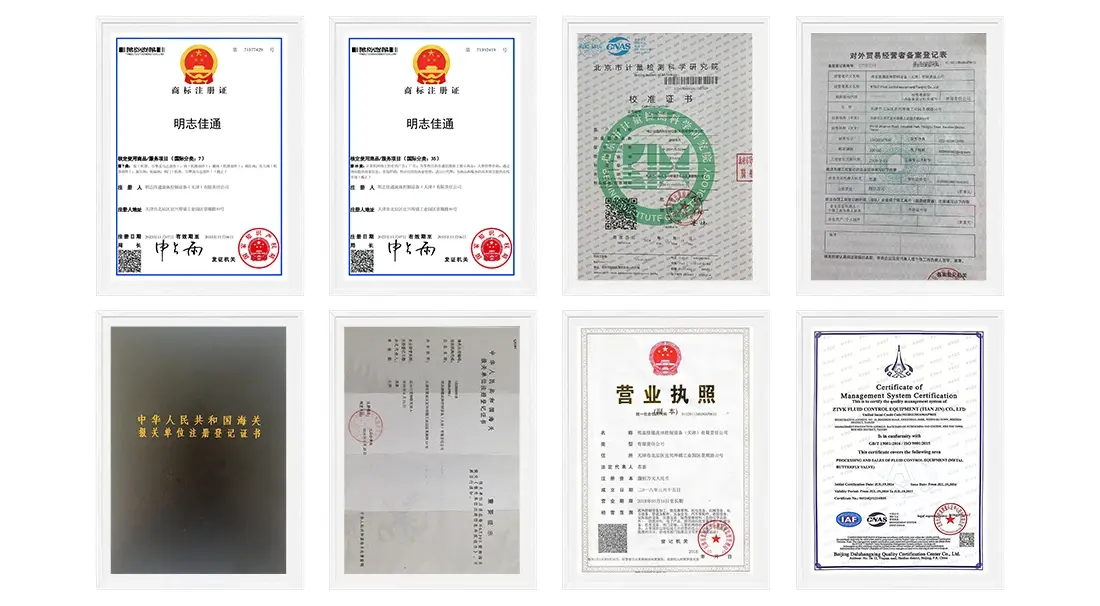
ZTVK is ISO9001, ISO14001, and OHSAS18001 certified. Modern CNC machining centers and large-diameter valve processing equipment are used at Tianjin Beichen. Chemical analysis, pressure testing, and dimension checks ensure that our products fulfil ISO, API, ANSI, JIS, BS, DIN, and CE requirements.
Cost Implications and Procurement Strategy
Most of the time, metal-to-metal seated butterfly valves cost 40–60% more than soft-seated models of the same type. However, their longer service life and lower upkeep needs often make their total cost of ownership lower. When you order in bulk, you save money because makers offer discounts for orders over 50 units. Lead times depend on the design. Standard DN50–DN600 valves made of common materials ship within 7- 14 days. Non-standard sizes (DN800–DN3000) or speciality metals, on the other hand, need 15–25 days to be custom-made. Setting up framework agreements with manufacturers makes sure that production is prioritised during times of high demand.
At our Tianjin facility, we keep more than 2,000 standard valve units in stock. This means that we can deliver most common configurations in 3 to 7 days. Customers who place custom orders are given their own production line, and faster service is available if project deadlines require it. We are only 50 kilometres from Tianjin Xingang Port, which makes it easy for us to export goods because we have established partnerships with major shipping lines.
Aligning Valve Selection with Installation Excellence
When put wrong, even high-end valves don't work. Installation aids like torque charts, dimensional drawings, and upkeep instructions should be included in the procurement specs. Some makers offer installation training or technical help in the field to make sure that contractors follow the best methods. When you match a valve's capabilities to its real working conditions, you avoid both over-specification (which wastes money on features that aren't needed) and under-specification (which causes the valve to fail too soon). A complete procurement plan takes into account not only the valve but also the installation skills and ongoing help that are needed to get the most out of the asset.
Conclusion
Gate valve flanged installations need the correct bolt pressure, seal, and leak-prevention standards. Use measured tools and cross-sequence tightening methods to eliminate uneven tension, which causes most flange leaks. Matching gasket materials to valve temperatures, pressures, and chemical conditions ensures excellent sealing for life. Quality installation requires precise alignment during assembly, a comprehensive examination before installation, and a verification test after installation. Follow the same techniques when installing metal-to-metal seated butterfly valves or other sophisticated flow control devices. If procurement experts grasp these fundamental technical terms, they can better assess suppliers, identify the correct materials, and collaborate with installation contractors to produce dependable, leak-free pipe systems that keep operations operating smoothly and decrease maintenance costs.
Frequently Asked Questions
1. What torque specifications should I use for DN300 gate valve flanges?
The torque requirements depend on the type of gasket, the size of the bolts, and the class of the flange. ASME B16.5 Class 150 flanges with a nominal diameter of DN300 usually use M24 bolts that need between 400 and 500 Nm of torque and spiral-wound gaskets. Around 600 to 700 Nm are needed for Class 300 flanges. Always check the valve manufacturer's torque table to see what values to use for your specific setup, and make sure to account for the use of lubricant on the bolt threads.
2. How do metal-to-metal seated butterfly valves differ from soft-seated designs in maintenance requirements?
Metal-to-metal seated butterfly valves need less maintenance than those with soft seats because metal seats don't wear down easily when exposed to rough materials and can handle changes in temperature without breaking down. Based on how often they are used, soft seats need to be replaced every 2 to 5 years. Metal seats, on the other hand, usually last 10 to 15 years. Metal-seated designs do need to have their hardfacing integrity checked on a regular basis and sealing surfaces checked to make sure that debris hasn't cut them.
3. Does gasket choice really affect valve lifespan significantly?
Of course. When you use a gasket that is designed for 150°C in a 250°C steam application, it breaks down quickly. Within months, you'll have leaks, and blowouts could damage the flange faces. On the other hand, ordering pricey RTJ gaskets for water service at room temperature is a waste of money that doesn't do anything useful. The right choice of gaskets for the job decides how often upkeep needs to be done and how reliable the system is as a whole.
Partner with ZTVK for Reliable Industrial Valve Solutions
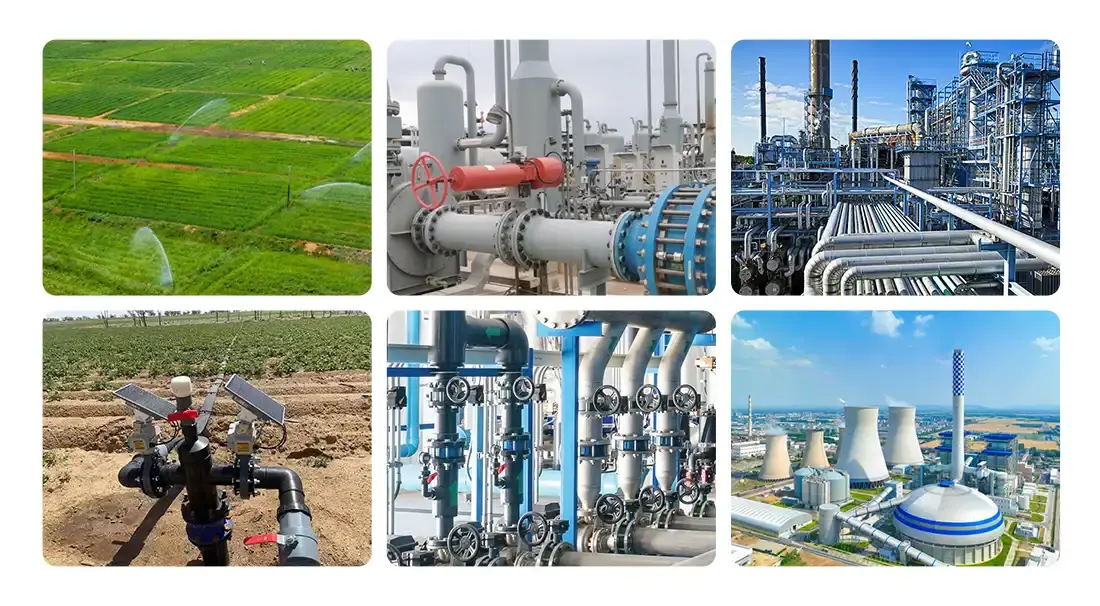
At ZTVK, we know that getting valves doesn't just mean buying parts. It also means finding a production partner with technical know-how, quality control, and quick logistics. Metal-to-metal seated butterfly valves and industrial gate valves are made in Tianjin. These products have been used successfully in difficult environments like petrochemical plants, power generation facilities, local water systems, and HVAC installations. We let you choose the exact body materials (ductile iron, carbon steel, stainless steel, or duplex steel), disc configurations, and activation methods (manual, electric, or pneumatic) through our OEM and ODM programs. We can meet a wide range of project needs thanks to our pressure grades, which range from PN6 to PN16 and 150LB, and size runs from DN50 to DN3000. Our certificates, such as ISO9001 for quality management and foreign standards compliance, give your projects the proof they need. You can email our technical team at ktec86961886@163.com to talk about your specific application needs, ask for technical drawings, or get price quotes for large orders. We give samples for review and keep enough stock on hand to meet both urgent and planned procurement schedules.
References
1. American Society of Mechanical Engineers. (2020). ASME B16.5: Pipe Flanges and Flanged Fittings: NPS 1/2 through NPS 24 Metric/Inch Standard. New York: ASME Press.
2. American Petroleum Institute. (2019). API Standard 598: Valve Inspection and Testing. Washington, DC: API Publishing Services.
3. Becht, C. (2018). Flanged Joint Assembly: Achieving Leak-Free Performance in Industrial Piping Systems. Pressure Vessel Technology Journal, 42(3), 215-234.
4. Lyons, J. & Richardson, M. (2021). Industrial Valve Selection and Maintenance: A Practical Guide for Engineers and Procurement Professionals. London: Technical Engineering Publishers.
5. Nesbitt, B. (2017). Handbook of Valves and Actuators: Valves Manual International. Oxford: Butterworth-Heinemann.
6. Waters, E., Singh, R., & Thompson, K. (2022). Gasket Material Performance in High-Temperature Industrial Applications: Comparative Analysis and Selection Criteria. Journal of Pipeline Engineering, 21(1), 45-68.
Send us your valve requirements and our team will provide professional solutions and fast quotations.
RELATED INDUSTRY KNOWLEDGE