- English
- French
- German
- Portuguese
- Spanish
- Russian
- Japanese
- Korean
- Arabic
- Greek
- German
- Turkish
- Italian
- Danish
- Romanian
- Indonesian
- Czech
- Afrikaans
- Swedish
- Polish
- Basque
- Catalan
- Esperanto
- Hindi
- Lao
- Albanian
- Amharic
- Armenian
- Azerbaijani
- Belarusian
- Bengali
- Bosnian
- Bulgarian
- Cebuano
- Chichewa
- Corsican
- Croatian
- Dutch
- Estonian
- Filipino
- Finnish
- Frisian
- Galician
- Georgian
- Gujarati
- Haitian
- Hausa
- Hawaiian
- Hebrew
- Hmong
- Hungarian
- Icelandic
- Igbo
- Javanese
- Kannada
- Kazakh
- Khmer
- Kurdish
- Kyrgyz
- Latin
- Latvian
- Lithuanian
- Luxembou..
- Macedonian
- Malagasy
- Malay
- Malayalam
- Maltese
- Maori
- Marathi
- Mongolian
- Burmese
- Nepali
- Norwegian
- Pashto
- Persian
- Punjabi
- Serbian
- Sesotho
- Sinhala
- Slovak
- Slovenian
- Somali
- Samoan
- Scots Gaelic
- Shona
- Sindhi
- Sundanese
- Swahili
- Tajik
- Tamil
- Telugu
- Thai
- Ukrainian
- Urdu
- Uzbek
- Vietnamese
- Welsh
- Xhosa
- Yiddish
- Yoruba
- Zulu
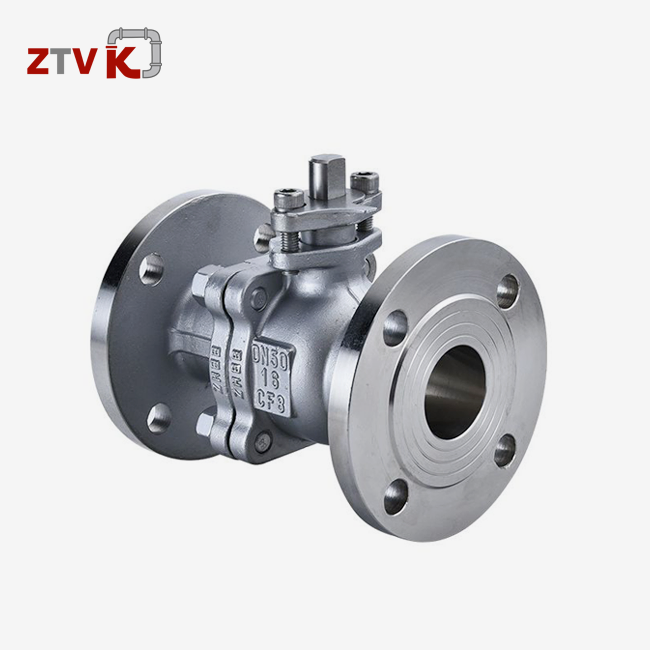
stainless trunnion ball valve
Body CS, SS, Duplex SS
Ball CS + ENP, CF8M, CF3M, Duplex SS
Stem 410 SS, 316 SS, 304 SS, XM-19, Duplex SS
Seat RTFE, PEEK, Devlon, Nylon, Viton
Seat Seal HNBR, FKM
Size Range
Series 7 - 2" to 14“ (DN 50 to 350)
Series 8 - 16” to 24” (DN 400 to 600)
Pressure Rating
Class 150 - 1500 Full and Reduced Bores
Stainless Trunnion Ball Valve for High-Pressure Industrial Service — Factory-Direct Supply
When pipeline engineers specify a stainless trunnion ball valve for high-pressure or critical-service applications, The selection criteria are more than just turning off the power. The trunnion design holds the ball in place at both the top and bottom stems while line pressure is applied. Spring-loaded seats create the seal, which lowers operating torque in larger bore sizes and allows for Double Block and Bleed (DBB) functionality. This type of valve is made by ZTVK FLUID CONTROL EQUIPMENT (TIANJIN) CO., LTD. They make it in two lines, ranging from DN50 to DN600, and in stainless steel grades such as 304, 316, Duplex, and Super Duplex.
Stainless trunnion ball valve Overview
ZTVK FLUID CONTROL EQUIPMENT (TIANJIN) CO., LTD specializes in industrial valve R&D and manufacturing. The stainless trunnion ball valve range is organized into two standard series:
· Series 7: 2" to 14" (DN50–DN350)
· Series 8: 16" to 24" (DN400–DN600)
When it comes to full bore and reduced bore, the pressure ratings range from Class 150 to Class 1500. You can get valves with either flanged (RF, RTJ) or buttweld end links. Products are made to meet API 6D, ASME B16.34, ISO, and other international standards that apply.
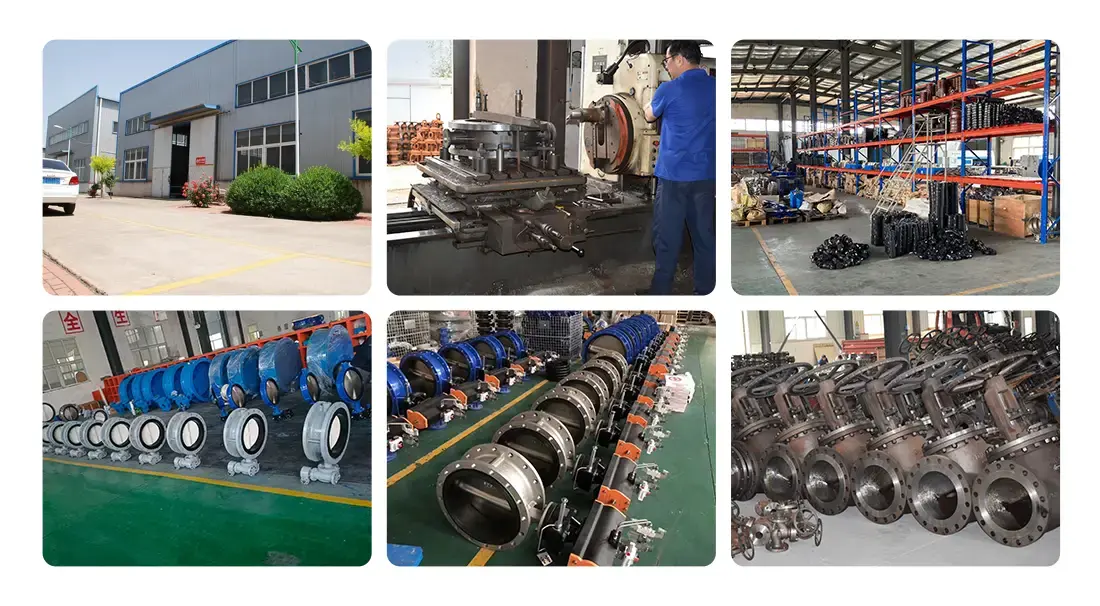
Key Technical Specifications
|
Parameter |
Details |
|
Size Range |
DN50–DN600 (NPS 2"–NPS 24") |
|
Pressure Rating |
PN10, PN16, PN40 / Class 150–1500 |
|
Body Type |
Flanged (RF, RTJ), Buttweld |
|
Body Material |
Carbon Steel (WCB), SS 304/316, Duplex SS |
|
Ball Material |
CS + ENP, CF8M, CF3M, Duplex SS |
|
Stem Material |
410 SS, 316 SS, 304 SS, XM-19, Duplex SS |
|
Seat Material |
RTFE, PEEK, Devlon, Nylon, Viton |
|
Seat Seal |
HNBR, FKM |
|
Temperature Range |
-196°C to +500°C |
|
Bore Options |
Full Bore, Reduced Bore |
|
Actuation |
Manual, Pneumatic, Electric, Hydraulic, Turbine |
|
Standards |
API 6D, ASME B16.34, ISO, API 607/6FA |
How the Trunnion Design Works
The upper and lower stem supports on the trunnion base keep the ball in place, so the ball doesn't move when the line pressure is applied. The Double Block and Bleed (DBB) feature is made possible by spring-loaded seats that press against both sides of the ball separately. This lets air flow through the body cavity while the valve stays under full line pressure, ensuring the integrity of the seal on both the upstream and downstream sides. In applications that use custody transfer meters, DBB is often needed.
Automatic Body Cavity Relief is also part of the design. This feature keeps pressure from building up inside the cavity because of thermal expansion. Injection fittings on the stem and seats let emergency sealant be put in if a soft seal is damaged during service. This keeps the machine running until it's time to shut down.
For sizes 4 inches and up, the trunnion design lowers working force compared to moving ball designs. This can lower the size of the actuator needed and the cost of the hardware that goes with it.
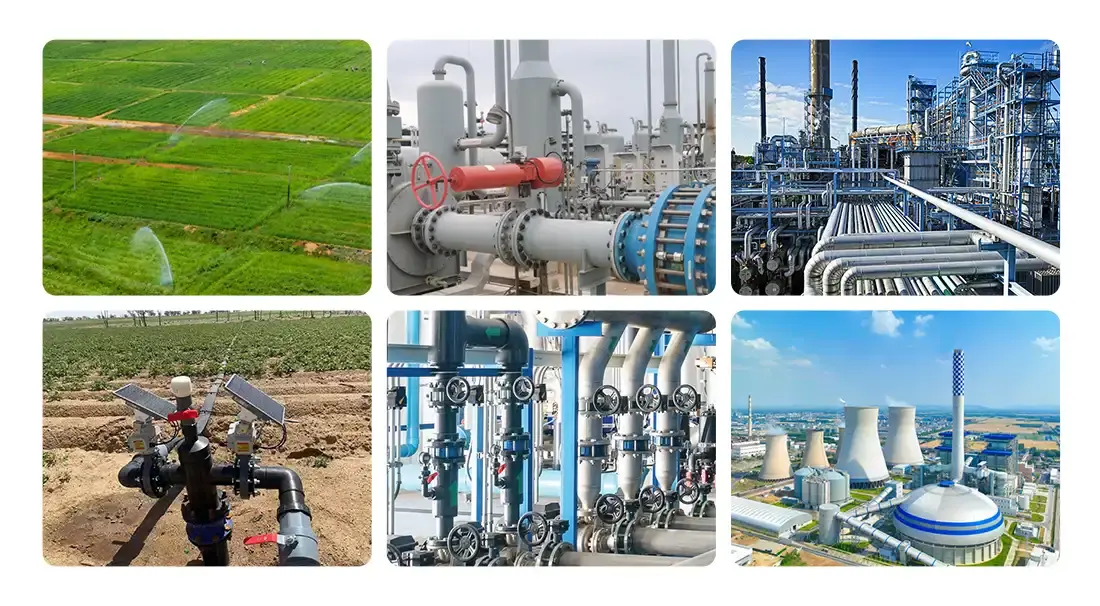
Materials and Corrosion Performance
The standard body materials for ZTVK are ASTM A351 CF8M (cast 316SS) and ASTM A182 F51 (forged Duplex). The two grades create a chromium oxide passivation layer that stops pitting and crevice corrosion in harsh environments.
For use in sour gas with H₂S, 316SS and Duplex materials are solution-annealed and hardness-tested to meet the requirements of NACE MR0175/ISO 15156, which talks about sulfide stress cracking. For offshore and subsea environments with a lot of chloride, there are grades called "Super Duplex."
Austenitic steel grades stay flexible at temperatures as low as -162°C, making them ideal for cryogenic LNG uses. There are extended bonnets that can be used to protect stem seals from the effects of cold temperatures.
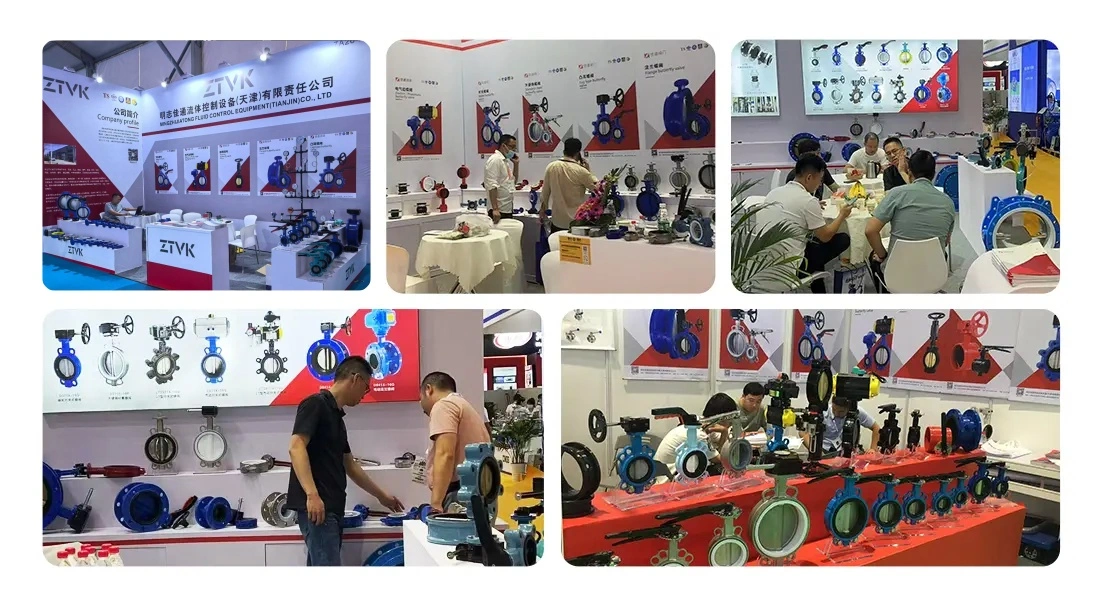
Application Industries
This stainless trunnion ball valve type is commonly specified in sectors where elevated pressure, corrosive media, or regulatory requirements make standard valve designs unsuitable:
Super Duplex grades for high-pressure sour gas and saltwater injection lines in offshore oil and gas and subsea platforms
LNG Terminals: Austenitic stainless steel that can withstand temperatures as low as -162°C for regasification service
Chemical Processing: It can handle sulfuric and hydrochloric acid; the trunnion design lowers the chance of particle buildup locking the ball.
Petrochemical and Refinery: Isolation of high-pressure pipelines and DBB uses
Power Generation: Separation of high-temperature steam and condensate
Pharmaceuticals and food processing: 316L and CF3M materials can be used for clean media handling
Water Treatment and Metallurgy—Buildings that don't rust for long service lives
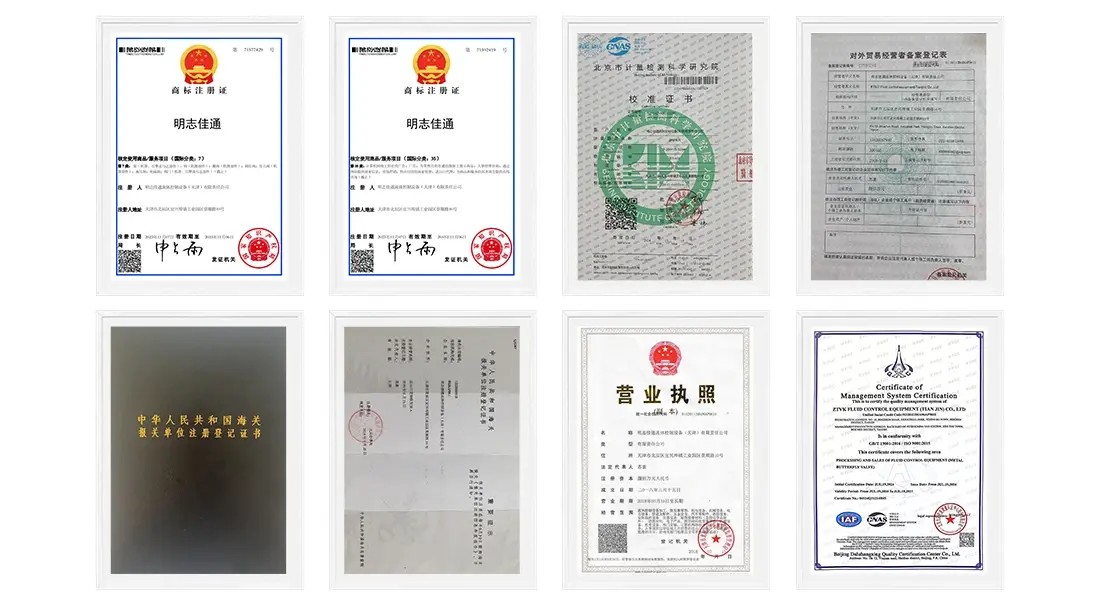
Quality Control and Testing
Before it is shipped, each valve goes through a set of checks:
Positive Material Identification (PMI): X-ray fluorescence checks the makeup of the metal, such as the amount of molybdenum in 316SS bodies.
Dimensional Check: ANSI B16.10 was used to check the face-to-face dimensions, and B16.5 was used to check the rim dimensions.
Non-Destructive Testing (NDT): X-ray (RT) or ultrasound (UT) tests on forged and cast bodies to find holes and cracks inside them.
Hydrostatic Shell Test: Done at 1.5 times the rated pressure to make sure the structure is solid.
High-Pressure Seat Test: At 1.1× rated pressure to make sure the shut-off works.
Low-Pressure Air Test: 80–100 psi to find small leaks when the differential pressure is low.
force Testing: The actual working force is compared to the design estimates to make sure the actuator is the right size.
On request, you can get PMI reports, NDT records, and pressure test certificates. A third party is welcome to check out the business.
Customization and OEM/ODM Options
ZTVK helps buyers around the world with OEM and ODM production. As part of OEM services, customers can brand their products and get personalized nameplates, logos, and packages. ODM services include redesigning the structure of the valve body, choosing the right sealing material, changing the way connections are set up, and adapting to different pressure, temperature, and media conditions.
Regional adaptations are possible, such as thicker stem protection for places with a lot of dust, like the Middle East, and an epoxy resin anti-corrosion treatment for places with a lot of moisture, like Southeast Asia.
To talk about a specific need, email the team with your application information.
Delivery and Logistics
Standard valves in the DN50–DN600 range are kept in stock and are usually sent out 3–7 days after an order is confirmed. Custom orders are finished in 15–25 days, but we can speed up production if you need it right away.
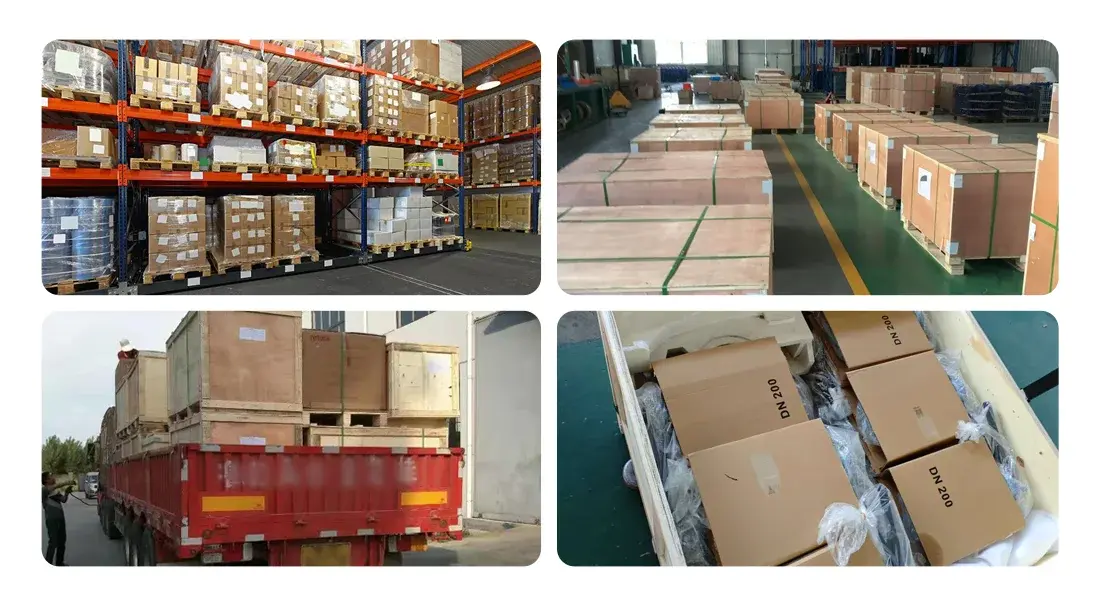
The factory is about 50 km from Tianjin Port, which makes export logistics easier with FOB Tianjin Xingang and CIF destination-port quotes. In order to meet the phytosanitary requirements of ISPM 15, all export packaging uses wooden crates, moisture-proof film, and mounting brackets.
After-Sales Support
ZTVK provides CAD drawings, 3D models, and valve selection guidance before purchase. After delivery, installation guidance videos, troubleshooting documentation, and on-site technical support through local service partners are available. Each valve carries a QR code linking to its product records, inspection reports, and maintenance history.
Each stainless trunnion ball valve is covered by an 18-month warranty. Non-human-caused failures within this period qualify for free replacement.
FAQ
Q1: For 6-inch pipes, why use a trunnion design instead of a floating ball valve?
A: When the line is 6 inches or more away, it puts a lot of pressure on the ball. This load is taken up by the trunnion mount, which also lowers the working force and seat loading. This, in turn, lowers the size needs for the actuator.
Q2: Can these valves work with bad gas?
A: Yes, you can solution-anneal and test the hardness of 316SS and Duplex types to make sure they meet NACE MR0175/ISO 15156 for H₂S service settings.
Q3: What do the injection fittings on the body of the valve do?
A: The stem and seats can be sealed with sealant in case of an emergency. If a soft seal is broken while it is working, sealant can be injected to stop the leak until a maintenance window that has been planned.
Q4: What does Double Block and Bleed (DBB) mean in real life?
A: The chairs upstream and downstream both seal against the ball on their own. After that, the body cavity can be bled under full line pressure to make sure that both sides of the seal are intact, which is necessary for custody transfer measuring stations.
Q5: Does ZTVK allow inspection by a third party?
A: Yes, PMI reports, NDT records, and pressure test certificates can be given upon request, and the factory is happy to make arrangements for third-party inspections.
Contact Us
For technical specifications, pricing, or custom stainless trunnion ball valve requirements, reach us at ktec86961886@163.com. We respond within one business day.
Send us your valve requirements and our team will provide professional solutions and fast quotations.