- English
- French
- German
- Portuguese
- Spanish
- Russian
- Japanese
- Korean
- Arabic
- Greek
- German
- Turkish
- Italian
- Danish
- Romanian
- Indonesian
- Czech
- Afrikaans
- Swedish
- Polish
- Basque
- Catalan
- Esperanto
- Hindi
- Lao
- Albanian
- Amharic
- Armenian
- Azerbaijani
- Belarusian
- Bengali
- Bosnian
- Bulgarian
- Cebuano
- Chichewa
- Corsican
- Croatian
- Dutch
- Estonian
- Filipino
- Finnish
- Frisian
- Galician
- Georgian
- Gujarati
- Haitian
- Hausa
- Hawaiian
- Hebrew
- Hmong
- Hungarian
- Icelandic
- Igbo
- Javanese
- Kannada
- Kazakh
- Khmer
- Kurdish
- Kyrgyz
- Latin
- Latvian
- Lithuanian
- Luxembou..
- Macedonian
- Malagasy
- Malay
- Malayalam
- Maltese
- Maori
- Marathi
- Mongolian
- Burmese
- Nepali
- Norwegian
- Pashto
- Persian
- Punjabi
- Serbian
- Sesotho
- Sinhala
- Slovak
- Slovenian
- Somali
- Samoan
- Scots Gaelic
- Shona
- Sindhi
- Sundanese
- Swahili
- Tajik
- Tamil
- Telugu
- Thai
- Ukrainian
- Urdu
- Uzbek
- Vietnamese
- Welsh
- Xhosa
- Yiddish
- Yoruba
- Zulu
How to Select the Best 4 inch electric butterfly valve for Your Industrial Needs
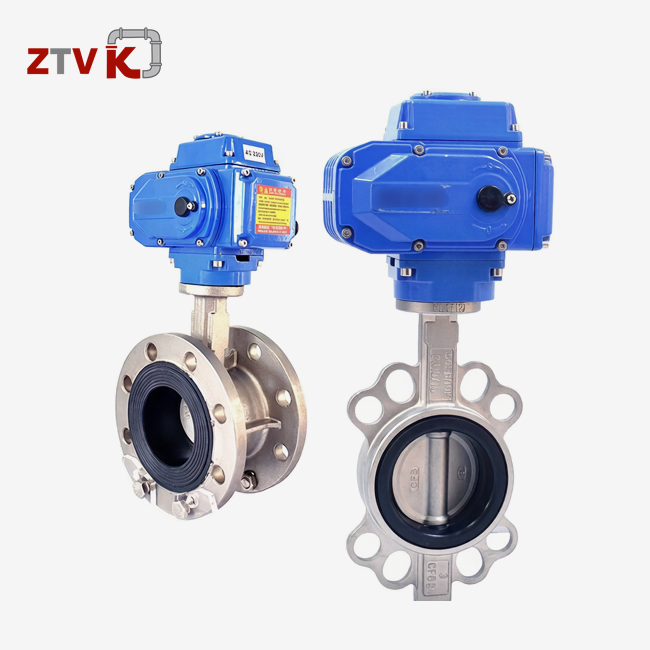
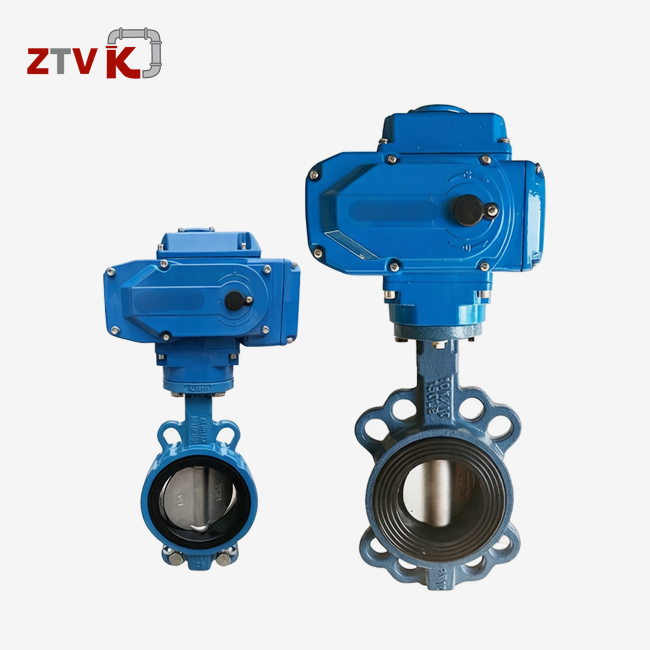
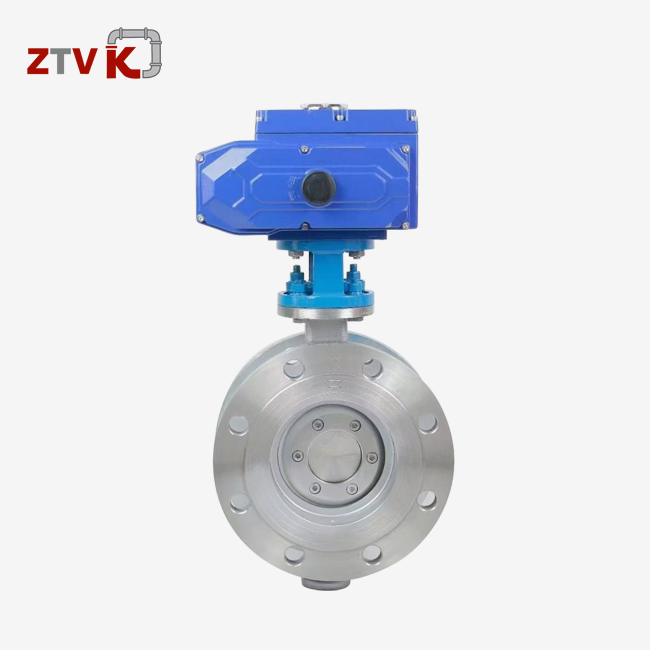
Selecting the right electric butterfly valve begins with understanding your application's flow requirements and operating conditions. A 4 inch electric butterfly valve combines automated electric actuation with a quarter-turn disc mechanism, enabling precise flow control in DN100 piping systems. This valve size handles substantial flow rates while maintaining compact dimensions, making it ideal for water treatment plants, HVAC systems, and chemical processing facilities. The electric actuator eliminates manual operation, providing remote control capabilities and consistent performance across demanding industrial environments.


Understanding 4 Inch Electric Butterfly Valves: Key Features and Benefits
Electric butterfly valves represent a significant advancement over manual and pneumatic alternatives in industrial automation. The integration of electric actuators transforms traditional flow control into a responsive, programmable process that reduces operational costs and enhances system reliability.
How Electric Actuation Transforms Industrial Flow Control
Electric actuators convert electrical energy into mechanical torque through a worm gear mechanism, rotating the valve disc 90 degrees to control fluid passage. This automation eliminates the physical labor required in manual operations, particularly valuable in facilities where valves are installed in elevated positions or hazardous zones. The controlled opening and closing speed—typically 15 to 30 seconds—prevents the water hammer effect common with rapid pneumatic closures, protecting downstream equipment from pressure surges. Electric actuation also enables integration with Building Management Systems and SCADA platforms, allowing operators to adjust flow rates from control rooms without entering the field.
Material Considerations That Impact Valve Performance
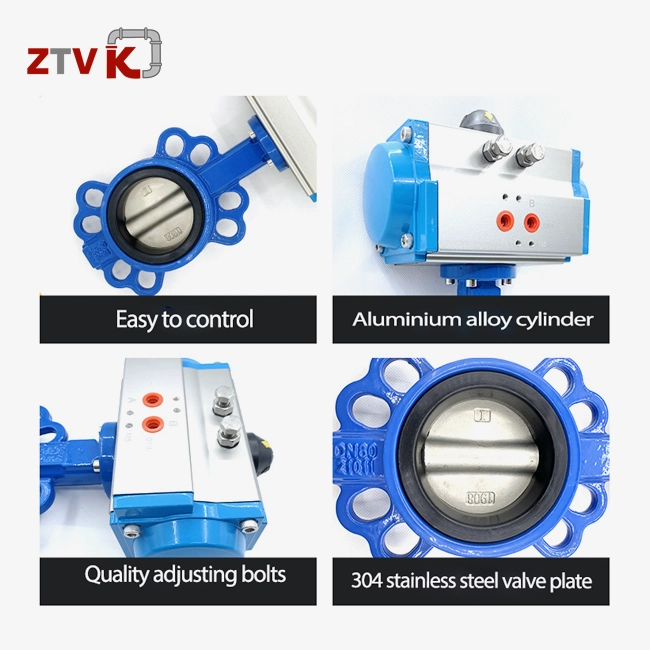
The valve body material determines durability under specific operating conditions. Ductile iron bodies offer excellent strength and cost-effectiveness for general water applications, withstanding pressures up to PN16 while resisting impact damage during installation. WCB cast steel provides superior tensile strength for moderate temperature applications up to 230°C, making it suitable for steam and hot water systems. Stainless steel grades SS304 and SS316 deliver exceptional corrosion resistance in chemical processing environments, with SS316 offering enhanced protection against chlorides and acidic media. The disc material must complement the body choice—aluminum bronze discs excel in seawater applications due to their resistance to biofouling and galvanic corrosion.
Seat materials directly affect sealing performance across temperature ranges. EPDM seats accommodate water and mild chemicals from -20°C to 120°C, providing reliable bubble-tight shutoff in municipal water systems. PTFE seats extend temperature capability to 180°C while resisting aggressive chemicals, though they require higher closing torque. Viton seats offer superior chemical resistance for petroleum products and solvents, maintaining elasticity across wide temperature fluctuations.
Technical Specifications That Define Operational Limits
Pressure ratings establish safe operating boundaries. PN10 and PN16 flanged connections align with international standards ISO5211, supporting pressures of 10 and 16 bar, respectively. These ratings ensure compatibility with existing infrastructure while providing adequate safety margins. The 125LB and 150LB ANSI standards offer equivalent pressure capabilities for North American installations. Torque requirements vary based on valve size and differential pressure—4-inch models typically require 60 to 150 Nm of actuator torque, depending on disc design and seat material.

Flow coefficient (Cv) values between 380 and 550 characterize 4-inch butterfly valves, representing their capacity to pass fluid volume. Higher Cv values indicate lower pressure drop across the valve, improving energy efficiency in pumping systems. The centric or double-eccentric disc design minimizes turbulence, with eccentric designs offering improved sealing and longer seat life through reduced friction during operation.
Comparing Types and Models: Finding the Right Fit for Your Application
Valve design variations address different installation requirements and performance expectations. Understanding these differences helps procurement professionals match valve specifications to their piping system constraints and operational goals.
Flanged Versus Wafer and Lug Designs
Flanged butterfly valves feature integrated flanges on both ends, simplifying installation between pipe flanges with through-bolts. This configuration provides structural support independent of the piping system, allowing valve removal without disturbing adjacent sections. The flanged design accommodates higher pressure applications and facilitates alignment during installation, reducing the risk of gasket leakage. Connection standards, including ISO5211, JIS5K through JIS16K, and ANSI 125LB/150LB, ensure worldwide compatibility with existing infrastructure.
Wafer designs position the valve between pipe flanges without integral flanges, reducing material costs and installation weight. These models suit low-pressure applications where the piping provides structural support. Lug designs incorporate threaded inserts in the valve body, enabling installation with studs rather than through-bolts. This allows the removal of downstream piping without disconnecting the entire valve assembly, facilitating maintenance in complex systems.
Performance Comparison With Alternative Valve Technologies
Ball valves offer superior sealing and lower pressure drop, but require higher actuator torque and cost significantly more than butterfly valves in larger sizes. Their full-bore design provides unrestricted flow, making them preferable for viscous fluids or applications requiring frequent pigging operations. However, in 4-inch water and HVAC applications, butterfly valves deliver comparable shutoff performance at substantially lower capital investment.
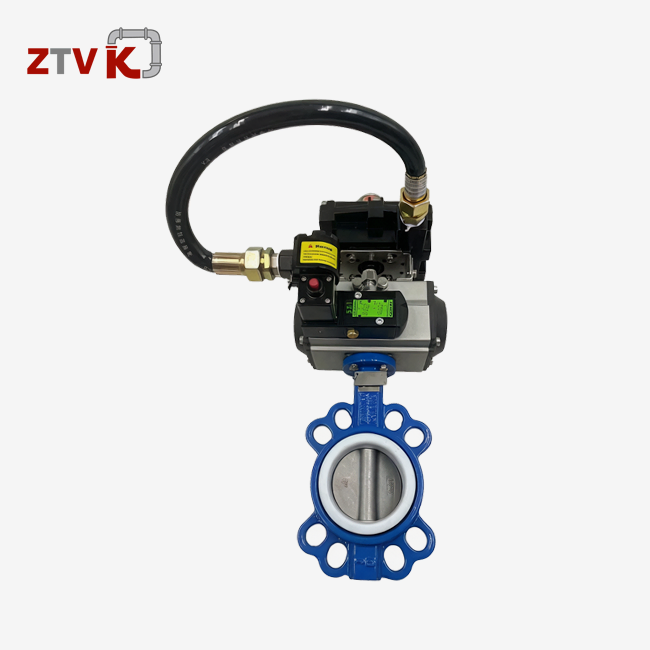
Pneumatic butterfly valves respond faster than electric models, completing strokes in 3 to 5 seconds, but require compressed air infrastructure and experience higher maintenance costs due to air preparation equipment. Electric actuation eliminates air consumption, reducing operating expenses in facilities without existing pneumatic systems. The self-locking worm gear in electric actuators maintains valve position during power loss, whereas pneumatic valves require additional fail-safe mechanisms like spring returns or accumulator tanks.
Industry-Specific Applications and Success Stories
Water treatment facilities leverage 4 inch electric butterfly valves in filter backwash systems and chemical dosing lines. A municipal water plant in the Midwest United States replaced pneumatic valves with electric models on chlorination skids, reducing annual maintenance costs by 40% while improving dosing precision through 4-20mA modulating control. The electric actuators' IP68 rating withstood the high-humidity environment without premature failure, a common issue with inadequately sealed pneumatic actuators.
HVAC systems in commercial buildings employ these valves for chilled water distribution and cooling tower isolation. A hospital complex in Texas installed flanged electric butterfly valves on their chiller loops, integrating them with the building automation system to modulate flow based on thermal load. This optimization reduced energy consumption by 18% during partial load conditions compared to fixed-speed pumping with manual balancing valves. The valve's low pressure drop preserved pump head, avoiding the need for larger motors.
Chemical processing plants require corrosion-resistant materials for acid and alkali handling. A fertilizer manufacturer selected SS316 body valves with PTFE seats for phosphoric acid service, achieving three years of maintenance-free operation in a previously problematic application. The double-eccentric disc design minimized seat wear, extending service intervals compared to the centric valves used previously.
Evaluation Criteria: How to Choose the Best 4 Inch Electric Butterfly Valve
Systematic evaluation of application parameters ensures the selected valve meets both immediate operational needs and long-term reliability expectations. Procurement decisions should balance technical requirements with budget constraints and supplier capabilities.
Defining Your Process Requirements
Flow volume calculations determine whether a 4-inch valve provides adequate capacity. Calculate required Cv using the formula Cv = Q × √(SG/ΔP), where Q represents flow in gallons per minute, SG is specific gravity, and ΔP is allowable pressure drop in psi. Ensure the valve's published Cv exceeds your calculated requirement by 15-20% to account for fouling and wear over time.
Operating pressure and temperature must fall within the valve's rated limits. Check that maximum system pressure remains below the valve's PN rating even during transient conditions like pump startup or valve closure. Temperature cycling affects seal material longevity—EPDM performs reliably in municipal water applications with minimal temperature variation, while chemical processes experiencing frequent thermal swings benefit from Viton's superior thermal stability.
Media compatibility requires careful material matching. Corrosive chemicals necessitate stainless steel bodies and PTFE or Viton seats. Abrasive slurries accelerate disc and seat wear, demanding hardened surfaces or ceramic coatings. Fluids containing suspended solids may cause buildup on the disc, affecting sealing performance—eccentric designs minimize this issue through cam action that cleans the seat during each closure.
Actuator Selection and Control Requirements
Actuator torque must exceed the valve's breakaway torque by a safety factor of 1.5 to 2.0, accounting for deposit buildup and seal friction over time. Under-sized actuators experience premature gear wear and motor burnout. Over-sized models increase capital cost without performance benefits. Voltage compatibility with facility electrical systems—24VDC, 110VAC, or 220VAC—simplifies installation and reduces wiring costs.
Control schemes range from simple on-off operation to precise modulating control. On-off applications require only two-position actuators with limit switches confirming open and closed positions. Modulating service demands actuators with positioners that convert 4- 20 mA or 0- 10 V signals into proportional disc positioning, enabling flow rate adjustment within ±2% accuracy. These systems require feedback potentiometers or encoders to verify actuator position.
Environmental protection ratings ensure reliability in harsh conditions. NEMA 4X or IP67 actuators withstand washdown environments common in food processing and wastewater treatment. Outdoor installations require UV-resistant enclosures and operational temperature ranges spanning -20°C to 60°C. Potentially explosive atmospheres mandate ATEX or IECEx certified actuators with flameproof enclosures.
Balancing Initial Investment With Lifecycle Costs
Purchase price represents only a fraction of the total ownership cost. Quality valves from ISO9001-certified manufacturers cost 20-30% more than uncertified alternatives but deliver superior reliability. Warranty coverage extending 18 months protects against manufacturing defects, reducing risk in critical applications. Extended warranties signal manufacturer confidence in product durability.
Maintenance requirements impact long-term expenses in the principle and wiring of the electric butterfly valve. Valves with serviceable seats allow in-situ seal replacement without removing the valve from the pipeline, minimizing downtime. Models requiring complete disassembly for routine maintenance increase labor costs and production interruptions. Energy efficiency affects operational expenses—valves with low Cv values waste pumping energy through excessive pressure drop, a cost that compounds over years of operation.
Supplier support capabilities influence the total cost of ownership. Manufacturers providing technical selection assistance help avoid costly misapplication. Readily available spare parts inventories minimize emergency procurement lead times. Local service networks offering field troubleshooting reduce reliance on internal maintenance resources, particularly valuable for smaller facilities without specialized valve expertise.
Procurement and After-Sales: Where and How to Buy Your 4 Inch Electric Butterfly Valve
Strategic sourcing decisions affect product quality, delivery reliability, and long-term support. Evaluating supplier capabilities beyond price ensures successful project execution and sustained operational performance.
Evaluating Manufacturer Credentials and Reputation
ISO9001, ISO14001, and OHSAS18001 certifications demonstrate systematic quality management, environmental responsibility, and occupational safety practices. These standards ensure consistent manufacturing processes and traceability of materials. Request certification documents directly and verify authenticity through issuing body databases—counterfeit certificates remain common among lower-tier suppliers.
Production capabilities indicate the capacity to meet project timelines. Manufacturers maintaining stock inventories of standard configurations ship within days, critical for emergency replacements. Custom fabrication capabilities, including OEM branding and specification modifications, accommodate unique project requirements. CNC machining centers and dedicated testing facilities ensure dimensional accuracy and performance verification before shipment.
Customer references provide insight into real-world supplier performance. Request contact information for similar projects and inquire about delivery punctuality, product quality, and responsiveness to technical questions. Online reviews offer supplementary perspectives, but verify reviewer authenticity to filter promotional content.
Customization Options and Technical Support
OEM services enable distributors and trading companies to market valves under their own brands, building customer loyalty without manufacturing investment. This includes custom nameplates, packaging, and product literature. ODM services extend to engineering modifications—altering flange drilling patterns to match regional standards or modifying actuator mounting interfaces for specific control systems.
Pre-sales technical support helps refine specifications. Experienced suppliers review application parameters and recommend appropriate materials, actuator sizing, and control schemes. This consultation prevents costly misapplication and field modifications. CAD drawings and 3D models facilitate integration into piping designs, ensuring clearances and maintenance access.
Logistics and Delivery Considerations
Geographic proximity to major shipping ports reduces inland transportation time and costs. Manufacturers near Tianjin Port in northern China offer rapid container loading and established relationships with international carriers, including COSCO and Maersk. FOB (Free On Board) and CIF (Cost, Insurance, and Freight) pricing structures clarify responsibility for shipping arrangements and risk transfer.
Packaging standards protect products during international transport. Wooden crates complying with ISPM 15 heat treatment requirements prevent customs delays due to pest concerns. Moisture-proof film and desiccants guard against condensation in marine environments. Fixed brackets prevent valve shifting within containers, avoiding flange damage.
Expedited production options accommodate urgent project needs. Some manufacturers offer rush service with 7-10 day delivery for premium fees, maintaining dedicated production lines for time-sensitive orders. Standard lead times of 15-25 days for custom configurations allow procurement planning around project schedules.
After-sales warranty coverage typically extends 18 months, protecting against manufacturing defects and material failures. Warranty terms should specify coverage of both valve body and actuator, including replacement parts and labor. Post-warranty support, including spare parts availability and technical assistance, maintains long-term operational viability. Installation guidance videos and troubleshooting documentation empower maintenance staff to resolve common issues without factory intervention.
Maintaining and Troubleshooting Your 4 Inch Electric Butterfly Valve
Proactive maintenance extends valve service life and prevents unplanned downtime. Establishing routine inspection schedules and understanding common failure modes enables early intervention before minor issues escalate into costly failures.
Routine Inspection and Preventive Maintenance
Quarterly visual inspections identify external corrosion, actuator enclosure damage, and wiring degradation. Check for fluid leaks around the stem seal and body gasket, indicating wear requiring attention. Listen for unusual noise during operation—grinding sounds suggest bearing failure or foreign object interference with the disc.
Annual lubrication of stem bearings and actuator gears maintains smooth operation and prevents premature wear. Use manufacturer-recommended lubricants compatible with process media and temperature ranges. Over-lubrication attracts contaminants, while insufficient lubrication accelerates friction wear. Worm gears typically require inspection every 50,000 cycles, with replacement at 100,000 cycles or upon detecting excessive backlash.
Electrical connection integrity requires periodic verification in Principle and wiring of the electric butterfly valve. Ensure terminal tightness meets specifications—loose connections generate heat and arcing, degrading conductors. Inspect cable insulation for cracks or abrasion, particularly at conduit entry points where vibration concentrates stress. Confirm proper grounding with resistance measurements below 10 ohms to the equipment ground.
Common Issues and Diagnostic Approaches
Valve failure to operate often stems from electrical supply problems. Verify voltage at actuator terminals matches motor ratings using a multimeter. Check control signal integrity for modulating valves—4-20mA loop currents should measure accurately between the controller and the positioner. Actuator limit switches may require adjustment if the valve stops short of full travel.
Leakage past the seat indicates seal wear or damage. Minor weepage often responds to increasing actuator closing torque within manufacturer limits. Persistent leakage requires seat replacement—serviceable designs allow field replacement without removing the valve. Debris lodged between the disc and the seat prevents proper sealing, necessitating system flushing and potentially installing upstream strainers.
Excessive operating torque suggests binding or buildup on valve components. Deposits on the disc or shaft increase friction, particularly in chemical services. Disassemble and clean components using appropriate solvents, inspecting for corrosion or deformation. Bent shafts resulting from over-torque or external impact require replacement to restore proper sealing geometry.
Actuator motor failure presents as humming without movement or complete electrical silence. Measure motor winding resistance to detect open or shorted coils. Thermal overload devices may trip due to excessive cycling or inadequate cooling ventilation around the actuator enclosure. Gear train failures produce clicking sounds without disc movement, requiring actuator rebuild or replacement.
Professional service becomes necessary when diagnostic steps exceed in-house capabilities or when warranty coverage applies. Maintaining relationships with qualified service providers ensures a rapid response during critical failures. Some manufacturers offer remote diagnostics through communication protocols, analyzing actuator parameters to identify root causes without site visits.
Conclusion
Selecting the optimal 4-inch electric butterfly valve demands careful evaluation of process conditions, material compatibility, and supplier capabilities. The integration of electric actuation with robust valve construction delivers automation benefits while maintaining cost-effectiveness across water treatment, HVAC, and chemical processing applications. Material selection, balancing corrosion resistance with budget constraints, ensures long-term reliability. Flanged designs conforming to international standards simplify installation and maintenance. Evaluating manufacturer certifications, production capacity, and after-sales support protects your investment beyond the initial purchase price. Systematic maintenance practices extend operational life and prevent costly unplanned downtime, maximizing return on investment in industrial flow control infrastructure.
FAQ
1. When should I choose an electric butterfly valve over pneumatic or manual alternatives?
Electric actuation excels in facilities lacking compressed air infrastructure, eliminating ongoing air consumption costs and maintenance of air preparation equipment. Remote or hazardous installations benefit from the integration of electric operations with control systems, removing the need for personnel to access the valve location. Applications requiring precise flow modulation favor electric actuators' accurate positioning from 4-20mA signals. Manual valves suit infrequently operated services where automation costs cannot be justified.
2. What material combination works best for corrosive chemical applications?
Stainless steel SS316 bodies paired with PTFE or Viton seats provide broad chemical compatibility for acids, alkalis, and solvents. SS316 offers superior resistance to chlorides and reducing acids compared to SS304. PTFE seats accommodate temperatures to 180°C and resist nearly all chemicals, though they demand higher closing torque. Viton suits petroleum products and maintains flexibility across temperature extremes. Always consult chemical compatibility charts for your specific media and operating conditions.
3. Can I customize valve specifications for unique project requirements?
Reputable manufacturers offer OEM branding, including custom nameplates, packaging, and documentation for distributors building their market presence. ODM services extend to engineering modifications—alternative flange drilling patterns, special actuator mounting interfaces, or material substitutions to meet regional standards. Custom configurations typically add 15-25 days to delivery schedules, depending on complexity, though rush options may be available for urgent needs.
Partner With ZTVK for Reliable Electric Butterfly Valve Solutions
ZTVK delivers industrial-grade electric butterfly valve solutions in 4 inch electric butterfly valve backed by ISO9001, ISO14001, and OHSAS18001 certifications, ensuring consistent quality from our Tianjin manufacturing facility. Our 4-inch flanged electric butterfly valves feature double-eccentric disc designs, reducing operating torque by 30% while extending service life beyond 50,000 cycles. We maintain stock inventories of 2,000+ standard units for 3-7 day delivery, with custom configurations available in 15-25 days. Competitive pricing stems from complete in-house production, including CNC machining, material testing, and pressure verification. Our 18-month warranty and technical support, including installation videos and troubleshooting guides, protect your investment. Contact our engineering team at ktec86961886@163.com to discuss your flow control requirements and receive expert valve selection assistance tailored to your application's pressure, temperature, and media characteristics.
References
1. American Water Works Association. (2021). Butterfly Valves: Torque, Head Loss, and Cavitation Analysis. AWWA Manual M49, Sixth Edition.
2. Valve Manufacturers Association. (2020). Automation and Electric Actuation in Industrial Valves: Performance Standards and Selection Guidelines.
3. International Society of Automation. (2019). Control Valve Sizing and Selection: Engineering Practices for Flow Coefficient Calculations. ISA-75.01.01 Standard.
4. British Standards Institution. (2018). Industrial Valves – Butterfly Valves: Testing and Performance Specifications. BS EN 593:2018.
5. American Petroleum Institute. (2022). Butterfly Valves: Double-Flanged, Lug- and Wafer-Type. API Standard 609, Eighth Edition.
6. National Association of Corrosion Engineers. (2020). Material Selection Guide for Industrial Valves in Corrosive Service Environments. NACE Publication 3T199.
Send us your valve requirements and our team will provide professional solutions and fast quotations.
RELATED INDUSTRY KNOWLEDGE