- English
- French
- German
- Portuguese
- Spanish
- Russian
- Japanese
- Korean
- Arabic
- Greek
- German
- Turkish
- Italian
- Danish
- Romanian
- Indonesian
- Czech
- Afrikaans
- Swedish
- Polish
- Basque
- Catalan
- Esperanto
- Hindi
- Lao
- Albanian
- Amharic
- Armenian
- Azerbaijani
- Belarusian
- Bengali
- Bosnian
- Bulgarian
- Cebuano
- Chichewa
- Corsican
- Croatian
- Dutch
- Estonian
- Filipino
- Finnish
- Frisian
- Galician
- Georgian
- Gujarati
- Haitian
- Hausa
- Hawaiian
- Hebrew
- Hmong
- Hungarian
- Icelandic
- Igbo
- Javanese
- Kannada
- Kazakh
- Khmer
- Kurdish
- Kyrgyz
- Latin
- Latvian
- Lithuanian
- Luxembou..
- Macedonian
- Malagasy
- Malay
- Malayalam
- Maltese
- Maori
- Marathi
- Mongolian
- Burmese
- Nepali
- Norwegian
- Pashto
- Persian
- Punjabi
- Serbian
- Sesotho
- Sinhala
- Slovak
- Slovenian
- Somali
- Samoan
- Scots Gaelic
- Shona
- Sindhi
- Sundanese
- Swahili
- Tajik
- Tamil
- Telugu
- Thai
- Ukrainian
- Urdu
- Uzbek
- Vietnamese
- Welsh
- Xhosa
- Yiddish
- Yoruba
- Zulu
How to Choose the Right Iron Butterfly Valve for Your Project
Most buying managers don't realise how important it is to pick the right iron butterfly valve for a project. When water supply systems break down, or HVAC installations take longer than expected, it's often because the wrong valves were chosen. In industrial systems, an iron butterfly valve controls the flow of fluids. It is mechanically simple and works well at a low cost. This guide explains important selection criteria that will help distributors, contractors, and OEMs match valve specifications to operational needs. When you know about the material's properties, its pressure rating, and the needs of the application, buying valves stops being a guessing game and turns into a strategic decision-making process that keeps project deadlines and budgets safe.
Understanding Iron Butterfly Valves: Basics and Applications
Core Functionality and Design Principles
An iron butterfly valve works by rotating a quarter of a turn, which makes a disc move 90 degrees to control the flow of fluid. This disc sits in the valve body. When the valve is open, it is perpendicular to the flow, and when it is closed, it is parallel. The tensile strength of ductile iron (GGG40) construction is higher than 60,000 psi, and it can withstand impacts better than weak cast iron options. The double eccentric design keeps the seat from wearing down by making room for it to open, which lowers the torque needed by about 30% compared to concentric designs. This mechanical advantage is important when choosing actuators or manual operators because it has a direct effect on how much it costs to install and how well it works.
Industry Applications and Performance Characteristics
Iron butterfly valves with sizes DN50 to DN2400 are used in filter systems and main distribution lines in water treatment plants. Municipal contractors like that the bubble-tight shutoff features meet EN 12266-1 leakage class A standards. This stops expensive water loss in pressurised networks. Following API 609 short pattern standards leads to small face-to-face measurements that are good for HVAC systems. This saves installation space in mechanical rooms where every centimetre counts. Integrators of fire safety systems choose UL/FM-listed types with gear operators and tamper switches to make sure they meet code requirements and keep the ability to respond quickly. Valve seats made of Viton can handle corrosive brine at temperatures ranging from -29°C to +120°C in desalination plants. This shows that the material is flexible enough to work in harsh conditions.
Key Factors to Consider When Choosing an Iron Butterfly Valve
Pressure and Temperature Requirements
Baseline specifications are set by operating conditions and get rid of options that aren't right away. For projects that need pressure ratings of PN6, PN10, or PN16 (Class 150), iron butterfly valves must be put through hydraulic shell tests at 1.5 times the maximum pressure to ensure the body is solid. When the temperature ranges from -29°C to +120°C, it's important to choose the right seat material. EPDM works well in hot water, but it breaks down in oil-based goods. The chemical composition check using mill test reports shows that the amounts of carbon and silicon meet the standards for ductile iron nodularity, which keeps the iron from breaking down too soon during thermal cycling. To avoid costly specification mismatches found during inspections, procurement teams should ask for proof that the products they're buying meet the ASME, DIN, or AWWA design standards that apply to their area.
Material Selection and Corrosion Resistance
The material of a body affects how long it will last in certain media and environments. Ductile iron with a fusion-bonded epoxy coating (minimum 250 microns) doesn't rust, even when it comes into contact with harsh fluids that are common in chemical processing. For general use, discs are made of epoxy-coated ductile iron. For corrosive environments, they are made of SS316 or duplex stainless steel, and bronze discs are used in seawater systems. Materials for stems like SS304, SS316, SS420, or SS416 don't rust and keep their mechanical strength even after being cycled many times. In the Middle East, where dust is common, the thickened valve stem protective cover is very important. In Southeast Asia, where humidity damage is common, better epoxy coats guard against it. Because these important choices have a direct effect on repair intervals and lifetime costs, it is important to specify these things up front for long-term value.
Connection Types and Installation Considerations
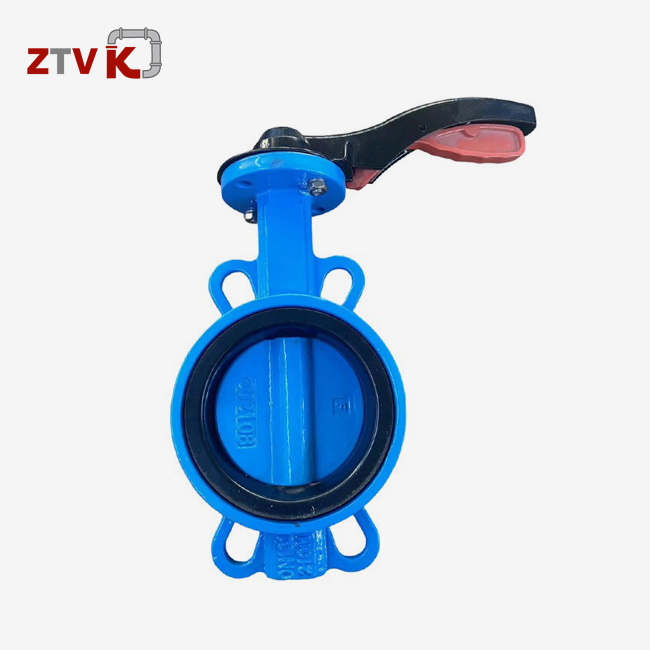
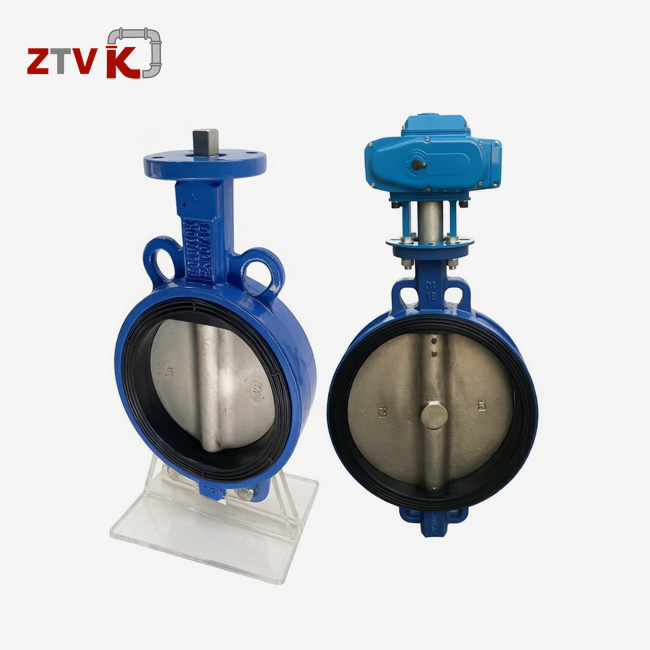
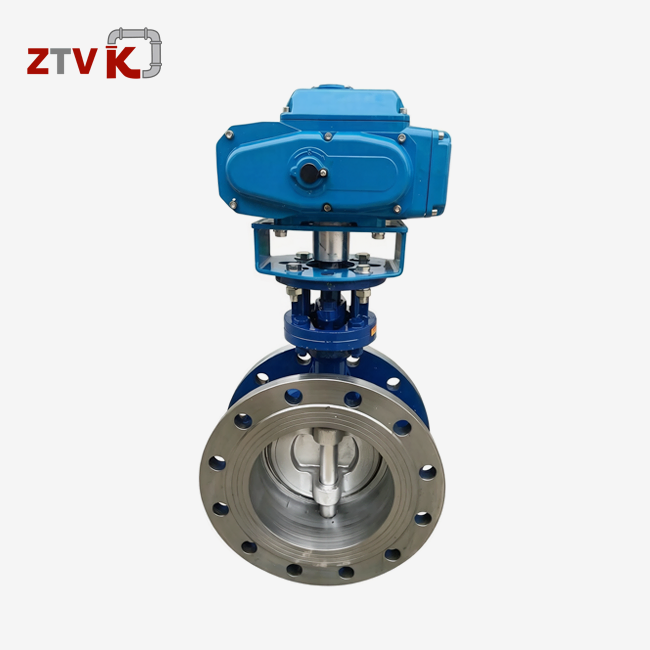
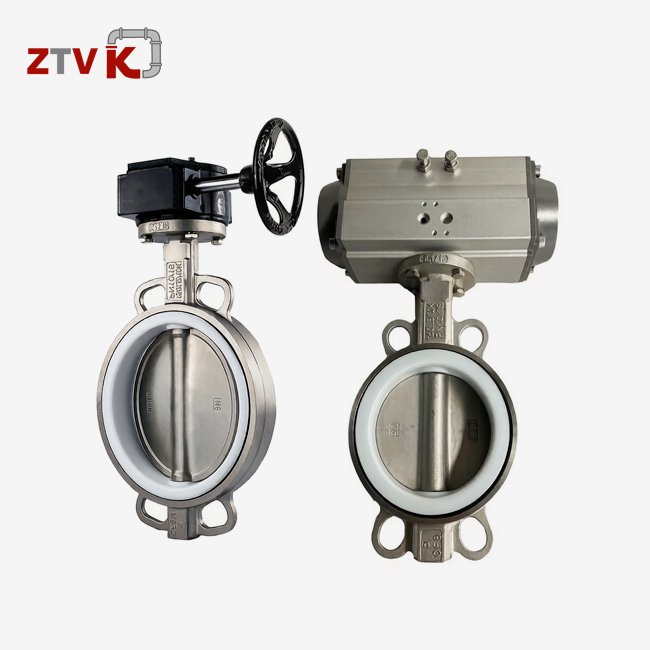
For uses that need to isolate the whole system for repair, iron butterfly valve wafer-style valves that attach to flanges with through-bolts are the lightest and least expensive option. Lug-style designs have threaded inserts that can take bolts from either side. This allows for dead-end service where a downstream pipe ends or needs to be removed without upstream draining. Flanged connections, which have flanges machined into the valve body, offer the strongest installation. They are best for places with a lot of vibration or where parts need to be taken apart often. When working with fluids that contain solids, the installation orientation matters. Placing the shaft horizontally keeps debris from building up in the bottom pivot areas, which raises the operating torque and damages the seals. By understanding these software details, you can avoid making changes in the field and make sure that the new system works with the old one.
Comparing Iron Butterfly Valves with Other Valve Types
Advantages Over Gate and Ball Valves
Gate valves aren't good for throttling because they need a lot more installation length and cause bigger drops in pressure when they're partially open. The rising stem form makes installation harder in tight areas, like those found in retrofits and piping racks that are already full. On the other hand, the iron butterfly valves' small size makes them easier to maintain and lowers the load on structures, which is important when supporting large-diameter pipes above ground level. Ball valves are better at closing tightly and handling abrasive slurries, but they become much heavier and more expensive above DN300. This makes these valves more cost-effective in bigger sizes. The hydrodynamic torque properties let smaller actuators be used, which cuts automation costs by 20–30% compared to quarter-turn ball valve installations that need higher breakaway torques.
Steel vs. Iron Body Materials
Stainless steel butterfly valves are the most corrosion-resistant and look great, but they are very expensive and can't be used in large quantities. Options made of carbon steel can be used in high-pressure situations that go beyond Class 300 grades, but they are heavier, which makes them harder to handle and support. For most water, HVAC, and light industrial uses, ductile iron is the best choice because it is strong enough without being too heavy or expensive. Because of the difference in material density, a DN600 ductile iron valve weighs about 40% less than carbon steel equivalents. This saves money on shipping costs and makes it easier to place the valve in the field during installation. When ordering dozens of valves for municipal water projects or commercial building HVAC systems, where labour efficiency has a direct effect on profit margins, this weight advantage grows.
Procurement Insights: How to Source Quality Iron Butterfly Valves?
Evaluating Manufacturers and Quality Assurance
Reliable suppliers keep their ISO9001, ISO14001, and OHSAS18001 certifications, which show that they control quality in a planned way throughout the production process. Checking the thickness of the layer with spark tests (also known as "holiday detection") stops pinholes in the external protection that speed up galvanic corrosion, a failure mode that is often not noticed until it does a lot of damage. Dimensional inspection that confirms face-to-face measures against API 609 standards makes sure that the new pipe will work with the old pipe so that costly changes don't have to be made in the field during installation. Manufacturers of iron butterfly valves that offer 18-month warranties show that they are confident in the quality of their products, and those that offer installation videos and repair guides make starting easier. Industrial suppliers that can survive third-party factory checks are different from trading companies that don't have production control. This is an important difference to make when a project's image depends on the reliability of its parts.
Standard Stock vs. Custom Manufacturing
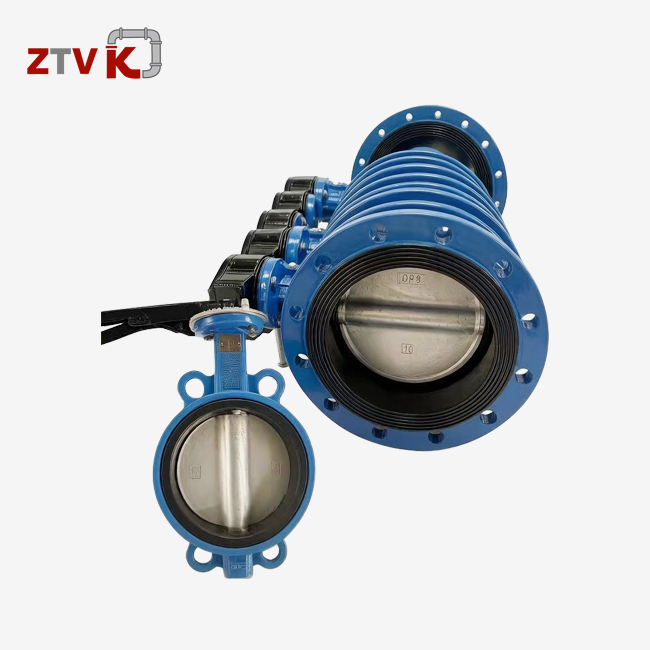
Standard iron butterfly valve models in sizes DN50 to DN600 are kept in stock and can be delivered 3–7 days after an order is placed. This lets you meet urgent replacement needs and tight construction schedules. Custom configurations that need non-standard materials, special coatings, or different types of connections usually take 15 to 25 days to make. However, rush orders that pay an extra 20% can cut lead times to 7 to 10 days. OEM and ODM capabilities allow for deep customisation, where valves are made with client branding, logos, and packaging for distributors to build their market presence. System designers can set their products apart from the competition by changing the valve body structures, seat materials, and connection methods based on the working conditions. This gives them a technical edge. Strategies for buying things that balance the availability of standard products with the need for customisation improve both responsiveness and project-specific performance.
Logistics and Total Landed Cost
How close a factory is to major shipping places has a big effect on how reliable deliveries are and how much freight costs for iron butterfly valve exports. Facilities within 50 kilometres of Tianjin Port can load containers quickly and on a schedule that can be predicted. Manufacturers in the interior, on the other hand, add trucking variables that make export schedules less reliable. Through long-term partnerships with COSCO Shipping, Maersk, and other big carriers, we can offer competitive FOB Tianjin Xingang or CIF target port quotes with clear pricing. Professional packing with wooden boxes, moisture-proof film, and fixed brackets that meet ISPM 15 international standards keeps goods from being held up at target ports, which saves money on demurrage fees and keeps projects on schedule. Figuring out the total landed cost, which includes freight, insurance, duties, and inland transportation, shows the real value. It may be that slightly higher unit prices from well-positioned suppliers lead to lower overall project costs through better logistics and lower risk.
Maintenance Tips and Long-Term Care for Iron Butterfly Valves
Routine Inspection and Preventive Maintenance
Scheduled inspections that are based on working cycles find wear patterns early on, before they lead to major problems. Early signs of corrosion can be seen by looking at the coatings on the outside, and measuring the torque during operation shows that the friction is rising in iron butterfly valves due to seat wear or debris buildup. Cleaning plans that get rid of built-up layers on the disc edges and seat surfaces keep the flow coefficients at the right level and keep the machine from getting stuck during emergency shutoffs. When figuring out how long worn-out parts will last and how much they are worth in terms of labour, experienced maintenance teams use inspection histories to make decisions about whether to fix worn-out parts or replace whole assemblies. When you properly record maintenance tasks, you can use predictive models to figure out when to replace things. This changes reactive maintenance attitudes into proactive asset management methods that reduce unplanned downtime.
Actuator Integration and Automation Upgrades
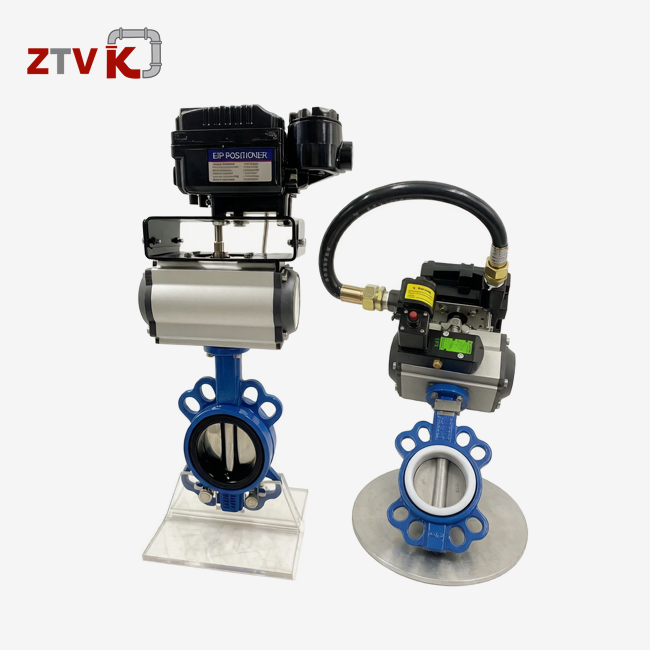
Reserved interfaces for electric and pneumatic actuators allow for future automation upgrades without having to replace iron butterfly valve bodies. This protects initial capital investments and keeps operations flexible. The escape torque is higher than the moving torque by 25–30% because of seat-set friction. This means that the size of the actuator needs to take into account the static resistance that needs to be overcome during the first movement after long periods of closure. Choosing actuators with the right safety factors keeps them from stopping working during important tasks. On the other hand, choosing actuators that are too big wastes money and makes control tuning harder. Digital position feedback systems that are connected to building management or SCADA platforms allow for remote tracking, which lets you plan repairs ahead of time by counting cycles and looking at performance trends. These technological advances turn simple isolation devices into smart control points that collect operational data that makes the system work better and makes equipment last longer.
Conclusion
In order to choose the right iron butterfly valve, you have to weigh the technical requirements against the project's budget, plan, and operating needs. When paired with the right seat material, ductile iron construction can handle most industrial fluid control tasks and is cheaper than alternatives made of exotic alloys. By knowing the limits of pressure, temperature, and material compatibility, you can avoid making specification mistakes that could put people in danger or shorten the life of something. Choosing the right connection type affects how easily the valve can be installed and maintained over its entire life. Partnering with manufacturers who can show quality certifications, production capacity, and quick response times for technical support lowers the risks of procurement while letting you make changes to fit the needs of your specific project. When these selection rules are followed consistently, valve installations give reliable performance and good lifecycle economics.
FAQ
1. What differentiates ductile iron from cast iron in butterfly valves?
Ductile iron has nodular graphite in it, which makes it flexible and strong (about 60,000 psi). It is also better at resisting water hammer and mechanical shock than brittle cast iron. Because of this, iron butterfly valves made of ductile iron are better than cast iron for applications with pressures above PN10 or hydraulic transients, since cast iron could crack under stress.
2. Can butterfly valves handle dead-end service applications?
When bolted directly to matched flanges, lug-style butterfly valves can be used in dead-end service, which lets downstream pipes be removed without depressurising the system. Wafer-style configurations need pressure on both disc faces to seal properly and can't be used for pipeline terminations, so the type of connection is an important specification detail.
3. Which seat material suits petroleum applications?
Standard EPDM liners break down quickly when attacked by chemicals, but NBR (Buna-N) seats don't swell or break down in hydrocarbon environments like oil, fuel, and grease. Checking that the material is compatible with certain process fluids stops seals from failing too soon and saves unplanned repair tasks.
4. How does installation orientation affect valve performance?
Placing the shaft horizontally in slurry or suspended solids service keeps debris from building up in the bottom pivot areas, which would otherwise increase operating torque and damage the stem seals. When it comes to wastewater treatment and mining, where particle settlement causes maintenance problems, this direction factor is very important.
Reliable Iron Butterfly Valve Supplier: ZTVK's Expertise
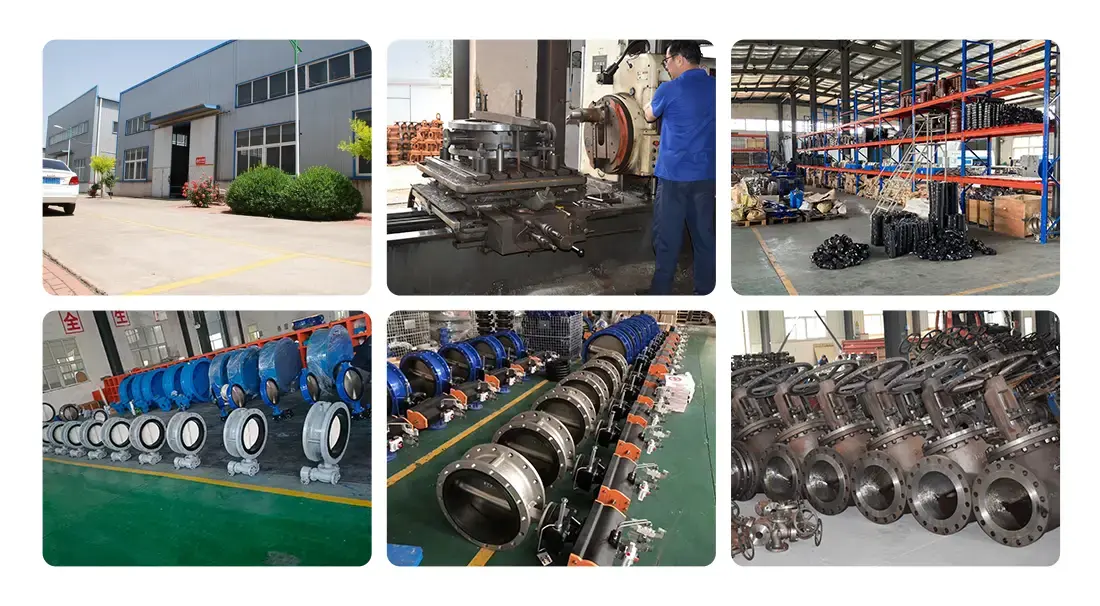
ZTVK has been making specialised iron butterfly valves for 15 years in our plant in Tianjin's Beichen District. We serve wholesalers, contractors, and OEM clients around the world who need reliable fluid control solutions. Our double eccentric oblique seal design cuts down on opening torque by 30% and increases service life to over 50,000 cycles, giving it clear performance advantages over standard designs. The DN50–DN2400 size range, with pressure ratings from PN6 to PN16, covers most industrial uses. We also have over 2,000 common models in stock, so we can send them in 3–7 days for important projects. Custom valve solutions with SS316 stems, Viton seats, and special finishes can be used in harsh environments like desalination plants and petrochemical plants. ODM support can remake valve internals to fit each facility's specific needs.
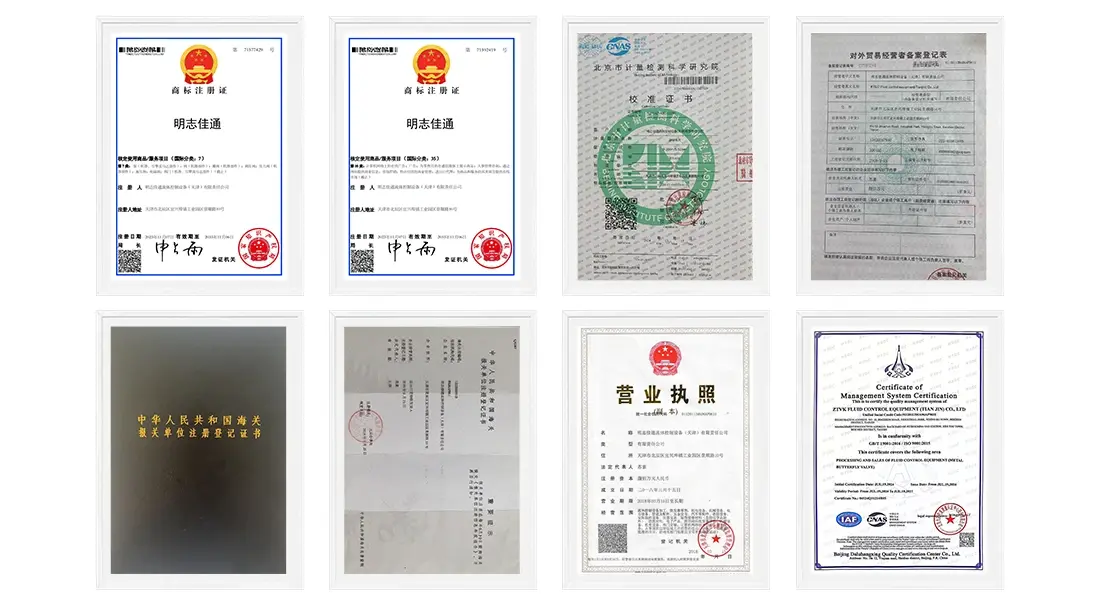
ISO9001, ISO14001, and OHSAS18001 certifications and full testing capabilities, such as hydrostatic pressure testing, coating thickness verification, and dimensional inspection, ensure that the quality will always meet API, DIN, ASME, and AWWA standards. We are 50 kilometres from Tianjin Port and have established relationships with carriers. We offer competitive FOB and CIF prices and use packaging that is compliant with ISPM 15, which keeps customs delays to a minimum. Our technical team offers CAD drawings, installation videos, 18-month warranties, and quick after-sales support, which changes buying valves from a one-time transaction to a strategic partnership. Contact us at ktec86961886@163.com to talk about the details of your project and find out how ZTVK's manufacturing know-how and efficient supply chain can give you a competitive edge when you need an iron butterfly valve.
References
1. American Petroleum Institute (2018). Butterfly Valves: Double Flanged, Lug- and Wafer-Type - API Standard 609, 6th Edition. API Publishing Services, Washington, D.C.
2. Smith, P.R. & Zappe, R.W. (2020). Valve Selection Handbook: Engineering Fundamentals for Selecting the Right Valve Design for Every Industrial Flow Application, 6th Edition. Gulf Professional Publishing, Houston, Texas.
3. British Standards Institution (2017). Industrial Valves - Butterfly Valves - BS EN 593:2017. BSI Standards Limited, London, United Kingdom.
4. Skousen, P.L. (2019). Valve Handbook, 4th Edition. McGraw-Hill Education, New York, New York.
5. American Water Works Association (2016). Butterfly Valves: Sizes 2 In. Through 120 In. (50 mm Through 3,000 mm) - AWWA C504-17. AWWA Publications, Denver, Colorado.
6. Nesbitt, B. (2021). Handbook of Valves and Actuators: Valves Manual International. Elsevier Science & Technology, Oxford, United Kingdom.
Send us your valve requirements and our team will provide professional solutions and fast quotations.
RELATED INDUSTRY KNOWLEDGE