- English
- French
- German
- Portuguese
- Spanish
- Russian
- Japanese
- Korean
- Arabic
- Greek
- German
- Turkish
- Italian
- Danish
- Romanian
- Indonesian
- Czech
- Afrikaans
- Swedish
- Polish
- Basque
- Catalan
- Esperanto
- Hindi
- Lao
- Albanian
- Amharic
- Armenian
- Azerbaijani
- Belarusian
- Bengali
- Bosnian
- Bulgarian
- Cebuano
- Chichewa
- Corsican
- Croatian
- Dutch
- Estonian
- Filipino
- Finnish
- Frisian
- Galician
- Georgian
- Gujarati
- Haitian
- Hausa
- Hawaiian
- Hebrew
- Hmong
- Hungarian
- Icelandic
- Igbo
- Javanese
- Kannada
- Kazakh
- Khmer
- Kurdish
- Kyrgyz
- Latin
- Latvian
- Lithuanian
- Luxembou..
- Macedonian
- Malagasy
- Malay
- Malayalam
- Maltese
- Maori
- Marathi
- Mongolian
- Burmese
- Nepali
- Norwegian
- Pashto
- Persian
- Punjabi
- Serbian
- Sesotho
- Sinhala
- Slovak
- Slovenian
- Somali
- Samoan
- Scots Gaelic
- Shona
- Sindhi
- Sundanese
- Swahili
- Tajik
- Tamil
- Telugu
- Thai
- Ukrainian
- Urdu
- Uzbek
- Vietnamese
- Welsh
- Xhosa
- Yiddish
- Yoruba
- Zulu
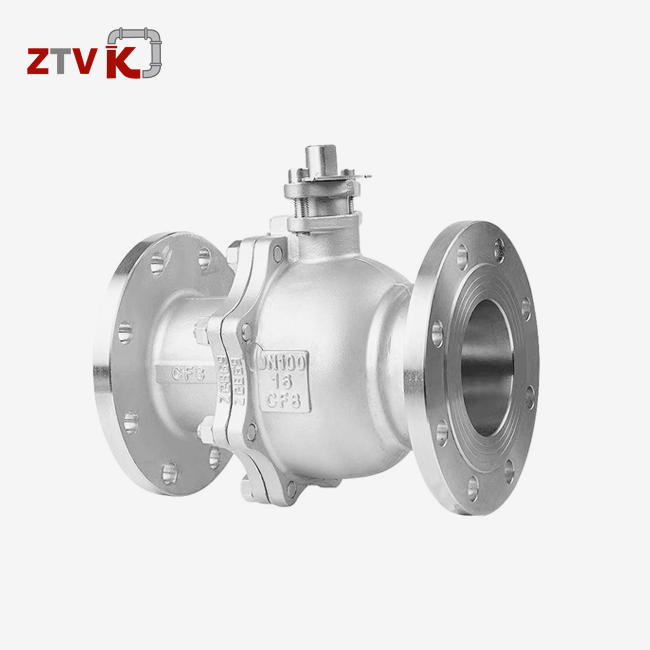
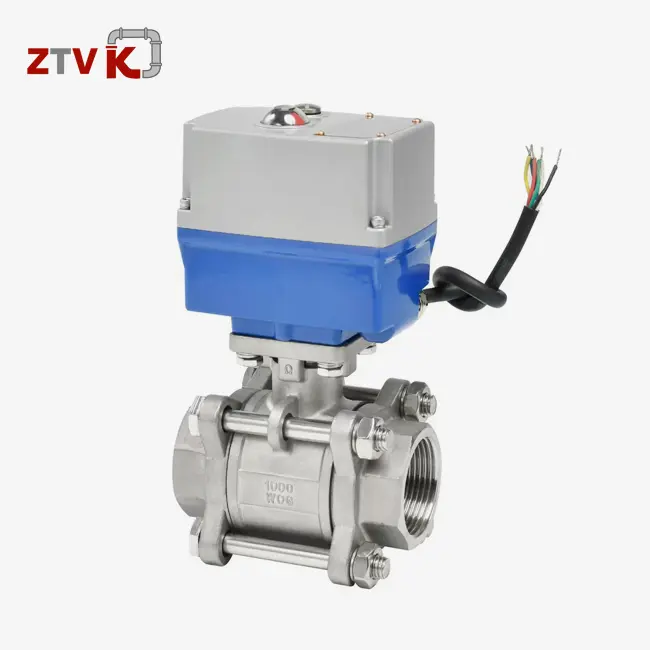
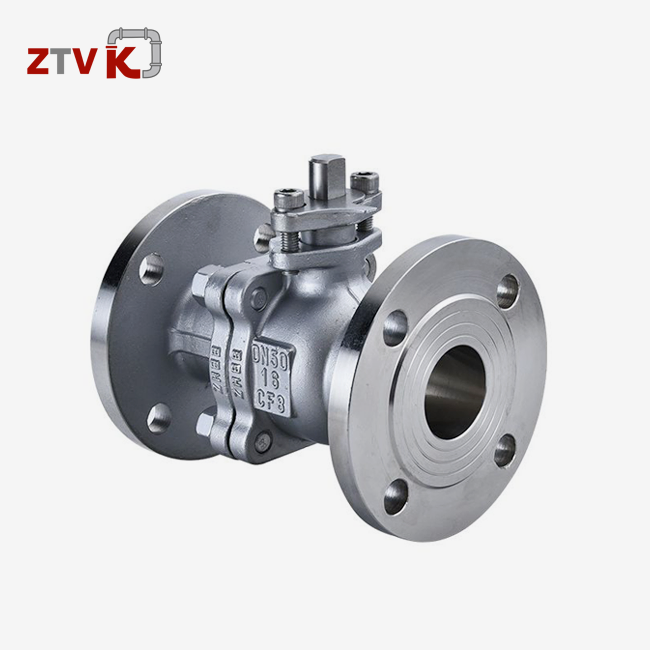
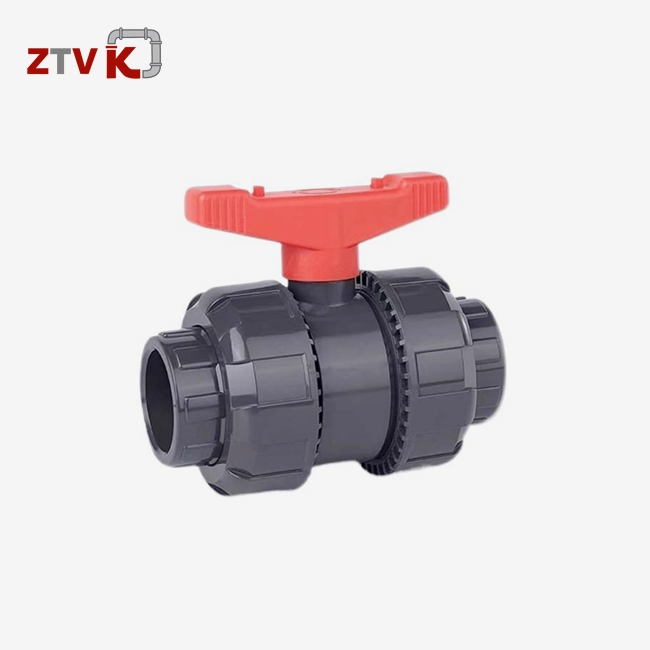
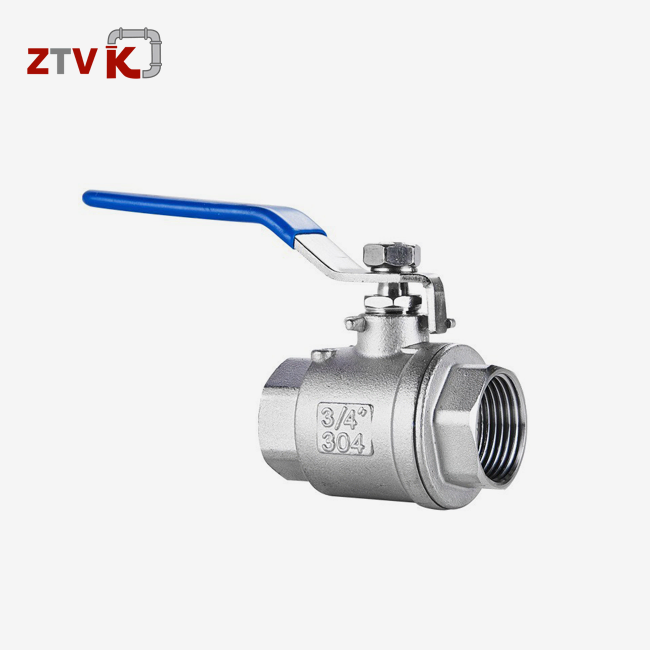
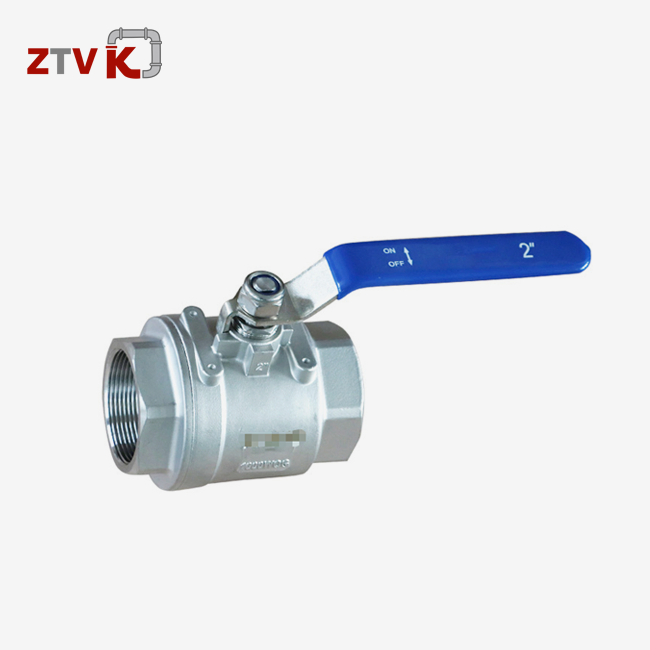
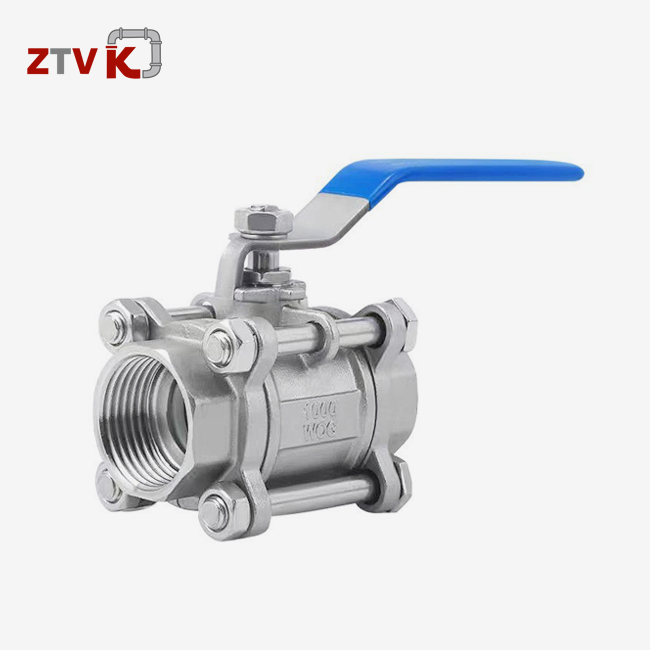
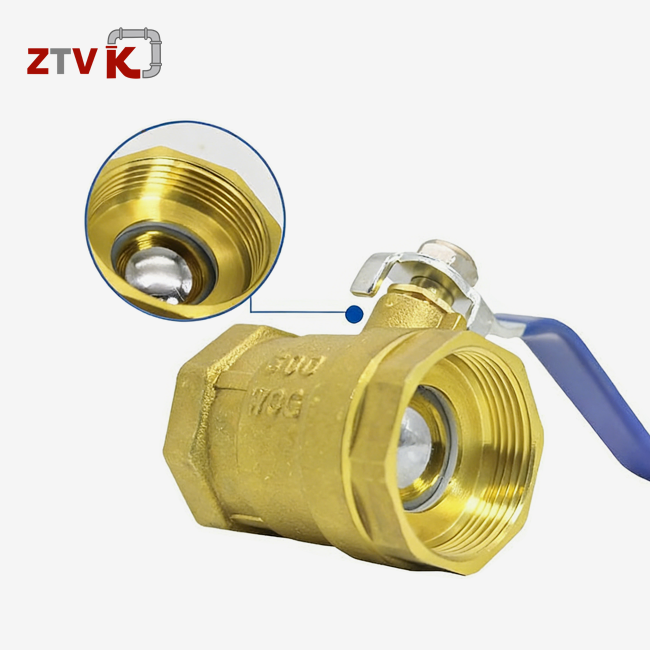
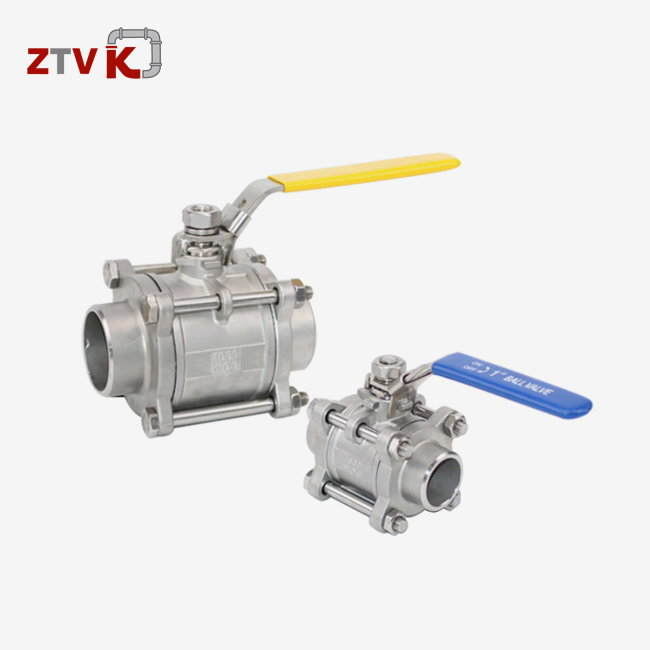
oil ball valve
Size Range: 1/4 – 60 Inches.
Pressure Range: Class 150 – 2500 LB, 10000 PSI (API 6A Products)
Material Range: Cast Steel, Forged Steel, Carbon Steel, Stainless Steel, Alloy Steel, Bronze, Ti.
End Connections: Flanged (FF, RF, RTJ), Socket Weld (SW), Threaded (NPT, BSP), Butt Weld (BW), HUB
Body Structures: End Entry, Top Entry (easy for online maintenance)
Body Types: 2pc split body, 3pcs split body
Body & Bonnet Connection: Bolted Bonnet, Full Welded Bonnet (for Hazardous service need longer working life with less leakage point)
Oil Ball Valve for Petroleum & Pipeline Systems — API 6D/6FA Certified, 1/4"–60", Class 150–2500 LB
ZTVK FLUID CONTROL EQUIPMENT (TIANJIN) CO., LTD. manufactures each oil ball valve to meet the flow control demands of hydrocarbon pipelines and processing facilities. Our products are available in diameters from 1/4 to 60 inch with pressure ratings from Class 150 to 2500 LB (up to 10,000 PSI for API 6A service) and comply with API 6D, API 607, API 608, API 6FA, ISO 17292, BS 5351 and CE regulations. Body materials include carbon steel (WCB/LCC), stainless steel 304/316, duplex steel, alloy steel, bronze, titanium and forged steel.
What Is an Oil Ball Valve?
An oil ball valve is a quarter-turn flow control device used across upstream extraction, midstream transportation, and downstream refining. The flow route may be opened or closed by rotating a hollow perforated ball 90 degrees. “This simple mechanism provides reliable shutoff in the high pressure, corrosive media and demanding thermal conditions common in the hydrocarbon industry.”
Core functions in the petroleum service include:
· Opening or closing flow in high pressure pipes
· Shutting down or isolating parts for maintenance or emergency shutdown (ESD)
· Handling of sour gas (H2S), chlorides and abrasive particles
· Fire-safe shutoff to API 607 / API 6FA requirements
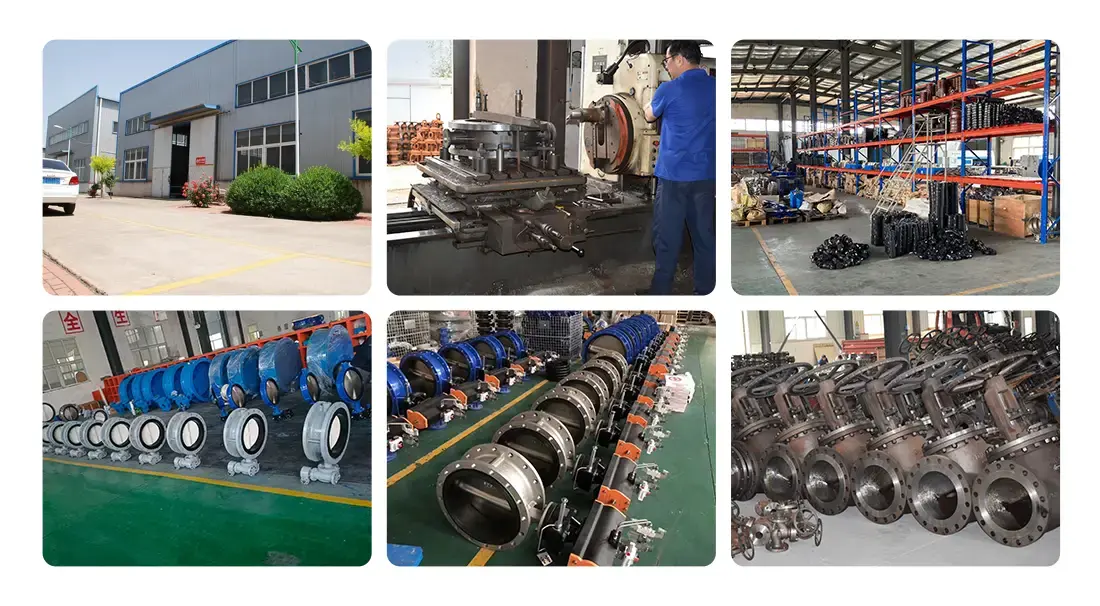
Product Specifications
|
Parameter |
Details |
|
Design Standards |
API 6A, API 6D, API 607, API 608, API 6FA, CE, ISO 17292, BS 5351 |
|
Size Range |
1/4 – 60 Inches |
|
Pressure Range |
Class 150 – 2500 LB; 10,000 PSI (API 6A) |
|
Material Range |
Cast Steel, Forged Steel, Carbon Steel (WCB/LCC), SS 304/316 (CF8M), Duplex (UNS 31803/32750), Alloy Steel, Bronze, Titanium |
|
End Connections |
Flanged (FF, RF, RTJ), Socket Weld (SW), Threaded (NPT, BSP), Butt Weld (BW), HUB |
|
Body Structures |
End Entry, Top Entry |
|
Body Types |
2-piece split body, 3-piece split body |
|
Body/Bonnet Connection |
Bolted Bonnet, Full Welded Bonnet |
|
Seating Options |
Soft Seat (PTFE, PEEK, Devlon), Metal-to-Metal (Tungsten Carbide, Stellite) |
|
Actuation Options |
Manual, Pneumatic, Electric, Hydraulic, Electro-pneumatic, Turbine |
|
Mounting |
Trunnion Mounted, Floating Ball |
Key Design Features
Fire Safe Design (API 607 / API 6FA)
In the case of a fire, the internal soft seals melt, and the secondary metal seats take over, remaining shut and preventing valve failure from fuelling the flames. Oil and gas plants often have to be fire-safe certified.
Double Block & Bleed (DBB)
The DBB function separates pipework on both sides of the valve and vents the bodily cavity. This is critical for custody transfer metering locations and safe maintenance activities when positive isolation is needed.
Anti-Static Unit
Electrical continuity between ball, stem and body is maintained by a spring loaded plunger. This reduces the build-up of static charge, a safety concern when handling volatile hydrocarbons.
Relief of Cavities / Self Relieving Chairs
Fluid held thermally within a closed valve may expand beyond rated pressure. Self-relieving seats automatically relieve this excess pressure back to the pipeline, keeping the valve body from being over-stressed.
Reduced Bore and Full Bore Option
Full bore designs provide for a flow route equivalent to the pipe’s inner diameter so that Pipeline Inspection Gages (PIGs) may pass through unobstructed. Reduced bore designs are possible if pigging is not necessary and a compact valve is required.
Full Welded Bonnet Option:
Full welded bonnet removes the bolted junction at the bonnet for reduced external leak routes and longer service intervals for hazardous or underground duty.
Application Scenarios
Midstream Pipeline Pigging Plants
Full bore setups are the norm at pigging stations. Reduced bore design produces an obstacle that may allow the PIG to stick resulting in unscheduled shutdowns, and PIG passage needs a fully unobstructed internal bore.
Offshore Platforms –
Inside the Christmas trees and manifolds, the valves are exposed to sour crude (H2S/CO2), and outside to salt spray. Duplex stainless steel body materials combat both corrosion pathways. Quarter-turn actuation interfaces with automatic separator controls.
Fluid Catalytic Cracking Units (FCC)
Catalyst fines in FCC units’ slurry oil degrade soft seats fast. For temperatures exceeding 500 °C and continuous abrasive flow conditions, trunnion mounted valves with metal-to-metal seating and Tungsten Carbide or Stellite overlays are chosen.
Wellheads Upstream
Valves rated to 10,000 PSI are needed for high-pressure wellhead service. The trunnion mount mechanically secures the ball to reduce operating torque and avoid seat deformation under excessive pressure loads.
Quality Control Process
Each oil ball valve is tested before shipment according to the following procedures.
Pressure Testing (API 598 / API 6D)
· Hydrostatic shell test at 1.5× rated pressure to verify body integrity
· Hydrostatic seat test at 1.1× rated pressure for leakage
· Low-pressure air test at 80–100 PSI to detect pinhole leaks in soft seats
Positive Material Identification (PMI)
Handheld XRF analysis confirms the alloy composition of body and trim materials — for example, verifying molybdenum content in 316SS before shipment.
Non-Destructive Testing (NDT)
· Ultrasonic (UT) and Radiographic (RT) testing for subsurface voids in high-pressure castings
· Magnetic Particle (MPI) and Dye Penetrant (DPI) inspection for surface cracks on castings and machined sealing faces
Fugitive Emission Testing (ISO 15848-1 / API 622)
Helium leak detection on stem packing confirms compliance with Low-E (Low Emission) standards, as required for environmental compliance in modern oil and gas operations.
OEM/ODM and Customization
Custom designs are available for particular operating conditions:
· Re-design of valve body structure
· Selection of sealing material (PTFE, PEEK, metal to metal)
· Conversion of connection type (flanged, socket weld, butt weld, threaded)
· Revised pressure and temperature rating
Customized logos, name plates and branded packaging
· Actuator interface options (electric, pneumatic, hydraulic)
For a tailored design based on your process conditions and connecting needs, please contact us.
Delivery and Logistics
Standard Orders: Standard sizes have an average production and shipping time of 3-7 days.
Custom Orders Standard manufacturing time 15-25 days. 7 – 10 days expedited processing depending on setup complexity.
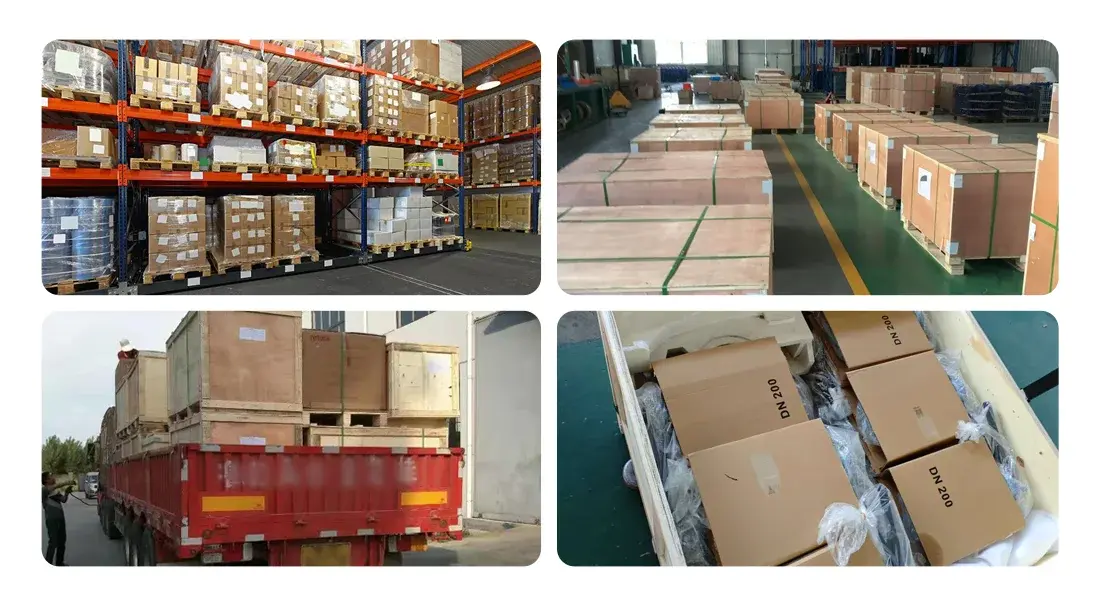
The plant is around 50 km away from Tianjin Port – about an hour’s drive. Free On Board We have both Tianjin Xingang and CIF destination-port rates. The export packing consists of hardwood cartons, moisture-proof film and attaching brackets and meets ISPM 15 criteria.
After-Sales Support
• 18 month warranty from date of delivery
· Free replacement for product defects not caused by human
· CAD drawings and 3D models before order confirmation
• Installation and troubleshooting manuals given
·Third party inspection is available, we can provide material test reports, PMI results, pressure test certificates and fugitive emission test records on request
FAQ
Q1. What is the difference between a trunnion-mounted and a floating ball valve in oil service?
A: A floating ball depends upon downstream pressure to seat the ball. A trunnion-mounted valve uses top and bottom supports to hold the ball in place. The spring-loaded seats move independently to the ball. Trunnion installation is used for large diameters and high pressure duty. Trunnion mounting relieves the operating torque and avoids seat deformation.
Q2: Why do I need to make my specification NACE MR0175 compliant?
A: In the presence of H2S in the medium, ordinary carbon steels are vulnerable to Sulfide Stress Cracking (SSC). To avoid this danger in sour service, NACE MR0175 / ISO 15156 sets heat treatment criteria and hardness limitations such as an HRC limit of 22 for certain carbon and low-alloy steels.
Q3. When would I want to use metal to metal seating instead of soft seats?
A: Soft seats (PTFE/PEEK) provide tight shutdown, but are not suited above around 200°C or in abrasive flow. In case of service temperature over 220oC or fluid including sand, slurry or polymerizing agents, metal to metal seating with surface hardening treatments like HVOF Tungsten Carbide is suitable.
Q4: What is the cavity relief feature?
A: When heat causes the fluid within a closed valve body to expand, the internal pressure may be forced above the valve's rated limit. These self-relieving seats automatically vent this excess pressure back into the pipeline, preserving the valve body from structural strain.
Q5: How does anti-static gadget operate in oil servicing ?
A: The fluid passing through the valve builds up a static charge. Without a conductive connection to ground, charge may build up on the ball and stem. The spring-loaded anti-static plunger provides a continuous electrical path between ball, stem and body to reduce the possibility of spark discharge in combustible fluid service.
Q6. What is the third-party inspection documentation?
A: ZTVK enables third party factory inspection and can give material test reports, PMI results, pressure test certificate and fugitive emission test record. Please contact us for inspection requirements before making an order.
Contact Us
Have a technical question or need a oil ball valve quote? Email us at ktec86961886@163.com and our team will get back to you.
Send us your valve requirements and our team will provide professional solutions and fast quotations.