- English
- French
- German
- Portuguese
- Spanish
- Russian
- Japanese
- Korean
- Arabic
- Greek
- German
- Turkish
- Italian
- Danish
- Romanian
- Indonesian
- Czech
- Afrikaans
- Swedish
- Polish
- Basque
- Catalan
- Esperanto
- Hindi
- Lao
- Albanian
- Amharic
- Armenian
- Azerbaijani
- Belarusian
- Bengali
- Bosnian
- Bulgarian
- Cebuano
- Chichewa
- Corsican
- Croatian
- Dutch
- Estonian
- Filipino
- Finnish
- Frisian
- Galician
- Georgian
- Gujarati
- Haitian
- Hausa
- Hawaiian
- Hebrew
- Hmong
- Hungarian
- Icelandic
- Igbo
- Javanese
- Kannada
- Kazakh
- Khmer
- Kurdish
- Kyrgyz
- Latin
- Latvian
- Lithuanian
- Luxembou..
- Macedonian
- Malagasy
- Malay
- Malayalam
- Maltese
- Maori
- Marathi
- Mongolian
- Burmese
- Nepali
- Norwegian
- Pashto
- Persian
- Punjabi
- Serbian
- Sesotho
- Sinhala
- Slovak
- Slovenian
- Somali
- Samoan
- Scots Gaelic
- Shona
- Sindhi
- Sundanese
- Swahili
- Tajik
- Tamil
- Telugu
- Thai
- Ukrainian
- Urdu
- Uzbek
- Vietnamese
- Welsh
- Xhosa
- Yiddish
- Yoruba
- Zulu
Understanding Quality Cast Steel Butterfly Valves
When looking for industrial valves, it is very important to know what quality means. Cast steel butterfly valves are an important part of flow control infrastructure because they last a long time and work well in places like petroleum plants, water treatment plants, and HVAC installations. These quarter-turn rotary valves are essential for distributors and builders who need reliable performance under pressure because they are both very strong mechanically and very good at closing. To choose the correct valve configuration, you have to weigh the material requirements, the pressure ratings, and the reliability of the supplier. These are all important decisions that have a direct effect on operational uptime and the long-term success of the project.


Introduction
Getting industrial valves isn't as simple as comparing prices anymore. Purchasing managers and engineering contractors today are under more and more pressure to find parts that meet strict international standards, get there on time, and don't cost too much. Cast steel butterfly valves have become the best choice for situations that need both strength and flexibility. This includes municipal water systems that need materials that don't rust and petrochemical lines that have to work in environments with big changes in temperature.
This complete guide talks about the problems that valve distributors, trading companies, and infrastructure contractors face in the real world. We look at technical details, selection factors, and upkeep plans that will keep your investment safe. We also talk about how working with makers that offer fast shipping, OEM customization, and tried-and-true quality control systems can turn procurement from a transactional process into a strategic benefit. The tips below will help you confidently choose the right valves, whether you're in charge of handling large goods for regional distribution or project-based supply for city engineering.
What Are Cast Steel Butterfly Valves?
Cast steel butterfly valves work as quarter-turn devices that control or stop the flow of fluid in pipelines. A round disc is attached to a spinning rod that pivots in a way that is perpendicular to the flow direction. When the disc is straight across from the pipeline plane, fluid can flow easily through it. Rotating it 90 degrees makes a tight seal that stops all flow. This beautifully simple process is what makes these valves so popular in situations where they need to be used often and have a small fitting footprint.
Core Components and Construction
Cast from materials like 304 stainless steel, the valve body keeps its shape and doesn't rust in a wide range of liquids, such as water, seawater, weak acids, and alkaline ones. The disc, which is usually made of 304-grade steel, has to stay the same size even when the pressure changes from 150 to 300 pounds per square inch and the PN rating changes from 0.6 to 1.6 megapascals. Different types of seat materials are used for different purposes. EPDM is good for general water service, PTFE (Teflon) is good for harsh chemicals, and fluororubbers can handle high temperatures. Because the modules are separate, makers can put together valves that are perfectly suited to the needs of the operation.
Common Configuration Types
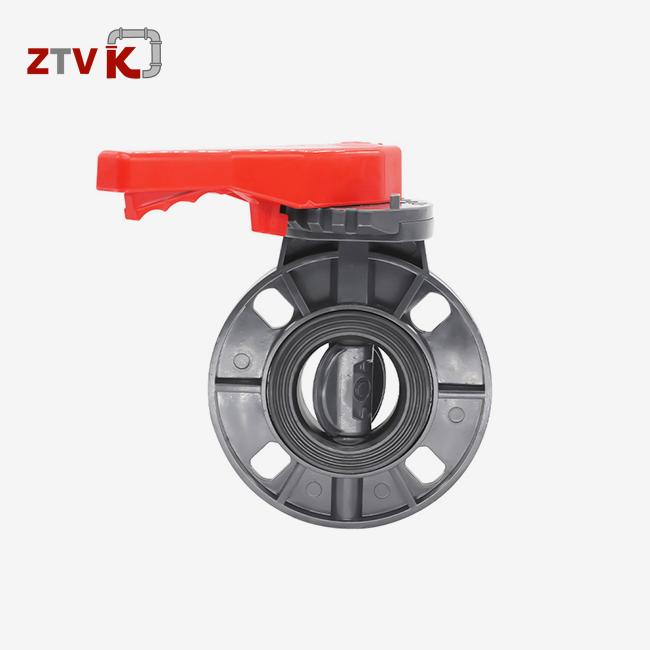
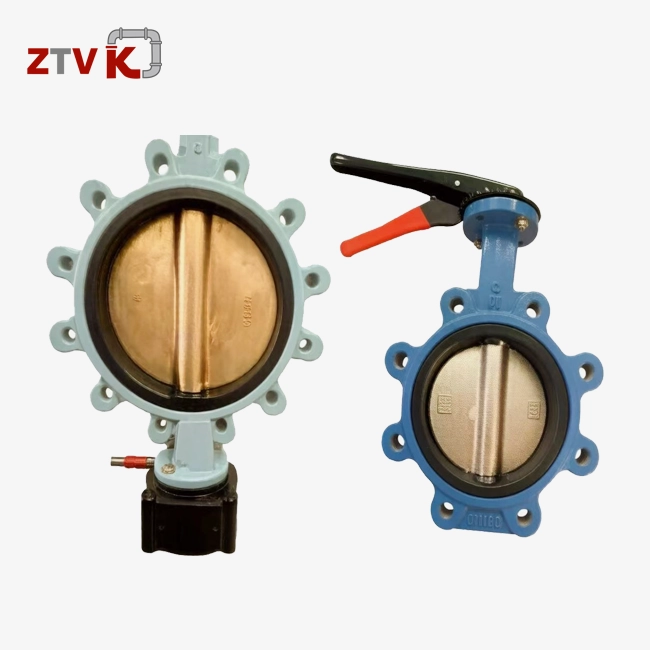
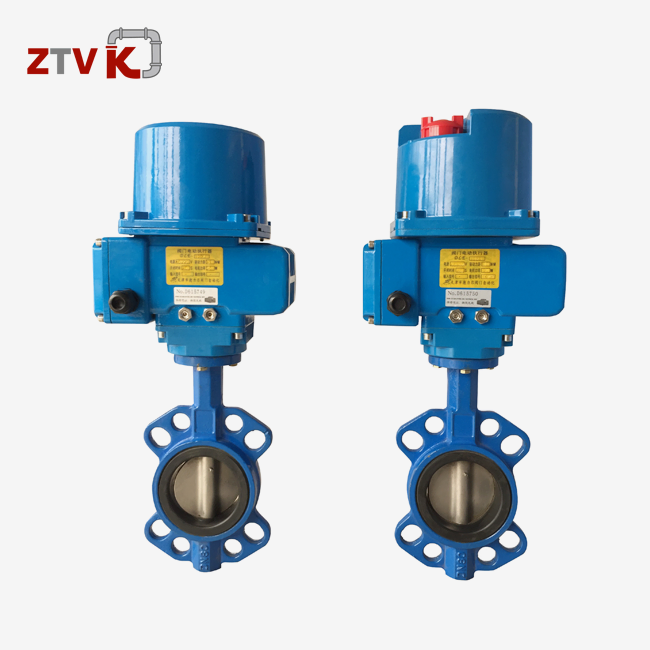
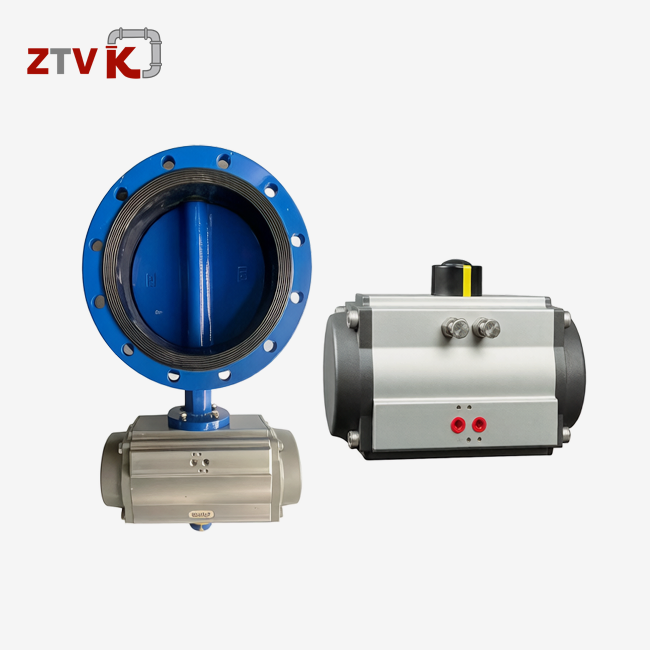
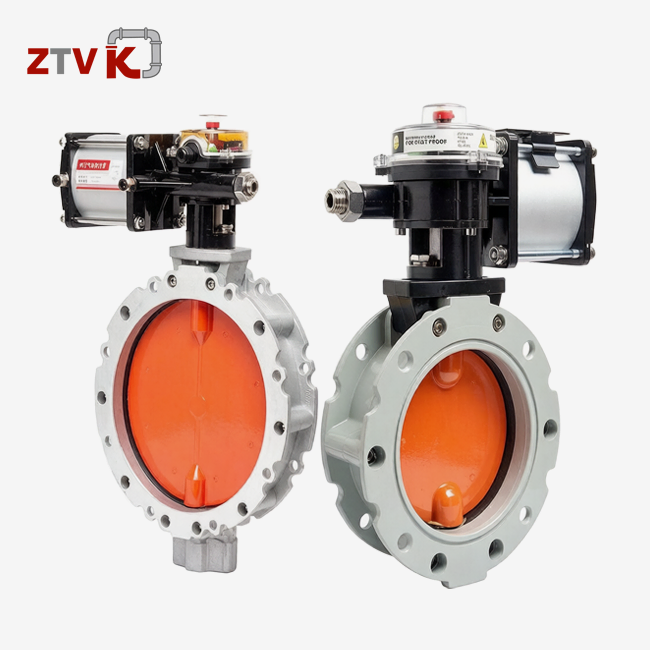
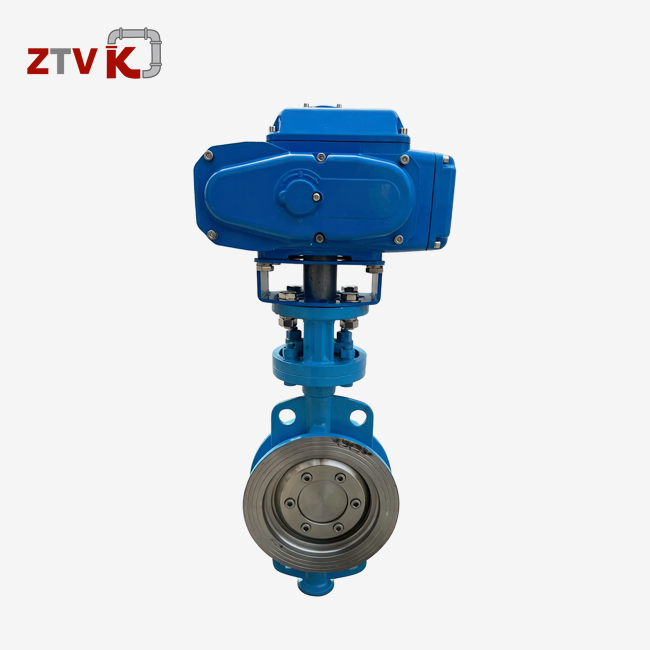
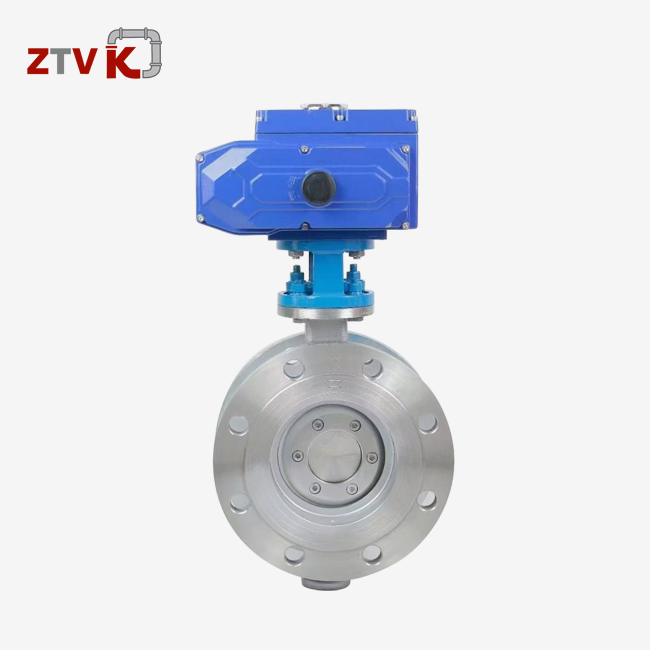
Wafer-style valves are installed between pipeline flanges by compressing bolts. They are small and can be put in places with limited room. Lug-type designs have threaded pieces that allow dead-end service and easier repair without touching the pipes next to them. Flanged setups can handle the most pressure, and for fixed installs, integral flanges can be welded or cast into the body. The nominal diameters range from DN15 millimeters for household plumbing to DN1200 millimeters for industrial trunk lines. The actuation options include manual levers, electric motors, or pneumatic cylinders, and they work with control system architectures that range from simple isolation to fully automated process management.
Advantages of Cast Steel Butterfly Valves Over Alternatives
The choice of material has a big effect on how well a cast steel butterfly valve works in harsh industrial settings. Alternatives made of cast iron may be cheaper at first, but they break easily when exposed to heat, chemicals, or the sea. It is true that forged steel valves are stronger, but they are also heavier and take longer to make. Stainless steel construction is very resistant to corrosion, but it costs a lot, which can make project budgets tight. Cast steel is the best of both worlds because it has the right amount of tensile strength for high-pressure work and better corrosion protection than normal carbon steel. Plus, the prices are low enough to make bulk purchases competitive.
Performance Benefits in Real-World Applications
When compared to concentric designs, the double eccentric design shape lowers operating torque by about 30%. This is because the disc shaft is offset from both the centerline and the sitting plane. This means that actuators will be smaller and less expensive, and parts will last longer—more than 50,000 operational cycles. The angled closing method makes sure that the disc lifts off the seat as soon as the door opens, which stops the friction wear that happens with other designs. Municipal water workers like these features because they cut down on the number of times they need to be maintained. HVAC system engineers like the exact throttling control that keeps temperatures stable even when the load changes.
Field statistics from oil and gas activities make the benefits of reliability stand out even more. Normally, gate valves need a lot of work after 18 months of use in hydrocarbon applications. But butterfly valves with ethylene-propylene seats that are properly specified keep shutting off bubble-tight for five years or more. Similar problems have been reported by chemical processing plants, where PTFE-seated configurations can handle corrosive media at temperatures close to their operational limits without compromising the integrity of the seals. These written measures of performance explain why more and more repeat buyers are standardizing on cast steel butterfly valves across a wide range of industries.
How to Select the Right Cast Steel Butterfly Valve?
To properly choose cast steel butterfly valves, you have to weigh the system's features and its working needs. When figuring out pressure ratings, you have to think about both normal operating conditions and possible surge events. Safety factors keep stress failures from happening during short-lived spikes. Temperature ranges affect how well different seat materials work together. For example, EPDM works great in normal water conditions but quickly breaks down above 60 degrees Celsius, while silicone rubber stays flexible even when temperatures change a lot. When it comes to media compatibility, there are more things to think about than just corrosion. These include particulate content, viscosity, and the chance of cavitation damage during throttling operations.
Evaluating Supplier Capabilities
Specifications are only one part of the story of buying a cast steel butterfly valve. The success of a distributor depends on how reliable their suppliers are, especially when it comes to the amount of goods they have and how quickly they can deliver. Manufacturers who keep a lot of standard configurations in stock, usually in sizes DN50 to DN600, can meet urgent needs within three to seven days, which keeps projects from being delayed, which costs a lot of money. Customization is very important for OEM clients and specific uses. Suppliers that offer ODM services can change body materials, seat configurations, and connection methods based on exact engineering drawings, and they can usually do this in fifteen to twenty-five days.
Getting certified is an important way to lower the chance of doing business internationally. The ISO 9001 quality management systems make sure that the manufacturing processes are always the same. The ISO 14001 and OHSAS 18001 certifications show that the company cares about the environment and workers' rights, which is in line with expectations for corporate responsibility. API, ANSI, and DIN compliance prove performance and measurement standards that are accepted in markets around the world. This makes the specification process easier and lowers the risk of technical conflicts. Professionals in procurement should make sure that test reports, material certificates, and compliance documentation are always available for the whole lifecycle of a product. This will support traceability requirements and make it easier to file a warranty claim if needed.

Geographic Sourcing Considerations
The site of the factory has a big effect on the total landed prices and the reliability of the supply chain. Chinese manufacturers, especially those in industrial areas like Tianjin's Beichen District, take advantage of stable production ecosystems and the closeness of ports to offer reasonable prices and surprisingly fast delivery. Facilities that are less than fifty kilometers from major shipping terminals speed up the loading of containers and lower the cost of inland transportation, which leads to better FOB and CIF quotes. Partnerships with international carriers like COSCO Shipping and Maersk make sure that bookings are always available during busy times, and packaging that meets ISPM 15 standards keeps customs delays at destination ports to a minimum. These are the kinds of operational details that set professional suppliers apart from commodity vendors.
Maintenance Tips and Common Problems to Avoid
Proactive maintenance plans keep cast steel butterfly valves working longer and stop them from shutting down without warning, which can mess up operations and cut into profits. Inspection plans should match the level of activity. For example, valves that cycle several times a day should be inspected every three months, while separate service units may only need to be checked once a year. Visual checks look for rust on the outside, damage to the actuator mounting, and the state of the packing joint. Functional testing confirms smooth operation throughout the entire ninety-degree rotation. Any unusual resistance suggests stem binding or debris buildup that needs to be looked into right away.
Addressing Common Failure Modes
Leakage past the seat is usually caused by three things: foreign matter getting stuck between the disc and seat while it's being closed; thermal expansion that's too big for the design; or seat material breaking down due to chemical attack or age. Regular flushing before closing keeps trash from getting stuck, and choosing the right material keeps chemicals from not working together. Corrosion damage tends to gather in areas where protective flow velocity falls below critical levels. Putting epoxy resin coats on the inside of things gives them extra protection in places with a lot of humidity. This is especially helpful for installations in Southeast Asia, where the humidity makes rusting happen faster.
Actuator maintenance is just as important as cast steel butterfly valve maintenance because if the actuator breaks down mechanically, the whole assembly can't work, no matter what the condition of the valves is. Electric motor controls need to be oiled and have their limit switches calibrated on a regular basis to keep them from breaking from over-travel. Pneumatic systems need to have their moisture separators drained and their seals checked on a regular basis because dirty compressed air speeds up wear and makes positioning less accurate. When manual operators turn, the torque should stay smooth and constant. Sudden increases in torque should mean that the stem is corroding or the bushings are wearing out, so the machine needs to be taken apart and the worn parts replaced before a major failure happens.
Conclusion
To choose good cast steel butterfly valves, you have to weigh technical requirements against the supplier's abilities and the total cost of ownership. The best way to buy things is to know that the performance of a valve relies on more than just the type of material used and the pressure rating. It also depends on how well it is manufactured, how well it is inspected, and how well the processes are coordinated. When distributors and contractors work with manufacturers that offer a large selection, the ability to customize products, fast delivery, and certifications that can be checked, along with full technical support, they gain competitive advantages that go beyond just comparing prices. As factories around the world demand more dependability and efficiency, the process of choosing valves changes from buying them one-time to forming strategic partnerships with suppliers.
FAQ
1. What distinguishes cast steel valves from stainless steel options?
The main difference is in the types of materials used and the ratios of cost to performance. Cast steel butterfly valves, usually WCB grade, have good tensile strength and temperature stability, making them good for use with hydrocarbons and steam. It's also usually less expensive than austenitic stainless grades. But 304 stainless steel is better at resisting corrosion in acidic and chloride-rich environments. This makes it better for seawater, chemical processing, and food-grade applications where the higher price is justified by the fact that the materials work well together.
2. How frequently should butterfly valves undergo maintenance inspection?
Maintenance times depend a lot on how often the media is cycled and how it behaves. Valves that work with clean water and don't need to be inspected very often may only need to be checked once a year. On the other hand, units that deal with abrasive slurries or cycle several times a day should be checked every three months. By keeping an eye on operational torque trends, you can spot problems early on, before they become too big to fix.
3. Can these valves handle high-temperature applications reliably?
Temperature fit depends on the type of seat material chosen, not on how the body is built. EPDM and normal ethylene-propylene chairs can only be used at temperatures up to about 80 degrees Celsius, but PTFE configurations can be used at temperatures up to 158 degrees Celsius. Even higher temperatures can be handled by special designs made of fluorine rubber and metal seats, but proper specification needs to be confirmed by an engineer who knows about the specific application.
Partner with ZTVK for Reliable Cast Steel Butterfly Valve Solutions
ZTVK has been a specialized manufacturer for more than fifteen years and can help with global valve sourcing problems. Our Tianjin facility keeps more than 2,000 standard configuration units in stock, which means that we can deliver within three to seven days for pressing needs and offer full customization for special needs. We are a manufacturer that is certified by ISO 9001, ISO 14001, and OHSAS 18001, and our products meet API, ANSI, and DIN standards. We also provide full traceability documentation to support your compliance needs.
We are only fifty kilometres from Tianjin Port, which makes it easy to load containers quickly and get competitive FOB prices. We also have good relationships with carriers that allow us to give accurate CIF quotes for shipping to places around the world. Our engineering team offers quick technical support, full warranties, and installation help, no matter if you're a distributor looking for OEM branding programs, a contractor in charge of project-based buying, or an equipment maker needing custom valve integration. Get in touch with our purchasing agents at ktec86961886@163.com to talk about how ZTVK's cast steel butterfly valve manufacturing can help your supply chain and make your customers happier.
References
1. American Petroleum Institute. (2018). API Standard 609: Butterfly Valves - Double Flanged, Lug- and Wafer-Type. Washington, DC: API Publishing Services.
2. ASME International. (2020). ASME B16.34: Valves - Flanged, Threaded, and Welding End. New York: American Society of Mechanical Engineers.
3. British Standards Institution. (2017). BS EN 593: Industrial Valves - Metallic Butterfly Valves for General Purposes. London: BSI Standards Publication.
4. International Organization for Standardization. (2019). ISO 5752: Metal Valves for Use in Flanged Pipe Systems - Face-to-Face and Centre-to-Face Dimensions. Geneva: ISO Central Secretariat.
5. Lyons, J.L. & Askeland, D.R. (2016). The Science and Engineering of Materials (7th ed.). Boston: Cengage Learning.
6. Zappe, R.W. (2021). Valve Selection Handbook: Engineering Fundamentals for Selecting the Right Valve Design for Every Industrial Flow Application (6th ed.). Houston: Gulf Professional Publishing.
Send us your valve requirements and our team will provide professional solutions and fast quotations.
RELATED INDUSTRY KNOWLEDGE