- English
- French
- German
- Portuguese
- Spanish
- Russian
- Japanese
- Korean
- Arabic
- Greek
- German
- Turkish
- Italian
- Danish
- Romanian
- Indonesian
- Czech
- Afrikaans
- Swedish
- Polish
- Basque
- Catalan
- Esperanto
- Hindi
- Lao
- Albanian
- Amharic
- Armenian
- Azerbaijani
- Belarusian
- Bengali
- Bosnian
- Bulgarian
- Cebuano
- Chichewa
- Corsican
- Croatian
- Dutch
- Estonian
- Filipino
- Finnish
- Frisian
- Galician
- Georgian
- Gujarati
- Haitian
- Hausa
- Hawaiian
- Hebrew
- Hmong
- Hungarian
- Icelandic
- Igbo
- Javanese
- Kannada
- Kazakh
- Khmer
- Kurdish
- Kyrgyz
- Latin
- Latvian
- Lithuanian
- Luxembou..
- Macedonian
- Malagasy
- Malay
- Malayalam
- Maltese
- Maori
- Marathi
- Mongolian
- Burmese
- Nepali
- Norwegian
- Pashto
- Persian
- Punjabi
- Serbian
- Sesotho
- Sinhala
- Slovak
- Slovenian
- Somali
- Samoan
- Scots Gaelic
- Shona
- Sindhi
- Sundanese
- Swahili
- Tajik
- Tamil
- Telugu
- Thai
- Ukrainian
- Urdu
- Uzbek
- Vietnamese
- Welsh
- Xhosa
- Yiddish
- Yoruba
- Zulu
What are the requirements for a butterfly valve for water line supply codes?
Compliance with national and international supply codes is a requirement when looking for a butterfly valve for water line applications. To make sure that the transportation of potable and industrial water is safe and reliable, water supply codes set strict rules for materials, pressure levels, sealing performance, and licensing. When it comes to rubber-seated designs, AWWA C504 standards must be met, as well as ISO 5752 standards for face-to-face dimensions and NSF/ANSI 61 standards for potable water contact safety. These rules protect people's health and the stability of infrastructure by making sure that all parts, from ductile iron bodies to EPDM seats, can handle operating stress without affecting the quality of the water or the system's performance.
Understanding Butterfly Valve Requirements in Water Line Supply Codes
It can be hard to figure out all the different water line supply codes, but knowing the main rules makes buying things easier and guarantees long-term operational success.
Key International Standards for Water Applications
There are strict rules that all water supply systems in the United States must follow. The American Water Works Association (AWWA) sets the standard with AWWA C504, which lists the size and material needs for butterfly valves for water lines that are DN40 to DN1200 in diameter. This standard says that the body hydrostatic test pressure should be 1.5 times the rated working pressure, and the seat leakage rate should not be more than 10 ml/hr/inch of nominal diameter.
The valve face-to-face measurements are regulated by ISO 5752, which makes sure that installations are compatible across global supply lines. This harmonization keeps expensive installation delays from happening for wholesalers who are in charge of projects in more than one area. Meanwhile, EN 593 and EN 12266 spell out how to test for pressure integrity and leakage classification. For public water systems, Class A (zero leakage) is the best.
ANSI/AWWA standards and NSF/ANSI 61 certification work together. The latter confirms that all wet materials, like body castings, disc coatings, and elastomeric seats, don't leak contaminants that are higher than the EPA's safe drinking water limits. For contractors working with potable water, this license is a must because the project requirements make it clear that compliance must be recorded.
Pressure and Temperature Ratings Defined by Codes
Supply codes require that valves have certain pressure and temperature ratings that are tied to their design. In European and Asian markets, PN10 and PN16 (10 bar and 16 bar working pressure, respectively) are common. In North America, on the other hand, ANSI Class 150 (about 285 psi at room temperature) is the most common specification. These standards are met by our wafer-type butterfly valves, which can handle PN10/PN16 working pressures that are fine for HVAC systems and city distribution networks.
Temp rates depend on the type of material used for the seat. From -20°C to +120°C, EPDM seats can handle both cold and hot water service. With PTFE seats, this range can go up to +200°C, which takes care of thermal utility loops and steam condensation. Engineers have to compare temperature curves to pressure ratings because higher temperatures lower the highest allowed working pressure. This is something that code officials look closely at when they review plans.
Certification Pathways for Potable and Industrial Water
Certification shows that you follow the rules and lets you get into new markets. NSF/ANSI 61 is still the standard for contact with potable water. It says that material extracts must be tested by a separate lab for heavy metals, volatile organic compounds, and endocrine disruptors. WRAS (UK Water Regulations Advisory Scheme) certification is useful for markets in the British Commonwealth, and ACS (Attestation de Conformité Sanitaire) approval is useful for French-speaking areas.
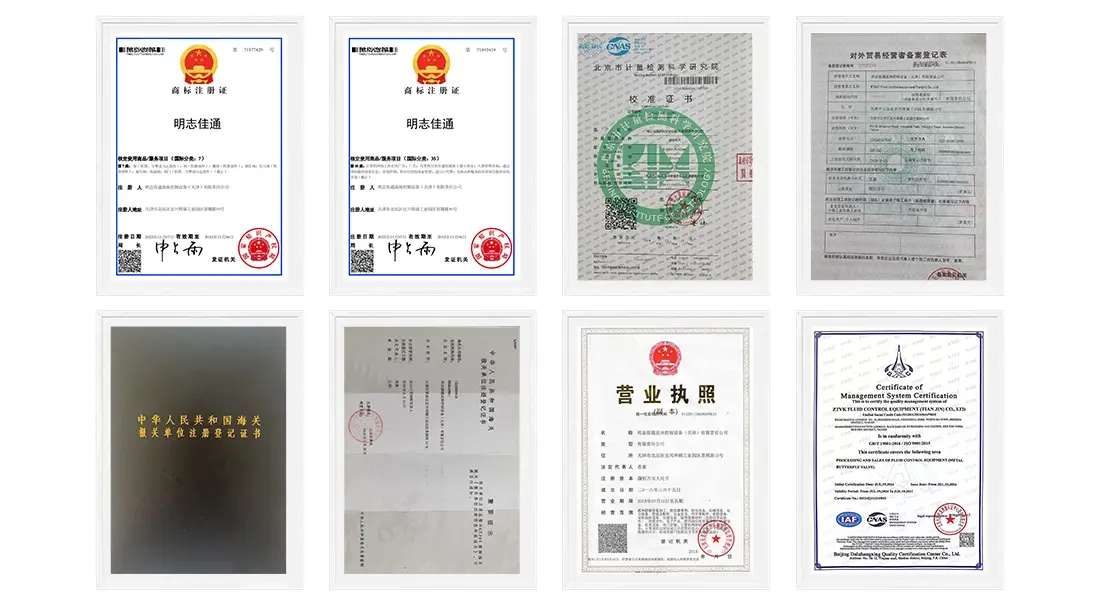
Even though industrial water uses don't need certifications for potable water, they do need pressure vessels that meet ASME B16.34 and materials that can be tracked according to ASTM standards. Our factory uses ISO9001 quality control systems and gives full material test reports (MTRs) with Positive Material Identification (PMI) for every valve. This makes it possible to track the valves from the time they are cast in raw material to the time they are assembled. This paperwork meets the quality control standards of EPC companies and makes it easy for regulators to give their permission.
Materials and Design Considerations for Compliance
Code compliance, operational lifespan, and total cost of ownership are all directly affected by the materials used and the way the building is built.
Approved Materials for Body and Disc Construction
Ductile iron (DI/QT450) is used for most water valve bodies because it has a higher tensile strength (450 MPa minimum) than grey cast iron and meets ASTM A536 standards. This material doesn't break easily when the ground settles and the temperature changes, which can happen in underground water mains. When sprayed at a minimum thickness of 250 microns, our epoxy powder coating protects against soil-side rust and meets the requirements of ASTM B117 for 1000 hours of salt spray testing.
The choice of disc material for a butterfly valve for water line strikes a balance between cost and resistance to corrosion. Ductile iron discs with a nylon 11 coating are good for general municipal use. CF8 (304 stainless steel) and CF8M (316 stainless steel) discs, on the other hand, can handle chlorinated water and wastewater with high levels of sulfide. Aluminum bronze discs work very well in places with a lot of salt, like desalination plants, because they are very resistant to stress corrosion cracking caused by chloride. These material choices take into account the different working conditions that distributors face with different groups of end users.
Seat Materials and Chemical Compatibility
The resilient seat is what makes the leak-tight shutoff work. EPDM (Ethylene Propylene Diene Monomer) is still the best choice for water uses because it is resistant to chloramines and has NSF 61 approval. Nitrile Butadiene Rubber (NBR) breaks down in places with a lot of ozone, but EPDM stays flexible even after being stored outside and exposed to UV light, which is important for contractors who are stockpiling valves before they are installed.
PTFE seats are used in harsh chemical and high-temperature environments because they shut off bubble-tight across pH ranges from 0 to 14. Water and hydrocarbon vapors that are mixed with oil can get into industrial cooling loops through Viton seals. Our vulcanized seat design chemically attaches rubber to the valve body. This eliminates the risk of delamination that comes with mechanically retained liners in a vacuum or when flow speeds change quickly for a butterfly valve for a water line.
Wafer-Type Design and Flow Efficiency
Our wafer-type connection method has clear benefits for following the rules and managing the fluids in the system. When used in big diameter situations, the short face-to-face dimension (ISO 5752 Series 20) cuts down on installation room and weight, which lowers the cost of structural support. This small size makes retrofitting easier in pump rooms and treatment plants that are already full.
When it comes to flow, the streamlined disc shape causes very little pressure drop—about 0.2 bar at full open for a DN600 valve moving at 3 m/s. Over the valve's 20-year life, this efficiency cuts down on the cost of releasing energy. The wafer design allows flow to go in both directions, which is needed in reversible pumping stations and distribution systems that are connected to the power grid. Connection standards from ISO5211, PN10/PN16, ANSI 150, and JIS 10K make sure that everything works together everywhere. This solves the problem of trading companies having to deal with different flange standards when they have to serve more than one market.
Installation and Maintenance Requirements Under Supply Codes
Code compliance is ensured throughout the valve's operational life by proper installation and ongoing maintenance.
Installation Best Practices and Actuation Options
Supply rules require construction methods that protect the safety of the system and the integrity of the valves. Valve stem orientation has a big effect on how long it lasts. For example, placing the stem horizontally keeps sediment from building up in the stem bearings, which is a typical reason why valves fail early in raw water service. Following the instructions in ASME B16.5 for flange bolt torque—usually between 40 and 60 ft-lbs for Class 150 flanges—must be done in a star design to make sure of even gasket compression and keep the body from warping.
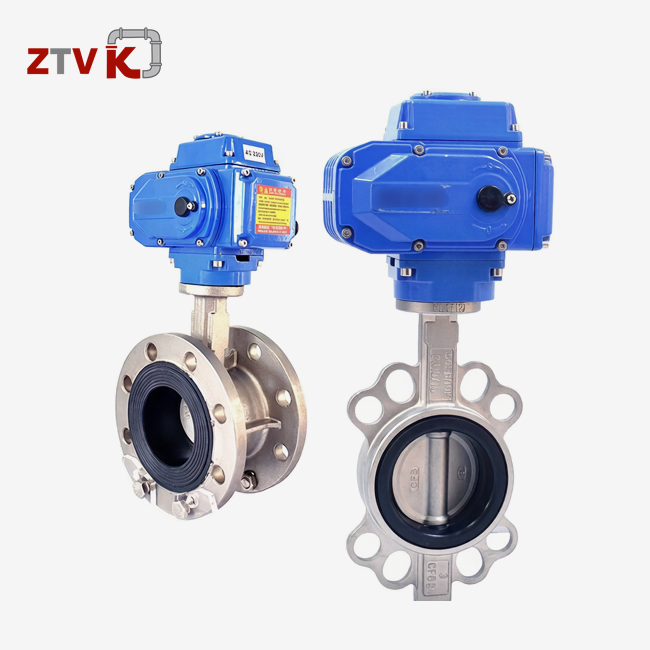
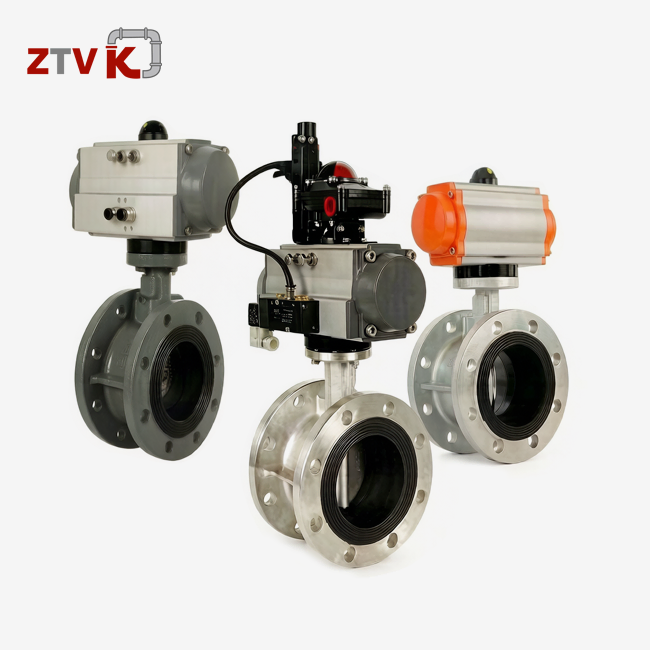
The choice of actuator affects both operational reliability and compliance with regulations. Hand levers work well for small valves (DN40–DN200) that need to be placed in easy-to-reach places. They give workers tactile input. Worm gears make it possible to operate by hand up to DN600, which reduces the amount of work needed to turn the handle. Pneumatic actuators let the power go out quickly in an emergency, meeting the 30-second closing time requirements of the fire protection code. Modern smart water networks need automatic control, and electric devices work with SCADA systems to make that possible. Our butterfly valve for waterline products can be used in all actuation modes thanks to their ISO5211 mounting pads, which give builders more fitting options without having to change the valve bodies.
Maintenance Protocols for Long-Term Compliance
Regular maintenance keeps certifications valid and increases the time between service visits. Visual checks should be done every three months to look for external corrosion, actuator alignment, and stem packing leakage. Operating the valves once a year makes sure they work smoothly and that the position indicators are correct, which is very important for valves that are controlled remotely in distribution networks.
Most seats need to be replaced every 50,000 cycles or 10 years, whichever comes first, for a butterfly valve for water line. Our modular seat design lets the valve be replaced in the field without taking it out of the line. This keeps city workers from having to deal with too much downtime. Keeping detailed repair logs is required by warranties and gives regulators records that can be checked. These ways of documenting solve the problem of being able to track down assets, which is something that long-term industry clients want for asset management compliance.
Documentation and Certification Traceability
Each shipment of a code-compliant valve comes with a lot of paperwork, like dimensional drawings, pressure test certificates, material test reports (MTRs), and NSF 61 certificates. With our QR code system, you can quickly get to digital files like 3D CAD models and maintenance videos. This openness helps third-party plant checks and builds trust with procurement managers who are wary of fake certifications. The 18-month warranty period shows that the company is confident in the quality of the product's production. Defects that were not caused by human error are covered for free, which is a commitment that sets trustworthy suppliers apart from shady traders.
Comparative Insights: Butterfly Valve vs. Other Valve Types in Water Lines
Understanding how different valves perform helps procurement specialists choose the best butterfly valves for water lines for each project.
Flow Control and Space Advantages
Butterfly valves have better flow coefficients (Cv) than other valves of the same size. The Cv value of a DN300 butterfly valve is 4000+, the same as a gate valve twice its weight. This efficiency means that pumping costs are cheaper and line sizes are smaller. The quarter-turn action lets the valve close faster than multi-turn gate valves, which lowers the risk of water hammer in high-velocity lines, which is an important part of following the AWWA M11 standards for surge control.
Because of limited space, butterfly valves work best in urban infrastructure. The wafer design takes up 40% less space along the axis than flanged gate valves, which is very important in mechanical rooms and underground vaults. A DN600 butterfly weighs about 180 kg, while an equivalent gate valve weighs 450 kg. This means that it requires less installation work and costs less to reinforce the structure. These benefits directly address the problems that HVAC contractors have when they have to meet tight project deadlines and stick to a tight budget.
Manual Versus Automated Operation
Manual butterfly valves are good for situations where they only need to be used once in a while, like isolation valves in repair bypasses or yearly watering systems. The low operating torque (about 150 Nm for a DN300 valve) keeps the operator and machine from getting tired. Automated versions change the valve body into a precise flow regulator, which helps with variable speed pumping methods that use less energy and are required by green building codes.
Electric motors with 4-20 mA water line positioners allow a butterfly valve for water line sliding control between 15% and 75% open, which makes it easier for district cooling networks to distribute flow. Fire codes say that pneumatic fail-safe actuators must close automatically if the air supply goes out. Because of this, distributors can offer custom solutions for a wide range of uses, from basic on/off isolation to complex PID loop control, without having to keep separate valve stocks.
Conclusion
To follow water line supply rules, you have to pay close attention to certifications, construction standards, and materials. Verifying NSF 61 approvals, choosing pressure ratings with safety margins, and working with suppliers who show clear manufacturing and reliable logistics are all important parts of successful procurement. The technical difficulty of code requirements, such as AWWA dimensional standards and ISO pressure testing protocols, shows how important it is to have manufacturers who deal with these rules every day. By putting approved materials, flexible actuation, and detailed paperwork at the top of their list of priorities, buying teams lower risk and get butterfly valves for water lines that will work well for decades in important water infrastructure.
FAQ
1. What credentials does a butterfly valve for a water line need to have?
For uses with potable water, you need NSF/ANSI 61 approval, which says that all materials that get wet meet EPA safety rules for drinking water. For UK markets, you need WRAS approval, and for French-speaking areas, you need ACS certification. Industrial water systems must meet the requirements of ASME B16.34 and ISO 5752. To make sure something is real, you should always ask for the original certificates that show specific valve types.
2. How do I figure out what the right pressure number is?
Figure out the highest pressure in the system, taking into account any surges (usually 2-3 times the static pressure). PN10 valves work best for low pressure (10 bar), while PN16 valves can handle higher pressures (16 bar) and offer a safety cushion. ANSI Class 150, which is about 20 bar at room temperature, is used for projects in North America. Check the manufacturer's pressure-temperature curves to make sure the rating is good for all of your operations.
3. Can wafer-type butterfly valves handle flow going both ways?
Yes, wafer designs allow flow to go in both directions, which is necessary for reverse pumping stations and systems that are linked to the grid. No matter which way the flow is going, the uniform disc and sturdy seat make sure that there is no leakage. Check the actuator mounting position, though, to make sure the stem seals properly when the pressure difference is the other way around.
4. What kind of seat material works well in chlorinated water?
EPDM seats work better in chlorinated water because they are more resistant to chloramines than NBR seats. EPDM that has been approved by NSF 61 stays flexible from -20°C to +120°C. PTFE seats are an option for seats that will be exposed to harsh chemicals or high temperatures, but they cost more. Stay away from NBR in places with a lot of ozone because it breaks down too quickly there.
Partner with ZTVK for Code-Compliant Butterfly Valve Solutions
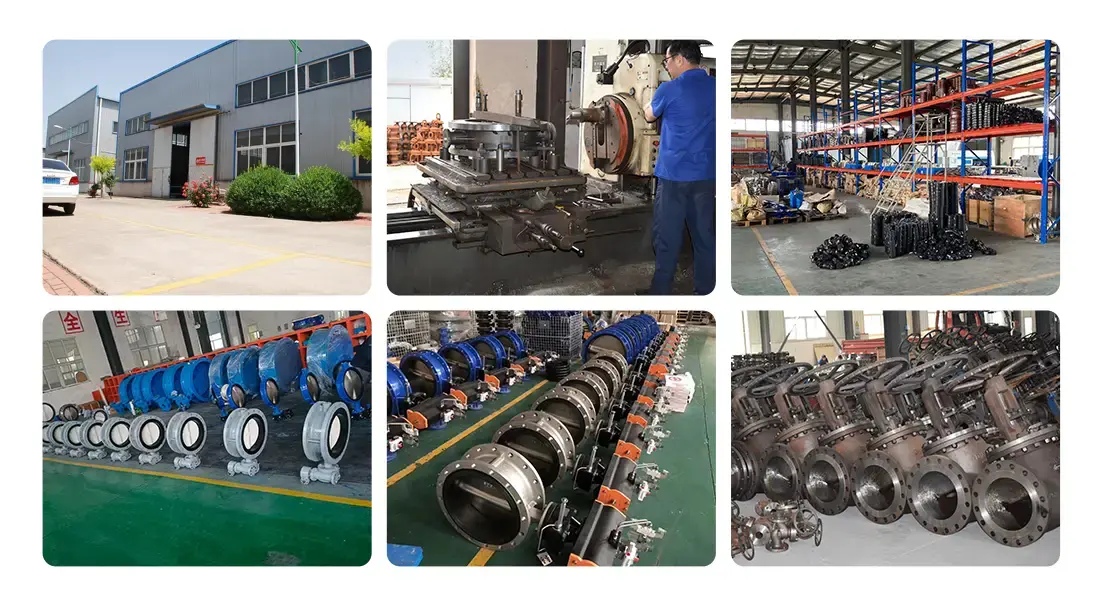
It has been ZTVK's speciality for more than 15 years to make water line butterfly valves that meet world supply rules. Our NSF 61-certified EPDM seats, ductile iron bodies, and stainless steel discs give your projects the compliance and durability they need. We support a wide range of applications in the municipal, HVAC, and industrial sectors, with sizes ranging from DN40 to DN1200 and actuation options including hand levers and electric actuators. We keep our ISO9001/14001/OHSAS18001 certifications up to date and offer full material traceability with every shipment as a reliable butterfly valve for water line supplier. We're only 50 km from Tianjin Port, and we have formed partnerships with carriers to make sure fast delivery. Email our team at ktec86961886@163.com to talk about the details of your project and get unique valve solutions that come with our 18-month guarantee and technical support.
References
1. American Water Works Association (2015). AWWA C504: Standard for Rubber-Seated Butterfly Valves. Denver: AWWA Publications.
2. International Organization for Standardization (2021). ISO 5752: Metal Valves for Use in Flanged Pipe Systems – Face-to-Face and Centre-to-Face Dimensions. Geneva: ISO Standards.
3. NSF International (2020). NSF/ANSI 61: Drinking Water System Components – Health Effects. Ann Arbor: NSF Publications.
4. American Society of Mechanical Engineers (2017). ASME B16.34: Valves – Flanged, Threaded, and Welding End. New York: ASME Press.
5. European Committee for Standardization (2018). EN 12266-1: Industrial Valves – Testing of Metallic Valves – Part 1: Pressure Tests, Test Procedures and Acceptance Criteria. Brussels: CEN Publications.
6. American Water Works Association (2019). AWWA M11: Steel Pipe – A Guide for Design and Installation. Denver: AWWA Publications.
Send us your valve requirements and our team will provide professional solutions and fast quotations.
RELATED INDUSTRY KNOWLEDGE