- English
- French
- German
- Portuguese
- Spanish
- Russian
- Japanese
- Korean
- Arabic
- Greek
- German
- Turkish
- Italian
- Danish
- Romanian
- Indonesian
- Czech
- Afrikaans
- Swedish
- Polish
- Basque
- Catalan
- Esperanto
- Hindi
- Lao
- Albanian
- Amharic
- Armenian
- Azerbaijani
- Belarusian
- Bengali
- Bosnian
- Bulgarian
- Cebuano
- Chichewa
- Corsican
- Croatian
- Dutch
- Estonian
- Filipino
- Finnish
- Frisian
- Galician
- Georgian
- Gujarati
- Haitian
- Hausa
- Hawaiian
- Hebrew
- Hmong
- Hungarian
- Icelandic
- Igbo
- Javanese
- Kannada
- Kazakh
- Khmer
- Kurdish
- Kyrgyz
- Latin
- Latvian
- Lithuanian
- Luxembou..
- Macedonian
- Malagasy
- Malay
- Malayalam
- Maltese
- Maori
- Marathi
- Mongolian
- Burmese
- Nepali
- Norwegian
- Pashto
- Persian
- Punjabi
- Serbian
- Sesotho
- Sinhala
- Slovak
- Slovenian
- Somali
- Samoan
- Scots Gaelic
- Shona
- Sindhi
- Sundanese
- Swahili
- Tajik
- Tamil
- Telugu
- Thai
- Ukrainian
- Urdu
- Uzbek
- Vietnamese
- Welsh
- Xhosa
- Yiddish
- Yoruba
- Zulu
Full Flow Ball Valve vs Standard Ball Valve: Key Differences
When choosing ball valves for industrial use, knowing the difference between normal ball valves and full flow ball valves can have a big effect on how well the system works. The main difference is the bore diameter. A full bore ball valve has a hole that is the same size as the inner diameter of the pipeline. This lets fluid flow freely with little pressure loss. On the other hand, standard ball valves have a smaller bore—about one pipe size smaller—which can cause resistance that can lower the flow efficiency. In different industrial settings, this basic difference affects things like pressure loss, flow speed, repair needs, and total operating costs.
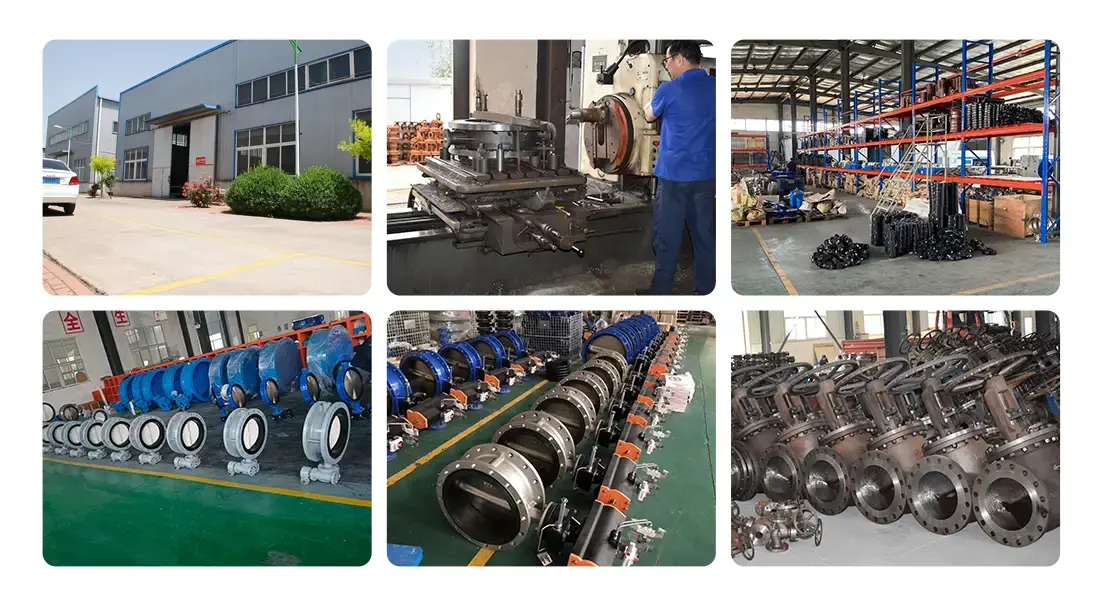
Understanding Ball Valve Design Fundamentals
Ball valves work through a circular ball that spins and has a hole in the middle of it. When the handle on the valve is turned 90 degrees, the ball spins to either line up the hole with the pipe (open position) or stop all flow (closed position). Ball valves are easier to use than gate or globe valves because they only need to be turned a quarter of the way.
The table of ball valve flow coefficients shows that the size of the hole has a direct effect on the flow capacity. The flow coefficient (Cv) of a full-port ball valve stays almost the same as that of the linked pipe. On the other hand, the CV of standard port designs drops by 15% to 40%, based on the size difference.
Three core structural components distinguish these valve types:
- Ball bore diameter – Full port matches pipe ID; standard port is reduced
- Body cavity size – Full bore requires larger housings to accommodate the ball
- Seat design – Full flow variants need wider sealing surfaces
Transition consideration: Understanding these structural differences helps clarify why performance characteristics vary so dramatically between the two designs.
Flow Performance and Pressure Drop Analysis
The ball valve opening degree and flow rate relationship becomes critical when evaluating system efficiency. Full-bore ball valves deliver nearly zero pressure drop in fully open positions, measured at approximately 0.1-0.3 PSI across standard installations. Standard ball valves typically generate 2-5 PSI pressure loss under identical conditions.
Real testing data from industrial applications reveals:
- Full bore 2-inch valve: Cv = 120, pressure drop = 0.2 PSI at 100 GPM
- Standard bore 2-inch valve: Cv = 75, pressure drop = 3.8 PSI at 100 GPM
- Energy cost difference: Standard valves may increase pumping costs by 8-12% annually in continuous flow systems
The properties of the material have a direct effect on how long it will last in different flow circumstances. ZTVK makes both types of valves with bodies made of ASTM A351 CF8M, which is the same as 316 stainless steel and is very resistant to rust. The mix of the 316 stainless steel ball and stem makes it last a long time, even in harsh media.
Advice for users: Full-bore designs work better for moving slurry, handling chemicals, or high-viscosity fluids where maximum flow efficiency is needed. Standard valves work well in systems where a small drop in pressure doesn't affect performance, like in separate service or lines with low demand.
Cost Considerations and Economic Impact
Initial procurement costs show full bore ball valves priced approximately 20-35% higher than standard port equivalents in comparable sizes, as reflected in a Ball valve flow coefficient table. A 4-inch full bore valve typically costs $180-$280, while standard-bore versions range from $140-$210.
This price differential stems from:
- Increased raw material requirements (larger balls and bodies)
- More complex machining operations
- Higher-grade sealing components to manage larger diameters
- Additional quality control testing for critical applications
Lifecycle cost analysis reveals a different picture. Systems using full flow valves demonstrate:
- 15-25% lower pumping energy consumption over 10-year operational periods
- Reduced maintenance frequency due to lower turbulence and cavitation risk
- Fewer replacement cycles in abrasive service applications
- Lower total cost of ownership in high-throughput installations
Distributors and trading companies purchasing for resale should consider their target markets carefully. European and Middle Eastern contractors increasingly specify full bore designs for municipal water projects, while Southeast Asian markets show balanced demand across both categories depending on application specificity.
Procurement advice: If your customers operate continuous-flow facilities exceeding 2,000 operating hours annually, full bore ball valves deliver superior ROI despite higher upfront investment. Standard valves suit intermittent service applications where the isolation function outweighs flow optimization.
Application Suitability Across Industries
Water Supply and HVAC Systems
When municipal water companies try to balance flow capacity with budget limits, they face special problems. Full port ball valves work great in major distribution lines where keeping the pressure steady is very important. When temperatures range from -20°C to +180°C, the PTFE seat material in ZTVK valves stops bubbles from forming. This makes them perfect for both heating and cooling water uses.
Full bore designs that don't block flow during emergency action are good for people who put together fire safety systems. Test results show that full bore 6-inch valves can handle 1,200 GPM at 80 PSI, but standard-bore valves can only handle 850 GPM in the same settings. This is a 29% performance difference that could be very important in a fire.
Petrochemical and Energy Sectors
In harsh conditions, oil plant workers put safety and dependability at the top of their list of priorities. Cavitation can happen in hazardous gas service, but full-bore ball valves reduce the amount of turbulence that can happen. The CF8M body material and PTFE packing can handle temperatures up to 230°C without losing their seal integrity.
Chemical processing plants that work with thick materials like resins or plastics need full flow paths to keep the materials from building up. Standard valves have dead zones around smaller holes where product can build up and cause leakage or jams.
Industrial OEM Integration
When pump makers put valves on skid systems, they have to make sure that the flow characteristics of the valves match the shapes of the pumps. By removing fake limit points, full-bore designs keep the efficiency of the pump. ZTVK offers OEM support that includes custom stem lengths, changed mounting patterns, and unique finishing choices that make integration easier.
Manufacturers of machinery like full port valves because they lower the turbulence profile, as shown in the Ball valve opening degree and flow rate. This makes it easier for linked equipment to handle noise and shaking, which is very helpful in places where noise is a problem.
User decision framework: Full bore ball valves are better if you need to make sure that important safety systems work reliably, if you need to handle sticky or rough media, or if you want to save the most energy possible. Standard ball valves are good for situations where small installation, low starting cost, or simple separate duty is enough to limit flow.
Installation and Maintenance Factors
Physical Space Requirements
Full bore ball valves demand greater installation clearance due to enlarged body dimensions. A 3-inch full bore valve typically measures 8.5 inches in length compared to 7.2 inches for standard-bore equivalents. This 18% size increase matters in congested piping arrangements or retrofit situations with limited space.
Weight considerations also differ. Full bore 4-inch valves weigh approximately 35-42 lbs versus 26-32 lbs for standard versions, potentially requiring additional pipe support in horizontal runs.
Maintenance Accessibility
The modular design of both valve types allows seat and seal replacement without removing the valve body from the pipeline. ZTVK valves utilize 304 stainless steel glands with PTFE packing that can be repacked in-field within 15-20 minutes using standard tools.
Full bore valves show extended service intervals in abrasive applications. Field data from mining operations indicates PTFE seats in full bore designs last 24-30 months in slurry service, while standard bore seats require replacement every 14-18 months due to accelerated erosion around the reduced throat area.
Operational Torque
Standard ball valves require lower operating torque—a 2-inch standard valve needs approximately 8-12 ft-lbs to operate, while full bore equivalents require 15-20 ft-lbs. This difference influences actuator sizing for automated installations. The spring washer assemblies using ASTM A140 material in ZTVK valves ensure consistent torque profiles throughout the valve lifecycle.
Installation recommendation: If your installation faces space constraints, weight limitations on existing pipe supports, or manual operation requirements, standard ball valves offer easier integration. Full bore designs suit applications where extended service life and reduced maintenance frequency justify slightly more complex installation procedures.
Material Quality and Performance Standards
ZTVK's component material selection directly addresses distributor concerns about product consistency and quality control. The systematic use of internationally recognized specifications ensures predictable performance:
- Body and bonnet construction employs ASTM A351 CF8M castings with a minimum 16.5% chromium and 10.5% nickel content, providing PRE (Pitting Resistance Equivalent) values exceeding 24. This composition resists chloride stress corrosion cracking in coastal environments and maintains mechanical properties from -29°C to +400°C.
- Ball and stem materials utilize 316 stainless steel with molybdenum content above 2%, enhancing resistance to sulfuric and phosphoric acid exposure. The stem undergoes hardness testing to 55-60 HRC, preventing galling during repeated cycling.
- Sealing system reliability comes from virgin PTFE seats and packing with a minimum 50% crystallinity. This specification ensures seal integrity through 50,000 operating cycles while maintaining leakage rates below API 598 Class VI standards (maximum 0.15 ml/min for 2-inch valves).
- Fastener specifications matter significantly in high-vibration environments. ZTVK employs ASTM A193 B8 studs and ASTM A194 Grade 8 nuts, providing tensile strength exceeding 75,000 PSI with excellent corrosion resistance. These fasteners maintain preload integrity in petrochemical installations subject to thermal cycling.
- Quality verification: Testing data shows ZTVK valves maintain seal integrity at 1.5x rated pressure for 5 minutes without visible leakage, exceeding ISO 5208 Rate A requirements. Hydrostatic shell testing at 2,240 PSI (for 1500# class valves) validates structural integrity margins.
Why ZTVK Full Bore Ball Valves Stand Out for Global Distributors
Component Excellence and Material Traceability
- Certified raw materials: Every CF8M body casting includes material test reports traceable to heat numbers, with chemical composition verification via spectroscopic analysis
- Advanced machining precision: CNC-controlled boring operations maintain bore concentricity within 0.002 inches, eliminating flow turbulence from misalignment
- Multi-layer sealing protection: O-ring options in NBR or VITON accommodate temperature ranges from -40°C to +230°C, with chemical compatibility across 200+ industrial fluids
- Extended pressure capabilities: Body designs support working pressures from 150# to 2500# class ratings, covering applications from HVAC to high-pressure petrochemical service
- Corrosion-resistant fastening: Complete stud assemblies in ASTM A193 B8 specification resist dezincification and stress corrosion in marine and chemical environments
Manufacturing Advantages Supporting Bulk Orders
- Inventory depth: Over 2,000 standard valve units (DN50-DN600) ready for immediate shipment, eliminating distributor wait times during peak demand periods
- Production scalability: Dedicated full-bore ball valve manufacturer capabilities support orders from 50 to 5,000+ units with consistent quality across production runs
- OEM customization speed: Logo engraving, custom color RAL coating, and branded packaging completed within standard production cycles without delay penalties
- Testing documentation: Every valve batch includes pressure test certificates, material certifications, and dimensional inspection reports meeting CE and ISO requirements
- Quality consistency: ISO9001-certified production processes maintain ±2% dimensional tolerance across repeat orders, critical for distributors serving maintenance and replacement markets
-
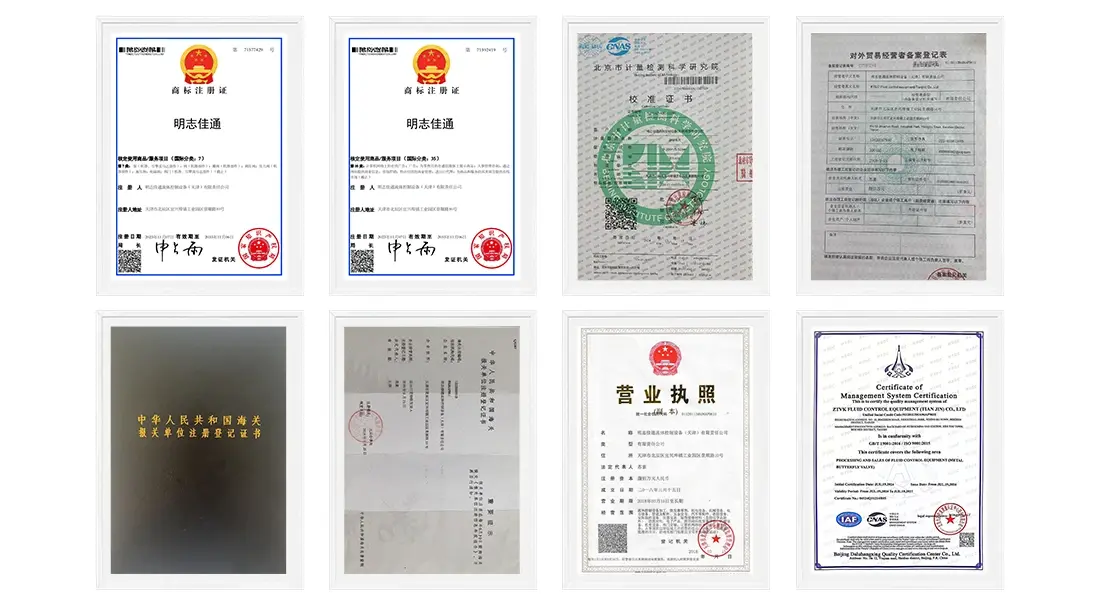
Logistics and Supply Chain Reliability
- Port proximity advantage: Factory location 50 km from Tianjin Xingang Port enables 72-hour container loading after full flow ball valve production completion.Shipping partnerships: Established relationships with COSCO and Maersk provide competitive freight rates and priority booking during high-volume periods
- Packaging standards: ISPM 15-compliant wooden crates with internal bracing and moisture barriers protect valves through 45-day ocean transit without damage
- Flexible Incoterms: FOB Tianjin or CIF destination port pricing available with transparent cost breakdowns for accurate margin calculations
- Rush order capability: Expedited 7-10 day production available for emergency distributor requirements (20% premium applies)
Technical Support for Market Development
- Application engineering assistance: Free valve selection consultation based on the customer's operating conditions (pressure, temperature, media, cycling frequency)
- Sales enablement resources: CAD drawings, 3D STEP files, and technical datasheets in multiple languages support distributor sales teams
- After-sales backing: 18-month warranty coverage with replacement valve shipment within 5 business days for verified manufacturing defects
- Installation guidance: Video tutorials and troubleshooting manuals reduce distributor technical support burden and improve end-user satisfaction
- Compliance documentation: CE declarations, material safety data sheets, and third-party test reports facilitate distributor market entry in regulated regions
Customization Capabilities for Competitive Differentiation
- Private label manufacturing: Distributors can build brand equity through OEM programs, including custom nameplates, packaging, and product literature
- Application-specific modifications: Stem extensions for buried service, locking handle devices for safety applications, and special trim materials for extreme conditions
- Regional climate adaptations: Epoxy coating systems for high-humidity Southeast Asian markets; thickened stem covers for dusty Middle Eastern environments
- Connection flexibility: Threaded, flanged (ANSI/DIN/JIS), or wafer configurations available without tooling charges on standard sizes
- Sample programs: Evaluation units provided to qualified distributors for testing and customer demonstration purposes
This comprehensive manufacturing approach addresses the core pain points of valve distributors—quality consistency, delivery reliability, and competitive pricing—while providing differentiation opportunities through customization and technical support. Trading companies can confidently specify ZTVK full bore ball valves, knowing they receive industrial-grade products backed by verifiable certifications and responsive factory support.
Making the Right Selection for Your Application
The choice between full bore and standard ball valves ultimately depends on specific operational requirements rather than universal superiority of either design. Decision-makers should evaluate:
Prioritize full bore ball valves when:
- Pressure drop minimization directly impacts system efficiency
- Fluid viscosity exceeds 100 centipoises
- Pigging operations require an unobstructed passage
- Flow velocity must remain below erosion thresholds
- Energy costs justify a higher initial investment
- Abrasive or fibrous media risks causing buildup in reduced sections
Select standard ball valves when:
- Isolation function outweighs flow optimization
- Space or weight constraints limit options
- Budget restrictions require lower initial costs
- Low-demand or intermittent service doesn't justify full-bore premium
- System pressure drop already accommodates additional restriction
- Manual operation is preferred, and lower torque is beneficial
Comparative performance summary:
| Characteristic | Full Bore Ball Valve | Standard Ball Valve |
|---|---|---|
| Pressure Drop | 0.1-0.3 PSI | 2-5 PSI |
| Flow Coefficient | 95-100% of pipe | 60-75% of pipe |
| Initial Cost | Higher (20-35%) | Lower baseline |
| Energy Efficiency | Superior long-term | Adequate for intermittent use |
| Maintenance Interval | 24-30 months (abrasive) | 14-18 months (abrasive) |
| Operating Torque | 15-20 ft-lbs (2-inch) | 8-12 ft-lbs (2-inch) |
| Installation Space | Larger footprint | Compact design |
| Pigging Compatibility | Unrestricted passage | May require special pigs |
Both valve types deliver reliable shutoff performance when manufactured to proper standards. ZTVK's quality control systems ensure that either design meets international requirements for industrial service.
Conclusion
The distinction between full flow ball valves and standard designs centers on bore diameter and resulting performance characteristics. Full bore variants eliminate pressure drop and optimize energy efficiency, justifying their premium in high-throughput applications. Standard ball valves offer compact, economical solutions for isolation service where flow restriction is acceptable. Material quality, manufacturing precision, and supplier reliability ultimately determine long-term value regardless of bore configuration. Distributors should evaluate the total cost of ownership, application-specific requirements, and supplier capabilities when making procurement decisions that affect their customers' operational success.
Partner with a Trusted Full Flow Ball Valve Supplier
ZTVK combines 15+ years of valve manufacturing expertise with strategic advantages that matter to distributors and trading companies. Our Tianjin Beichen facility maintains deep inventory across full bore ball valve sizes from DN50 to DN600, supporting 3-7 day delivery on standard configurations. Custom OEM programs let you build brand recognition while benefiting from our ISO-certified production quality and competitive in-house manufacturing costs. Whether you're sourcing for European municipal projects, Middle Eastern petrochemical facilities, or Southeast Asian HVAC contractors, our engineering team provides application-specific recommendations backed by comprehensive testing documentation. Contact our export team at ktec86961886@163.com to discuss your requirements, request technical specifications, or arrange factory qualification audits that verify our commitment to quality and reliability.
References
1. American Society of Mechanical Engineers. Valve Standards and Testing Protocols for Industrial Applications. ASME Press, 2021.
2. Hutchison, P.R. Industrial Valve Selection and Specification: A Comprehensive Guide for Engineers. McGraw-Hill Professional, 2019.
3. International Organization for Standardization. ISO 5208: Industrial Valves - Pressure Testing of Metallic Valves. ISO Standards Catalogue, 2020.
4. Nesbitt, Brian. Handbook of Valves and Actuators: Valves Manual International. Elsevier Science, 2018.
5. Pearson, Glenn. Flow Control in Process Industries: Valve Selection and Application. Butterworth-Heinemann, 2020.
6. Zappe, R.W. Valve Selection Handbook: Engineering Fundamentals for Selecting the Right Valve Design. Gulf Professional Publishing, 2019.
Send us your valve requirements and our team will provide professional solutions and fast quotations.
RELATED INDUSTRY KNOWLEDGE