- English
- French
- German
- Portuguese
- Spanish
- Russian
- Japanese
- Korean
- Arabic
- Greek
- German
- Turkish
- Italian
- Danish
- Romanian
- Indonesian
- Czech
- Afrikaans
- Swedish
- Polish
- Basque
- Catalan
- Esperanto
- Hindi
- Lao
- Albanian
- Amharic
- Armenian
- Azerbaijani
- Belarusian
- Bengali
- Bosnian
- Bulgarian
- Cebuano
- Chichewa
- Corsican
- Croatian
- Dutch
- Estonian
- Filipino
- Finnish
- Frisian
- Galician
- Georgian
- Gujarati
- Haitian
- Hausa
- Hawaiian
- Hebrew
- Hmong
- Hungarian
- Icelandic
- Igbo
- Javanese
- Kannada
- Kazakh
- Khmer
- Kurdish
- Kyrgyz
- Latin
- Latvian
- Lithuanian
- Luxembou..
- Macedonian
- Malagasy
- Malay
- Malayalam
- Maltese
- Maori
- Marathi
- Mongolian
- Burmese
- Nepali
- Norwegian
- Pashto
- Persian
- Punjabi
- Serbian
- Sesotho
- Sinhala
- Slovak
- Slovenian
- Somali
- Samoan
- Scots Gaelic
- Shona
- Sindhi
- Sundanese
- Swahili
- Tajik
- Tamil
- Telugu
- Thai
- Ukrainian
- Urdu
- Uzbek
- Vietnamese
- Welsh
- Xhosa
- Yiddish
- Yoruba
- Zulu
The Benefits of 304 Stainless Steel Ball Valves
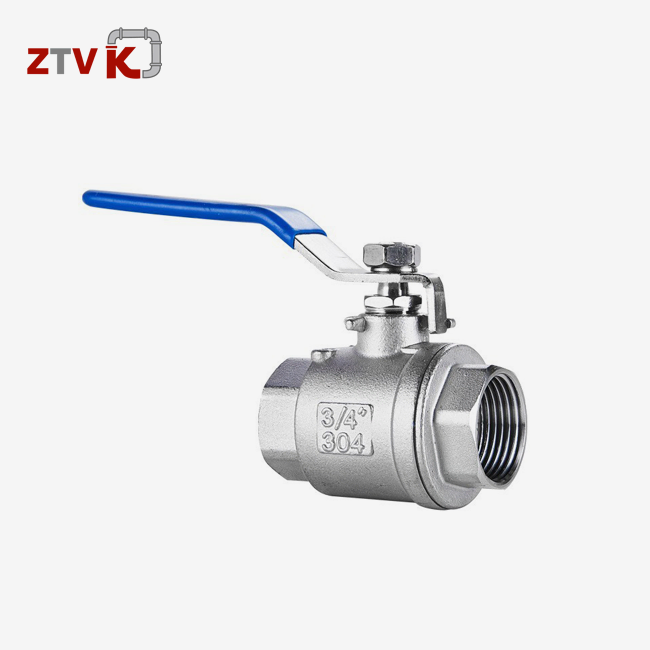
Picking the right material for valves used in HVAC, water systems, or light industrial processes is more than just a technical choice; it's also a business move. A 304 stainless steel ball valve is very good at resisting rust, being strong, and keeping things clean, but it doesn't cost as much as higher-grade metals. The small size and reliable closing of this quarter-turn flow control device make it perfect for transporters and builders who need reliable performance in a wide range of setups. If you choose the right valves and keep them in good shape, they will last for decades and meet foreign standards like ASTM A351 CF8 and FDA requirements for certain uses.
Why 304 Stainless Steel Matters in Valve Manufacturing
Everything is defined by what the stuff is made of. About 18% of 304 stainless steel is chromium, and 8% is nickel. These two metals work together to make a passive oxide layer that stops rusting and localised pitting. With a tensile strength of at least 515 MPa, this austenitic structure makes the metal very tough, even at very low temperatures.
When there is a lot of moisture around, carbon steel valves break quickly. Lead can get into drinkable water sources through brass parts. Both issues are fixed by the 304 grade. It has a density of 7.9 g/cm³ and a freezing point between 1400 and 1450°C, which makes it stable even when the temperature changes. Unlike ferritic steels, it doesn't let magnetic fields pass through it when it's softened, which is important for installations near sensitive equipment.
The valve bodies that we make at ZTVK are made from CF8 grade material that meets ISO and API standards. Before cutting starts, our chemistry research equipment checks the makeup. It's not just quality control; the supply line needs to be stable. When you buy butterfly valves or ball valves from us, the material certificates are real and can be tracked.
Core Performance Benefits That Solve Real Problems
Superior Corrosion Resistance
Water workers for cities always have to deal with a problem: iron-based parts rust within months of standing water and cleaning chemicals. When 304 stainless steel valves are scratched, the chromium oxide layer grows back on its own, protecting the valve for its entire life. This is important for fire safety systems that don't do anything for years but have to start working right away in an emergency.
When washing down equipment used in food and drink, acidic cleaners are used, which break down carbon steel. The surface of our 304 stainless steel ball valve doesn't get worn down after being cleaned in place (CIP) cycles. The smooth finish on the inside keeps germs from growing, so it meets cleanliness standards without needing to be replaced often.
Mechanical Durability and Long Service Life
These valves can handle sudden changes in pressure without breaking because they are both very strong and flexible. The 304 stainless steel ball valves from ZTVK can handle 1000 PSI of pressure and can be used with water, oil, or gas. They can handle temperatures from 60°F to 450°F and can work with both chilled water loops and steam condensate return lines.
When compared to circular disc valves, our double eccentric design cuts the running force by 30%. Because of this technical benefit, the stem seal can last longer than 50,000 rounds. Fewer repair calls directly lead to lower total cost of ownership when you're in charge of hundreds of valves in a city network.
Installation Flexibility and Compatibility
When you use female NPT fittings, they work with all current pipe systems. Because it has a small size, it can be installed in small areas where gate valves won't fit. With quarter-turn action, shutoffs can happen faster in an emergency, which is very important for separating areas while repairs are being done.
Because of the high dust levels that are typical in Middle Eastern locations, we made sure that our valve stems have safe caps. Southeast Asian projects get a covering of epoxy glue that stops rust from forming in wet seaside areas. These changes to the local design are the result of 15 years of feedback from builders and wholesalers who have worked in real environments.
Key Technical Parameters for Informed Selection
Understanding specifications helps you match valves to applications. Here's what matters:
- Pressure Rating: Our standard models handle 1000 PSI (Class 150 equivalent). This covers most municipal and light industrial needs. Higher ratings require thicker walls and different seat materials.
- Temperature Service Range: PTFE seats perform from -60°F to 450°F. RPTFE (reinforced PTFE) extends upper limits but reduces low-temperature flexibility. Match the seat material to your process conditions.
- Connection Types: Female NPT threads dominate North American markets. We also manufacture flanged and welded ends for high-vibration applications where threaded connections might loosen.
- Actuation Readiness: All ZTVK ball valves include ISO 5211 mounting pads for electric or pneumatic actuators. You can start with manual operation and upgrade to automated control without replacing the valve body. This future-proofs your installation as projects grow.
- Material Certifications: Our 304 cast stainless steel valves come with mill test reports showing chromium, nickel, carbon, and trace element content. We provide material traceability that satisfies third-party inspections and project audits.
ZTVK's 304 Stainless Steel Ball Valves vs. Generic Alternatives
Many distributors source 304 stainless steel ball valves from multiple suppliers, encountering inconsistent quality that damages their reputation. Here's how ZTVK addresses common pain points:
- Consistent Wall Thickness: Generic castings often have thin spots that fail under pressure. Our CNC machining centers verify dimensional accuracy before assembly. We reject any body casting with porosity or inclusions visible during ultrasonic testing.
- Seat Sealing Performance: Cheap valves use recycled PTFE that hardens after a few thermal cycles. We source virgin PTFE that maintains elasticity through hundreds of hot-cold transitions. Our pressure testing facility subjects every valve to 1.5x rated pressure before shipment.
- Stem Seal Reliability: Fugitive emissions from leaking stems create safety hazards and regulatory violations. ZTVK uses double O-ring stem seals with graphite backup rings. This design handles thermal expansion without losing seal integrity.
- Delivery Predictability: We maintain a stock of 2000+ standard models (DN50-DN600) in our Tianjin warehouse. Orders ship within 3-7 days. Non-standard customizations take 15-25 days, depending on complexity. Located 50 km from Tianjin Port, we coordinate with COSCO Shipping and Maersk for reliable ocean freight. FOB Tianjin Xingang pricing eliminates surprises.
- OEM/ODM Capabilities: Distributors need branded packaging and customized specifications. We provide your logo on valve bodies, color-coded handles, and multilingual nameplates. Engineering changes—different sealing materials, extended stems, special coatings—happen in our design department without outsourcing delays.
How to Maximize Performance and Longevity
Proper installation prevents 90% of field failures. Here's what experienced contractors know:
- Thread Preparation: Clean female NPT threads with a wire brush before assembly. Apply PTFE tape or paste rated for your operating temperature. Over-tightening cracks valve bodies—stop when hand-tight plus 1.5 turns with a wrench.
- Flow Direction: Most ball valves are bidirectional, but check the arrow cast into the body. Installing backwards can trap debris against the upstream seat, causing leakage.
- Pressure Testing Before Startup: After installation, pressurize the system to 1.25x operating pressure and check for leaks at connections and stem seals. Finding problems during commissioning costs less than emergency shutdowns.
- Operational Practices: Avoid throttling with ball valves. They're designed for full-open or full-closed service. Partial-open positions cause seat wear and vibration. Use butterfly valves or globe valves for flow modulation.
- Maintenance Scheduling: Inspect stem packing annually in high-cycle applications. Look for corrosion at the body-stem junction—this indicates chemical incompatibility or galvanic reaction with dissimilar piping materials. If leakage develops, tightening the packing gland 1/4 turn usually restores the seal without disassembly.
- Winterization: In cold climates, drain valves before freezing temperatures arrive. Trapped water expands and cracks bodies. Install valves with drain plugs at low points where water accumulates.
Application-Specific Benefits Across Industries
Industrial Water Treatment and HVAC Systems
Filtration skids and reverse osmosis units require valves that resist chlorine and pH extremes. The 304 stainless steel ball valve handles these conditions without pitting. Cooling tower systems benefit from the material's resistance to scale buildup, reducing maintenance intervals.
HVAC contractors appreciate the compact size for mechanical room installations where space is limited. The quarter-turn operation simplifies zone isolation during seasonal maintenance.
Food and Beverage Utility Lines
While 316 stainless steel is required for direct food contact with acidic products, 304 valves excel in utility applications. CIP systems, vegetable oil transfer, and washdown lines all use 304 SS valves to maintain hygienic surfaces without the cost premium of molybdenum-bearing alloys.
The smooth internal finish prevents product residue accumulation. This reduces cross-contamination risk and simplifies cleaning validation.
Petrochemical and Light Industrial Processing
Diesel and biodiesel transfer operations choose 304 stainless steel valves for their resistance to hydrocarbon solvents. Agricultural chemical distributors handling fertilizers without high chloride content rely on the material's chemical stability.
The robust stem sealing prevents fugitive emissions that trigger environmental violations. In jurisdictions with strict VOC regulations, proper valve selection avoids costly compliance issues.
Important Purchase and Installation Considerations
Avoid Chloride Environments: 304 stainless steel ball valve suffers stress corrosion cracking in high-chloride environments. Coastal seawater applications and de-icing salt exposure require 316 stainless steel instead. Know your water chemistry before specifying materials.
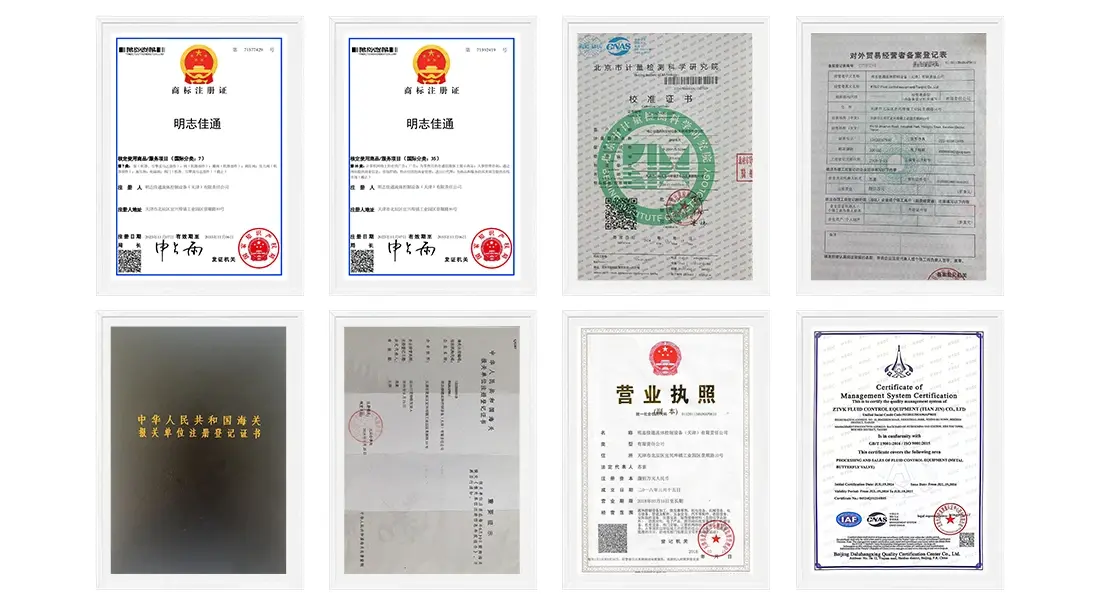
Verify Certification Authenticity: The market contains counterfeit valves marked with false grades. Demand mill test reports with heat numbers traceable to the steel supplier. ZTVK provides these documents with every order and welcomes third-party factory audits.
Match Actuation to Valve Size: Manual operation works well for valves up to 2 inches. Larger sizes benefit from lever extensions or actuators. We help specify the right actuation method based on installation accessibility and operating frequency.
Plan for Thermal Expansion: Stainless steel expands more than carbon steel. Allow for pipe movement in long runs to prevent stress on valve bodies. Use expansion joints or flexible connections where appropriate.
Consider Lead Times for Custom Orders: Standard models ship quickly, but custom engineering takes time. Contact us early in your project planning. Rush service is available with a 20% premium for 7-10 day delivery on urgent projects.
Why Distributors and Contractors Choose ZTVK
We understand the pressure you face. Project deadlines don't wait for delayed shipments. Quality failures damage your reputation. Pricing instability ruins bid accuracy.
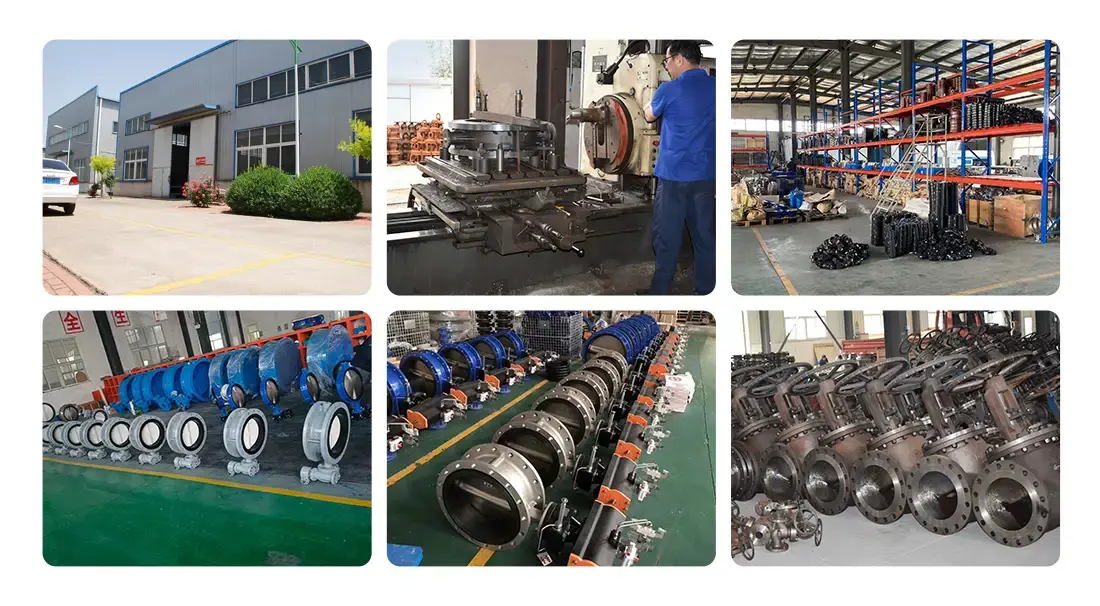
Our Tianjin facility holds ISO9001, ISO14001, and OHSAS18001 certifications. Modern machining centers and CNC lathes produce components to tight tolerances. Material inspection and chemical analysis labs verify every heat of steel. Pressure testing catches defects before shipment.
We've served global distributors and contractors for over 15 years. Our engineering team provides free CAD drawings and 3D models during selection. The 18-month warranty covers non-human-caused failures with free replacements. Installation videos and troubleshooting manuals come standard. Scan codes on valve bodies link to digital product files and test reports.
Located in Beichen District near major industrial zones, we combine manufacturing efficiency with port proximity. Land transport to Tianjin Port takes one hour. Wooden crate packaging with moisture-proof film meets ISPM 15 standards, avoiding customs detention.
Whether you need 50 valves for a municipal water project or 5000 pieces for regional distribution, we scale production to match your requirements. OEM branding, custom packaging, and engineering modifications happen in-house without delays from external suppliers.
FAQ
Q1: Can 304 stainless steel ball valves handle seawater applications?
A: No, seawater contains high chloride concentrations that cause pitting and stress corrosion cracking in 304 stainless steel. Use 316 stainless steel for saltwater environments. The molybdenum content in 316 provides necessary chloride resistance. We manufacture both grades and can help specify the correct material for your application.
Q2: What's the difference between cast and forged stainless steel valves?
A: Cast valves use molten metal poured into molds, creating complex shapes economically. Forged valves are machined from solid bar stock, offering superior grain structure and strength. For most industrial applications under 1000 PSI, cast 304 stainless steel valves provide adequate performance at a lower cost. High-pressure services above 2000 PSI benefit from forged construction.
Q3: How do I know if my existing valve is really 304 stainless steel?
A: Request material certifications showing chemical composition. A magnet test provides a quick check—304 stainless steel is non-magnetic in its annealed state. If a magnet sticks strongly, the valve is likely ferritic steel with chrome plating, not true stainless steel. Portable XRF analyzers give accurate composition readings in seconds. Always verify materials on critical applications.
Partner with a Trusted Stainless Steel Valve Manufacturer
Looking for a reliable 304 stainless steel ball valve supplier who understands the demands of international distribution? ZTVK delivers the combination of technical capability, manufacturing capacity, and supply chain efficiency that valve distributors and contractors require. Our Tianjin facility produces industrial 304 stainless steel ball valves with consistent quality, complete documentation, and delivery schedules you can depend on. Contact our team at ktec86961886@163.com to discuss your specific requirements, request technical specifications, or arrange a factory audit.
References
1. American Society for Testing and Materials. (2021). ASTM A351: Standard Specification for Castings, Austenitic, for Pressure-Containing Parts. West Conshohocken: ASTM International.
2. British Stainless Steel Association. (2020). Stainless Steel in the Food and Beverage Industry: Material Selection Guidelines. Sheffield: BSSA Technical Publications.
3. Gupta, S.K. (2019). Valve Selection Handbook: Engineering Fundamentals for Process Control. Oxford: Elsevier Engineering Press.
4. Schweitzer, Philip A. (2018). Metallic Materials: Physical, Mechanical, and Corrosion Properties. Boca Raton: CRC Press.
5. Smith, Peter R. & Zappe, R.W. (2017). Valve Selection and Specification Guide for the Process Industries. Houston: Gulf Professional Publishing.
6. Tianjin Industrial Standards Bureau. (2022). Quality Control Practices for Valve Manufacturing in Northern China. Tianjin: Municipal Technical Documentation Center.
Send us your valve requirements and our team will provide professional solutions and fast quotations.
RELATED INDUSTRY KNOWLEDGE