- English
- French
- German
- Portuguese
- Spanish
- Russian
- Japanese
- Korean
- Arabic
- Greek
- German
- Turkish
- Italian
- Danish
- Romanian
- Indonesian
- Czech
- Afrikaans
- Swedish
- Polish
- Basque
- Catalan
- Esperanto
- Hindi
- Lao
- Albanian
- Amharic
- Armenian
- Azerbaijani
- Belarusian
- Bengali
- Bosnian
- Bulgarian
- Cebuano
- Chichewa
- Corsican
- Croatian
- Dutch
- Estonian
- Filipino
- Finnish
- Frisian
- Galician
- Georgian
- Gujarati
- Haitian
- Hausa
- Hawaiian
- Hebrew
- Hmong
- Hungarian
- Icelandic
- Igbo
- Javanese
- Kannada
- Kazakh
- Khmer
- Kurdish
- Kyrgyz
- Latin
- Latvian
- Lithuanian
- Luxembou..
- Macedonian
- Malagasy
- Malay
- Malayalam
- Maltese
- Maori
- Marathi
- Mongolian
- Burmese
- Nepali
- Norwegian
- Pashto
- Persian
- Punjabi
- Serbian
- Sesotho
- Sinhala
- Slovak
- Slovenian
- Somali
- Samoan
- Scots Gaelic
- Shona
- Sindhi
- Sundanese
- Swahili
- Tajik
- Tamil
- Telugu
- Thai
- Ukrainian
- Urdu
- Uzbek
- Vietnamese
- Welsh
- Xhosa
- Yiddish
- Yoruba
- Zulu
Wafer or butterfly valves: characteristics and materials
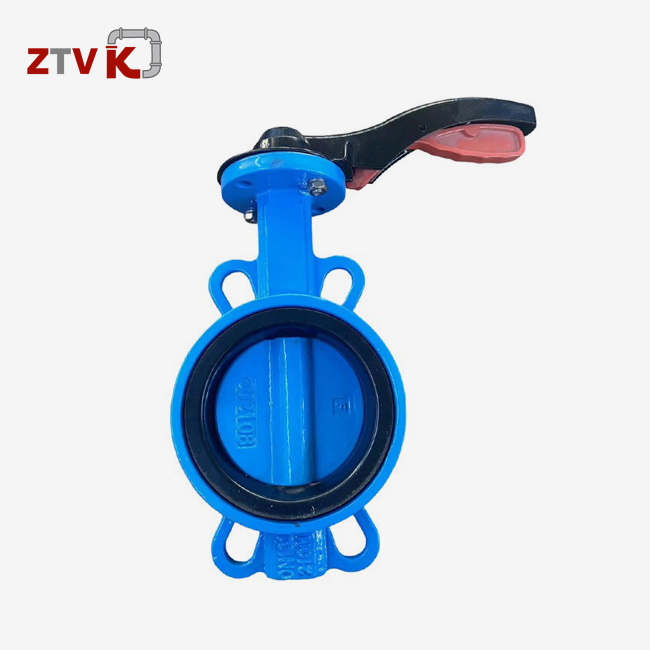
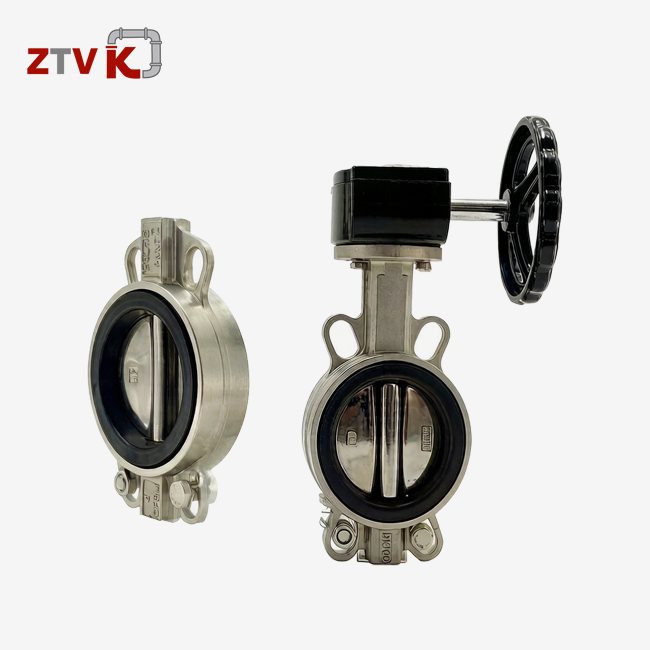
These days, wafer or butterfly valves are very important parts of fluid control systems. The wafer body butterfly valve is especially useful across a wide range of industries. These valves are small and have a rotating disc that controls flow with a quarter-turn operation. This makes them perfect for installations with limited room. The wafer shape lets the valve fit between two pipe flanges, so there's no need for extra mounting hardware. The valve still does a great job of sealing in all kinds of operating situations.
Understanding Wafer Body Butterfly Valves: Characteristics and Design
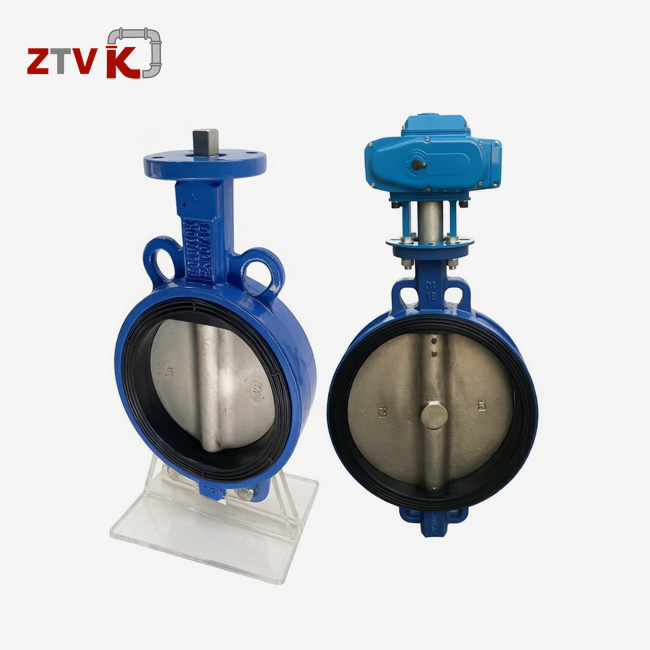
One of the main ideas behind wafer butterfly valves is that their simple form makes the best use of space and improves the flow characteristics. These valves have a disc inside a valve body that sits between two pipeline flanges and spins on a central shaft. The wafer style doesn't have any bolt patterns that stick out, so it has a smaller footprint than standard flanged designs.
Structural Features and Operational Principles
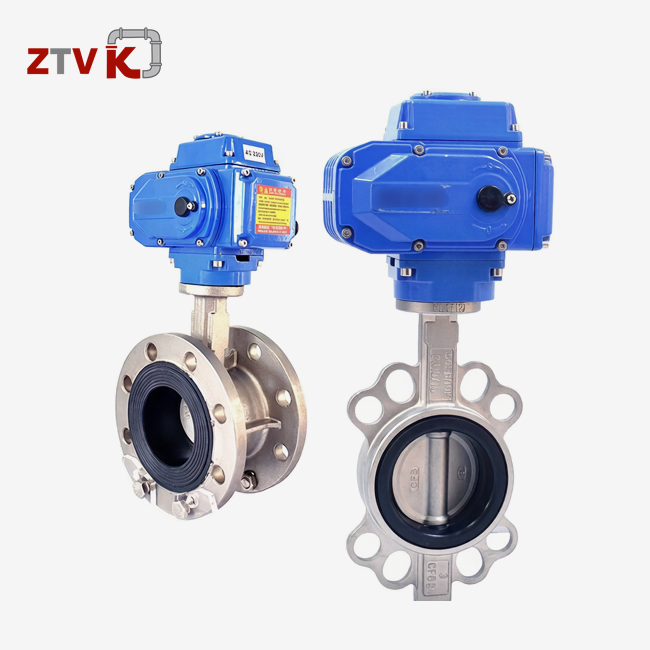
The main structure of these valves is made up of several important parts that work together to control movement reliably. The valve body, which is usually made of ductile iron (DI/QT450), holds the rotating disc assembly and is the main pressure limit. Depending on the purpose, the disc can be made of ductile iron, CF8, CF8M stainless steel, or aluminium bronze, which is more resistant to corrosion.
The working concept is based on a quarter-turn mechanism that moves the disc from fully open to fully closed. When the disc is open, it lines up with the flow direction, which reduces pressure drop and turbulence. When the valve is closed, the disc turns so that it is not moving with the flow. This makes a tight seal against the valve seat. This simple but effective design cuts down on the number of moving parts, which makes it more reliable and lowers the need for upkeep.
Material Selection for Optimal Performance
The choice of material is very important for how well and how long a valve works. EPDM, NBR, PTFE, and VITON are some of the materials that can be used for seats. Each has its own benefits for different uses. EPDM chairs work great in water service because they are resistant to chemicals and don't change much in temperature up to 120°C. PTFE seats work better with aggressive media because they are more chemically compatible, and VITON seats work better in high-temperature settings up to 200°C.
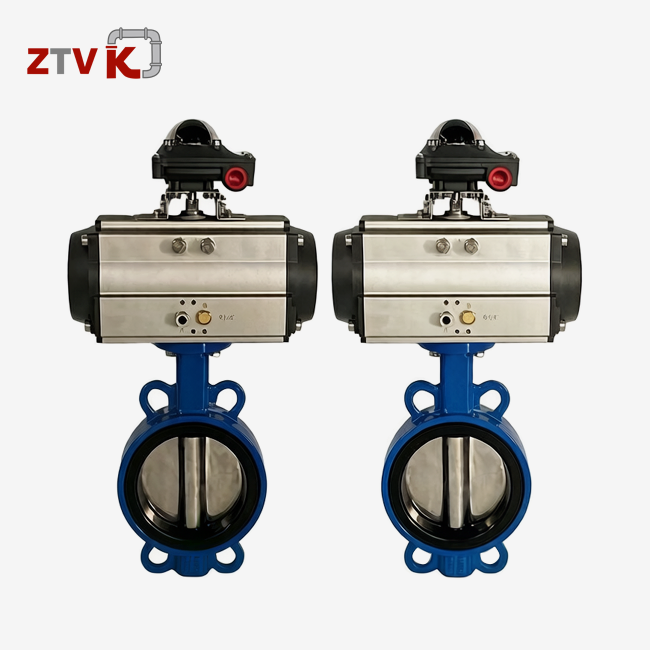
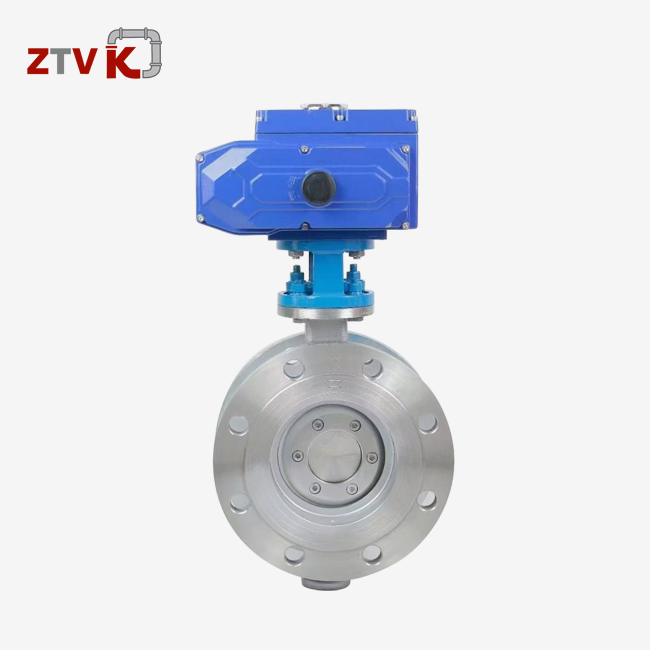
Different ways of activating the wafer body butterfly valve design are possible, such as using hand levers for manual operation, worm gear mechanisms for lower working torque, pneumatic actuators for automatic control, and electric actuators for precise positioning. Because of this, end users can choose the best actuation method for their needs based on their unique automation and operational needs.
Comparing Wafer Body Butterfly Valves with Other Valve Types
Learning the differences between the different configurations of valves helps procurement workers make smart choices that meet the needs of their applications and stay within their budgets.
Structural Distinctions and Installation Requirements
The way that wafer butterfly valves and lug-type butterfly valves are mounted is very different. Lug valves have threaded inserts that let you place them with separate bolts for each flange. Wafer valves, on the other hand, need through-bolts that go through the whole assembly. This difference in form affects how easily the valve can be installed. Lug valves are better in dead-end service situations where one side of the pipe may need to be taken out.
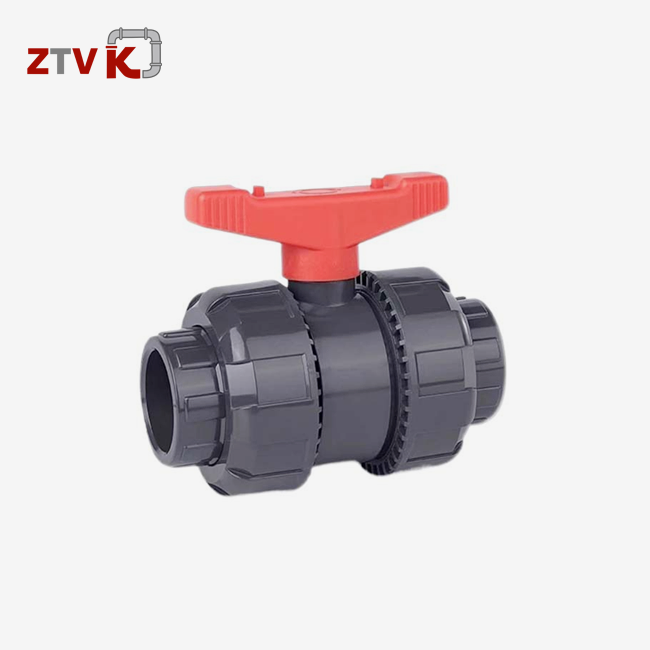
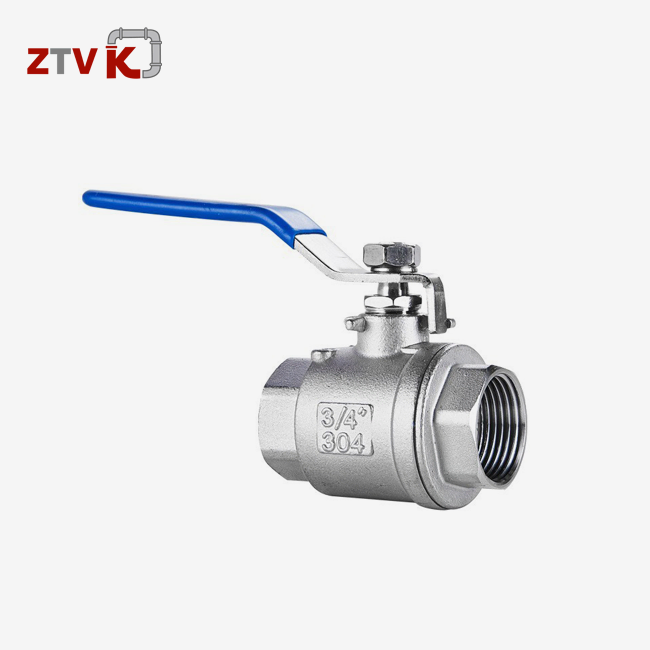
When fully open, butterfly valves have better flow qualities and lower pressure drops than ball valves. Ball valves are great for tight shutoff situations, but they usually need more room to be installed and more torque to work. There is a great middle ground in the wafer body butterfly valve, which provides consistent shutoff performance while keeping its small size and light weight.
Operational Performance and Cost Considerations
The cost savings of chip butterfly valves become clear when you look at the total cost of ownership. Their lightweight lowers the cost of shipping and makes them easier to handle during installation. The simplified design uses less material, which helps keep prices low while keeping the structure strong for pressure levels up to PN16.
The accuracy of flow control varies between valve types. Butterfly valves are great for slowing down because of the way they naturally handle flow. Because the disc position changes the flow in a consistent way, these valves can be used for both isolation and control. The simple design means that it doesn't need much maintenance. Changing the seat is the only service that the valve really needs over its whole working life.
Applications and Advantages of Wafer Body Butterfly Valves
Because wafer butterfly valves are so flexible, they are used in a wide range of industries. Their unique set of performance traits helps solve specific operational problems.
Industrial Applications and Environmental Resilience
For their ability to fight corrosion and seal well, these valves are widely used in water treatment plants. The valves' small size makes them easy to place in pump stations and treatment plants that don't have a lot of space. This is good for municipal water systems because they can handle large flows with little pressure loss. Different types of infrastructure can use the sizes that are available, which run from 1.5" to 48" (DN40 to DN1200 mm).
The material compatibility choices are used in chemical processing, especially PTFE-lined seats for tough chemical service in a wafer-type butterfly valve. The wafer body butterfly valve design keeps media from building up in the valve spaces, which keeps the product pure during batch processing. The pharmaceutical and food processing industries like the sanitary design features, such as how the smooth interior surfaces stop germs from growing and make cleaning easier.
These valves are used a lot in HVAC systems for both heating and cooling water. The low operating torque makes it easy to automate with electric or pneumatic actuators, which helps building control systems use less energy. The valves can handle high flow rates and provide accurate flow modulation for temperature control, which is useful for district cooling installations.
Operational Advantages and Efficiency Benefits
Wafer butterfly valves have many benefits, not just lower costs at first. They also help with operations in the long run. Because they are so useful in business settings, these valves have the following main benefits:
- Saves space: The small wafer form takes up up to 40% less room for installation than flanged options, which lets you set up pipes in more ways.
- Less weight: lighter construction means less structural support is needed and less trouble with installation.
- Fast action: Quarter-turn action lets the valves cycle quickly, which speeds up the system's response time.
- Low Torque Needs: An efficient disc design cuts down on the size of the actuator and the amount of energy it uses.
- Two-way Flow: The symmetrical design lets you place it in either direction of flow, which makes managing your inventory easier.
Because these benefits reduce installation time, maintenance needs, and system inefficiencies, they directly lead to lower operating costs. These valves are being used more and more in a wide range of industry settings because they depend on reliable performance and save money.
Procurement Guide for Wafer Body Butterfly Valves
To make sure you get the best valves and the best performance, you need to carefully look at technical specs, the supplier's abilities, and long-term assistance issues.
Technical Specifications and Quality Standards
To do effective procurement, you must first clearly define the application needs, such as the working pressure, temperature range, and media compatibility. Standard pressure ratings of PN10 and PN16 cover most basic industrial uses. Connection standards like ISO5211, JIS5K/10K/16K, and ANSI 125LB/150LB make sure that the new equipment can work with the old equipment.
Quality approvals are an important way to make sure that products are made to the right standards and are reliable. ISO9001 certification shows that quality control systems are in place, and API 598 standards-based pressure testing makes sure that the product works without any leaks. Certifications of materials check their chemical make-up and mechanical properties, which is especially important for high-stakes service uses.
When choosing a wafer body butterfly valve, the process should take into account what the business will need in the future, such as the need for automation. When actuator mounting options (ISO5211 interface) are built into valves, they can be upgraded in the future without having to replace the valves. This gives you long-term flexibility and saves you money.
Supplier Evaluation and Partnership Considerations
When evaluating a supplier, you should look at their manufacturing skills, quality processes, and support infrastructure. Manufacturers that have been around for a while usually offer more professional support, such as application engineering help and the ability to make changes. Being close to important shipping ports can have a big effect on delivery times and costs, especially for large orders.
Order fulfilment efficiency is directly affected by how much can be produced and how well it can be managed. Suppliers who keep a lot of stock on hand can shorten lead times for standard setups, and suppliers who offer custom manufacturing can make changes that are specific to a project. The quality of the warranty coverage and after-sales help shows that the supplier trusts the reliability of the product and wants the customer to be happy.
Conclusion
For modern industrial fluid control applications, wafer butterfly valves offer the best mix of performance, cost, and flexibility. Because they are small, stable, and can be made from a variety of materials, they can be used in many fields, from chemical processing to treating water. The wide range of materials, sizes, and actuation choices makes it possible to meet the needs of most applications while also guaranteeing long-term dependability. A successful procurement relies on carefully crafting specifications, carefully evaluating suppliers, and taking into account factors that affect the total cost of ownership that go beyond the initial purchase price.
FAQ
Q1: What are the main installation differences between wafer and lug-type butterfly valves?
Wafer valves require through-bolts spanning the entire valve assembly, making them suitable for applications where both flanges remain permanently connected. Lug valves feature threaded inserts allowing independent flange bolting, enabling dead-end service where one pipeline section may require removal for maintenance.
Q2: Which seat materials work best for chemical applications?
PTFE seats offer the broadest chemical compatibility, handling most acids, bases, and solvents at temperatures up to 200°C. VITON provides excellent performance with hydrocarbons and aggressive chemicals at elevated temperatures. EPDM suits water-based applications and mild chemicals, while NBR works well with petroleum products and moderate chemical concentrations.
Q3: How can valve longevity be maximised while minimising maintenance costs?
Regular seat inspection and timely replacement prevent damage to sealing surfaces and ensure continued leak-tight performance. Proper actuator sizing prevents over-torquing that can damage seats or stems. Operating within specified pressure and temperature limits maintains material integrity, while periodic lubrication of stem bearings reduces wear and operating torque.
Partner with ZTVK for Premium Wafer Body Butterfly Valve Solutions
ZTVK stands as your trusted wafer body butterfly valve manufacturer, delivering exceptional quality and reliability from our Tianjin manufacturing facility. Our ISO9001-certified production processes ensure consistent quality across our complete size range from DN40-DN1200 mm, with inventory exceeding 2000 units for rapid delivery. We offer comprehensive customisation, including OEM branding, material modifications, and actuator integration to meet your specific requirements. Our proximity to Tianjin Port enables efficient global shipping, while our 18-month warranty and dedicated technical support provide complete peace of mind. Contact our expert team at ktec86961886@163.com to discuss your valve requirements and discover how our proven solutions can optimise your operations.
References
1. American Petroleum Institute. "API 609: Butterfly Valves - Double Flanged, Lug- and Wafer-Type." American Petroleum Institute Standards, 2019.
2. International Organisation for Standardisation. "ISO 5752: Metal valves for use in flanged pipe systems - Face-to-face and centre-to-face dimensions." ISO Technical Committee, 2021.
3. Manufacturers Standardisation Society. "MSS SP-67: Butterfly Valves." MSS Standard Practices, 2020.
4. American Society of Mechanical Engineers. "ASME B16.34: Valves - Flanged, Threaded, and Welding End." ASME International, 2022.
5. Valve Manufacturers Association. "Industrial Valve Materials and Design Standards for Chemical Process Applications." VMA Technical Publications, 2023.
6. Flow Control Network. "Butterfly Valve Selection and Application Guidelines for Industrial Systems." Industrial Press Technical Manual, 2023.
Send us your valve requirements and our team will provide professional solutions and fast quotations.