- English
- French
- German
- Portuguese
- Spanish
- Russian
- Japanese
- Korean
- Arabic
- Greek
- German
- Turkish
- Italian
- Danish
- Romanian
- Indonesian
- Czech
- Afrikaans
- Swedish
- Polish
- Basque
- Catalan
- Esperanto
- Hindi
- Lao
- Albanian
- Amharic
- Armenian
- Azerbaijani
- Belarusian
- Bengali
- Bosnian
- Bulgarian
- Cebuano
- Chichewa
- Corsican
- Croatian
- Dutch
- Estonian
- Filipino
- Finnish
- Frisian
- Galician
- Georgian
- Gujarati
- Haitian
- Hausa
- Hawaiian
- Hebrew
- Hmong
- Hungarian
- Icelandic
- Igbo
- Javanese
- Kannada
- Kazakh
- Khmer
- Kurdish
- Kyrgyz
- Latin
- Latvian
- Lithuanian
- Luxembou..
- Macedonian
- Malagasy
- Malay
- Malayalam
- Maltese
- Maori
- Marathi
- Mongolian
- Burmese
- Nepali
- Norwegian
- Pashto
- Persian
- Punjabi
- Serbian
- Sesotho
- Sinhala
- Slovak
- Slovenian
- Somali
- Samoan
- Scots Gaelic
- Shona
- Sindhi
- Sundanese
- Swahili
- Tajik
- Tamil
- Telugu
- Thai
- Ukrainian
- Urdu
- Uzbek
- Vietnamese
- Welsh
- Xhosa
- Yiddish
- Yoruba
- Zulu
Causes and Solutions for Faults in Pneumatic Control Butterfly Valve
Pneumatic control butterfly valves play a critical role in managing flow within industrial pipelines, offering fast response and reliable operation across water treatment, HVAC, petrochemical, and municipal engineering applications. When faults occur—such as incomplete valve opening or closing, air leakage from actuators, unusual noises during operation, or slow and sticking movements—production efficiency suffers, project timelines slip, and safety risks escalate. These malfunctions typically originate from actuator component failures, damaged valve discs or seats, inconsistent air supply pressure, or improper installation practices. Understanding the root causes and applying targeted solutions ensures optimal valve performance, reduces costly downtime, and maintains system integrity across demanding industrial environments.
Common Faults in Pneumatic Control Butterfly Valves
Operational faults in pneumatic-actuated butterfly valves disrupt system reliability and threaten project deadlines. Recognizing the most frequent failure modes helps engineers and procurement managers anticipate challenges and implement faster diagnostic protocols.
Incomplete Valve Opening or Closing
Flow control isn't effective when a gas butterfly valve can't go all the way open or all the way closed. This fault generally means that the actuator force isn't strong enough, the disc and valve body aren't lined up right, or something is blocking the disc's path of spin. Sometimes, the actuator doesn't have enough torque safety cushion, especially when working with fluids that are thick or when the pressure difference is very high. Disc movement is limited even more by valve body rust or seat material degradation, especially in systems that move acidic chemicals or rough slurries.
Air Leakage from Actuator Components
If air is leaking out of the actuator's breather ports or gas line links, it means that a seal has failed inside the actuator piston assembly. Over time, internal O-rings and diaphragm seals break down because of changing loads, high temperatures, or moisture and particles in the compressed air supply. Air loss lowers the force of the actuator, slows down the reaction time, and causes compressed air to be lost, all of which raise the cost of operation. In spring-return motors, broken seals make fail-safe features less effective, which can be dangerous in emergency stop situations.
Unusual Noises and Vibrations During Operation
If you hear rattling, grinding, or clicking sounds when the valve cycles, it means that there are problems with the mechanical parts, cavitation, or water hammer. When stem bolts are too loose, bushings are worn out, or there is too much space between the disc and stem, the disc can move around without being managed. Cavitation happens when the valve is open less than 30°, letting vapour bubbles form and then collapsing against the valve sides, speeding up erosion. Water hammer happens when a valve closes quickly without being able to control its speed properly. This causes shock waves that damage pipes and the inside of the valve.
Slow Response or Sticking Movements
Precision in process control in pneumatic control butterfly valve is lost when valves don't open or close on time or get stuck sometimes. This problem usually happens when the air supply pressure is too low, gas screens get stuck, or moving parts don't have enough oil on them. Stems that are corroded, seals that are hardened, or fitting surfaces that aren't lined up right between the actuator and valve body can also make motion less smooth. When it's cold outside, condensation in gas lines freezes, stopping the flow of air and stopping motors from moving. Sticking problems are made worse by things in the environment, like dust building up in the actuator chamber or chemical layers on the stem.
Analyzing Root Causes of Pneumatic Butterfly Valve Faults
Effective troubleshooting demands a systematic evaluation of mechanical, pneumatic, environmental, and operational factors that contribute to valve malfunctions.
Mechanical Wear and Component Degradation
When you cycle over and over, the parts of your valves get worn out. Wear and tear happen over time to actuator piston seals, stem packing glands, and disc bearings, making the sealing less effective and increasing friction. Ductile iron valve bodies are cheap, but they rust when they come into contact with acidic or salty media without the right coverings to protect them. Epoxy-coated ductile iron discs make them less likely to rust, but the coating can still come off in rough circumstances. If you change the stems and discs to SS304, SS316, or duplex stainless steel, they will last longer in harsh settings because they don't pit or crack from stress rust.
Pneumatic System Failures
Air flow quality has a direct effect on how well an actuator works. Pneumatic parts are damaged by moisture, oil residue, and dust pollution. If filters get clogged, air lines are too small, or the pressure control stops working right, motors won't get enough power. Quick exhaust valves that leak or solenoid valves that don't work right slow down the reaction or make the vehicle act in strange ways. If the air pressure in both cylinders of a double-acting actuator isn't equal, the actuator won't be able to stroke fully. Spring-return devices need steady air pressure to counter the force of the spring; if the pressure is too low, the valve won't fully open.
Environmental and Operational Influences
When operating conditions are different from the plan limits, parts fail more quickly. Extreme temperatures between -29°C and +120°C break down elastomer seals. NBR, EPDM, Viton, and silicone rubber all have different chemical and temperature limits. Places with a lot of wetness make internal rust and seal swelling more likely. Vibration from nearby fans or pumps can loosen bolts and throw off the alignment of parts. Fluids that are corrosive damage valve bodies and discs, and slurries that are rough wear away sealing surfaces. When temperatures change a lot, materials expand and contract, which can cause gaskets to fail and joints to leak.
Installation and Selection Errors
Operational stress is caused by the wrong valve size, the wrong direction, or not enough support structures. When you install wafer-type valves without properly tightening the bolts, they get out of line and leak. The structure is more stable with lug and U-type clamp fittings, which means the valve body is under less mechanical stress. If you choose valves with low pressure ratings, like PN6 or PN10, when the system pressure gets close to Class 150, they will fail before they should. Not paying attention to the flow direction marks or not installing upstream strainers lets trash into the valve mechanism. If the actuator fitting doesn't meet ISO 5211 guidelines, the force can't be sent correctly, which can lead to slipping or stalling.
Effective Solutions and Maintenance Strategies
Proactive maintenance and timely intervention in pneumatic control butterfly valve extend valve service life, minimize downtime, and reduce total cost of ownership for industrial valve distributors and end users.
Implementing Regular Inspection and Preventive Maintenance
Scheduled inspections every six to twelve months detect early signs of wear and prevent catastrophic failures. Visual checks should cover actuator housing for cracks, air line connections for leaks, and valve body for corrosion or coating damage. Functional testing verifies full stroke operation, measures response time, and confirms proper sealing. Lubricating stem threads and bearings with appropriate grease reduces friction and prevents sticking. Replacing worn packing glands and O-rings before failure occurs avoids unplanned shutdowns. Cleaning pneumatic filters and draining moisture from air receivers maintains air quality. Documenting inspection findings and maintenance actions supports trend analysis and informs procurement decisions.
Here are the core benefits of structured maintenance programs:
- Extended Equipment Lifespan: Routine lubrication and seal replacement reduce wear rates, pushing valve life beyond 50,000 cycles.
- Reduced Downtime: Early fault detection prevents emergency repairs that disrupt production schedules and delay project milestones.
- Cost Savings: Preventive maintenance costs less than emergency replacements and minimizes the inventory holding of spare valves.
These advantages directly address the pain points faced by HVAC contractors, municipal engineering firms, and industrial distributors who prioritize reliable supply chains and consistent product quality.
Troubleshooting Common Faults with Diagnostic Procedures
Systematic tests speed up the solving of problems when they happen. Checking the air supply pressure, the position of the actuator fitting, and the torque capacity against the application requirements are all necessary if the valve movement isn't complete. If air leaks out of breather holes, the actuator needs to be taken apart and a new seal kit installed. If you hear strange noises while the machine is running, you should check for loose bolts, cavitation, or water hammer effects. Changing the closing speed with exhaust flow restrictors lowers the shock. If the reaction time is slow, you should check for air line limits, filter dust, and greasing of the stem. By comparing real performance to design specs, problems with valve size or actuator choice can be found. This can help with fixing the problem or getting new equipment.
Deciding Between Repair and Replacement
Valve health review helps with making business decisions. Fixing small problems like worn seals, packing leaks, or broken actuator diaphragms is okay, especially if the valves still work for the job. Using original parts to refurbish something improves its performance for a lot less than the cost of replacing it. If the body corrodes badly, the stems crack, or the disc wears away too much, it needs to be replaced completely. The importance of the application also plays a role in the decision-making process. For example, valves in emergency stop systems or fire protection circuits need to be replaced at low levels to keep them reliable. Access to extra parts and help from suppliers affects practicality. Partnering with makers that offer full-service networks and fast parts delivery cuts down on downtime.
Upgrading Materials and Control Systems for Enhanced Durability
Choosing materials that don't corrode when you're first buying them keeps them from failing too soon. Ductile iron bodies with an epoxy finish can be used in a wide range of water and HVAC tasks. Discs and stems made of SS316 and duplex stainless steel can handle harsh chemicals in industrial and wastewater treatment plants. The aluminium metal trim can handle saltwater and brine, making it perfect for naval and irrigation systems. Different types of seat materials—NBR for general use, EPDM for hot water, Viton for hydrocarbons, and silicone rubber for steam—need to be able to handle different types of fluids and temperatures. When you switch to electro-pneumatic positioners, you can precisely change the flow and add valves to automatic control systems that make the process more efficient and use less energy.
Comparing Pneumatic Control Butterfly Valves with Alternative Valve Technologies
Selecting the optimal valve technology requires balancing performance, cost, and maintenance considerations specific to each application.
Pneumatic vs. Electric Actuated Butterfly Valves
Pneumatic actuators deliver faster stroke speeds and higher force-to-weight ratios than electric actuators, making them preferable for rapid on-off service and fail-safe applications. Compressed air infrastructure already exists in most industrial plants, reducing capital investment. Electric actuators offer superior position control precision, beneficial for modulating duty cycles, but require electrical cabling and higher initial costs. Maintenance requirements differ—pneumatic systems need air quality management, while electric systems demand motor and gearbox servicing. Energy efficiency favors pneumatics when compressed air is readily available, whereas electric systems reduce operating costs in plants lacking air infrastructure.
Pneumatic Butterfly Valves vs. Ball Valves
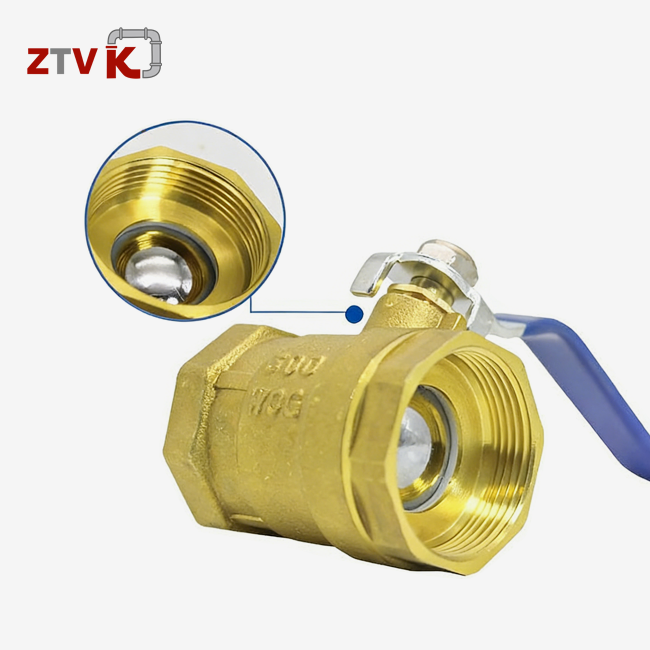
Butterfly valves provide lower pressure drop and lighter weight than ball valves, reducing installation costs and energy consumption. Disc design enables compact installation in space-constrained piping. Ball valves offer tighter shutoff and better resistance to abrasive media, but weigh more and require higher actuator torque. Cost comparisons favor butterfly valves for large diameters—DN600 to DN2400—where ball valve economics become prohibitive. Applications demanding zero-leakage shutoff or bidirectional flow control may justify ball valve selection despite higher costs.
Double-Acting vs. Spring-Return Actuators
Double-acting actuators utilize air pressure on both sides of the piston, delivering equal force in both directions and enabling faster cycle times. Spring-return actuators incorporate mechanical springs that drive the valve to a predetermined fail-safe position upon air loss, critical for safety shutdown systems. Double-acting designs suit normal process control without fail-safe requirements, offering lower cost and simpler maintenance. Spring-return actuators add weight, complexity, and cost but provide essential protection in fire suppression, emergency isolation, and hazardous material containment applications. Choosing between configurations hinges on safety regulations, process criticality, and risk tolerance.
How to Choose Reliable Pneumatic Control Butterfly Valve Suppliers
Supplier selection in pneumatic control butterfly valve directly impacts valve reliability, project success, and long-term operational costs. Procurement teams benefit from rigorous evaluation across multiple criteria.
Evaluating Supplier Reputation and Certifications
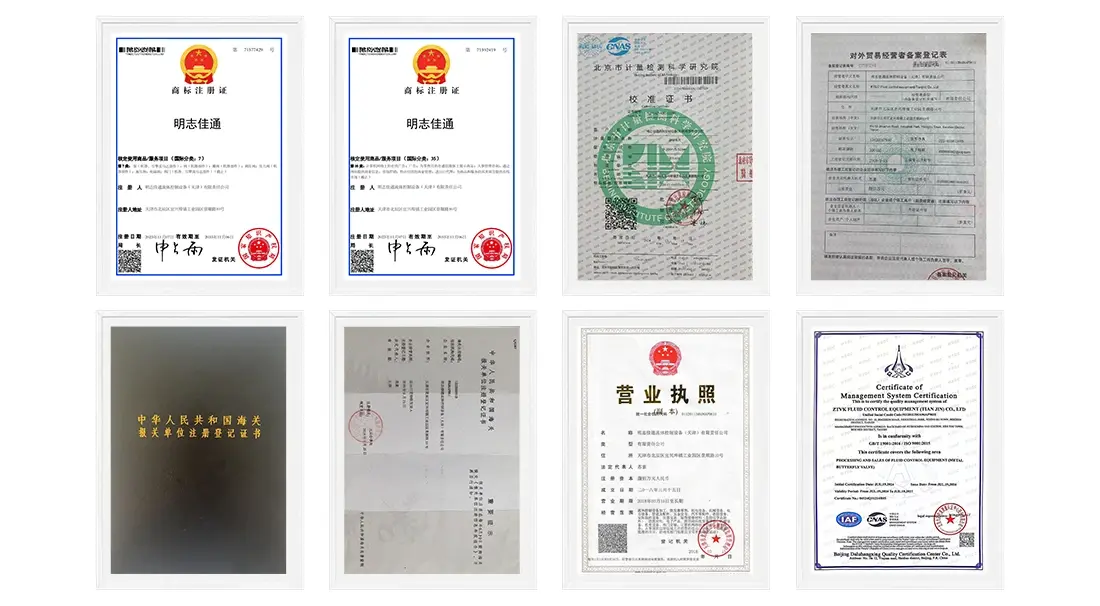
Established manufacturers with ISO9001, API, ANSI, DIN, and AWWA certifications demonstrate adherence to international quality standards. Third-party audits verify production consistency and material traceability. Supplier longevity in the market signals stability and technical competence. Customer references from similar industries provide insights into product performance and service responsiveness. Manufacturers supporting OEM branding and custom packaging meet the needs of valve distributors seeking to differentiate their product offerings.
Assessing Product Range and Customization Capabilities
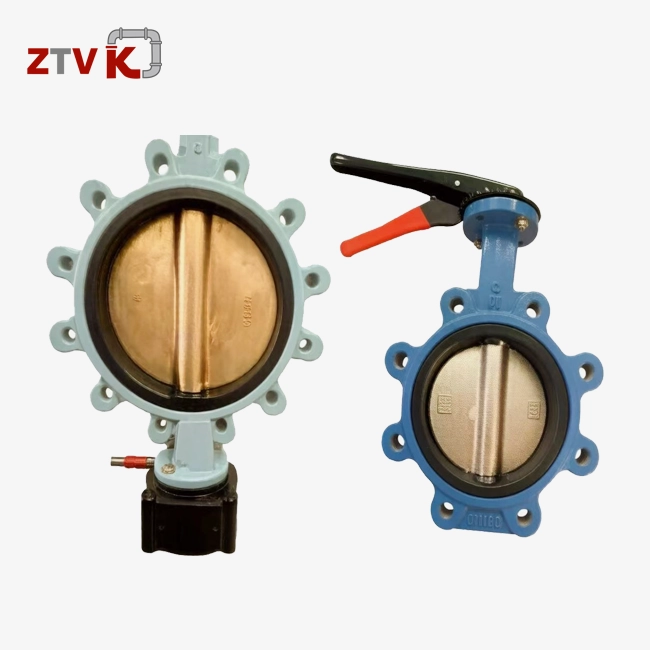
Suppliers offering comprehensive port size ranges—DN32 to DN2400—and pressure ratings from PN6 to Class 150 accommodate diverse project specifications. Material flexibility, including ductile iron bodies, stainless steel trims, and various seat elastomers, allows tailored solutions for specific media and temperature conditions. Design standards compliance—API, DIN, ASME, ISO, ANSI, GB/T, BS EN, AWWA—ensures compatibility with global project requirements. Connection options such as wafer, lug, and U-type flange support various installation preferences and structural needs.
Verifying After-Sales Support and Spare Parts Availability
Comprehensive warranty terms, ideally 18 months covering non-human-caused defects, protect procurement investments. Access to genuine replacement parts—seals, stems, discs, and actuator components—prevents prolonged downtime. Suppliers providing installation guidance videos, troubleshooting manuals, and technical consultation empower maintenance teams to resolve issues quickly. Local service networks or partnerships offering on-site support reduce response times in critical situations. Digital tools such as QR codes linking to product files, test reports, and maintenance records enhance transparency and traceability.
Considering Logistics and Inventory Planning
Lead times influence project scheduling and inventory costs. Suppliers maintaining stock of standard models enable rapid delivery within three to seven days, mitigating supply chain disruptions. Custom orders typically require 15 to 25 days; clarifying production cycles during procurement planning avoids delays. Proximity to major ports—such as Tianjin Xingang—facilitates efficient sea freight and reduces shipping costs. Flexible order quantities, from single units to bulk shipments, accommodate both small replacement needs and large project procurement. Packaging compliant with ISPM 15 standards prevents customs detention and ensures intact product arrival.
Conclusion
Pneumatic butterfly valve faults disrupt operations, increase costs, and jeopardize project timelines. Understanding common failure modes—incomplete actuation, air leakage, noises, and sticking—enables faster diagnosis. Root causes span mechanical wear, pneumatic system issues, harsh environments, and installation errors. Effective solutions include regular maintenance, diagnostic troubleshooting, material upgrades, and informed decisions between repair and replacement. Comparing pneumatic valves with alternatives clarifies technology suitability. Selecting reliable suppliers based on reputation, certifications, product range, and after-sales support minimizes risks and ensures long-term performance across diverse industrial applications.
FAQ
1. How often should pneumatic control butterfly valves be inspected?
Inspection frequency depends on operating conditions and application criticality. General industry practice recommends visual checks and functional testing every six to twelve months. High-cycle applications, corrosive environments, or safety-critical systems benefit from quarterly inspections. Maintenance schedules should align with plant shutdown intervals to minimize production disruption. Documentation of inspection findings supports predictive maintenance strategies.
2. Can maintenance alone prevent all pneumatic butterfly valve faults?
Regular maintenance significantly reduces fault occurrence but cannot eliminate all risks. Environmental stresses, such as extreme temperatures or corrosive media, accelerate component degradation despite diligent upkeep. Installation errors and improper valve sizing create operational challenges beyond the maintenance scope. Sourcing high-quality valves from reputable suppliers and ensuring correct application specification forms the foundation of reliable performance, complemented by proactive maintenance practices.
3. What are typical lead times for pneumatic butterfly valve orders?
Standard models with common sizes and materials ship within three to seven days when suppliers maintain inventory. Custom configurations—specific materials, coatings, or connection types—extend lead times to 15 to 25 days depending on production complexity. Rush orders may be accommodated with expedited fees. Planning procurement well ahead of project schedules and establishing relationships with responsive suppliers ensures timely delivery and prevents project delays.
Partner with ZTVK for Superior Pneumatic Control Butterfly Valve Solutions
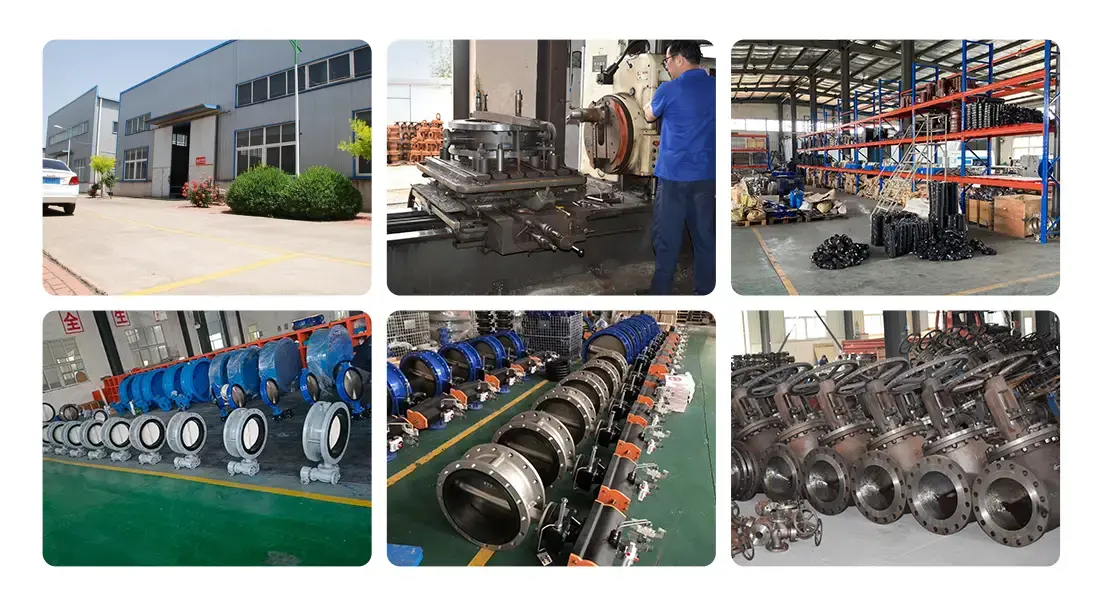
Addressing valve faults requires more than reactive repairs—it demands partnerships with manufacturers committed to quality, customization, and responsive support. ZTVK, a trusted pneumatic control butterfly valve manufacturer based in Tianjin's Beichen District, combines over 15 years of specialized R&D and production expertise with ISO9001, ISO14001, and OHSAS18001 certifications. Our ductile iron bodies, stainless steel stems, and diverse seat materials—NBR, EPDM, Viton, silicone rubber—meet demanding applications from DN32 to DN2400, PN6 to Class 150, and -29℃ to +120℃ operating ranges.
We maintain 2000+ standard units in stock for rapid three-to-seven-day delivery and support non-standard customization with 15-to-25-day production cycles. Proximity to Tianjin Port enables efficient FOB and CIF shipping, while our partnerships with COSCO and Maersk ensure reliable logistics. OEM and ODM capabilities provide branded packaging and design modifications tailored to your market needs. Our 18-month warranty, installation videos, troubleshooting manuals, and access to genuine spare parts safeguard your investment.
Reach out to ZTVK today at ktec86961886@163.com or visit ztvk-valve.com to discuss your project requirements, request technical specifications, or obtain competitive quotations for bulk pneumatic control butterfly valve supply. Let our engineering team support your procurement strategy with reliable, high-performance valve solutions designed for durability and operational excellence.
References
1. Smith, J. R., & Williams, T. A. (2021). Industrial Valve Engineering: Design, Selection, and Maintenance. McGraw-Hill Education.
2. Chen, L., & Rodriguez, M. (2020). Pneumatic Actuator Performance in Butterfly Valve Applications. Journal of Fluid Control Technology, 45(3), 217-234.
3. European Industrial Valve Association. (2019). Best Practices for Valve Maintenance in Process Industries. EIVA Technical Publication Series.
4. Thompson, K. D. (2022). Corrosion Resistance of Valve Materials in Municipal Water Systems. Water Infrastructure Engineering Quarterly, 38(2), 89-107.
5. International Society of Automation. (2020). Control Valve Handbook: Sizing, Selection, and Maintenance (5th ed.). ISA Publications.
6. Nakamura, H., & Patel, S. (2021). Comparative Analysis of Pneumatic and Electric Actuators for Industrial Valve Automation. Mechanical Systems and Control Review, 52(4), 312-329.
Send us your valve requirements and our team will provide professional solutions and fast quotations.
RELATED INDUSTRY KNOWLEDGE