- English
- French
- German
- Portuguese
- Spanish
- Russian
- Japanese
- Korean
- Arabic
- Greek
- German
- Turkish
- Italian
- Danish
- Romanian
- Indonesian
- Czech
- Afrikaans
- Swedish
- Polish
- Basque
- Catalan
- Esperanto
- Hindi
- Lao
- Albanian
- Amharic
- Armenian
- Azerbaijani
- Belarusian
- Bengali
- Bosnian
- Bulgarian
- Cebuano
- Chichewa
- Corsican
- Croatian
- Dutch
- Estonian
- Filipino
- Finnish
- Frisian
- Galician
- Georgian
- Gujarati
- Haitian
- Hausa
- Hawaiian
- Hebrew
- Hmong
- Hungarian
- Icelandic
- Igbo
- Javanese
- Kannada
- Kazakh
- Khmer
- Kurdish
- Kyrgyz
- Latin
- Latvian
- Lithuanian
- Luxembou..
- Macedonian
- Malagasy
- Malay
- Malayalam
- Maltese
- Maori
- Marathi
- Mongolian
- Burmese
- Nepali
- Norwegian
- Pashto
- Persian
- Punjabi
- Serbian
- Sesotho
- Sinhala
- Slovak
- Slovenian
- Somali
- Samoan
- Scots Gaelic
- Shona
- Sindhi
- Sundanese
- Swahili
- Tajik
- Tamil
- Telugu
- Thai
- Ukrainian
- Urdu
- Uzbek
- Vietnamese
- Welsh
- Xhosa
- Yiddish
- Yoruba
- Zulu
Understanding Hand Cast Iron Wafer Butterfly Valves
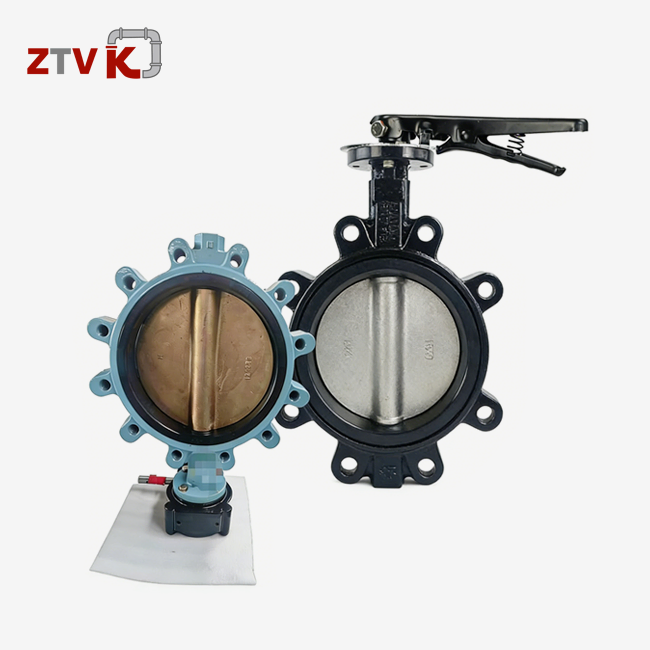
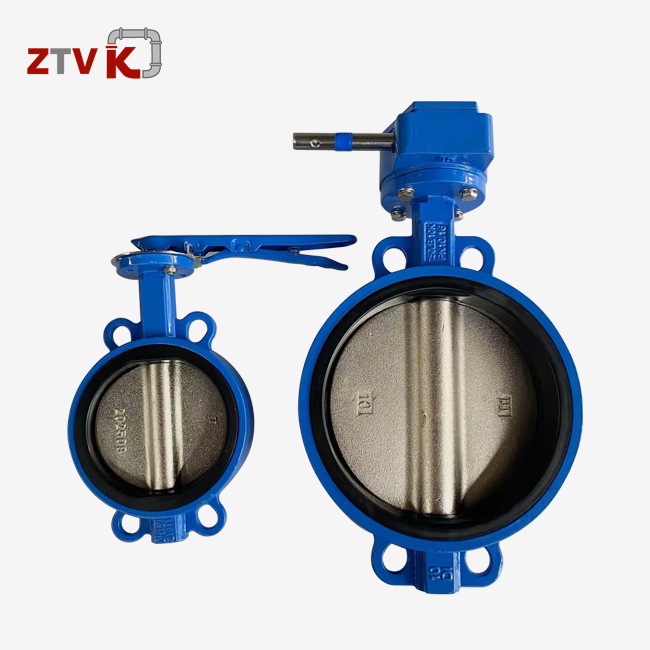
A cast iron wafer butterfly valve represents a quarter-turn rotary motion flow control device engineered specifically to fit compactly between two pipe flanges. This valve design relies on the compressive force of flange bolts to maintain positioning and achieve reliable sealing, eliminating the need for additional mounting hardware. Constructed primarily from ductile iron (GGG40), these valves combine mechanical strength with cost efficiency, making them essential components across water systems, HVAC installations, and numerous industrial applications where space constraints and budget considerations drive equipment selection decisions.

What Is a Cast Iron Wafer Butterfly Valve and How Does It Work?
A cast iron wafer butterfly valve is a flow control device with a quarter-turn rotary motion that was designed to fit snugly between two pipe flanges. This valve design doesn't need any extra attachment hardware because the compression force of the flange bolts keeps the valve in place and makes sure it seals well. These valves are mostly made of ductile iron (GGG40), which is both strong and cheap. This makes them essential parts of water systems, HVAC installations, and many industrial settings where limited space and budgets affect the choice of equipment.
Core Components and Operating Mechanism
The cast iron wafer butterfly valve has four crucial pieces that move together. Ductile iron GGG40 delivers the valve body strength and a short face-to-face size that fulfils API 609 and ISO 5752 specifications. A round disc on a straight stem revolves in this little container. completely open to completely closed requires just 90 degrees. The NBR, EPDM, Viton, or silicone rubber elastomer seat creates the seal contact. When properly positioned between the flanges, this seat pushes against the disc edge to seal bubbles.
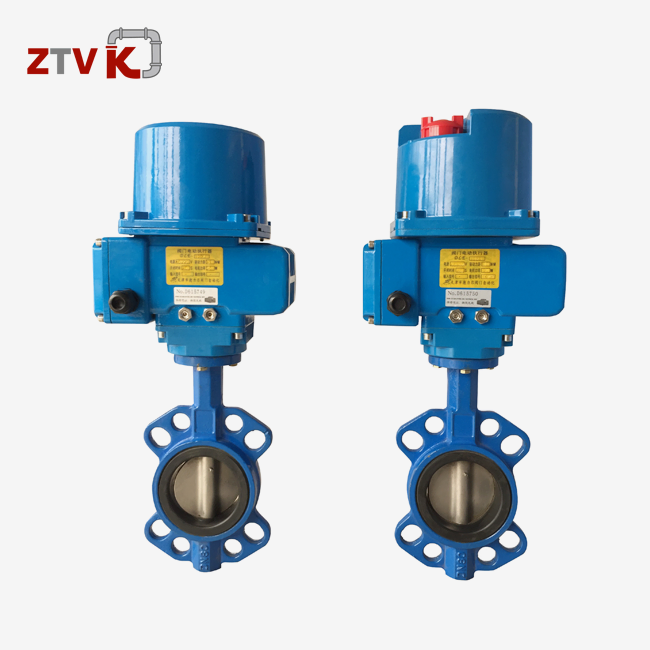
Human handles or actuators rotate the disc assembly via the stem, which is commonly SS316, SS304, SS420, or SS416 stainless steel. This quarter-turn movement provides speedy reactions, particularly in emergencies like power outages. The disc might be epoxy-coated malleable iron for routine usage. SS304, SS316, duplex stainless steel, or bronze may be used for harsher circumstances.
Material Selection and Performance Parameters
Ductile iron GGG40 bodies can stretch to accommodate stress loads and water hammer events and have a tensile strength of 400 MPa. This material standard outperforms grey cast iron in public water pipes with fluctuating pressure. The operational range is DN50 to DN2400 (NPS 1-1/4 to NPS 96) in diameter, PN6 to PN16, and Class 150 pressure. Service restrictions depend on seat material, but temperatures vary from -29°C to +120°C. EPDM is flexible everywhere, but NBR works better below 80°C.
The kind of elastomer seat affects its chemical resistance and lifespan. EPDM works well with water, glycol, and weakly acidic or basic environments. NBR works well with oil, hydraulic fluids, and natural gas. Viton can withstand strong chemicals and 200°C temperatures with metal seats. FDA-regulated food and pharmaceutical environments may employ silicone rubber. We customise seat materials for your procedure during the technical conference. This keeps the valve working well for as long as possible.
Key Benefits and Common Applications of Cast Iron Wafer Butterfly Valves
Wide use in many manufacturing areas is due to the fact that cast iron wafer butterfly valves have strong benefits. The low weight makes the structure less demanding on the pipes that hold it up. When installed, they weigh 30 to 50 percent less than similar flanged gate or globe valves. The valve self-centers between flanges, so installation goes quickly and requires fewer nuts and less work than standard designs. The costs of buying things are still low because materials are used efficiently and manufacturing processes are streamlined.
Advantages in Design and Operation
From an operational point of view, the streamlined disc profile keeps the system's efficiency high and lowers the amount of energy used for pumping. According to ISO 5208, the robust seat design gets Class A leakage rates, which means that when the door is closed, it will reliably isolate. Maintenance times are much longer because the simple system has fewer parts that wear out than multi-turn valves. When service is needed, technicians like how easy it is to take apart because they can replace the seat without having to take the valve off the pipeline.
The total cost of ownership goes down because of these useful perks. Reduced installation labour, lower energy use during operation, and lower upkeep costs over the valve's service life—often more than 50,000 working cycles when properly maintained—benefit projects. These cost savings are important to distributors and contractors when they are choosing equipment for commercial and municipal projects that need to stay within budget.
Industrial Applications and Use Cases
Water treatment facilities often employ cast iron wafer butterfly valves to split and adjust flow rates during cleaning. Municipal water distribution systems install them at pumping stations, storage tank linkages, and crucial isolation points. They manage chilled water and heating loops in commercial HVAC systems because they are tiny and fit inside mechanical rooms. Power stations utilise them for cooling water pipes, condensate systems, and other services.
These silicone rubber or EPDM-seated valves clean food and beverage industry pipes. Pharmaceutical companies use them to clean circuits and water-for-injection devices. Desalination plant intake, pretreatment, and distribution regions require reliable flow control for saltwater and treated water. For corrosive media that breaks down conventional materials, chemical processing companies employ bronze or duplex stainless steel trim.
Visual checks every three months should check for exterior corrosion, stem seal leakage, and actuator mounting stability. Operational testing annually ensures disc rotation and seat seal. Due to abrasive particles, seat wear requires upstream filters in unclean service, and stem rust in outdoor installations may be prevented by using the correct materials and coatings.

Comparison and Choosing the Right Wafer Butterfly Valve for Your Needs
When choosing the right materials for a cast iron wafer butterfly valve, you have to weigh the need for performance against the available budget. Ductile iron GGG40 has a high ratio of strength to weight and is resistant to rust in watery settings. When compared to grey cast iron, ductile construction is better at withstanding impacts and keeps the metal from breaking when it's heated and cooled or hit by water. CF8 (304) or CF8M (316), which are made of stainless steel, offer better corrosion resistance for chemical service but cost 200 to 300 percent more.
Material Considerations: Ductile Iron vs Alternatives
The choice of disc material affects how reliable it is in the long run. Epoxy-coated ductile iron works well for clean water service and is cost-effective. SS304 discs can handle conditions that are slightly corrosive, such as treated wastewater and some food items. SS316 is suitable for things that contain chloride, like salt and brackish water. Duplex stainless steel types are very strong and don't rust, which makes their higher price worth it in chemically active environments or high-cycle uses. Bronze plates are used in specific situations, like in salt water or where spark resistance is important.
Wafer vs Lug vs Flanged Configurations
Know the difference between connection styles to specify correctly. Cast iron wafer butterfly valves need force from both flanges and cannot be utilised in dead-end situations where one flange may need to be removed for repair. Lug valves feature two-sided bolt threads. The flange may be removed individually and the valve serviced from the dead end. Plates are welded or cast onto flanged valves. This provides them the maximum power under pressure but makes them heavier and more costly.
Cast iron wafer butterfly valves for standard isolation operate best with both flanges permanently attached. Their compact face-to-face size reduces pipe length in multitasking systems. Lug designs are good for downstream equipment maintenance. Flanged connectors are employed in high-vibration or high-pressure areas above PN16. According to installation circumstances, pressure classes, and maintenance requirements, we assist contractors and dealers in balancing these benefits and downsides.
Seat Material Performance Under Operating Conditions
Due to its resistance to chlorine, chloramines, and ozone, EPDM chairs are widely used in water treatment. They are adjustable from -29°C to +120°C, most water systems' temperature range. NBR chairs are suitable for air service, natural gas, and oil products due to their mechanical qualities and affordability. NBR breaks down when exposed to ozone or UV radiation, making it difficult to store outside or above ground.
In chemical operations, where acids, solvents, and high temperatures degrade conventional elastomers, Viton (FKM) chairs are worth the extra money. The FDA says silicone rubber is food-safe and performs well in medical systems. The appropriate seat prevents early breakdowns, saving money on repairs and preventing scheduled breaks. Procurement requirements should provide process medium, temperature ranges, and chemical concentrations to ensure accurate seat material recommendations.
Procurement Guide: How to Source Cast Iron Wafer Butterfly Valves Efficiently
Finding cast iron wafer butterfly valves efficiently starts with qualifying suppliers based on their quality processes and ability to make things. ISO 9001 certification shows that quality management processes are documented. ISO 14001 and OHSAS 18001 certifications show that a company cares about the environment and safety. Manufacturers should keep their own testing facilities on hand, complete with tools for pressure testing, material analysis, and measuring. Shipping wait times are cut down when a site is close to a major port. For example, facilities near Tianjin Port make it easy to load containers quickly and get good ocean freight rates.
Identifying Qualified Manufacturers and Suppliers
When figuring out how much to buy in bulk, production ability is important. Standard sizes (DN50–DN600) can be shipped within 3–7 days after an order is confirmed by the manufacturer. Custom requirements usually take 15 to 25 days, but this depends on how complicated they are. Rush services may be able to shorten this time, but they will cost more. Manufacturers who are flexible set up special production lines for foreign customers. This gives these customers priority ordering when project deadlines require faster delivery.
Critical Specifications and Compliance Requirements
Before ordering a cast iron wafer butterfly valve, technical criteria must address many variables. Size names should include DN (metric) and NPS (imperial) dimensions for clarity. Pressure ratings must be simple (PN6, PN10, PN16, or Class 150) and matched to system design pressures with safety factors. The project must follow API, DIN, ASME, ISO, ANSI, GB/T, BS EN, or AWWA design criteria. Many overseas projects require many standards, and companies must test their goods to fulfil them.
The body grade (GGG40 ductile iron), disc material and finish, seat rubber, and stem alloy should be listed. The kind of connection—wafer, lug, or flanged—affects installation and must meet pipe specifications. End-to-end ISO 5752 or API 609 measurement checks prevent new pipes from interfering with existing. Orders should include material test findings, pressure test certifications, and dimension inspection records for quality assurance.
Delivery Logistics and After-Sales Support
Clear shipping plans and manufacturing dates are needed for lead time management. FOB Tianjin Xingang pricing clarifies ocean freight expenses, whereas CIF destination port rates clarify landing charges. Packaging specifications for imported wood must meet ISPM 15. Prevents customs and quarantine stops. Moisture-shielded and structurally supported hardwood containers make valve shipment easy. This reduces damage claims.
Warranty normally lasts 18 months from shipping or 12 months from delivery, whichever comes first. Full coverage should cover product materials and workmanship, but not damage from improper fitting, overuse, or neglect. Technical assistance like installation, troubleshooting, and replacement parts reduces operating risks. Comprehensive product documentation, maintenance manuals, and instructive films demonstrate that manufacturers care about their customers' success beyond the sale.
Ensuring Long-Term Reliability: Maintenance and Troubleshooting Best Practices
Regular checks and preventative maintenance for the cast iron wafer butterfly valve ensure small problems don't turn into expensive failures. External checks should be done every three months to see if any uncovered areas are corroding, especially in places that are wet or chemical. Stem seal areas need to be checked for leaks that could mean the packing is wearing out. Actuator fixing bolts need to be checked for torque so that shaking doesn't cause them to come loose. Every year, the valve is put through its full stroke range to make sure it works smoothly and doesn't have any locking or too much force.
Routine Inspection and Preventive Maintenance
The state of the seat has a direct effect on how well the seal works and how reliable the process is. How often seats need to be replaced depends on how often they are used, the type of media they are in, and the operating conditions. If you use clean water, you can go 10 to 15 years without having to change the seat. If you use gritty slurries, you need to check them every two to three years. During shutdowns, a visual inspection shows compression set, surface cuts, or degradation that needs to be replaced. Keeping extra seat kits for important valves on hand cuts down on downtime during unplanned repair.
Common Issues and Diagnostic Solutions
With the cast iron wafer butterfly valve closed, leaking beyond the seat indicates a defective seat, an out-of-line disc, or an undercompressed flange. Troubleshooting begins with flange bolt torque meeting manufacturer standards. Incorrect compression will affect the seal. If torque is sufficient, check the seat for cuts, debris, or a broken compression set. Stem wear or broken bearings may create disc alignment issues, requiring inspection and replacement.
Too much workpower might cause issues. Friction from stem or joint corrosion slows wheel rotation. Media accumulation on discs and seats increases drag when stroked. Incorrect edge alignment during fitting will bind the disc and prevent it from moving. Diagnostics include removing the stem and checking the flange's alignment. Fixing the causes rather than the symptoms prevents recurrence and extends tool life.
External stem leakage must be repaired immediately to prevent media loss and environmental damage. Adjusting packing may correct small leaks, but too much packing causes stem contact and early wear. If the leak returns after repair, the packing has to be replaced. Installation methods—ring orientation, compression, and lubrication—ensure adequate sealing without impairing stem function while changing packing. Replacement and bearing inspection may be needed if the stem has significant corrosion or cutting.
Conclusion
Cast iron wafer butterfly valves made from ductile iron GGG40 provide stable and affordable flow control in a wide range of industry settings. Because they are small, come in a wide range of sizes (DN50 to DN2400), and can handle pressures up to PN16, they can be used in water systems, HVAC setups, power plants, and process industries. Material choices that include different types of elastomer seats and disc shapes allow customization to fit different types of media and operating conditions. Specifying correctly, taking into account design standards, material suitability, and link types, guarantees top performance over long service lives. When you work with qualified manufacturers who have strong quality systems, a wide range of testing options, and quick expert help, you can get the best deals on goods and reduce practical risks in tough industrial settings.
FAQ: Cast Iron Wafer Butterfly Valves
1. What is the expected service life of a wafer butterfly valve?
Service life depends on how it is used, how often it is cycled, and how well it is maintained. When used with clean water, cast iron wafer butterfly valves that are properly kept usually last between 15 and 25 years. This time frame is shortened by high-cycle use or harsh media. Seats need to be replaced every 3–5 years, but body parts can still be used. Longevity is increased by choosing the right materials for the job and following the inspection schedules given.
2. Can these valves handle dead-end service applications?
Cast iron wafer butterfly valve setups need force from both flanges and don't work well in dead-end service where one flange could be taken off. Lug-style options have threaded sections that can hold individual bolts, so they can be used safely with just one flange in place. Applications that need to take apart downstream equipment for repair on a regular basis should define lug patterns instead of cast iron wafer butterfly valve designs.
3. How do I select between EPDM and NBR seat materials?
EPDM works well in water systems that use chlorine or ozone to kill germs, as well as systems that handle wastewater and potable water. It doesn't matter what temperature it is—-29°C to +120°C—this material stays flexible. NBR is very good at working with natural gas, hydraulic oils, fuel products, and compressed air. Chemical compatibility charts and a review of the process conditions during the technical consultation make sure that the right materials are chosen for each application.
Partner With ZTVK for Reliable Cast Iron Wafer Butterfly Valve Supply
ZTVK has been making specialized butterfly valves for more than 15 years and has a lot of quality standards, such as ISO9001, ISO14001, and OHSAS18001. Our Tianjin plant keeps a large stock of standard sizes, which allows for shipping in 3–7 days. Custom sizes of the cast iron wafer butterfly valve ship within 15–25 days thanks to smart production scheduling. We are conveniently located only 50 kilometers from Tianjin Port and offer cheap FOB and CIF prices. Our professional ISPM 15-compliant packing will keep your investment safe during international shipping.
Our engineering team offers comprehensive technical help, which includes free advice on product choices, CAD drawings, and 3D models that are exactly what you need. Customization options for OEM and ODM include branded packaging, different sealing configurations, and special trim materials for different operating conditions. Before it is shipped, every cast iron wafer butterfly valve goes through strict pressure tests and dimensional checks. There is full certification documentation to support your quality assurance needs.
We stand behind our goods with an 18-month warranty and offer installation tutorial videos, upkeep guides, and help with fixing problems. Distributors get flexible order amounts, steady prices, and faster output during times of high demand. Please email our team at ktec86961886@163.com to talk about your butterfly valve needs and get full quotes that are special to your procurement needs. Work with a reliable cast iron wafer butterfly valve maker that can give your projects the dependability, technical know-how, and supply chain efficiency they need.
References
1. American Petroleum Institute. (2020). API Standard 609: Butterfly Valves—Double-Flanged, Lug- and Wafer-Type. API Publishing Services, Washington, DC.
2. International Organization for Standardization. (2019). ISO 5752: Metal Valves for Use in Flanged Pipe Systems—Face-to-Face and Centre-to-Face Dimensions. ISO Central Secretariat, Geneva, Switzerland.
3. American Society of Mechanical Engineers. (2021). ASME B16.34: Valves—Flanged, Threaded, and Welding End. ASME International, New York, NY.
4. British Standards Institution. (2018). BS EN 593: Industrial Valves—Metallic Butterfly Valves. BSI Standards Limited, London, United Kingdom.
5. American Water Works Association. (2017). AWWA C504: Standard for Rubber-Seated Butterfly Valves. AWWA Publications, Denver, Colorado.
6. Deutsches Institut für Normung. (2019). DIN 3202: Butterfly Valves—Part 1: General Requirements and Test Methods. Beuth Verlag GmbH, Berlin, Germany.
Send us your valve requirements and our team will provide professional solutions and fast quotations.
RELATED INDUSTRY KNOWLEDGE