- English
- French
- German
- Portuguese
- Spanish
- Russian
- Japanese
- Korean
- Arabic
- Greek
- German
- Turkish
- Italian
- Danish
- Romanian
- Indonesian
- Czech
- Afrikaans
- Swedish
- Polish
- Basque
- Catalan
- Esperanto
- Hindi
- Lao
- Albanian
- Amharic
- Armenian
- Azerbaijani
- Belarusian
- Bengali
- Bosnian
- Bulgarian
- Cebuano
- Chichewa
- Corsican
- Croatian
- Dutch
- Estonian
- Filipino
- Finnish
- Frisian
- Galician
- Georgian
- Gujarati
- Haitian
- Hausa
- Hawaiian
- Hebrew
- Hmong
- Hungarian
- Icelandic
- Igbo
- Javanese
- Kannada
- Kazakh
- Khmer
- Kurdish
- Kyrgyz
- Latin
- Latvian
- Lithuanian
- Luxembou..
- Macedonian
- Malagasy
- Malay
- Malayalam
- Maltese
- Maori
- Marathi
- Mongolian
- Burmese
- Nepali
- Norwegian
- Pashto
- Persian
- Punjabi
- Serbian
- Sesotho
- Sinhala
- Slovak
- Slovenian
- Somali
- Samoan
- Scots Gaelic
- Shona
- Sindhi
- Sundanese
- Swahili
- Tajik
- Tamil
- Telugu
- Thai
- Ukrainian
- Urdu
- Uzbek
- Vietnamese
- Welsh
- Xhosa
- Yiddish
- Yoruba
- Zulu
What You Must Know About Double Acting Pneumatic Actuators
When you're sourcing automation components for industrial valve systems, understanding the difference between actuation technologies can save you substantial capital expenditure and operational headaches. A double acting pneumatic actuator is a rotary or linear device that uses compressed air supplied to both chambers of its cylinder to drive motion in both directions—opening and closing a valve through controlled air pressure rather than relying on mechanical springs. This bidirectional pneumatic force delivers consistent torque throughout the entire stroke, making it the preferred choice for applications demanding rapid cycle times, precise control, and reliability in fail-last positioning scenarios where maintaining the valve's current state during air supply interruptions is critical to process continuity.
Understanding Double Acting Pneumatic Actuators
How Double Acting Pneumatic Actuators Work
At the heart of these gadgets is a simple but strong mechanism. One port on the actuator cylinder is filled with compressed air. This pushes a piston or rack assembly, which turns a pinion gear that is connected to the valve shaft. When the control system changes the direction of airflow through a 5/2-way solenoid valve, air flows into the opposite chamber while the first chamber lets air out. This moves the actuator in the opposite direction. This design gets rid of the torque loss that happens in spring-return models when the spring compresses and less force is available near the end of the stroke.
Key Design Features
Modern pneumatic valves use a number of technical advances that meet the needs of real-world operations. The body of the actuator is usually made of extruded aluminum that has been treated with hard anodizing. This gives it great corrosion resistance while keeping the weight down so that installation teams can handle it. Pressure die-cast aluminum is used to make caps and rack parts, which makes them durable and cost-effective. Following the ISO 5211 mounting standards makes sure that everything works with everything else. This makes installation and replacement quick and easy, without the need for special cutting or adapter plates.
Performance Advantages Over Single Acting Designs
When return springs are not present, performance traits change in a basic way. When two-acting setups are used, the torque output stays the same across the whole 90-degree spin range. This lets engineers choose smaller actuator sizes for the same duty cycles. This directly means lower costs for tools and lighter loads on buildings that hold pipelines. The design also has a longer cycle life—often more than a few million operations—because there are no springs to wear out or lose tension over time.
Key Considerations When Choosing a Double Acting Pneumatic Actuator
Torque Requirements and Sizing Methodology
Accurately fitting actuators keeps equipment from breaking down and avoids spending money that isn't needed. The first step in the formula is to find the valve's highest breakout torque. This is the torque that is needed to beat static friction, differential pressure across the disk, and any buildup of media particles. A 30–50% safety factor must be added to this base power number as a matter of course. When looking at manufacturer torque tables, it's important to use the minimum possible air pressure at your location, not the highest. Many mistakes in buying things happen because actuators are too big when they are stated at ideal air pressures that don't take into account pressure drops that happen when multiple valves are working at the same time.
Valve Compatibility Assessment
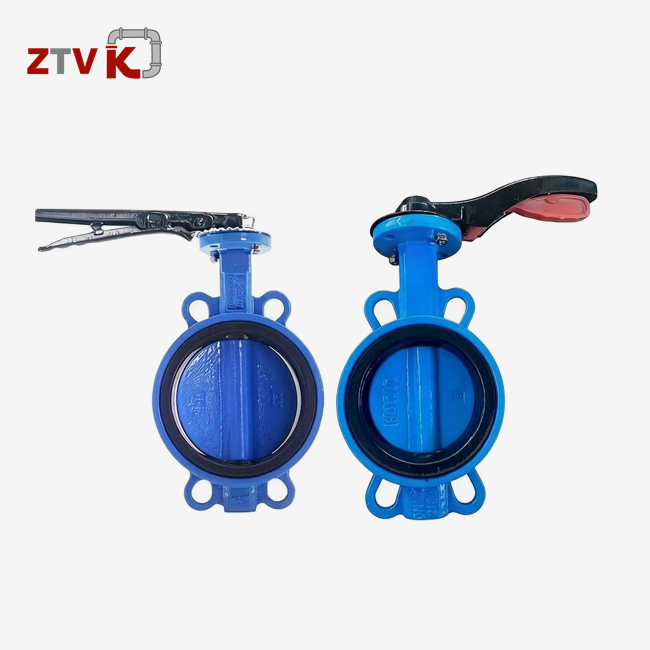
It's not enough to just figure out the torque to match the output of a double acting pneumatic actuator to the needs of a valve. If you don't want to use adapter kits, the valve shaft must meet DIN 3337 or ISO 5211 standards for direct coupling. When putting actuators and butterfly valves together, you should think about the disk shape. The bodies of our butterfly valve systems are made from ductile iron, CF8, CF8M, or WCB cast steel, based on the conditions of use. For better corrosion protection, disks can be made of ductile iron, CF8, CF8M, or aluminum bronze. For areas that are likely to rust, shafts can be made from SS410/416 or updated to SS304/316. Seats can be made of EPDM, Nitrile, white EPDM, PTFE, or VITON, and can handle temperatures from -40°C to 200°C.
Comparing Actuation Technologies
In certain situations, pneumatic systems are clearly better than electric and hydraulic ones. Pneumatic actuators are safer in potentially explosive environments than electric actuators because they don't need expensive ATEX certifications. They also work reliably in extreme temperatures without electronic component failures and can move faster for less money up front. Compared to hydraulic systems, pneumatic valves don't pollute the environment with oil, are easier to maintain, and pose less of a risk to the environment. The trade-off is control precision—electric actuators are better at adjusting tasks that need precise positioning. However, an electro-pneumatic positioner can be added to a pneumatic actuator to help fill in some of the gaps at a much lower cost than going fully electric.
Evaluating Supplier Credentials
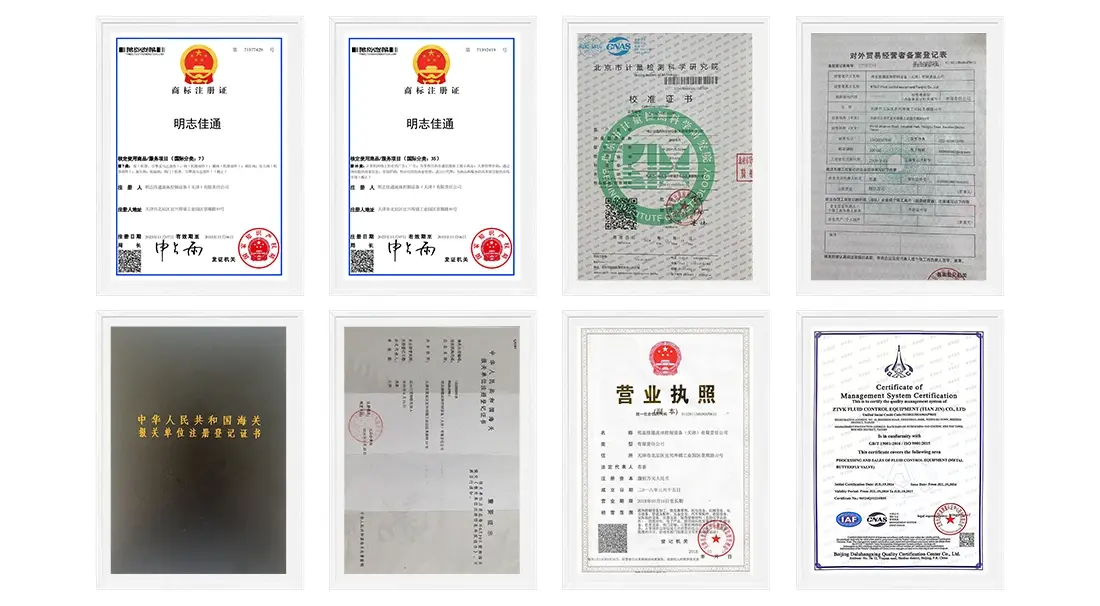
Choosing the right suppliers is very important for long-term business success. Before you decide on a price, you should look at the company's manufacturing certifications, such as ISO 9001 for quality management and ISO 14001 for environmental systems. Check that your product meets the API, ANSI, JIS, BS, DIN, and CE guidelines that your target markets need. The warranty should last at least 18 months and cover failures of parts that were not caused by people. It's also important to have access to spare parts. If your sellers keep regional distribution centers or consignment goods at your site, you can cut down on emergency downtime from weeks to days. OEM support features, such as the ability to make custom changes to actuators and get expert help with interface problems, set responsive partners apart from transactional vendors.
Applications and Use Cases of Double Acting Pneumatic Actuators
Industrial Wastewater Treatment Systems
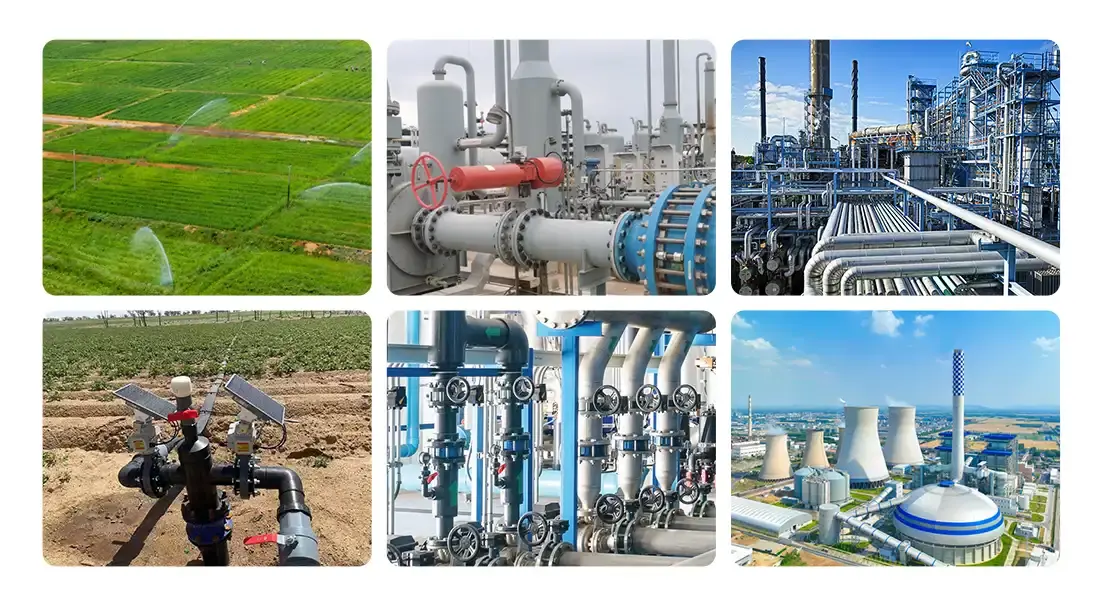
Municipal and industrial wastewater treatment facilities are challenging applications where double-acting pneumatic actuators clearly show their benefits. Valves that can handle high flow rates and thick slurries with rough particles are needed for sludge dewatering lines. Because the torque output stays the same throughout the stroke, these actuators can cut through solids that would stop spring-return designs in their tracks. In aeration basin control, fast actuation speeds—often less than three seconds for DN200 sizes—allow precise dissolved oxygen management. This makes blower systems use less energy while keeping biological treatment efficiency high.
Chemical Processing and Batch Operations
Pneumatic action is naturally explosion-proof, which is good for chemical plants that work in ATEX Zone 1 and Zone 2 places. Compressed air systems don't have any places where fire can start, unlike electric devices that need expensive enclosures and wire certifications. In batch reactor operations, the fail-last positioning feature is very helpful. When exact amounts of raw materials are mixed, a valve closing by accident because of control air loss could ruin the whole batch. When the air supply is temporarily cut off, double-acting motors stay in place, keeping the mixture safe until operators can safely step in.
Oil and Gas Pipeline Operations
For midstream pipeline uses, you need strong technology that can work in harsh circumstances. Our actuator kits are designed to work in different climates and settings. For example, thicker shaft protective covers keep sand out of installations in the Middle East's deserts, and epoxy resin coats make them more resistant to rust in Southeast Asia's humid coastal areas. Our butterfly valves have a double eccentric plus oblique seal design that lowers working torque by 30% compared to circular setups. This lets smaller actuators work, which lowers both the cost of buying them and the amount of compressed air they use over time.
HVAC and Building Automation
Automated valve control is being used more and more in commercial HVAC systems to make chiller plants and cooling tower circuits more energy efficient. Pneumatic control makes it possible for large-diameter cooling loops to respond quickly. Temperature monitor data can change the position of a valve in less than five seconds. This keeps the temperature from going too high and stops the compressor from cycling. When compared to heavier electric actuator options, metal actuator bodies are easier to place on pipe racks that are higher up, and they require less structural support.
Maintenance, Troubleshooting, and Best Practices
Establishing Preventive Maintenance Schedules
Systematic maintenance for a double acting pneumatic actuator makes actuators last longer and stops expensive unplanned downtime. Inspections should be done every three months to make sure that the air supply pressure stays within the 3 to 8 bar range and to look for any moisture buildup in the lines that could cause them to freeze in cold places or encourage internal rusting. Different manufacturers have different lubrication needs, but for most rack-and-pinion designs, applying lithium-based grease to the gear teeth once a year is a good idea. Check O-rings and shaft seals every six months, looking for stiffening or cracks that could mean they are about to fail. Using a soap-and-water solution to test the integrity of the pneumatic seals on the actuator body and shaft penetrations should show that there is no air leakage between the chambers while the machine is running.
Common Failure Modes and Diagnostic Approaches
When actuators don't work right, thorough fixing quickly finds the root causes. Slow operation usually means that there isn't enough air pressure at the actuator (check upstream pressure and look for supply lines that are too small or filters that are clogged) or that there is too much valve friction from process buildup on seals or shaft bearings. If it won't move at all, it means that the solenoid valve is broken, the control signal is lost, or the internal piston seal is damaged. Checking the air pressure at both actuator ports while the movement is being controlled shows if the pneumatic circuit is working properly. During operation, strange noises are often caused by loose mounting hardware or worn pinion bearings that need to be replaced before they fail completely.
Environmental Considerations and Operator Training
Conditions in the environment have a big effect on how reliable an actuator is. In cold places, installations need air dryer systems to keep exhaust ports from freezing over, which can stop venting and stop actuators from moving. Because of the corrosive atmospheres in petroleum plants along the coast, the outside surfaces must be checked often, and protective coats must be reapplied. Comprehensive operator training programs should teach people how to do a manual override in an emergency, the right way to do lockout-tagout during maintenance, and how to spot early warning signs, like longer actuation times or strange sounds, that mean problems are starting to happen before they break down completely.
Procurement Guide for B2B Clients
Sourcing from Verified Manufacturers
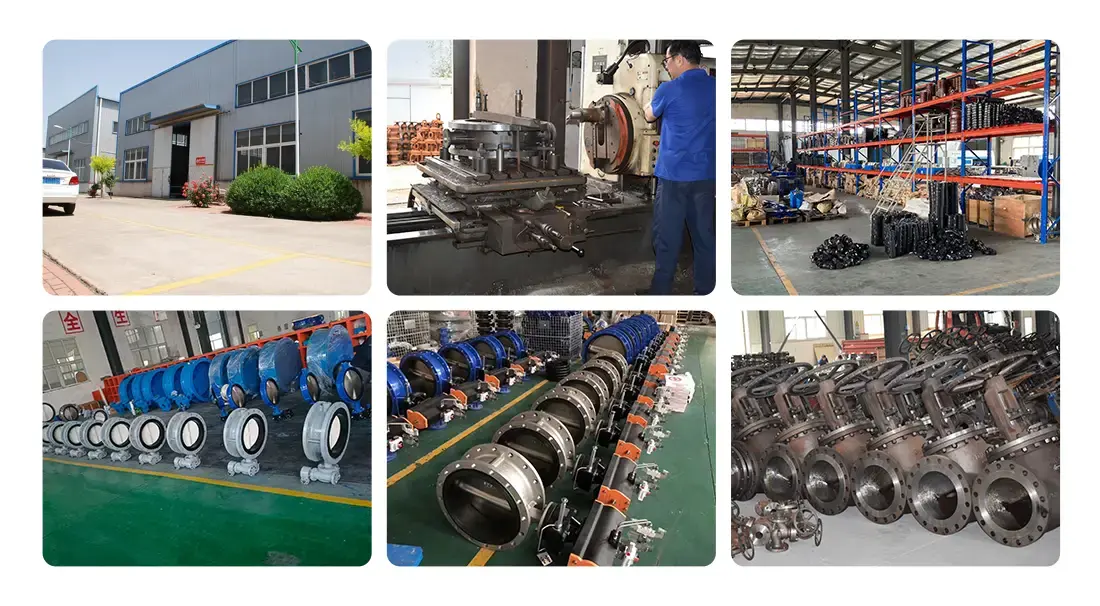
There are many suppliers in the global valve automation market, but the quality and dependability of their products vary a lot. Give more weight to manufacturers who have a track record of producing high-quality goods. These manufacturers should have modern CNC machining centers for making precise parts, separate chemical analysis labs for checking materials, and full pressure testing facilities. How close you are to important shipping ports has a big effect on lead times and freight costs. Our site is only 50 kilometers from Tianjin Port, thanks to its location in the Tianjin Beichen District. This makes it easy to book containers with big carriers like COSCO Shipping and Maersk.
Understanding Pricing Structures and Lead Times
Prices that are easy to understand should include information about the materials used, discounts for buying in bulk, and the need for customization. Standard actuated butterfly valve sets in sizes DN50 to DN600 usually ship within 3–7 days from stock if the standards are met, such as having wafer-type ductile iron bodies with EPDM seats. Depending on how complicated they are, non-standard setups that need custom disk materials, upgraded shaft metals, or specialized seat compounds can make production take 15 to 25 days longer. Rush order services can cut down on wait times to 7–10 days, but they usually charge an extra 20% on top of the base price. There are big savings in costs when you buy in bulk. Orders of more than 100 units often qualify for tiered price reductions that make sure production schedules are met first.
Custom Solutions and Integration Support
Standard store items work well for many uses, but problems that are unique to a process often need custom answers. OEM relationships let distributors brand goods with their own logos, nameplates, and packaging, and they also let distributors use production infrastructure that is already in place. ODM arrangements go even further, letting the structures of valve bodies, the materials used for sealing, and the ways they are connected be changed to fit different working situations. During the quote process, our engineering team offers free selection advice, CAD drawings, and 3D models. This speeds up project engineering and lowers the risk of integration issues.
Logistics and After-Sales Service
Logistics management that works well keeps projects on schedule and lowers the total cost of ownership. Shipping choices should include quotes for both FOB Tianjin Xingang and CIF destination ports, with clear Incoterms explanations. Professional packing using wooden boxes, moisture-proof film, and set brackets that meet international standards ISPM 15 keeps goods from getting held up at customs and damaged upon arrival. Post-delivery help is what sets great providers apart from average ones. Look for a warranty that lasts at least 18 months and includes free replacement for manufacturing defects, how-to videos for installation, troubleshooting guides, and access to technical service partners in your area who can help you in person.
Conclusion
Technical requirements must be balanced with provider skills and overall cost factors when choosing the best double acting pneumatic actuator. These devices are useful in many industrial settings, from treating wastewater to processing petrochemicals, because they offer consistent torque, quick actuation, and fail-last positioning. Choosing the right size based on how it will be used, carefully evaluating suppliers with a focus on quality systems and after-sales support, and sticking to preventive repair plans will help you get the most out of your investment while reducing downtime. As technology keeps getting better in many industries, working with companies that offer both standard stocking and custom engineering will help your business succeed in the long run.
Frequently Asked Questions
1. What differentiates double-acting from single-acting pneumatic actuators?
Double-acting pneumatic actuators move in both directions (opening and closing) by pressurizing opposite sides of the piston at different times. Single-acting actuators move in one direction with the help of air pressure and use mechanical springs to move backward. Because of this basic difference, double-acting designs keep their position when air pressure is lost and provide constant torque throughout the stroke. Single-acting designs, on the other hand, automatically return to a fail-safe position but have lower torque because the springs compress during operation.
2. How do I calculate the correct actuator size for my valve?
First, look at the manufacturer's technical data sheet to find out what the highest breakout force of your valve is. To account for changes in the process, seal wear, and fouling buildup, add a safety factor of 30 to 50 percent. Check the torque table provided by the actuator's maker, but be very careful to use the lowest air supply pressure possible at your location instead of the highest recommended pressure. This cautious method makes sure that the system works well even when demand is high and many valves open at once, lowering header pressure for a short time.
3. Can pneumatic actuators be used for flow modulation rather than just on-off control?
Yes, but with an electro-pneumatic positioner added. This add-on gets a 4-20mA signal from your process controller and changes the position of the actuator in a proportional way to change the flow. Keep in mind that butterfly valves naturally don't control flow in a straight line. To get accurate flow control, you may need to characterize the flow in your control system programming or think about using different valve trim designs for important control loops.
Partner with ZTVK for Reliable Double Acting Pneumatic Actuator Solutions
With more than 15 years of experience making specialized products in Tianjin's industrial hub, ZTVK is ready to help you with your valve automation needs. As a reliable double acting pneumatic actuator supplier, we keep more than 2,000 standard units in stock, allowing for 3–7-day delivery. For non-standard requirements, we also offer full customization. Our facility is certified by ISO 9001, ISO 14001, and OHSAS 18001, and it uses cutting-edge CNC machining, material analysis, and pressure testing systems to make sure that the quality of every production run is the same. During the quote process, our engineering team offers free technical advice, CAD modeling, and application support. This is true whether you need OEM-branded actuated butterfly valves with custom seat materials for corrosive service or fast bulk delivery for big infrastructure projects. We offer full solutions, not just parts. This includes an 18-month warranty, help with installation, and access to local service partners. Get in touch with our team at ktec86961886@163.com to talk about your unique needs and find out how Chinese manufacturing speed and strict quality standards can help you get the best deals.
References
1. Crane Co. Technical Paper No. 410: Flow of Fluids Through Valves, Fittings, and Pipe. 2009 Edition.
2. International Society of Automation (ISA): ISA-75.01.01-2012 - Industrial-Process Control Valves, Part 2-1: Flow Capacity - Sizing Equations for Fluid Flow Under Installed Conditions.
3. American Petroleum Institute: API Standard 598 - Valve Inspection and Testing, Tenth Edition, 2009.
4. European Committee for Standardization: EN 12266-1:2012 - Industrial Valves - Testing of Metallic Valves - Part 1: Pressure Tests, Test Procedures and Acceptance Criteria.
5. British Standards Institution: BS 5155:2001 - Specification for Butterfly Valves with Specification for Flanged Butterfly Valves.
6. VDI/VDE 3845:2010 - Pneumatic Actuators for Industrial Process Control Valves - Requirements and Testing.
Send us your valve requirements and our team will provide professional solutions and fast quotations.
RELATED INDUSTRY KNOWLEDGE