- English
- French
- German
- Portuguese
- Spanish
- Russian
- Japanese
- Korean
- Arabic
- Greek
- German
- Turkish
- Italian
- Danish
- Romanian
- Indonesian
- Czech
- Afrikaans
- Swedish
- Polish
- Basque
- Catalan
- Esperanto
- Hindi
- Lao
- Albanian
- Amharic
- Armenian
- Azerbaijani
- Belarusian
- Bengali
- Bosnian
- Bulgarian
- Cebuano
- Chichewa
- Corsican
- Croatian
- Dutch
- Estonian
- Filipino
- Finnish
- Frisian
- Galician
- Georgian
- Gujarati
- Haitian
- Hausa
- Hawaiian
- Hebrew
- Hmong
- Hungarian
- Icelandic
- Igbo
- Javanese
- Kannada
- Kazakh
- Khmer
- Kurdish
- Kyrgyz
- Latin
- Latvian
- Lithuanian
- Luxembou..
- Macedonian
- Malagasy
- Malay
- Malayalam
- Maltese
- Maori
- Marathi
- Mongolian
- Burmese
- Nepali
- Norwegian
- Pashto
- Persian
- Punjabi
- Serbian
- Sesotho
- Sinhala
- Slovak
- Slovenian
- Somali
- Samoan
- Scots Gaelic
- Shona
- Sindhi
- Sundanese
- Swahili
- Tajik
- Tamil
- Telugu
- Thai
- Ukrainian
- Urdu
- Uzbek
- Vietnamese
- Welsh
- Xhosa
- Yiddish
- Yoruba
- Zulu
What is a pneumatic-operated butterfly valve and what are its characteristics
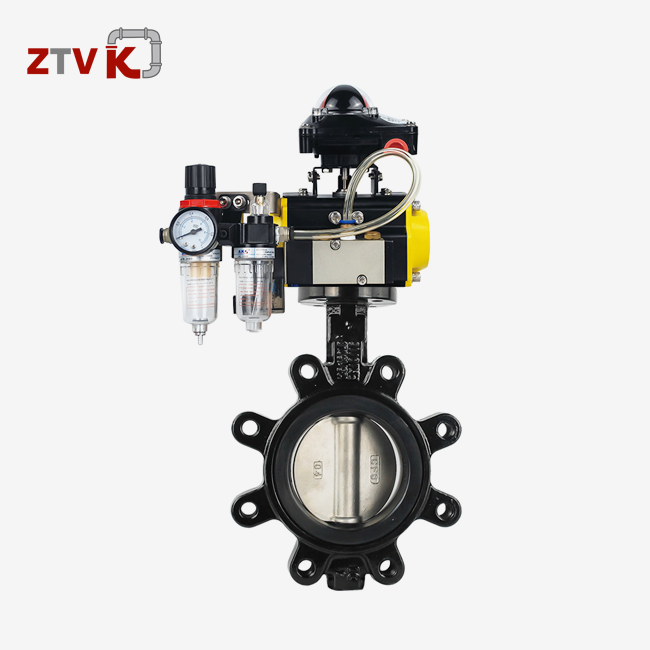
A pneumatic operated butterfly valve is a sophisticated quarter-turn flow control device that combines a rotary disc-type closure element with a pneumatic actuator powered by compressed air. Unlike manual valves that require human intervention, this assembly converts compressed air energy into mechanical torque through rack-and-pinion or scotch yoke mechanisms, enabling remote automation of fluid modulation or isolation within pipelines. This technology has become an industry standard for environments demanding rapid response, hazardous area safety, and high-cycle durability, particularly in water treatment, petrochemical, and powder handling applications.
Understanding Pneumatic-Operated Butterfly Valves
Core Components and Working Principle
The pneumatic-operated butterfly valve is made up of three important parts that work together. The flow passage is inside the valve body, which is made of ASTM A536 ductile iron, WCB carbon steel, or CF8M stainless steel. To open or close the flow path, a disc in the middle can turn 90 degrees around a stem. On top, an ISO 5211 link connects to the pneumatic actuator, which gets signals from compressed air that move the piston and turn pneumatic pressure into rotational force.
As air moves into the actuator chamber, it presses against a piston that is attached to the valve stem. This makes the force that the disc needs to turn from fully closed to fully open. For most industrial sizes, the whole cycle is over in less than two seconds, which allows for quick action in case of an emergency stop or group processing.
Types of Pneumatic Actuators
In industrial settings, two types of actuator designs are most common. Double-acting actuators use compressed air to open and close. They offer precise control in both directions, making them perfect for throttling tasks. When the air supply is stable, these units keep the valve in place. This means they can be used to control the flow of chemicals in dose systems all the time.
When the air pressure drops, single-acting actuators have a built-in spring system that moves the valve back to a safe position, which can usually be open or normally closed. This design is very important for safety-instrumented systems that need to close automatically when the power goes out or the air supply stops. This keeps dangerous materials from leaking out. Both versions are made at our factory in Tianjin's Bechen District, and they are rated for more than 50,000 uses.
Material Selection for Harsh Environments
Valve life is greatly increased by matching the materials correctly. For slurry uses, the disc can be made with a nylon covering over ductile iron to protect it from wear, or it can be made of solid CF8 stainless steel for food-grade sanitary service. EPDM is good for water service up to 120°C, NBR is good for oil products, FKM (Viton) is good for harsh chemicals, and PTFE is good for all chemicals.
Stem materials like SS420 martensitic stainless steel are strong enough for smaller valves, while SS431 is better at resisting rust in seaside or high-chloride areas. We made a special epoxy resin coating for valve bodies that are sold in Southeast Asian markets where high humidity speeds up corrosion on the outside. This shows how localised design changes can solve problems in the real world.
Pneumatic Butterfly Valve Applications and Performance
Industrial Sector Deployment
The pneumatic operated butterfly valve is most often used in municipal water and wastewater treatment facilities. These valves manage filter system and sludge dewatering line backwash cycles for DN50–DN2000 bore pipes. Pump rooms with condensation tear down electric motors faster than pneumatic actuation, which doesn't get wet. Our basic kinds may be utilised on global infrastructure projects since they meet DIN PN10/PN16, JIS 5K/10K, and ANSI Class 150LB flange specifications.
Chemical processing industries employ PTFE-lined versions for strong acids and solvents. Pneumatic action fulfils ATEX Zone 1 explosion-proof criteria without costly Ex-rated motor systems, eliminating electrical ignition concerns. With fast closing rates, precise batch dosing is possible within ±2% of the setpoint. This performs as well as more costly globe valves while reducing pressure loss.
Food processors and cement mills struggle with powders and big particles. When particles gather on valve seats, manual designs might seize. Pneumatic actuators' strong breakaway torque overcomes cement dust and flour accumulation friction. Our double-eccentric design reduces operating torque by 30% over concentric discs.
Performance Metrics That Matter
Good air valves can be throttled, unlike on-off ones. When used with an electro-pneumatic positioner that receives 4-20mA control signals from dispersed control systems, these valves can regulate flow with 5% linearity over the 10–90% open range. This allows closed-loop process control for cooling tower water flow and chemical reactor input.
Pressure and temperature ratings must match system parameters. Depending on the rubber seat, our wafer-shaped bodies can withstand PN40 (ANSI Class 300) operating pressures and -40°C to +200°C temperatures. Compared to flanged gate valves, modest face-to-face dimensions decrease pipe stress. This helps in earthquake-prone locations and with skid-mounted process equipment.
Pneumatic devices consume 60% less energy than electric actuators for high-cycle usage, according to an energy efficiency study. This applies particularly if the facility includes compressed air infrastructure. Lifecycle cost modelling should account for this operating cost variation during 15-year servicing intervals.
Installation, Maintenance, and Troubleshooting Best Practices
Installation Guidelines
Installing a pneumatic butterfly valve requires aligning the flanges within 0.5 mm of parallelism. This prevents physiological tension from weakening the seal. Wafer-style bodies are attached to ANSI, DIN, or JIS flanges via through-bolts. The manufacturer recommends 50–80 Nm bolt torque for DN100 valves, delivered in a cross-pattern sequence to disperse the load uniformly.
Air supply lines should have a filter-regulator-lubricator (FRL) unit within 3 meters of the actuator. The supply pressure is normally 5–7 bars; however, our actuators perform successfully at 4 bars or less. Use compressed air-rated thread sealant to join tubes instead of PTFE tape, which may break and contaminate actuator chambers.
Check for air leaks at 110% of the maximum supply pressure while watching the disc before starting up. The valve should remain still for 30 minutes, indicating a good actuator seal. The baseline test provides information for future maintenance assessments.
Maintenance Protocols
Inspections should be done every three months for critical service usage and annually for ordinary duties. Visually inspect the air line connections for water accumulation that indicates the FRL is saturated, the outside stem packing for tiny leaks, and the actuator fixing bolts for torque. Each valve arrangement has its own inspection checklist in our maintenance manuals.
Lubrication depends on actuator type. No maintenance is needed for our basic units' permanently lubricated bearings. High-cycle users may benefit from annual grease injection via indicated ports. Oil attracts dirt and slows the actuator.
The seal is normally changed every 5 years depending on use and media performance. Free replacement parts for non-human failures are covered by our 18-month warranty. QR codes on valve labels lead to installation training videos from our technical support teams. This digital link simplifies maintenance planning and reduces downtime.
Common Issues and Diagnostic Steps
A low airflow pressure or a blocked FRL filter might decrease performance. Check the actuator input pressure when stroking the valve; it should be within 0.5 bar of the setpoint. If filter elements are discoloured or have a pressure drop beyond 0.3 bar, clean or replace them.
Seat condition should be evaluated if partial closure causes leakage. Foreign items in seal gaps cause 70% of water service closure difficulties. Remove debris and examine the seat for cuts or extrusion damage to determine whether it needs cleaning or replacement. Our chairs fulfil FDA food contact regulations, and batch paperwork tracks material.
Actuator position drift between the control signal and the true disc angle indicates accuracy loss or air leakage beyond the piston seals. Test any pneumatic connections for leaks with soapy water after resetting the positioner's feedback mechanism. To fix chronic drift, disassemble the actuator and install a seal kit. Remote consultation from our technical experts can assist.
Comparing Pneumatic Butterfly Valves with Alternative Valve Types
Pneumatic vs. Electric Actuation
Electric actuators are more accurate (within ±0.5% vs. ±2% for pneumatic systems) and more suitable for managing precision pharmaceutical batching flow. However, pneumatic operated butterfly valves stroke faster—1-3 seconds for the entire motion against 10–30 seconds for electric motor-driven variants. Emergency shutdowns benefit from this speed advantage because immediate separation prevents equipment damage.
Energy costs benefit pneumatics in plants with compressed air infrastructure since there are no specialist electrical lines or motor control centers. Naturally explosion-proof pneumatic systems don't need costly electrical certifications. This cuts installation costs by 40–60% in risky locations. Electric actuators perform best in isolated, airless environments or where fine modulation is worth the expense.
Butterfly Valves vs. Ball Valves
Seat design puts butterfly valves toward Class IV or V. However, ball valves shut bubble-tight and fulfil ANSI Class VI leakage standards. Thus, ball valves are excellent for gas service and crucial isolation locations. Butterfly valves offer 30% less pressure loss than identical ball valves at 50% open, making them ideal for throttling and isolation.
Butterfly valves are 50–70% cheaper and 60% lighter than ball valves in diameters bigger than DN150, according to research. This benefit is much higher in large-diameter cases, where DN600 butterfly valves weigh 150 kg against 400 kg for ball valve counterparts. This reduces structural support and installation effort.
Gate Valves and Solenoid Alternatives
Gate valves are suitable for full-bore flow with minimum pressure loss, but they can't slow flow and must be placed far. Compared to quarter-turn butterfly control, their increasing stem makes automation difficult. Small solenoid valves can switch on and off fast, but they can only be used for pilot duty since they don't have flow or pressure ratings for major process lines.
Pneumatic-controlled butterfly valves are compact, may slow flow, and can be automated, making them a good compromise. They are also economical enough for wholesalers in many business areas to acquire in bulk.
Procurement Guide for Pneumatic-Operated Butterfly Valves
Selection Criteria Essentials
Pressure and temperature are the foundation of pneumatic butterfly valve design. Catalogue rates represent the worst workplace scenarios; however, items last longer when used at 70–80% of their indicated limits. When dealing with mixed solutions or high temperatures that modify material resistance, consult a chemical compatibility database. In 120°C steam applications, high-temperature Viton is essential since EPDM, which can tolerate 90°C water service, breaks down soon.
Flow and pressure drop are balanced by nominal diameter. Larger valves reduce velocity and head loss, but oversizing by more than 10% of the predicted demands might make low-flow rate management tougher. Our engineers recommend sizes based on clients' flow curves and pressure profiles.
The disc pressure differential during opening strokes must be considered when calculating actuator torque. Our double-eccentric design with oblique sealing reduces breakaway force, allowing us to employ smaller motors than circular versions. Faster stroke speeds and reduced air usage are crucial in plants with limited engine capacity.
Supplier Evaluation Framework
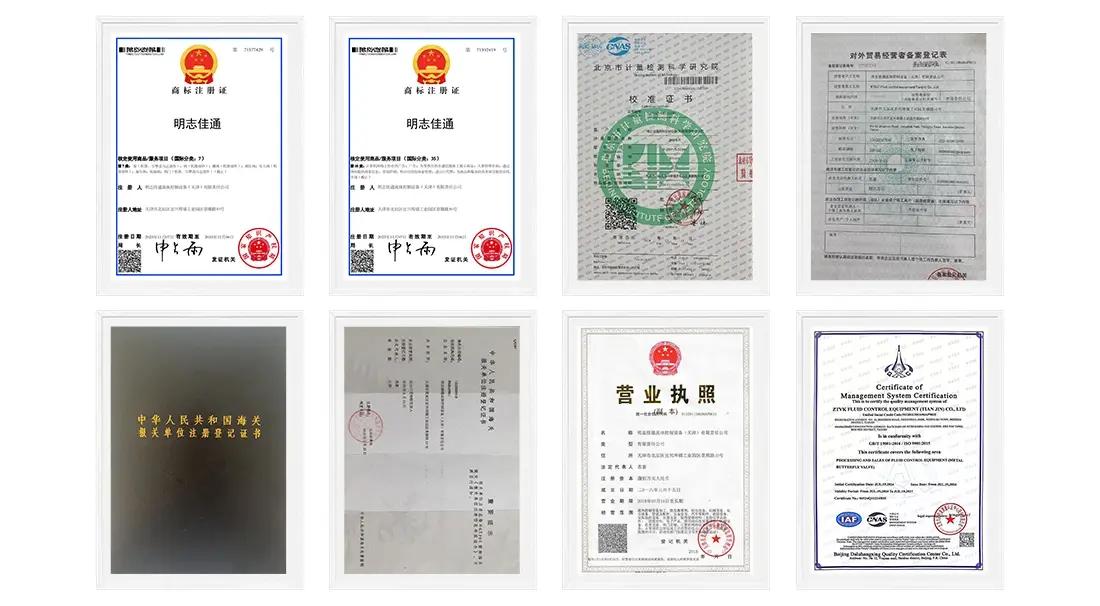
Checking a source's certification is the initial step for a pneumatic operated butterfly valve. ISO 9001, ISO 14001, and OHSAS 18001 certifications demonstrate planned process control. Audit documents are available for our Tianjin location's three licenses. Third-party factory inspections must verify CE marking for European markets and API 609 conformity for oil usage.
Production capacity estimates determine a supplier's ability to fulfil big orders and recurring procurement cycles. Over 2,000 pieces in popular combinations from DN50 to DN600 are in stock. This implies we may deliver your purchase 3–7 days following confirmation. Non-standard customisations take 15–25 days, depending on complexity. Rush orders cost 20% more and are delivered in 7–10 days.
Geographic logistics significantly impact landing costs. We're 50 km from Tianjin Port, so it takes an hour to walk to the loading facilities, and our connections with COSCO Shipping and Maersk ensure precise ship timetables. Our FOB Tianjin Xingang or CIF target port quotations include ISPM 15-compliant wooden boxes to prevent customs delays.
Cost Optimization Strategies
Tiered pricing is possible when buying in bulk. 12-month volume agreements reduce unit expenses by 15–25% above spot sales. Inventory stocking methods help distributors save warehouse capital while maintaining product availability. Our OEM branding services provide distributors with distinctive nameplates, logos, and packaging to increase their market presence. Established accounts have no minimum order.
The overall cost of ownership goes beyond automotive pricing. Warranty periods, spare component availability, and technical support speed impact long-term operations expenses. Our video installation guidelines and maintenance instructions save costly field service visits, and our 18-month guarantee is longer than the industry norm of 12 months. Local technical service partnerships in large cities provide on-site assistance when remote aid isn't adequate.
Purchasing managers should request CAD drawings, 3D models, material approvals, and pressure test data from suppliers during qualification. We provide entire documentation packages with QR codes to link valve serial numbers to manufacturing batch and quality inspection data. In big facilities, this improves asset management.
Conclusion
In conclusion, pneumatically operated butterfly valves are the most flexible way to control flow in industry. They combine quick action, built-in safety, and low-cost automation in areas like chemical processing, water treatment, and moving large amounts of material. Their small size, low pressure drop, and long-lasting performance over many cycles solve important problems that distributors and engineering contractors have, like how fast they can shut down in an emergency and how well they resist corrosion in harsh environments. Proper selection requires evaluating pressure ratings, material compatibility, and source approvals. For best lifetime performance, follow best practices for installation and upkeep. We've made clear comparisons with other valve technologies and given full buying instructions to help people make smart choices, whether they're planning public works projects or setting up inventory programs for distributors.
Frequently Asked Questions
1. How do pneumatic butterfly valves differ from electric-actuated versions?
Electric motor-driven units take 10 to 30 seconds to stroke, but the pneumatic-operated butterfly valve can stroke in less than 3 seconds because they use compressed air to move. They don't automatically explode and don't need any electrical certifications. This cuts costs by 40–60% in dangerous areas. Electric actuators are more accurate (within ±0.5%) and can be used in remote areas that don't have access to compressed air. When plant air systems are already in place, pneumatics costs less than hydraulics.
2. What maintenance challenges require attention?
The main worry is contamination of the air source. Filter-regulator-lubricator units need to be checked every three months, and if the pressure drop is more than 0.3 bar, the filter needs to be replaced. Every five years, the seat should be inspected to make sure there are no leaks caused by wear or foreign matter buildup. Depending on the cycle frequency, actuator seals may need to be replaced at the same time. Keeping accurate records of maintenance tasks using digital tools like our service logs that can be accessed by QR codes makes compliance and troubleshooting easier.
3. Can pneumatic butterfly valves be customized for specialized applications?
ODM services allow for a lot of customisation, such as changing the material of the valve body, using different seal compounds, and changing the type of link from wafer to lug or flanged. We can use drawing-based manufacturing to meet the needs of customers with unusual port orientations or mounting requirements for actuators. OEM branding uses customer names and nameplates without requiring a minimum order size from accounts that have already been set up. Custom epoxy finishes are used to solve problems in the environment, such as corrosion along the coast or chemical pollution.
Partner with a Trusted Pneumatic Operated Butterfly Valve Manufacturer
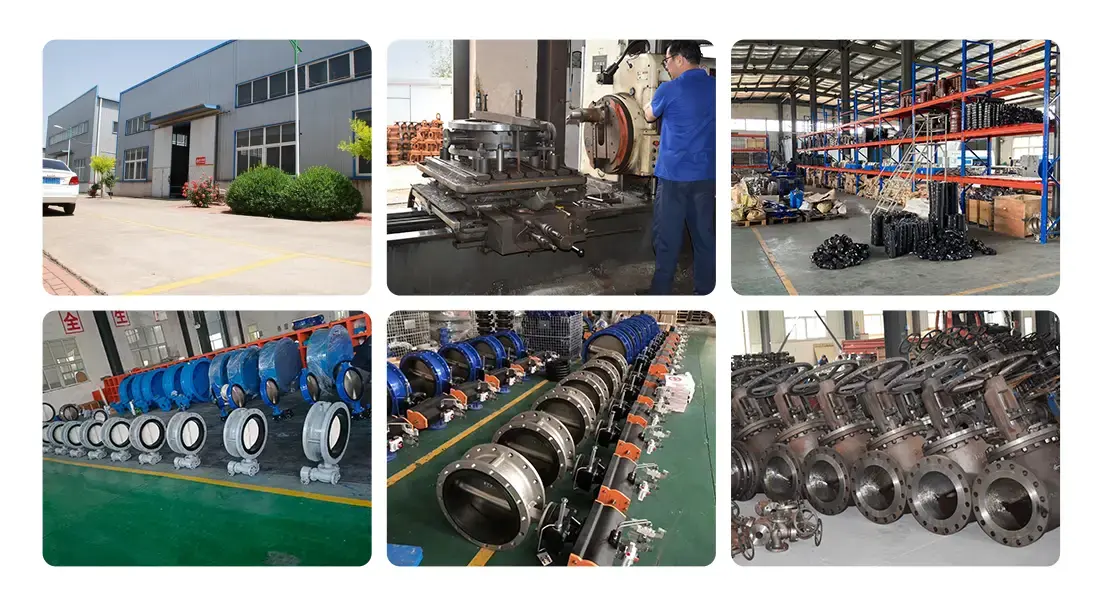
ZTVK has more than 15 years of experience making specialised products and has strategic benefits that distributors and building companies care about. Our factory in Tianjin makes pneumatic operated butterfly valves that meet ISO, API, and CE standards. The materials used include carbon steel, stainless steel 304/316, and corrosion-resistant metals that are suitable for use in water, chemical, and petrochemical applications. The double-eccentric oblique seal design cuts down on operating torque by 30% and increases cycle life to more than 50,000 operations. We always have more than 2,000 standard units in stock, which means that we can send within 3–7 days. Customisations that aren't standard take 15–25 days to finish. Through branded packaging and custom engineering changes, our OEM/ODM programs help the distributor market grow. Being close to Tianjin Port makes foreign shipping easier, and FOB and CIF quotes are available. You can email our procurement team at ktec86961886@163.com to talk about your needs for big purchases, technical details, or project dates. We offer a free selection meeting, CAD documents, and an 18-month warranty with helpful technical support.
References
1. American Petroleum Institute. API Standard 609: Butterfly Valves – Double Flanged, Lug- and Wafer-Type. 11th Edition, 2018.
2. International Organization for Standardization. ISO 5211:2001 Industrial Valves – Part-Turn Actuator Attachments. Geneva: ISO Press, 2001.
3. Hutchison, John W. ISA Handbook of Control Valves. 2nd Edition. Research Triangle Park: International Society of Automation, 1976.
4. Skousen, Philip L. Valve Handbook. 3rd Edition. New York: McGraw-Hill Professional, 2011.
5. Smith, Peter and Zappe, R.W. Valve Selection Handbook: Engineering Fundamentals for Selecting the Right Valve Design for Every Industrial Flow Application. 5th Edition. Burlington: Gulf Professional Publishing, 2004.
6. Emerson Automation Solutions. Control Valve Handbook. 4th Edition. Marshalltown: Fisher Controls International LLC, 2005.
Send us your valve requirements and our team will provide professional solutions and fast quotations.
RELATED INDUSTRY KNOWLEDGE