- English
- French
- German
- Portuguese
- Spanish
- Russian
- Japanese
- Korean
- Arabic
- Greek
- German
- Turkish
- Italian
- Danish
- Romanian
- Indonesian
- Czech
- Afrikaans
- Swedish
- Polish
- Basque
- Catalan
- Esperanto
- Hindi
- Lao
- Albanian
- Amharic
- Armenian
- Azerbaijani
- Belarusian
- Bengali
- Bosnian
- Bulgarian
- Cebuano
- Chichewa
- Corsican
- Croatian
- Dutch
- Estonian
- Filipino
- Finnish
- Frisian
- Galician
- Georgian
- Gujarati
- Haitian
- Hausa
- Hawaiian
- Hebrew
- Hmong
- Hungarian
- Icelandic
- Igbo
- Javanese
- Kannada
- Kazakh
- Khmer
- Kurdish
- Kyrgyz
- Latin
- Latvian
- Lithuanian
- Luxembou..
- Macedonian
- Malagasy
- Malay
- Malayalam
- Maltese
- Maori
- Marathi
- Mongolian
- Burmese
- Nepali
- Norwegian
- Pashto
- Persian
- Punjabi
- Serbian
- Sesotho
- Sinhala
- Slovak
- Slovenian
- Somali
- Samoan
- Scots Gaelic
- Shona
- Sindhi
- Sundanese
- Swahili
- Tajik
- Tamil
- Telugu
- Thai
- Ukrainian
- Urdu
- Uzbek
- Vietnamese
- Welsh
- Xhosa
- Yiddish
- Yoruba
- Zulu
Sewage Check Valve: 5 Key Points for Proper Installation
Installing a sewage check valve correctly protects your facility from costly backflow disasters. When you're dealing with a 3 inch sewer check valve, every step matters—from initial site assessment to post-installation testing. Getting it right the first time prevents contamination, equipment damage, and regulatory headaches. We've seen too many projects compromised by rushed installations or overlooked details. This guide walks you through five critical installation points that ensure your backwater valve delivers reliable, long-term protection for municipal drainage systems, commercial facilities, and industrial wastewater networks.
Understanding the Role and Working Principle of Sewage Check Valves
What Defines a Sewage Check Valve in Industrial Applications
The first barrier to wastewater backflow into your building is a sewage check valve. This one-way control system rapidly allows effluent to exit while preventing flow in the other direction due to heavy rain or sewer fees. Sewage models can manage "black water" with particulates and prevent corrosion from hydrogen sulfide and strong household chemicals, unlike water supply models.
The most common drainage method is a swing check. This kind includes ZTVK's Model H74 single-leaf swing check valve. Its flexible disk opens while the flow moves ahead and shuts by gravity when the flow reverses. Mechanical systems perform dependably where computer controls cannot because they are simple.
Material Selection: Stainless Steel Versus WCB Cast Steel
In an acidic sewage environment, material choice affects durability. Chemical resistance and form retention are improved in acidic drainage with 304/316 stainless steel. Chromium-nickel generates an inactive oxide layer that repairs scratches and prevents corrosion.
Cast carbon steel (WCB) is cheap and mild. This material can withstand nominal pressures of 0.6 to 1.6 MPa for most industrial and public needs. ZTVK's dual-material solution helps procurement teams manage operational demands and costs. Stainless steel's thermal stability is worth it during large temperature swings. This is especially true in industries with effluent temperatures above 140°F.
Flow Control Mechanics and Pressure Ratings
Pressure differential powers the swing system. Full-port designs allow flowing sewage to draw the disk open on regular discharge, minimizing clogging. When upstream or downstream pressure lowers or rises, the disc closes and presses on polished surfaces. Welding cobalt-based alloys onto sealing faces makes them wear-resistant, allowing over 50,000 seals.
Knowing about pressure grades prevents disasters. A valve with a 1.0 MPa rating can take 145 PSI, making it suitable for basements with a hydrostatic head from municipal mains. If this criterion isn't reached, the seal might blow out under heavy load when rainwater overwhelms the city's infrastructure.
Preparing for Proper Installation: Site Assessment and Component Selection
Conducting a Thorough Pipe System Evaluation
Before you buy tools, you should look at the drainage system you already have. Nominal sizes can be wrong when it comes to measuring the inside width of your pipes. Most of the time, a 3 inch sewer check valve fits into a Schedule 40 line that has an ID of 3.068 inches. Because you need transition fittings to connect PVC flanges to cast iron, check the wall thickness and make sure the materials are compatible.
Make sure there is enough space around the placement point. For swing-style valves to work, the disc needs to be able to move easily. For servicing access, we suggest a minimum of six inches of space downstream and three inches of space upstream. Write down the elevation profile of your drainage line. Valves that are placed in low places will collect sediment more quickly and need to be checked more often.
Regulatory compliance is important and can't be ignored. In North America, backwater valve standards are set by ASME A112.14.1. In other countries, CSA B181 or local building rules may be used for projects. By confirming these requirements during planning, you can avoid expensive repairs that are needed after inspectors reject setups that don't meet the standards.
Selecting the Right Valve Configuration for Your Application
Different check valves suit different jobs. For major side lines, swing check patterns work well for horizontal runs when gravity closes the distance. Since flow velocity alone won't seat the disc, spring models function better when the disc is vertical or when the flow is low.
Chemical protection is crucial for industrial grease trap effluent lines. Biochemical breakdown's acidic waste doesn't damage ZTVK's stainless steel H74 gasket. EPDM rubber seals remain flexible after prolonged exposure to kitchen wastewater, lipids, and detergents.
Consider action required. Manual swing checks don't need maintenance, but can't be monitored remotely. With ZTVK's shielded actuator interface, you may switch to pneumatic or electric control without replacing the valve body. This preserves your capital investment as the company's demands evolve.
Tools and Materials Checklist for Professional Installation
Prepare the proper tools before working. You'll need manufacturer-specified torque tools. Over-tightening flange bolts warps sealing surfaces, while under-tightening them causes leaks. Pipe wrenches with safe jaw coverings protect corrosion-resistant surfaces during assembly.
Good valve components are just as crucial. Use sewage-rated closed-cell neoprene gaskets instead of rubber that swells and fails. Thread sealant should be anaerobic-curing and potable water-compatible because local ordinances typically mandate this, even for drainage. Every ZTVK package contains installation instructions. These instructions recommend torque and sealant settings based on valve material and pressure grade.
Prepare the testing equipment. Hydrostatic test pumps at 1.5 times the working pressure ensure system functionality. Water testing may miss minor breaches around threaded linkages, while low-pressure air testing may.
Step-by-Step Installation Guide for Sewage Check Valves
Pre-Installation Safety and Pipe Preparation
Risk assessment is the first step in making sure workers are safe. Setting up contamination control zones is important because people who work in sewage settings are exposed to germs. Need safety gear like nitrile gloves, face shields, and waterproof pants. When people are working in manholes or pump stations, make sure that the limited space rules are being followed.
Before putting the valve in place, flush the fitting section well. If something gets stuck between the disc and the seat, it stops them from closing properly, which means they stop working right away. Use high-pressure water jets to get rid of the solids that have grown up, and then use a camera to look inside the pipe if you can get to it. Sharp burrs that are left over from cutting must be filed down because they catch on gaskets while they are being put together and create leak paths.
Positioning the Valve for Optimal Flow Direction
Installation in a certain direction is required. A flow arrow is cast or stamped into the body of every check valve. Line up this arrow with the direction of your sewage release. When you reverse the valve, you make a lasting blockage that you won't find out about until wastewater backs up through the floor drains, forcing the plant to shut down quickly and costing a lot to clean up.
Install the valve horizontally unless the type specifically says it can be installed vertically. When the disc is positioned horizontally, dirt can flow through it without building up on it. The hinge pin should be at the very top of the cross-section of the pipe. Hinges that are placed at the very bottom collect dirt, which makes it impossible to close.
Maintain proper support for the valve assembly. Sewage piping systems experience hydraulic shock during pump starts and valve closures. Anchor the pipeline with hangers or floor supports within 12 inches of each flange connection. This prevents vibration-induced fastener loosening and premature gasket wear.
Securing Connections with Proper Sealing Techniques
Bolts must be tightened in a methodical way during flange installs for the 3 inch sewer check valve. First, tighten the parts by hand. Then, use a star design to apply the first torque at 25% of the final standard. Increase the torque by 50% and 75% before hitting full torque. This lets the gaskets compress equally without warping. Since ZTVK valves of this 3 inch sewer check valve type use metric bolt designs, make sure that your torque wrench shows Newton-meters if the specs are given in that unit.
For threaded links, you need to use different methods. Sealant should only be put on the male threads. The first two threads should be left alone to avoid hydraulic lock. Cross-threading in cast fittings does damage that can't be fixed, so engage the threads by hand for at least three full turns before using tools. When tightening screwed connections to the point of resistance, use a wrench to move them forward one-half to three-quarters of a turn.
Expansion and contraction affect joint integrity over time. In systems with significant temperature variation, consider using flexible couplings adjacent to rigid valve bodies. This absorbs thermal movement without transferring stress to flange bolts or threaded joints.
Post-Installation Testing and Verification Procedures
Before putting the system into service, pressure testing makes sure that the work was done right. Close all the isolation valves further downstream, and slowly add water to the line while letting air out through the high-point openings. Gradually raise the pressure until it's 1.5 times the valve's rated capacity. Hold for 15 minutes and check all connections for leaks.
Functional testing proves that the check system works properly. To make backflow happen, pressurize the side that is downstream and keep an eye on the side that is upstream. The disc should seat right away, and there shouldn't be any signs of reverse flow. Run the system through a few rounds of opening and closing it, and listen for any strange sounds that could mean that something is stuck or out of place.
Take pictures and write down the numbers from the pressure gauge to show what the tests showed. This sets a standard for future maintenance comparisons and meets the requirements of the guarantee. For ZTVK's 18-month guarantee to cover you, you have to show proof that you followed the right steps for installation and testing, so keeping good records will protect your investment.
Choosing and Procuring the Right Sewage Check Valve: A B2B Buyer's Guide
Comparing Valve Types for System Optimization
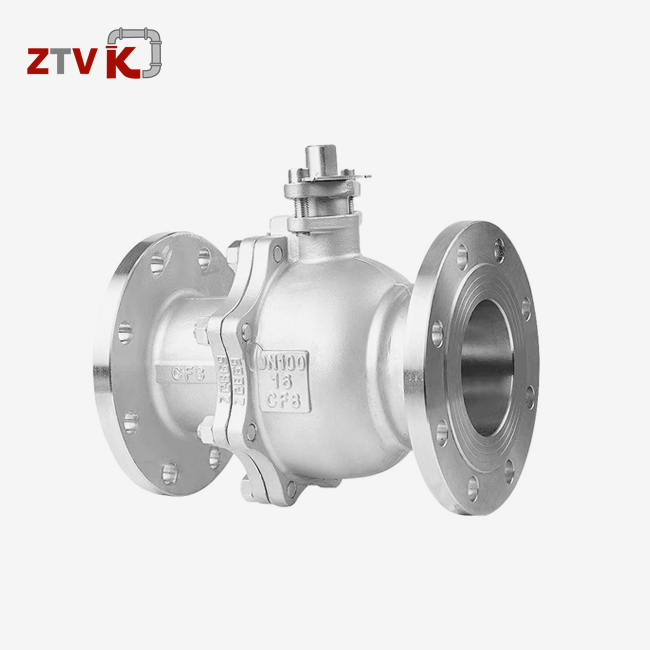
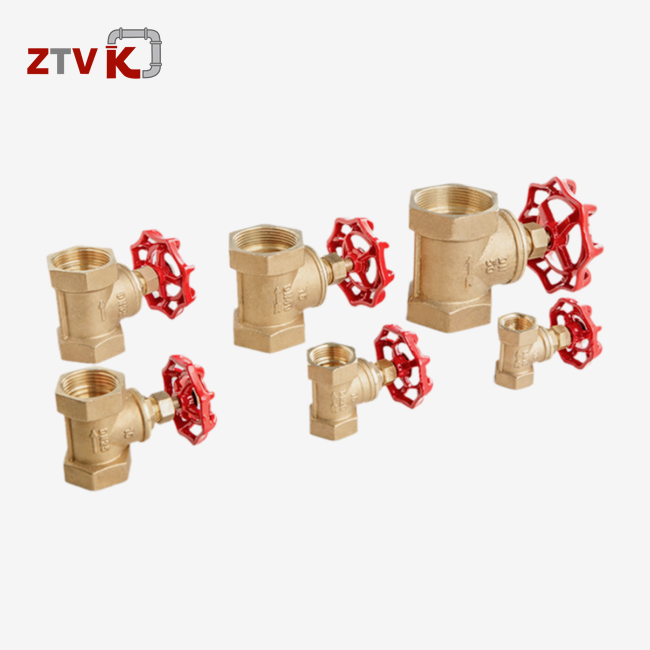
Different types of valve design work best for different types of operations. Gate valves only slightly limit flow, but they don't stop backflow automatically because they're separation devices, not check mechanisms. Although ball valves have a tight closing, the solids that build up in the pocket around the ball make them difficult to use in sewage systems.
For most runoff situations, swing check valves are the best mix. The full-port design keeps pressure drop to a minimum, usually adding less than 0.5 PSI at standard flow rates. This is very important in gravity-fed systems where stable settlement can't happen because the flow speed stays high enough to keep the slope. The simple mechanical design is reliable and doesn't need any extra power or control systems.
The spring system in spring-assisted checks makes them more maintenance-prone, but they close faster and can be used in high positions. These work great in places where the flow changes direction often, like pump discharge lines, because they seat quickly and protect upstream equipment from water hammer damage.
Evaluating Manufacturers and Certification Standards
For global buying to work, vendors need to be carefully evaluated. When you look at industrial quality processes, don't just look at prices. ISO 9001 certification shows that a company is committed to using consistent production methods, and ISO 14001 certification shows that a company uses environmental management practices that affect the long-term viability of the business.
In regulated sectors, product-specific licenses are very important. ASME stamps prove that pressure vessels follow the rules. With NSF 61 approval, you can be sure that the materials won't leach any dangerous chemicals into drinking water systems. This is true even for drainage uses in buildings where there is a chance of cross-connection. API guidelines govern how check valves are used in the petroleum business to keep hydrocarbon-contaminated wastewater under control.
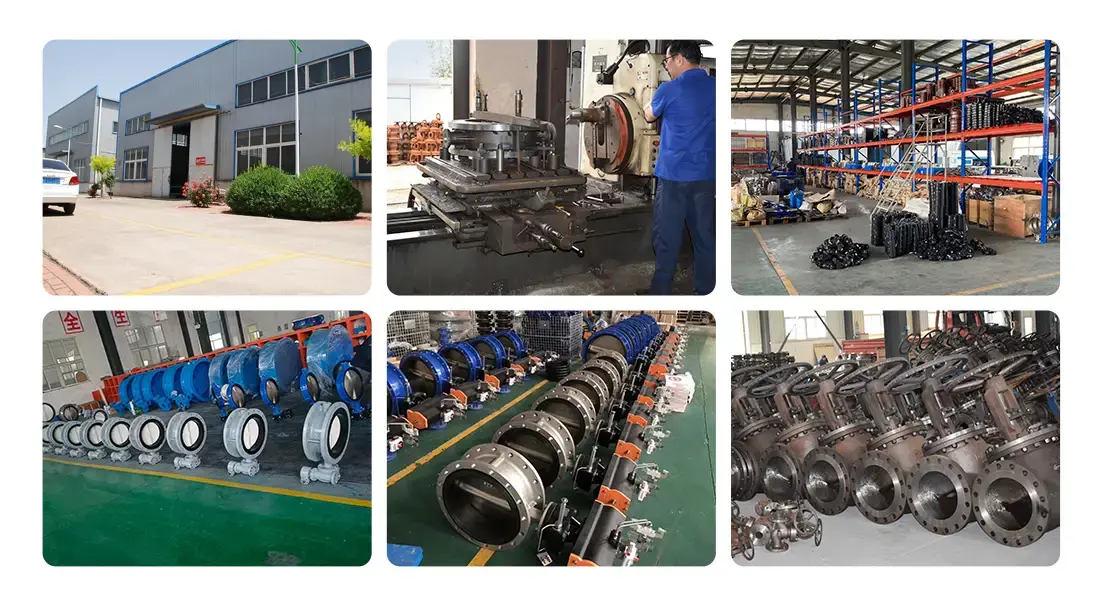
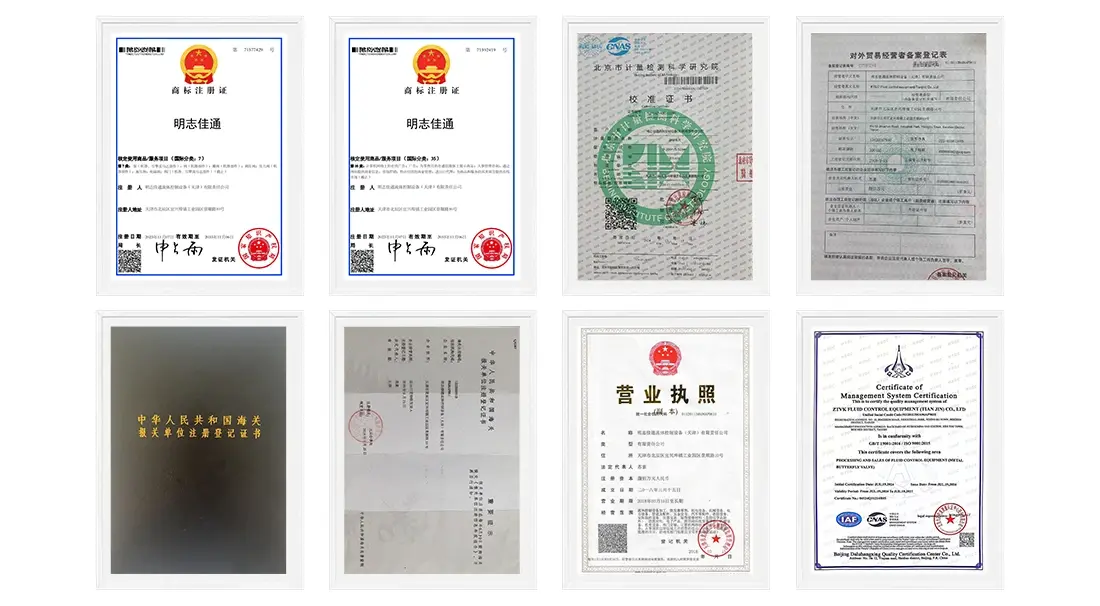
ZTVK has many qualifications, such as ISO 9001, ISO 14001, and OHSAS 18001, which help it do business in fields that have strict quality standards. As part of our testing services, we can do chemical analysis, hydrostatic pressure testing, and measurement proof that meets national standards.
Logistics Considerations for International Procurement
Managing leads on time keeps projects from being late. Most of the time, standard models in popular sizes can be shipped from stock, and warehoused items can be delivered in 3–7 days. Custom setups take 15 to 25 days to make, but there are choices for fast service for jobs that need to be done quickly. Include these dates in your project planning, especially for work that has strict due dates.
For the 3 inch sewer check valve, shipping processes have a big effect on the total landing cost. Being in Tianjin gives ZTVK great access to the port—our site is only 50 kilometers from Tianjin Port, so moving containers is quick and easy. We keep good ties with big shipping companies like COSCO and Maersk, which lets us offer competitive FOB Tianjin Xingang prices and safe transit times.
International shipping doesn't damage packages that follow certain rules. Wooden crates that meet ISPM 15 standards and have moisture shields keep valves safe from rust and damage from impacts. Proper inner support keeps crates from moving around while they're being shipped by sea. Damage claims and project delays are both expensive when packaging isn't up to par, so make sure your supplier's export packing meets foreign standards.
Conclusion
Installing sewage check valves correctly saves investments in infrastructure and keeps the environment from getting dirty. Backflow protection is based on five main points: knowing how valves work, properly preparing the site, using exact installation methods, keeping up with maintenance, and making smart choices about what to buy. Choosing between stainless steel and WCB affects how well it resists rust and how long it lasts. Methodical testing makes sure the quality of the work is checked before the system is turned on. Regular repair plans keep operations from being harmed by failures that happen out of the blue. When choosing suppliers, don't just look at price; look at manufacturing quality systems, full certifications, and quick expert help as well. These steps will make sure that your water safety system works well for many years.
FAQ
Q1: What size sewage check valve do I need for a 3-inch drainage line?
A 3 inch sewer check valve fits a 3 inch pipe, but you should check the real inside diameter measurements. Schedule 40 and Schedule 80 pipes have different wall thicknesses, which makes it harder to link them. Before you buy, you should always measure the current pipe and make sure the flange dimensions or thread specs are correct. When you buy from ZTVK, you don't have to guess about port sizes and connection standards because they provide physical models.
Q2: How often should I inspect my sewage check valve?
How often you inspect depends on how important the program is and how it is being used. Visual checks every three months work well in high-risk places like hospitals and food processing plants. Standard business uses work with once-a-year inspections. Every two to three years, or sooner if you notice changes in performance, you should take the machine apart for an internal check. Facilities that are exposed to strong chemicals may need more frequent inspections.
Q3: Can I install a swing check valve in a vertical pipe?
Most swing check valves are made to be installed horizontally, where gravity helps them close. For vertical placement, models with springs that don't just rely on disc weight are usually needed. Some companies make spring kits that can be used to turn normal swing checks into vertical checks. Before going against the manufacturer's suggested orientations, you should always check their specs. Installing something incorrectly can void guarantees and make it stop working.
Partner with ZTVK for Reliable Sewage Check Valve Solutions
Picking the right sewage check valve source has effects on the success of your project that go beyond the price of the valve itself. ZTVK has been making things for 15 years and has responsive customer service for foreign contractors, wholesalers, and OEM clients. Our Model H74 single-leaf swing check valve is made of tested technology. It comes in stainless steel or WCB choices and can handle pressures from 0.6 to 1.6 MPa across DN15 to DN100 sizes. It can be used with water, air, oil products, and media that are only slightly acidic or basic.
What makes us different? Order amounts that are flexible can be used for both large purchases and small runs of prototypes. Our 2000-unit stock of standard models helps wholesalers who need them right away, and our special manufacturing services help OEM partners who need different specs. With actuator connections that are set aside, our valves can change to meet your changing automation needs. If you need a 3 inch sewer check valve provider for current projects or engineering help for complicated installations, our expert team can help with CAD models, installation instructions, and fixing problems.
Contact ZTVK today at ktec86961886@163.com to discuss your specific requirements. We'll provide technical details, competitive quotations, and delivery schedules tailored to your project timeline.
References
1. American Society of Mechanical Engineers. (2020). ASME A112.14.1-2018: Backwater Valves. New York: ASME Press.
2. Canadian Standards Association. (2019). CSA B181.1: ABS Drain, Waste, and Vent Pipe and Fittings. Toronto: CSA Group.
3. Ferguson, R.D., & Mitchell, P.L. (2021). Industrial Valve Technology: Design, Operation, and Maintenance. Oxford: Butterworth-Heinemann.
4. International Organization for Standardization. (2018). ISO 5208: Industrial Valves — Pressure Testing of Metallic Valves. Geneva: ISO Publications.
5. Lyons, W.C., & Plisga, G.J. (2020). Standard Handbook of Petroleum and Natural Gas Engineering (3rd ed.). Houston: Gulf Professional Publishing.
6. Thumann, A., & Mehta, D.P. (2019). Handbook of Water and Wastewater Treatment Technologies. Lilburn: The Fairmont Press.
Send us your valve requirements and our team will provide professional solutions and fast quotations.
RELATED INDUSTRY KNOWLEDGE