- English
- French
- German
- Portuguese
- Spanish
- Russian
- Japanese
- Korean
- Arabic
- Greek
- German
- Turkish
- Italian
- Danish
- Romanian
- Indonesian
- Czech
- Afrikaans
- Swedish
- Polish
- Basque
- Catalan
- Esperanto
- Hindi
- Lao
- Albanian
- Amharic
- Armenian
- Azerbaijani
- Belarusian
- Bengali
- Bosnian
- Bulgarian
- Cebuano
- Chichewa
- Corsican
- Croatian
- Dutch
- Estonian
- Filipino
- Finnish
- Frisian
- Galician
- Georgian
- Gujarati
- Haitian
- Hausa
- Hawaiian
- Hebrew
- Hmong
- Hungarian
- Icelandic
- Igbo
- Javanese
- Kannada
- Kazakh
- Khmer
- Kurdish
- Kyrgyz
- Latin
- Latvian
- Lithuanian
- Luxembou..
- Macedonian
- Malagasy
- Malay
- Malayalam
- Maltese
- Maori
- Marathi
- Mongolian
- Burmese
- Nepali
- Norwegian
- Pashto
- Persian
- Punjabi
- Serbian
- Sesotho
- Sinhala
- Slovak
- Slovenian
- Somali
- Samoan
- Scots Gaelic
- Shona
- Sindhi
- Sundanese
- Swahili
- Tajik
- Tamil
- Telugu
- Thai
- Ukrainian
- Urdu
- Uzbek
- Vietnamese
- Welsh
- Xhosa
- Yiddish
- Yoruba
- Zulu
Double flange butterfly valve: Features and applications
The butterfly valve double flange type is one of the most important tools for controlling flow in industries. It is designed with flanged connections on both sides of the valve to provide superior structural stability and installation options. These valves work with a quarter-turn disc device, which makes them effective for slowing and isolating different pipeline systems. The butterfly valve double flange type design is different from the wafer and lug configurations because it allows safe end-of-line service and effectively absorbs pipeline stress. This makes it an essential part of municipal water networks, chemical processing facilities, and energy infrastructure where dependability and durability directly affect safety compliance and operational continuity.
Understanding Double Flange Butterfly Valves
What Defines a Double-Flange Butterfly Valve?
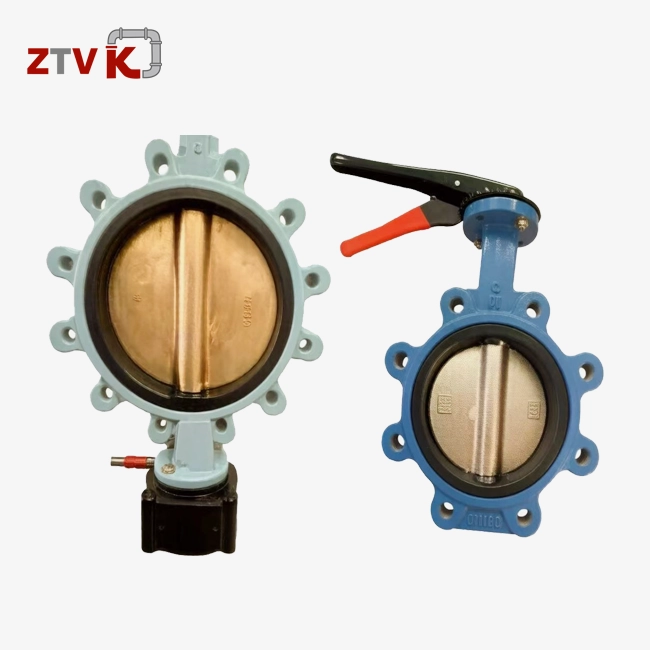
There are separate flanges cut or welded on both sides of the butterfly valve double flange type body. This makes it different from wafer-style valves that depend on compression between pipe flanges. This design lets the valve be bolted directly to pipe flanges that fit together. This makes a link that stays stable even when piping further downstream is taken out for repair or system changes. Face-to-face standards, like ISO 5752 Series 13 and 14, are followed in the design. This makes sure that the dimensions are the same for all foreign pipeline installs.
Working Principle and Flow Control Mechanism
At the center of this valve is a round disc that is attached to a central tube and rotates 90 degrees to go from fully open to fully closed. When the disc is fully opened, its smooth shape lines up with the flow direction, reducing noise and pressure drop to below 0.5 bar. When the valve is closed, the disc is pushed against the elastic seat so that there are no bubbles in the shutdown. When compared to gate valves of the same size, this simple but effective mechanism lowers actuation force by about 30%. This means that actuator costs are lower and reaction times are faster in automatic systems.
Material Selection for Performance Durability
Material compatibility has a direct effect on how long a valve lasts in high-temperature or corrosive settings. The body can be made of ductile iron for normal water use or types SS304, SS316, and SS316L stainless steel for chemical protection. You can get discs made of ductile iron, CF8 stainless steel, CF8M for better rust protection, or aluminum bronze for use in salt water. EPDM, NBR, PTFE, and Viton are the seat materials that are chosen based on how well they work with different chemicals and fluid temperatures. EPDM works well with water and light chemicals up to 120°C, while Viton can handle strong chemicals and temperatures up to 200°C. This material's flexibility means that solutions can be made to fit unique working needs.
Key Features and Advantages of Double Flange Butterfly Valves
Mechanical Stability and Structural Integrity
The butterfly valve double flange type design spreads the pipeline loads evenly across the valve body, which stops it from deforming in a way that makes the closing less effective. This structural benefit is very important for systems with a large diameter (DN600 to DN2000), because wafer valves can bend when they are under hydrostatic pressure or when the temperature changes. The stiff mounting reduces vibration-related wear and tear during pump start-up processes, which means the service life goes beyond 50,000 rounds. Engineers working on building projects like this are wondering how reliable this is, especially for sites that are buried and need to be dug up and shut down, which can be expensive.
Superior Sealing and Leakage Prevention
These valves meet the EN 12266-1 Class A or API 598 bubble-tight standards and don't leak because their flange sides are precisely machined and their elastomeric seats are properly squeezed. The high-performance versions use a double eccentric disc design that keeps the seal working well for longer between service times by reducing seat wear during opening and closing. This leakage control keeps chemical working processes safe and stops water from leaking out of city water systems, which has a direct effect on how well they work and how well they follow environmental rules.
Flow Efficiency and Pressure Management
The disc's sleek shape creates very little flow resistance, with Cv values that are about the same as those of full-bore ball valves. Testing shows that pressure drops stay below 0.4 bar at full opening for sizes DN50 to DN600. This keeps the pump's efficiency and lowers the amount of energy it uses. Working pressures for the valve range from PN10 to PN16, which is good for most industry uses. Body wall thickness and flange drilling patterns can be changed to meet ANSI Class 150 or JIS 10K standards for systems that need higher pressure ratings.
Operational Flexibility Across Actuation Methods
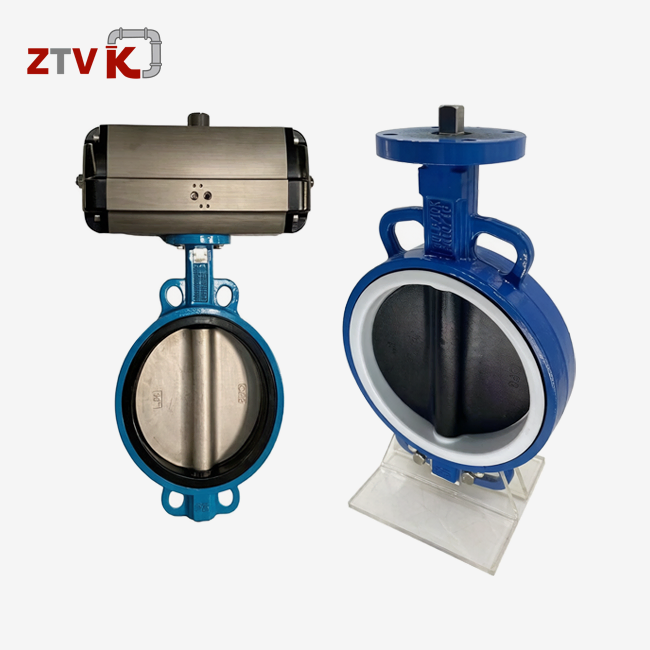
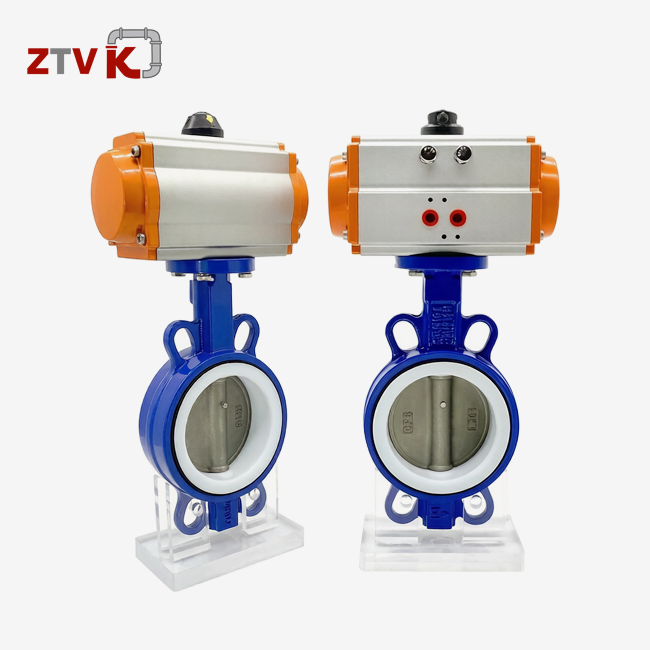
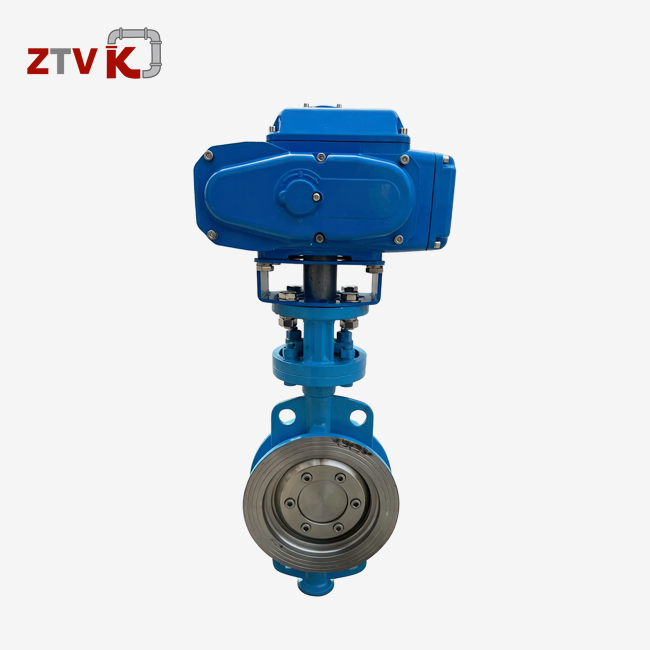
The different types of actuation—hand lever, worm gear, pneumatic actuator, and electric actuator—allow for operating freedom that can be adjusted to the needs of the system. For manual separation in easily reachable places up to DN200, hand switches work well. Worm gears, on the other hand, make manual operation possible up to DN600 through mechanical advantage. For process control, pneumatic actuators have short cycle times, and electric actuators can connect to SCADA systems to allow remote tracking and automated scheduling. ZTVK valves have ISO 5211 fixing pads built in, which means that they can be used with any actuator without the need for special adapters.
Applications and Industry Use Cases
Municipal Water Supply and Distribution Networks
For main line isolation and flow control in large water transport systems, butterfly valve double flange types with sizes between DN400 and DN2000 are used. The butterfly valve double-flange type works best in these conditions because it can handle ground-moving loads and hydrostatic pressures without the seal coming apart. When utilities put these valves in underground vaults or pump stations, maintenance is easier because the valve stays closed even when the pipes downstream are removed for maintenance or inspection. Coating valve bodies with epoxy glue stops corrosion in damp places, so they last longer than 25 years in underground systems.
HVAC and Fire Protection Systems
For the movement of chilled water, condenser cooling loops, and fire suppression mains, building control systems use butterfly valves with sizes DN50 to DN300. In energy-efficient building designs, the low-torque operation cuts down on the power used by the actuator, and the bubble-tight switch stops circulation loss during yearly shutdowns. Fire protection workers choose butterfly valve double-flange-type solutions because they meet NFPA 20 standards and work reliably in yearly flow tests. The fact that UL/FM-approved versions are available speeds up the approval process for local governments.
Chemical Processing and Petrochemical Facilities
When handling media aggressively, you need materials that don't corrode and strong seals and rubber-lined soft seals. Acids, solvents, and fuels can be used with stainless steel bodies and Viton or PTFE seats at temperatures up to 180°C. The butterfly valve double-flange-type design lets the pipe expand and contract with temperature changes over long distances without putting stress on nearby equipment, which protects expensive pumps and heat exchangers. Chemical engineers like how the valve can be turned in a quarter of a turn during emergency shutdowns. This quick separation stops process upsets from getting worse. Customised disc materials, such as aluminum bronze, don't wear down easily in slurry applications, so they can keep their throttle accuracy over long campaigns.
Oil and Gas Production and Refining Operations
In wellhead manifolds, separation trains, and pipeline metering stations, upstream and intermediate sites install butterfly valves. With the right body improvements, the valves can handle pressures of up to PN25 for crude oil, natural gas, and created water. They are used by refineries in cooling water systems that need low-pressure drop options because of the high flow rates (up to 5,000 m³/hr). The butterfly valve double flange type design makes maintenance easier during planned turnarounds because whole valve systems can be taken apart and put back together during planned outage times. Anti-static disc designs stop sparks from happening in environments that could explode, which helps products meet ATEX and IECEx standards.
Selecting and Sizing Double Flange Butterfly Valves
Dimensional Considerations and Flow Capacity Calculations
The right size strikes a mix between the flow rate, the allowed pressure drop, and the speed limits. For constant service, the speed of the water is usually limited to 3 m/s to keep noise and damage to a minimum. Standard-size tables show that a DN300 butterfly valve double-flange type can handle flow rates of up to 750 m³/hr at PN10 grade. When throttling, control accuracy is lower when valves are too big compared to the pipeline width. On the other hand, seat wear is faster when valves are too small, and more energy is used. Engineers should use flow rate, fluid density, and allowable pressure drop to figure out the needed Cv values. They should then choose the next bigger standard size as a safety margin.
Pressure Rating and Temperature Compatibility
The choice of working pressure is based on the highest pressure in the system, which includes surges that happen when the pump stops or a valve closes. Standard PN10 valves can handle up to 10 bar of pressure at 20°C, but they need to be derated for higher temperatures. When the temperature goes above 120°C, Viton or PTFE is needed to keep the EPDM chairs sealed. For thermal oil or steam systems, check the manufacturer's derating curves to make sure the material you choose for the seat works with both the temperature and pressure. ZTVK's engineering teams offer application review services to make sure that valve specs match up with working conditions. This cuts down on specification mistakes that cause valves to fail before they should.
Actuator Torque Requirements and Automation Integration
To choose the right actuator for a rubber-lined soft seal, you need correct torque data across the whole working range. This is especially true for unseating torque when the actuator opens from the closed position. When compared to circular patterns, double eccentric disc designs cut down on unseating force by 40%, which lets smaller actuators be used. Pneumatic actuators that are rated for break force plus a 25% safety limit make sure that they will work reliably even in the worst situations, like when the valves are closed for a long time or sediment builds up. Electric motors that can modulate provide precise settings for flow control applications and can connect to DCS systems using 4-20 mA analogue signals. When power or air supply fails, fail-safe designs with spring-return pneumatic actuators drive valves to set settings that protect processes.
Conclusion
The butterfly valve double flange type has been shown to be reliable in harsh industrial settings thanks to its strong mechanical design, wide range of material choices, and ability to be used in a variety of ways. These valves balance efficiency, ease of maintenance, and cost-effectiveness in a wide range of applications, from local water infrastructure to chemical processing and energy production. The best integration into current systems is achieved by carefully choosing components based on their pressure values, compatibility with materials, and actuation needs. When you work with qualified makers who offer full technical help and customisation options, you can move from transactional buying to strategic asset management. With the information in this article, engineering and buying teams can make smart choices that improve system stability while keeping costs low over its lifetime.
FAQ
1. How does a double flange butterfly valve differ from wafer and lug types?
The butterfly valve double flange type design has full flanges on both ends of the valve that are bolted separately to pipe flanges to give the structure freedom. Wafer valves don't have flanges, so they can't be used at the end of a line because they have to be compressed between pipe flanges using through-bolts. Lug-type valves have threaded inserts that hold the bolts in place, but they don't have the stress distribution and mechanical safety of full flanges, which means they can't be used in situations with a lot of vibration or a large width. The butterfly valve double flange type lets you keep it in better alignment and makes fitting easier when you have a lot of different pipe designs.
2. What gasket requirements apply to double flange butterfly valve installations?
In wafer valves, vulcanised seat covers often work as gaskets. But in butterfly valve double-flange-type setups, there needs to be a separate flange gasket between the valve and pipe flanges. The type of fluid and temperature affect the choice of material. For example, compressed fibre sheets work well in water up to 80°C, while spiral-wound gaskets can handle steam and chemicals up to 400°C. For interference-free valve opening, the inner diameter of the gasket must be larger than the chord length of the disc. The right order of bolt torques makes sure that valve flanges are compressed evenly without warping, which is important for keeping the seal's integrity and stopping the gasket from failing too soon.
3. Can these valves perform throttling service reliably?
In the 30% to 70% open settings, where flow properties stay mostly linear, butterfly valves work well for throttling. If you keep slowing close to fully closed places, the fluid's speed will rise through the small gap, which could cause damage called cavitation. High-performance double-offset systems get around this problem by changing the shape of the discs in a way that keeps the flow separation under control. Electric actuators with positioning input are useful for applications that need to change flow rates precisely. This makes them easy to add to automatic control loops. When specifying, checking the manufacturer's slowing curves makes sure that the valve chosen fits the desired control range and stops operating problems.
Partner with ZTVK for Reliable Butterfly Valve Double Flange Type Solutions.
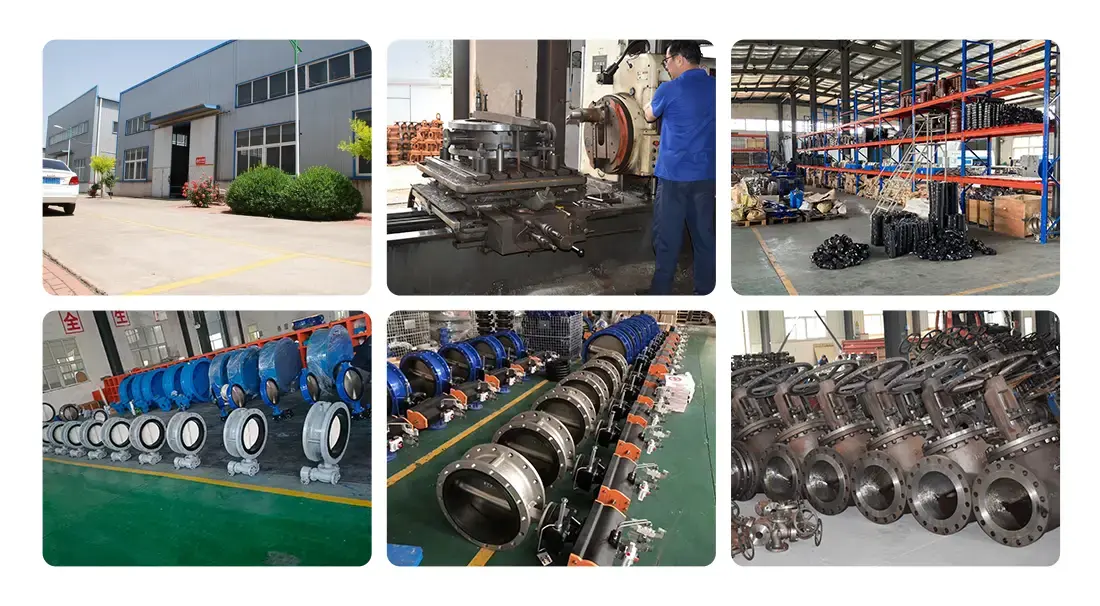
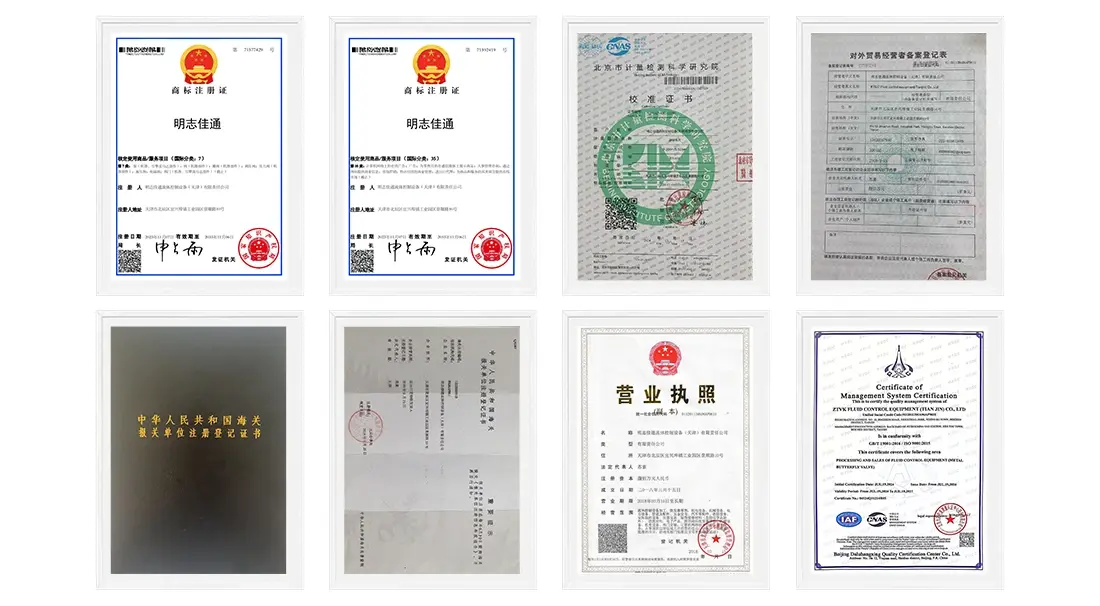
ZTVK has been making butterfly valve double flange types that meet strict foreign standards for more than 15 years. The company is based in Tianjin's Beichen District. Our large selection of standard models in sizes DN50 to DN600 allows for fast delivery within 3 to 7 days, meeting the tight project deadlines that many industrial builders and resellers face. Our ODM services can change the valve body designs, sealing materials, and connection standards to fit specific working conditions. These services are backed by ISO 9001, ISO 14001, and OHSAS 18001 certifications.
Our factory has CNC machining centers and special tools for making large-diameter valves. This lets us make valves up to DN2000 precisely and always check the quality. Being strategically located just 50 kilometers from Tianjin Port makes international shipping easier thanks to partnerships with COSCO and Maersk. This makes FOB and CIF prices more reasonable. ZTVK's engineering team is available to help you at any time during your buying process, whether you need OEM branding for dealer networks or expert advice on choosing materials for corrosive media.
To make your supply chain more reliable, find out how ZTVK's butterfly valve double flange type maker services can help. Get thorough product catalogs, unique quotes, and help with application building by emailing our team at ktec86961886@163.com.
References
1. American Water Works Association. AWWA Manual M49: Butterfly Valves: Torque, Head Loss, and Cavitation Analysis. Denver: AWWA, 2012.
2. Hutchison, J. W. ISA Handbook of Control Valves, Second Edition. Research Triangle Park: ISA, 1976.
3. Zappe, R. W. Valve Selection Handbook: Engineering Fundamentals for Selecting the Right Valve Design for Every Industrial Flow Application, Fifth Edition. Houston: Gulf Publishing, 2004.
4. British Standards Institution. BS EN 593:2009+A1:2011 - Industrial Valves. Metallic Butterfly Valves for General Purposes. London: BSI, 2011.
5. Skousen, Philip L. Valve Handbook, Third Edition. New York: McGraw-Hill, 2011.
6. International Organization for Standardization. ISO 5752:1982 - Metal Valves for Use in Flanged Pipe Systems - Face-to-Face and Centre-to-Face Dimensions. Geneva: ISO, 1982.
Send us your valve requirements and our team will provide professional solutions and fast quotations.
RELATED INDUSTRY KNOWLEDGE