- English
- French
- German
- Portuguese
- Spanish
- Russian
- Japanese
- Korean
- Arabic
- Greek
- German
- Turkish
- Italian
- Danish
- Romanian
- Indonesian
- Czech
- Afrikaans
- Swedish
- Polish
- Basque
- Catalan
- Esperanto
- Hindi
- Lao
- Albanian
- Amharic
- Armenian
- Azerbaijani
- Belarusian
- Bengali
- Bosnian
- Bulgarian
- Cebuano
- Chichewa
- Corsican
- Croatian
- Dutch
- Estonian
- Filipino
- Finnish
- Frisian
- Galician
- Georgian
- Gujarati
- Haitian
- Hausa
- Hawaiian
- Hebrew
- Hmong
- Hungarian
- Icelandic
- Igbo
- Javanese
- Kannada
- Kazakh
- Khmer
- Kurdish
- Kyrgyz
- Latin
- Latvian
- Lithuanian
- Luxembou..
- Macedonian
- Malagasy
- Malay
- Malayalam
- Maltese
- Maori
- Marathi
- Mongolian
- Burmese
- Nepali
- Norwegian
- Pashto
- Persian
- Punjabi
- Serbian
- Sesotho
- Sinhala
- Slovak
- Slovenian
- Somali
- Samoan
- Scots Gaelic
- Shona
- Sindhi
- Sundanese
- Swahili
- Tajik
- Tamil
- Telugu
- Thai
- Ukrainian
- Urdu
- Uzbek
- Vietnamese
- Welsh
- Xhosa
- Yiddish
- Yoruba
- Zulu
How Metal-to-Metal Seated Butterfly Valves Work
Metal-to-metal seating butterfly valves, as a type of metal butterfly valve, are very important for controlling fluid flow in tough industrial systems because they work well in situations where dependability and robustness are very important. These valves are different from rubber-seated valves because they seal with hardened metal surfaces. This makes them essential in places with high temperatures, rough media, and high pressures. This guide is meant to give buying managers, engineers, distributors, and OEM clients all the information they need about these valves. You will learn about how they are made, how they work, and how to choose and take care of the right product for your needs. You can expect useful tips on how to make the best choices about what to buy, keeping cost, performance, and long-term dependability in mind. If you know how these valves work, you can make better decisions that save money on downtime and running costs, whether you're buying for petrochemical plants, local water systems, or big EPC projects.
Understanding Metal-to-Metal Seated Butterfly Valves
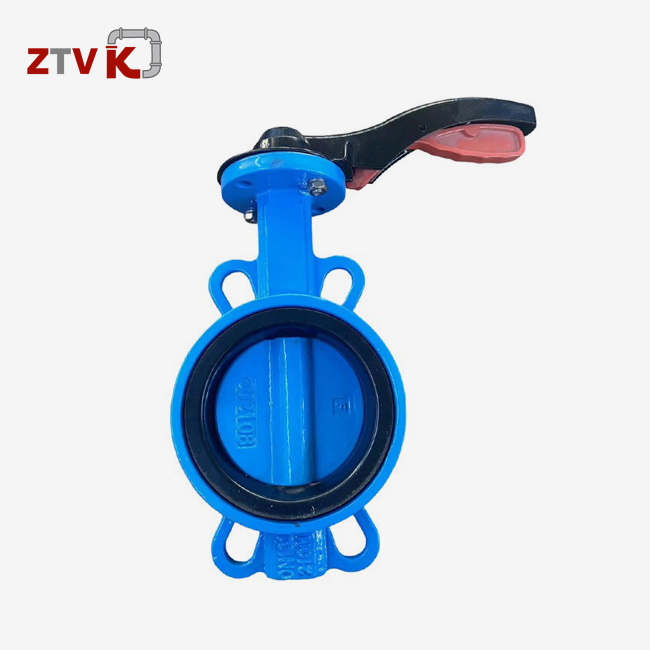
In order to control flow, a metal butterfly valve has a quarter-turn device where a metal disc spins around a center shaft. The metal-to-metal binding contact is what makes it unique. Both the valve seat and disc are made of strong metals like stainless steel, hardened steel, or special alloys. The disc fits against the seat when the lid is closed, making a tight seal through mechanical force instead of rubber compression. This design fixes the main problems with soft-seated valves, which break down quickly when they are exposed to high temperatures or rough circumstances.
Basic Structure and Components
For general work, the valve body is made of carbon steel (A216 WCB), and for corrosive conditions, it is made of stainless steel (A351 CF8/CF8M). The disc is made of strengthened stainless steel or special metals like Inconel that don't wear down easily. Stellite hardfacing, a cobalt-chromium metal known for being very hard and resistant to wear, is often used on the seat. This mix makes a binding surface that can withstand temperatures from very cold to 800°C, which is much higher than the 200°C point at which rubber seals fail.
Operating Principles
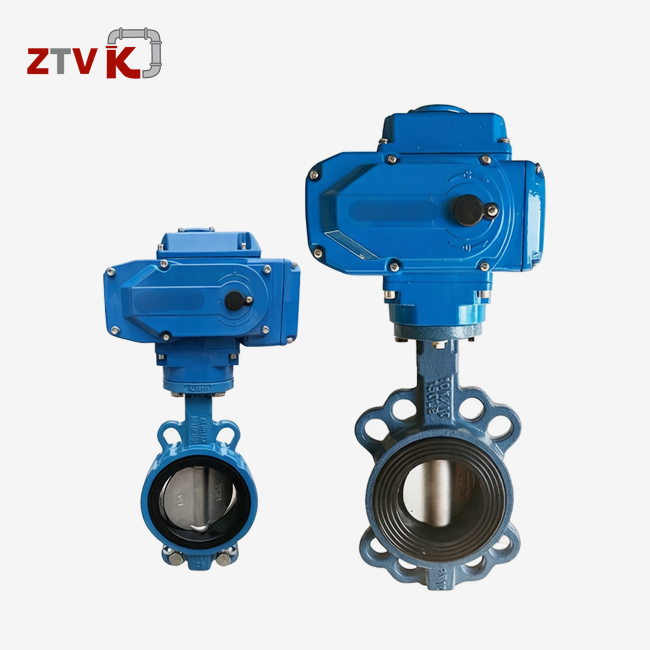
Precise machining and physical matching are needed for the sealing device to work. By keeping the disc away from the seat until the very end of the closing cycle, triple offset designs get rid of friction during the opening cycle. This action that doesn't rub against anything stops wear during operation, so the cycle life is over 50,000 operations, compared to 5,000 to 10,000 operations for resilient-seated valves. The disc turns 90 degrees from fully open to closed when force is applied through hand gearboxes, pneumatic actuators, or electric actuators. This ensures a bubble-tight shutdown that meets FCI 70-2 Class VI standards.
Material Advantages Over Resilient Seating
In a number of important ways, metal seats are better than resilient choices. In steam, hot oil, or cold environments, thermal stability keeps seals from breaking down. Abrasion resistance lets you work with slurries and fluids that are full of particles without the seal wearing away quickly. Chemical compatibility includes harsh substances that would break down or expand rubber. The naturally fire-safe design meets API 607 standards and keeps the seal's integrity even after being exposed to flames, which is necessary for chemical plants and factories. Since these things are true, metal-to-metal valves and metal butterfly valve designs are perfect for controlling fluids in factories where long-lastingness is important.
Core Performance Characteristics and Applications
Buyers can better match metal butterfly valves to specific workplace settings when they know about their performance standards. ANSI Class 150 to Class 2500 are the normal pressure levels. Differential pressures of up to 1500 psi can be handled based on the valve's size and body material. The valves can work in temperatures ranging from -196°C (for cryogenic LNG service) to +800°C (for superheated steam), which is the highest range of temperatures possible in the valve business.
Precision Flow Control Capabilities
Metal butterfly valves have great flow properties and low pressure drop. The smooth disc shape reduces noise, keeping Cv values comparable to gate valves while taking up less installation room. You can control the throttle between 20 and 70 degrees open, but the motors need to be big enough to handle dynamic torque reversal during modulation. Because of this, they can be used for both on-off service and ongoing flow control in HVAC systems, water treatment plants, and other process control settings.
Size Availability and Installation Flexibility
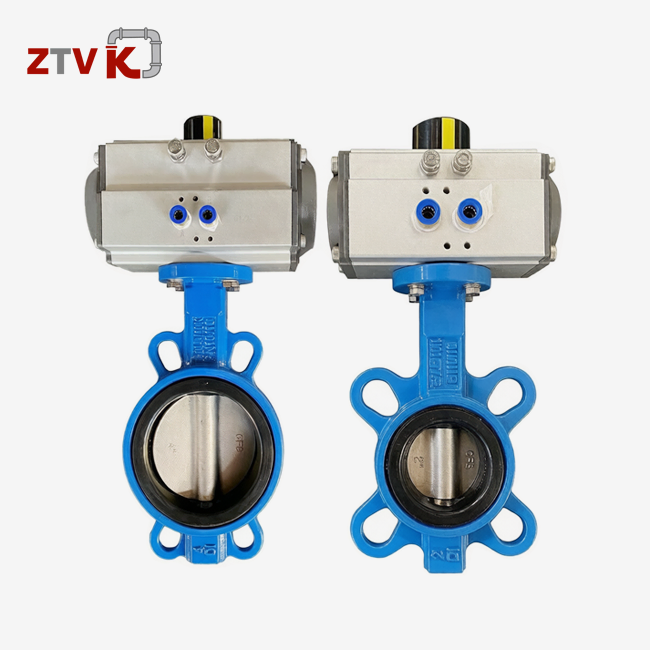
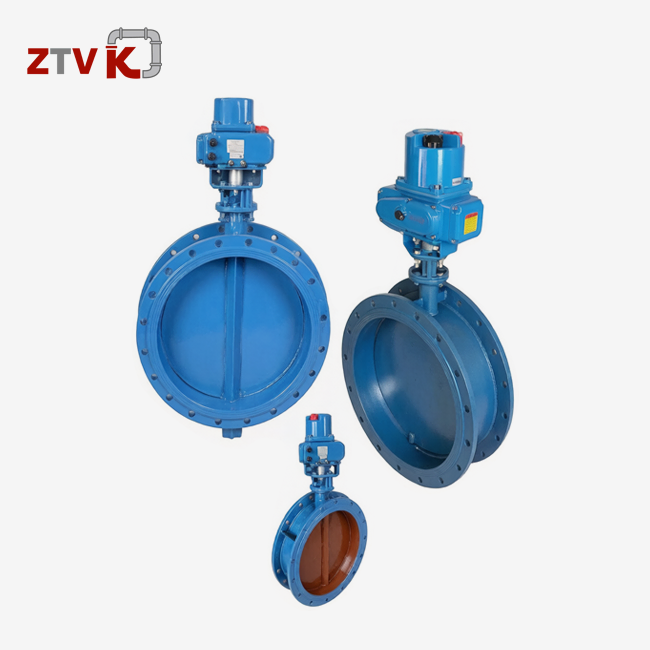
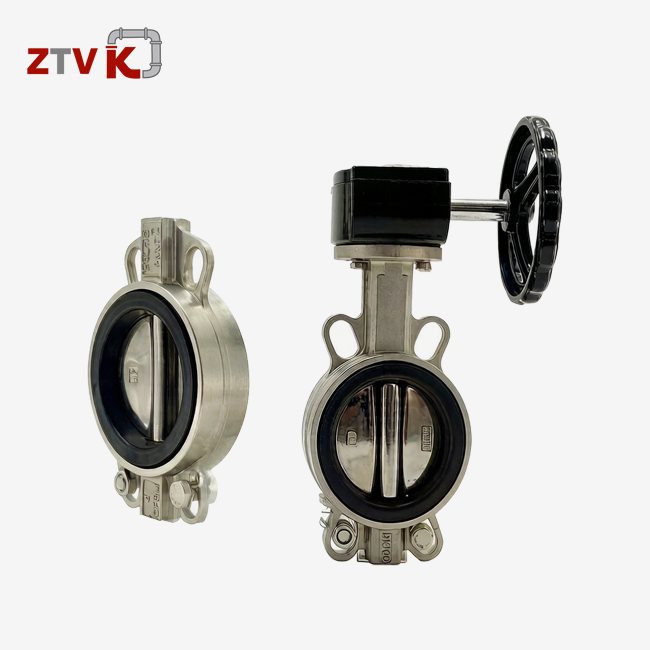
Manufacturers make sizes ranging from DN50 to DN3000 (2" to 120"), and they come in wafer, lug, and flanged styles. For low-pressure uses, wafer-style valves are lighter and cheaper to install, while lug designs let you take out just one side of the pipe for repair. For heavy-duty use, flanged bodies offer the best level of pressure stability. Compared to gate or globe valves, the small face-to-face size saves installation space. This is a huge benefit in pipe layouts with a lot of connections or remote platforms where space is very valuable.
Typical Industrial Applications
In high-temperature refinery streams and corrosive chemical processing lines, petrochemical plants use metal butterfly valves. They are used in power plants to separate the steam and control the feedwater where there is steady heat cycling. The long service life in raw water intake means that gritty sediment can be treated without having to change the seals often, which is good for municipal water systems. Fire prevention systems depend on being able to seal right away and working without any problems. Because they can be used in a variety of demanding areas, procurement experts are choosing metal-seated designs for more and more important service uses.
Comparing Metal-to-Metal Seated Butterfly Valves with Other Valve Types
To choose the best valve type, you need to know how the performance of each design compares to others. Metal butterfly valves are one of a kind because they are both cost-effective and able to handle heavy loads.
Metal Butterfly vs. Ball Valves
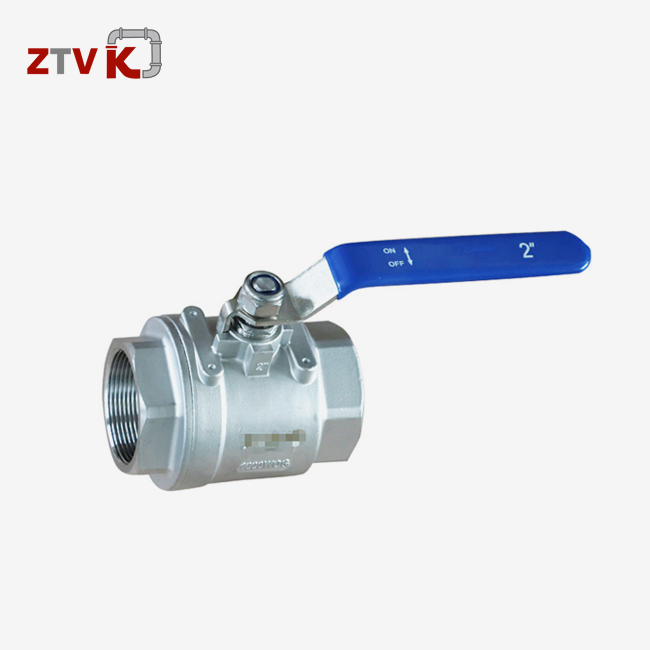
Ball valves shut in both directions and don't block flow much, but they cost two to three times more than similar sizes to buy. Metal butterfly valves have the same ability to shut off flow in the desired way while being lighter when placed. The quarter-turn action of both types lowers actuator wear compared to multi-turn gate valves in situations where they need to be used often. But because they wipe away solids, ball valves are slightly better at handling fluids that are high in solids, while butterfly discs can trap particles if they are not positioned correctly.
Wafer vs. Lug vs. Flanged Designs
Through-bolts hold wafer valves between pipe flanges. They are the cheapest and lightest option, but both flanges must be in place for them to work. Lug valves have threaded plugs that let the flange be removed separately. This is necessary for dead-end service or when repair needs to be done downstream without depressurizing the system. For high-pressure work above Class 600, flanged bodies offer the best structural stability because they spread stress over a larger bolt circle. When making a purchase choice, the initial savings should be weighed against the need for operating freedom and future access for upkeep.
Triple Offset Geometry Advantage
When standard concentric or double-offset butterfly valves are used, they still rub against each other, which shortens their temperature and cycle life. With triple offset designs, the centerline of the shaft is behind the centerline of the disc and the centerline of the seat. This makes a cam action that pulls the disc clear when the door opens. This new idea gets rid of friction-based wear and heat production, which lets the system work at higher temperatures and go longer between repair visits. Triple offset valves cost 15–30% more than single offset valves, but their total cost of ownership is often lower because they don't need to be replaced as often and they don't need as much downtime.
Material Selection Impact
Metal butterfly valve Stainless steel bodies (CF8M/316) don't rust in chemical and water treatment, but they cost 40–60% more than carbon steel bodies (WCB). When working with neutral media at reasonable temperatures, carbon steel that has been properly coated works well and doesn't cost as much. Duplex and super duplex steels fill in the gaps by giving corrosion protection close to that of stainless steel at a price point in the middle. Rare metals like Inconel and Hastelloy are only needed in situations where they will be highly toxic or where the temperature is very high. A key part of any buying plan is figuring out how to balance the cost of materials with their expected service life and the logistics of replacement.
Conclusion
When it comes to tough industrial settings where regular soft-seated designs won't work, metal butterfly valves are the best choice. Because they can handle high temperatures, don't wear down easily, and last longer, their total cost of ownership is higher, even though they cost more at first. The success of procurement relies on matching valve materials and shapes to specific working conditions, making sure that suppliers have the right certifications, and putting in place maintenance plans that keep things in good shape. The move toward triple offset designs has pretty much gotten rid of the friction-wear problems that used to stop these valves from competing with ball and gate valves in tough service situations where butterfly valves couldn't do well before. As companies around the world try to lower their maintenance costs and make their systems more reliable, metal butterfly valve technology keeps getting better with smarter motors, better seat materials, and longer guarantees that show manufacturers are confident in their long-term performance.
FAQ
1. What advantages do metal-to-metal butterfly valves offer over rubber-lined options?
Metal seats get rid of the temperature limits that come with elastomers, so they can work reliably from very cold temperatures to 800°C, while rubber stops working at 200°C. Abrasion resistance stops fast wear in slurry work, so parts don't need to be replaced every few months or years. Chemical compatibility includes strong acids and detergents that break down soft seats. The fire-safe design keeps the seal's integrity even after being exposed to flames, which meets API 607 standards for factories. Even though the original cost is 30–50% higher, metal seats are better for harsh service because they last longer and need to be replaced less often.
2. Are metal butterfly valves suitable for high-temperature and high-pressure scenarios?
Of course. When properly defined, metal butterfly valves can handle Class 600–2500 pressure levels (up to 1500 psi differential), and the materials used for their bodies are matched to the pressure needs. The temperature range varies on the seat material. Stellite can handle temperatures up to 650°C, while Inconel can handle temperatures up to 800°C. A triple offset shape stops thermal expansion jamming, which happens a lot in circular designs. It can be used for superheated steam, hot oil, process streams in refineries, and feedwater for power plants where the temperature is constantly changing.
3. What maintenance implications does metal seating create?
Because they don't rub against each other and are more resistant to wear, metal chairs need less upkeep than rubber ones. Instead of every three months, inspections are now done once a year. With replaceable seat rings, big overhauls can be turned into minor maintenance jobs that can be done without taking the valves out of the engine. Compared to soft-seated valves that tend to stick, these valves don't need as much lubrication. The main need is torque tracking to find slow seat wear before the seal completely fails. This way, maintenance can be planned ahead of time and emergency shutdowns can be avoided.
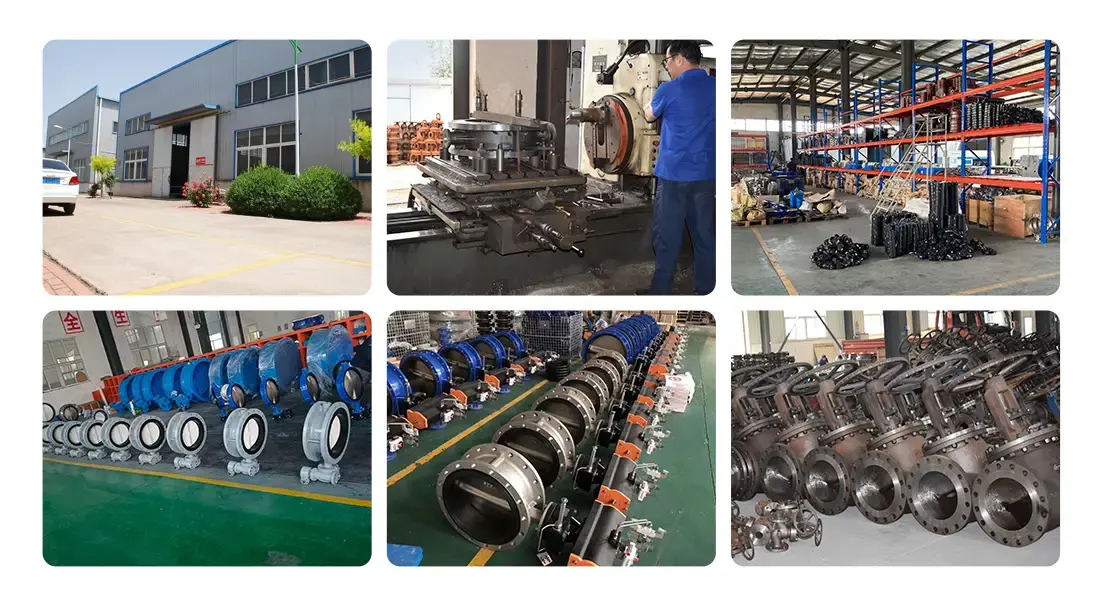
Partner with ZTVK for Reliable Metal Butterfly Valve Supply
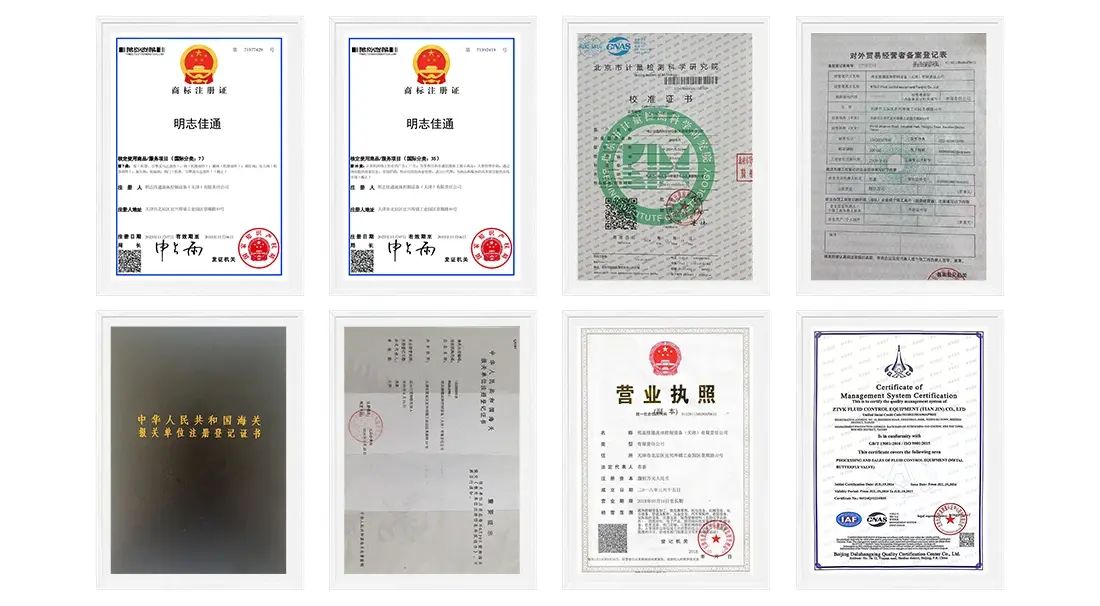
Finding the right source for metal butterfly valves turns procurement from a problem to a strategic benefit. ZTVK provides metal-to-metal seated butterfly valves for industrial use that are designed to work in harsh situations. They combine precise making with quick delivery. Our Tianjin plant keeps more than 2,000 standard valves in stock and can ship them within three to seven days. Custom configurations are finished in fifteen to twenty-five days, addressing the critical pain point of long lead times. We help with full OEM branding and ODM reworking, so wholesalers can offer custom solutions. Our quality meets foreign standards thanks to ISO9001, ISO14001, and OHSAS18001 certifications and API compliance. We offer cheap FOB and CIF prices and export packaging that meets ISPM 15 standards. Contact our technical team at ktec86961886@163.com to discuss your specific requirements.
References
1. "API Standard 609: Butterfly Valves - Double Flanged, Lug- and Wafer-Type," Tenth Edition, American Petroleum Institute, 2017.
2. Scousen, Philip L., "Valve Handbook," McGraw-Hill Professional, 2011, third edition.
3. "Valve Selection Handbook: Engineering Fundamentals for Selecting the Right Valve Design for Every Industrial Flow Application," Fifth Edition, by R.W. Zappe, was published by Gulf Professional Publishing in 2004.
4. In 2009, Smith wrote "Process Plant Valves: A Comprehensive Guide to Valve Types and Applications," which was published by Mechanical Engineering Publications.
5. Lyons, Jerry L., "The Valve Designer's Handbook," CRC Press, 1998.
6. "Handbook of Valves and Actuators: Valves Manual International," by Brian Nesbitt, was published by Elsevier Science in 2007.
Send us your valve requirements and our team will provide professional solutions and fast quotations.
RELATED INDUSTRY KNOWLEDGE