- English
- French
- German
- Portuguese
- Spanish
- Russian
- Japanese
- Korean
- Arabic
- Greek
- German
- Turkish
- Italian
- Danish
- Romanian
- Indonesian
- Czech
- Afrikaans
- Swedish
- Polish
- Basque
- Catalan
- Esperanto
- Hindi
- Lao
- Albanian
- Amharic
- Armenian
- Azerbaijani
- Belarusian
- Bengali
- Bosnian
- Bulgarian
- Cebuano
- Chichewa
- Corsican
- Croatian
- Dutch
- Estonian
- Filipino
- Finnish
- Frisian
- Galician
- Georgian
- Gujarati
- Haitian
- Hausa
- Hawaiian
- Hebrew
- Hmong
- Hungarian
- Icelandic
- Igbo
- Javanese
- Kannada
- Kazakh
- Khmer
- Kurdish
- Kyrgyz
- Latin
- Latvian
- Lithuanian
- Luxembou..
- Macedonian
- Malagasy
- Malay
- Malayalam
- Maltese
- Maori
- Marathi
- Mongolian
- Burmese
- Nepali
- Norwegian
- Pashto
- Persian
- Punjabi
- Serbian
- Sesotho
- Sinhala
- Slovak
- Slovenian
- Somali
- Samoan
- Scots Gaelic
- Shona
- Sindhi
- Sundanese
- Swahili
- Tajik
- Tamil
- Telugu
- Thai
- Ukrainian
- Urdu
- Uzbek
- Vietnamese
- Welsh
- Xhosa
- Yiddish
- Yoruba
- Zulu
Stainless steel spring check valve for High-Pressure Systems
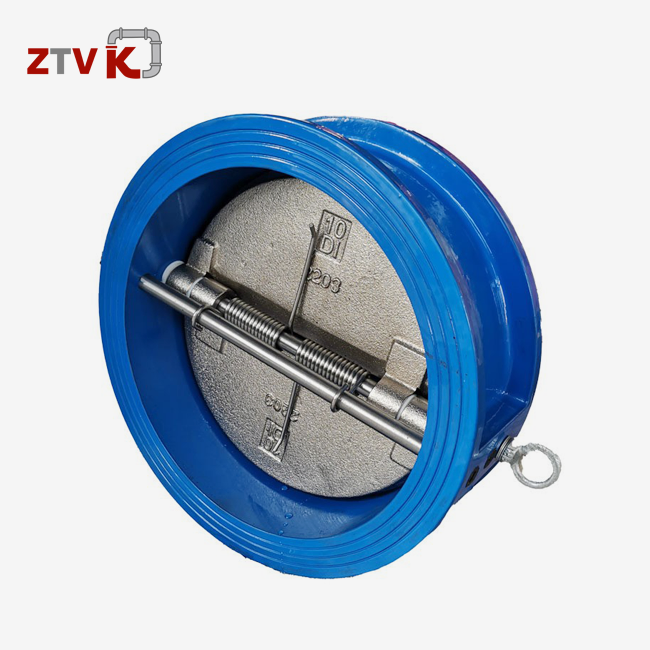
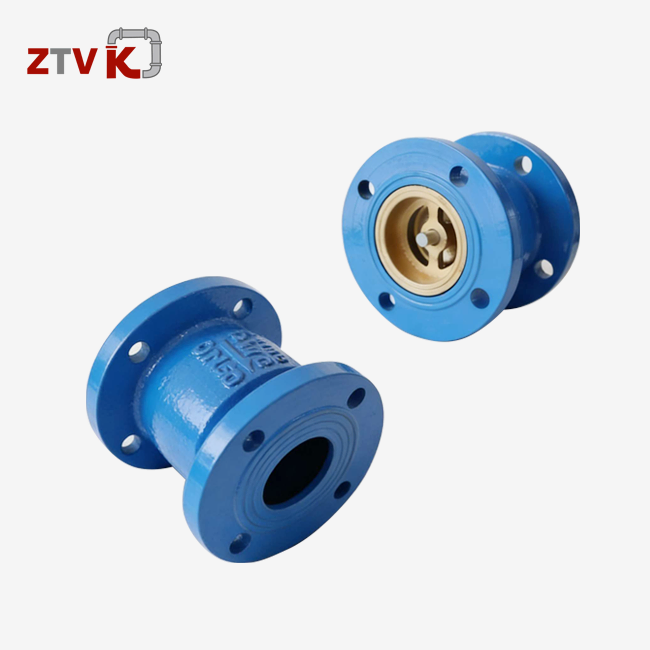
A stainless steel spring check valve is a specialized flow control device that uses an internal spring mechanism to permit one-directional fluid movement in pressurized piping networks. Designed for high-pressure applications, this valve type features a compact, inline configuration with rapid closure response, preventing destructive backflow and water hammer effects. Constructed from corrosion-resistant SS304 or SS316 alloy castings, the spring-loaded disc closes automatically when forward flow ceases, protecting pumps, compressors, and downstream equipment. We see these valves extensively deployed in water treatment plants, chemical processing facilities, and industrial utility lines where reliability under cyclic pressure loads is non-negotiable.


Understanding Stainless Steel Spring Check Valves in High-Pressure Applications
Backflow can damage expensive equipment and compromise the integrity of the process when system pressure dynamics change without warning. A spring check valve solves this problem with beautiful mechanical simplicity. The spring mechanism pushes the disk against the seat ahead of time. This makes sure that the valve shuts off tightly even when the differential pressure is low, which is when regular swing check valves might chatter or leak.
How Spring-Loaded Design Enhances Pressure Handling
The spring provides a positive closing force that is separate from gravity. This means that the door can be installed horizontally, vertically, or at an angle without losing any performance. This design gets rid of the delays caused by inertia that are common in swing-style valves. It cuts the time it takes to close to milliseconds and greatly reduces the size of the pressure rise. In water supply networks with pressures above 1000 PSI, this quick action stops pipe stress cracks and increases the life of the infrastructure.
Corrosion Resistance in Demanding Environments
When used in high-pressure steam condensate return lines, types 304 and 316 stainless steel are very resistant to oxidative attack, chloride stress corrosion cracking, and pitting. Bronze or carbon steel alternatives break down faster when heated and cooled many times. But the chromium-nickel passivation layer keeps growing, keeping the structure strong even when temperatures change from -20°F to 450°F. We've seen SS316 valves work reliably for more than ten years in desalination plants where high levels of chloride would destroy less durable materials in months.

Compact Footprint and Installation Flexibility
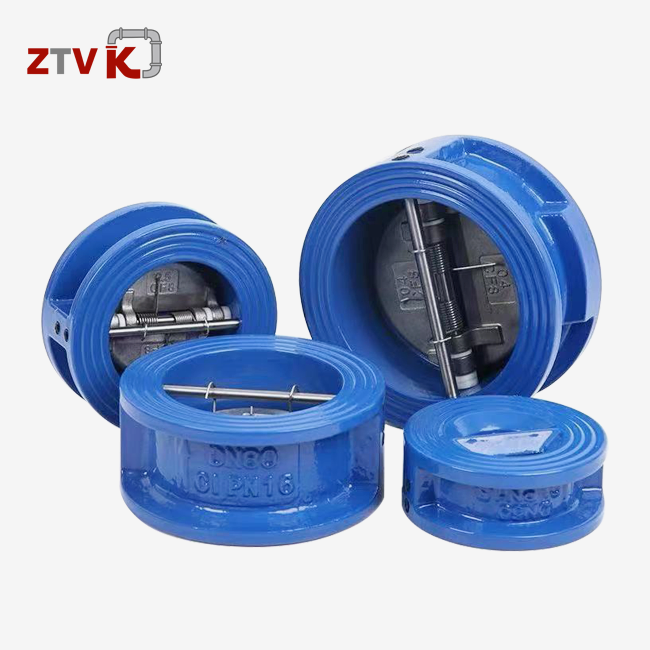
Wafer-style spring check valves fit between standard ANSI flange pairs and take up much less space than swing or lift check designs. This saves space and is important for retrofit projects where pipeline routing is limited. The smaller size and lighter weight also make installation cheaper and make it easier for repair workers to get to equipment rooms that are already crowded.
Types of Stainless Steel Spring Check Valves and Their Suitability for High Pressure
The best valve design is chosen by looking at the system's pressure class, flow properties, and the compatibility of the media. Each version of the design strikes a different balance between closure speed, pressure drop, and ease of maintenance.
Wafer-Type Spring Check Valves
Valves that look like wafers can be put between two plates without having to be bolted separately. The disk is lifted axially against the flow by a spring. This reduces turbulence and pressure loss. With the ability to handle pressures up to Class 300 (720 PSI at room temperature), these units are great for places where space is limited, like pump discharge lines in HVAC systems. The small size works well in local water treatment plants with lots of valves crowded together in small spaces.
Lift-Type Spring Check Valves
A directed disk or piston that moves perpendicular to the flow direction is part of a lift check valve. The precisely guided movement makes sure that the seating is in the middle, which is very important for high-pressure chemical processes where seat leaks can let contaminants or dangerous vapors escape. For uses above 2000 PSI, like supercritical CO2 extraction systems, we suggest lift-type setups because the directed design keeps the parts lined up even when there are huge differences in force.
Dual-Plate Spring Check Valves
Dual-plate types divide the disk into two semicircular plates that are linked together, and each have their own springs that load it. This design cuts in half the distance that the disk has to travel, which speeds up closure even more and reduces the volume of reverse flow. When high-speed steam lines are used, petrochemical plants like dual-plate valves because even short backflow spikes can damage turbine blades. The split design also lowers the working torque, which means that valves with diameters of 300 mm or more can work safely without external actuators.
Material Grade Comparison: SS304 vs. SS316
SS304 (UNS S30400) is made up of 18% chromium and 8% nickel. It is resistant to rust in neutral water up to 120°C. Adding 2 to 3 percent molybdenum to SS316 (UNS S31600) makes it much more resistant to pitting in chloride-rich environments like seawater or salty groundwater. We recommend SS316 to our customers for any use that will be near the coast, exposed to road salt, or have chemical additives. They are willing to pay an extra 15-20% for the material, which we see as an insurance policy against failure before its time.
Installation, Maintenance, and Performance Optimization for High-Pressure Systems
The safety of the system and how long the valves last are directly affected by how stainless steel spring check valve units are installed. We've looked into a lot of field failures that were caused by installation mistakes that were missed but hurt high-pressure sealing or caused fatigue cracking.
Critical Installation Steps
It seems obvious, but in complex pipe assemblies, this step is often done backward. Place the valve so that the flow direction arrows line up with the pipeline flow. Make sure the flange surfaces are clean, flat, and free of gasket remains. Surface irregularities bigger than 0.003 inches can stop the parts from fitting properly during pressure cycles. To make sure you don't overtighten the flange bolts in a star pattern too much, which can distort the valve body and cause internal binding, follow the ASME B16.5 specification for your pressure class.
Leave enough space above the valve to check the disk movement and replace the spring. For 2-inch valves, we recommend a minimum vertical clearance of 6 inches. For larger sizes, the clearance should be increased proportionally. Install pressure gauges upstream and downstream to keep an eye on the differential pressure. This will let you know early on if the disks are getting dirty or the springs are wearing out.
Maintenance Best Practices
In high-cycle situations like rotating compressor discharge lines, check the valves every three months. Check for leaks on the outside around the body joint, the seat area, and the stem packing, if it has one. The frequency of internal inspections depends on how clean the media is. For example, clean water systems can go 18 to 24 months without being taken apart, while slurry services need to be taken apart every three months.
Over time, stress release and corrosion make spring strain worse. When the measured free length goes below 95% of the original standard, the springs need to be replaced. We keep replacement spring kits on hand for popular DN50 (2-inch) setups so that there is as little downtime as possible during repair windows.
Performance Optimization Techniques
Vibration analysis and sound emission tests can be used to keep an eye on the health of the valves. Noise patterns that aren't normal can mean that the disk is chattering because the spring preload isn't enough or that high-speed particles are wearing away at it. Upgrading to metal-seated designs stops soft-seat erosion in abrasive media. This means that in mine slurry uses, service times can be extended from months to years.
Computational fluid dynamics (CFD) research figures out the best way to position valves so that they lose the least amount of pressure. In one city project, turning valves 45° cut energy use by 8% across a 50-valve pumping station. Lower power bills paid for the installation engineering costs within six months.
Making the Right Choice: Comparing Stainless Steel Spring Check Valves with Alternatives
When looking at backflow prevention solutions, B2B procurement teams have to think about a lot of technical and financial factors. Lifecycle costs, upkeep burden, and failure risk are all part of the choice matrix, not just the original buy price.
Spring Check vs. Swing Check Valves
Swing check valves close slowly because they depend on gravity and flow reversal to do so. This lets a lot of water escape. Through mechanical preload, spring check valves get rid of this lag. They close 5–10 times faster and lessen the force of water hammer by up to 70%. The small inline form also saves 40 to 60 percent of installation room compared to swing checks, which need longer body lengths to clear the disk.
Spring Check vs. Ball Check Valves
A ball check valve has a sphere that floats freely and rolls against a cone-shaped seat. Even though they are easy and cheap, ball designs have problems with seating that isn't uniform in setups with more than one orientation and higher pressure drops because the flow line is blocked. No matter what angle they are mounted at, spring check valves always work the same way. They also have lower Cv losses, which means they use less pumping energy over the life of the system.
Procurement Criteria for Supplier Selection
Whether your project meets its quality and schedule goals depends on how reliable your stainless steel spring check valve suppliers are. We look at possible partners from a number of different angles. Getting manufacturing certifications like ISO 9001, API 598, and ASME B16.34 shows that process control is mature. Ask for test reports from a third party that confirm the pressure ratings, seat leakage rates, and material composition using PMI (Positive Material Identification) spectroscopy.

Geographic buying plans find the best mix between price and wait time. Chinese manufacturers have reasonable prices and can make custom orders in 15 to 25 days. This is especially helpful for OEM integrators who need logo engraving or special end connections. Being close to Tianjin Port makes it easier to load containers quickly and cuts down on delays in overland transportation, which is very important when planning big EPC project schedules.
The ability to customize sets commodity sellers apart from technical partners. Standardized catalog suppliers can't meet OEM needs for flexible manufacturing, like socket-weld end connections for high-integrity pipe systems, different spring materials for cryogenic service, or epoxy coatings for marine environments.
Procurement Guide: Buying Stainless Steel Spring Check Valves for High-Pressure Systems
When buying valves from other countries, you need to pay attention to scientific details, business terms, and procedures. We show purchasing professionals a structured way to do things that avoids common mistakes.
Identifying Reliable Distribution Channels
Global distributors keep standard sizes in stock locally so that standard sizes can be shipped quickly. This is great for maintenance spares and small project quantities. When you buy more than 50 units at once, you can get OEM prices and customization choices that you can't get through wholesalers. Hybrid strategies use both standard sizes that are kept by wholesalers and designed specials that come straight from factories.
Understanding MOQ, Lead Times, and Pricing
Minimum order amounts depend on how complicated the product is. Standard 2-inch SS316 wafer check valves usually need MOQs of 10 units, but custom socket weld configurations might need 50-unit batches to make up for the time it takes to set up the tools. Lead times range from 3 to 7 days for items that are in stock to 15 to 25 days for items that are built to order. During the Chinese New Year production breaks (late January to February), lead times can go up to 30 days or more.
Pricing structures take into account the cost of materials, the difficulty of production, and the number of orders. Expect savings of 20 to 30 percent for orders over 100 units and 35 to 45 percent for orders over 500 units, as fixed costs are spread out. You can get FOB (Free On Board) Tianjin Port quotes to help you choose a freight forwarder, or you can choose CIF (Cost, Insurance, Freight) terms when the rates are more competitive through supplier logistics relationships.
OEM Customization and Technical Communication
Clear technical paperwork is the first step to any custom job that goes well. Give CAD models that show the types of end connections (socket weld according to ASME B16.11, threaded according to ASME B1.20.1, or flanged according to ASME B16.5), pressure-temperature ratings, and material certifications that are needed. If the system conditions are different from the normal 1 PSI breaking pressure, you must specify the spring closing pressure.
Validating prototypes lowers the risk of production. Before agreeing to full production runs, ask for sample valves to be sent for pressure tests and size checks. Before a large order is sent out, the quality is checked with hydrostatic shell tests to 1.5 times the rated pressure and seat leakage tests according to API 598.
After-Sales Support and Warranty Considerations
A full warranty protects against problems with the way the product was made. We offer 18-month guarantees that cover flaws in the material, problems with the dimensions, and spring failures that happen before they should under normal use. Damage caused by poor installation, media mismatch, or use beyond the product's intended limits is not covered by the warranty.
After-sales support includes videos that show you how to install something, troubleshooting guides, and the ability to talk to application engineers for technical help. Local service partnerships in North America and Europe help launch big projects on-site, making sure that the right steps are taken to start up and that all the necessary paperwork is kept for regulatory compliance.
Conclusion
Stainless steel spring check valves are an important investment for high-pressure systems because they stop backflow quickly and last a long time without rusting. To be successful at procurement, you need to make sure that the design of the valve fits the needs of the application, choose suppliers with proven quality systems, and set clear technical requirements. Installation costs are lower with the small inline design, and the spring-loaded system works better than options that depend on gravity. B2B buyers can get valve solutions that reduce downtime and boost operational efficiency in water treatment, chemical processing, and industrial utility applications by putting material grade selection first, understanding how customization works, and taking advantage of full warranty protection.
FAQ
1. What temperature range can a 2-inch stainless steel spring check valve withstand?
Standard SS304 spring check valves work reliably from -29°F to 250°F (-20°C to 121°C), so they can be used in systems with ambient water and low-pressure steam condensate. When you switch to SS316 and add high-temperature Viton seals, the upper limit goes up to 450°F (232°C), which is enough for boiler feedwater and thermal oil circuits. For use below -20°F, cryogenic uses need special spring materials that don't break easily.
2. How often should I inspect spring check valves in high-pressure systems?
How often you inspect depends on how hard the operation is. Water systems that are clean and have stable pressure cycling should be inspected once a year. Chemical processing lines that use media that is full of particles or that have a lot of changes in pressure need to be taken apart every three months to check for corrosion damage and loss of spring tension. Always keep an eye on the differential pressure; sudden rises can mean that the disk is binding or fouling internally, which needs immediate attention.
3. Can stainless steel spring check valves handle corrosive chemicals?
At normal temperatures and amounts, SS316 types can stand up to most natural acids, alkalis, and chloride solutions. Check chemical compatibility charts for each medium. For example, metals made of Hastelloy or titanium may not work with strong sulfuric acid above 50% or hydrochloric acid above 10%. We help you choose the right material by looking at your process chemistry and the temperature at which it will be used.
Partner with ZTVK for Reliable Stainless Steel Spring Check Valve Supply
At ZTVK, we make industrial-grade spring check valves that are built to withstand high pressure and are backed by strict quality control. Our Tianjin facility keeps more than 2,000 standard units in stock in sizes DN50 to DN600. For urgent project needs, we can deliver within 3 to 7 days. We allow OEM customization, such as socket-weld end connections, different spring materials, and logo engraving for distributors who are making their own brand-name products. Every valve meets world quality standards thanks to ISO 9001 approval and following API 598, ASME B16.34, and ANSI rules. You can trust us to be your long-term provider of stainless steel spring check valves because we offer a warranty that lasts 18 months and full expert support. You can email our team at ktec86961886@163.com to get quotes, CAD drawings, and application engineering help that is specific to your high-pressure system needs.
References
1. American Petroleum Institute. (2018). API Standard 598: Valve Inspection and Testing. Washington, DC: API Publishing Services.
2. ASME International. (2020). ASME B16.34: Valves—Flanged, Threaded, and Welding End. New York: American Society of Mechanical Engineers.
3. Davis, J.R. (Ed.). (1994). Stainless Steels: ASM Specialty Handbook. Materials Park, OH: ASM International.
4. Lyons, J.L., & Askeland, D.R. (2016). The Science and Engineering of Materials (7th ed.). Boston: Cengage Learning.
5. Skousen, P.L. (2011). Valve Handbook (3rd ed.). New York: McGraw-Hill Professional.
6. Zappe, R.W. (2004). Valve Selection Handbook: Engineering Fundamentals for Selecting the Right Valve Design for Every Industrial Flow Application (5th ed.). Houston: Gulf Publishing Company.
Send us your valve requirements and our team will provide professional solutions and fast quotations.
RELATED INDUSTRY KNOWLEDGE