- English
- French
- German
- Portuguese
- Spanish
- Russian
- Japanese
- Korean
- Arabic
- Greek
- German
- Turkish
- Italian
- Danish
- Romanian
- Indonesian
- Czech
- Afrikaans
- Swedish
- Polish
- Basque
- Catalan
- Esperanto
- Hindi
- Lao
- Albanian
- Amharic
- Armenian
- Azerbaijani
- Belarusian
- Bengali
- Bosnian
- Bulgarian
- Cebuano
- Chichewa
- Corsican
- Croatian
- Dutch
- Estonian
- Filipino
- Finnish
- Frisian
- Galician
- Georgian
- Gujarati
- Haitian
- Hausa
- Hawaiian
- Hebrew
- Hmong
- Hungarian
- Icelandic
- Igbo
- Javanese
- Kannada
- Kazakh
- Khmer
- Kurdish
- Kyrgyz
- Latin
- Latvian
- Lithuanian
- Luxembou..
- Macedonian
- Malagasy
- Malay
- Malayalam
- Maltese
- Maori
- Marathi
- Mongolian
- Burmese
- Nepali
- Norwegian
- Pashto
- Persian
- Punjabi
- Serbian
- Sesotho
- Sinhala
- Slovak
- Slovenian
- Somali
- Samoan
- Scots Gaelic
- Shona
- Sindhi
- Sundanese
- Swahili
- Tajik
- Tamil
- Telugu
- Thai
- Ukrainian
- Urdu
- Uzbek
- Vietnamese
- Welsh
- Xhosa
- Yiddish
- Yoruba
- Zulu
Actuated Butterfly Valve Selection Guide for Engineers
Selecting the right automated flow control equipment can make the difference between seamless operations and costly downtime. An actuated butterfly valve combines a quarter-turn valve body with a pneumatic or electric actuator, enabling remote operation and integration with control systems. Engineers often face challenges balancing performance requirements with budget constraints while ensuring compliance with industry standards. This guide walks through the essential considerations—from understanding core operating principles to evaluating supplier capabilities—helping you specify valves that deliver long-term reliability. We draw on established technical standards and real-world application insights to ensure your selection process is both efficient and effective.


Understanding Actuated Butterfly Valves: Basics and Operating Principles
Core Components and Assembly Architecture
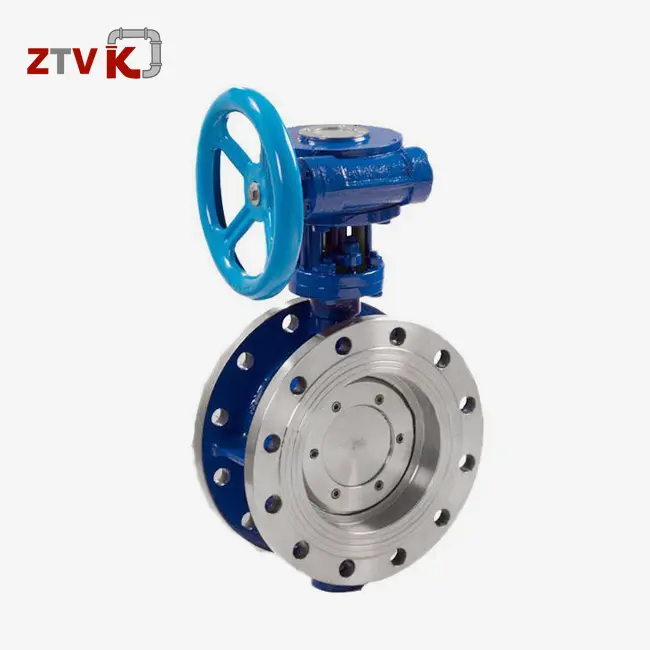
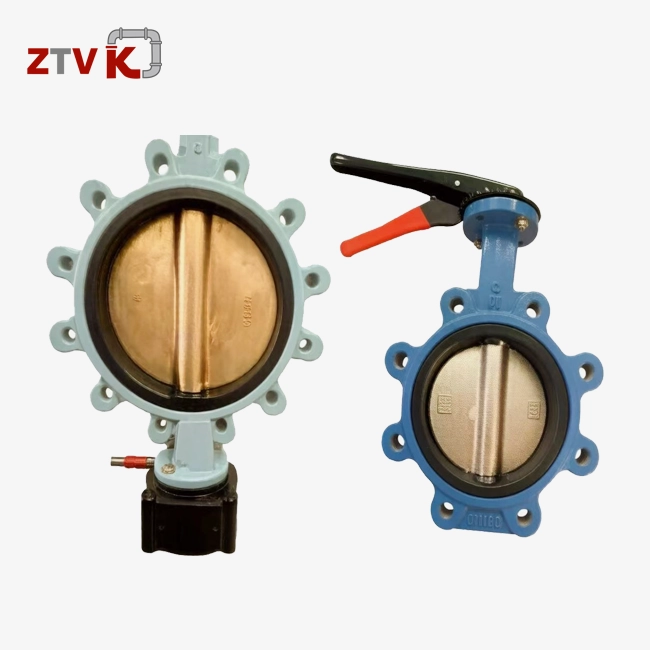
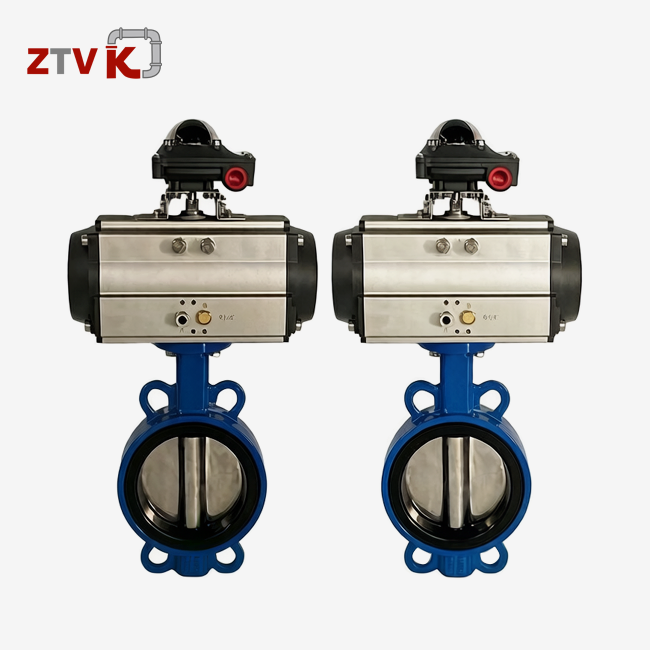
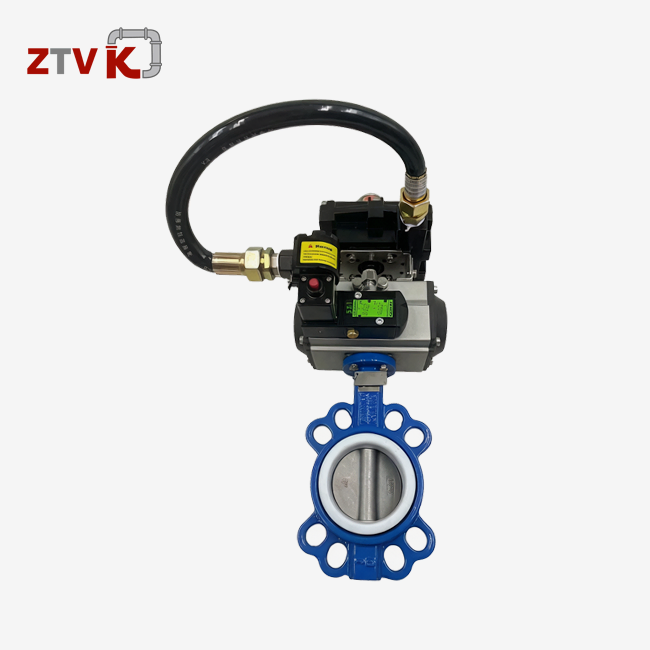
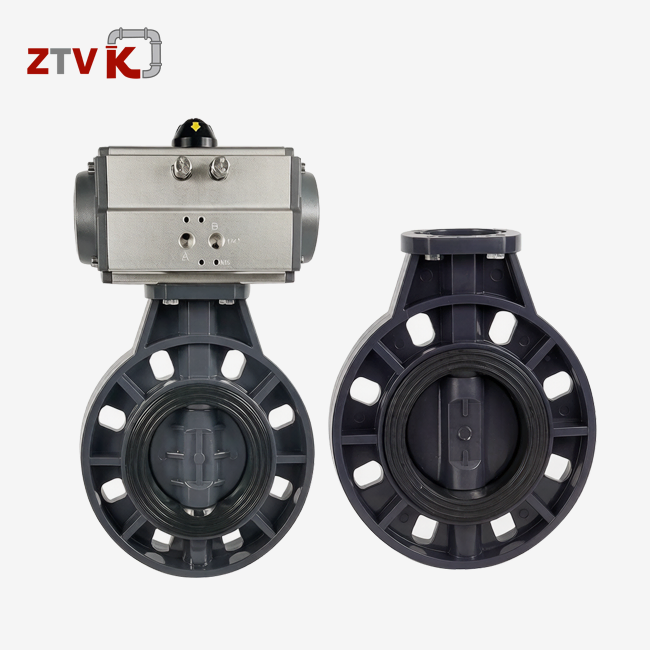
An automatic butterfly valve system is made up of four main parts that all work together. The spinning disk that controls the flow of fluid is inside the valve body, which is usually made of ductile iron, CF8, CF8M, or WCB cast steel. If you need corrosion resistance, this disk can connect to a shaft made of SS410, SS416, SS304, or SS316 stainless steel. The seat material, which touches the disk edge to make a seal, can be EPDM, Nitrile, PTFE, or Viton. The material is chosen based on how well it reacts chemically with the process fluid. With ISO 5211 flanges, actuators can be attached directly to the valve, making installation quick and easy without the need for custom brackets.

How Pneumatic and Electric Actuators Function
Rack-and-pinion or scotch yoke devices in pneumatic actuators turn compressed air into rotating motion. Response times are fast; these units can usually turn 90 degrees in less than three seconds. Single-acting designs use spring return to keep the position even if the air pressure drops, while double-acting designs offer powered movement in both directions for more precise control. For rust resistance, the body of the actuator is made of extruded aluminum that has been hard anodized. Pressure die-cast aluminum caps protect the internal rack mechanism.
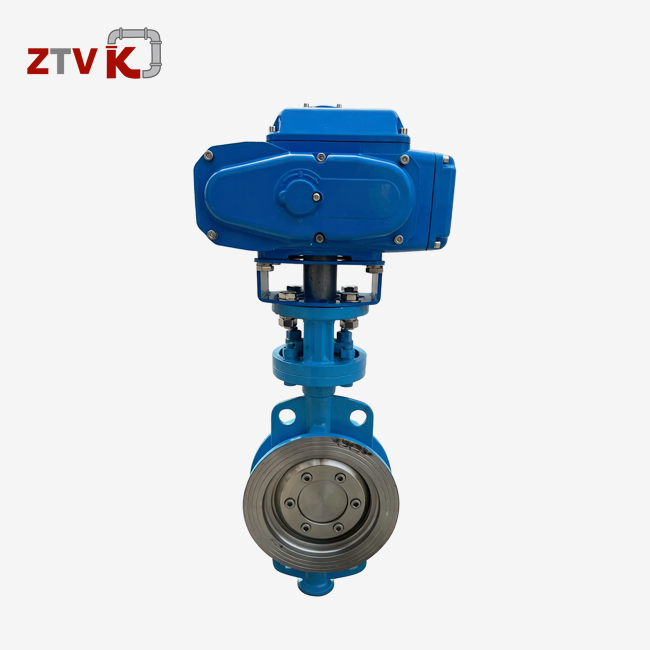
Electric motors turn the valve shaft with motor-driven gear trains. These systems work great for tasks that need precise positioning at medium angles, and they can handle analog signals for controlling flow. Electric versions are slower than pneumatic versions, but they don't need infrastructure for compressed air, which makes them perfect for installations that are far away. Industry-standard data standards make it easy for both types of actuators to work with PLC and SCADA systems.
Material Compatibility and Pressure Ratings
The material of the valve body needs to be right for the process. Ductile iron is used for general water service in city systems, and CF8 stainless steel is used in food processing to resist mildly corrosive fluids. For coastal systems, CF8M is better at resisting chloride, and WCB cast steel can handle high temperatures in steam applications. The reasoning behind disk materials is similar: aluminum bronze works best in saltwater, where galvanic rusting is a risk.
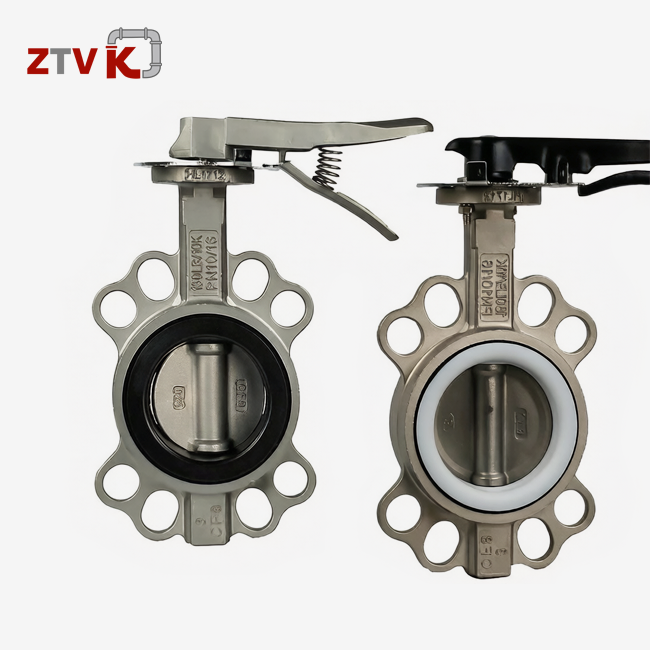
Types of connections affect how flexible an installation can be. Through-bolts let wafer designs fit between existing flanges, which keeps weight and cost to a minimum. Flanged-end configurations that meet ASME B16.5 standards (150# or 300# ratings) allow for independent mounting, which is necessary for dead-end service where piping further downstream needs to be removed. Pressure levels of PN10 and PN16 are good for most HVAC, water distribution, and light industry uses.

Comparing Actuated Butterfly Valve Options: Make the Right Choice
Pneumatic vs. Electric Actuation Trade-offs
Pneumatic systems are the fastest, which is very important in emergency shutdown situations where milliseconds count. Because they don't produce electrical sparks, they are naturally safe in explosive environments and must be used in many petrochemical facilities. But they need a constant source of compressed air, which raises running costs through energy use and compressor maintenance. The quality of the air is also important; if the supply lines are dirty, water can get inside and rust parts.
These worries are taken away by electric motors, which also provide better pointing accuracy. The self-locking gearbox stays in place without constant power, which saves energy in static situations. Modern units have thermal overload protection built in to keep the motor from breaking down when there is a lot of torque. Often, the choice depends on the infrastructure that is already in place. Facilities with strong air systems tend to choose pneumatic, while facilities with advanced electricity networks tend to choose electric automation.
Specialized Designs for Demanding Conditions
When the temperature is above 200°C, metal-seated valves with graphite packing are needed for an actuated butterfly valve instead of rubber covers. These designs give up some shutoff tightness but keep working in places where rubber seats would wear out. PTFE-lined bodies and Hastelloy shafts are needed for corrosive chemical service because they keep the process clean and increase the life of the parts. For slurry applications, eccentric disk designs are better because they avoid rubbing contact when the disk is opened, which lowers wear from rough particles.
Manufacturers who make good products provide a lot of paperwork, like material test results, pressure test papers, and actuator torque curves. ISO 9001 certification makes sure that production methods are always the same, and API, ANSI, DIN, and CE standards make sure that designs are good enough for foreign projects. We've seen delays in procurement go away when suppliers have easy access to third-party verification documents. This speeds up the approval process for projects.
Procurement Considerations for Engineers and Purchasing Managers
Balancing Cost, Lead Time, and Customization
Standard valve sizes from DN50 to DN600 usually ship within a week if they come from manufacturers who keep a lot of stock. Custom seat materials, special coatings, or unique actuator configurations can make lead times 15 to 25 days longer. Knowing when your project needs to be done lets you make smart choices about specifications. For example, accepting a standard valve that is a little too big might be cheaper than waiting for a custom unit when installation windows are tight.
When there are multiple valves in a job, volume pricing becomes important. Bulk sales often get discounts of 15 to 20 percent and make handling easier by combining packages. OEM partnerships are more useful for wholesalers who want to sell branded goods because reputable makers can add customer logos, make custom packaging, and create custom paperwork without setting ridiculously low minimum order amounts.
Warranty Coverage and After-Sales Support
An 18-month guarantee shows that the company that made the product is sure it will last. Coverage should clearly include failures that aren't caused by people, like bad materials or mistakes in the work. Check how easy it is to get technical support, not just the terms of the warranty. Field service costs and commissioning time are cut when suppliers offer installation tutorial videos, troubleshooting guides, and quick engineering advice.
How reliable service is is directly affected by how close it is to major shipping hubs. When manufacturers are close to shipping ports, interior transportation problems that cause delays are less likely to happen. Those that keep relationships with well-known freight lines like Maersk or COSCO can offer more stable rates and more accurate schedules. ISPM 15-compliant wooden crate packaging keeps shipments from getting held up at customs, which can happen when the paperwork isn't done right.
Maintenance and Troubleshooting of Actuated Butterfly Valves
Preventive Maintenance Schedules
Visual checks every three months find problems early, before they get worse. Check the actuator housings for rust on the outside, make sure the packing glands are intact, and make sure the manual override works smoothly. Quality actuators have permanently lubricated gear trains that don't need to be oiled on a regular basis. However, grease should be applied to exposed shaft bearings every six months in harsh environments.
Internal wear patterns can be seen during yearly teardown inspections. Check the edges of the disk for wear, the shaft seals for ways that oil can get out, and the seat compression for loss of elasticity. It is much cheaper to replace worn-out parts during planned downtimes than to fix them quickly when production is interrupted. These tasks are often easier to do with only basic hand tools because modular designs have seats that can be removed and packing glands that can be reached.
Common Failure Modes and Solutions
Most problems with actuated butterfly valve actuators are caused by bad control signals or mechanical locking. If a pneumatic unit is responding slowly, it may have worn-out O-rings that let air pass through. Within an hour, replacement seal kits can get the unit working again. When electric actuators don't reach the end position, it's usually because the torque switch isn't set correctly. Recalibrating the actuators according to the manufacturer's instructions fixes the problem without having to replace any parts.
When process particles build up on the disk or shaft, the valve will stick. Regular exercise, like rotating the valve once a month, even when it's not being used, stops buildup from sticking. Small deposits can be removed by chemical cleaning or by rotating by hand during maintenance windows. Leakage past the seat that won't stop could mean that the disks aren't lined up right or that the seat material isn't compatible. Making sure that the fitting was done according to the manufacturer's torque specs fixes the first problem, and an upgrade to the seat material fixes the second.
Control signal differences between expected and real places should lead to a study of the integrity of the wires and the calibration of the controller output. For closed-loop proof, many modern motors have position feedback potentiometers or limit switches. Testing these sensors separates electrical problems from mechanical problems.
Engineer's Checklist: How to Select the Perfect Actuated Butterfly Valve
Defining Application Parameters
First, write down the chemical, temperature range, viscosity, and presence of solids in the stream. These things determine the choice of material for the body and seats. Find the valve's maximum flow rate and pressure drop tolerance to make sure it's the right size. Valves that are too small cause too much velocity and erosion, while valves that are too big make it harder to control. When choosing a pressure class, you need to think about both the operating pressure and the possible surge conditions.
Actuator Sizing and Torque Requirements
Manufacturer torque tables show how much torque is needed for each valve size, pressure difference, and seat material. Safety factors between 1.25 and 1.5 make sure that the actuator can handle the worst-case scenarios, such as cold starts with thick fluids. Single-acting pneumatic actuators need enough spring force to return against the highest differential pressure. Double-acting units don't have this problem, but they do need fail-safe positioners in case of an emergency.
Supplier Evaluation Criteria
Check the supplier's responsiveness during the quotation steps, not just the product specs. Manufacturers who offer thorough technical explanations, CAD drawings, and 3D models show that they are good at building. Use independent sources to make sure that the certification is real; low-cost suppliers often use fake papers, which can put you at risk of being sued. Request references from apps that are similar, especially for vital services that can't be down for any reason.
Think about the total cost of ownership instead of just the purchase price. It is better to buy a valve that costs 20% more but lasts twice as long. Think about how easy it is to do maintenance. Designs that need special tools or a lot of time to take apart raise the cost of labor over the equipment's lifetime. Suppliers with local expert service ties offer help on-site, which cuts down on downtime while problems are being fixed.
Conclusion
Finding the right actuated butterfly valve means matching how well it works technically with how easy it is to buy. Knowing how an actuator works, what materials it can work with, and how often it needs to be maintained lets you make decisions that are sure to save you money in the long run. The checklist method, which involves checking application factors, actuator size, and provider abilities in a planned way, cuts down on specification mistakes that cause expensive changes to be made in the field. Reliability that protects your business's operations is provided by manufacturers with strong certifications, detailed documentation, and quick technical support. Now that you know these things, you can easily make your choice and make sure that the valve you choose meets both the needs of the project right now and your long-term performance goals.
FAQ
1. What factors determine the required actuator torque for my application?
The torque needs are affected by three main factors: the size of the valve, the difference in pressure across the disk, and the friction coefficient of the seat material. Pressure forces can act on a disc's surface area more when its diameter is bigger. When the disk turns, elastomer seats like EPDM cause more contact than PTFE. Always add 25 to 50 percent more power than you think you need to allow for unplanned events like deposit growth or cold fluids becoming more viscous.
2. Should I choose pneumatic or electric actuation for a water treatment plant?
Pneumatic control works well in places where there is already infrastructure for compressed air and where the system needs to be shut down quickly in an emergency. When precise flow control is needed and electricity is easy to get, electric actuators are the best choice. A lot of water treatment plants choose electric units instead of air compressors because they are cheaper to maintain. If it's important that the system works even if the power goes out, choose electric units with battery backup systems or pneumatic actuators with spring returns.
3. Can I customize valve components for unique process conditions?
Reliable makers give ODM services, such as custom seat materials, special coatings, and different types of connections. Engineers can suggest the right changes if you give them detailed information about the operating conditions, such as the temperature range, chemical makeup, and cycle frequency. In gritty slurries or high-temperature steam, custom disk designs with different offset shapes work better. Customization will likely add 10 to 15 days to the shipping time compared to normal configurations.
Partner with ZTVK for Reliable Actuated Butterfly Valve Solutions
ZTVK offers engineered valve solutions and has been making things in Tianjin's Beichen Industrial Zone for more than 15 years. Our stock of actuated butterfly valves comes in normal sizes DN50 to DN600 and is ready to ship within 3 to 7 days. They are certified by ISO 9001, ISO 14001, and OHSAS 18001, which shows that they are reliable. We keep more than 2,000 units in stock for quick-response projects where installation times need to be shortened.
As a well-known company that makes actuated butterfly valves, we can do both OEM and ODM work. We can add your logo, make custom seal configurations for harsh chemicals, and create special coatings for places that are prone to corrosion. Because we are only 50 km from Tianjin Port, we can offer competitive FOB Xingang and CIF destination port prices and make it easy to book containers with major shipping lines. Each item comes with full material test results, pressure test certificates, and instructions on how to keep it in good shape.
Before you buy, our expert team will help you make a choice and give you free CAD drawings and torque estimates that are specific to your purpose. The 18-month warranty covers all failures that aren't caused by humans and includes a free replacement. Our installation guides, troubleshooting guides, and videos also make commissioning faster. Email us at ktec86961886@163.com to talk about the needs of your project and get a full quote.
References
1. American Water Works Association. (2017). Manual of Water Supply Practices M49: Quarter-Turn Valves: Head Loss, Torque, and Cavitation Analysis. Denver: AWWA Publications.
2. British Standards Institution. (2019). BS EN 593:2017+A1:2019 - Industrial Valves. Metallic Butterfly Valves for General Purposes. London: BSI Standards.
3. Hutchison, J.W. (Ed.). (2015). ISA Handbook of Control Valves (2nd ed.). Research Triangle Park: International Society of Automation.
4. Lyons, Jerry L., & Askland, C. (2020). Valve Selection and Specification Guide for the Process Industries. New York: McGraw-Hill Professional.
5. Nesbitt, Brian. (2016). Handbook of Valves and Actuators: Valves Manual International. Oxford: Elsevier Science.
6. Zappe, R.W. (2018). Valve Selection Handbook: Engineering Fundamentals for Selecting the Right Valve Design for Every Industrial Flow Application (5th ed.). Houston: Gulf Professional Publishing.
Send us your valve requirements and our team will provide professional solutions and fast quotations.
RELATED INDUSTRY KNOWLEDGE