- English
- French
- German
- Portuguese
- Spanish
- Russian
- Japanese
- Korean
- Arabic
- Greek
- German
- Turkish
- Italian
- Danish
- Romanian
- Indonesian
- Czech
- Afrikaans
- Swedish
- Polish
- Basque
- Catalan
- Esperanto
- Hindi
- Lao
- Albanian
- Amharic
- Armenian
- Azerbaijani
- Belarusian
- Bengali
- Bosnian
- Bulgarian
- Cebuano
- Chichewa
- Corsican
- Croatian
- Dutch
- Estonian
- Filipino
- Finnish
- Frisian
- Galician
- Georgian
- Gujarati
- Haitian
- Hausa
- Hawaiian
- Hebrew
- Hmong
- Hungarian
- Icelandic
- Igbo
- Javanese
- Kannada
- Kazakh
- Khmer
- Kurdish
- Kyrgyz
- Latin
- Latvian
- Lithuanian
- Luxembou..
- Macedonian
- Malagasy
- Malay
- Malayalam
- Maltese
- Maori
- Marathi
- Mongolian
- Burmese
- Nepali
- Norwegian
- Pashto
- Persian
- Punjabi
- Serbian
- Sesotho
- Sinhala
- Slovak
- Slovenian
- Somali
- Samoan
- Scots Gaelic
- Shona
- Sindhi
- Sundanese
- Swahili
- Tajik
- Tamil
- Telugu
- Thai
- Ukrainian
- Urdu
- Uzbek
- Vietnamese
- Welsh
- Xhosa
- Yiddish
- Yoruba
- Zulu
Stainless Steel Stop Valve: Technical Guide
An industrial flow control device called a stainless steel stop valve is designed to control or fully stop the flow of fluids in pipe systems. On-off valves like gate or ball types are different from stop valves, which are also known as globe valves in the technical world. Stop valves have a movable disk element that lowers onto a set seat, which allows for exact throttling and modulation. Because of their unique design, they are essential for tasks that need precise control over water, steam, oil products, and acidic media in the chemical processing, environmental protection, sewage treatment, and oil refinery industries. These valves are made from austenitic stainless steel types like 304 or 316, so they don't fail because of rust like carbon steel valves do. They can also handle harsh chemicals and high-speed erosion. Distributors, contractors, and OEM clients who want to get reliable, standards-compliant products with low downtime and upkeep costs need to know their technical specifications, how they work, and how to buy them.
What is a stainless steel stop valve?
Stainless steel stop valves made of stainless steel are linear motion devices that control the flow of fluid in industrial pipe networks by starting, stopping, and starting up the flow of fluid. A valve's basic structure is a body that holds a disk or plug that can move and lines itself perpendicular to the flow path, pressing against a fixed ring to make a seal. This perpendicular motion makes stop valves different from rotating designs, and it provides better sealing integrity when pressure changes.
Core Design Features and Working Principles
The disk moves along a stem with threads, which can be controlled by a handwheel or by automatic motors. The disk lifts off the seat as the stem rises, letting fluid flow through an S-shaped tube inside the stem. This winding path naturally causes higher pressure drops than straight-through gate valves, but it also allows for controlled slowing, which is an important feature for applications like chemical dosing, pressure management, and treating steam. The shape of the valve body lets the flow go in any direction, but makers usually mark the desired direction (flow-under-disk) to lower the stress on the stem packing and the operating torque.
Valve Type Variations and Industrial Applications
Different combinations meet the needs of different operations. Needle valves have stems with fine threads and cone-shaped tips that allow for very precise flow control in monitoring lines. Angle valves change the flow direction by 90 degrees. This makes pipe layouts easier and cuts down on the need for elbows in small areas. Y-pattern stop valves have slanted seats that lower resistance, which means they can be used with steam at high speeds. Different types of diaphragms use a flexible sheet to keep corrosive fluids away from the actuator mechanism. These are perfect for use in pharmacy cleanrooms.
Material Advantages Over Alternatives
A minimum of 10.5% chromium content is what makes stainless steel unique. It forms an inactive oxide layer that fixes itself when scratched, making it very resistant to corrosion. Grade 304 is good for general water and light chemical service, while Grade 316 has an extra 2% to 3% molybdenum added to it to make it more resistant to salt and pitting in acidic or marine settings. Compared to brass (which can lose its zinc) or carbon steel (which can rust and scale), this better metal means longer repair intervals and lower operational costs. Even though plastic valves are immune to chemicals, they are not strong enough or able to handle high temperatures for use in high-pressure steam or oil uses.
How Does a Stainless Steel Stop Valve Work?
When force is given to the handwheel or actuator, it turns into linear stem movement through threads that have been carefully cut. As the stem moves up, the disk that is connected moves back into the seat, making an opening that is the same size as the stem's journey. When fluid comes in through the entry port, it hits the partly open disk, which changes the flow rate by limiting it in different ways. Full stem retraction allows for maximum flow, and gradual fall allows for stepless slowing down until the disk reseats, which ensures a bubble-tight shutdown of the stainless steel stop valve.
Internal Structure and Flow Control Mechanisms
Modern designs use rising stem shapes where threaded parts stay outside the flow path. This keeps the threads safe from chemical attack and lets you see where the part is located. To keep the disk-to-seat contact from galling and cavitation damage, it uses strong materials like PTFE, RTFE, or hardened metal alloys (Stellite 6). Belleville spring washers are used in live-loaded gland packing systems to keep the stem sealing pressure constant during thermal cycling. This means that in demanding applications, repair times can go beyond 50,000 cycles.
Performance Standards and Pressure Ratings
The J41W-16P type from ZTVK, Stainless steel stop valve, is PN16 pressure-classified and can handle nominal pressures of up to 16 bar (232 psi) across nominal sizes of DN15 to DN600. This design follows the rules for quality control set by ISO 9001 and the rules for choosing materials, testing for water resistance, and measuring errors set by ANSI/API. The valve body is made from cast or welded stainless steel that meets ASTM A351 CF8M standards. Its structure stays strong at all temperatures, from -196°C for LNG service to up to 600°C for steam uses with the right seat materials.
Installation Guidelines and Best Practices
Making sure the flow direction signs on the valve body are correct is the first step in installing it correctly. Flow should enter under the disk to keep the stem load as low as possible. Flanged connections need seals that can work with the medium they're connected to. For example, compressed fiber works well with water, spiral-wound metal with hydrocarbons, and PTFE covers with corrosive chemicals. There is enough space above the valve to allow for rising stem travel and easy repair access in the future. To keep long-term performance integrity, it's best to avoid common mistakes like overtightening gland bolts (which ruins packing) or putting valves in the fully open position during hydrostatic testing (which can bend seats).
Stainless Steel Stop Valve Comparison for Procurement Decisions
The choice of materials has a huge effect on how reliable they are and how much they cost to own. Stainless steel stop valves typically cost 30 to 40 percent more than their brass counterparts when first purchased, but they offer better rust resistance that prevents early failure in environments that are acidic or chloride-rich. Carbon steel valves are cheaper up front, but they need to be coated with protected materials and replaced often in corrosive environments. This means that they often cost twice as much over their lifetime because they need more upkeep and downtime.
Material Properties and Corrosion Resistance Analysis
When brass metals are exposed to acidic condensates or soft water, they lose zinc. This weakens the structure and leads to catastrophic leaks. In damp places, carbon steel oxidizes quickly, turning into rust scales that get into clean fluids and make closing surfaces less effective. Plastic valves are chemically neutral, but they can't handle temperatures or pressures above 10 bar or 80°C. The inactive chromium oxide layer on stainless steel protects it naturally, without any coats. It keeps the surface intact in pH ranges from 4 to 10 and stops erosion at speeds of up to 6 m/s in slurry service.
Performance Comparison with Alternative Valve Types
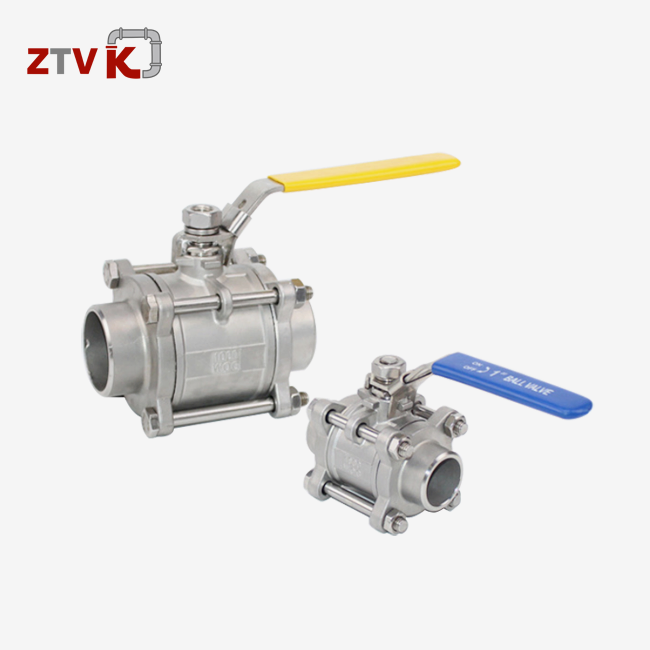
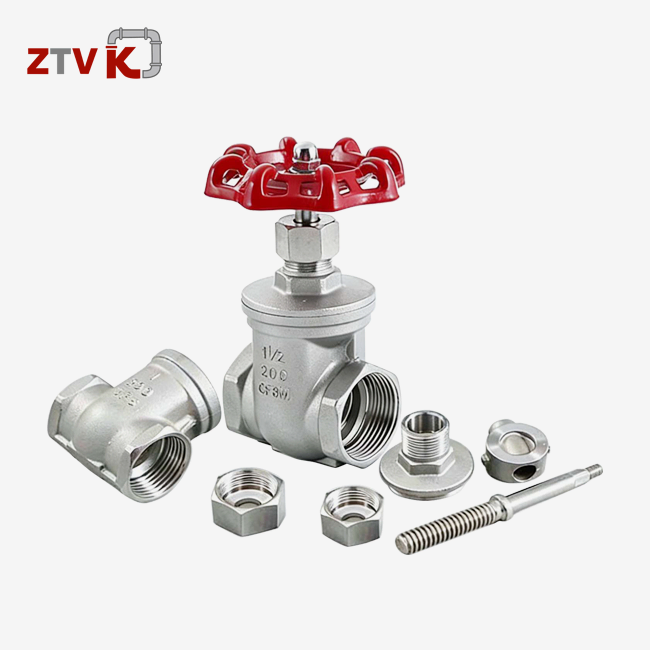
Functional differences can be seen by comparing operating features. Gate valves let flow go straight through, which is great for isolating on-off signals, but they can't slow down flow—trying to do so will damage the wire drawing. Ball valves can be turned a quarter of the way and have a very small pressure drop, but they can't handle solids in the fluid that can damage the closing surfaces. Stop valves are willing to make these trade-offs. They give up some pressure efficiency in exchange for accurate flow control and strong closing when the difference pressure is high.
Procurement Strategies and Supplier Evaluation
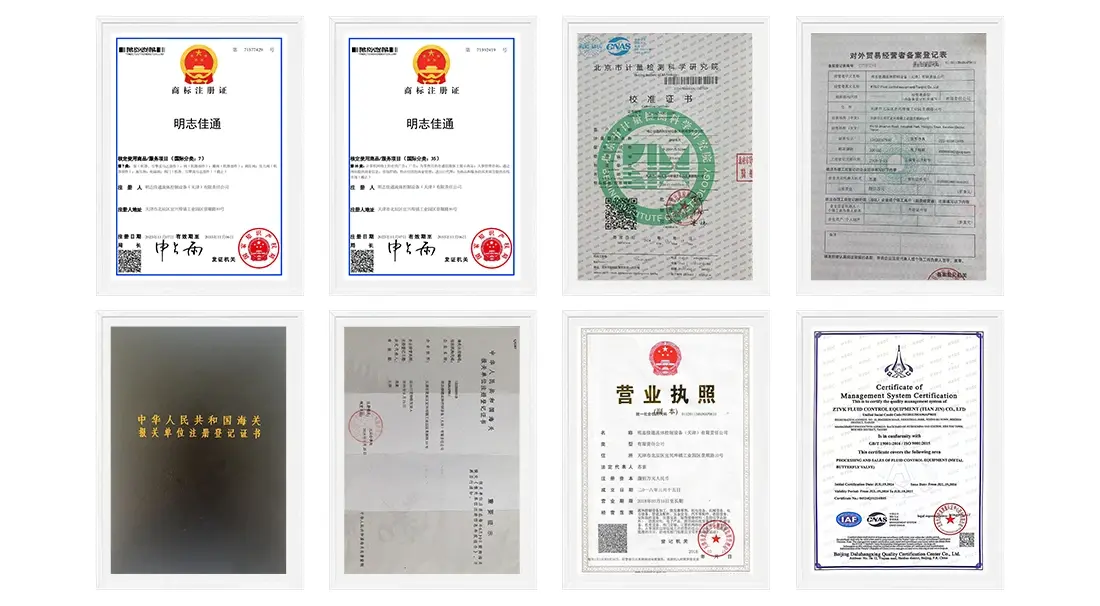
When you buy in bulk from fully integrated companies like ZTVK, you save a lot of money. Because we have our own foundry and CNC machining centers, we don't have to pay markups to distributors. This means that for orders over 50 pieces, the cost per unit goes down by 15 to 25 percent. To figure out how trustworthy a seller is, you need to check that their ISO 9001 certification is real, look at third-party test results that list the chemical and mechanical properties of the goods, and make sure they follow ISPM 15 wooden packaging standards to avoid being held up at customs.
Maintenance Tips for Stainless Steel Stop Valves
Routine review routines keep operations running longer and stop them from shutting down without warning. Visual checks every three months should find stainless steel stop valve stem leaks (which means the packing is breaking down), body tears (which means the casting is porous), or actuator misalignment. Every year, during breakdown checks, the disk-to-seat contact width can be measured. Values below 1.5 mm indicate erosion, which means the seat needs to be refaced or replaced. In high-cycle heat uses, non-destructive testing methods like dye-penetrant examination can find cracks below the surface.
Cleaning Protocols and Safe Agents
Stainless steel is resistant to rust, but that doesn't mean it can't be damaged by some chemicals. Bleach and hydrochloric acid are two cleaners that contain chloride and can cause pitting corrosion, especially in cracks around packing glands. Mild alkaline detergents, citric acid solutions (10% strength at most), or special passivation processes that restore the chromium oxide layer after manufacturing are all good cleaning agents. Ultrasonic cleaning gets rid of scale buildup well without causing damage to precision-lapped sitting surfaces through mechanical abrasion.
Troubleshooting Common Failure Modes
Stem leaking is usually caused by packing compression loss. Tightening gland bolts in quarter-turn steps can often fix the problem without taking the whole thing apart. If there is persistent leaking, the packing needs to be replaced with materials that work well together, like graphite-PTFE braids for steam duty and aramid fiber for chemical duty. Internal leaks (flow continuing when the valve is closed) mean that the disk is damaged from cavitation or a foreign object getting lodged. Disassembly shows if seats need to be re-lapped or trim parts need to be replaced.
Preventive Maintenance Schedules
Schedules for preventive repair should match the level of intensity of operations. Water service valves can go 18 months between maintenance checks, but steam throttling needs to be checked every six months because of wear and rust. Keeping track of practical data like cycle numbers, pressure differences, and temperature changes lets you plan maintenance that stops degradation before it becomes a problem.
Application Areas and Industry Use Cases
Municipal water treatment plants use stainless steel stop valves to control the amount of chlorine used and the pressure in the zone. The DN15-DN600 range of the J41W-16P type can handle both large diameter distribution main separation and small diameter individual service line metering in unified inventory systems. Following the NSF/ANSI 61 guidelines for drinkable water makes sure that no metallic ions leak out and hurt the quality of the water.
Chemical Processing and Petrochemical Sectors
In catalytic cracking units, where temperatures can hit 450°C and corrosive naphtha streams contain sulfur compounds, refineries use steel stop valves. The 316-grade design is resistant to sulfidation attack, which eats away at carbon steel copies in months. Precise slowing helps control the reaction temperature—small changes in flow rate change the heat exchanger's job, keeping the catalyst bed at the best temperature for maximum gasoline returns.
Pharmaceutical and Biotechnology Industries
When making medicines, you need to use clean designs with electropolished innards (Ra < 0.4 µm surface finish) to stop bacteria from growing. Water-for-Injection (WFI) loops are controlled by stop valves because leakage could damage whole batches worth millions of dollars. For validation compliance, it is very important that EPDM or PTFE seats can survive multiple Steam-in-Place (SIP) sterilization processes at 121°C without breaking down.
Sewage and Environmental Protection Applications
Wastewater treatment plants use Stainless steel stop valve in sludge-draining circuits where rough solids and acidic biological acids make equipment last less long. Cast iron alternatives don't last as long as stainless steel ones, so replacing them less often saves money on work costs. Environmental compliance tracking units control the flow rates of samples with precise needle valves. This makes sure that the analytical results are correct and help with discharge permit adherence.
Conclusion
Stainless steel stop valves are precision-engineered options that balance the ability to control flow with the ability to prevent corrosion, which is important for harsh industrial environments. The ZTVK J41W-16P model is an example of current production standards. It can handle PN16 pressure across DN15–DN600 sizes and is made of a durable material that can handle water, steam, and oil service. To be successful at procurement, you need to understand how operations work, compare different material options, and check out the skills of suppliers, such as their stock supply, ability to customize, and quality certifications. Routine checks, the right cleaning products, and predictive diagnostics are all parts of good maintenance procedures that extend the life of a system and reduce downtime. Distributors and builders can get parts that work well and don't cost too much in the long run by making sure that valve specs match system needs and working with dependable companies that can deliver quickly and offer technical support.
FAQ
1. Why choose SS 316 over SS 304 for industrial stop valves?
SS 316 has 2 to 3 percent molybdenum added to it, which makes it much more resistant to pitting and crevice rust caused by salt. This means that marine settings, salty water systems, and chemical plants that work with acids or salts have to have it. For less money, SS 304 is good enough for fresh water and light poisons.
2. Can stainless steel stop valves handle high-pressure steam applications?
The stainless steel stop valve can handle steam levels up to 16 bar with its PN16 grade. For higher-pressure steam service (25–40 bar), you need PN25 or PN40 types with metal-seated trim and thicker body walls to keep them from leaking during thermal cycles.
3. How often does valve packing require replacement?
Graphite-PTFE braids used in modern live-loaded packing systems make them last 18 to 24 months in water service or 50,000 rounds or more. Because wear and rust work in a year, steam-throttling valves need to be inspected every year. Tightening gland nuts during checks every three months greatly increases the time between checks.
4. What installation orientation is recommended?
So that the stem doesn't have to work as hard, flow should go under the disk (flow-under-disk direction, shown by body lines). Gravity-assisted closing makes it less likely that packing will leak when the motors are placed above.
Partner with ZTVK for Reliable Stainless Steel Stop Valve Supply
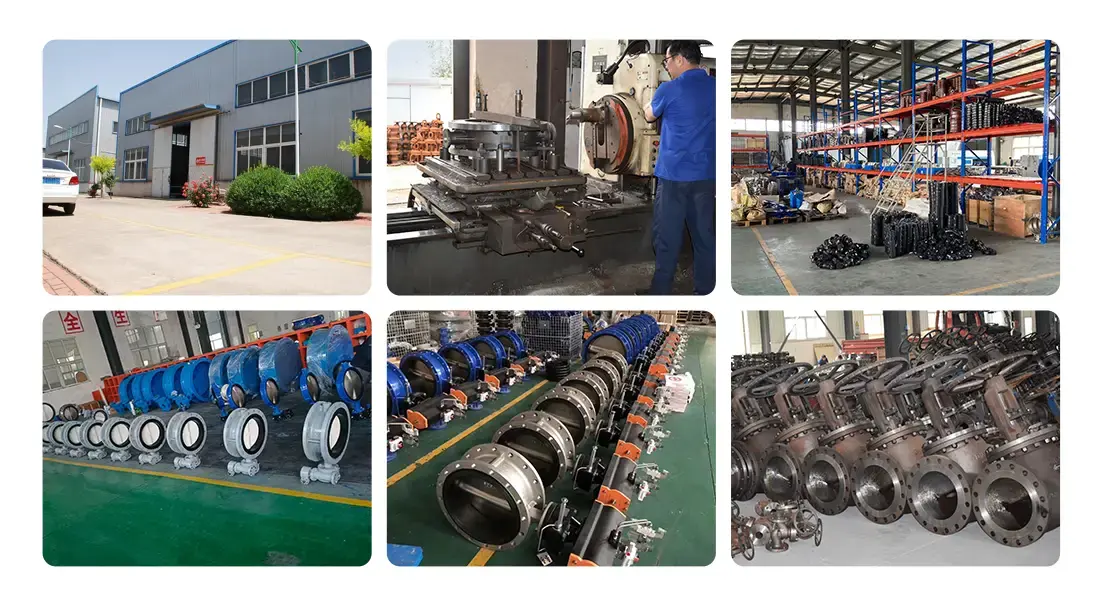
Delivering ISO 9001-certified flow control solutions to international distributors and builders, ZTVK is a reputable Stainless steel stop valve maker based in Tianjin's Beichen District. Our reasonable prices come from the fact that we do all of our own production, from casting to CNC cutting to final testing. We keep more than 2,000 standard valve units in stock, which means that urgent projects can be delivered in 3–7 days. Custom OEM orders, on the other hand, ship within 15–25 days. We are only 50 km from Tianjin Port and have streamlined FOB and CIF shipping through relationships with COSCO and Maersk. Our packing is ISPM 15-compliant, which keeps customs delays to a minimum. You can email ktec86961886@163.com to ask for technical specs, price quotes, or CAD models. Our tech team helps you choose products before you buy them and then helps you put them after you get them. This makes sure that your purchase is the best it can be.
References
1. Smith, J.R. (2021). Industrial Valve Selection and Maintenance Handbook. Mechanical Engineering Press.
2. Chen, L. & Wang, M. (2022). "Corrosion Resistance of Stainless Steel Alloys in Chemical Process Industries," Journal of Materials Engineering, 45(3), 234-251.
3. American Society of Mechanical Engineers (2020). ASME B16.34: Valves—Flanged, Threaded, and Welding End. ASME Standards.
4. Peterson, K. (2023). Flow Control Systems: Design, Operation, and Optimization. Industrial Press Inc.
5. International Organization for Standardization (2019). ISO 9001:2015 Quality Management Systems—Requirements. ISO Publications.
6. Thompson, D.A. (2022). "Lifecycle Cost Analysis of Industrial Valves in Petroleum Refining," Process Safety and Environmental Protection, 158, 412-428.
Send us your valve requirements and our team will provide professional solutions and fast quotations.
RELATED INDUSTRY KNOWLEDGE