- English
- French
- German
- Portuguese
- Spanish
- Russian
- Japanese
- Korean
- Arabic
- Greek
- German
- Turkish
- Italian
- Danish
- Romanian
- Indonesian
- Czech
- Afrikaans
- Swedish
- Polish
- Basque
- Catalan
- Esperanto
- Hindi
- Lao
- Albanian
- Amharic
- Armenian
- Azerbaijani
- Belarusian
- Bengali
- Bosnian
- Bulgarian
- Cebuano
- Chichewa
- Corsican
- Croatian
- Dutch
- Estonian
- Filipino
- Finnish
- Frisian
- Galician
- Georgian
- Gujarati
- Haitian
- Hausa
- Hawaiian
- Hebrew
- Hmong
- Hungarian
- Icelandic
- Igbo
- Javanese
- Kannada
- Kazakh
- Khmer
- Kurdish
- Kyrgyz
- Latin
- Latvian
- Lithuanian
- Luxembou..
- Macedonian
- Malagasy
- Malay
- Malayalam
- Maltese
- Maori
- Marathi
- Mongolian
- Burmese
- Nepali
- Norwegian
- Pashto
- Persian
- Punjabi
- Serbian
- Sesotho
- Sinhala
- Slovak
- Slovenian
- Somali
- Samoan
- Scots Gaelic
- Shona
- Sindhi
- Sundanese
- Swahili
- Tajik
- Tamil
- Telugu
- Thai
- Ukrainian
- Urdu
- Uzbek
- Vietnamese
- Welsh
- Xhosa
- Yiddish
- Yoruba
- Zulu
What is the pressure in kilograms that the Triple-offset metal-seated butterfly valve can withstand
When sourcing high-performance industrial valves, understanding pressure capacity is crucial. The triple offset metal seated butterfly valve typically withstands pressure ratings ranging from PN6 to PN420 (approximately 6 to 420 kg/cm²), depending on design specifications, materials, and size. Standard models commonly available include PN6, PN10, PN16, and 150LB ratings, which translate to roughly 6 kg/cm², 10 kg/cm², 16 kg/cm², and 10.3 kg/cm² respectively. These valves are engineered to handle demanding conditions across petrochemical, power generation, and municipal infrastructure projects, delivering reliable isolation and flow control where conventional valves often fail.
Understanding the Pressure Rating of Triple-Offset Metal-Seated Butterfly Valves
Clarifying Pressure Measurement Standards in Kilograms
When pressure values are given in kilos, they mean kg/cm² or kgf/cm², which are units that are widely used in industry around the world. If you want to buy things from other countries, it helps to know that 1 bar is equal to about 1.02 kg/cm² and 1 psi is equal to about 0.07 kg/cm². In the meantime, 1 MPa is equal to 10.2 kg/cm². With these changes, wholesalers and builders can make sure that the product specs match regional standards, whether they are buying valves for oil plants in the Middle East or HVAC systems in Europe.
For triple offset metal seated butterfly valves, common pressure ranges are PN6 to PN16, which equals 6 to 16 kg/cm² and are used in common HVAC and municipal settings. Higher ratings, up to 150LB (about 10.3 kg/cm²), are better for harsh industrial settings. For certain uses in the petrochemical or power industries, valves with a rating of PN420 or ASME 2500, which is equal to 420 kg/cm², may be needed. However, these high ratings are higher than what is usually available.
How the Triple-Offset Geometry Enhances Pressure Resistance
Three geometric offsets distinguish this valve. The shaft is not in the center of the disc or seat plane, and the seat cone axis is not straight onto the pipe. The ingenious cam-action design eliminates friction between the metal seat and seal ring during the 90-degree opening cycle. Contact occurs only during the final closure, which employs torque-based sealing instead of position.
The technology immediately increases air capacity. Concentric designs wear down seals by rubbing the disc against the seat, making pressure cycling less efficient. However, the triple offset metal seated butterfly valve arrangement preserves the seat. The metal-to-metal contact creates a gas-tight seal that can withstand both pressure loads when closed. Elastomeric materials, which degrade under heat and chemicals, are avoided. This form increases pressure ratings and service life to over 50,000 cycles.
Impact of Valve Size on Maximum Pressure Capacity
Valve size greatly affects pressure endurance. Smaller valves (DN50 to DN150) can tolerate greater pressure classes due to their lower surface area and structural stress. However, valves between DN600 and DN3000 have larger forces on the disc and body, which restricts pressure ratings unless the wall thickness and reinforcements are increased.
Manufacturers like ZTVK produce valves with pressure values for each size, DN50 to DN3000. Smaller sizes may achieve PN16 or 150LB rates, whereas larger diameters work in the PN6 to PN10 range unless expressly constructed to satisfy greater specifications. Procurement teams should examine pressure and size fit during design to minimise safety or performance issues.
Key Design Features Affecting Pressure Capacity
Metal Seats vs. Soft Seats in High-Pressure Environments
For high-pressure resilience, metal seat construction is crucial. Soft-seated butterfly valves with EPDM, NBR, or PTFE liners degrade fast over 260°C and are ineffective at pressures exceeding 10 kg/cm² in hazardous fluids. Stainless steel seats with Stellite 21 hard-facing or laminated stainless steel and graphite composites may remain leak-tight at pressures up to 420 kg/cm², even at extreme temperatures (-196°C to +815°C).
Combining the metal seat with flexible graphite creates a strong seal. The metal framework maintains its form steadily when temperature and pressure fluctuate, while graphite smooths minor surface imperfections. This combination helps distributors and contractors satisfy ISO 15848 emission regulations, have longer service life, and save downtime.
Selecting Body Materials for Optimal Pressure Performance
Ductile Iron (GGG40/50): Cheap and suitable for PN6–PN16 HVAC and water systems. Ductile iron is robust enough for municipal applications but corrodes in corrosive chemicals.
Carbon Steel (WCB A216): Oil and gas projects employ carbon steel because it can withstand PN16 temperatures and pressures. Contractors on limited budgets like it because it balances price and performance.
In chemical processes and coastal environments, stainless steel (SS304/316/316L) resists corrosion. The bodies are stainless steel, which fulfils API 609 and ASME B16.34 pressure integrity specifications for sour service with H2S.
That's why duplex stainless steel (2205/2507/1.4529) is robust and rustproof in chloride-filled environments. For industrial and maritime applications, duplex materials can withstand greater pressures and don't break.
Picking the proper material ensures that the valve fulfils industry pressure requirements and reduces corrosion, maintenance, and replacement expenses during its lifespan.
Advanced Sealing Technology Sustaining Pressure Under Load
Triple offset metal seated butterfly valves use a combination of precision engineering and material science for their sealing technology. When force is applied, the metal seat ring, which is usually made of several layers of stainless steel and graphite bonded together, moulds itself to the Stellite-faced body seat. Because this device is torque-seated, the sealing integrity improves under pressure instead of just depending on the mechanical charge.
When the actuator is closed, it applies torque that pushes the cone-shaped seat into the body seat. This creates a force distribution that raises the contact pressure in a proportional way. Fire-safe certifications like API 607 and ISO 10497 back up this design's performance of zero leakage in both directions. The sealing interface can handle sudden changes in pressure and temperature expansion without losing its tightness. This is a very important feature for power plants that deal with steam lines and factories that deal with volatile fuels.
Practical Pressure Limits in Industrial Applications
Typical Pressure Ranges in Oil, Gas, and Petrochemical Sectors
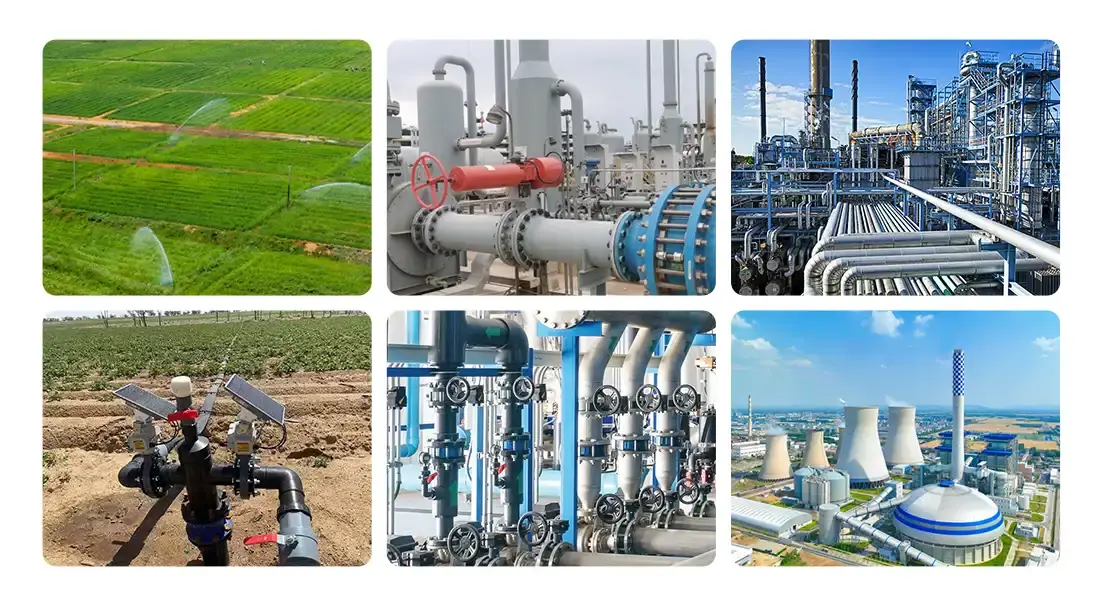
Most of the time, triple offset metal seated butterfly valves handle pressures between 10 and 40 kg/cm² (PN10 to PN40) in oil and gas activities. Pipeline isolation, wellhead control, and refinery process lines need shutoffs that work reliably at these pressures and temperatures. They also need to be able to handle corrosive media. Most of the time, petrochemical plants that work with feedstocks and intermediates run at similar pressures. However, high-pressure reactors and distillation units sometimes need PN64 to PN100.
Most of these uses can be met by ZTVK's basic products in PN6, PN10, PN16, and 150LB grades. Custom designs raise the capacity to PN25 or PN40 for customers who need better performance but don't want to switch to more expensive gate or ball valve options. Because of this, distributors can give reasonable prices and meet the needs of end users.
Power Generation and High-Temperature Steam Applications
Power companies that use steam engines have special problems to deal with. Pressures between 16 and 64 kg/cm² (PN16 to PN64) and temperatures up to 540°C are used in extraction steam lines and bypass systems. In these conditions, triple offset metal seated butterfly valves are used instead of standard gate valves. They can close more quickly in case of an emergency and don't have the risk of wedge binding due to heat expansion.
Because the spin doesn't rub against anything, the actuator force needs are up to 30% lower than with gate valves. This means that smaller, less expensive actuators can be used. This benefit is useful for EPC companies who are in charge of handling capital costs and installation schedules. Extended bonnets keep the stem packing safe from high temperatures, which keeps the valve working properly for its whole life.
Temperature-Pressure Relationships and Their Impact on Performance
According to ASME B16.34 pressure-temperature charts, the ability to hold pressure drops as the working temperature rises. At room temperature, a triple offset metal seated butterfly valve that is rated PN16 can be lowered to PN12, and at 500°C, it can be lowered even further to PN8. When buying teams define valves for high-temperature use, they need to understand this dynamic.
This relationship is affected by the choice of material. When heated to high temperatures, stainless steel and duplex alloys can handle more pressure than carbon steel or ductile iron. Graphite-enhanced metal seats can handle changing temperatures without breaking down, so they can keep closing well across a wide range of temperatures. Manufacturers provide pressure-temperature curves that contractors should look at to make sure that specs match up with real-world working conditions. This will help keep accidents and premature failures from happening.
Comparison: Triple-Offset Metal Seated Butterfly Valve vs Other Valve Types in Pressure Handling
Triple-Offset vs Double-Offset Butterfly Valves
Double-offset butterfly valves have two different angles: the shaft is offset from both the centerline of the disc and the plane of the seat. When compared to concentric types, this design lowers seat friction. However, contact still happens during spinning, which causes wear that limits pressure ratings to PN10 or 150LB in most cases. The cam-action that stops rubbing completely can't happen because the third cone-axis shift is missing.
Triple offset metal seated butterfly valve designs can achieve PN16 ratings or higher with metal seats, providing a gas-tight shutoff that meets API 598 Class VI leakage standards. This difference means that wholesalers who work with petrochemical or power clients will need to do less upkeep and pay less overall, which makes the small price increase over double-offset models worth it.
Metal-Seated vs Resilient-Seated Butterfly Valves
Elastomeric liners on resilient-seated valves make them great for low-pressure water and sewer uses (PN6 to PN10) because they are cheap and easy to install. Pressure limits are usually less than 16 kg/cm², and temperature limits are 120°C for EPDM and 200°C for PTFE. Chemical compatibility is limited, and many elastomers break down in acidic or hydrocarbon-based conditions.
Triple offset metal seated butterfly valves work effectively at temperatures ranging from -420°C to 815°C and pressures up to 420 kg/cm². Service life in rough slurries, sour gas, and superheated steam is much longer than for resilient seats—up to 50,000 cycles, compared to 10,000 for soft seats. When it comes to water treatment, municipal workers may choose durable seats, while engineers at refineries and power plants choose metal seats because they are better for their needs.
Pressure Resistance Comparison with Ball Valves
Ball valves are usually used for high-pressure separation because they can handle up to PN420 and shut off completely without any leaks. However, they need a lot more space to be installed, a stronger actuator, and a bigger original investment. A 12-inch ball valve might cost 40–60% more than a triple offset metal seated butterfly valve of the same size, and it needs bigger actuators because it needs more power.
Triple offset metal-seated butterfly valves close just as well (Class VI leaking rates) but are much lighter and take up much less space. The butterfly configuration is the best choice for setups with limited room or projects that want to save money on capital. This cost-benefit ratio is appealing to distributors that work with price-conscious markets in Southeast Asia and the Middle East. It makes triple offset metal seated butterfly valves the best choice for situations where ball valves are usually used.
Maintenance and Procurement Considerations for High-Pressure Triple-Offset Valves
Preventive Maintenance Practices to Preserve Pressure Ratings
Maintaining pressure purity needs to be checked and serviced on a regular basis. Some important practices are checking the torque once a year to make sure the actuators are applying the right amount of sealing force, checking the seat and seal ring for wear or corrosion, and adjusting the stem packing to stop fugitive emissions. Because of the graphite interface, metal seats can handle small surface flaws, but severe galling or erosion means the seat needs to be replaced.
Lubricating the stem bearings and actuator parts lowers friction, which keeps the torque efficient and extends the life of the parts. Inspections should happen every six months or three months instead of every year in high-cycle areas like turbine escape lines. When contractors use preventive maintenance programs, unplanned shutdowns happen less often, and triple offset metal seated butterfly valves last longer, which lowers the overall cost of ownership by a large amount.
Verifying OEM Quality Certifications and Pressure Specifications
Pressure ratings will match real performance if you choose makers with good reputations and valid certifications. As a starting point, look for ISO 9001 certifications for quality management, ISO 14001 certifications for environmental compliance, and OHSAS 18001 certifications for workplace safety. Valve-specific certifications like API 609 Category B, API 607 fire-safe, and ASME B16.34 pressure-temperature ratings make sure that the design is correct.
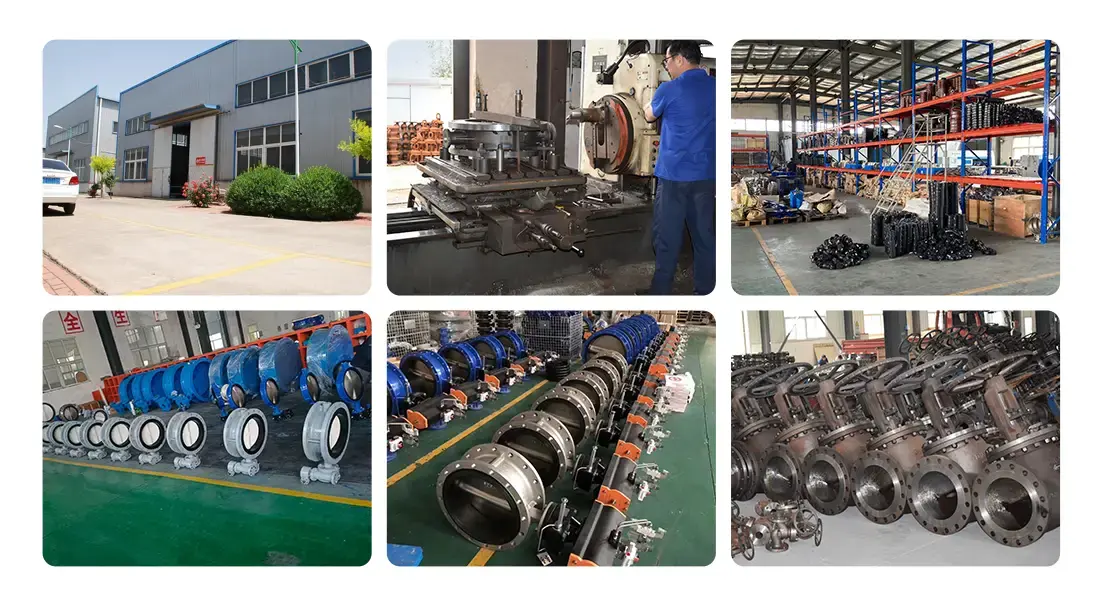
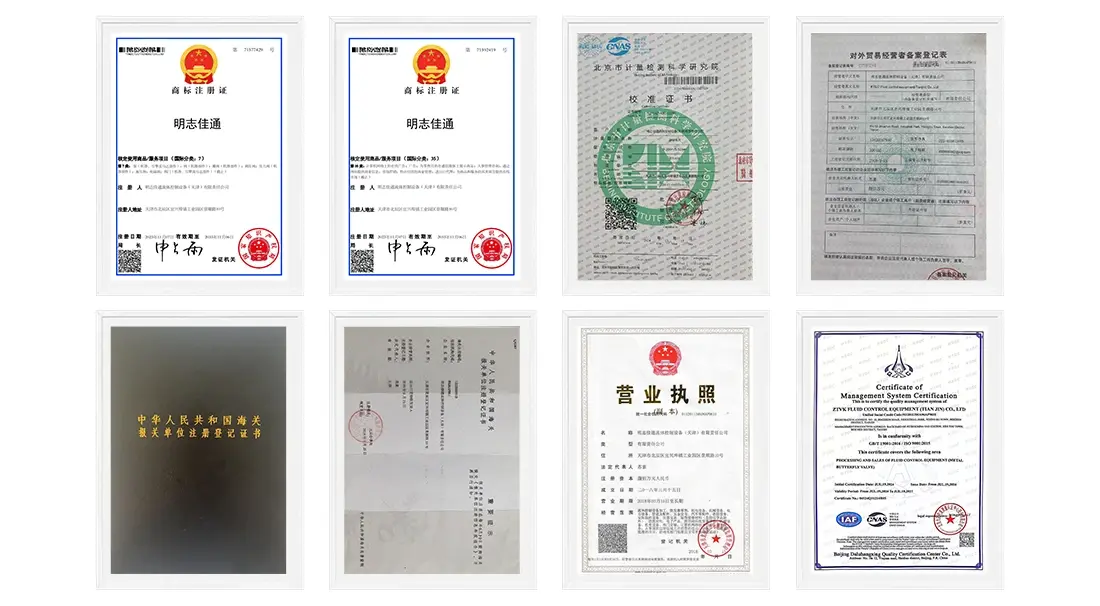
The company ZTVK is certified by ISO 9001, ISO 14001, and OHSAS 18001, and its goods meet API, ANSI, DIN, and CE standards. Before being shipped, each triple offset metal seated butterfly valve is put through pressure tests and a material analysis. There is proof for third-party checks. Transparent quality assurance lowers the risk of non-conformance and guarantee claims, which can hurt distributors' ties with customers and their ability to make money.
Practical Procurement Guide for Distributors and Contractors
- Pressure Rating Verification: Make sure that the ratings match the working conditions, taking into account safety gaps and temperature derating. Ask for test papers and pressure-temperature graphs.
- Material Specification: Choose materials for the body, disc, and seat that are safe for the process media and the environment. Carbon steel is good for fuel service, while duplex steel works well in corrosive conditions.
- Compliance Documentation: Make sure that API, ISO, and local standards are being followed by checking the certification and doing workplace checks.
- Lead Time and Inventory: Manufacturers keep standard sizes (DN50–DN600) in stock, which lets them send quickly (3–7 days), but special orders take 15–25 days. Make plans for when to buy things based on this.
- OEM and Customization Capability: Manufacturers that offer OEM logos, custom seat materials, and connection types (wafer, lug, and flanged) give wholesalers who serve a variety of markets more options.
Over 2,000 standard valves are kept in stock by ZTVK at facilities close to Tianjin Port. This lets urgent orders be filled quickly. As little as one set is needed to place an order for customisation services like OEM branding, changing the layout of the seats, and integrating actuators. This gives wholesalers the freedom to meet the needs of a wide range of customers without having to carry too much inventory.
Conclusion
Knowing how much pressure a valve can hold in kilograms helps engineers, builders, and distributors choose triple offset metal seated butterfly valves that meet tough industrial standards. These valves work well in the petrochemical, power production, and municipal sectors, with normal grades from PN6 to PN16 and custom choices up to PN420. The triple offset metal-seated butterfly valve shape, metal seat structure, and wide range of materials make sure that the pressure is maintained, there are no leaks, and the product lasts longer. Triple offset designs are the best for high-pressure applications because they perform better, cost less, and take up less space than double-offset, resilient-seated, and ball valve alternatives. Working with approved makers ensures quality, compliance, and trust in the buying process.
Frequently Asked Questions
1. What pressure rating should I specify for municipal water systems?
The water supply and fire safety systems in cities usually work at 6 to 10 kg/cm² (PN6 to PN10). Standard PN10 types from ZTVK with bodies made of ductile iron or carbon steel work well in these situations and meet AWWA and ISO norms for effective shutoff. Epoxy finishes that don't rust make things last longer in places with drinkable water.
2. Can triple-offset butterfly valves handle steam service?
Yes, triple-offset metal-seated butterfly valves work very well with steam up to 540°C and 64 kg/cm². Stainless steel or duplex bodies with metal seats that are strengthened with graphite can handle thermal cycles and high-velocity steam without the seats breaking down. Longer bonnets cover the stem packing, which keeps the valve from leaking for its entire life in power generation settings.
3. How do I convert PN ratings to kilograms per square centimeter?
PN values are close to pressure in bars, which is almost exactly the same as kg/cm² (1 bar = 1.02 kg/cm²). PN10 is about 10 kg/cm², and PN16 is about 16 kg/cm². In order to get kg/cm² from PSI, divide by 14.2 (150 PSI ≈ 10.3 kg/cm²). For accurate derating at high temperatures, always look at the manufacturer's pressure-temperature charts.
Partner with ZTVK for Reliable Triple Offset Metal Seated Butterfly Valve Solutions
ZTVK sells metal-seated butterfly valves that are made to work in harsh, high-pressure situations. Our ISO-certified factory in Tianjin makes triple offset metal seated butterfly valves with ratings of PN6, PN10, PN16, and 150LB. These valves are available in sizes DN50 to DN3000. We have a variety of materials, such as carbon steel WCB, stainless steel 316L, and duplex 2507. Our metal-graphite seats ensure that there is no leakage. ZTVK is a reliable triple offset metal-seated butterfly valve supplier. We offer OEM branding, custom engineering, and fast shipping from our inventory of over 2,000 units, which is located 50 km from Tianjin Port. Get in touch with us at ktec86961886@163.com to talk about your pressure needs, get CAD models, and get cheap bulk prices backed by our 18-month guarantee and full technical support.
References
1. American Petroleum Institute. (2018). API Standard 609: Butterfly Valves – Double Flanged, Lug- and Wafer-Type. Washington, DC: API Publishing Services.
2. ASME International. (2020). ASME B16.34: Valves – Flanged, Threaded, and Welding End. New York: American Society of Mechanical Engineers.
3. International Organization for Standardization. (2019). ISO 5752: Metal Valves for Use in Flanged Pipe Systems – Face-to-Face and Centre-to-Face Dimensions. Geneva: ISO Central Secretariat.
4. Valve Manufacturers Association. (2017). Pressure-Temperature Ratings for Industrial Valves: A Comprehensive Guide. Washington, DC: VMA Publications.
5. British Standards Institution. (2016). BS EN 12266-1: Industrial Valves – Testing of Metallic Valves – Part 1: Pressure Tests, Test Procedures and Acceptance Criteria. London: BSI Standards Limited.
6. ANSI/ISA. (2015). ANSI/ISA-75.01.01: Industrial-Process Control Valves – Part 2-1: Flow Capacity – Sizing Equations for Fluid Flow Under Installed Conditions. Research Triangle Park, NC: International Society of Automation.
Send us your valve requirements and our team will provide professional solutions and fast quotations.
RELATED INDUSTRY KNOWLEDGE