- English
- French
- German
- Portuguese
- Spanish
- Russian
- Japanese
- Korean
- Arabic
- Greek
- German
- Turkish
- Italian
- Danish
- Romanian
- Indonesian
- Czech
- Afrikaans
- Swedish
- Polish
- Basque
- Catalan
- Esperanto
- Hindi
- Lao
- Albanian
- Amharic
- Armenian
- Azerbaijani
- Belarusian
- Bengali
- Bosnian
- Bulgarian
- Cebuano
- Chichewa
- Corsican
- Croatian
- Dutch
- Estonian
- Filipino
- Finnish
- Frisian
- Galician
- Georgian
- Gujarati
- Haitian
- Hausa
- Hawaiian
- Hebrew
- Hmong
- Hungarian
- Icelandic
- Igbo
- Javanese
- Kannada
- Kazakh
- Khmer
- Kurdish
- Kyrgyz
- Latin
- Latvian
- Lithuanian
- Luxembou..
- Macedonian
- Malagasy
- Malay
- Malayalam
- Maltese
- Maori
- Marathi
- Mongolian
- Burmese
- Nepali
- Norwegian
- Pashto
- Persian
- Punjabi
- Serbian
- Sesotho
- Sinhala
- Slovak
- Slovenian
- Somali
- Samoan
- Scots Gaelic
- Shona
- Sindhi
- Sundanese
- Swahili
- Tajik
- Tamil
- Telugu
- Thai
- Ukrainian
- Urdu
- Uzbek
- Vietnamese
- Welsh
- Xhosa
- Yiddish
- Yoruba
- Zulu
Spring Check Valve vs. Ball Check Valve: Which Is Better?
Choosing between a spring check valve and a ball check valve depends heavily on your system's operational demands. Spring-loaded designs deliver precise control through engineered tension mechanisms, making them ideal for consistent backflow prevention in water supply systems and HVAC installations. Ball check valves, by contrast, offer simplicity and cost efficiency, suited for low-pressure environments with less stringent performance requirements. Neither is universally superior—your choice hinges on pressure ratings, flow velocity, maintenance intervals, and installation constraints specific to your industrial application.
Introduction
Check valves are underestimated yet vital to industrial fluid systems. Without them, backflow damages pumps, pollutes water, and causes catastrophic pressure spikes. Spring- or ball-check valves affect system dependability and maintenance costs. Procurement managers seeking valves for municipal water projects, HVAC contractors installing large-scale systems, and distributors selling abroad all face this.
A technical examination of real-world speed test data is provided in this tutorial. We test each valve in water supply, chemical processing, and energy infrastructure applications and how it handles pressure and flow direction changes. Besides technological needs, we address builders' and sellers' daily buying issues, including wait times, uneven quality, and unreliable suppliers. Whether you're picking valves for a 12-month municipal project or setting up long-term supply agreements, our research helps you make the optimal performance and cost selections.
Understanding Spring Check Valves and Ball Check Valves
How Spring Check Valves Operate
Forward flow pressure opens spring-filled disk or piston check valves. When flow reverses, it shuts. Even with modest differential pressure, spring force seats the valve positively, blocking return immediately. In 120°C water, 304 and 316 stainless steel are popular because they don't rust. The 2-inch socket weld design works well for modest water and HVAC installations.
Water hammer is reduced by the spring system's adjustable closing speed, which is crucial in pump discharge lines where flow fluctuations generate pressure spikes. This regulated response helps engineers in water treatment facilities and fire safety systems where valve closings might harm pipelines.
Ball Check Valve Design Principles
Gravity or flow speed moves a round portion within ball check valves. Forward flow propels the ball away from the seat. Backflow is stopped by gravity or reverse pressure pushing the ball against the seat. This design has fewer functioning parts, less flow restriction, and is simpler to produce, lowering startup costs.
Ball check valves must be placed properly—uneven ball sets may cause horizontal configurations to fail. They operate best in steep uphill flow when gravity closes the aperture. Similar materials are used for spring designs. Bronze is still popular for budget-conscious projects that need to be maintained at a reasonable temperature. Stainless steel is resilient in corrosion-prone water.
Comparing Construction and Materials
Structure differs beyond closure. To last thousands of cycles, spring check valves require higher-grade materials for their precision-engineered springs. Simpler internal forms make ball check valves cheaper and easier to fabricate.
Both designs accommodate round body configurations with socket weld connections and typical pipe systems for water applications up to 2 inches in diameter. Stainless steel 304 doesn't rust, making it ideal for municipal water. In chlorinated or brackish water, pitting corrosion may limit valve life; thus, 316-grade steel is recommended. Maximum temperature is 120°C, which is acceptable for most HVAC and water supply settings without specific metals.
Key Performance Comparisons: Spring Check Valve vs. Ball Check Valve
Flow Characteristics and Pressure Drop
When spring check valves are in use, they cause a measurable drop in pressure because the spring force stops flow. A normal 2-inch stainless steel spring check valve causes a 2–5 psi pressure drop at its rated flow rates. This drop depends on how tight the spring is set. This loss is important in energy-conserving uses where the size of the pump and its running costs affect the overall cost over its lifetime.
Because the ball doesn't have to deal with the resistance of the spring, ball check valves have smaller pressure drops—often just 1-3 psi in the same situations. This benefit is useful for systems that need to keep pressure low or for uses that need the most efficient flow possible. But the ball's inertia can make it take longer to react to sudden changes in flow, which could let some backflow happen before sealing is complete.
Response Speed and Water Hammer Prevention
With spring-assisted closing, the valve usually closes within 0.1 to 0.3 seconds of the flow turning around. This quick action cuts down on the amount of backflow and keeps upper equipment safe from pollution or changes in pressure. Controlled closing speeds, which can be changed by choosing the right spring, protect vulnerable pipe systems from water hammer.
When gravity or reverse pressure overcomes the ball's inertia, ball check valves close more quickly, which can be heard as slamming and shock waves. This trait is fine for low-speed systems, but it becomes a problem in high-flow pump stations or high-up water supply lines where repeated shocks speed up pipe wear and joint failures.
Maintenance Requirements and Service Life
When you use a spring check valve, you need to check the spring tension and seating surfaces on a regular basis. After 50,000 to 100,000 rounds, spring fatigue can make the seal less effective, so it needs to be replaced to keep the valve shut off securely. The stainless steel construction doesn't rust, but if sediment builds up around the spring assembly in dirty water, it may become hard to move.
Because they don't have as many precise parts, ball check valves need less upkeep. But the free-moving ball can catch debris, which can lead to leaks and missing seats. Regular flushing extends the life of systems, especially those that deal with water that is full of particles. Manufacturing standards that are in line with ISO 9001 make sure that both plans are accurate in terms of size and material.
Application Suitability and Industry Use Cases
Water Supply and Municipal Infrastructure
Municipal contractors who build water distribution networks put dependability and durability at the top of their list of priorities. In these situations, spring check valves work great because they consistently stop backflow even when demand changes. Their controlled closing keeps water hammer from damaging old infrastructure, which cuts down on repair calls and increases the life of pipes. In pressure systems, socket weld links make sure that joints don't leak.
Ball check valves work well in low-rise domestic water systems where flow rates stay moderate and pressure spikes aren't too common. Their lower cost makes them appealing to local projects with limited funds, but engineers must take into account that valve slam can cause noise problems in residential areas, which can lead to complaints.
HVAC and Building Systems
HVAC contractors who are in charge of heating and chilled water loops like spring check valves because they work reliably and take up little space. The 2-inch size is good for branch circuit flows, and the stainless steel material doesn't rust when glycol-based heat transfer fluids hit it. It can handle both chilled water (5–15°C) and hot water heaters (80–95°C) at temperatures up to 120°C without breaking down.
Ball check valves work well in low-pressure drainage systems and drain lines where stopping backflow is important, but flow rates are too low to justify the cost of a spring valve. It is very important to have the right orientation—vertical setups prevent sitting problems that could flood equipment rooms when the system shuts down.
Industrial and Chemical Processing
Chemical processing plants that work with corrosive media need structures made of stainless steel 316, which is more resistant to chlorides. In pump discharge situations where process fluids must not contaminate raw material sources, spring check valves provide a solid seal. Different chemical formulations have different specific gravities, so spring tensions can be changed to fit.
Ball check valves are used in systems that are fed by gravity or in low-pressure transfer lines where ease of use and low cost are more important than precise performance. But because they are sensitive to orientation, they can't be used in complex pipe layouts that are common in retrofit projects or facilities with limited space.
Procurement Considerations for B2B Buyers
Pricing Structures and Volume Discounts
Standard 2-inch stainless steel spring check valves usually cost between $45 and $85 each in quantities of 100 to 500 pieces. For orders over 1,000 units, there are bulk savings of up to 15%. Ball check valves with similar specs cost between $30 and $55 each, which means that distributors who care more about low prices than high performance margins can save 30 to 40 percent.
Figuring out these price differences helps sellers put goods in the right category: spring valves are better for tough jobs, while ball valves are better for people who want to save money. Depending on how complicated the marking is and how many units you need to order, OEM branding and custom packing can add $3 to $8 per unit.
Lead Times and Inventory Management
North American makers say that normal configurations will have lead times of 4 to 8 weeks. Faster service is offered for an extra fee. Asian suppliers, especially those in China's industrial hubs, offer cheap lead times. Standard models can be shipped within 3–7 days from stock, while custom specs can take 15–25 days, depending on how complicated they are.
Distributors who use just-in-time inventory like it when suppliers keep more than 2,000 units of popular sizes in stock. This buffer makes sure that orders are filled quickly during busy construction times, when delays on one site can affect other sites as well. Being close to major ports, like sites within 50 km of Tianjin Port, makes it easier to combine containers and cuts down on delays in interior transportation.
Supplier Evaluation and Quality Assurance
Distributors who have been harmed by uneven imports want quality consistency. ISO 9001, ISO 14001, and OHSAS 18001 certifications indicate that suppliers prioritize quality, environmental protection, and worker safety. API, ANSI, and DIN standards ensure the product meets international project requirements.
API 598 hydrostatic testing checks shell and seat integrity. Shell testing uses 1.5x design pressure and a seat leakage rating of 1.1x. Third-party inspection services and factory audits help reassure big-order purchasers that the items are manufactured as advertised. 18-month warranties cover non-human-caused issues, but dealers should explain how to receive replacements and what parts are available immediately.
Installation and Practical Tips for Optimum Valve Performance
Proper Installation Techniques
Spring check valves need to be lined up with the flow direction correctly; arrows on the body show the right way to do this. To avoid porosity or partial fusion that could lower pressure ratings, socket weld joints need to be welded by skilled professionals. By keeping enough space for future repair access, you can avoid having to make expensive changes to the pipes during service times.
If the ball check valve isn't marked as a horizontal-mount design with internal guides, it has to be installed vertically with upward flow. If you do not follow the recommended orientation, you could end up with incomplete seating and persistent leakage. Putting in upstream strainers protects both types of valves from debris buildup that speeds up wear and causes them to fail early.
Maintenance Best Practices
Checking the condition of the seating surface and spring tension retention should be done once a year on spring check valves. Mineral deposits that build up in hard water systems can be removed by taking the system apart for cleaning. This restores the full closure force. Replacement springs should be made to the same specs as the originals. Using softer springs to lower the pressure drop makes backflow prevention less effective.
In systems that tend to get silt, cleaning ball check valves every three months is a good idea. By opening up drain lines further downstream, built-up debris can be flushed out before it settles into seating areas. Listening for strange noises during operation could mean that there are problems with the seats that need to be fixed right away to stop backflow contamination.
Troubleshooting Common Failures
When spring check valves leak, it's usually because the springs are worn out or the seating area is wearing away. By comparing the spring's free length to the specs, you can tell if a replacement is needed. Under a microscope, looking at the seating surface shows pitting or cutting that stops the valve from closing securely and prevents leaks. In serious cases, this means the valve needs to be replaced.
When ball check valves chatter or vibrate, it's probably because they are the wrong size. Flow speeds that are too low to fully lift the ball make the valves unstable. This problem can be fixed by increasing the size to lower the speed or switching to a spring design. On the other hand, a large drop in pressure means the valve is too small and needs to be checked against actual system flows to see if it can handle the load.
Conclusion
The choice between a spring check valve and a ball check valve comes down to your system's efficiency needs and your price. For important city infrastructure and industrial process systems, spring-loaded designs offer better control, faster response times, and protection against water hammer. Ball check valves are simple to use and save money. They are best for less demanding tasks where their working characteristics can be tolerated.
A good buying strategy weighs the original cost against the costs that come up over time, such as repair intervals, energy use from pressure drops, and replacement frequency. When you work with makers that have international certifications for consistent quality and keep enough stock on hand, you can avoid project delays and quality shocks that cut into your profits. Compare your application's specific factors to the ones listed here to make smart sourcing choices that will improve system reliability and customer happiness.
FAQ
1. What makes spring check valves more suitable for water systems than ball designs?
Water hammer is a destructive phenomenon in which fast flow reversal causes pressure spikes that are 10 times normal operating pressures. Spring check valves provide controlled closure that stops water hammer. This benefit is very important in city water systems with long transmission mains, where changes in pressure can be felt for kilometers. Their positive fitting at low differential pressures stops backflow reliably, even overnight when flow rates are low and ball check valves might not seal completely.
2. Can ball check valves handle high-temperature water applications?
Standard ball check valves made of stainless steel 304 can work at temperatures up to 120°C, which is the same as a spring check valve in most HVAC and water supply situations. However, when temperatures are very high and getting close to the limits of the material, spring check valves keep their sealing performance more stable. This is because the spring force cancels out the effects of thermal expansion that could cause ball seating to become uneven.
3. How do bulk procurement strategies differ between valve types?
For distributors trying to reach cost-conscious customers, volume pricing makes ball check valves more appealing—30–40% lower unit costs give them an edge in the residential and light commercial markets. In the corporate and local markets, where performance stability supports a higher initial investment, spring check valves are the standard. Successful distributors keep stock in both types of products and use their relationships with suppliers to get volume discounts on large orders that include more than one product line.
Reliable Spring Check Valve Supplier for Global Distributors
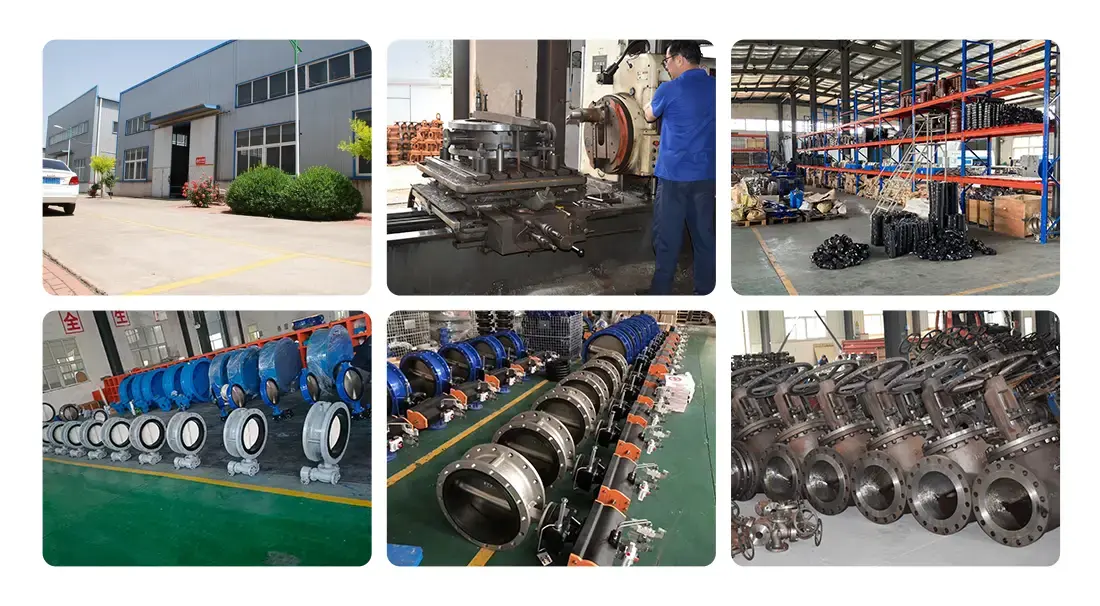
Picking the right valves will help you stay on schedule for your project and protect your reputation. ZTVK is a company based in Tianjin's Beichen Industrial Zone that makes high-quality check valves that meet the strict requirements of international contractors and distributors. Our 2-inch stainless steel spring check valves have round bodies and socket weld joints that make them perfect for use with water up to 120°C.
We keep more than 2,000 common configurations in stock, which means that shipping can happen 3–7 days after the order is confirmed. Our advanced CNC machining centers and dedicated production lines help us ship custom orders within 15 to 25 days, even if they need OEM branding or different pressure ratings. We are only 50 km from Tianjin Port and have partnerships with both COSCO Shipping and Maersk to offer competitive FOB Tianjin Xingang and CIF destination port prices.
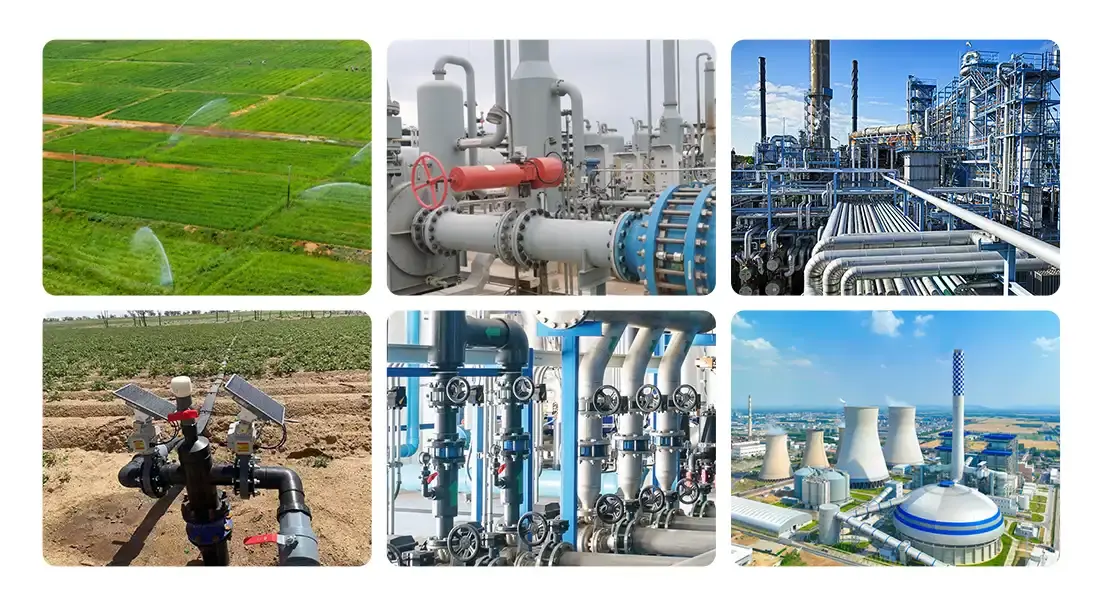
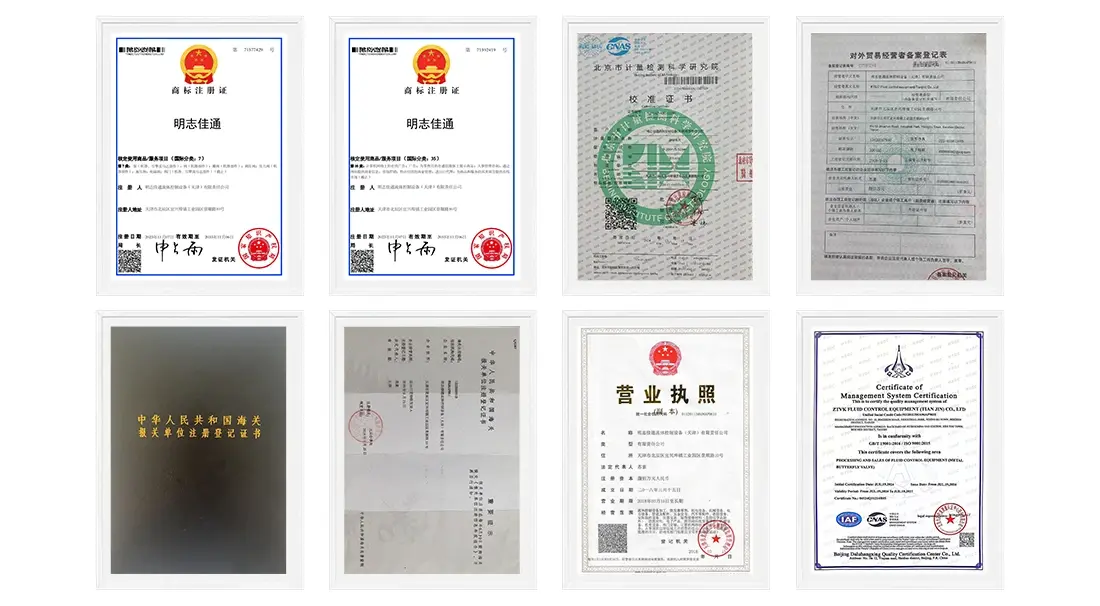
Our quality management systems are certified by ISO 9001, ISO 14001, and OHSAS 18001, and they are also in line with API and ANSI standards, which makes sure they work well with international project requirements. Our 18-month warranty covers all failures that aren't caused by people, and it comes with installation videos and help with fixing problems. Get in touch with our engineering team at ktec86961886@163.com to talk about bulk pricing for spring check valve orders or to ask for custom valve solutions that fit the needs of your distribution market.
References
1. American Petroleum Institute. (2021). API Standard 598: Valve Inspection and Testing. Washington, DC: API Publishing Services.
2. Crane Co. (2020). Flow of Fluids Through Valves, Fittings, and Pipe: Technical Paper No. 410. Stamford, CT: Crane Company.
3. International Organization for Standardization. (2019). ISO 5752: Metal Valves for Use in Flanged Pipe Systems—Face-to-Face and Centre-to-Face Dimensions. Geneva: ISO Central Secretariat.
4. Lyons, J. L., & Askland, C. K. (2018). Valve Selection Handbook: Engineering Fundamentals for Selecting the Right Valve Design for Every Industrial Flow Application. Burlington, MA: Gulf Professional Publishing.
5. Smith, P. R., & Zappe, R. W. (2017). Valve Selection Handbook: For the Process Industries. Houston, TX: Gulf Publishing Company.
6. Zappe, R. W. (2019). Valve Selection and Specification Guide for the Process Industries. New York: Van Nostrand Reinhold.
Send us your valve requirements and our team will provide professional solutions and fast quotations.
RELATED INDUSTRY KNOWLEDGE